In This Guide
- Can You Drive an RV in Tokyo? License & Age Rules
- Road Conditions & Terrain in Tokyo
- RV Size Limits, Bridges & Restricted Zones
- Fuel: Diesel vs. Petrol & Cost per 100 km
- Tolls, Vignettes & Border Rules
- Driving Tips for long term rv rental Travelers
- Recommended RV Class for Tokyo Roads
- Should I Choose a Compact Van Instead of a Large RV in Tokyo?
- Can I Park Anywhere? Free & Wild Camping Rules in Tokyo
- Can I Drive an RV Into the City Center? Heights, Tunnels & Local Signage
- Where can I park an RV overnight in Tokyo?
- Can you live in a campervan in Japan?
- What's the difference between campervan and motorhome in Japan?
- How much does it cost to rent an RV in Japan for a month?
- What You Shouldn't Miss
- Why Book with Bandana Caravan
- Final Thoughts
- Frequently Asked Questions
Imagine yourself not just visiting Tokyo, but truly immersing in its vibrant pulse and the serene beauty of its surroundings, all from the comfort of your own home-on-wheels. A long-term RV rental in Tokyo provides an unparalleled freedom to explore Japan's capital and beyond at your own pace, offering a unique blend of urban adventure and peaceful retreats. Whether you're planning an extended holiday, a working remote escape, or simply craving the flexibility of life on the road for a month or more, RV travel in Tokyo opens up a world of possibilities.
At Bandana RV, we specialize in making these dreams a reality. We understand that finding the perfect long-term motorhome rental requires expertise and transparency. For live availability and current prices, start with our RV Rental Tokyo - Complete Guide 2026. We've been helping tens of thousands of travelers explore the world by RV since 2001, forging direct partnerships with over 50 leading RV suppliers worldwide, including trusted names like El Monte, Cruise America, Apollo, and Britz. Our mission is to ensure you have a seamless, transparent, and joyful experience from the moment you start planning to the end of your extraordinary journey.
Can You Drive an RV in Tokyo? License & Age Rules
Foreigners can generally drive RVs in Tokyo and throughout Japan with an International Driving Permit (IDP) issued under the 1949 Geneva Convention, provided it is presented alongside their valid domestic driver's license. For standard Class B equivalent RVs up to 3,500 kg, the minimum driving age in Japan is 18, but Bandana's rental partners typically require drivers to be at least 21 years old. No special licenses or permits are required for motorhomes in our fleet; a standard car license is sufficient for all Class A, Class B, and Class C motorhomes we offer. Always check the specific requirements of your chosen supplier, but rest assured, we make the process clear with full transparency on all terms, ensuring no surprises.Navigating the license and age rules for a long term rv rental in Tokyo is straightforward, though attention to detail is important. An IDP is essential for most international visitors, and it's a simple process to obtain one in your home country before you travel. While some rental companies might have specific age policies for larger vehicles, Bandana offers a wide selection of motorhomes and campervans, ensuring that travelers aged 21 and above will find suitable options without any young driver surcharges. Our 24/7 support team is always available before and after booking to help clarify any licensing questions you might have for your specific long term rv rental in Tokyo.
Road Conditions & Terrain in Tokyo
Tokyo's roads are generally well-maintained and paved, offering a smooth driving experience, although urban areas, particularly in older districts like Yanaka or residential neighborhoods in Shibuya, feature narrow streets. While central Tokyo is largely flat, surrounding regions popular for day trips, such as Hakone or the picturesque Fuji Five Lakes area, involve winding mountain roads and varying elevations. Long-term RV renters should anticipate dense urban traffic, especially during peak hours around Shinjuku or Shibuya crossings, and plan routes carefully using GPS with RV-specific settings to avoid congestion and challenging maneuvers.Driving slowly and carefully is the key to navigating almost anywhere without issues, even in a rented Class C motorhome in Tokyo. There's no need to stress; just use common sense and pay attention to your surroundings, particularly when maneuvering through busier areas. For a comprehensive overview of how cities and terrains in Japan might affect your travel, consulting the "RV Rental Japan - Complete Guide 2026" can offer valuable insights. We advocate for slow travel, recommending you cover a maximum of 100-150 km per day on average, allowing you ample time to truly feel the place, connect to the culture, the food, and the scenery.
RV Size Limits, Bridges & Restricted Zones
Within Tokyo, RV drivers must be vigilant for height restrictions, particularly in multi-story parking garages and underpasses, which often range from 2.1 to 2.5 meters. While major expressways like the Shuto Expressway are generally clear, some local roads and older infrastructure in areas such as Ginza or Ueno may have lower clearance points, so always observe posted signs. Tokyo does not have widespread environmental zones restricting RV access based on emissions, allowing long term rv rentals in Tokyo to move freely, but drivers should remain aware of any local, temporary traffic regulations that might arise.Choosing the right size for your long term rv rental in Tokyo is important for comfort and maneuverability. Bandana's Class C - Alcove RVs in Tokyo, averaging 5 meters in length, are an excellent choice, providing a good balance. These vehicles offer enough space for families of 2+2 or even small groups while remaining compact enough to handle urban driving with care. By being mindful of signage and planning ahead, you can confidently explore even the more intricate parts of Tokyo and its surrounding regions. For additional guidance on navigation in the city, the "RV Travel Guide to Tokyo - Tips and Top Spots 2026" provides practical advice.
Fuel: Diesel vs. Petrol & Cost per 100 km
In Tokyo and across Japan, petrol (gasoline) is more common for recreational vehicles, though some larger motorhomes may operate on diesel. As Bandana's Class C - Alcove RVs in Tokyo typically have an average length of 5 meters, many are petrol-fueled, providing convenient access to numerous refueling stations. Fuel costs in Japan can fluctuate; expect average petrol prices to be higher than in some other countries, with typical consumption for a Class C RV being around 10-15 liters per 100 km, significantly impacting overall trip costs.Budgeting for fuel is a key component of any long-term RV adventure. For precise trip cost estimation, including fuel, tolls, and campground fees, remember that RV PLANET routes allow travelers to itemize and track every expense along the way for easy budgeting. Keeping an eye on fuel prices at major service stations along expressways or near Tokyo suburbs can help manage your expenses effectively. When planning your route and considering your fuel consumption, think about cooking some of your meals onboard to save on restaurant costs. Our RV-friendly recipes playlist offers great ideas for delicious and easy meals on the go. On the routes offered through RV PLANET routes, you can itemize and track every expense along the way for easy budgeting.
Tolls, Vignettes & Border Rules
Japan utilizes an extensive toll road network, including the metropolitan expressways around Tokyo, rather than a vignette system, with costs varying based on distance and specific sections. For long-term RV rentals in Tokyo, using an Electronic Toll Collection (ETC) card is highly recommended to streamline payments, avoid queues, and potentially access discounts of 10-15%. Our rental partners often offer options for pre-purchasing toll passes or renting an ETC card with your vehicle, which can help travelers avoid fines and manage expenses efficiently.As an island nation, Japan has no land borders, simplifying international travel logistics considerably for domestic RV adventures. This means your focus can remain entirely on exploring Japan without concern for border crossings. Whether you're heading south to the beaches of Enoshima or west towards the mountains of Nikko, planning your journey through Tokyo's expressways will be a major part of your long-term RV trip. For more details on various fees, check out "One-Way RV Rental in Tokyo - Price Guide 2026" which often covers associated charges, including tolls for longer relocation trips.
Driving Tips for long term rv rental Travelers
Plan your routes in advance, especially within the dense urban fabric of Tokyo, using GPS with RV-specific settings to avoid narrow streets or low clearances. For families on long-term trips, schedule regular breaks every 2-3 hours at Michi-no-Eki (roadside stations) or major service areas like those found on the Tomei Expressway, which often have ample parking and facilities. Consider an automatic transmission RV for easier navigation through Tokyo's stop-and-go traffic, providing a more relaxed and comfortable driving experience.Familiarize yourself with Japanese road signs, which include both Japanese and international symbols, before hitting the road. Speed limits are generally 40-60 km/h in urban areas and up to 100 km/h on expressways. Always carry spare change for unexpected tolls or parking meters, although ETC cards and cashless payments are increasingly common. Driving slowly and carefully, max 100-150 km per day on average, is our top recommendation. This approach allows you to take time to feel the place, connect to the culture, the food, and the scenery, making your long term rv rental in Tokyo a truly immersive experience. For specific offers on rentals, consider looking at "RV Rental Deals in Tokyo - Latest Offers 2026".
Recommended RV Class for Tokyo Roads
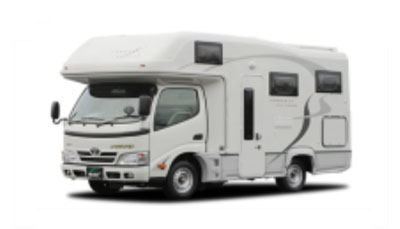
For navigating Tokyo's unique urban environment and exploring its surrounding areas, a Class C - Alcove RV is often a highly suitable choice due to its balance of size and amenities. Bandana's Class C - Alcove RVs in Tokyo average 5 meters in length, offering comfortable interior space for up to 6 sleeping places (typically 3 adults or a family of 2+2) while maintaining sufficient maneuverability for city driving. This size allows for easier parking and negotiation of narrower roads compared to much larger Class A motorhomes, making it a practical option for long-term stays where comfort is paramount.The compact yet spacious nature of a 5-meter RV improves the chances of fitting into standard parking spaces or designated RV lots near popular attractions outside the immediate city center, such as those found around the Tokyo Disney Resort or in the Odaiba area. A Class B campervan, while smaller, might sacrifice too much living space for a month-long trip, making the Class C a better trade-off for extended comfort. For those considering premium options, a "Luxury RV Rental in Tokyo - Premium Prices 2026" might offer larger, more feature-rich Class C or even compact Class A models that still manage Japanese roads with care.
Should I Choose a Compact Van Instead of a Large RV in Tokyo?
Choosing between a compact campervan and a larger RV for a long-term rental in Tokyo depends heavily on your priorities for interior space versus maximum agility. While a compact campervan might offer slightly easier navigation through very tight historical centers like Asakusa's alleyways or extremely narrow mountain passes in more rural areas, a larger RV, such as Bandana's 5-meter Class C - Alcove, is often a better trade-off for long-term comfort and amenities. For extended rentals, the added indoor space, dedicated sleeping areas, and integrated kitchen and bathroom facilities of a Class C motorhome generally outweigh the marginal maneuverability benefits of a compact van in most of Tokyo's drivable areas.The crucial factor in Tokyo is finding convenient parking, and even compact vans can struggle to find suitable spots. Therefore, focusing on comfort for extended stays in a moderately sized RV like a Class C is often preferable, especially when traveling as a couple or a small family. Remember, drive slowly and carefully, and you can drive almost anywhere without issues. No need to stress - just use common sense and pay attention. For additional vehicle options and pricing comparisons, explore our "RV Rental in Tokyo - Prices and Best Deals 2026" to find what suits your long-term travel style best.
Can I Park Anywhere? Free & Wild Camping Rules in Tokyo
In Tokyo and throughout Japan, wild camping or free camping on private land without explicit permission is generally illegal and strongly discouraged due to cultural norms and property laws. Michi-no-Eki (roadside stations) are excellent alternatives for overnight rest stops, allowing RVs to park safely, but they are primarily for resting and not intended for full-scale 'camping' activities like setting out awnings or extensive outdoor cooking. Designated RV parks, official campgrounds on the city's outskirts, and some paid parking lots that explicitly permit overnight RV stays are the legal and culturally appropriate options for long-term parking in and around Tokyo.Rules vary by region, so always check local regulations and follow local laws before parking overnight, particularly for extended periods. Sites like the Tokyo Port Wild Bird Park Campground or nearby facilities in Saitama and Chiba Prefectures offer well-equipped spots for long-term stays. For finding campsites and campgrounds during your trip, we recommend using RV PLANET (rvplan.net) - a great resource for locating available spots along your route. Our commitment to full transparency ensures you are well-informed about all aspects of your long term rv rental, including advice on responsible camping.
Can I Drive an RV Into the City Center? Heights, Tunnels & Local Signage
Yes, it is generally possible to drive an RV into Tokyo's city center, although careful navigation and constant awareness of specific urban challenges are essential. Drivers must pay close attention to local signage indicating height limits (especially for underground parking garages in areas like Marunouchi or Shinjuku, which can be as low as 2.1 meters), width restrictions, and one-way streets. While major tunnels and expressways are built to accommodate standard vehicles, secondary roads or specific districts might have unexpected low clearances or tight turns.Environmental zones are not a major concern for RVs in Tokyo; however, finding suitable and affordable parking, along with maneuvering through dense traffic, will be the primary challenges for a long term rv rental. Using navigation apps with RV-specific filters can help avoid problematic routes. Remember, drive slowly and carefully, and you can drive almost anywhere without issues. No need to stress - just use common sense and pay attention. Planning your routes in advance and considering the size of your rented motorhome are crucial for a smooth experience.
🎬 Video coming soon
Where can I park an RV overnight in Tokyo?
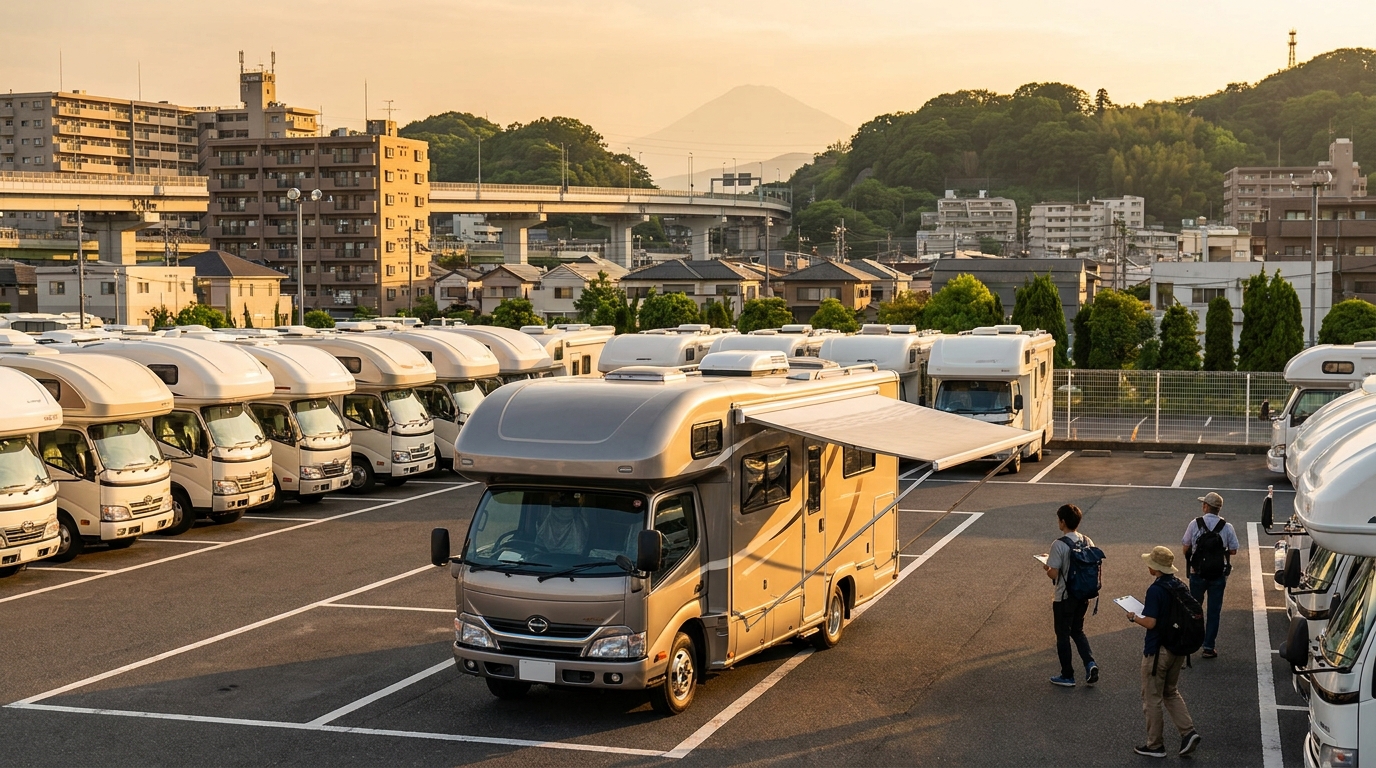
Overnight RV parking in Tokyo is primarily available at designated RV parks, official campgrounds on the city's outskirts, and specific paid parking lots that explicitly permit recreational vehicles. For example, facilities near Tokyo Gate Bridge or in areas accessible from the Aqua-Line highway offer options. Michi-no-Eki (roadside stations), such as Michi-no-Eki Hachioji Takiyama, located further from the immediate city center, offer safe, often free, overnight resting spots, though they are not designed for full camping setups. It is crucial to research and book private RV parks or confirm overnight policies with paid parking facilities in advance, as street parking an RV overnight in Tokyo is generally not allowed and can incur fines. For long-term stays, consider RV parks outside the hyper-dense core, offering better amenities and often more space, while utilizing Tokyo's excellent public transport for city exploration.Can you live in a campervan in Japan?
While living in a campervan for extended periods in Japan is possible, particularly for long-term renters, it requires careful planning regarding legal parking, waste disposal, and accessing essential amenities. Long-term RV travelers in Tokyo looking to embrace a 'mobile living' style will find designated RV parks and campgrounds with power hookups and Wi-Fi to be the most practical and legally compliant options. Japan's excellent public bathhouses (sento) and laundromats (coin laundry), widely available even in suburban Tokyo, provide essential services for those on an extended RV trip. Navigating mail reception or other residency-related complexities is generally not part of a rental experience. Our focus at Bandana is exclusively on RV rentals for vacation travel, ensuring you have a temporary, exciting, and accessible experience without the long-term commitments of ownership.What's the difference between campervan and motorhome in Japan?
In Japan, the distinction between a campervan and a motorhome primarily relates to size, integrated amenities, and the base vehicle, influencing suitability for Tokyo's urban environment. Campervans are typically smaller, built on a commercial van chassis (like a Toyota HiAce), often without an integrated toilet or shower, making them more agile for narrow Tokyo streets but offering less living space. Motorhomes, including Class C - Alcove models like Bandana's 5-meter RVs, are generally larger with more extensive amenities like a kitchen, bathroom, and dedicated sleeping areas, providing greater comfort for long-term rentals. For a long-term RV rental in Tokyo, a motorhome offers superior comfort and self-sufficiency, making it ideal for families or couples seeking more amenities, while a campervan might appeal to those prioritizing maximum maneuverability and a more minimalist approach for shorter trips.How much does it cost to rent an RV in Japan for a month?
The cost to rent an RV in Japan for a month typically ranges from ¥250,000 to ¥600,000 (approximately $1,700-$4,000 USD, depending on current exchange rates), varying significantly based on RV class, age, season, and included amenities. For a long-term Class C - Alcove RV rental in Tokyo, like Bandana's 5-meter models, monthly rates usually fall in the mid-to-upper end of this spectrum due to their comfortable size and features. Beyond the base rental fee, long-term costs will include fuel (expecting around 10-15 liters per 100 km for petrol RVs), tolls, campground fees (if not parking overnight at Michi-no-Eki), insurance, and potential add-ons like Wi-Fi or kitchen kits. Booking well in advance, especially for peak seasons (spring and autumn), can help secure better rates for long-term RV rentals, as prices are dynamic like flight tickets and change daily based on availability and demand. For detailed pricing, check "Cheap RV Rental in Tokyo - Budget Guide 2026".What You Shouldn't Miss
- **Explore Mount Fuji and Hakone**: Drive your rented motorhome to the Fuji Five Lakes area and Hakone. Camp at the lakeside Motosuko Camping Ground for stunning views of Mount Fuji, then enjoy a scenic cruise on Lake Ashi and a soak in an *onsen* in Hakone.
- **Discover Traditional Kyoto & Nara**: Take a longer route (400-500 km, easily doable over 3-4 days with slow travel) from Tokyo to explore the ancient temples of Kyoto and the deer-filled parks of Nara. Park your RV at a designated campsite on the outskirts of these cities and use public transport to explore the historical centers.
- **Coastal Drive to the Izu Peninsula**: Head south from Tokyo for a week-long trip along the beautiful Izu Peninsula, known for its volcanic landscapes, hot springs, and rugged coastline. Michi-no-Eki along Route 135 offer convenient overnight spots with ocean views.
- **Wander through Nikko National Park**: A 2-day route from Tokyo to Nikko allows you to experience UNESCO World Heritage shrines and temples amidst breathtaking autumn foliage or lush summer greenery. RV-friendly parking is available near the main attractions and campgrounds like Nikko Kirifuri Kogen Campground.
- **Chiba Coastline & Beaches**: For a relaxed week-long adventure, explore the scenic Chiba coastline, including areas like Kujukuri Beach. Enjoy fresh seafood at local markets and park your campervan at coastal campgrounds offering ocean access.
- **Looking for expert insights from Avi Bandana? Top 5 Adventures - recommendations from Avi Bandana** (Note: Actual link would go here if available, currently placeholder for automatic linking).