In This Guide
- Can You Drive an RV in Spain? License & Age Rules
- Road Conditions & Terrain in Spain
- RV Size Limits, Bridges & Restricted Zones
- Fuel: Diesel vs. Petrol & Cost per 100 km
- Tolls, Vignettes & Border Rules
- Driving Tips for long term rv rental Travelers
- Recommended RV Class for Spain Roads
- Should I Choose a Compact Van Instead of a Large RV in Spain?
- Can I Park Anywhere? Free & Wild Camping Rules in Spain
- Can I Drive an RV Into the City Center? Heights, Tunnels & Local Signage
- How much does it cost to rent an RV in Spain for a month?
- What is the cheapest way to travel around Spain?
- Is RV camping allowed in Spain?
- Is it worth renting an RV in Spain?
- What is the best month to RV in Spain?
- Is Spain RV friendly?
- Where is the best place to RV in Spain?
- How Much Does an Extended RV Trip in Spain Cost?
- RV Safety and Security for Long-Term Travel in Spain
- Embracing Local Culture During Your Spanish RV Adventure
- Long-Term Logistics for Non-EU RV Travelers in Spain
- Staying Connected: Internet & Remote Work in Your Spanish RV
Spain is a land of vibrant culture, stunning landscapes, and endless adventure, making it an incredible destination for a long-term RV rental. Imagine waking up to the sound of waves on the Mediterranean coast, spending your day exploring historic cities like Seville or Granada, and cooking a delicious meal right in your mobile home under a starlit sky. With a rented motorhome or campervan, this dream becomes a reality, offering unparalleled freedom and flexibility for extended journeys. For live availability and current prices, start with our RV Rental Spain - Complete Guide 2026 guide.
Can You Drive an RV in Spain? License & Age Rules
In Spain, most recreational vehicles up to 3,500 kg, such as many Class B Camper Vans or smaller Class SI Semi-integrated RVs, can indeed be driven with a standard B driving license, typically requiring drivers to be at least 21 years old for rentals. For larger rented RVs exceeding 3,500 kg, like some Class C Alcoves or Class A Integrated models, a C1 license (or its equivalent from your home country) is mandatory to operate them legally. Non-EU citizens generally need an International Driving Permit (IDP) in addition to their valid national driver's license for an extended stay in Spain, while EU citizens can use their national license without issue. Always confirm specific age and license requirements directly with your chosen rental provider, as they can sometimes vary slightly based on their fleet and insurance policies, ensuring you have the correct documentation before you embark on your long term rv rental in Spain.
Road Conditions & Terrain in Spain
Spain boasts an extensive network of well-maintained roads, including modern autopistas (motorways) and scenic carreteras nacionales (national roads), which are genuinely ideal for long-term RV travel. The country's diverse terrain ranges dramatically from the flat plains of central Spain to the rugged mountain passes of the Pyrenees, Sierra Nevada, and Cantabrian mountains, requiring drivers of rented motorhomes to be attentive and drive carefully. Rural roads can be narrower and winding, particularly in picturesque villages and mountainous areas, which naturally encourages a slower, more immersive driving experience, perfectly aligning with our recommendation to "Travel slowly, max 100-150 km per day on average." Long-term RV renters will find the road infrastructure highly supportive of extended journeys, though urban areas can present traffic challenges, but remember: drive slowly and carefully, and you can drive almost anywhere without issues. No need to stress - just use common sense and pay attention.
RV Size Limits, Bridges & Restricted Zones
While Spain doesn't impose a blanket maximum length for rented RVs on general roads, drivers should remain mindful of their vehicle's dimensions for navigation through historic city centers, under low bridges, and through tunnels, all of which are typically well-marked with clear signage. Many major Spanish cities, including bustling Madrid and vibrant Barcelona, have established 'Zona de Bajas Emisiones' (ZBE - Low Emission Zones) where access is restricted based on vehicle emission labels, potentially affecting older or larger RVs without proper certification, so it's wise to check these regulations beforehand. If you're considering ferry services to the Canary or Balearic Islands with your rented motorhome, be aware that they will have specific length and weight restrictions, and booking well in advance is essential for securing space, especially for larger vehicles. Always pay close attention to road signage indicating height, width, and weight limits, particularly when venturing off main highways, to ensure a smooth and surprise-free long term rv rental experience.
Fuel: Diesel vs. Petrol & Cost per 100 km
The vast majority of rented RVs and campervans available for hire in Spain operate on diesel fuel (gasóleo), which is widely and readily available at service stations across the country. Based on Bandana’s global fleet averages, a Class SI - Semi-integrated RV typically consumes between 10-11 Liters/100 km, while a Class C - Alcove RV averages 10-12 Liters/100 km, and a "cruise america rv rental example Explorer" with a 75 Liter fuel tank also consumes around 11 Liter/100 Km. Class B - Camper Vans are generally more fuel-efficient, often achieving 8-10 Liters/100 km, and Class A - Integrated RVs typically consume 8-12 Liters/100 km. Fuel costs can fluctuate, but budgeting for approximately €1.60-€1.80 per liter of diesel is a reasonable estimate for 2026; always factor these running costs into your overall trip budget. For planning and tracking all your ancillary trip costs like fuel and campsite fees, remember that RV PLANET routes allow you to itemize and track every expense along the way for easy budgeting, ensuring full transparency with no hidden fees or surprises. On the routes offered through RV PLANET routes, you can itemize and track every expense along the way for easy budgeting.
Tolls, Vignettes & Border Rules
Spain utilizes a pay-as-you-go toll system (autopistas de peaje) rather than a vignette system, with costs varying significantly by distance traveled and the vehicle class of your rented motorhome. Tolls are typically paid manually at booths using cash or card, or electronically via a 'Via-T' transponder, which some Bandana partner suppliers' RVs may include to streamline travel and avoid potential fines. When planning an extended journey and traveling to neighboring countries like France or Portugal with your rented RV, be aware that they operate their own distinct toll systems; for example, France uses a similar pay-per-use model, while Portugal has electronic tolls with specific payment requirements, so plan accordingly. Always research specific toll routes and costs using online calculators before starting your long-term journey to budget accurately and enjoy a smooth, worry-free adventure, just as we would ourselves.
Driving Tips for long term rv rental Travelers
For long-term family trips with a rented RV in Spain, planning regular stops every 2-3 hours is crucial to prevent driver fatigue and allow all passengers to stretch, refresh, and explore a little. Budget-conscious travelers can utilize GPS apps that offer options to avoid toll roads, though this might increase overall travel time. It's essential to familiarize yourself with common Spanish road signs, including speed limits (e.g., 120 km/h on motorways, 90 km/h on national roads, and often 50 km/h in urban areas), and any unique local signage you might encounter. Practice navigating roundabouts, which are prevalent in Spain, remembering to yield to traffic already on the roundabout. Finally, always carry legally required items in your rented RV, such as reflective vests for all occupants, two warning triangles, and a spare set of bulbs, to ensure you're prepared for any eventuality and can travel with peace of mind.
Recommended RV Class for Spain Roads
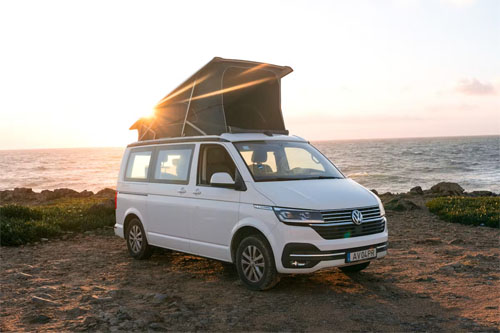
For a balanced blend of maneuverability and living comfort during a long-term trip in Spain, a Class SI - Semi-integrated RV or a Class B - Camper Van is highly recommended from Bandana's fleet. Class SI Semi-integrated RVs, with an average length of 6.9 meters, offer ample living space and amenities like a shower and toilet, while remaining manageable on diverse Spanish roads, including navigating smaller towns. For example, a "2 Berth Tamar" offers these features in a medium RV size. Class B Camper Vans, averaging 5.8 meters in length like the "Active Pop Top Select," provide excellent agility for navigating narrower mountain passes and urban streets, making them ideal for couples or solo travelers seeking flexibility and are also equipped with a shower and toilet. While larger Class C - Alcove (average 7.5m, such as a "Conquest") or Class A - Integrated (average 7.5m, such as an "Exclusive First") RVs offer more space, their size can be more challenging for parking and maneuvering in tight spots, but remember, with careful driving, you can navigate almost anywhere.
Should I Choose a Compact Van Instead of a Large RV in Spain?
For long-term RV travel in Spain, selecting between a compact campervan and a larger motorhome often hinges on your priorities for comfort versus maneuverability, with most RV sizes being generally well-accommodated on Spanish roads. A compact van, such as Bandana's Class B Camper Vans like the "Highball" (averaging 5.8 meters), offers superior agility for navigating bustling city centers, narrow historic village streets, and challenging mountain roads. However, larger RVs, such as a Class SI Semi-integrated model (around 6.9m like the "EcoLine 4") or a Class C Alcove (around 7.5m like the "Euro Deluxe"), provide significantly more indoor living space, storage, and amenities like larger kitchens and bathrooms, which greatly enhance comfort for extended trips. Unless your itinerary focuses heavily on frequent city driving or very remote, unpaved routes, the added comfort and convenience of a larger rented RV for a long-term rental in Spain often outweigh the minor maneuverability trade-offs; just drive slowly and carefully, and you’ll be fine.
Can I Park Anywhere? Free & Wild Camping Rules in Spain
In Spain, wild camping (acampar), which involves setting up camp outside your vehicle with awnings deployed or chairs out, is generally prohibited throughout the country, but overnight parking (pernocta) in a rented RV is often permitted where not explicitly forbidden by local ordinances, provided you are 'parked' and not 'camped.' Laws regarding free overnight parking vary significantly by Spain's autonomous communities and even individual municipalities, making a deep-dive into regional regulations crucial for long-term travelers. Dedicated 'áreas de servicio para autocaravanas' (motorhome service areas) and numerous paid campsites are abundant, providing safe, legal options for overnight stays with amenities like fresh water and waste disposal. Always consult local signage, municipal websites, or apps like Park4night to confirm the legality of overnight parking, and follow local law before parking overnight, as we believe in honest and transparent travel.
Can I Drive an RV Into the City Center? Heights, Tunnels & Local Signage
Yes, you can generally drive a rented RV into Spanish city centers, but it requires careful attention to local signage, especially concerning height and weight restrictions, low bridges, and tunnels. Major cities often have 'Zona de Bajas Emisiones' (ZBE - Low Emission Zones) which restrict vehicle access based on emission stickers, so always check if your rental RV meets the requirements for your intended cities. Historic centers frequently feature narrow, winding streets that are challenging for larger RVs, and some areas may be designated 'residents only' or have strict parking regulations. It's often advisable to park your rented RV in designated outskirts parking areas or campsites with good public transport links and use public transit to explore the city center; however, rest assured that you can drive almost anywhere without issues, just use common sense and pay attention to signage.
How much does it cost to rent an RV in Spain for a month?
Renting an RV in Spain for a month typically ranges from €1,500 to €4,000 or more, depending on the RV class, time of year, and rental duration, keeping in mind that prices are dynamic like flight tickets. Compact campervans (Class B) like a "Juliette 2-3" will generally be on the lower end, starting from around €1,500-€2,500 per month in the shoulder season, while larger, more luxurious integrated RVs (Class A) like an "Exclusive First" will be at the higher end, potentially costing €3,000-€4,500+ per month. Peak season (June-August) will see significantly higher prices than the shoulder seasons (April-May, September-October) or off-peak months. This base rental cost does not include fuel, tolls, campsites, or other travel expenses, which need to be factored into a comprehensive budget breakdown for long-term trips. For a detailed breakdown of options, check out our Cheap RV Rental in Spain - Budget Guide 2026 or for more upscale options, our Luxury RV Rental in Spain - Premium Prices 2026 article.
What is the cheapest way to travel around Spain?
While public transport (buses, trains) can be cheaper for solo travelers focusing solely on major cities, a long term rv rental offers significant value for groups or families exploring Spain by combining accommodation and transport costs, making it a very cost-effective option for extended trips. RV travel can be an economical way to explore Spain when considering savings on hotels, the ability to cook your own meals using the onboard kitchen (don't forget our RV-friendly recipes playlist for inspiration!), and access to more affordable or free overnight parking options (where permitted). Compared to repeated flight or train tickets and nightly hotel stays, a long-term RV rental provides unparalleled flexibility and can often lead to overall savings for extended journeys, especially outside peak tourist areas. To maximize savings, choose a smaller, fuel-efficient RV like a Class B Campervan, avoid toll roads by planning alternative routes, opt for campsites with fewer amenities, and prepare most of your meals in the RV kitchen. Remember, our Rent&Plan service can help you plan cost-effective routes.
Is RV camping allowed in Spain?
Yes, RV camping is widely allowed and well-supported in Spain through a vast network of dedicated campsites (campings) and motorhome service areas (áreas de autocaravanas) across the country. Spain maintains a clear distinction between 'pernocta' (overnight parking within your vehicle, which is often permitted if no local signage explicitly forbids it) and 'acampar' (setting up camp outside your vehicle with awnings, tables, and chairs deployed), with the latter generally restricted to official campsites. Official campsites offer a range of facilities including electricity hookups, fresh water, grey and black water disposal, showers, and often additional amenities like swimming pools or restaurants, providing a comfortable and secure environment for long-term stays. Always prioritize using designated facilities for camping to comply with local laws and preserve the natural environment, ensuring a respectful and enjoyable experience for everyone.
Is it worth renting an RV in Spain?
Renting a motorhome or campervan in Spain for an extended period is highly worthwhile for travelers seeking unparalleled freedom, flexibility, and the ability to immerse themselves deeply in diverse regions and cultures at their own pace. The unique advantage of having your accommodation with you eliminates the need for constant packing and unpacking, providing a comfortable and familiar home base for exploring everything from bustling cities to tranquil natural parks and a 2,400 km coastal route if you decide to go around the country. An RV trip allows for spontaneous itinerary changes, the discovery of hidden gems, and significant cost savings on accommodation, particularly for longer trips; just consider the value of bringing your own bedroom and kitchen wherever you go! For those who enjoy a blend of outdoor adventure, cultural exploration, and the comforts of home on the road, an RV rental in Spain offers an exceptional and deeply rewarding travel experience. Compare Motorhome Prices for Spain today and discover why!
What is the best month to RV in Spain?
The best months to RV in Spain are generally spring (April-May) and autumn (September-October), offering mild, pleasant temperatures, fewer crowds, and vibrant landscapes across most regions. A seasonal deep-dive suggests that spring is ideal for experiencing wildflowers and comfortable exploration of Andalusia and central Spain, while autumn is perfect for northern Spain, including the stunning national parks as the foliage changes. Summer (June-August) is undeniably popular but can be very hot, especially in the south, and brings larger crowds and higher prices for a Weekly RV Rental in Spain - Pricing 2026; however, it's excellent for coastal regions and the cooler Pyrenees. Winter (November-March) offers a unique experience, with milder weather in the south (e.g., Costa del Sol) and opportunities for snow sports in the mountains, though some campsites or attractions might have reduced hours or be closed in colder regions. Our RV Rental Europe - Complete Guide 2026 offers more insights into seasonal travel.
Is Spain RV friendly?
Yes, Spain is remarkably RV friendly, boasting a rapidly developing infrastructure that caters exceptionally well to motorhome travelers, making it an excellent destination for long-term RV rentals. The country offers a vast network of campsites, dedicated motorhome service areas (áreas de autocaravanas) with essential facilities for water and waste disposal, and a general welcoming attitude towards RVs. Spanish roads are generally in excellent condition, and while navigating city centers requires careful attention to signage, ample parking options exist on the outskirts with convenient public transport links. The growing popularity of RV travel among Spaniards themselves has led to an increasing number of services and a truly welcoming attitude towards motorhome tourists across the country, ensuring a supportive environment for your adventure.
Where is the best place to RV in Spain?
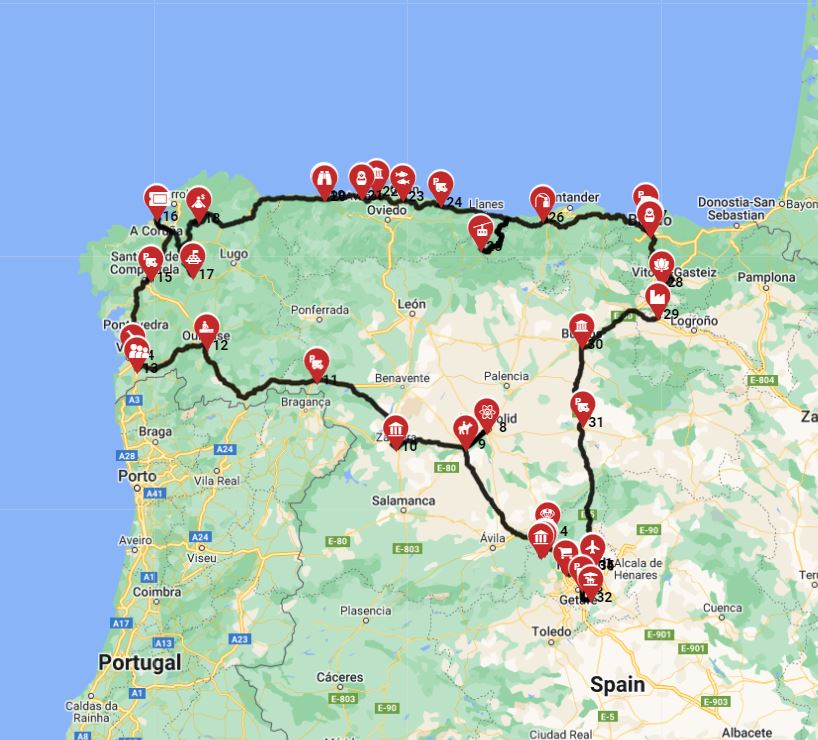
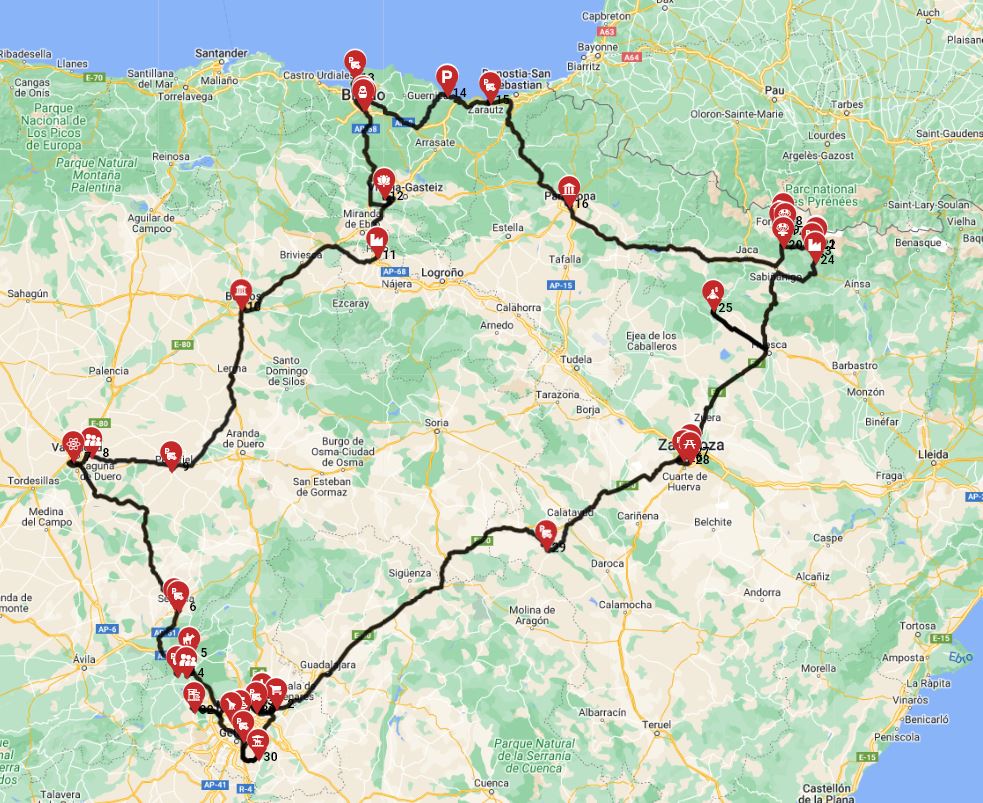
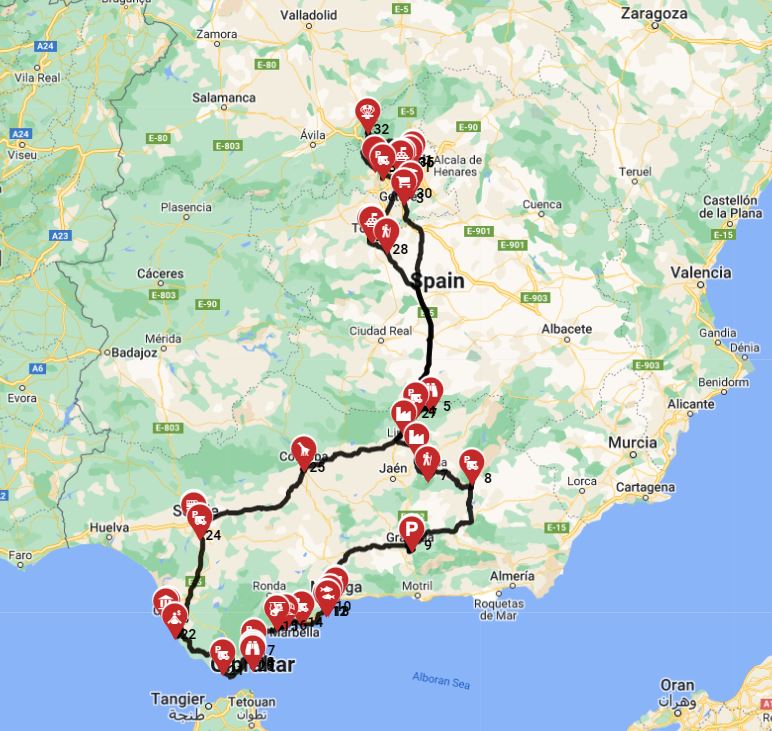
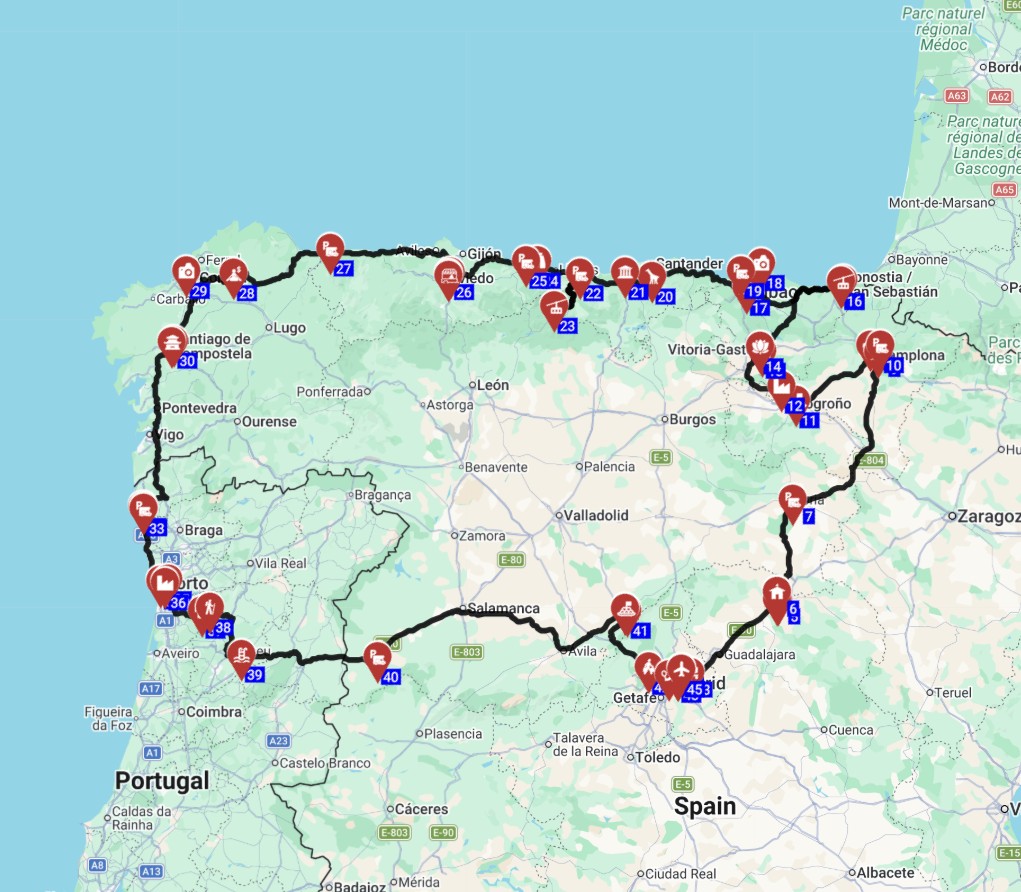
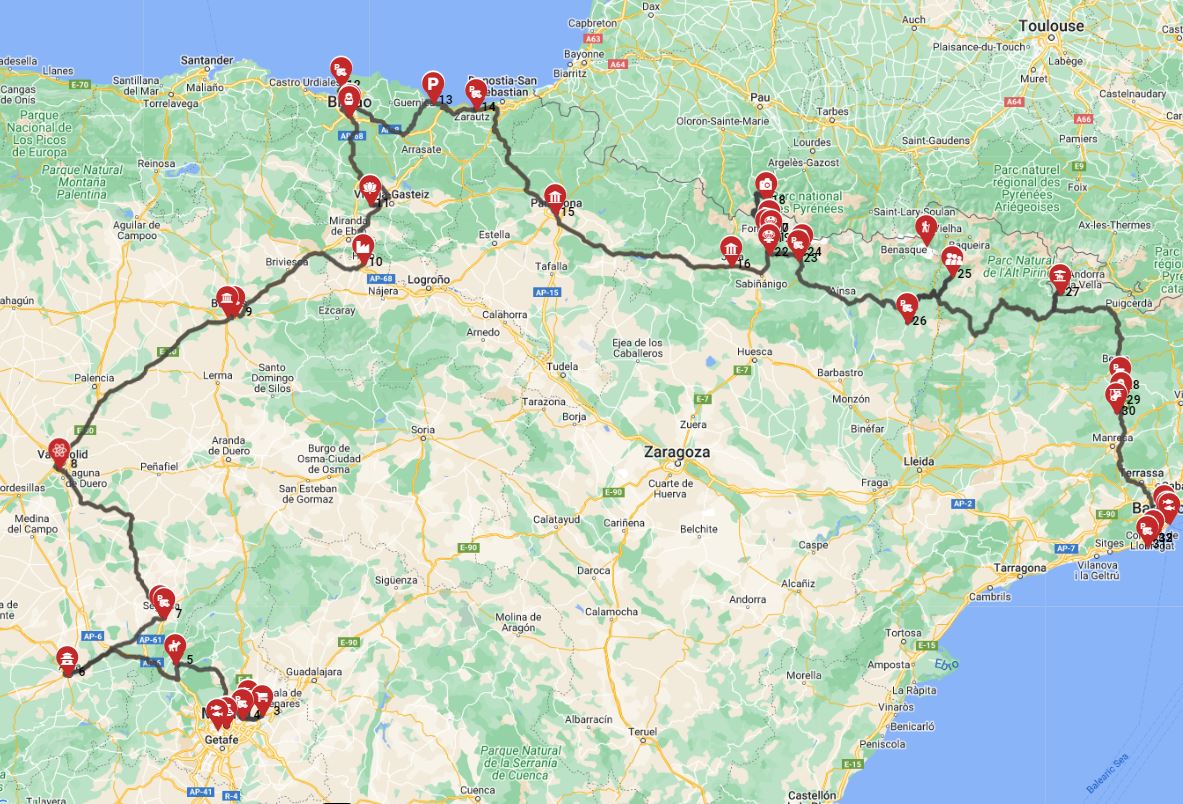
The best place to RV in Spain largely depends on your travel interests, with regions offering incredibly diverse landscapes, culture, and climates for long-term exploration with your rented RV. For historical sites, vibrant culture, and sun-drenched coasts, Andalusia in the south (e.g., Seville, Granada, Córdoba) is a top choice, though summer heat requires careful planning and perhaps opting for an RV with good air conditioning. Northern Spain, including the green landscapes of Asturias, Cantabria, and the Basque Country, offers stunning mountains, rugged coastlines, and excellent food. This region is a particular highlight for nature lovers and foodies, offering breathtaking routes. Catalonia provides a fantastic mix of vibrant cities like Barcelona, beautiful beaches along the Costa Brava, and mountain retreats. Meanwhile, the expansive central plains of Castilla y León offer rich history and charming historic towns, providing a diverse experience for every type of long term rv rental traveler.
How Much Does an Extended RV Trip in Spain Cost?
The overall cost for an extended RV trip in Spain, typically a month or more, can range from €2,500 for budget travelers to over €6,000 for a more luxury experience, excluding international flights to Spain. A comprehensive budget breakdown for long-term trips should account for RV rental costs (as discussed earlier, from €1,500-€4,000+ per month), fuel (e.g., for a "Category Medium" Class SI motorhome at 10-12 L/100km, budgeting at €1.70/L), tolls (which can be significant on main routes, potentially adding €100-€300+ depending on distance), and campsite fees (averaging €20-€40/night for a basic pitch). Daily expenses for food can vary from €20-€50 per person if cooking most meals in your RV, while dining out will significantly increase this figure. Factor in activities, comprehensive insurance (like our top-level deductible reimbursement option), unforeseen maintenance, and potential ancillary costs such as cleaning charges or excess mileage for a realistic budget tailored to your travel style and ensuring full transparency in your expenses. Use RV PLANET routes to itemize and track every expense for easy budgeting.
RV Safety and Security for Long-Term Travel in Spain
For long-term RV travel in Spain, implementing proactive safety measures is key, such as utilizing secure locks, alarm systems, and always parking in well-lit, designated areas or reputable campsites to deter theft. Familiarize yourself with emergency procedures: know the Spanish emergency number (112), have roadside assistance contact details readily available (Bandana offers 24/7 emergency support for pre-booking, booking, and post-booking coordination), and carry a basic first-aid kit. When navigating potentially challenging road conditions, such as narrow village streets or winding mountain passes, drive cautiously, use a co-pilot for guidance, and consider the dimensions of your rented RV. Always secure all interior items before driving, avoid leaving valuables visible, and consider purchasing additional travel insurance, particularly for an extended period of travel, to ensure extra peace of mind.
Embracing Local Culture During Your Spanish RV Adventure
To truly integrate into local life on a long-term RV trip in Spain, move beyond major tourist hubs and seek out lesser-known towns and villages with your rented campervan or motorhome. Learning a few basic Spanish phrases (e.g., 'Hola' for hello, 'Gracias' for thank you, 'Por favor' for please, '¿Cuánto cuesta?' for how much does it cost?) will greatly enhance your interactions with locals and demonstrate respect. Visit local markets ('mercados') for fresh produce and regional specialties, where you can gather ingredients to cook in your RV kitchen, fostering a deeper connection to the local food culture. Observe local customs and etiquette, particularly during mealtimes (e.g., late dinners are common) and in religious sites. Look for local festivals ('fiestas') or community events, which are fantastic opportunities for authentic cultural immersion, and patronize small, family-run businesses to support the local economy and truly feel the place.
Long-Term Logistics for Non-EU RV Travelers in Spain
Non-EU citizens planning an RV trip in Spain exceeding 90 days within any 180-day period must strictly comply with Schengen visa rules and will typically require a long-stay visa obtained from the Spanish embassy in their home country well in advance. Accessing healthcare for longer trips necessitates comprehensive travel insurance; while the European Health Insurance Card (EHIC) is for EU citizens, non-EU travelers should ensure their policy thoroughly covers medical emergencies and extended stays in Spain. Consider potential implications for mail forwarding or digital mail services if you need to receive important documents during your extended trip. Always research and prepare all necessary documentation for extended stays well in advance of your departure to avoid any complications, as careful planning leads to maximum enjoyment.
Staying Connected: Internet & Remote Work in Your Spanish RV
Staying connected for remote work or general internet access during a long-term RV rental in Spain is achievable by purchasing a local SIM card from major providers like Vodafone, Orange, or Movistar for affordable mobile data plans. Consider a dedicated mobile hotspot or a router with an external antenna for more reliable internet, especially if working from rural areas or while enjoying the stunning mountain views. Many campsites in Spain offer Wi-Fi, though quality and speed can vary, often being better closer to reception areas. For digital nomads, exploring coworking spaces in larger towns or cities can provide a stable work environment when a strong, consistent connection is crucial, complementing the flexibility of RV travel by ensuring you have dependable connectivity when needed.
What You Shouldn't Miss
- Explore Andalusia's Historic Cities: Drive your rented RV through Seville, Granada, and Cordoba, experiencing the stunning Alhambra, flamenco, and Moorish architecture.
- Coastal Drives of the Costa Brava: Journey along Catalonia's rugged Costa Brava, stopping at picturesque fishing villages and enjoying fresh seafood right by the Mediterranean.
- Wine Regions of La Rioja: Discover Spain's renowned wine country, visiting vineyards and enjoying tastings, with plenty of RV-friendly parking at bodegas.
- Hiking in Picos de Europa National Park: Park your motorhome near the mountains in Northern Spain and explore breathtaking trails, glacial lakes, and charming mountain villages.
- The Canary Islands RV Adventure: For a truly unique experience, take a ferry with your RV to the Canary Islands, exploring volcanic landscapes and pristine beaches year-round.
- Gastronomic Delights of Basque Country: Immerse yourself in the culinary capital of San Sebastián, enjoying pintxos and world-class dining from your mobile kitchen.
- Looking for expert insights from Avi Bandana? Top 5 Adventures - recommendations from Avi Bandana
Final Thoughts
Embarking on a long-term RV rental in Spain is an incredible way to experience this diverse and captivating country. With its excellent road network, welcoming RV culture, and a wealth of stunning landscapes from the sun-drenched south to the rugged north, Spain truly offers an unforgettable adventure. Whether you're seeking cultural immersion, outdoor exploration, or simply the freedom of the open road, a rented motorhome or campervan provides the perfect base.
Remember to plan your journey with our practical tips in mind, from understanding local driving rules to managing your budget, and always embrace the spirit of slow travel – taking time to connect with the places you visit. We're here to support you before, during, and after your booking with full transparency and dedicated expertise.
So, what are you waiting for? Start dreaming up your perfect itinerary and prepare to discover top destinations and planning tips all in one place. Your extended Spanish road trip awaits!
🎬 Video coming soon