In This Guide
- Can You Drive an RV in Seville? License & Age Rules
- Road Conditions & Terrain in Seville
- RV Size Limits, Bridges & Restricted Zones
- Fuel: Diesel vs. Petrol & Cost per 100 km
- Tolls, Vignettes & Border Rules
- Driving Tips for long term rv rental Travelers
- Recommended RV Class for Seville Roads
- Should I Choose a Compact Van Instead of a Large RV in Seville?
- Can I Park Anywhere? Free & Overnight Parking Rules in Seville
- Can I Drive an RV Into the City Center? Heights, Tunnels & Local Signage
- What is the 3-3-3 rule for RVs?
- What do I need to drive my motorhome in Spain?
- Do you need a special license to drive a long RV?
- What is the largest RV you can drive without a special license?
- What are the new motorhome rules in Spain?
- Can you stay long-term in a rented camper van in Spain?
- Can I stay for an extended period in a rental motorhome at a designated site in Seville?
- Can I park my rented motorhome on private land in Spain for an extended period?
- How much does long-term RV rental insurance cost in Seville?
- What is the best RV insurance for long-term rental travelers?
Can You Drive an RV in Seville? License & Age Rules
In Spain, most rented RVs up to 3,500 kg (3.5 tons) can be driven with a standard B driving license, the same license required for cars, making long-term RV driving in Seville accessible for many travelers. Drivers from EU/EEA countries can use their national license, while non-EU drivers typically need an International Driving Permit (IDP) alongside their valid national license for driving in Spain. For long-term RV rental in Seville, the minimum driver age for most rental RVs through our partners is 21 years old, with no young driver surcharges or vehicle class restrictions based on age. For larger RVs exceeding 3,500 kg, such as some Class C Alcove models, a C1 license is required, allowing vehicles up to 7,500 kg, though these are less common for typical rental fleets. For live availability and current prices, start with our RV Rental Seville - Complete Guide 2026 guide.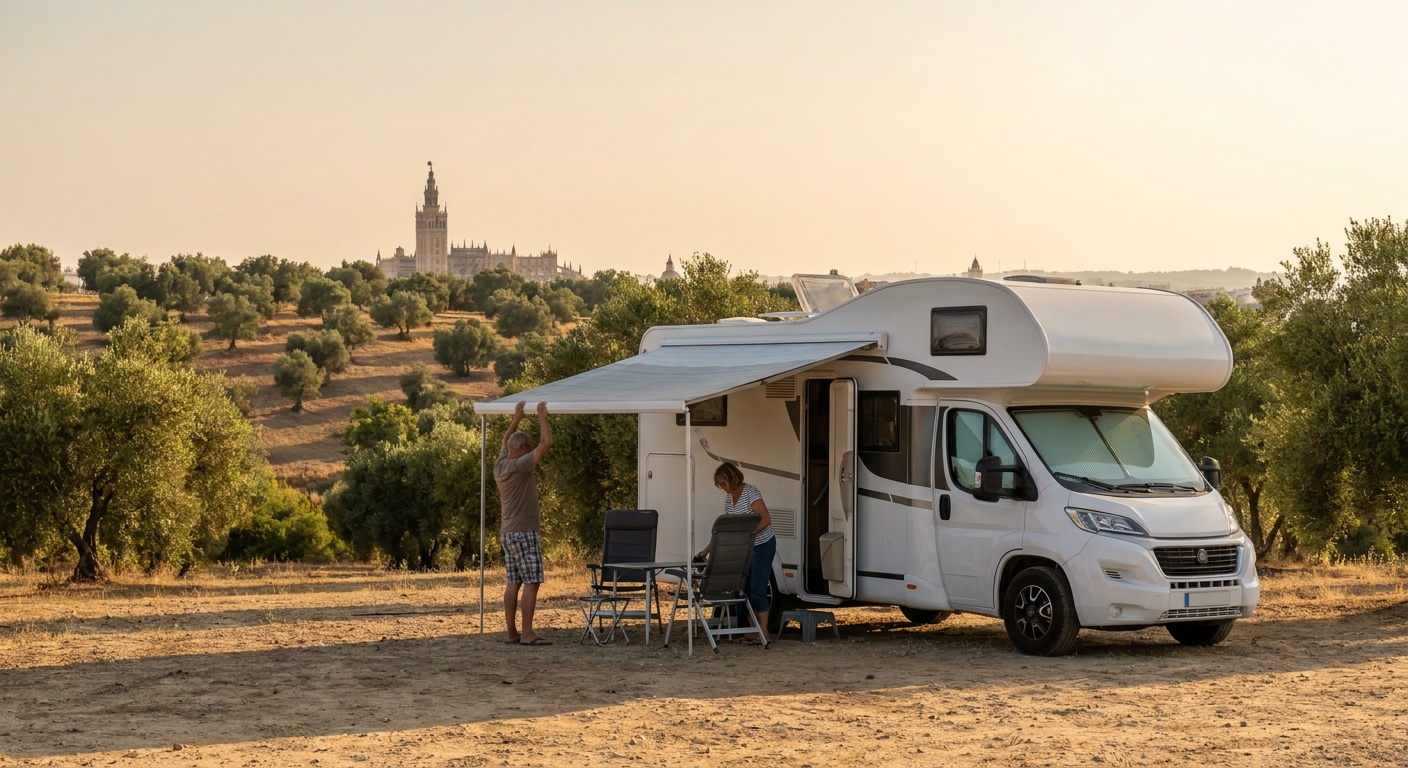
Road Conditions & Terrain in Seville
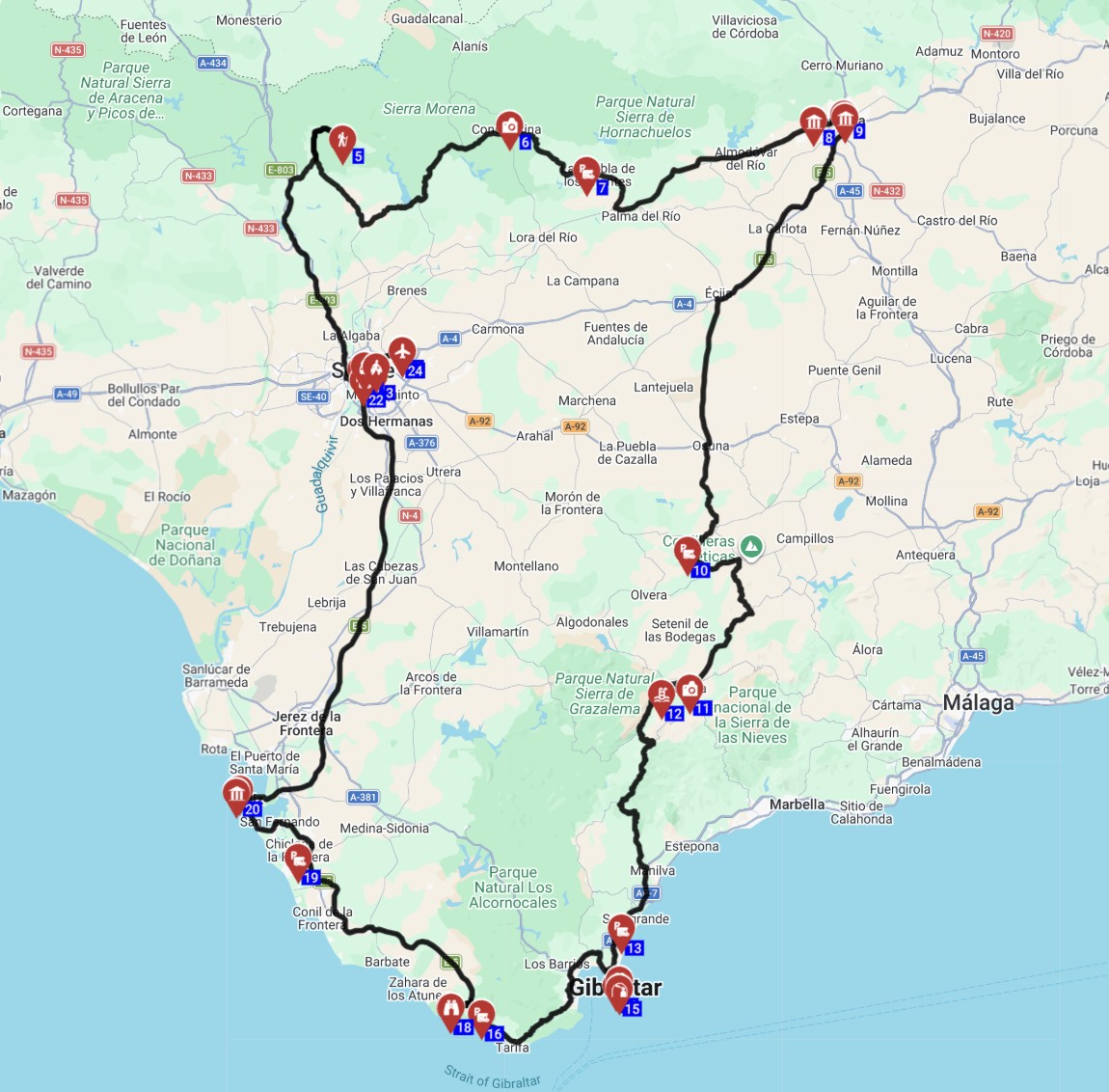
Seville and the wider Andalusia region boast generally good road quality, with well-maintained motorways (autovías) and regional roads (carreteras autonómicas) perfectly suitable for long-term RV travel. The terrain immediately around Seville is largely flat, particularly within the fertile Guadalquivir river basin, offering easy and relaxed driving conditions for your rented motorhome. While Seville itself is relatively flat, some popular long-term routes in Andalusia, especially towards the mountainous Sierra Nevada or along the winding coastal areas, may feature inclines and curves, encouraging a slow and scenic pace of travel, typically no more than 100-150 km per day. Urban areas in Seville can present challenges with narrower streets, particularly in historic centers like Santa Cruz, and dense traffic, but main access routes are generally accommodating for all RV sizes.RV Size Limits, Bridges & Restricted Zones
While Spain does not impose unique RV size limits beyond general vehicle regulations, long-term RV drivers in Seville should be aware of standard vehicle height limits, often 4 meters, for bridges and tunnels. These limits are particularly relevant when planning routes through historic areas or considering underground parking near landmarks like the Metropol Parasol. Seville, like many Spanish cities, has Low Emission Zones (Zonas de Bajas Emisiones - ZBE) that restrict access for older, more polluting vehicles, so it's essential to check the DGT environmental sticker requirements for your rented RV. Always pay attention to local signage in urban areas for specific height restrictions, weight limits, and access prohibitions that might apply to larger recreational vehicles or in pedestrianized zones, especially around areas like the Triana Bridge or the Alcázar.Fuel: Diesel vs. Petrol & Cost per 100 km
Most rented RVs in Spain, including those available for long-term rental in Seville, run on widely available diesel fuel. For efficient Class B Camper Vans, such as the "rv rental denver example Category Van" or "Class I Van", you can expect an average fuel consumption of around 6.3 liters per 100 km, offering excellent efficiency for extended journeys through Andalusia. Larger semi-integrated (Class SI) and Alcove (Class C) RVs generally consume more, averaging between 10-12 liters per 100 km, with Class SI models like the "Active Standard Auto" at 10-11 liters/100 km and Class C models like the "cruise america rv rental example Explorer" at 10-12 liters/100 km, reflecting their greater size and amenities. While petrol RVs are less common, petrol is also readily available; fuel costs in Spain can fluctuate but are generally comparable to other Western European countries. For optimizing your budget on RV PLANET routes, you can itemize and track every expense along the way, including fuel, to easily manage total trip costs over your long-term rental.Tolls, Vignettes & Border Rules
Spain uses a toll system primarily on its motorways (autopistas), which are distinct from the free autovías; these tolls are generally paid directly at toll booths with cash or card, or conveniently via an electronic 'Via-T' device for long-term RV travelers. Unlike some other European countries, Spain does not use a vignette system, meaning you pay per-use rather than a fixed period fee. For long-term RV rentals in Seville, consider planning routes that maximize the use of free autovías to minimize ancillary costs. If crossing borders, such as from Seville into neighboring Portugal, be aware of Portugal's electronic toll system, which often requires a transponder that can be acquired at border crossings or through your rental provider. Driving into other EU countries, like France, will subject you to their specific road laws, which include varying speed limits, mandatory safety equipment requirements, and environmental zone regulations.Driving Tips for long term rv rental Travelers
Planning your routes meticulously is crucial for long-term RV travel in Seville and the surrounding region. Using an RV-specific GPS can help you avoid unintentionally narrow streets or low bridges, especially when approaching Seville's historic areas. Taking frequent breaks every 2 hours is vital for long-term journeys to combat driver fatigue, allowing you to stretch, refresh, and fully appreciate the scenery. Familiarize yourself with local Spanish road signs, which, while largely standardized, may use specific terms for parking restrictions like 'Prohibido Estacionar' or environmental zones ('ZBEs') that may differ from what you are accustomed to. For easier driving, especially with varied terrain and city traffic, many long-term RV renters opt for models with automatic transmissions, which are increasingly available in our rental fleets. Finally, for extended trips, ensure your rented motorhome is well-stocked with water, cooking gas, and basic supplies to minimize stops and maximize your flexibility, allowing you to immerse yourself in the culture, food, and scenery of Andalusia. Travel slowly, aiming for a maximum of 100-150 km per day on average, to truly feel the place.Recommended RV Class for Seville Roads
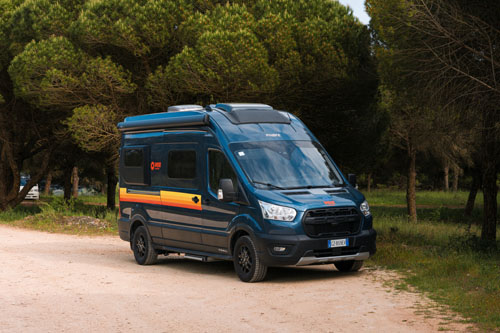
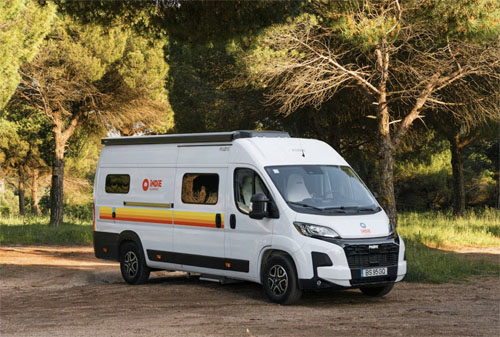
For navigating Seville's urban environment and comprehensively touring the broader Andalusian region on a long-term rental, Class B Camper Vans and Class SI (Semi-integrated) RVs are highly recommended. Class B Camper Vans, with an average length of 5.5 meters, such as the "rv rental denver example Category Van", offer superior maneuverability, making them ideal for negotiating tighter city streets and locating easier parking spots around Seville while still providing comfortable living amenities for 3-4 people. Class SI (Semi-integrated) RVs, averaging around 6.9 meters in length, exemplified by models like the "Active Standard Auto" or "Class I SG", strike an excellent balance between spacious interior living and practical driving. These models offer more extensive amenities and typically accommodate around 4 adults, making them suitable for extended stays without being overly cumbersome on regional roads. Both of these vehicle classes provide sufficient ground clearance for most Spanish roads, including common unpaved campground access roads, ensuring a comfortable driving experience as you explore.Should I Choose a Compact Van Instead of a Large RV in Seville?
While a compact van, specifically a Class B Camper Van like the "Combi Van", offers superior maneuverability and much easier parking in Seville's historic centers and tighter urban spots, a larger RV generally presents no significant driving issues on main roads and motorways throughout Andalusia. The primary advantage of a compact van for long-term rentals in Seville is its ability to access areas where larger vehicles, such as an "MH-A" Class A motorhome, might struggle, particularly in specific historic streets or smaller village centers. However, for enhanced long-term comfort, greater indoor living space, and more extensive amenities like a full kitchen, bathroom, and separate sleeping areas, a larger Semi-integrated (Class SI) or Alcove (Class C) RV often provides a better quality of life for extended trips. A balanced approach involves considering your itinerary: if frequent direct city center access is paramount, a compact van is advantageous; if spacious living and comfort for extended periods are priorities, a larger RV is usually the better trade-off, especially with careful planning for city visits that might involve parking on the periphery and using public transport. No need to stress about size; just use common sense and pay attention.Can I Park Anywhere? Free & Overnight Parking Rules in Seville
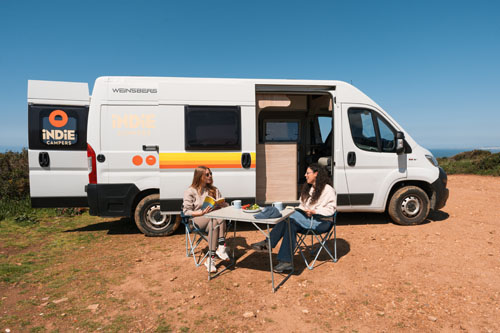
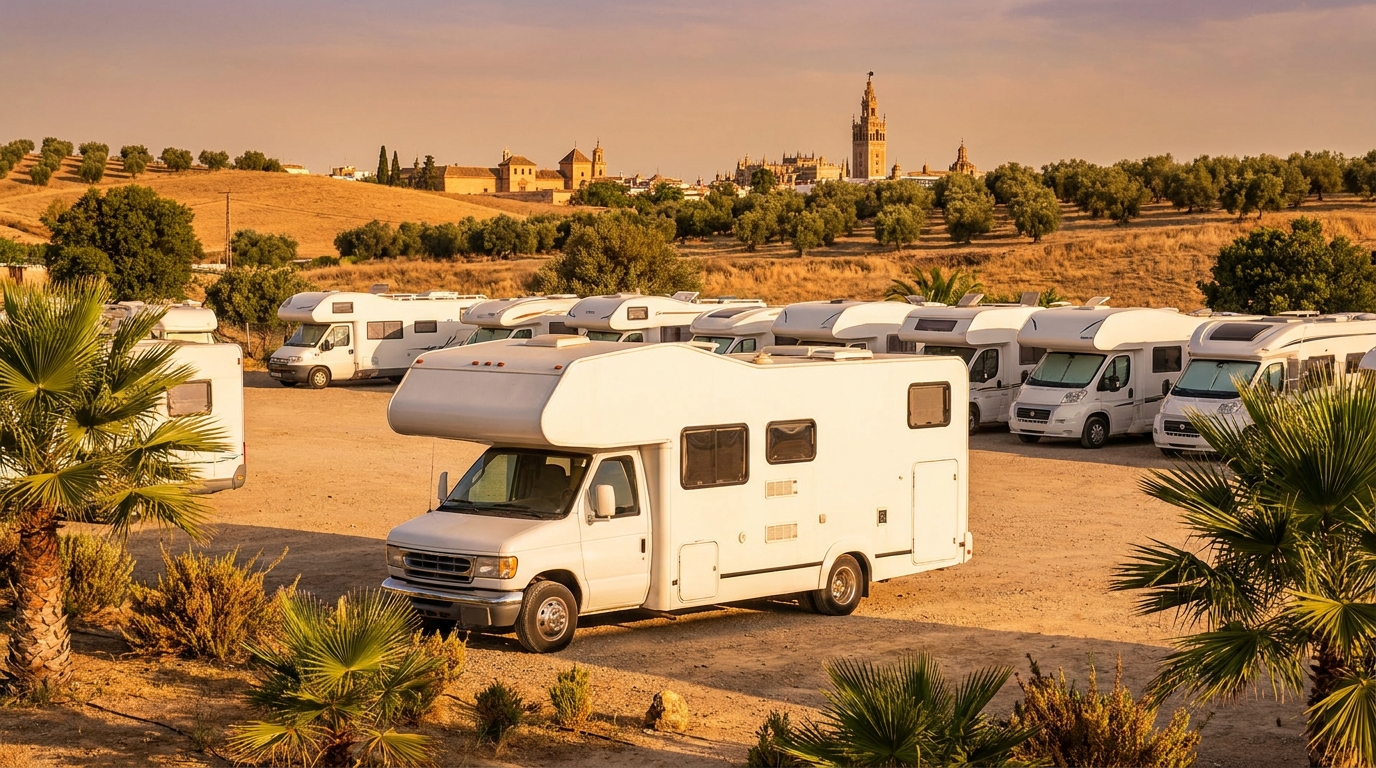
In Spain, 'wild camping,' which involves setting up camp with tents, awnings, or outdoor furniture, is generally prohibited, especially in protected natural areas, on beaches, and in most public spaces around Seville. However, 'overnight parking' in a self-contained rented RV is often permitted where regular vehicle parking is allowed, provided you are not "camping out" by deploying external elements like tables, chairs, or extended awnings. Seville and the broader Andalusia region have a well-developed network of designated 'Áreas de Autocaravanas' (motorhome parking areas) and conventional campgrounds that offer safe and legal overnight stays with essential facilities, which are highly recommended for long-term travelers. Local municipalities in Spain have the authority to regulate overnight RV parking, so rules can vary significantly; always look for specific signage or check local regulations before parking overnight, particularly near popular spots like Parque de María Luisa.Can I Drive an RV Into the City Center? Heights, Tunnels & Local Signage
Yes, you can generally drive a rented RV into Seville's city center on major arterial roads, but extreme caution and strict adherence to local signage are absolutely essential due to specific restrictions. Seville's historic districts, such as the narrow, labyrinthine streets of the Barrio Santa Cruz, are characterized by very narrow streets, pedestrianized zones, and sometimes low archways or balconies, making them largely unsuitable for anything larger than a compact campervan like the "Active Original." You must pay close attention to local signage indicating height limits for underground parking garages or tunnels, environmental zones (ZBEs) which restrict vehicle access based on emissions, and 'residents-only' street access. It is almost always advisable for long-term RVers to park your motorhome on the outskirts of Seville, perhaps at Camping Sevilla or another designated RV parking area, and then use the city's excellent public transport system or a scooter to explore the breathtaking historic core. Main routes like Avenida de la Constitución allow RV access, but many central areas are simply not designed for large vehicles, so always check your route and look out for specific local warnings. Drive slowly and carefully, and you can drive almost anywhere without issues. No need to stress – just use common sense and pay attention.What is the 3-3-3 rule for RVs?
The 3-3-3 rule for RVs is a popular guideline designed to promote safe and enjoyable long-term rental travel, suggesting that you drive no more than 300 miles (approximately 480 km) a day, arrive at your destination by 3 PM, and stay for at least 3 nights. This rule is particularly beneficial for long-term RV rentals in Seville and across Spain, as it encourages a slower, more deliberate pace, perfectly aligning with our philosophy to travel slowly and take time to feel the place, connect to the culture, the food, and the scenery. Adhering to the 'arrive by 3 PM' aspect ensures you have ample daylight hours to navigate new campgrounds or parking areas, find suitable spots, and settle in without unnecessary stress. The 'stay for at least 3 nights' component helps minimize constant packing and unpacking, allowing for deeper immersion in a destination, whether it's exploring the historic sites of Seville or relaxing on the beaches of Cádiz, rather than rushing through your adventure.What do I need to drive my motorhome in Spain?
To drive a rented motorhome in Spain, you primarily need a valid driving license (Category B for vehicles up to 3,500 kg), your personal identification (passport or national ID), vehicle registration documents, and proof of insurance, which is typically provided by your rental company. For non-EU/EEA drivers, an International Driving Permit (IDP) is strongly recommended alongside your valid national license, though not always legally mandatory. It is crucial to ensure your driving license is current and appropriate for the weight class of your rented RV; for vehicles over 3,500 kg (up to 7,500 kg), a Category C1 license is necessary. Mandatory safety equipment in Spain includes a reflective safety vest for each occupant, two warning triangles, and a spare tire or puncture repair kit, all of which should be readily available in your rental motorhome. Bandana Caravan offers full transparency with no hidden fees, and our personal service guides you through all these details from day one until your booking is confirmed.Do you need a special license to drive a long RV?
In Spain and across the EU, whether you need a 'special license' for a long rented RV depends primarily on its Maximum Authorized Mass (MAM), not just its physical length. A standard Category B driving license, valid for most cars, permits driving RVs with a MAM up to 3,500 kg (3.5 tons), which covers the vast majority of rental camper vans and many semi-integrated motorhomes, even those up to around 7 meters long. If your rented RV's MAM exceeds 3,500 kg but is no more than 7,500 kg, you will require a Category C1 license, which is a step up from the standard car license. For RVs with a MAM over 7,500 kg, a Category C license is necessary, though such large vehicles are extremely rare in recreational rental fleets. Always confirm the MAM specified in your rented RV's documentation with your rental provider, such as our partners El Monte or Apollo, to ensure your license category is appropriate for your long-term RV trip from Seville.What is the largest RV you can drive without a special license?
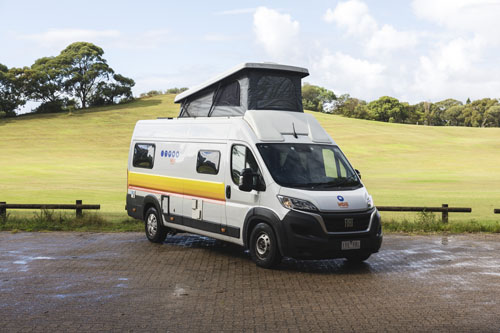
In Spain and other EU countries, the largest rented RV you can typically drive without needing a 'special license' (meaning a license beyond the standard B category car license) is one with a Maximum Authorized Mass (MAM) of 3,500 kg (3.5 tons). This weight limit means that while the length of an RV can vary, most Class B Camper Vans, like the "Active Pop Top" at 5.99 meters, and many Class SI Semi-integrated RVs, even those up to around 7 meters in length, fall within this 3,500 kg MAM threshold. For example, a "Category Medium" motorhome, often a Class SI, is usually designed to stay within this limit. It is crucial for long-term renters to verify the MAM specified in the rented RV's documentation; always confirm this detail with your rental provider to ensure your standard B license is fully appropriate for your chosen vehicle.What are the new motorhome rules in Spain?
Recent updates to motorhome rules in Spain, particularly regarding overnight parking, aim to standardize regulations nationwide while still allowing significant local variation, emphasizing that parking a rented motorhome is generally permitted where other vehicles can park, provided you are not "camping." The DGT (Dirección General de Tráfico) clarifies that a rented RV is considered 'parked' if it occupies the same space as a car, with no elements protruding (e.g., open windows, deployed awnings, external tables or chairs). Crucially, local municipal ordinances in areas like Seville can supersede national rules, especially in sensitive zones, historic centers, or protected natural parks, leading to bans on overnight stays in specific locations. Environmental zones (Zonas de Bajas Emisiones - ZBE), now implemented in many Spanish cities including central Seville, are a significant 'new' rule impacting motorhome access, requiring vehicles to display specific DGT environmental labels based on their emissions standards to avoid fines.Can you stay long-term in a rented camper van in Spain?
Yes, you can certainly enjoy extended travel in a rented camper van in Spain, but doing so on a long-term basis requires careful navigation of parking regulations and adherence to local laws, which differentiate between simple 'parking' and 'camping.' Many travelers embrace the flexibility of long-term camper van rentals in Spain, making use of dedicated motorhome parking areas (*Áreas de Autocaravanas*) and registered campsites for their overnight stays. The key distinction is that while you can sleep and reside within your self-contained van when legally parked, you generally cannot 'camp' - meaning no setting up external amenities such as awnings, tables, or chairs outside the vehicle in undesignated spots. For visitors from non-EU countries planning a long-term rental exceeding 90 days, it is essential to ensure you have the appropriate visa that permits an extended stay for tourism or other purposes. Bandana Caravan specializes in RV rentals for vacation travel, ensuring you have the right vehicle and support for your extended adventure.Can I stay for an extended period in a rental motorhome at a designated site in Seville?
Staying for an extended period in a rental motorhome at a designated site in Seville is entirely permissible and often encouraged, as local regulations favor official campgrounds or *Áreas de Autocaravanas* for longer durations. For long-term RV travelers, securing a pitch at a registered campsite, such as Camping Sevilla, provides access to essential utilities like electricity, fresh water, and waste disposal points, crucial for comfort during an extended stay. These sites often include additional amenities like laundry facilities, showers, and even swimming pools, enhancing the quality of your long-term rental experience. Attempting to park a rented motorhome permanently on public land for extended periods in Seville is not legally allowed and would be considered illegal camping, potentially resulting in fines. We handle the details and offer full transparency, ensuring you have a smooth journey from day one until your booking is confirmed. You can find comprehensive details and pre-planned itineraries on rvplan.net to help you discover the best options for your extended rental in Seville.Can I park my rented motorhome on private land in Spain for an extended period?
Parking your rented motorhome on private land in Spain for an extended period is generally permissible, but it is strictly subject to specific local planning regulations and land use laws of the municipality where the land is located. While you can park a recreational vehicle on your private property, using it as a long-term dwelling, even if temporary, might be viewed differently than simply parking and could require additional permits if it involves connecting to permanent utilities or establishing septic systems. Many rural properties in Andalusia have restrictions on what can be permanently placed or built, so it's always advisable to consult with local municipal planning departments (*urbanismo*) in Seville or the specific area to understand the exact rules for your land. For long-term rental purposes, temporary parking is usually more lenient, but extended occupancy often implies the need for adherence to local housing and land-use ordinances.How much does long-term RV rental insurance cost in Seville?
The cost of comprehensive insurance for a long-term RV rental in Seville varies widely based on factors such as the specific RV's value, its age and class (e.g., a "Class I SG" vs. a "Jayco Conquest Royale 6"), the driver's history, the chosen coverage limits, and the rental supplier. While basic insurance is typically included in your rental agreement, for extended trips, upgrading to a top-level deductible reimbursement option for extra peace of mind is highly recommended. Expect insurance costs to be factored into the overall daily rental rate, which can range significantly depending on the season and vehicle type. For long-term RV rentals, comprehensive insurance that includes European breakdown cover, civil liability (third-party), and cover for personal belongings is essential. It's prudent to inquire about upgrading coverage or purchasing supplementary travel insurance that covers your specific needs for an extended period in Seville and beyond.What is the best RV insurance for long-term rental travelers?
The best RV insurance for long-term rental travelers in Seville typically offers comprehensive coverage that extends beyond basic holiday-use policies, including higher liability limits, personal effects coverage, and robust breakdown assistance across Europe. When considering a long-term motorhome rental from Bandana Caravan, look for policies that specifically cater to extended travel, often encompassing 'personal liability for occupants' and coverage for possessions kept inside the rented RV, akin to home insurance but tailored for a mobile lifestyle. Key features of a good long-term rental policy should include extensive European breakdown and recovery services, legal assistance, medical assistance for all passengers, and coverage for theft or damage to both the vehicle and its contents. We offer an optional upgrade to a top-level deductible reimbursement plan, providing you with unparalleled peace of mind. It is advisable to consult with our true RV specialists, who have over 25 years of hands-on experience, to tailor a policy that perfectly suits your specific needs and long-term travel plans from Seville.What You Shouldn't Miss
- **Explore the Real Alcázar of Seville:** This UNESCO World Heritage site is a breathtaking palace complex, showcasing stunning Mudejar architecture, intricate tilework, and serene gardens. It's a must-see for its historical grandeur and artistic beauty, a true jewel of Seville.
- **Wander through the Barrio Santa Cruz:** Get lost in the charming, narrow streets and flower-filled courtyards of Seville's old Jewish quarter. This picturesque neighborhood is perfect for slow exploration, discovering hidden plazas and traditional tapas bars.
- **Visit the Seville Cathedral and Giralda:** Climb the Giralda bell tower for panoramic views of Seville and marvel at the sheer scale and Gothic splendor of the world's largest Gothic cathedral, home to Christopher Columbus's tomb.
- **Experience a Flamenco Show in Triana:** Cross the Puente de Triana to the vibrant Triana district and immerse yourself in an authentic flamenco performance. This passionate art form is deeply ingrained in Andalusian culture and a truly unforgettable experience.
- **Stroll through Parque de María Luisa and Plaza de España:** Enjoy the lush greenery, fountains, and diverse architecture of Parque de María Luisa, leading to the magnificent Plaza de España. Rent a rowboat in the canal for a unique perspective of this iconic landmark.
- **Indulge in Tapas Culture:** Seville is renowned for its tapas. Spend evenings hopping between lively tapas bars, savoring local specialties like *Jamon Ibérico*, *spinach with chickpeas*, and fresh seafood, accompanied by a glass of sherry or local wine. This is the heart of Sevillian life!
Final Thoughts
Embarking on a long-term RV adventure in Seville promises an unparalleled opportunity to deeply immerse yourself in the vibrant culture, rich history, and stunning landscapes of Andalusia. With a rented motorhome or campervan, you gain the freedom and flexibility to explore at your own pace, savoring every moment without the rush of traditional tourism. Whether you're a family seeking extended cultural discovery, a retired couple dreaming of a relaxed escape, or a group of friends eager for a grand road trip, Seville offers the perfect starting point. Remember, the key to an unforgettable long-term rental experience in Seville is smart planning and choosing a partner who genuinely understands RV travel. From transparent pricing to expert route plans on rvplan.net and dedicated support before and after your booking, Bandana Caravan is here to ensure your journey is as smooth and enjoyable as possible. Get ready to create lasting memories on the open roads of Spain, one incredible destination at a time. Find Motorhome Rentals in SevilleFor ideas you can prep on the road, watch our RV-friendly recipes playlist on YouTube.
On the routes offered through RV PLANET routes, you can itemize and track every expense along the way for easy budgeting.