In This Guide
- Can You Drive an RV in Santiago? License & Age Rules
- Road Conditions & Terrain in Santiago
- RV Size Limits, Bridges & Restricted Zones
- Fuel: Diesel vs. Petrol & Cost per 100 km
- Tolls, Vignettes & Border Rules
- Driving Tips for long term rv rental Travelers
- Recommended RV Class for Santiago Roads
- Should I Choose a Compact Van Instead of a Large RV in Santiago?
- Can I Park Anywhere? Free & Wild Camping Rules in Santiago
- Can I Drive an RV Into the City Center? Heights, Tunnels & Local Signage
- How do I navigate and park an RV in Santiago?
- What is the cost of a long term RV rental trip in Santiago?
- When is the best time to visit Santiago in an RV?
- What RV logistics and maintenance should I expect in Chile?
- What local etiquette should RVers know in Santiago?
- What unique RV experiences are there around Santiago?
- How do I prepare my RV for Chilean terrain and regulations?
Can You Drive an RV in Santiago? License & Age Rules
Yes, you can drive an RV in Santiago with the appropriate license and age. Most standard RVs, typically those under 3,500 kg Gross Vehicle Weight (GVW), can be operated by Chilean residents with a regular Class B driving license. For foreign visitors, an International Driving Permit (IDP) is recommended to accompany your valid home country license for RVs under this weight limit. If your rented RV exceeds 3,500 kg GVW, a professional Class A license might be required, though most rental companies cater to those with standard licenses. The minimum driver age for RV rentals is generally 21, though some rental providers may have a higher age requirement of 25, particularly for larger motorhome classes.
Road Conditions & Terrain in Santiago
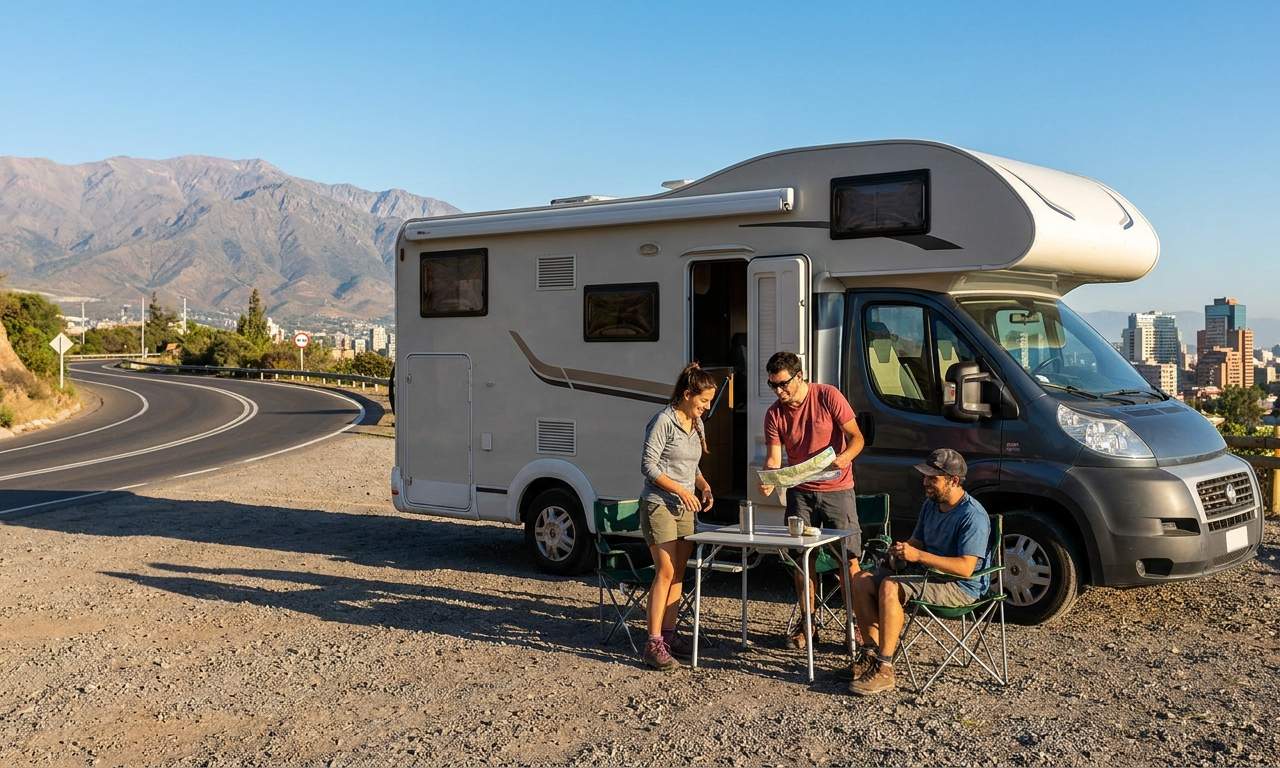
Navigating Santiago and its surroundings in a long-term RV rental is certainly feasible, but understanding the varying road conditions and terrain is key. Major highways connecting Santiago, such as Route 5, are generally in excellent condition and are well-suited for RV travel. However, as you venture towards the Andes mountains or explore coastal regions, you'll encounter more challenging roads. These can include winding, sometimes steep passes, and sections of unpaved or gravel roads. RV travelers should anticipate slower speeds and factor in additional travel time when planning routes, especially for scenic drives off the main highways. It's also advisable to consider your RV's ground clearance if your itinerary includes exploring less-maintained or gravel roads, ensuring a smoother and safer journey.
RV Size Limits, Bridges & Restricted Zones
When driving a rented RV in Santiago, awareness of size limitations, bridges, and restricted zones is crucial for a smooth experience. While Santiago generally accommodates RVs, drivers must be vigilant for specific height clearances, particularly in older parts of the city, tunnels, and underground parking facilities. Always observe posted height limits to avoid potential damage. Some urban highways may also have weight restrictions or environmental zones (Zona de Restricción Vehicular) that could impact RV access, especially during pollution alerts when vehicle access might be restricted based on license plate numbers. Ferry usage is not typically a concern within Santiago itself, but if your long-term itinerary extends to other regions, it’s essential to check specific RV size and weight allowances with ferry operators beforehand.
Fuel: Diesel vs. Petrol & Cost per 100 km
Fuel availability and cost are important considerations for your long-term RV rental in Santiago. Diesel and petrol (known as 'bencina' in Chile) are widely available at numerous fuel stations throughout Santiago and across the country. Most larger RVs, including Bandana's Class TC - Truck Camper fleet, typically run on diesel and are known for their fuel efficiency, consuming around 13 liters per 100 km. In 2026, you can expect diesel prices to be in the range of USD 1.20-1.50 per liter. For an RV consuming 13 liters per 100 km, this translates to an estimated fuel cost of approximately USD 15.60-19.50 for every 100 kilometers traveled. Some long-term RV rental agreements may offer fuel discount cards as a perk to help mitigate these expenses. On the routes offered through RV PLANET routes, you can itemize and track every expense along the way for easy budgeting.
Tolls, Vignettes & Border Rules
Navigating Chile's roadways involves understanding its toll system and international border regulations for your rented RV. Chile primarily uses electronic tolls, especially around Santiago, which require a TAG device for seamless passage. It's important to clarify with your rental provider if the RV comes equipped with a TAG or how to manage toll payments to avoid fines. For border crossings into neighboring countries like Argentina, specific documentation and customs procedures are mandatory for RVs. This typically includes valid passports, vehicle registration, proof of ownership or a rental agreement authorizing international travel, and often temporary import permits for the RV. Be prepared for thorough customs checks, particularly concerning food and agricultural products, when entering Chile from abroad.
Driving Tips for long term rv rental Travelers
Embarking on a long-term RV rental trip in Santiago offers incredible freedom, but a few key driving tips will ensure your journey is smooth and enjoyable. Prioritize defensive driving, especially in urban areas where traffic can be dense, and be aware of common local driving customs and potential scams. Opt for secure overnight parking in designated campsites or well-lit, populated areas. Utilize a reliable GPS with offline map capabilities for RV-specific navigation, and always be mindful of narrow streets and restricted zones, particularly in Santiago's historic city center. Roads outside major cities can sometimes feature potholes or gravel sections, so adjusting your speed accordingly is crucial to prevent damage. Keep local emergency numbers handy (131 for ambulance, 132 for fire, 133 for police) and know your rental company's roadside assistance contact information.
Recommended RV Class for Santiago Roads
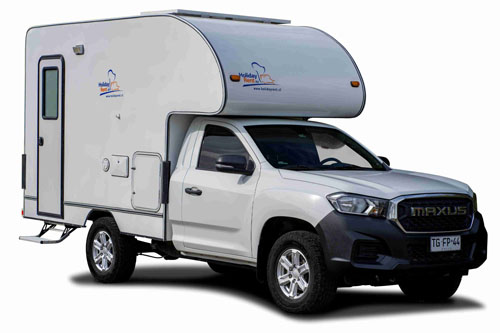
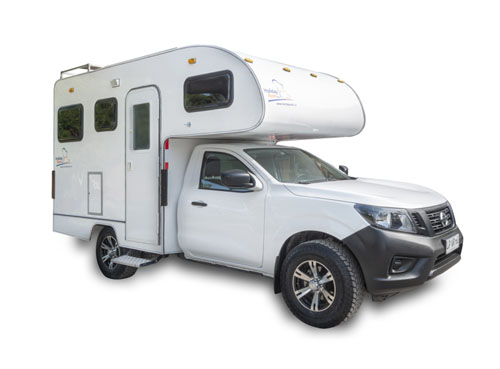
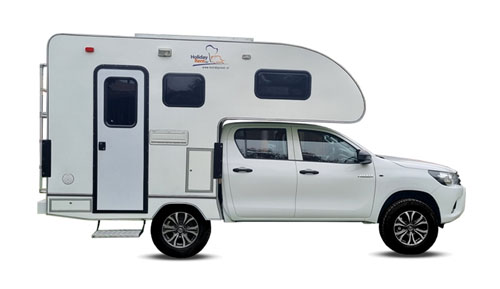
When choosing an RV for your long-term rental in Santiago, the Class TC - Truck Camper stands out as a highly recommended option. With an average length of 5.6 meters, these vehicles offer an excellent balance of maneuverability, essential for navigating Santiago's varied streets, and comfort for extended travel. Bandana's Class TC - Truck Camper models, typically seating and sleeping 2-3 people, are designed for versatility. Their relatively compact nature makes them easier to park and maneuver through narrower city streets compared to larger motorhomes. Furthermore, the robust design of truck campers often provides better ground clearance, which is a significant advantage when venturing onto less-maintained roads or gravel tracks in the scenic, remote areas surrounding Santiago.
Should I Choose a Compact Van Instead of a Large RV in Santiago?
While a compact van certainly offers superior maneuverability in extremely tight urban centers or very narrow mountain passes, a larger RV often provides significantly more comfort and living space without posing major driving issues on most of Santiago's roads. Compact vans are easier to park and generally more fuel-efficient, making them ideal for shorter trips or if your primary accommodation is elsewhere. However, for a long-term rental in Santiago, the enhanced comfort and amenities of a larger RV, such as the Class TC - Truck Camper, generally outweigh the marginal maneuverability benefits of a compact van. Consider a compact van only if your itinerary consistently involves navigating extremely tight historic centers or very remote, unpaved mountain tracks where its compact size is a distinct advantage.
Can I Park Anywhere? Free & Wild Camping Rules in Santiago
Understanding where to park your RV is key to a smooth experience. While free or 'wild' camping is generally tolerated in some remote areas of Chile, it is strictly not permitted within Santiago city limits or on private land without explicit permission. For overnight stays within Santiago, you will need to utilize designated RV parks or campgrounds. Street parking overnight in an RV is generally not allowed and can lead to fines or safety concerns. In more rural or remote regions of Chile, wild camping might be an option, but always requires respecting private property, adhering to 'No Camping' signs, and following local environmental regulations. Always prioritize safety and security by choosing well-lit, populated, or officially designated sites for overnight parking.
Can I Drive an RV Into the City Center? Heights, Tunnels & Local Signage
Yes, you can generally drive an RV into Santiago's city center, but it requires careful attention to local signage. Drivers must be particularly mindful of height limits for tunnels and multi-story parking garages, as many are too low for standard RVs. Older, historic areas of Santiago may also feature narrower streets. Beyond physical restrictions, be aware that some central areas might have environmental access restrictions based on vehicle type or day of the week, especially during pollution alerts. Parking directly in the city center can be challenging; a practical approach is to park at an outlying RV park and utilize Santiago's efficient public transport system to explore the core of the city without the stress of urban RV parking.
How do I navigate and park an RV in Santiago?
Navigating and parking an RV in Santiago requires a combination of technology and local awareness. Utilize reliable GPS devices with offline map capabilities, as cell service can be spotty in remote areas. Pay close attention to all local signage, which will indicate height restrictions, tunnel access, and potential environmental zones that may limit vehicle entry. For parking, your best bet is to utilize designated RV-friendly campgrounds or paid parking lots, often located on the outskirts of the city, which typically offer better access and enhanced security for larger vehicles. Consider using Santiago's excellent public transport system from these outlying parks to explore the city center, avoiding the complexities of downtown RV parking.
What is the cost of a long term RV rental trip in Santiago?
The overall cost of a long-term RV rental trip in Santiago involves several components beyond the initial rental fees. You’ll need to budget for fuel (e.g., a Class TC - Truck Camper consuming 13 l/100km will cost approximately USD 15.60-19.50 per 100 km at current fuel prices), tolls (primarily electronic via the TAG system), and nightly camping fees, which can range from USD 20-50+ per night depending on amenities and location. Factor in grocery costs, which are generally economical when shopping at local markets and supermarkets, as well as expenses for activities like park entries and guided tours. Always include a contingency fund for unexpected maintenance or emergencies to ensure a stress-free adventure.
When is the best time to visit Santiago in an RV?
The most pleasant seasons for RV travel in Santiago and its surrounding regions are generally spring (September to November) and autumn (March to May). During these periods, you’ll experience mild temperatures, vibrant landscapes, and can avoid the extreme summer heat in the city and the colder winter conditions in the higher Andes. Spring is particularly beautiful with blooming wildflowers and clear skies, making it ideal for exploring vineyards and coastal areas with accessible mountain passes. Autumn offers pleasant weather, stunning foliage colors, and fewer crowds, perfect for hiking and visiting wineries. Summer (December to February) is hot in Santiago but ideal for visiting the cooler Andes, though expect more visitors. Winter (June to August) brings cooler temperatures and rain to Santiago, with snow in the Andes; some mountain passes may close, making RV travel more challenging.
What RV logistics and maintenance should I expect in Chile?
Managing RV logistics and anticipating maintenance needs are essential for a successful long-term rental in Chile. For water fill-ups and waste disposal, designated campgrounds are your most reliable resources; planning your routes to include these stops is crucial. Propane ('gas licuado') can be refilled at many gas stations or specialized depots in larger towns; ensure you have compatible fittings. Common RV issues might include tire punctures or minor electrical problems. While larger cities like Santiago have reputable mechanics, specialized RV repair services can be challenging to find outside major hubs. For consistent connectivity, consider getting a local SIM card with a data plan, as Wi-Fi is common in campgrounds, but coverage can be spotty in remote areas.
What local etiquette should RVers know in Santiago?
To foster positive interactions with locals during your RV journey in Santiago, it's helpful to be aware of certain cultural customs. Always greet people respectfully with 'Hola', 'Buenos días', 'Buenas tardes', or 'Buenas noches', and use 'Por favor' (please) and 'Gracias' (thank you) frequently. When shopping at local markets ('ferias'), be polite, ask permission before taking photos of people, and consider bringing reusable bags. If you plan to engage in wild camping (where permitted), strictly adhere to 'Leave No Trace' principles by packing out all trash and avoiding loud noise to respect local communities. Chileans are generally warm and hospitable, so acknowledging fellow travelers and locals with a nod or smile will be greatly appreciated.
What unique RV experiences are there around Santiago?
Beyond Santiago's urban core, your RV opens up a world of unique experiences. Explore the stunning Andean canyon scenery of Cajón del Maipo, home to natural hot springs like Termas Colina and numerous hiking trails, with several RV-friendly campsites available. Seek out smaller, boutique wineries in valleys like Colchagua or Casablanca that may offer overnight parking for self-contained RVs, allowing for immersive wine-tasting experiences. Venture west to the Pacific coast for scenic drives along the coast, exploring charming fishing villages and enjoying fresh seafood. For breathtaking mountain vistas, consider driving towards the Argentinian border via Paso Los Libertadores, always keeping an eye on road conditions and potential closures.
How do I prepare my RV for Chilean terrain and regulations?
Preparing your rented RV for the diverse Chilean terrain and its regulations involves ensuring specific equipment is on hand and conducting thorough vehicle checks before you depart. Confirm that your RV is equipped with essential tools, a first-aid kit, a fire extinguisher, and reflective safety triangles, which are legally required. Conduct thorough vehicle checks, including tire pressure and tread, fluid levels, brakes, and lights, and ensure your spare tire and jack are accessible. Carry all necessary documentation: your valid driver's license (plus IDP if required), RV registration, rental agreement, and Chilean insurance, keeping both digital and physical copies. Equipping your RV with a reliable GPS system, preferably with offline map capabilities, and complementing it with physical maps can be invaluable for navigating remote terrain with limited signal.
What You Shouldn't Miss
- Drive the scenic route through the Cajón del Maipo for stunning Andean landscapes and a visit to hot springs.
- Explore the vineyards of the Maipo Valley, potentially finding wineries that offer RV overnight stays for a unique tasting experience.
- Take a coastal drive west of Santiago to visit charming fishing villages and enjoy fresh seafood.
- Experience the vibrant city life of Santiago by using public transport from an RVer-friendly campground on the outskirts.
- Consider a longer road trip north towards the Atacama Desert or south towards Patagonia, using Santiago as your starting point on the Pan-American Highway.
Final Thoughts
Renting an RV for a long-term trip in Santiago offers an unparalleled way to explore Chile's diverse landscapes and vibrant culture. By understanding the driving requirements, road conditions, and logistical considerations, you can ensure a smooth and memorable journey. Bandana Caravan is dedicated to making your RV rental experience as transparent and enjoyable as possible.
We encourage you to embrace the freedom of the open road and discover the incredible experiences awaiting you in and around Santiago. With a little planning, your long-term RV adventure will be an unforgettable exploration.
Find Motorhome Rentals in Santiago