In This Guide
- Can You Drive an RV in San Francisco? License & Age Rules
- Road Conditions & Terrain in San Francisco
- RV Size Limits, Bridges & Restricted Zones
- Fuel: Diesel vs. Petrol & Cost per 100 km
- Tolls, Vignettes & Border Rules
- Driving Tips for long term rv rental Travelers
- Recommended RV Class for San Francisco Roads
- Should I Choose a Compact Van Instead of a Large RV in San Francisco?
- Can I Park Anywhere? Free & Wild Camping Rules in San Francisco
- Can I Drive an RV Into the City Center? Heights, Tunnels & Local Signage
- What is the 3-3-3 rule for RV living?
- What is the 4 4 4 rule for RVing?
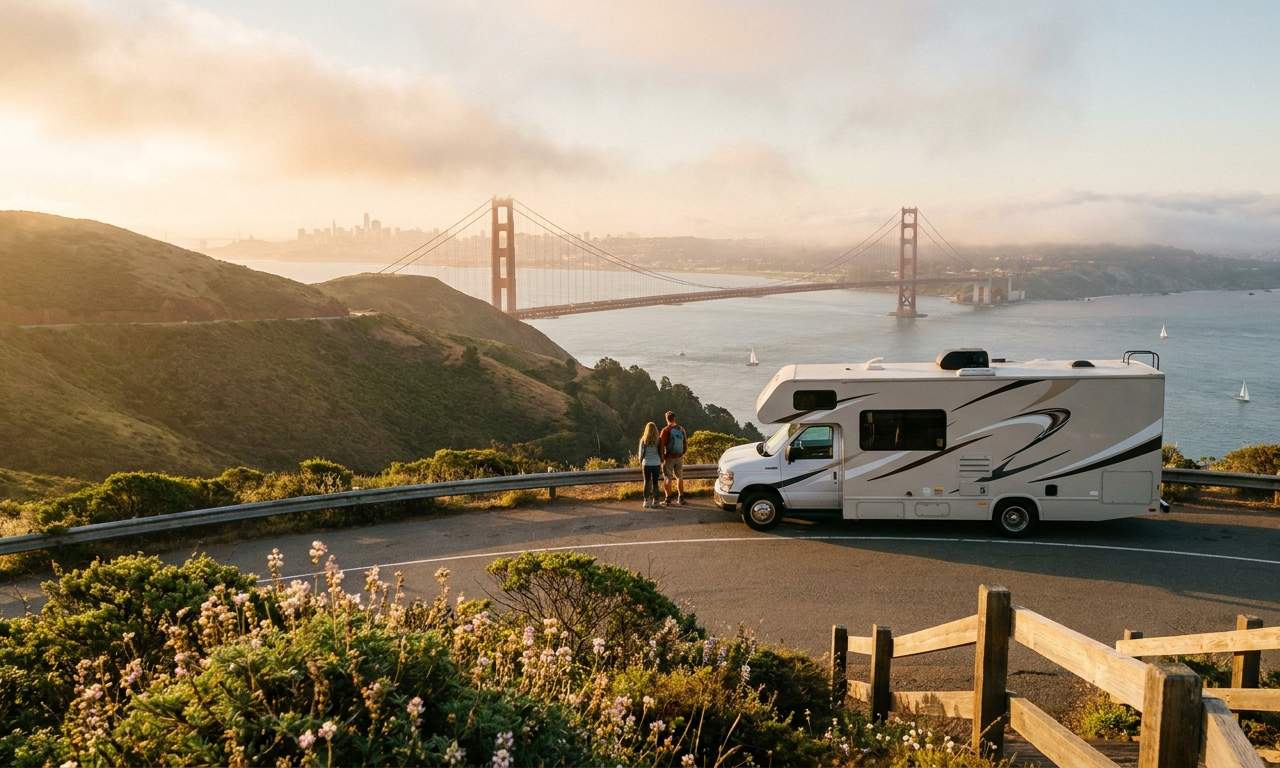
Embarking on a long-term RV adventure through San Francisco and the wider Bay Area promises an unforgettable journey filled with iconic landmarks and stunning natural beauty. At Bandana Caravan, we're dedicated to helping you navigate the unique challenges and discover the immense joys of extended RV travel in this vibrant region. For live availability and current prices, start with our RV Rental San Francisco - Complete Guide 2026. Whether you're planning a month-long exploration of California's coast or using San Francisco as a hub for broader Western adventures, understanding local driving rules and conditions is key to a smooth and enjoyable trip.
Can You Drive an RV in San Francisco? License & Age Rules
A standard Class C driver's license is typically sufficient for driving most RV rentals in San Francisco, provided the vehicle's Gross Vehicle Weight Rating (GVWR) is under 26,000 pounds (approximately 11,793 kg). This means almost all Class B campervans and Class C motorhomes, like the popular 7.1m Cruise America Explorer, are accessible with a regular license. The minimum age for renting an RV in San Francisco through Bandana's partners is 21 years old, with no young driver surcharges or vehicle class restrictions based on age, making long-term adventures accessible to a wider range of travelers. Foreign drivers must possess a valid driver's license from their home country, and while not always mandatory, an International Driving Permit (IDP) is highly recommended, especially if your home country's license is not in English, to ensure clear communication with local authorities.
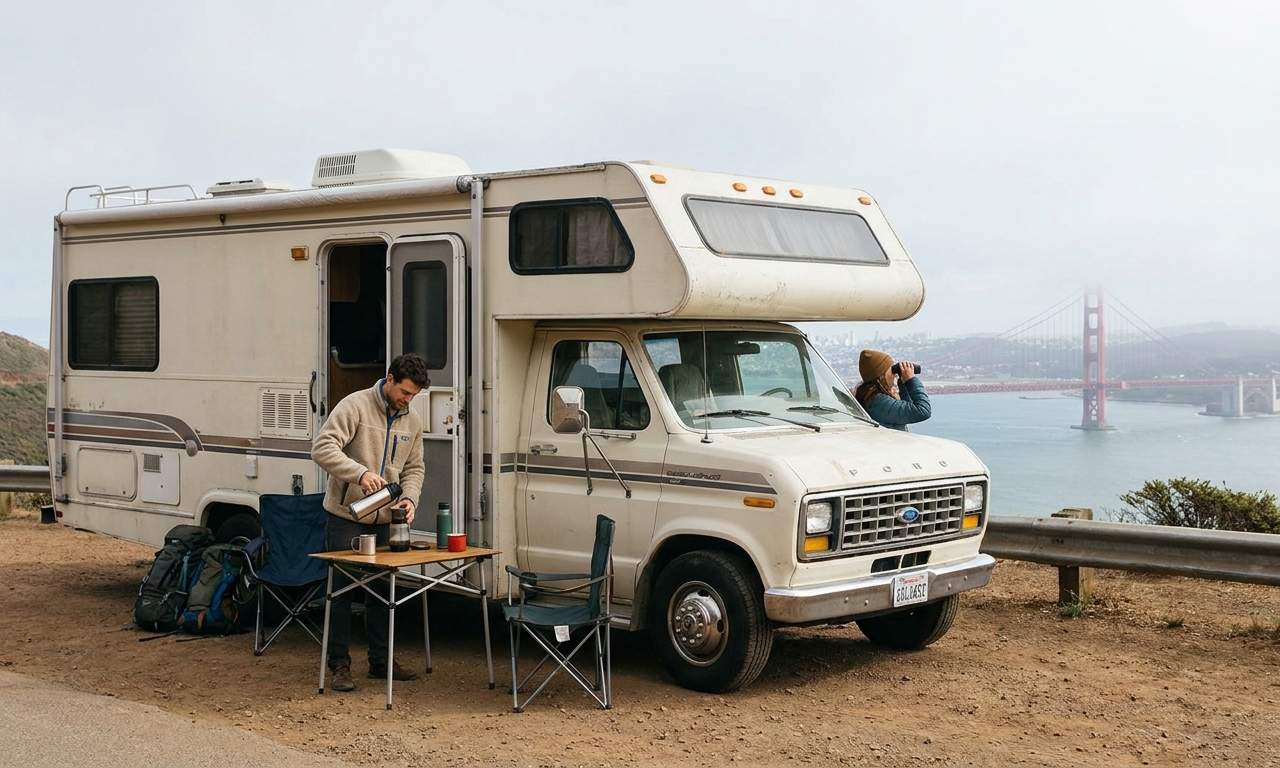
For RVs exceeding 26,000 lbs GVWR, a higher class commercial or non-commercial license may be necessary, but these are typically larger Class A motorhomes not usually selected for city-heavy itineraries. Our direct partnerships with 50+ leading RV suppliers worldwide, including El Monte and Cruise America, ensure we can match you with the perfect vehicle for your license. You can upgrade to a top-level deductible for extra peace of mind during your extended road trip, knowing you're fully supported before, during, and after your booking.
Road Conditions & Terrain in San Francisco
San Francisco is renowned for its extremely steep hills, which require careful driving and potentially lower gears for RVs, especially larger models like an 8.1m Class C Alcove. The city's unique topography means road quality varies significantly; while major thoroughfares like Van Ness Avenue are generally well-maintained, some urban streets can be rough, narrow, or include unexpected tight turns, presenting unique challenges for long-term RV rental travelers. Navigating these conditions slowly and carefully will allow you to drive almost anywhere without issues, alleviating unnecessary stress.
The dense urban environment of San Francisco means you'll frequently encounter heavy traffic, numerous stop-and-go situations, and congested areas, particularly during rush hour on routes leading to the Bay Bridge or Golden Gate Bridge. For a truly enjoyable long-term stay and full appreciation of the city, embracing a slower pace of travel, averaging max 100-150 km per day, is crucial. This allows ample time to navigate the unique terrain, find suitable parking, and connect to the local culture, food, and scenery without feeling rushed or overwhelmed by the city's dynamic driving environment.
RV Size Limits, Bridges & Restricted Zones
While specific height or weight restrictions for RVs are less common on major US highways leading into San Francisco, drivers must be vigilant for local signage, particularly when approaching tunnels, parking garages, and smaller, historic streets. The iconic Golden Gate Bridge has a height limit of 14 feet (4.27 meters) and a width limit of 10 feet (3.05 meters), which most rental motorhomes easily clear, but always confirm your vehicle's exact dimensions with your supplier. For example, a "24' Class C Motorhome" is approximately 7.32m long and would clear these limits. There are no specific "environmental zones" in San Francisco that restrict RV access based on emissions, unlike some European cities.
When considering ferry travel within the Bay Area, for instance, from San Francisco to Sausalito or Oakland, RVs are generally allowed but may be subject to additional length or weight surcharges and specific booking requirements. Always check with individual ferry operators, such as Golden Gate Ferry or Blue & Gold Fleet, in advance for their current policies and to secure reservations for your long-term RV rental. Being aware of these details helps ensure a seamless long-term journey, free from unexpected limitations.
Fuel: Diesel vs. Petrol & Cost per 100 km
Both petrol (gasoline) and diesel are widely available at fuel stations throughout the San Francisco Bay Area and across California, ensuring you'll always find the right fuel for your rental motorhome. Fuel prices in the San Francisco Bay Area can be among the highest in the nation, so it's essential to budget accordingly for long-term trips. For example, Bandana's Class C - Alcove RVs, with an average length of 8.1m, typically consume around 26.5 liters per 100 km, leading to an estimated cost of approximately $31.80 per 100 km (based on a petrol price of $1.20/liter for 2026).
For Bandana's larger Class A - Integrated RVs, which average 10.3m in length, fuel consumption averages approximately 37.5 liters per 100 km, resulting in an estimated cost of around $45.00 per 100 km (also based on a petrol price of $1.20/liter). These figures give you a realistic idea of the fuel expenses for your long-term RV rental. For itemizing and tracking every expense along the way, RV PLANET routes are a great resource for easy budgeting, offering comprehensive planning tools that account for various trip costs. Many Bandana partner suppliers, like Cruise America, offer fuel-efficient models such as the "cruise america rv rental example Explorer" at 7.1m length, helping manage long-term costs. On the routes offered through RV PLANET routes, you can itemize and track every expense along the way for easy budgeting.
Tolls, Vignettes & Border Rules
The San Francisco Bay Area features several electronically tolled bridges, including the iconic Golden Gate Bridge (northbound only, entering San Francisco) and the Bay Bridge (westbound only, entering San Francisco), which do not accept cash payments. Tolls are typically collected via a FasTrak transponder, license plate recognition (with an invoice mailed to the registered owner), or a one-time payment online within 48 hours of crossing to avoid penalties. Planning for these bridge tolls is an important part of your overall budget when undertaking a long term rv rental in San Francisco.
Unlike some European countries, there are no "vignette" systems or national road-use stickers required for vehicle use in the United States. Since San Francisco is not near an international border, there are no specific border rules to consider for typical long-term RV rental itineraries within the U.S. However, it's always wise to ensure your rental agreement covers travel across state lines if your long-term route extends beyond California, perhaps into Oregon or Arizona. Some rent-motorhome RVs allow pre-purchasing toll passes, like a FasTrak transponder, which can help avoid fines and simplify travel across Bay Area bridges, offering a smoother journey. Bandana provides full price transparency, ensuring no hidden fees or surprises related to tolls at pickup.
Driving Tips for long term rv rental Travelers
For long-term RV rental travelers exploring San Francisco, prioritizing public transportation for city center exploration is highly recommended to mitigate parking and navigation challenges. Park your rented RV at a dedicated campground or safe lot just outside the immediate downtown area, such as Candlestick RV Park in the city's south or sites in nearby Marin County (north of the Golden Gate Bridge) or the East Bay (across the Bay Bridge). From these locations, utilize BART (Bay Area Rapid Transit), Muni (San Francisco's bus and light rail system), or ferry services to access popular tourist attractions like Fisherman's Wharf, Union Square, or Alcatraz Island.
Strategic RV parking requires research and advance reservations, especially during peak seasons (June-August). Use online resources like RV PLANET (rvplan.net) to identify suitable RV campgrounds and reserve spots well in advance. Consider securing overnight parking in Sausalito or Oakland for day trips into SF via transit. When navigating San Francisco's steep inclines, use lower gears when ascending and descending, maintain extra braking distance, and be mindful of your RV's weight and length. Budgeting for Bay Area costs is crucial; beyond fuel, factor in potentially high campground fees (e.g., $70-$120/night), bridge tolls (a FasTrak account helps), and potential parking tickets if regulations aren't strictly followed.
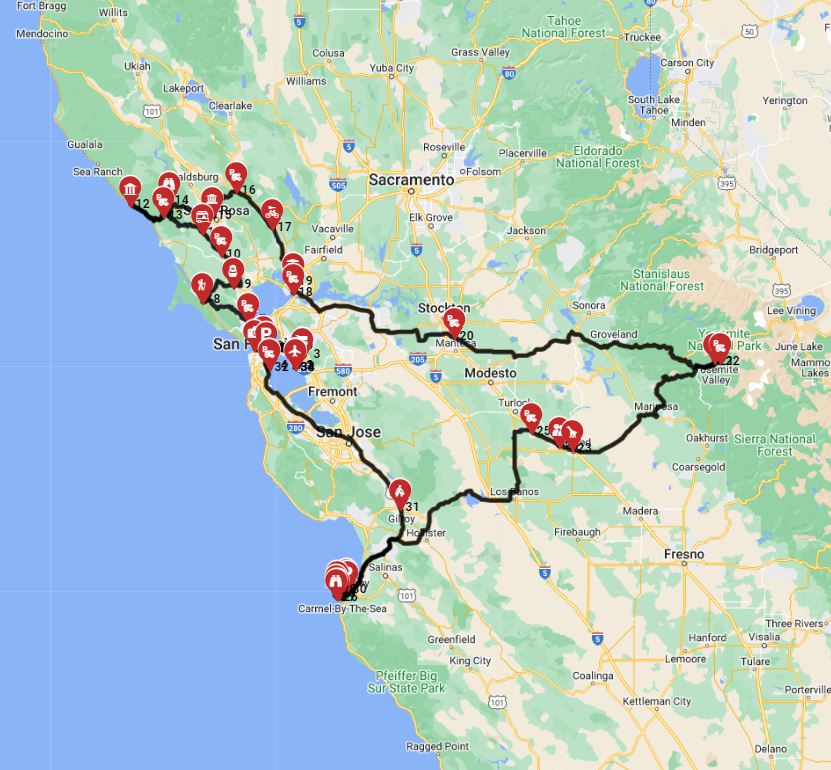
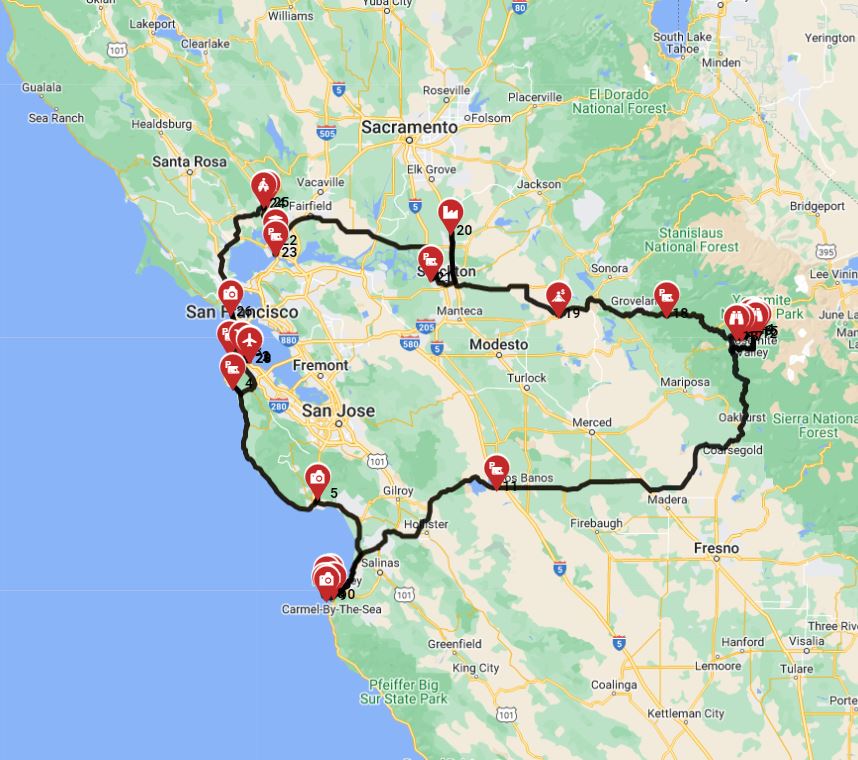
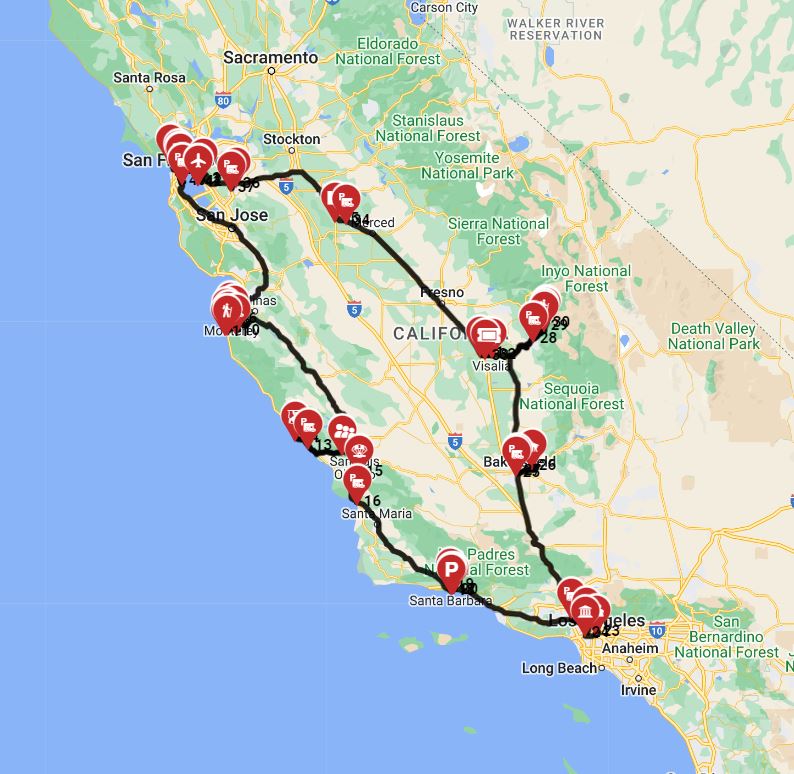
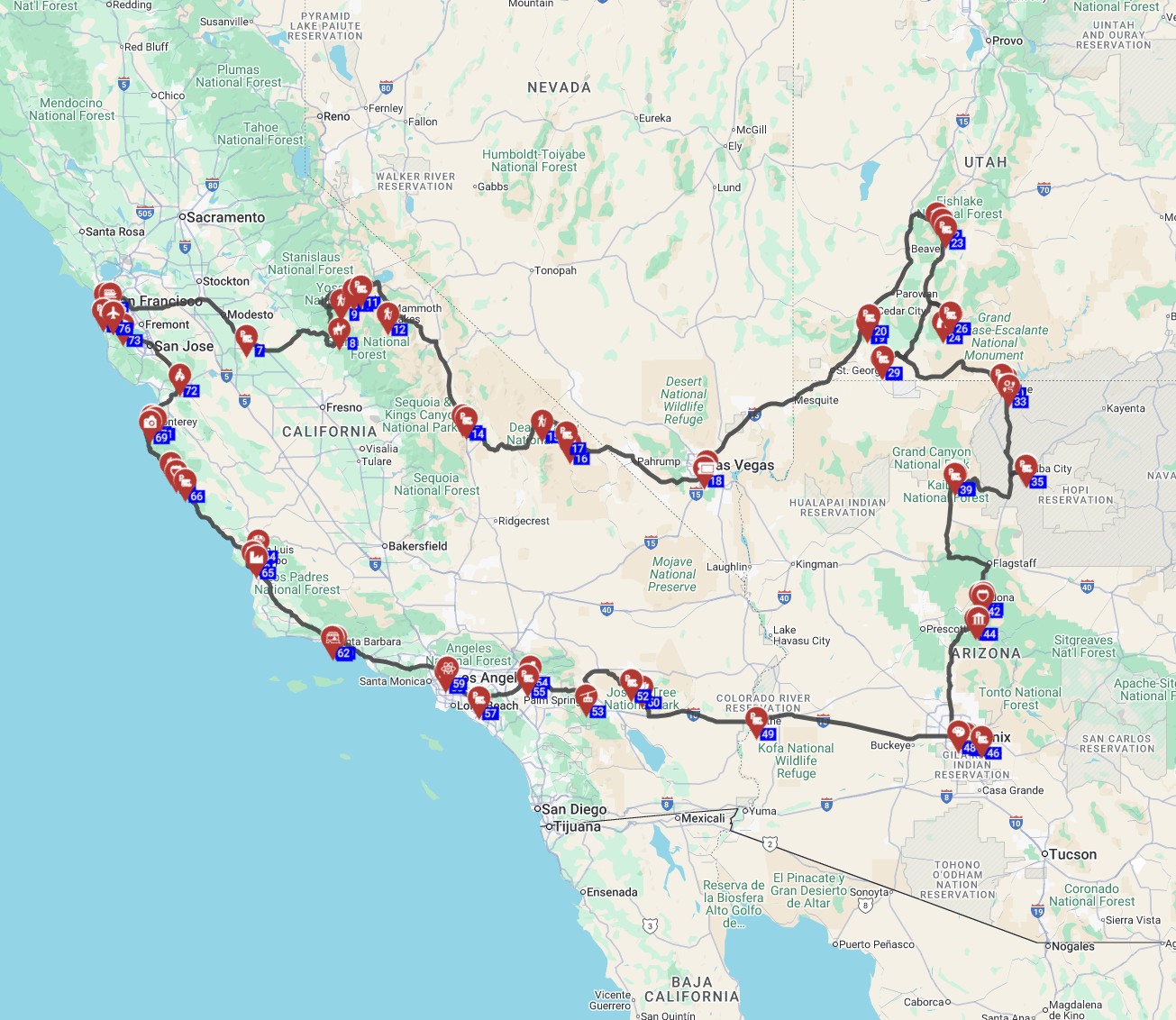
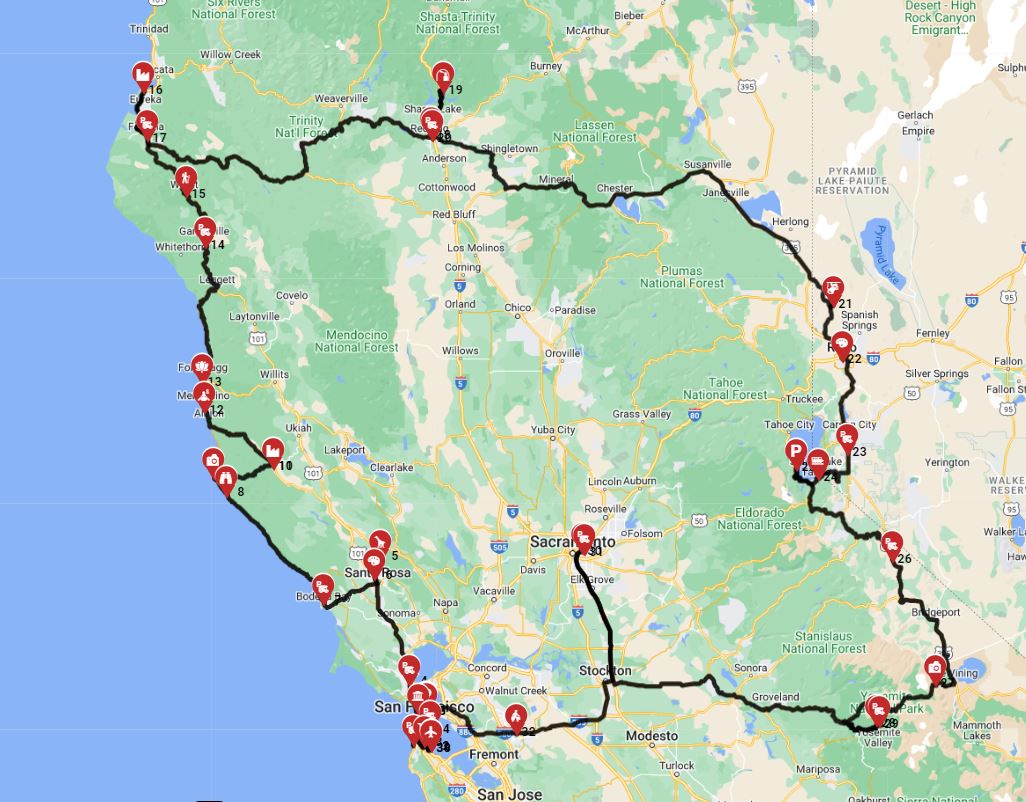
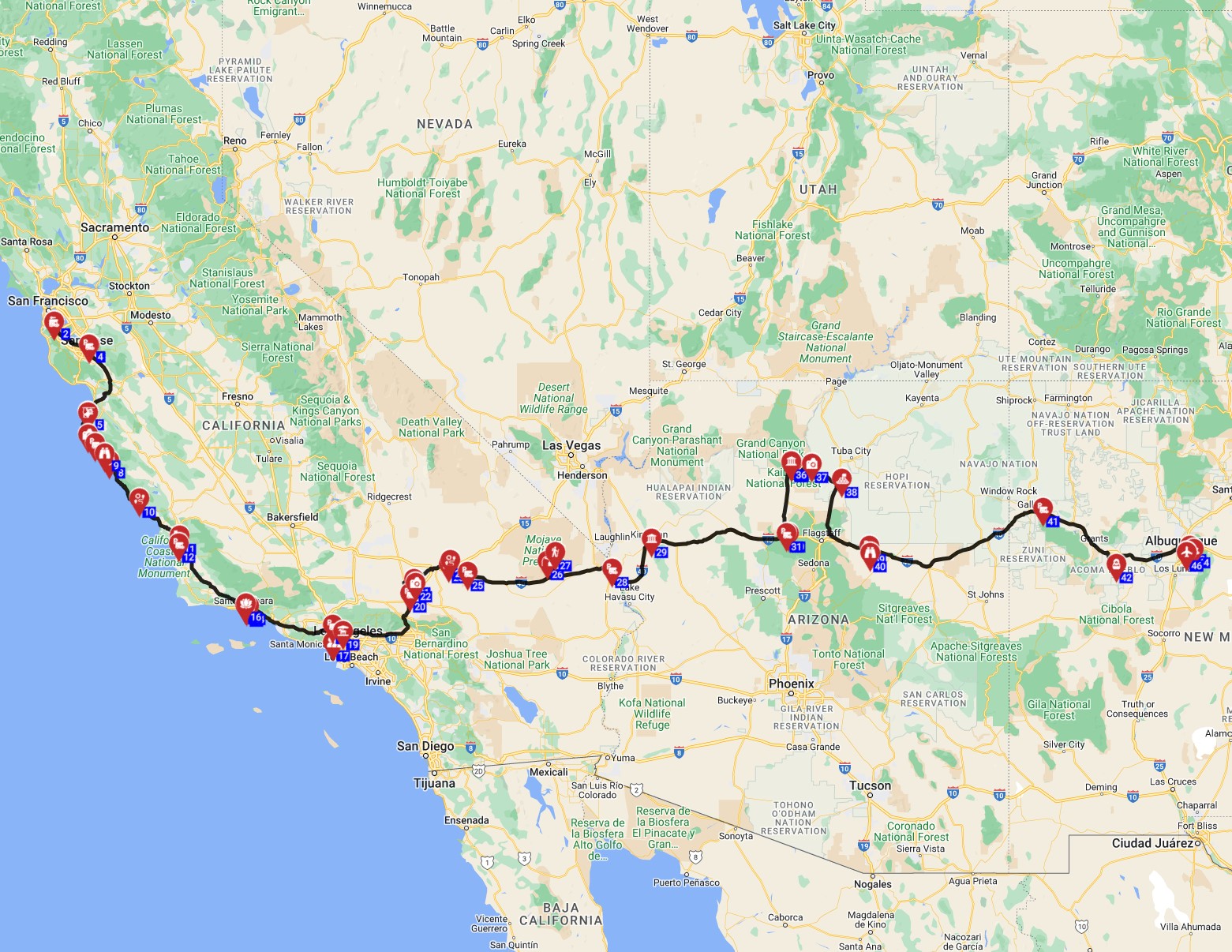
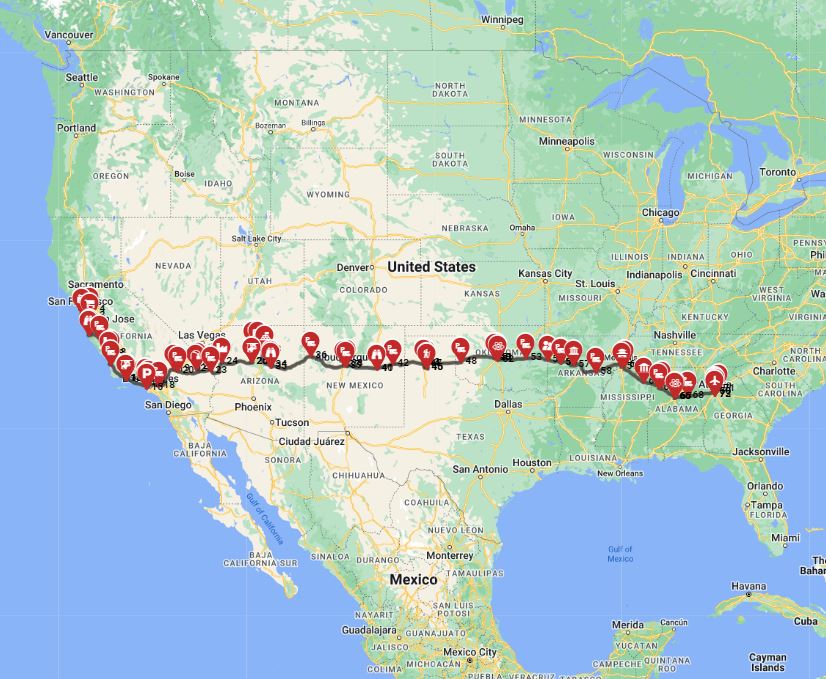
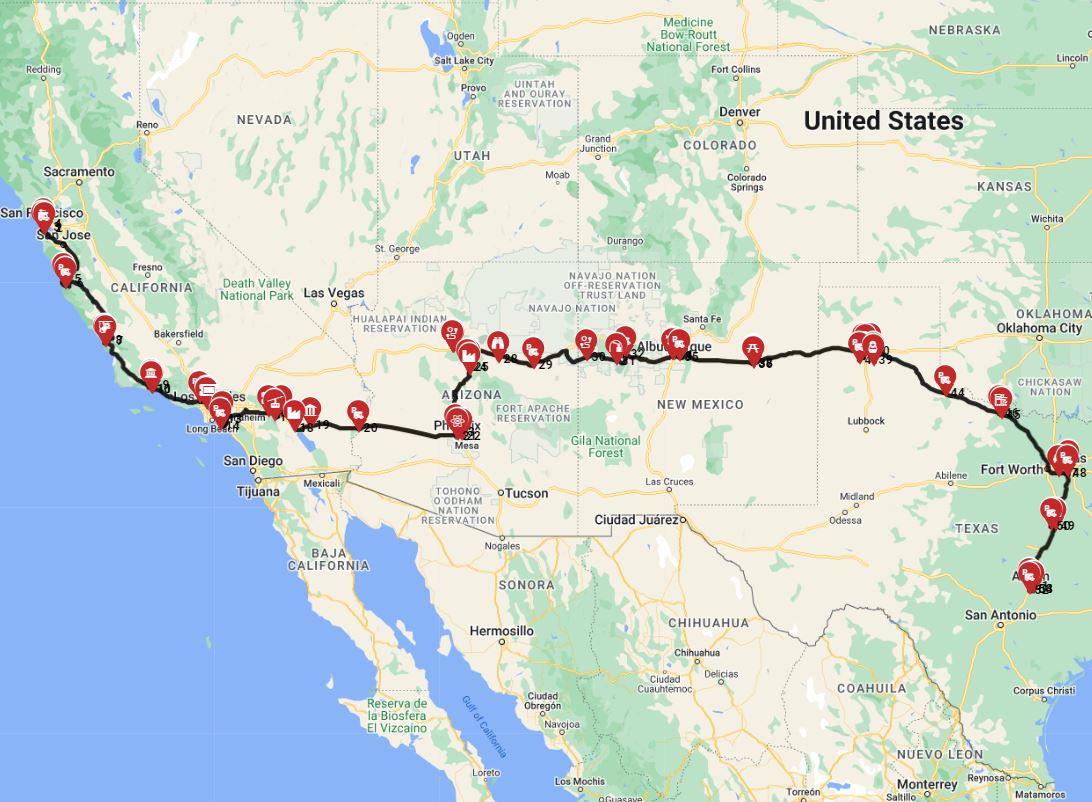
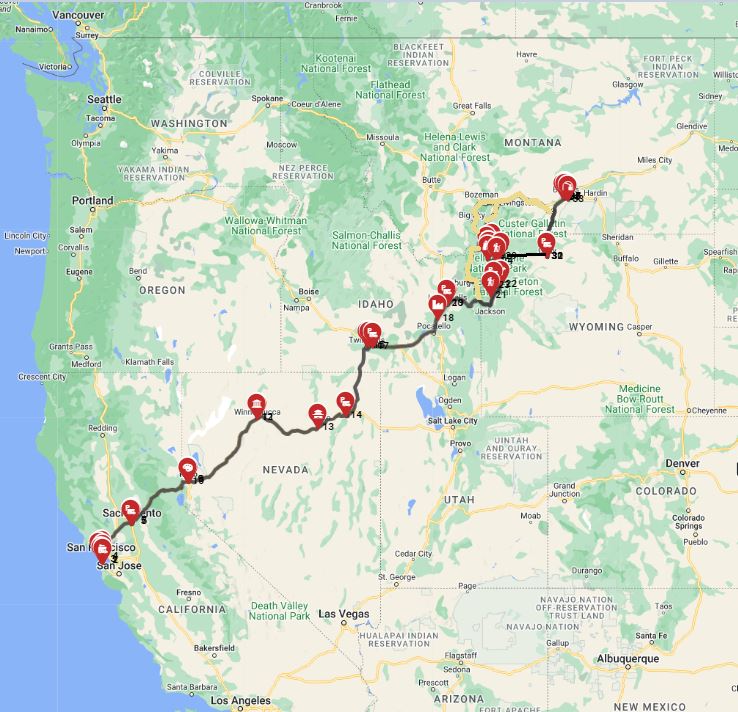
Embrace the greater Bay Area for a more relaxed long-term RV experience; use San Francisco as a hub to visit wine country in Napa Valley, coastal towns like Monterey, or national parks such as Yosemite. This approach strategically avoids the city's core RV challenges by parking further out and enjoying diverse itineraries. Imagine exploring the coast on a "Portland to San Francisco" route, which covers 2546.4 km over 18 days, including 2 wildlife watches, 3 hiking areas, and 2 scenic routes. Or, delve into Northern California with the "
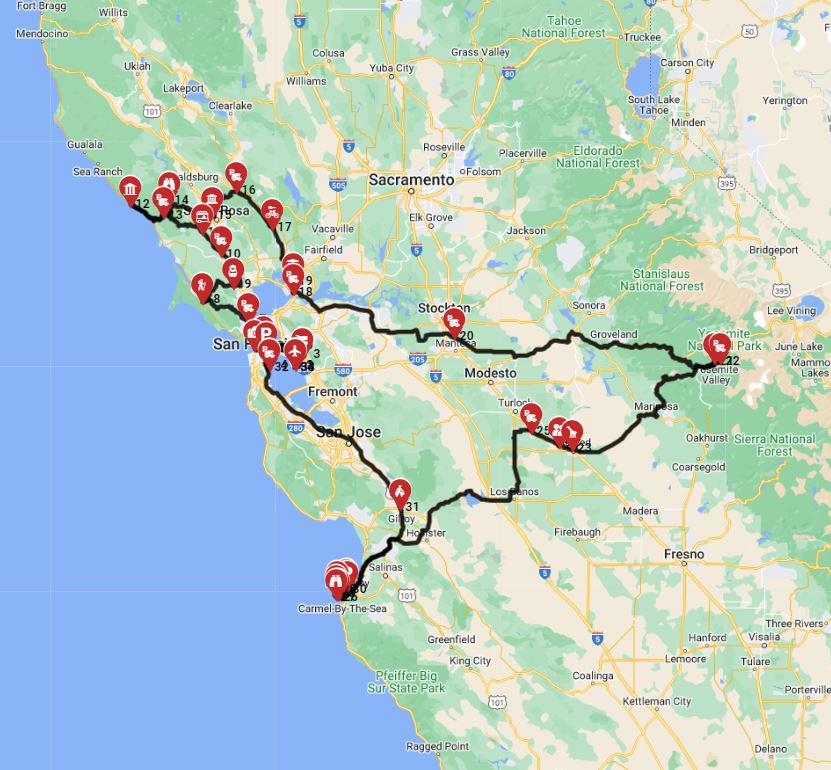
Our pre-planned routes by professionals via RV PLANET (rvplan.net) make this kind of exploration easy. You can even get a 25% planning discount when you use rvplan.net to organize your trip, ensuring a well-structured and enjoyable long-term adventure. With Bandana's 24/7 support for pre-booking comparisons and booking coordination, you're never alone in your planning.
Recommended RV Class for San Francisco Roads
For long-term RV rental in San Francisco, a more compact RV class like the Class TC - Truck Camper or a smaller Class B - Camper Van is generally recommended due to the city's narrow streets, steep hills, and limited parking. These smaller vehicles offer superior maneuverability, making navigation much easier than with larger rigs. For example, a Bandana "Patagonia Camper 4x4 double cab" Class TC - Truck Camper, with an average length of 5.9m, offers excellent maneuverability for urban environments and easier parking compared to larger rigs, making it ideal for navigating San Francisco's unique landscape.
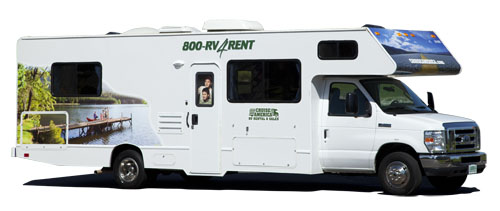
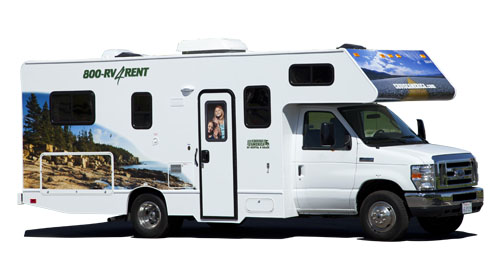
While larger Class C - Alcove motorhomes, averaging 8.1m in length (like the "C-MEDIUM PLUS" at 8.1m), provide more interior comfort and amenities for extended trips, they will still present significant parking challenges within the densest parts of San Francisco. Larger Class A - Integrated RVs, averaging 10.3m in length, are generally not advisable for comfortable driving or parking directly within San Francisco's city limits due to their considerable size and the city's challenging terrain. Opting for a more agile vehicle allows you to enjoy the flexibility of your mobile home base while easily exploring the vibrant city via public transport. If you want more space for a "Family RV Rental in San Francisco - Pricing Guide 2026", you'll likely need to plan for parking outside the city center.
Should I Choose a Compact Van Instead of a Large RV in San Francisco?
While there's generally no prohibition against driving any RV size in San Francisco, opting for a compact van or a smaller motorhome class can significantly enhance maneuverability and ease of parking, which are critical considerations in a dense urban environment. A compact Class B campervan, or even a Class TC Truck Camper from Bandana's fleet (averaging 5.9m), genuinely helps in navigating tight historic centers, making quick stops, and fitting into standard parking spaces or smaller, more accessible campgrounds around the Bay Area. This flexibility means less stress and more enjoyment of your long-term RV rental.
However, sticking with a larger RV like a Class C - Alcove (averaging 8.1m, like the "rv rentals example Comfort Class") often offers better comfort, more indoor space, and expanded amenities for a long-term rental, which might be a more important trade-off for travelers prioritizing living space over ultimate city center access. These vehicles typically feature larger refrigerators, more storage, and dedicated dining areas, making extended stays more comfortable. The decision ultimately balances the ease of city navigation versus the desired level of comfort and amenities for your long term rv rental journey, with the understanding that even a Class C will necessitate parking outside San Francisco's core and using public transit for city exploration.
Can I Park Anywhere? Free & Wild Camping Rules in San Francisco
In San Francisco, legal free or "wild camping" for RVs is generally not permitted within the city limits, and overnight parking in residential or commercial areas is heavily restricted and strictly enforced. The city has strict parking ordinances, and large vehicles like RVs are often subject to additional restrictions, including length limits and specific no-parking zones, leading to expensive tickets or towing if rules are violated. This makes finding impromptu overnight spots incredibly challenging and risky for long term rv rental travelers.
For long-term RV rentals, the most viable and legal parking solutions involve securing reservations at established RV parks located just outside San Francisco. Excellent options include Candlestick RV Park within the city's southern edge or further afield in Marin County (like Marin Park RV Campground) or the East Bay (such as Anthony Chabot Regional Park). These campgrounds offer essential hookups and amenities. When considering any overnight parking, always check local signage, adhere to posted restrictions, and confirm rules with property owners or campground managers; local regulations can vary significantly even within the greater Bay Area.
Can I Drive an RV Into the City Center? Heights, Tunnels & Local Signage
Yes, you can technically drive an RV into San Francisco's city center, but it is highly impractical and generally not recommended due to severe parking limitations, steep hills, dense traffic, and narrow streets. While there are no major height-restricted tunnels that would impede most RVs on primary routes into the city, drivers must pay close attention to local signage, especially for smaller streets, potential low-clearance parking garages (which RVs generally cannot use), and residents-only parking zones around areas like Nob Hill or Fisherman's Wharf. The primary challenge for driving a rented RV into downtown San Francisco is finding suitable and legal parking, which is extremely scarce and expensive for any vehicle, let alone a large motorhome.
For long term rv rental travelers, the most effective strategy is to park your RV at an RV park or dedicated lot outside the immediate city center and use San Francisco's extensive public transportation network (BART, Muni, ferries) to explore downtown attractions, mitigating stress and potential issues. This approach allows you to experience the city's charm without the hassle of maneuvering a large vehicle through its intricate streets. Thinking of a longer trip? Our "RV Rental California - Complete Guide 2026" offers broader state-wide insights.
What is the 3-3-3 rule for RV living?
The 3-3-3 rule for RV living is a popular guideline suggesting that RVers drive no more than 300 miles (approximately 480 km) a day, arrive at their destination by 3 PM, and stay for at least 3 nights. This rule is designed to prevent driver fatigue, allow ample time for setting up camp and enjoying each location, and encourage a slower, more immersive travel experience, which is particularly beneficial for long term rv rental journeys around San Francisco. Adhering to the 3-3-3 rule can help mitigate the stress of urban RVing by ensuring you don't over-schedule travel and have time to scout parking or public transport options from your chosen campground.
For long-term rentals near San Francisco, applying this rule means you can comfortably explore the Bay Area and beyond, venturing to destinations like the California Redwoods or Monterey Bay, without feeling rushed. This relaxed pace allows you to enjoy local culture and attractions at leisure, perhaps even trying some RV-friendly recipes playlist with ingredients from local markets. Consider the "
What is the 4 4 4 rule for RVing?
The 4-4-4 rule for RVing is another popular guideline, often interpreted as driving no more than 4 hours a day, traveling no more than 400 miles (approximately 640 km), arriving by 4 PM, and in some variations, staying for at least 4 nights. Similar to the 3-3-3 rule, its core purpose is to encourage a sustainable and enjoyable RV lifestyle by preventing burnout from excessive driving and allowing sufficient time for rest, exploration, and campsite setup. This rule helps ensure you make the most of your long-term RV rental, rather than constantly being on the move.
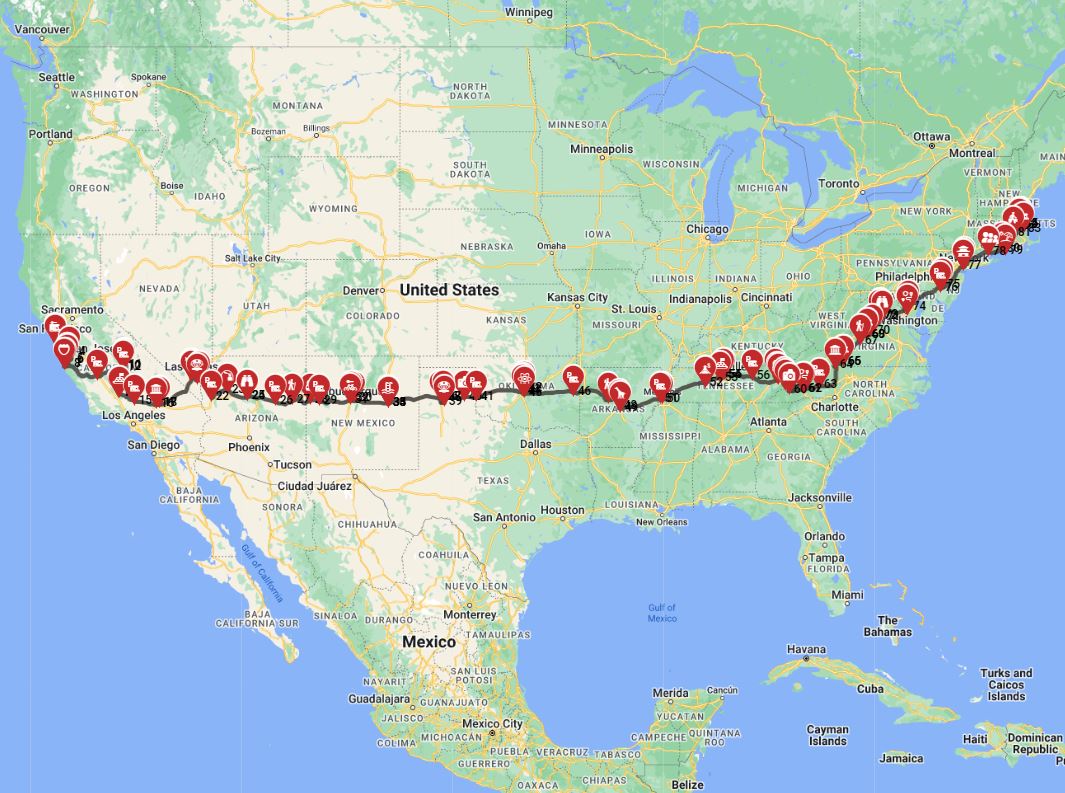
For long term rv rental travelers exploring the San Francisco Bay Area and Northern California, following such a rule helps in managing the complexities of navigating new regions, especially when planning to access urban centers like SF via public transport. This approach fosters a more relaxed itinerary, allowing you to fully experience diverse destinations around San Francisco, from wine country to coastal drives, without feeling pressured to constantly be on the move. Imagine a "
🎬 Video coming soon
What You Shouldn't Miss
Looking for expert insights from Avi Bandana? Top 5 Adventures - recommendations from Avi Bandana:
- **Golden Gate National Recreation Area:** Drive your rented motorhome across the iconic Golden Gate Bridge (remember the electronic toll!) and explore the many viewpoints in Marin Headlands. Then, park your RV at a nearby campground outside the city and take public transport back into San Francisco to explore Fisherman's Wharf or Alcatraz.
- **Muir Woods National Monument:** Just north of San Francisco, experience the majesty of ancient redwood trees. While RVs aren't ideal on the immediate approach roads, park your campervan further out and use the shuttle system or a smaller vehicle to access the monument.
- **Napa Valley Wine Country:** Head north from San Francisco on a scenic route through California's renowned wine region. Many wineries offer RV-friendly parking (call ahead!), and several RV parks in Napa and Sonoma can serve as your comfortable base for a week-long exploration.
- **Coastal Highway 1 to Monterey & Big Sur:** Take your long-term RV rental south along the breathtaking Pacific Coast Highway. This iconic drive offers stunning ocean views and numerous state parks and campgrounds perfect for extended stays, though parts of Big Sur can be challenging for very large rigs.
- **Yosemite National Park:** While a bit of a drive inland (around 3-4 hours), Yosemite's grandeur is unmatched. Plan for a week-long trip to fully immerse yourself. RV campgrounds within the park fill up quickly, so book 6-12 months in advance or utilize the first-come-first-serve spots, or stay at nearby private campgrounds and use the park's shuttle system.
Final Thoughts
Embracing a long-term RV rental in San Francisco offers an unparalleled opportunity to explore not just the city's iconic sights, but also the breathtaking landscapes of Northern California at your own pace. With Bandana Caravan, you’re not just renting a vehicle; you’re gaining a partner who understands the nuances of RV travel and is committed to your enjoyment and peace of mind.
Remember to plan your routes to accommodate the unique urban terrain, leverage San Francisco’s excellent public transport for city exploration, and always prioritize slow, mindful travel. Whether you choose a compact campervan for agile city excursions or a comfortable Class C motorhome for extended adventures, we're here to ensure your long-term journey is filled with incredible memories and seamless experiences. Get inspired for your next trip! Discover top destinations and planning tips, all in one place with Bandana Caravan.
Find Motorhome Rentals in San FranciscoIn This Guide
- Can You Drive an RV in San Francisco? License & Age Rules
- Road Conditions & Terrain in San Francisco
- RV Size Limits, Bridges & Restricted Zones
- Fuel: Diesel vs. Petrol & Cost per 100 km
- Tolls, Vignettes & Border Rules
- Driving Tips for long term rv rental Travelers
- Recommended RV Class for San Francisco Roads
- Should I Choose a Compact Van Instead of a Large RV in San Francisco?
- Can I Park Anywhere? Free & Wild Camping Rules in San Francisco
- Can I Drive an RV Into the City Center? Heights, Tunnels & Local Signage
- What is the 3-3-3 rule for RV living?
- What is the 4 4 4 rule for RVing?
Embarking on a long-term RV adventure through San Francisco and the wider Bay Area promises an unforgettable journey filled with iconic landmarks and stunning natural beauty. At Bandana Caravan, we're dedicated to helping you navigate the unique challenges and discover the immense joys of extended RV travel in this vibrant region. For live availability and current prices, start with our RV Rental San Francisco - Complete Guide 2026. Whether you're planning a month-long exploration of California's coast or using San Francisco as a hub for broader Western adventures, understanding local driving rules and conditions is key to a smooth and enjoyable trip.
Can You Drive an RV in San Francisco? License & Age Rules
A standard Class C driver's license is typically sufficient for driving most RV rentals in San Francisco, provided the vehicle's Gross Vehicle Weight Rating (GVWR) is under 26,000 pounds (approximately 11,793 kg). This means almost all Class B campervans and Class C motorhomes, like the popular 7.1m Cruise America Explorer, are accessible with a regular license. The minimum age for renting an RV in San Francisco through Bandana's partners is 21 years old, with no young driver surcharges or vehicle class restrictions based on age, making long-term adventures accessible to a wider range of travelers. Foreign drivers must possess a valid driver's license from their home country, and while not always mandatory, an International Driving Permit (IDP) is highly recommended, especially if your home country's license is not in English, to ensure clear communication with local authorities.
For RVs exceeding 26,000 lbs GVWR, a higher class commercial or non-commercial license may be necessary, but these are typically larger Class A motorhomes not usually selected for city-heavy itineraries. Our direct partnerships with 50+ leading RV suppliers worldwide, including El Monte and Cruise America, ensure we can match you with the perfect vehicle for your license. You can upgrade to a top-level deductible for extra peace of mind during your extended road trip, knowing you're fully supported before, during, and after your booking.
Road Conditions & Terrain in San Francisco
San Francisco is renowned for its extremely steep hills, which require careful driving and potentially lower gears for RVs, especially larger models like an 8.1m Class C Alcove. The city's unique topography means road quality varies significantly; while major thoroughfares like Van Ness Avenue are generally well-maintained, some urban streets can be rough, narrow, or include unexpected tight turns, presenting unique challenges for long-term RV rental travelers. Navigating these conditions slowly and carefully will allow you to drive almost anywhere without issues, alleviating unnecessary stress.
The dense urban environment of San Francisco means you'll frequently encounter heavy traffic, numerous stop-and-go situations, and congested areas, particularly during rush hour on routes leading to the Bay Bridge or Golden Gate Bridge. For a truly enjoyable long-term stay and full appreciation of the city, embracing a slower pace of travel, averaging max 100-150 km per day, is crucial. This allows ample time to navigate the unique terrain, find suitable parking, and connect to the local culture, food, and scenery without feeling rushed or overwhelmed by the city's dynamic driving environment.
RV Size Limits, Bridges & Restricted Zones
While specific height or weight restrictions for RVs are less common on major US highways leading into San Francisco, drivers must be vigilant for local signage, particularly when approaching tunnels, parking garages, and smaller, historic streets. The iconic Golden Gate Bridge has a height limit of 14 feet (4.27 meters) and a width limit of 10 feet (3.05 meters), which most rental motorhomes easily clear, but always confirm your vehicle's exact dimensions with your supplier. For example, a "24' Class C Motorhome" is approximately 7.32m long and would clear these limits. There are no specific "environmental zones" in San Francisco that restrict RV access based on emissions, unlike some European cities.
When considering ferry travel within the Bay Area, for instance, from San Francisco to Sausalito or Oakland, RVs are generally allowed but may be subject to additional length or weight surcharges and specific booking requirements. Always check with individual ferry operators, such as Golden Gate Ferry or Blue & Gold Fleet, in advance for their current policies and to secure reservations for your long-term RV rental. Being aware of these details helps ensure a seamless long-term journey, free from unexpected limitations.
Fuel: Diesel vs. Petrol & Cost per 100 km
Both petrol (gasoline) and diesel are widely available at fuel stations throughout the San Francisco Bay Area and across California, ensuring you'll always find the right fuel for your rental motorhome. Fuel prices in the San Francisco Bay Area can be among the highest in the nation, so it's essential to budget accordingly for long-term trips. For example, Bandana's Class C - Alcove RVs, with an average length of 8.1m, typically consume around 26.5 liters per 100 km, leading to an estimated cost of approximately $31.80 per 100 km (based on a petrol price of $1.20/liter for 2026).
For Bandana's larger Class A - Integrated RVs, which average 10.3m in length, fuel consumption averages approximately 37.5 liters per 100 km, resulting in an estimated cost of around $45.00 per 100 km (also based on a petrol price of $1.20/liter). These figures give you a realistic idea of the fuel expenses for your long-term RV rental. For itemizing and tracking every expense along the way, RV PLANET routes are a great resource for easy budgeting, offering comprehensive planning tools that account for various trip costs. Many Bandana partner suppliers, like Cruise America, offer fuel-efficient models such as the "cruise america rv rental example Explorer" at 7.1m length, helping manage long-term costs.
Tolls, Vignettes & Border Rules
The San Francisco Bay Area features several electronically tolled bridges, including the iconic Golden Gate Bridge (northbound only, entering San Francisco) and the Bay Bridge (westbound only, entering San Francisco), which do not accept cash payments. Tolls are typically collected via a FasTrak transponder, license plate recognition (with an invoice mailed to the registered owner), or a one-time payment online within 48 hours of crossing to avoid penalties. Planning for these bridge tolls is an important part of your overall budget when undertaking a long term rv rental in San Francisco.
Unlike some European countries, there are no "vignette" systems or national road-use stickers required for vehicle use in the United States. Since San Francisco is not near an international border, there are no specific border rules to consider for typical long-term RV rental itineraries within the U.S. However, it's always wise to ensure your rental agreement covers travel across state lines if your long-term route extends beyond California, perhaps into Oregon or Arizona. Some rent-motorhome RVs allow pre-purchasing toll passes, like a FasTrak transponder, which can help avoid fines and simplify travel across Bay Area bridges, offering a smoother journey. Bandana provides full price transparency, ensuring no hidden fees or surprises related to tolls at pickup.
Driving Tips for long term rv rental Travelers
For long-term RV rental travelers exploring San Francisco, prioritizing public transportation for city center exploration is highly recommended to mitigate parking and navigation challenges. Park your rented RV at a dedicated campground or safe lot just outside the immediate downtown area, such as Candlestick RV Park in the city's south or sites in nearby Marin County (like Marin Park RV Campground) or the East Bay (across the Bay Bridge). From these locations, utilize BART (Bay Area Rapid Transit), Muni (San Francisco's bus and light rail system), or ferry services to access popular tourist attractions like Fisherman's Wharf, Union Square, or Alcatraz Island.
Strategic RV parking requires research and advance reservations, especially during peak seasons (June-August). Use online resources like RV PLANET (rvplan.net) to identify suitable RV campgrounds and reserve spots well in advance. Consider securing overnight parking in Sausalito or Oakland for day trips into SF via transit. When navigating San Francisco's steep inclines, use lower gears when ascending and descending, maintain extra braking distance, and be mindful of your RV's weight and length. Budgeting for Bay Area costs is crucial; beyond fuel, factor in potentially high campground fees (e.g., $70-$120/night), bridge tolls (a FasTrak account helps), and possible parking tickets if regulations aren't strictly followed.
Embrace the greater Bay Area for a more relaxed long-term RV experience; use San Francisco as a hub to visit wine country in Napa Valley, coastal towns like Monterey, or national parks such as Yosemite. This approach strategically avoids the city's core RV challenges by parking further out and enjoying diverse itineraries. Imagine exploring the coast on a "Portland to San Francisco" route, which covers 2546.4 km over 18 days, including 2 wildlife watches, 3 hiking areas, and 2 scenic routes. Or, delve into Northern California with the "
Our pre-planned routes by professionals via RV PLANET (rvplan.net) make this kind of exploration easy. You can even get a 25% planning discount when you use rvplan.net to organize your trip, ensuring a well-structured and enjoyable long-term adventure. With Bandana's 24/7 support for pre-booking comparisons and booking coordination, you're never alone in your planning.
Recommended RV Class for San Francisco Roads
For long-term RV rental in San Francisco, a more compact RV class like the Class TC - Truck Camper or a smaller Class B - Camper Van is generally recommended due to the city's narrow streets, steep hills, and limited parking. These smaller vehicles offer superior maneuverability, making navigation much easier than with larger rigs. For example, a Bandana "Patagonia Camper 4x4 double cab" Class TC - Truck Camper, with an average length of 5.9m, offers excellent maneuverability for urban environments and easier parking compared to larger rigs, making it ideal for navigating San Francisco's unique landscape.
While larger Class C - Alcove motorhomes, averaging 8.1m in length (like the "C-MEDIUM PLUS" at 8.1m), provide more interior comfort and amenities for extended trips, they will still present significant parking challenges within the densest parts of San Francisco. Larger Class A - Integrated RVs, averaging 10.3m in length, are generally not advisable for comfortable driving or parking directly within San Francisco's city limits due to their considerable size and the city's challenging terrain. Opting for a more agile vehicle allows you to enjoy the flexibility of your mobile home base while easily exploring the vibrant city via public transport. If you want more space for a "Family RV Rental in San Francisco - Pricing Guide 2026", you'll likely need to plan for parking outside the city center.
Should I Choose a Compact Van Instead of a Large RV in San Francisco?
While there's generally no prohibition against driving any RV size in San Francisco, opting for a compact van or a smaller motorhome class can significantly enhance maneuverability and ease of parking, which are critical considerations in a dense urban environment. A compact Class B campervan, or even a Class TC Truck Camper from Bandana's fleet (averaging 5.9m), genuinely helps in navigating tight historic centers, making quick stops, and fitting into standard parking spaces or smaller, more accessible campgrounds around the Bay Area. This flexibility means less stress and more enjoyment of your long-term RV rental.
However, sticking with a larger RV like a Class C - Alcove (averaging 8.1m, like the "rv rentals example Comfort Class") often offers better comfort, more indoor space, and expanded amenities for a long-term rental, which might be a more important trade-off for travelers prioritizing living space over ultimate city center access. These vehicles typically feature larger refrigerators, more storage, and dedicated dining areas, making extended stays more comfortable. The decision ultimately balances the ease of city navigation versus the desired level of comfort and amenities for your long term rv rental journey, with the understanding that even a Class C will necessitate parking outside San Francisco's core and using public transit for city exploration.
Can I Park Anywhere? Free & Wild Camping Rules in San Francisco
In San Francisco, legal free or "wild camping" for RVs is generally not permitted within the city limits, and overnight parking in residential or commercial areas is heavily restricted and strictly enforced. The city has strict parking ordinances, and large vehicles like RVs are often subject to additional restrictions, including length limits and specific no-parking zones, leading to expensive tickets or towing if rules are violated. This makes finding impromptu overnight spots incredibly challenging and risky for long term rv rental travelers.
For long-term RV rentals, the most viable and legal parking solutions involve securing reservations at established RV parks located just outside San Francisco. Excellent options include Candlestick RV Park within the city's southern edge or further afield in Marin County (like Marin Park RV Campground) or the East Bay (such as Anthony Chabot Regional Park). These campgrounds offer essential hookups and amenities. When considering any overnight parking, always check local signage, adhere to posted restrictions, and confirm rules with property owners or campground managers; local regulations can vary significantly even within the greater Bay Area.
Can I Drive an RV Into the City Center? Heights, Tunnels & Local Signage
Yes, you can technically drive an RV into San Francisco's city center, but it is highly impractical and generally not recommended due to severe parking limitations, steep hills, dense traffic, and narrow streets. While there are no major height-restricted tunnels that would impede most RVs on primary routes into the city, drivers must pay close attention to local signage, especially for smaller streets, potential low-clearance parking garages (which RVs generally cannot use), and residents-only parking zones around areas like Nob Hill or Fisherman's Wharf. The primary challenge for driving a rented RV into downtown San Francisco is finding suitable and legal parking, which is extremely scarce and expensive for any vehicle, let alone a large motorhome.
For long term rv rental travelers, the most effective strategy is to park your RV at an RV park or dedicated lot outside the immediate city center and use San Francisco's extensive public transportation network (BART, Muni, ferries) to explore downtown attractions, mitigating stress and potential issues. This approach allows you to experience the city's charm without the hassle of maneuvering a large vehicle through its intricate streets. Thinking of a longer trip? Our "RV Rental California - Complete Guide 2026" offers broader state-wide insights.
What is the 3-3-3 rule for RV living?
The 3-3-3 rule for RV living is a popular guideline suggesting that RVers drive no more than 300 miles (approximately 480 km) a day, arrive at their destination by 3 PM, and stay for at least 3 nights. This rule is designed to prevent driver fatigue, allow ample time for setting up camp and enjoying each location, and encourage a slower, more immersive travel experience, which is particularly beneficial for long term rv rental journeys around San Francisco. Adhering to the 3-3-3 rule can help mitigate the stress of urban RVing by ensuring you don't over-schedule travel and have time to scout parking or public transport options from your chosen campground.
For long-term rentals near San Francisco, applying this rule means you can comfortably explore the Bay Area and beyond, venturing to destinations like the California Redwoods or Monterey Bay, without feeling rushed. This relaxed pace allows you to enjoy local culture and attractions at leisure, perhaps even trying some RV-friendly recipes playlist with ingredients from local markets. Consider the "
What is the 4 4 4 rule for RVing?
The 4-4-4 rule for RVing is another popular guideline, often interpreted as driving no more than 4 hours a day, traveling no more than 400 miles (approximately 640 km), arriving by 4 PM, and in some variations, staying for at least 4 nights. Similar to the 3-3-3 rule, its core purpose is to encourage a sustainable and enjoyable RV lifestyle by preventing burnout from excessive driving and allowing sufficient time for rest, exploration, and campsite setup. This rule helps ensure you make the most of your long-term RV rental, rather than constantly being on the move.
For long term rv rental travelers exploring the San Francisco Bay Area and Northern California, following such a rule helps in managing the complexities of navigating new regions, especially when planning to access urban centers like SF via public transport. This approach fosters a more relaxed itinerary, allowing you to fully experience diverse destinations around San Francisco, from wine country to coastal drives, without feeling pressured to constantly be on the move. Imagine a "
🎬 Video coming soon
What You Shouldn't Miss
Looking for expert insights from Avi Bandana? Top 5 Adventures - recommendations from Avi Bandana:
- Golden Gate National Recreation Area: Drive your rented motorhome across the iconic Golden Gate Bridge (remember the electronic toll!) and explore the many viewpoints in Marin Headlands. Then, park your RV at a nearby campground outside the city and take public transport back into San Francisco to explore Fisherman's Wharf or Alcatraz.
- Muir Woods National Monument: Just north of San Francisco, experience the majesty of ancient redwood trees. While RVs aren't ideal on the immediate approach roads, park your campervan further out and use the shuttle system or a smaller vehicle to access the monument.
- Napa Valley Wine Country: Head north from San Francisco on a scenic route through California's renowned wine region. Many wineries offer RV-friendly parking (call ahead!), and several RV parks in Napa and Sonoma can serve as your comfortable base for a week-long exploration.
- Coastal Highway 1 to Monterey & Big Sur: Take your long-term RV rental south along the breathtaking Pacific Coast Highway. This iconic drive offers stunning ocean views and numerous state parks and campgrounds perfect for extended stays, though parts of Big Sur can be challenging for very large rigs.
- Yosemite National Park: While a bit of a drive inland (around 3-4 hours), Yosemite's grandeur is unmatched. Plan for a week-long trip to fully immerse yourself. RV campgrounds within the park fill up quickly, so book 6-12 months in advance or utilize the first-come-first-serve spots, or stay at nearby private campgrounds and use the park's shuttle system.
Final Thoughts
Embracing a long-term RV rental in San Francisco offers an unparalleled opportunity to explore not just the city's iconic sights, but also the breathtaking landscapes of Northern California at your own pace. With Bandana Caravan, you’re not just renting a vehicle; you’re gaining a partner who understands the nuances of RV travel and is committed to your enjoyment and peace of mind.
Remember to plan your routes to accommodate the unique urban terrain, leverage San Francisco’s excellent public transport for city exploration, and always prioritize slow, mindful travel. Whether you choose a compact campervan for agile city excursions or a comfortable Class C motorhome for extended adventures, we're here to ensure your long-term journey is filled with incredible memories and seamless experiences. Get inspired for your next trip! Discover top destinations and planning tips, all in one place with Bandana Caravan.
Find Motorhome Rentals in San Francisco