For live availability and current prices, start with our RV Rental Portugal - Complete Guide 2026 guide.
In This Guide
- Can You Drive an RV in Portugal? License & Age Rules
- Road Conditions & Terrain in Portugal
- RV Size Limits, Bridges & Restricted Zones
- Fuel: Diesel vs. Petrol & Cost per 100 km
- Tolls, Vignettes & Border Rules
- Driving Tips for long term rv rental Travelers
- Recommended RV Class for Portugal Roads
- Should I Choose a Compact Van Instead of a Large RV in Portugal?
- Can I Park Anywhere? Free & Wild Camping Rules in Portugal
- Can I Drive an RV Into the City Center? Heights, Tunnels & Local Signage
- Detailed Legalities & Enforcement Nuances Beyond just 'illegal,' what are the specifics of the 2026 wild camping law, the actual fines, and the subtle differences between 'parking' and 'camping' in designated overnight areas (ASAs)? How strictly is it enforced?
- Comprehensive ASA Information Where exactly can RVers find official ASAs (apps, websites, specific signage)? What are the actual amenities offered (water, dump, electricity, security), typical costs (if any), and practical alternatives if ASAs are full?
- Budgeting & Cost Breakdown A detailed breakdown of typical RV travel costs in Portugal, including campsite fees (varying by season/region), fuel, tolls, food, and activity recommendations for different budget levels, along with money-saving tips.
- Practical Driving Guide A consolidated resource on Portuguese road rules specific to RVs (speed limits, parking regulations in towns, specific road signs for large vehicles), and an in-depth guide to navigating and paying tolls (e.g., Via Verde device setup and usage).
- Safety Beyond Legality Addressing concerns about personal safety, RV security (theft prevention), dealing with emergencies, and understanding local attitudes towards RVers and tourists.
- Specific & Themed Itineraries Moving beyond mentioning regions to offering detailed, actionable day-by-day or themed itineraries (e.g., 'Portugal's Wine Route by RV,' 'Coastal Surf & Sun RV Tour,' 'Historical Heartlands RV Adventure').
- Booking Logistics & Spontaneity Practical advice on *how* to book campsites (platforms, direct contact), recommended booking windows, cancellation policies, and strategies for spontaneous travel when reservations aren't made.
- Winter-Specific RV Advice While 'winter sun' is mentioned, detailed guidance on open campsites in winter, specific heating needs, road conditions in mountainous regions, and winter-specific activities or festivals.
- Ferry Travel Information Practical details on taking an RV on ferries, especially for accessing Portugal from other parts of Europe or for potential island hopping (e.g., Azores, Madeira), if applicable for RVs.
- Required Documents Checklist A clear, comprehensive list of all necessary documents for both the driver (international driving permit, specific license categories) and the vehicle (registration, insurance, green card).
Can You Drive an RV in Portugal? License & Age Rules
Yes, you can drive an RV in Portugal with the correct documentation and by adhering to local regulations. A standard B-category car license is sufficient for driving most rental RVs and campervans in Portugal, specifically those with a Gross Vehicle Weight (GVW) not exceeding 3,500 kg. If the RV's GVW exceeds this limit, you will need a C1 or C category license. Rental companies typically have a minimum driver age requirement, usually between 21 and 25 years old. Some may also impose a surcharge for drivers under 25. For drivers who are not EU or EEA citizens, it is essential to carry an International Driving Permit (IDP) alongside your valid national driver's license to ensure full compliance with Portuguese driving laws.
Road Conditions & Terrain in Portugal
Portugal offers generally good road conditions, particularly on its major highways, known as A-roads, which are well-maintained and facilitate smooth travel. However, as you venture into rural and inland areas, you'll encounter narrower, more winding roads, and coastal routes can feature tight turns that require careful navigation. Be prepared for mountainous terrain, especially in the northern regions like Serra da Estrela and in the central inland areas. These regions may demand careful driving and, during winter months, appropriate tires or even chains. For a truly immersive experience, slow, scenic driving is highly encouraged to fully appreciate Portugal's diverse landscapes and to navigate any unexpected road conditions safely.
RV Size Limits, Bridges & Restricted Zones
Most rental RVs and campervans can navigate Portuguese roads without issue, but drivers should remain mindful of potential height and width restrictions, particularly when entering historic town centers or parking garages. Always pay close attention to specific signage for tunnels and low bridges, although these are less common on the main routes. Portugal does not have widespread environmental zones that specifically target RVs, but it's always wise to verify local regulations for larger cities like Lisbon or Porto. If you plan island hopping to the Azores or Madeira, be aware that taking a rented RV on ferries is generally impractical and can be costly due to infrequent services primarily catering to cargo.
Fuel: Diesel vs. Petrol & Cost per 100 km
The majority of rental RVs available through Bandana are diesel-powered, and diesel fuel is readily available at service stations across Portugal. For instance, Bandana's Class SI - Semi-integrated RVs typically consume around 10-11 liters per 100 km, while Class C - Alcove RVs average 10-12 liters per 100 km. More compact Class B - Camper Vans are generally more fuel-efficient, often achieving 8-10 liters per 100 km. Fuel prices in Portugal are comparable to other Western European countries; you should budget approximately €1.70-€1.90 per liter for diesel, though prices fluctuate. Some rental RVs might come with fuel discount cards, which can offer significant savings on longer, long-term trips.
Tolls, Vignettes & Border Rules
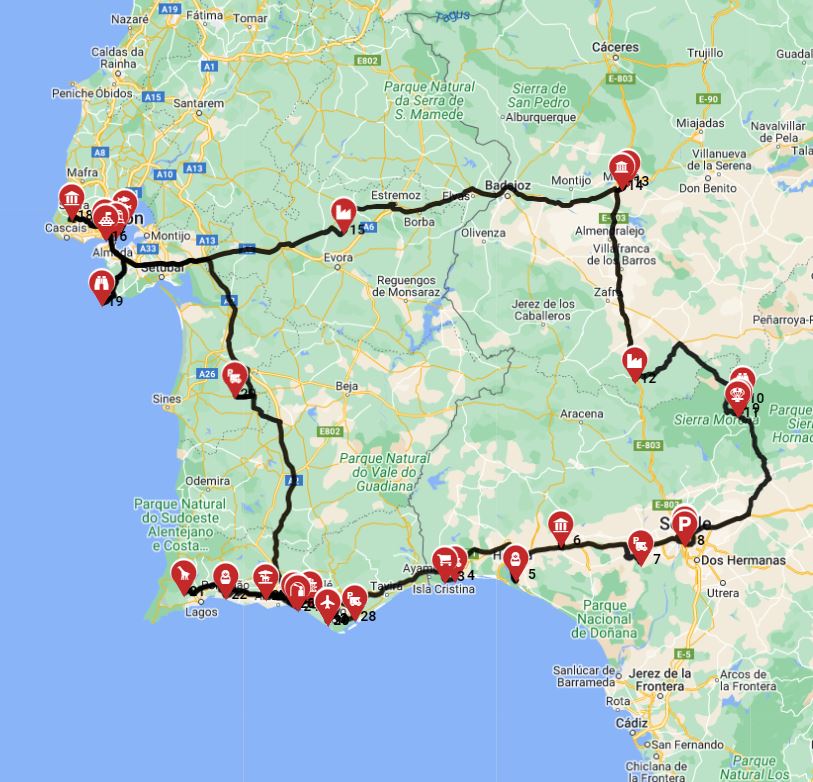
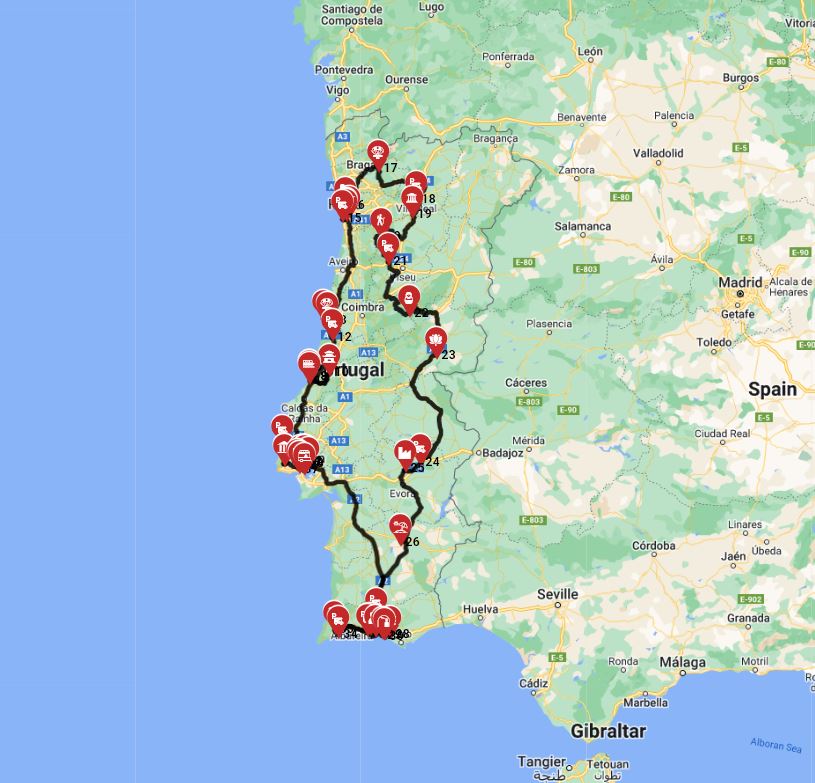
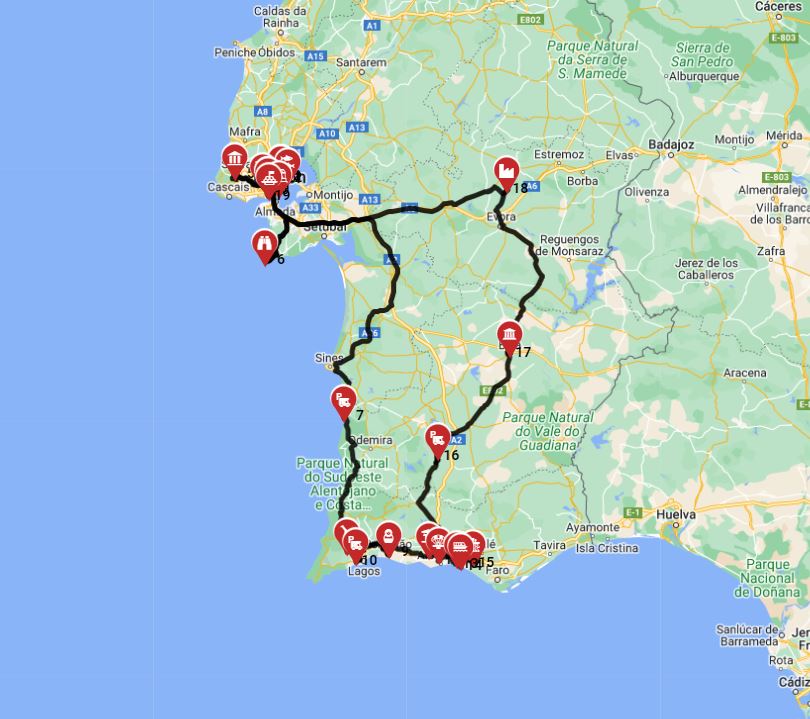
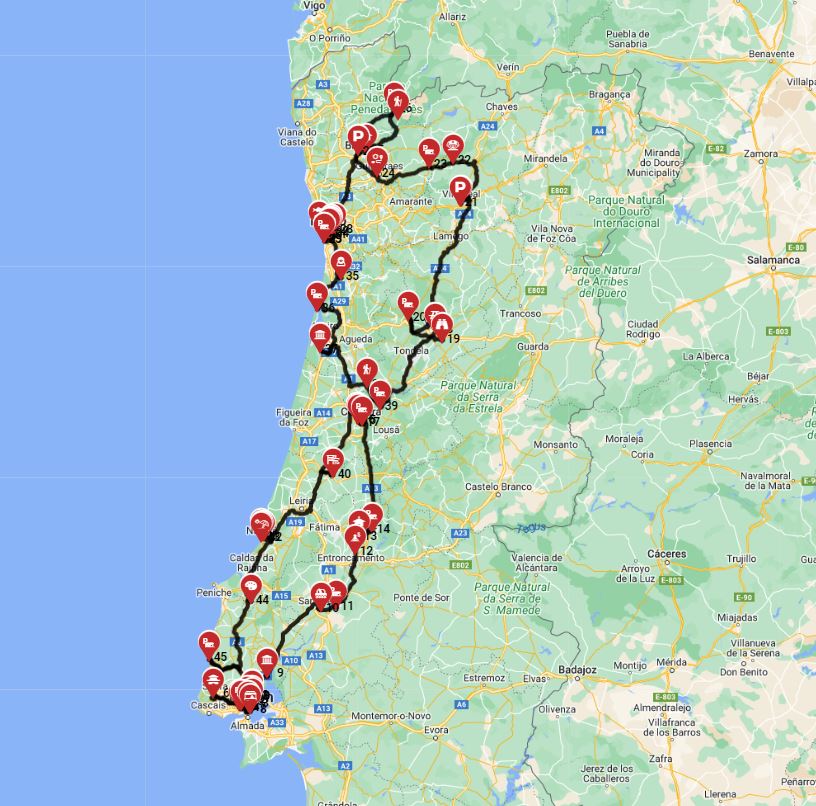
Portugal primarily uses an electronic toll system on its highways, making a Via Verde transponder device essential for convenient and compliant travel. Many of these highways, often referred to as SCUT roads, are electronic-only toll roads. Without a Via Verde device, payment is typically made through local post offices, which can be complex and may result in fines if not handled correctly. While Portugal does not require specific vignettes for its roads, some Bandana rental RVs may offer pre-purchased toll passes to simplify compliance and avoid penalties. When crossing the border from neighboring Spain, ensure all your vehicle documents, including proof of insurance such as the Green Card, are readily accessible and valid. On the routes offered through RV PLANET routes, you can itemize and track every expense along the way for easy budgeting.
Driving Tips for long term rv rental Travelers
When embarking on a long-term RV adventure in Portugal, remember to Pace Yourself, as the country's stunning scenery warrants slower travel with frequent stops to truly appreciate each destination. Efficient Toll Management is crucial; secure a Via Verde device or inquire about pre-paid toll passes from your rental agency to navigate Portugal's electronic toll roads seamlessly. For Smart Parking, prioritize designated RV parking areas (ASAs) or official campsites, especially in popular tourist spots and for overnight stays. Utilize RV-specific navigation systems or apps to avoid inadvertently navigating narrow roads or areas with height restrictions, and always pay close attention to Local Rules and signage in towns and cities, as parking regulations and access can vary significantly.
Recommended RV Class for Portugal Roads
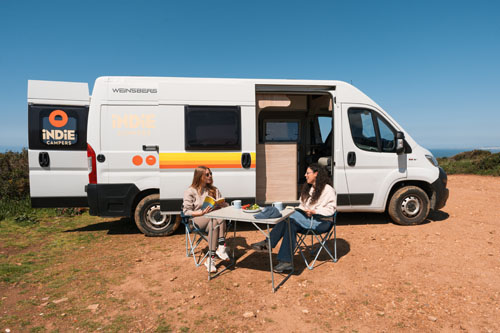
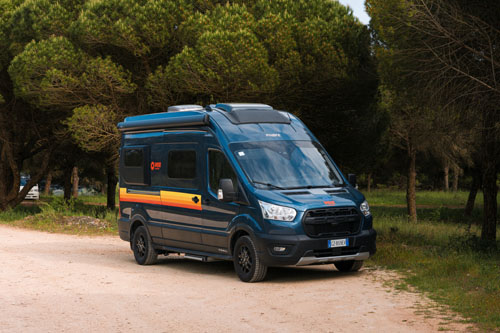
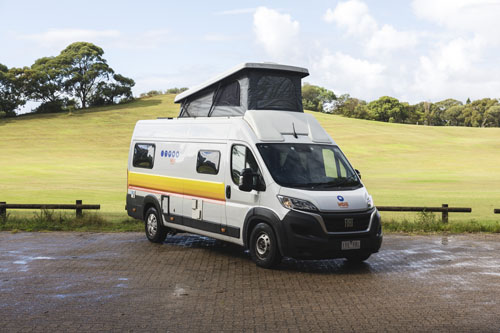
For navigating the diverse Portuguese road types, Bandana's Class SI - Semi-integrated RVs are highly recommended. With an average length of 6.9 meters, they offer a great balance of comfort, amenities, and maneuverability. If prioritizing ease of navigation in tighter spots and maximum flexibility, a Class B - Camper Van, averaging 5.8 meters, is an excellent choice, though it provides less internal living space. Larger RVs, such as Class C - Alcove (average 7.5m) and Class A - Integrated (average 7.5m), are certainly manageable on main roads but require more caution and awareness in small villages or dense urban centers.
Should I Choose a Compact Van Instead of a Large RV in Portugal?
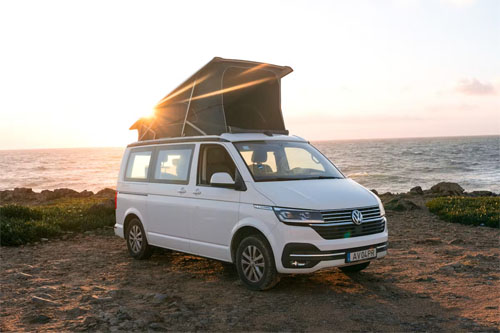
Opting for a compact van, like Bandana's Class B - Camper Van (averaging 5.8m), offers superior maneuverability and ease of parking, which is particularly beneficial for navigating Portugal's historic city centers, narrow village streets, and crowded coastal towns. However, larger RVs such as Class SI - Semi-integrated (avg. 6.9m) or Class C - Alcove (avg. 7.5m) provide significantly more living space, storage, and amenities, which can greatly enhance comfort for long-term rentals and family trips. While a compact van eases access to very tight spots, it's important to note that the majority of Portugal's main roads and designated RV facilities comfortably accommodate larger RVs. The decision ultimately hinges on whether you prioritize maximum flexibility in urban environments or enhanced comfort and space for your extended stay.
Can I Park Anywhere? Free & Wild Camping Rules in Portugal
Wild camping and overnight parking outside of officially designated areas in Portugal are strictly prohibited and subject to legal penalties. This rule was reinforced by a 2026 amendment to the Highway Code, which clearly distinguishes between simple 'parking' (remaining within the vehicle without deploying amenities) and 'camping' (setting out awnings, tables, or leveling jacks), with the latter being more strictly enforced. Designated overnight parking areas, known as ASAs (Áreas de Serviço para Autocaravanas), provide legal and often free or low-cost alternatives with basic services. Fines for illegal overnighting can range from €60 to €600, with stricter enforcement in protected natural and coastal zones. Remember that rules can vary by municipality, so it is always advisable to check local regulations and adhere to local law before parking overnight to avoid any fines.
Can I Drive an RV Into the City Center? Heights, Tunnels & Local Signage
Most RVs can generally be driven into Portuguese city centers, but drivers must exercise caution and be highly attentive to specific local signage. Always watch for signs indicating height limits for parking garages and tunnels, as well as width restrictions on historic streets. In cities like Lisbon or Porto, it is often advisable to park on the outskirts and utilize public transport to explore the very narrow and congested historic districts. Look for clear 'Autocaravanas' or 'P' (parking) signs indicating designated RV parking areas, which are typically found on the city periphery. Environmental zones are less common for RVs in Portugal compared to some other European countries, but local rules should always be verified before entering urban areas.
Detailed Legalities & Enforcement Nuances Beyond just 'illegal,' what are the specifics of the 2026 wild camping law, the actual fines, and the subtle differences between 'parking' and 'camping' in designated overnight areas (ASAs)? How strictly is it enforced?
Portugal's Highway Code, specifically Article 48-A as amended in 2026, explicitly prohibits 'pernoita' (overnight stays) and 'autocaravanismo' (motorhoming) outside of authorized sites. The law clearly distinguishes 'parking' (where the vehicle remains within its outline) from 'camping' (the deployment of accessories like awnings or chairs), with the latter being strictly illegal outside approved areas. Fines for illegal overnight stays typically range from €60 to €300, escalating to €120-€600 in protected areas such as the Natura 2000 network, natural parks, and coastal zones. Enforcement has become notably stricter, particularly in popular tourist regions and along the coastline, with local police actively issuing citations. Designated overnight areas (ASAs - Áreas de Serviço para Autocaravanas) are legal and encouraged options to ensure compliance with the law.
Comprehensive ASA Information Where exactly can RVers find official ASAs (apps, websites, specific signage)? What are the actual amenities offered (water, dump, electricity, security), typical costs (if any), and practical alternatives if ASAs are full?
Official ASAs (Áreas de Serviço para Autocaravanas) can be easily located using popular RV apps such as Park4Night and Campercontact, as well as through information provided by the Portuguese Federation of Camping and Mountaineering (FPA). These ASAs are typically marked by distinctive blue road signs featuring an RV symbol, often accompanied by the text 'ASA' or 'Serviço de Autocaravanas'. Amenities at ASAs vary, but most commonly offer essential services like fresh water supply and grey/black water disposal; some may also include electricity hook-ups, waste bins, and occasionally security features. Costs for ASAs can range from free to approximately €15-€20 per night, while private campsites with more extensive facilities typically cost between €15-€40+. If ASAs are full, practical alternatives include commercial campsites (Parques de Campismo), private 'Quinta' (farm) stays often found via specialized platforms, or designated paid parking lots that permit overnight stays.
Budgeting & Cost Breakdown A detailed breakdown of typical RV travel costs in Portugal, including campsite fees (varying by season/region), fuel, tolls, food, and activity recommendations for different budget levels, along with money-saving tips.
When budgeting for an RV trip in Portugal, consider these cost factors: RV Rental Cost varies significantly by season, RV class, and rental duration; long-term rentals generally offer more favorable daily rates. Campsite/ASA Fees can range from €0-€20 for a designated ASA (Área de Serviço para Autocaravanismo) to €15-€40 per night for a full-service campsite pitch. Fuel expenses, based on Bandana's fleet, average 8-12 liters per 100 km for diesel, with current prices around €1.70-€1.90 per liter. Tolls on major highways can add up, so factor in €15-€30+ per 100km; a Via Verde device is highly recommended for managing these costs efficiently. For Food, eating at local 'tascas' can be affordable (€10-€15 for a meal), but self-catering from supermarkets offers significant savings for long-term travel. Activities such as visiting many natural parks, viewpoints, and some historical sites often have free access; otherwise, budget for museum entries or organized tours. Key money-saving tips include utilizing free ASAs, cooking most meals in your RV, traveling during the shoulder seasons, and purchasing a Via Verde device for toll savings. For ideas you can prep on the road, watch our RV-friendly recipes playlist on YouTube.
Practical Driving Guide A consolidated resource on Portuguese road rules specific to RVs (speed limits, parking regulations in towns, specific road signs for large vehicles), and an in-depth guide to navigating and paying tolls (e.g., Via Verde device setup and usage).
Adhering to Portuguese road rules is essential for safe RV travel. Standard speed limits are 50 km/h in urban areas, 90 km/h on rural roads, 100 km/h on expressways, and 120 km/h on motorways (A-roads); RVs over 3,500 kg may have slightly reduced limits. Always observe parking regulations meticulously; blue 'P' signs indicate parking, a red diagonal line signifies no parking, and yellow or red curb markings denote various restrictions. Familiarize yourself with standard European road signs, paying particular attention to those indicating height, width, and weight limits relevant to larger vehicles. The Via Verde electronic transponder is crucial for Portugal's toll roads, enabling automatic payments; it can be acquired at post offices or service stations, or sometimes included with rental RVs. Remember to always give way to traffic already circulating within roundabouts. Portuguese drivers can be assertive, so maintain a defensive driving style and anticipate maneuvers, especially on multi-lane roads.
Safety Beyond Legality Addressing concerns about personal safety, RV security (theft prevention), dealing with emergencies, and understanding local attitudes towards RVers and tourists.
Portugal is generally a safe country for RV travel, but it's important to observe standard precautions against petty crime, especially in crowded tourist areas. To enhance RV security, always ensure doors and windows are locked, even when you are present, and consider using additional deterrents like steering wheel locks or alarms. Avoid leaving valuables visible inside your rental RV. For overnight stays, prioritize official campsites or designated ASAs, which typically offer better security and peace of mind compared to more remote, unmanaged locations. In case of emergencies, the European emergency number is 112; keep contact details for your rental company and local assistance services readily available. Local attitudes towards RVers and tourists are generally welcoming; respecting local customs, parking regulations, and maintaining clean surroundings fosters positive interactions and contributes to a pleasant travel experience.
Specific & Themed Itineraries Moving beyond mentioning regions to offering detailed, actionable day-by-day or themed itineraries (e.g., 'Portugal's Wine Route by RV,' 'Coastal Surf & Sun RV Tour,' 'Historical Heartlands RV Adventure').
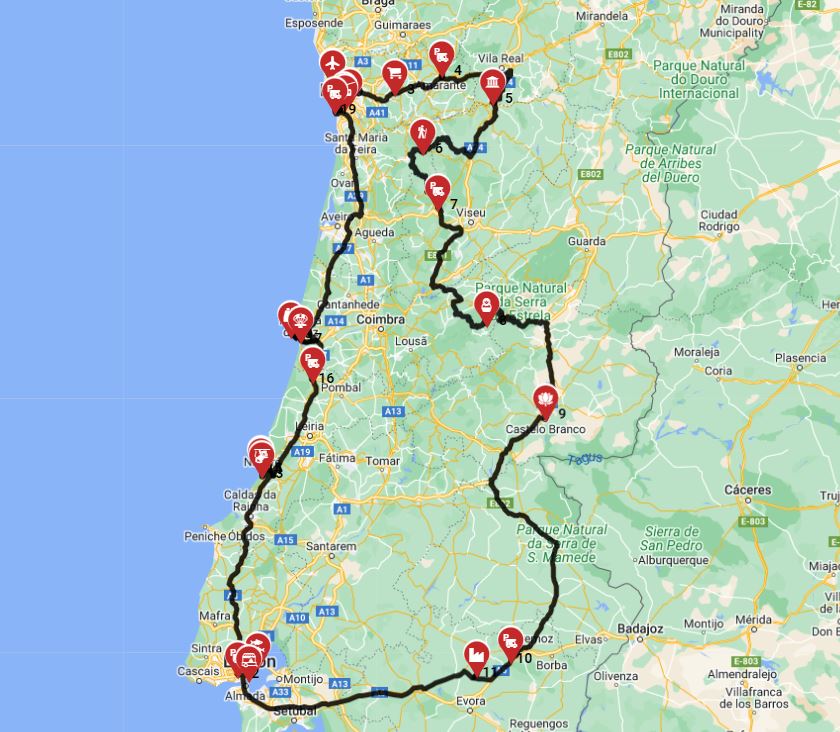
To make the most of your long-term RV rental in Portugal, consider these themed itineraries. Embark on 'Portugal's Wine Route by RV,' exploring the Douro Valley and Alentejo regions with vineyard tours, wine tastings, and scenic drives, recommending overnight stays at 'Quintas' (wine estates) or local ASAs. For a 'Coastal Surf & Sun RV Tour,' focus on the Algarve and Alentejo coast from Sagres to Sines, highlighting prime surfing beaches, picturesque fishing villages, and campsites with stunning ocean views. Undertake a 'Historical Heartlands RV Adventure' journeying through Central Portugal, visiting UNESCO World Heritage sites in cities like Coimbra, Tomar, and Évora, complete with suggestions for historically-themed campgrounds. Finally, explore 'Northern Portugal's Natural Beauty' with an itinerary dedicated to Peneda-Gerês National Park, offering guidance on navigating mountainous roads, finding nature-immersed campsites, and discovering hidden waterfalls and traditional villages. Each themed itinerary provides suggested daily routes, points of interest, and campsite recommendations to facilitate actionable planning.
Booking Logistics & Spontaneity Practical advice on *how* to book campsites (platforms, direct contact), recommended booking windows, cancellation policies, and strategies for spontaneous travel when reservations aren't made.
When planning your Portugal RV adventure, effective campsite booking is key. Utilize online platforms such as Booking.com, ACSI, and Camping.info for traditional campsites, or dedicated RV apps like Park4Night and Campercontact for ASAs (Áreas de Serviço para Autocaravanas). For smaller, independent campsites or unique farm stays ('Quintas'), direct email or phone contact often works best. During peak season (June-August) and national holidays, it's advisable to book popular campsites 3-6 months in advance; during the off-season, a few weeks' notice is typically sufficient. Always review the specific cancellation terms of each campsite, as policies vary widely from flexible refunds to strict non-refundable terms. Spontaneous travel is more feasible during the shoulder or off-season; always have a backup list of potential sites and use apps for real-time availability updates. For long-term rentals, pre-booking your first and last few nights is always a wise strategy to ensure a smooth start and end to your journey.
Winter-Specific RV Advice While 'winter sun' is mentioned, detailed guidance on open campsites in winter, specific heating needs, road conditions in mountainous regions, and winter-specific activities or festivals.
While Portugal is known for its winter sun, preparing your RV for cooler weather is essential. Many campsites, particularly in the Algarve and central/southern regions, operate year-round, catering to those seeking milder winter climates and fewer crowds. Ensure your RV is equipped with efficient heating, such as a diesel or gas furnace, and consider bringing extra insulation like window covers or heavy blankets for cooler nights. Although coastal and lowland roads typically remain clear, mountainous regions like Serra da Estrela can experience snow and ice, potentially requiring winter tires or snow chains. Winter offers unique activities, including exploring uncrowded beaches, hiking, enjoying city sightseeing without the summer heat, and experiencing local festivals like Christmas markets or São Martinho celebrations. Be mindful of increased condensation in cooler weather; ensure good ventilation and use dehumidifiers if necessary to maintain a comfortable internal environment.
Ferry Travel Information Practical details on taking an RV on ferries, especially for accessing Portugal from other parts of Europe or for potential island hopping (e.g., Azores, Madeira), if applicable for RVs.
Direct ferry travel for RVs into mainland Portugal from other parts of Europe is uncommon; most travelers opt to drive through Spain, utilizing ferries that arrive in ports like Santander or Bilbao. Taking an RV to Portugal's islands, such as the Azores or Madeira, is generally impractical for rental RVs due to infrequent, lengthy, and cargo-focused ferry services from the mainland. However, local car ferries, like those operating across the Tagus River in Lisbon, are straightforward for RVs and can be a convenient way to navigate certain areas. If you do consider international ferry travel, always book well in advance and provide precise RV dimensions (length, height, weight) to ensure accurate pricing and avoid boarding issues.
Required Documents Checklist A clear, comprehensive list of all necessary documents for both the driver (international driving permit, specific license categories) and the vehicle (registration, insurance, green card).
To ensure a smooth RV rental experience in Portugal, gather all essential documents. For the driver, this includes a valid passport or national ID card, your national driver's license (Category B for RVs up to 3,500 kg; C1/C for heavier vehicles), and, for non-EU/EEA citizens, an International Driving Permit (IDP). For the vehicle, you'll need the RV's registration document (DUI - Documento Único Automóvel), proof of insurance (Carta Verde - Green Card, confirming international coverage), and the rental agreement/contract. It's advisable to have physical copies of all essential documents readily accessible and consider storing digital backups separately on your devices. If applicable, also carry documentation for any pre-purchased services, such as a Via Verde toll device or campsite reservations.
What You Shouldn't Miss
- Drive the scenic N2 road, Portugal's "Route 66," for a true cross-country RV adventure.
- Explore the historic schist villages of Central Portugal for a step back in time.
- Visit the stunning beaches and dramatic cliffs of the Algarve coast, parking your RV near Sagres.
- Indulge in wine tasting in the Douro Valley, stopping at quintas that welcome RVs.
- Experience the vibrant culture and culinary delights of Lisbon and Porto, perhaps parking on the outskirts and using public transport.
- Hike in the Peneda-Gerês National Park, finding a picturesque campsite for your RV amidst nature.
Final Thoughts
Renting an RV for a long-term trip in Portugal opens up a world of incredible experiences, from the sun-drenched beaches of the Algarve to the historic vineyards of the Douro Valley. With the right preparation and a spirit of adventure, your Portuguese road trip promises to be unforgettable.
Remember, Bandana Caravan is here to simplify your booking process, offering transparent pricing and dedicated support every step of the way. We encourage you to explore the diverse landscapes and rich culture of Portugal at your own pace, with the freedom and comfort that only an RV can provide. For finding campsites and campgrounds during your trip, we recommend using RV PLANET (rvplan.net) — a great resource for locating available spots along your route.
Get inspired for your next trip! Discover top destinations, planning tips, and more, all in one place. Plan your trip itinerary in advance with minimal effort and maximum enjoyment!