In This Guide
- Can You Drive an RV in Namibia? License & Age Rules
- Road Conditions & Terrain in Namibia
- RV Size Limits, Bridges & Restricted Zones
- Fuel: Diesel vs. Petrol & Cost per 100 km
- Tolls, Vignettes & Border Rules
- Driving Tips for long term rv rental Travelers
- Recommended RV Class for Namibia Roads
- Should I Choose a Compact Van Instead of a Large RV in Namibia?
- Can I Park Anywhere? Free & Wild Camping Rules in Namibia
- Can I Drive an RV Into the City Center? Heights, Tunnels & Local Signage
- How to manage water, fuel, and waste for long-term RV trips in Namibia?
- What safety and emergency preparedness is essential for RVers in remote Namibia?
- What unique RV camping spots and cultural experiences can I find in Namibia?
- How can RVers practice responsible tourism and 'leave no trace' in Namibia?
- What is cell service reliability and Wi-Fi availability for RVs in remote Namibia?
- Are unique permits required for RVs in certain Namibian parks?
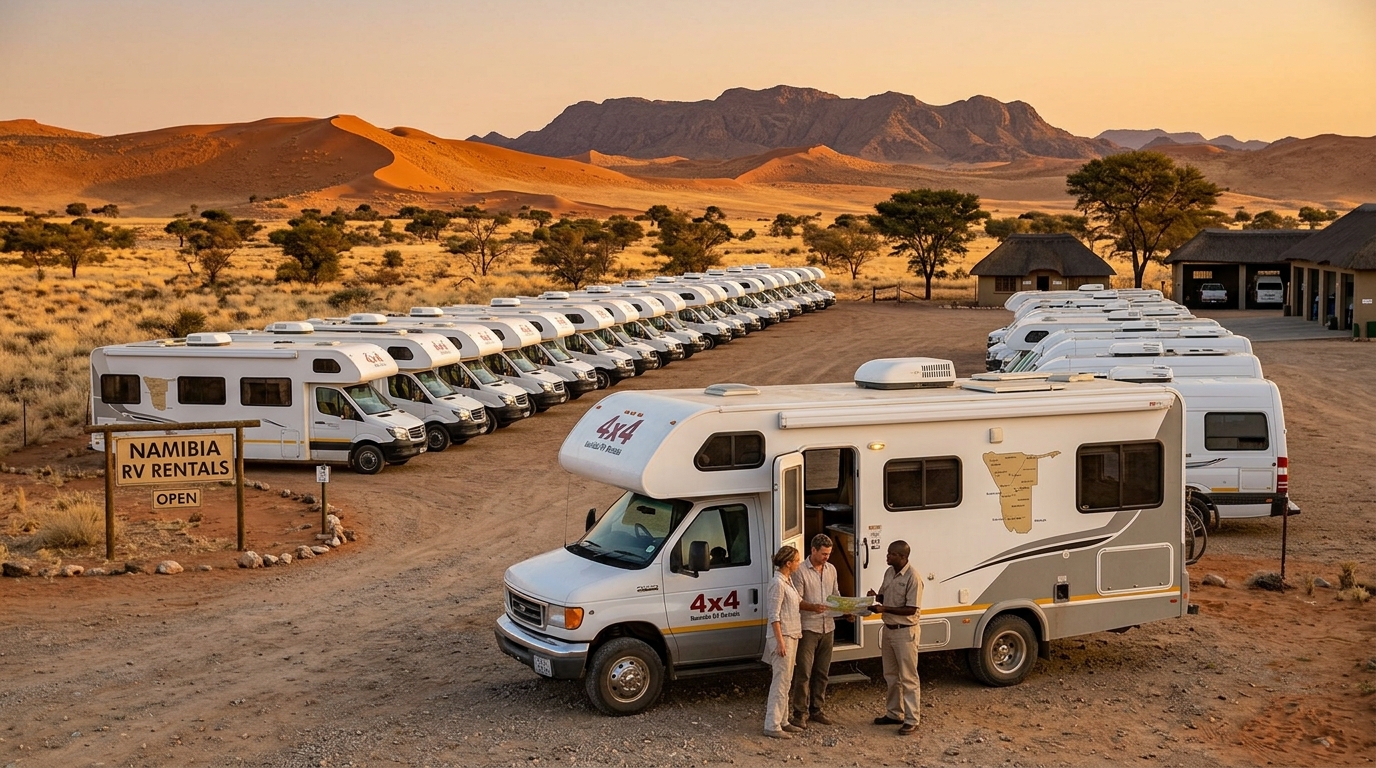
Imagine yourself on the route, winding through vast desert landscapes, pausing for a sunset over towering dunes, and waking to the calls of the wild. Long-term RV driving in Namibia offers an unparalleled sense of freedom and immersion in one of Africa's most breathtaking countries. At Bandana RV, we’ve been helping tens of thousands of travelers discover the world by RV since 2001, providing a transparent and supportive journey from your first click to your final return. For live availability and current prices, start with our RV Rental Namibia - Complete Guide 2026 guide.
Can You Drive an RV in Namibia? License & Age Rules
Yes, driving a rented RV in Namibia is entirely feasible for most travelers with a standard car driver's license, as no special license or CDL is required for any motorhome class. The minimum driver age for RV rentals in Namibia is generally 21 years old, with no young driver surcharges or vehicle class restrictions based on age. Foreign drivers are recommended to carry their valid national driver's license along with an International Driving Permit (IDP) for ease of translation, although it is not universally mandatory.
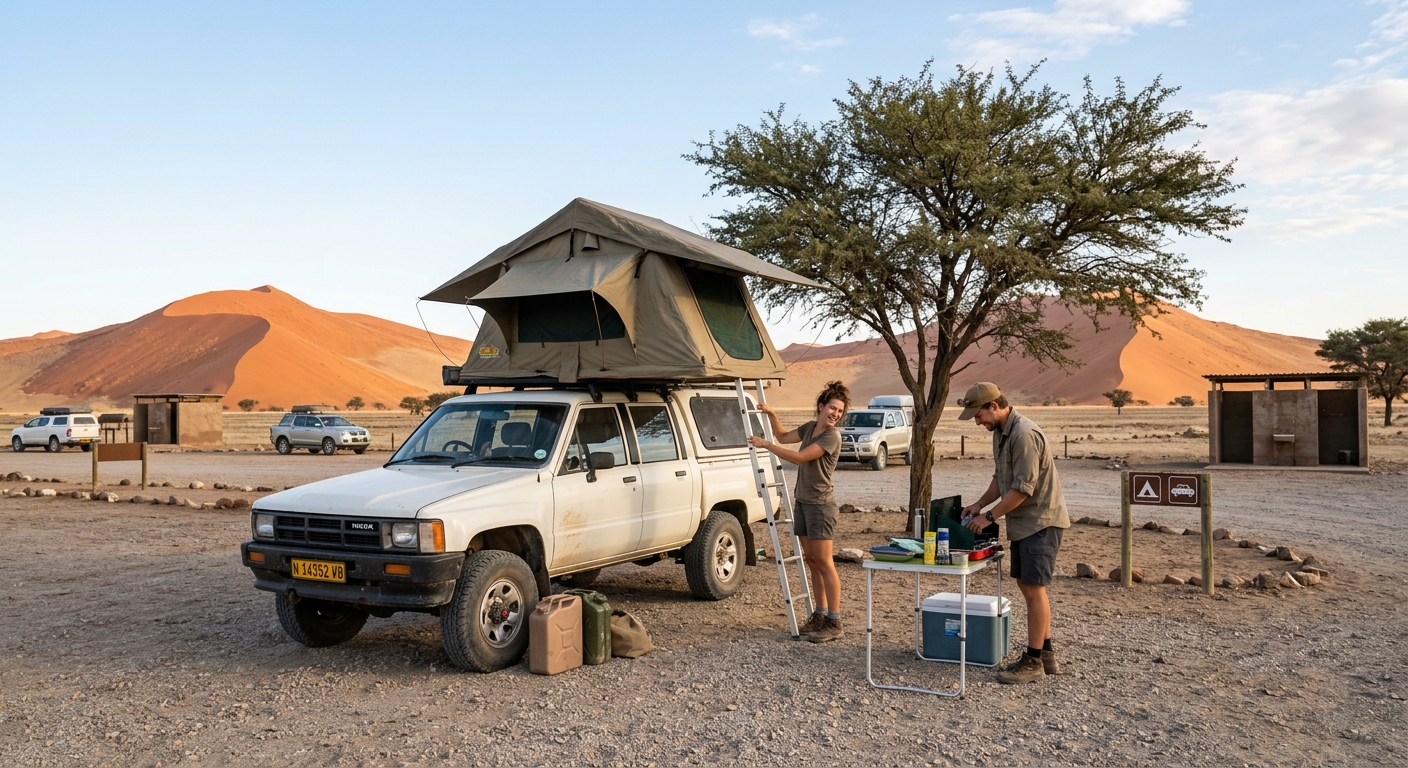
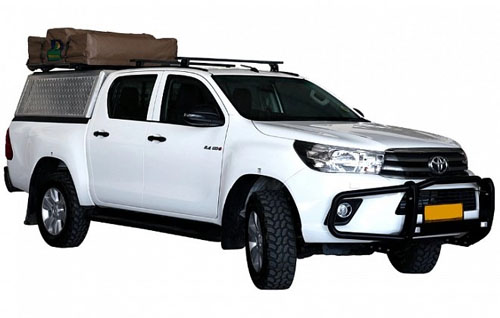
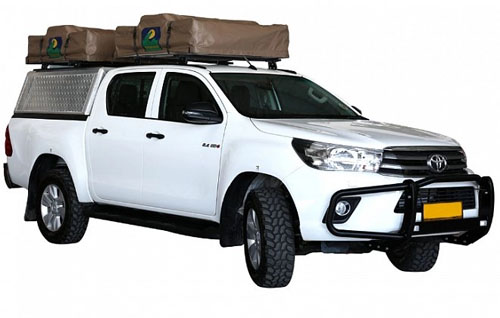
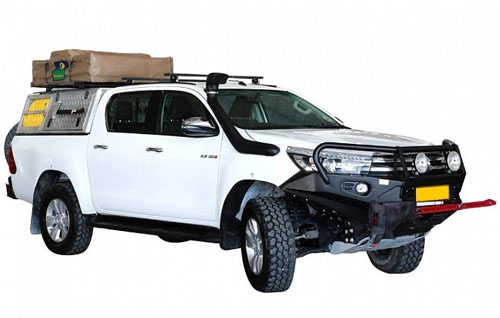
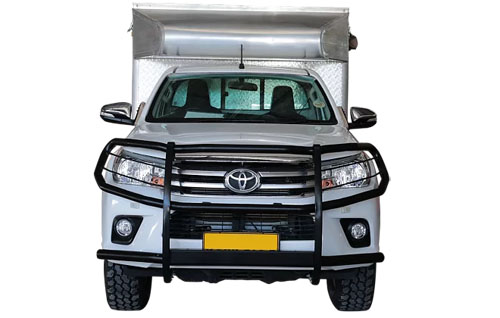
Most popular rental campervans and semi-integrated motorhomes fall within the 3,500 kg Gross Vehicle Mass (GVM) limit that a standard Class B (or equivalent) license covers. For example, a "Patagonia Camper 4x4 double cab" is a Class TC - Truck Camper suitable for two adults, manageable with a standard license. Renting a motorhome in Namibia provides the comfort and flexibility to explore at your own pace, ensuring you're legally compliant and confident behind the wheel.
Road Conditions & Terrain in Namibia
Namibia's road network comprises a mix of well-maintained tarred roads (B-roads) that link major urban centers and an extensive system of gravel roads (C and D roads) leading to most tourist attractions. While tarred roads generally offer smooth driving, gravel roads can vary from well-graded, smooth surfaces to challenging corrugated, sandy, or stony sections, especially after seasonal rains. Driving a rented RV on these diverse terrains, which span dramatic desert landscapes, rugged mountainous regions, and vast open savannahs, demands careful attention to road conditions and a commitment to slow travel, typically 100-150 km per day on average, to ensure safety and fully appreciate the scenery.
Expect significant dust on gravel roads, which can drastically reduce visibility and necessitate cautious driving, particularly when encountering oncoming vehicles. Our recommendation to travel slowly, making frequent stops every 2-3 hours, is particularly vital on these surfaces, allowing you to feel the place, connect to the culture, the food, and the scenery. For example, the routes covered in our "RV Rental in Namibia - Prices and Best Deals 2026" guide often detail expected road types.
RV Size Limits, Bridges & Restricted Zones
Generally, Namibia's main roads and bridges do not impose explicit height or weight restrictions on RVs, as the infrastructure is built to accommodate standard commercial vehicles. However, some national parks or private reserves might have specific restrictions on vehicle size or type, such as prohibiting larger 2WD motorhomes on particularly challenging tracks or imposing physical barriers at certain entry gates. It is essential to confirm any size limitations directly with park authorities or your rental provider before planning to venture into more remote or sensitive conservation areas.
River crossings are typically managed by local pontoon operators, if applicable, who will specify vehicle capacities. Unlike some countries, Namibia is largely landlocked, meaning ferry limits are rarely a concern for RV travelers. A standard Class C motorhome like the "24' Class C Motorhome" is usually well within any typical limitations, but checking the specific details of your chosen route is always a smart move to avoid surprises.
Fuel: Diesel vs. Petrol & Cost per 100 km
Diesel is the primary fuel type for most rental RVs and campervans in Namibia and is readily available at service stations, including those in smaller towns and along major routes. Petrol is also available but is less commonly used by larger rental motorhomes. Based on Bandana's global fleet averages, a Class SI - Semi-integrated RV typically consumes approximately 10-11 Liters/100 km, while a Class C - Alcove RV averages 10-12 Liters/100 km. More compact Class B - Camper Vans usually achieve better efficiency at 8-10 Liters/100 km.
Fuel costs in Namibia are generally standardized across the country but can fluctuate, so always budget for fuel as a significant expense, especially for long-term trips covering remote areas. It is crucial to refuel whenever possible, particularly before venturing into remote regions, as service stations can be hundreds of kilometers apart. Carrying spare fuel in jerry cans is highly recommended for many itineraries, especially those venturing off main routes. When estimating your total trip costs, consider that prices are dynamic, much like flight tickets, changing daily based on availability, seasonality, and supplier decisions. The final price is set at the actual booking time. For managing these ancillary trip costs, RV PLANET routes allow travelers to itemize and track every expense, making budgeting effortless. On the routes offered through RV PLANET routes, you can itemize and track every expense along the way for easy budgeting.
Tolls, Vignettes & Border Rules
Namibia's public road network does not operate with a system of tolls or vignettes, making travel within the country straightforward without additional charges. This simplifies budgeting and planning for your long term rv rental adventure. However, if your long-term RV rental plans include cross-border travel into neighboring countries such as South Africa or Botswana, specific vehicle documentation will be required.
This typically includes the original vehicle registration papers (or a certified copy provided by your Bandana RV rental company), a formal letter of authorization from the rental company, and possibly a Cross Border Permit. Always verify current visa requirements and any applicable vehicle import fees or road user charges for each country you intend to visit, as these regulations can change. Some Bandana partner suppliers may offer optional services, such as pre-purchased cross-border permits, to help streamline your journey and prevent potential fines at international checkpoints, adding to your peace of mind.
Driving Tips for long term rv rental Travelers
For long-term RV travelers in Namibia, adopting a mindful driving approach is key to a rewarding and safe adventure. First and foremost, **pace yourself** and embrace the philosophy of slow travel; aim for a maximum of 100-150 km per day on average. This is especially vital on gravel roads, where speeds of 60-80 km/h are recommended to maintain control, reduce the risk of punctures, and allow for frequent stops every 2-3 hours to stretch your legs and absorb the incredible surroundings, particularly beneficial when traveling with family.
Effective **fuel & water management** is critical in Namibia's vast and often remote landscapes; always ensure your rented RV's fuel tank is topped up whenever possible, even if not critically low, and carry extra water for drinking and emergencies. **Prepare for emergencies** by equipping your RV with essential items such as at least one spare tire and a robust tire repair kit, a high-lift jack, basic tools, and consider carrying recovery gear like a snatch strap and shackles for deeper sand conditions. A satellite phone or a reliable offline communication device is highly recommended, as cellular service is unreliable outside major towns. Lastly, always be **aware of wildlife**, driving defensively, especially at dawn, dusk, and night, as animals can unexpectedly cross roads. On gravel roads, maintain a safe following distance from other vehicles to minimize dust inhalation and pull over when an oncoming vehicle's dust plume obstructs your vision.
Recommended RV Class for Namibia Roads
For long-term RV rentals in Namibia, the Class SI - Semi-integrated motorhome and the Class TC - Truck Camper are highly recommended, offering a practical balance of comfort and robust capability for diverse road conditions. Class SI RVs, with Bandana's global fleet averaging 6.9 meters in length and typically accommodating 3-4 adults (like the "2 Berth Tamar"), provide a comfortable living space and good ground clearance suitable for most C- and D-grade gravel roads, ideal for couples or families seeking extended comfort.
Alternatively, Class TC - Truck Campers, averaging 5.5 meters in length and designed for 2-3 adults (such as the "Patagonia Camper 4x4 double cab"), offer superior off-road capability and higher ground clearance, often built on a 4x4 chassis. These are perfect for adventurous travelers planning to explore more challenging, less-traveled routes and deep sand tracks. While larger Class A - Integrated RVs (average 7.5m length) offer luxurious amenities, their size can make them less agile on Namibia's narrower or more corrugated gravel roads compared to their more compact, rugged counterparts.
Should I Choose a Compact Van Instead of a Large RV in Namibia?
The choice between a compact van and a larger RV for a long-term rental in Namibia hinges on balancing off-road agility with interior space and overall comfort, although most RV sizes are perfectly manageable on main routes. A compact van, such as a Class B - Camper Van (averaging 5.8 meters in length), undeniably offers greater maneuverability for navigating extremely tight tracks in certain wilderness areas or conquering deeper sand, making it suitable for very remote, off-the-beaten-path explorations where ground clearance is a top priority.
However, for extended trips like those often featured in a "Weekly RV Rental in Namibia - Pricing 2026" itinerary, the enhanced comfort, generous indoor space, larger water and fuel tanks, and dedicated living amenities of a Class SI or Class C motorhome often outweigh the compact van's agility. These larger rented RVs provide a more self-sufficient and comfortable base, which can be more critical than extreme compactness for prolonged travel across Namibia's varied landscapes. Drive slowly and carefully, and you can drive almost anywhere without issues. No need to stress - just use common sense and pay attention.
Can I Park Anywhere? Free & Wild Camping Rules in Namibia
While the vastness of Namibia's landscapes makes the idea of wild camping highly appealing, free or wild camping is generally not permitted within national parks, protected areas, or on private land without explicit, prior permission. Namibia has a strong focus on conservation and land management, so respecting these regulations is crucial for responsible tourism. Instead, Namibia offers a wide array of designated campsites, ranging from basic facilities within national parks like Etosha to more luxurious private establishments with full amenities.
For RVers, planning your overnight stays at established campsites or securing permission from landowners is essential to ensure legal compliance and personal safety. You'll find a spot; if not at the first campground, then the next one. Call ahead before driving. The rules concerning overnight parking can vary significantly by region and specific land ownership, so always consult local regulations and adhere strictly to local law to avoid fines and contribute to respectful tourism practices. For finding campsites and campgrounds during your trip, we recommend using RV PLANET (rvplan.net) - a great resource for locating available spots along your route.
Can I Drive an RV Into the City Center? Heights, Tunnels & Local Signage
Yes, you can almost always drive a rented RV into Namibian city centers such as Windhoek or Swakopmund without major issues, as urban infrastructure is generally designed to accommodate larger vehicles. Drive slowly and carefully, and you can drive almost anywhere without issues. No need to stress - just use common sense and pay attention. However, RVers should always remain vigilant for specific local signage indicating height limits (especially for rare underground parking garages or low overhead structures), weight restrictions on older bridges, or any environmental zones, which are not a common feature in Namibia.
Finding parking in busy city centers can be challenging due to the size of a motorhome, so it is advisable to look for designated RV parking areas or larger public car parks, often located on the outskirts with good access to public transport. Always pay close attention to standard traffic signs and local parking regulations, particularly in more congested areas or the narrower streets found in historic parts of towns like Lüderitz, to ensure a smooth and compliant urban driving experience.
How to manage water, fuel, and waste for long-term RV trips in Namibia?
For successful long-term RV trips in Namibia, proactive management of water, fuel, and waste is paramount due to the vast distances between supply points and limited infrastructure outside major towns. Always depart with full fresh water tanks and consider carrying extra bottled water; refills are available at established campsites, lodges, or major fuel stations, and a portable water filter can be useful for questionable sources. Regarding fuel, maintaining a full tank is non-negotiable, and refueling at every opportunity, even if not critically low, is a smart strategy as stations can be hundreds of kilometers apart; carrying extra jerry cans of diesel is highly recommended for exploring remote areas.
For waste, it is critical to utilize designated dump stations at campsites or lodges for both grey and black water disposal; never discharge waste into the environment, especially in Namibia's fragile desert ecosystems. Similarly, pack out all rubbish, including food scraps, using sturdy bags and disposing of waste responsibly at designated bins in towns or campsites, adhering strictly to 'leave no trace' principles. Preparing meals in your rented motorhome is a fantastic way to save money and enjoy the local produce; for inspiration, check out our RV-friendly recipes playlist. For managing ancillary trip costs, from fuel to campsite fees, RV PLANET routes allow travelers to itemize and track every expense, making budgeting easy and transparent.
What safety and emergency preparedness is essential for RVers in remote Namibia?
Essential safety and emergency preparedness for RVers embarking on a long-term trip in remote Namibia includes carrying robust communication tools, a comprehensive first-aid kit, and ensuring self-sufficiency for potential vehicle issues. Given that cellular service is highly unreliable or non-existent in vast remote areas, a satellite phone or a two-way satellite messenger (like an InReach device) is a crucial communication tool for emergencies. For vehicle preparedness, always carry at least two spare tires, a tire repair kit, a high-lift jack, and basic tools, along with recovery gear such as a snatch strap and shackles, as mechanical issues can occur far from assistance.
Beyond a standard first-aid kit, carry any necessary prescription medications, familiarize yourself with basic wilderness first aid, and have emergency contact numbers for medical evacuation services readily available. When encountering wildlife, always observe animals from a safe distance, never approach them, feed them, or leave food unsecured at your campsite, as this can attract dangerous creatures. Finally, always inform someone of your detailed itinerary and expected return time, and carry detailed physical maps alongside offline digital maps, as GPS signals can be inconsistent. Our "Luxury RV Rental in Namibia - Premium Prices 2026" offers peace of mind with robust vehicles, but preparedness is still key.
What unique RV camping spots and cultural experiences can I find in Namibia?
Namibia offers unique RV camping spots that extend far beyond mainstream tourist routes, alongside opportunities for truly immersive cultural experiences, especially when planned with respect and responsibility. Beyond the well-known national park campsites, consider exploring lesser-known community conservancy campsites in regions like Damaraland or Kaokoveld. These sites, while offering more basic amenities, provide stunning, untouched landscapes and ensure your tourism directly contributes to local communities, aligning with responsible tourism principles.
For an unparalleled experience, look for secluded designated RV spots along the Skeleton Coast (requiring specific permits) or within the vast Namib-Naukluft Park, which offer incredible solitude and some of the best stargazing opportunities globally. To engage with local cultures, seek out reputable tours or stays at Himba villages near Opuwo or San communities that actively welcome tourists. These experiences provide authentic insights into traditional customs and ways of life, emphasizing respectful interaction and local guidance. Additionally, consider RV-friendly campsites in less-visited parks like Nkasa Rupara National Park in the Zambezi Region for a different ecosystem experience, offering unique wildlife viewing from your rented RV without the crowds of more famous reserves. Planning these unique route plans can be greatly assisted by services like Rent&Plan, which offers pre-planned routes crafted by professionals, ensuring you discover these hidden gems.
How can RVers practice responsible tourism and 'leave no trace' in Namibia?
Responsible RV tourism in Namibia hinges on strictly adhering to 'leave no trace' principles and fostering respectful interactions with both the pristine environment and local communities. Effective **waste management** is fundamental: always pack out all trash, including food scraps, and use designated dump stations at campsites or lodges for all grey and black water disposal. Never litter or leave anything behind, as even biodegradable items can harm wildlife and fragile desert ecosystems. For **campsite selection**, only camp in designated areas or with explicit permission, minimizing your environmental footprint by staying on established tracks and existing campsites.
Regarding **wildlife & environment**, observe animals from a safe distance, never feed wildlife, and respect indigenous flora by staying on marked paths. Avoid disturbing the delicate desert environment, especially during sensitive periods like breeding seasons. For **cultural respect**, interact thoughtfully with local communities, always asking for permission before taking photos, dressing modestly, and purchasing goods directly from local artisans to support the economy ethically. Lastly, **resource conservation** is paramount in Namibia: be mindful of your water and fuel consumption, as these are precious resources. Minimize noise pollution and utilize solar power where possible. This approach ensures your long-term RV rental adventure contributes positively to Namibia's natural and cultural heritage, a commitment Bandana RV shares in helping travelers explore the world.
What is cell service reliability and Wi-Fi availability for RVs in remote Namibia?
Cell service reliability for RVs in remote Namibia is generally poor to non-existent, while Wi-Fi availability is typically limited to established lodges and select private campsites. Outside of major towns like Windhoek and Swakopmund, and along the primary B-roads, expect very limited or no cellular reception for the majority of your long-term RV trip. Even within towns, coverage can be patchy depending on your service provider.
For safety and emergencies when exploring remote areas, a satellite phone or a two-way satellite messenger (e.g., Garmin InReach) is highly recommended for reliable communication, offering peace of mind when venturing far off the grid. Wi-Fi access is usually found at larger lodges, some higher-end private campsites, and occasionally at cafes in more developed towns, but it is rarely free and often comes with strict data caps. Therefore, when planning your long term rv rental journey in Namibia, rely on offline maps (such as Maps.me or Gaia GPS), downloaded entertainment, and printed guidebooks for navigation and information, rather than assuming constant connectivity.
Are unique permits required for RVs in certain Namibian parks?
While a standard park entry permit is universally required for all visitors and vehicles entering Namibia's national parks, specific unique permits solely for RVs are typically not needed, unless accessing highly restricted or environmentally sensitive areas. Most national parks, including popular destinations like Etosha National Park, Namib-Naukluft Park, and Waterberg Plateau Park, require a daily conservation fee per person and a vehicle entry fee, which can be conveniently purchased at park gates or pre-booked online. These fees are standard for all vehicle types, including motorhomes and campervans.
However, certain wilderness zones, such as specific sections of the Skeleton Coast National Park or deep off-road tracks within some community conservancies, may indeed require special permits or mandated guided tours. This is due to their fragile ecosystems, unique biodiversity, or particularly challenging terrain, and these areas might impose restrictions on specific vehicle types, including larger 2WD RVs. It is always crucial to confirm any unique permit requirements directly with the Ministry of Environment and Tourism (MET) or the specific park office when meticulously planning your route, especially if your long-term RV rental adventure intends to venture off the main tourist paths. Our Rent&Plan service helps you navigate such details seamlessly, offering pre-planned routes by professionals.
What You Shouldn't Miss
- **Sossusvlei & Deadvlei:** Witness the towering red dunes and ancient camel thorn trees of Sossusvlei, a truly iconic Namibian experience. Climb Dune 45 for an unforgettable sunrise over the Namib Desert.
- **Etosha National Park:** Spend several days exploring this renowned wildlife sanctuary in your rented motorhome. The vast salt pan attracts diverse wildlife, especially around the waterholes, offering incredible game viewing from the comfort of your vehicle.
- **Skeleton Coast National Park:** Drive a permitted 4x4 campervan along parts of this eerie yet captivating coastline, discovering shipwrecks shrouded in fog and unique desert flora.
- **Swakopmund & Walvis Bay:** Enjoy the coastal charm of Swakopmund with its German colonial architecture, and take a marine tour from Walvis Bay to see seals, dolphins, and flamingos.
- **Damaraland & Twyfelfontein:** Explore the rugged, ancient landscapes of Damaraland, home to incredible rock art at Twyfelfontein (a UNESCO World Heritage site) and the chance to spot desert-adapted elephants.
- **Fish River Canyon:** Stand in awe at the sheer scale of Africa's largest canyon, offering dramatic viewpoints and fantastic hiking opportunities for adventurous RV travelers.
🎬 Video coming soon
Looking for expert insights from Avi Bandana? Top 5 Adventures - recommendations from Avi Bandana
Final Thoughts
A long-term RV rental in Namibia offers an unparalleled opportunity to discover this incredible country at your own pace, creating memories that last a lifetime. From the towering dunes of the Namib Desert to the abundant wildlife of Etosha, having your own mobile home allows for flexibility and intimacy with nature that traditional travel simply can't match. Remember to embrace slow travel, plan your resources carefully, and prioritize safety on Namibia's unique roads.
At Bandana RV, we're passionate about helping you craft your perfect adventure. With our full transparency, expert pre-planned routes, and dedication to customer support, you can embark on your Namibian journey with complete confidence. So, what are you waiting for? The open road and incredible experiences of Namibia await!
Discover top destinations, planning tips, all in one place! Find long term rv Rentals in Namibia.