
In This Guide
- Can You Drive an RV in Mozambique? License & Age Rules
- Road Conditions & Terrain in Mozambique
- RV Size Limits, Bridges & Restricted Zones
- Fuel: Diesel vs. Petrol & Cost per 100 km
- Tolls, Vignettes & Border Rules
- Driving Tips for long term rv rental Travelers
- Recommended RV Class for Mozambique Roads
- Should I Choose a Compact Van Instead of a Large RV in Mozambique?
- Can I Park Anywhere? Free & Wild Camping Rules in Mozambique
- Can I Drive an RV Into the City Center? Heights, Tunnels & Local Signage
- What Documents Do I Need for RV Border Crossings in Mozambique?
- What Specific Gear Do I Need for RV Travel in Mozambique?
- How Safe is RV Travel in Mozambique and What Precautions Should I Take?
- What is the Realistic Daily Budget for an RV Trip in Mozambique?
- How Can I Stay Connected and Access Emergency Services in Mozambique?
- Where Can I Find RV-Friendly Campsites and Practice Wild Camping in Mozambique?
- What Health Precautions are Essential for RVers in Mozambique?
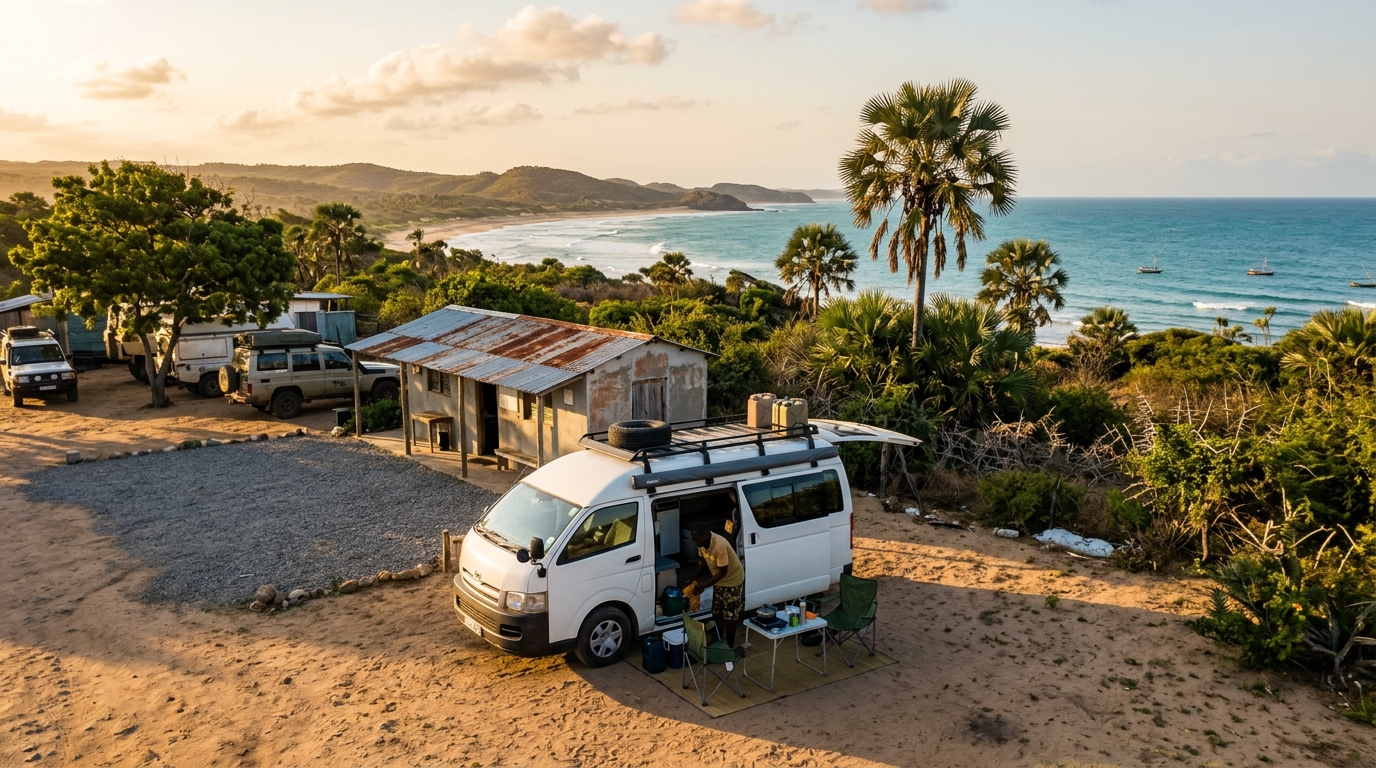
Imagine yourself on an extended road trip, waking up to the gentle lapping of waves on an untouched beach, or the distant roar of a lion in a vast national park. This isn't a dream; it's the reality of a long-term RV rental in Mozambique. This stunning East African nation, with its breathtaking coastline, vibrant culture, and abundant wildlife, offers an unparalleled adventure for those who choose to explore it at their own pace. At Bandana Caravan, we've been helping tens of thousands of travelers discover the world by RV since 2001, providing direct partnerships with 50+ leading RV suppliers worldwide, including trusted names like Apollo and Britz. Our dedication as true RV specialists means we offer full price transparency with no hidden fees, ensuring what you see is what you pay.
For live availability and current prices, start with our RV Rental Mozambique - Complete Guide 2026 guide. Whether you’re a pre-planner who loves everything organized months in advance or a spontaneous traveler booking day-to-day, a long-term RV rental in Mozambique offers incredible flexibility. Many national and state parks reserve only 25-30% of their spots for advance bookings, leaving the majority for first-come-first-serve. So, rest assured, you'll find a spot; if not at the first campground, then the next. Just remember to call ahead before driving to confirm availability.
Can You Drive an RV in Mozambique? License & Age Rules
To legally operate a rented RV in Mozambique, drivers typically require a valid national driving license accompanied by an International Driving Permit (IDP). While an IDP is not strictly mandatory in all cases, it is highly recommended for visitors from non-English speaking countries to avoid potential communication issues with local authorities. A standard Class B or BE license is generally sufficient for RVs weighing up to 3,500 kg, which covers most rental models, though heavier vehicles may necessitate a higher license category.
The minimum driver age for Bandana RV rentals in Mozambique is 21 years old, with no young driver surcharges or vehicle class restrictions based on age. We believe in making RV travel accessible to all eligible drivers. Always carry all necessary documents, including your passport, visa (if required), national driver's license, and IDP, as roadside checks are common.
Road Conditions & Terrain in Mozambique
Mozambique's road infrastructure presents a diverse landscape, from relatively well-maintained tarred national highways connecting major cities to extensive networks of gravel, dirt, and sandy tracks, especially in coastal and rural areas. Travelers should anticipate varied terrain, including flat coastal plains, rolling hills, and some mountainous regions, requiring a versatile rented RV and a cautious driving approach. National highways like the EN1, stretching along the coast, are generally in fair condition, but quality can deteriorate rapidly off the main routes.
Slow, defensive driving is highly recommended due to common road hazards such as unmarked speed bumps, pedestrians, livestock, and potential potholes on both paved and unpaved surfaces, particularly at night. Traveling slowly, averaging a maximum of 100-150 km per day, allows you to fully experience the rich culture, diverse food, and stunning scenery Mozambique has to offer, while also ensuring safer navigation of its varied roads. When planning your route, consider the condition of secondary roads which might influence your daily travel distance and overall trip duration.
RV Size Limits, Bridges & Restricted Zones
While Mozambique typically lacks explicit RV-specific size limitations, drivers must remain vigilant for narrow roads, low-hanging tree branches, and the load capacities of smaller bridges, especially when venturing off main routes. Most rental motorhomes, even larger Class C models like the "MHC28" at 7.3 meters, will fit comfortably on national highways.
Ferry crossings, particularly those serving islands or wide rivers, can have specific weight and length restrictions; it is advisable to confirm these in advance for your chosen RV class. For example, a "24' Class C Motorhome" with a length of 7.46 meters would need prior verification. There are generally no dedicated environmental zones with specific RV restrictions, but always adhere to local signage within national parks, reserves, or protected areas which may have their own vehicle rules. Respecting these guidelines ensures a smooth and enjoyable journey.
Fuel: Diesel vs. Petrol & Cost per 100 km
Diesel is the predominant fuel type used by most rented RVs and campervans in Bandana's global fleet, and it is widely available at service stations across Mozambique. Bandana's fleet typically exhibits fuel consumption ranging from 10-11 Liters/100 km for Class SI - Semi-integrated RVs like the "K3" (6.99m length, 2.3L Turbo Diesel engine), 10-12 Liters/100 km for Class C - Alcove motorhomes such as the "C-30" (9.1m length, Ford V-10 Chassis Engine), and approximately 10 Liters/100 km for Class B - Camper Vans like the "V2L" (5.99m length, Fiat Ducato JTD engine). Fuel costs are a significant budget component, and prices can fluctuate daily; planning refueling stops in major towns is crucial, as fuel stations can be scarce in remote regions. On the routes offered through RV PLANET routes, you can itemize and track every expense along the way for easy budgeting.
Always keep your fuel tank topped up, especially before venturing into less populated areas. Some Bandana RV rentals may offer fuel discount perks, so it's always worth checking. Remember to factor this into your overall trip cost, which can be easily itemized and tracked using RV PLANET routes for better budgeting.
Tolls, Vignettes & Border Rules
Mozambique operates a system of toll roads, mainly on major national arteries like the EN1, which typically require payment in local currency (Metical) or occasionally USD/ZAR at manned booths. These tolls are generally straightforward but it's wise to have small denominations of local currency readily available.
Border crossings into Mozambique or to neighboring countries necessitate specific procedures and documents. For international trips, you'll need a Temporary Import Permit (TIP) for the vehicle, proof of ownership or a notarized rental agreement from Bandana, and often a carbon tax and road tax. A detailed border crossing involves presenting valid passports, visas, vehicle registration, securing third-party Mozambican insurance (which can often be purchased at the border), and completing all customs declarations for the RV and its contents. We recommend reviewing the "One-Way RV Rental in Mozambique - Price Guide 2026" if you're considering returning your RV in a different city or country.
Driving Tips for long term rv rental Travelers
Prioritize driving during daylight hours to mitigate risks from unmarked obstacles, pedestrians, and livestock that become significantly more hazardous after dark in Mozambique. Adopt a cautious and slower driving pace, especially on unpaved roads, to navigate variable surface conditions and allow ample time to react to unexpected situations. Drive slowly and carefully, and you can drive almost anywhere without issues. No need to stress-just use common sense and pay attention.
Always carry extra provisions, including water, food, and sufficient fuel, as supply points can be few and far between in remote areas; consider a satellite phone for emergency communication where mobile network coverage may be limited. Familiarize yourself with local road customs, including the presence of unofficial 'stop and pay' points which are often informal checkpoints, and always ensure your vehicle and personal documents are readily accessible for inspection. Remember to travel slowly, averaging a maximum of 100-150 km per day, to truly immerse yourself in the Mozambican experience.
Recommended RV Class for Mozambique Roads
For optimal maneuverability and capability on Mozambique's varied road network, including gravel tracks and occasional sandy routes, a Class B - Camper Van with an average length of 5.8 meters is highly recommended. These compact motorhomes, similar to the "Combi Van" (5m length) or the "V3" (6.36m length) model, offer excellent fuel efficiency, typically around 10 Liters/100 km, and are easier to navigate through smaller towns and less developed areas.
Alternatively, a Class SI - Semi-integrated RV, averaging 6.9 meters in length, provides a good balance of enhanced living comfort and manageable size for longer expeditions across diverse terrains. Models like the "2 Berth Rover" offer amenities like a shower and toilet while maintaining a relatively compact footprint. Both classes offer sufficient ground clearance and a compact design relative to larger RVs, making them suitable for navigating both national highways and less-developed routes common in Mozambique, ensuring a comfortable yet adventurous journey.
Should I Choose a Compact Van Instead of a Large RV in Mozambique?
For most long-term RV rental in Mozambique, the added comfort, storage, and amenities of a larger RV generally provide a more enjoyable experience, often outweighing the minor maneuverability benefits of a compact van. While a compact van (like a Class B Camper Van such as the "Kuga Campervan") might offer a slight advantage in extremely tight village roads or highly remote sandy tracks, a larger RV (such as a Class SI or C, like a "Jayco Excursion" Class C) provides crucial indoor living space, a full kitchen, and a more robust base for extended journeys.
If your itinerary strictly involves very challenging off-road segments or frequent navigation through highly congested urban markets, a compact van might be preferable. However, for the typical long-term exploration of Mozambique, where you'll be spending weeks or a month on the road, the additional living space and facilities of a larger motorhome make a significant difference to comfort and convenience. When considering options, you can easily compare different vehicle classes by reviewing the "RV Rental in Mozambique - Prices and Best Deals 2026" guide.
Can I Park Anywhere? Free & Wild Camping Rules in Mozambique
While specific overarching national legislation on wild camping in Mozambique is not always explicit, it is generally advised to obtain permission from local landowners or authorities before setting up camp in undesignated areas. Formal campsites and designated RV parks, though less abundant than in some regions, offer security, basic amenities, and a legal, responsible option for overnight stays, often costing between $10-$30 USD per night.
Always prioritize personal safety and local cultural respect; avoid isolated wild camping spots, and rigorously practice 'leave no trace' principles to minimize environmental impact and support sustainable tourism. This includes packing out all trash, avoiding disturbing local wildlife, and using biodegradable products. Remember, a long-term rental allows you to explore at a leisurely pace, giving you more time to find appropriate and safe overnight spots. For finding campsites and campgrounds during your trip, we recommend using RV PLANET (rvplan.net) - a great resource for locating available spots along your route.
Can I Drive an RV Into the City Center? Heights, Tunnels & Local Signage
Yes, RVs can generally be driven into the city centers of Mozambique's major urban areas, including Maputo, Beira, and Nampula, though navigating traffic and finding suitable parking can present challenges. Unlike some European cities, strict height restrictions or low emission zones are less common here, allowing greater freedom for RVs.
It is crucial to pay close attention to local road signage, specifically looking for any rare height restrictions on bridges, underpasses, or potential covered parking facilities. Drive slowly and carefully, and you can drive almost anywhere without issues. No need to stress-just use common sense and pay attention. Be aware of local traffic patterns, one-way systems, and pedestrian-heavy zones; larger RVs, such as a "Denali Searcher 30 - Gold" (large Class C), may find tight turns and limited parking in congested central areas more difficult. Parking on main streets might be restricted, so look for designated parking areas or ask locals for advice.
What Documents Do I Need for RV Border Crossings in Mozambique?
For RV border crossings into Mozambique, essential personal documents include your valid passport and an International Driving Permit (IDP) accompanying your national driving license. This combination ensures you meet international driving standards and facilitates smoother interactions with border officials.
Vehicle documentation required includes the original RV registration papers, proof of ownership (or a notarized authorization letter from the rental company, Bandana), and mandatory Mozambican third-party liability insurance, which can often be purchased directly at major border posts. Travelers must also obtain a Temporary Import Permit (TIP) for the RV at the border post upon entry, alongside paying any applicable carbon tax and road tax. Having all these documents organized and readily accessible will significantly streamline your border crossing experience for your long-term RV rental in Mozambique.
What Specific Gear Do I Need for RV Travel in Mozambique?
Beyond standard RV provisions, specific recovery gear such as a high-lift jack, tire repair kit, air compressor, and heavy-duty tow ropes are highly recommended for RV travel in Mozambique, especially when exploring unpaved or remote tracks. These items are crucial for self-sufficiency given the varied road conditions.
A reliable offline GPS system, a comprehensive first-aid kit (including anti-malarials and insect repellent), ample water purification supplies, and a satellite phone or UHF radio are crucial for safety in areas with limited services and mobile network coverage. Ensure your rented RV is equipped with robust, appropriate tires for varied terrain (e.g., all-terrain) and plan for carrying sufficient fuel and water reserves between established supply points. Consider bringing an extra spare tire and basic tools for minor repairs, as roadside assistance can be sparse in remote regions. For cooking meals on the go, a well-stocked pantry and a versatile set of pots and pans are essential; check out our RV-friendly recipes playlist for inspiration.
How Safe is RV Travel in Mozambique and What Precautions Should I Take?
RV travel in Mozambique can be a rewarding experience, but safety requires comprehensive planning and vigilance regarding local conditions, including varying road quality and the potential for petty crime in certain areas. While generally safe, travelers should always be aware of their surroundings, particularly in urban centers and crowded markets.
Key precautions include strictly avoiding night driving to mitigate risks from unmarked obstacles, pedestrians, and livestock that are common road hazards after dark. Meticulously secure your rented RV and valuables, and park exclusively in well-lit or designated secure locations such as formal campsites. Maintaining situational awareness is paramount; keep windows closed and doors locked when driving in cities. Prior to travel, research specific regional safety advisories from your embassy, ensure constant communication capability (e.g., local SIM or satellite phone), and adhere to local recommendations concerning safe routes and areas to avoid. Always trust your instincts; if a situation feels unsafe, move on. You can also upgrade to a top-level deductible for extra peace of mind during your journey.
What is the Realistic Daily Budget for an RV Trip in Mozambique?
A realistic daily budget for an RV trip in Mozambique typically ranges from $100-$200 USD, covering primary expenses such as fuel, formal camping fees, food, and basic activities. This figure does not include the long-term RV rental cost itself, which varies based on vehicle class, duration, and seasonality.
Fuel will constitute a significant portion of the budget, with Bandana's fleet averaging 10-12 Liters/100 km, potentially adding $40-$80 USD per day depending on travel distance and fuel prices. Formal campsites generally range from $10-$30 USD per night, while groceries for cooking in your RV's kitchen could average $30-$50 USD daily, especially if you buy fresh local produce. Factor in additional costs for potential unofficial 'stop and pay' tolls (small amounts), unexpected vehicle maintenance, cultural excursions, and souvenirs to ensure financial preparedness for your long-term adventure. For easy budgeting and tracking all these ancillary costs, RV PLANET routes offers tools to itemize every expense along the way.
How Can I Stay Connected and Access Emergency Services in Mozambique?
Staying connected in Mozambique is feasible by purchasing local SIM cards (e.g., Vodacom, Movitel) in towns for affordable data and calls, though mobile network coverage can be unreliable in remote regions. These can be easily acquired at airports or major city centers like Maputo and Vilankulo - Vilankulos.
For emergencies, always have local contact numbers for police (112 or 119) and medical assistance readily available, and consider carrying a satellite phone for critical communication in areas without cellular reception. Medical facilities are generally basic outside of major cities; comprehensive travel insurance, a well-stocked first-aid kit, and prior knowledge of the nearest reputable hospitals are essential for RVers. Remember, our 24/7 support is available for pre-booking comparison, booking support, and post-booking coordination, ensuring you have assistance with your rental details.
Where Can I Find RV-Friendly Campsites and Practice Wild Camping in Mozambique?
RV-friendly campsites in Mozambique are primarily situated around popular tourist destinations, including national parks (e.g., Gorongosa National Park), and coastal hubs such as Tofo, Vilanculos, and Bazaruto Archipelago. These established sites often provide basic amenities like water, ablutions, and sometimes electricity, with costs typically ranging from $10-$30 USD per night.
While formal campsites offer amenities and improved security, opportunities for wild camping exist in more remote areas; however, it is imperative to obtain explicit permission from local landowners or authorities and strictly follow 'leave no trace' principles. This involves removing all waste, minimizing environmental impact, and respecting local communities. Resources like iOverlander or local tourism information centers can assist in locating suitable campsites, though the overall density of dedicated RV facilities is lower compared to more established RV touring destinations. For finding campsites and campgrounds during your trip, we recommend using RV PLANET (rvplan.net) - a great resource for locating available spots along your route.
What Health Precautions are Essential for RVers in Mozambique?
Essential health precautions for RVers in Mozambique include ensuring all routine vaccinations are up-to-date, alongside specific vaccinations for Hepatitis A & B, Typhoid, and Tetanus. Consulting a travel doctor weeks before your departure for personalized advice is highly recommended.
Malaria is endemic in many parts of Mozambique; consult a healthcare professional for region-specific anti-malarial medication and diligently use insect repellent (containing DEET), mosquito nets (often provided in formal accommodation, but bring your own for wild camping), and wear protective clothing, especially during dawn and dusk. Always ensure access to safe drinking water through boiling, filtering, or using bottled water, practice rigorous hand hygiene, and protect against intense sun exposure with high SPF sunscreen and appropriate headwear. Having comprehensive travel insurance that covers medical emergencies and evacuation is crucial given that medical facilities are generally basic outside of major cities.
What You Shouldn't Miss
- Explore Bazaruto Archipelago: Discover pristine islands like Benguerra and Magaruque with your rented campervan, enjoying snorkeling, diving, and spectacular beaches. Access often requires leaving your RV at a mainland hub like Vilankulo - Vilankulos and taking a boat.
- Gorongosa National Park Safari: Embark on a self-drive safari in Gorongosa, witnessing its remarkable wildlife comeback. The park has designated camping areas perfect for RVs, offering a unique opportunity to camp amidst Africa's wilderness.
- Relax on Tofo Beach: Park your motorhome near Tofo, a charming coastal town known for its vibrant marine life, including whale sharks and manta rays. Enjoy diving, surfing, or simply soaking up the sun.
- Discover Maputo's Culture: Drive your RV to Mozambique's bustling capital, Maputo, and explore its rich colonial architecture, vibrant markets, and delicious seafood. Remember to drive slowly and carefully in the city center.
- Sample Fresh Seafood: Take advantage of roadside markets and coastal towns to buy freshly caught seafood directly from local fishermen. Imagine grilling prawns or fish right outside your rented RV. This is where those RV-friendly recipes playlist ideas come in handy!
- Visit Ilha de Moçambique: Travel to this UNESCO World Heritage site, an island city steeped in history. While RVs aren't ideal on the island itself, you can park your caravan on the mainland and cross the bridge for a day trip or an overnight stay in local guesthouses.
🎬 Video coming soon
Final Thoughts
An extended RV adventure through Mozambique promises an unforgettable journey, rich with diverse landscapes, vibrant culture, and unparalleled freedom. From its pristine beaches to its recovering national parks, this country is best explored at a slow, deliberate pace, allowing you to truly connect with its spirit. Remember, careful planning, especially regarding documentation and road conditions, will pave the way for a smooth and rewarding trip.
At Bandana Caravan, we are with you every step of the way, from comparing the best deals on your long term rv rental in Mozambique to ensuring a seamless booking experience. Our expertise and transparent approach mean you can focus on the excitement of the open road, knowing all the small details are expertly handled. So, pack your bags, choose your perfect rented motorhome, and get ready to discover the magic of Mozambique!
Discover top destinations, planning tips, all in one place! Find long term rv Rentals in Mozambique and embark on your incredible journey today.
