In This Guide
- Can You Drive an RV in Montreal? License & Age Rules
- Road Conditions & Terrain in Montreal
- RV Size Limits, Bridges & Restricted Zones
- Fuel: Diesel vs. Petrol & Cost per 100 km
- Tolls, Vignettes & Border Rules
- Driving Tips for long term rv rental Travelers
- Recommended RV Class for Montreal Roads
- Should I Choose a Compact Van Instead of a Large RV in Montreal?
- Can I Park Anywhere? Free & Wild Camping Rules in Montreal
- Can I Drive an RV Into the City Center? Heights, Tunnels & Local Signage
- What is the 3-3-3 rule for RVs?
- How much is RV insurance in Canada?
- Does Costco Canada have RV insurance?
- What You Shouldn't Miss
- Why Book with Bandana Caravan
- Final Thoughts
- Frequently Asked Questions
Can You Drive an RV in Montreal? License & Age Rules
Yes, you can absolutely drive an RV in Montreal, and a standard Class 5 Canadian driver's license is typically sufficient for most rental RVs, such as Class B camper vans and smaller Class C motorhomes, as they generally fall under the 4,500 kg (10,000 lbs) gross vehicle weight rating (GVWR). For larger RVs that might exceed this threshold, a Class 3 (heavy vehicle) license or equivalent may be required in Quebec, although these are less common in our rental fleet. The minimum driver age for most RV rentals in Montreal and Quebec is 21 years old, with some suppliers requiring drivers to be 25 for certain vehicle classes, so it’s always best to check specific rental terms.
Foreign drivers are typically permitted to use their valid home country driver's license for up to six months in Quebec; however, an International Driving Permit (IDP) is highly recommended for those with non-English or non-French licenses to facilitate identification and understanding by local authorities. A crucial Quebec-specific RV regulation is the mandatory winter tire law for all vehicles, including RVs, from December 1st to March 15th, which is vital for planning cold-weather trips. Familiarity with local road safety signage, predominantly in French, is also essential for a smooth driving experience in Montreal.
Road Conditions & Terrain in Montreal
Montreal's urban road conditions can be quite varied, with major arteries like Autoroute 720 and Autoroute 40 generally well-maintained, but secondary streets and frequent construction zones, particularly around downtown and the Plateau Mont-Royal, may present potholes or uneven surfaces, requiring careful RV navigation. The terrain within Montreal itself is largely flat, which is great for a rented motorhome or campervan, but the city is crisscrossed by many one-way streets, especially in historic areas like Old Montreal, and features numerous bridges and underpasses.
For long-term RV renters, it's wise to anticipate dense urban traffic during peak rush hours (typically 7-9 AM and 4-6 PM) and plan routes to bypass congestion when possible, encouraging a slower, more deliberate pace suitable for sightseeing. Moving beyond the immediate city, the surrounding Quebec landscape offers more varied and scenic terrain, from the gentle rolling hills of the Eastern Townships to the more rugged Laurentian mountains, providing breathtaking drives perfect for RV exploration. Remember, traveling slowly, ideally no more than 100-150 km per day on average, allows you to truly feel the place, connect to the culture, the delicious food, and the stunning scenery.
RV Size Limits, Bridges & Restricted Zones
Montreal presents several key areas with specific RV size considerations that drivers of a rented motorhome must observe, particularly regarding numerous low bridges, overpasses, and tunnels. Notably, the Ville-Marie Tunnel (Autoroute 720) and Louis-Hippolyte La Fontaine Tunnel (Autoroute 25) have strict height restrictions, often around 3.8 to 4.2 meters (12.5 to 13.8 feet), which RV drivers must heed to avoid damage. While there are no broad city-wide environmental zones restricting RVs based on emissions in Montreal, certain streets, especially in charming historic districts like Old Montreal or the narrower residential lanes of the Plateau, may have local restrictions on vehicle size or type during specific hours, or simply be too tight for larger vehicles.
Major truck routes are clearly designated around and through the city, such as sections of Autoroutes 20 and 40, to guide larger vehicles, including RVs, away from residential streets and areas with low clearances or high traffic. RV drivers should always pay close attention to local signage indicating height limits (often measured in meters) and weight restrictions on bridges and overpasses to ensure safe passage and avoid fines. For instance, a Class C Alcove motorhome, averaging 8.5 meters in length, or a Semi-integrated model, around 7.6 meters, can generally be managed on Montreal's main roads, but demand vigilance for tight turns and finding suitable parking. Even a Class B Camper Van, typically 6.6 meters, benefits from careful route planning.
Fuel: Diesel vs. Petrol & Cost per 100 km
Most rental RVs in Montreal operate on either diesel or petrol, with diesel generally offering superior fuel efficiency, especially for larger motorhome models. Petrol, however, is more widely available at almost all service stations across the city and surrounding areas. For a compact Class B Camper Van like a "Category Van," average fuel consumption typically ranges from 11-15 Liters/100 km. Truck Campers, such as a "Patagonia Camper 4x4 double cab" model, average 12-17 Liters/100 km, offering a good balance for diverse terrain. Larger RVs, including Class C Alcoves like a "24' Class C Motorhome" and Class SI Semi-integrated models from Bandana's Montreal fleet, show higher average fuel consumption, typically around 25-30 Liters/100 km, due to their size and amenities.
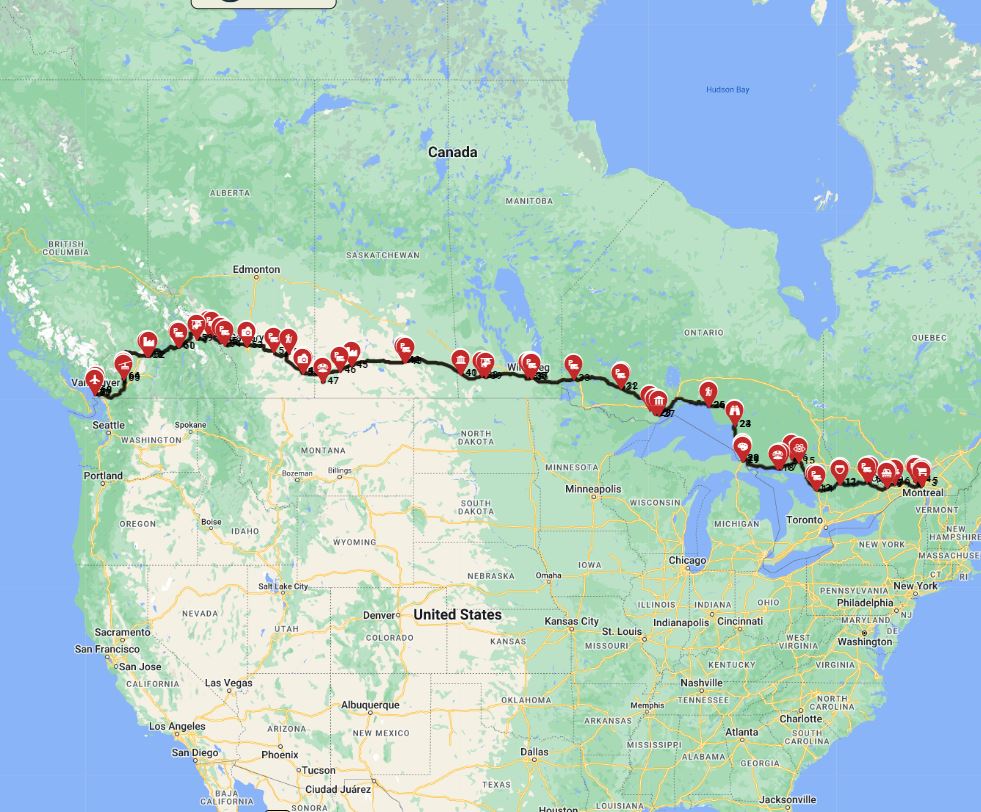
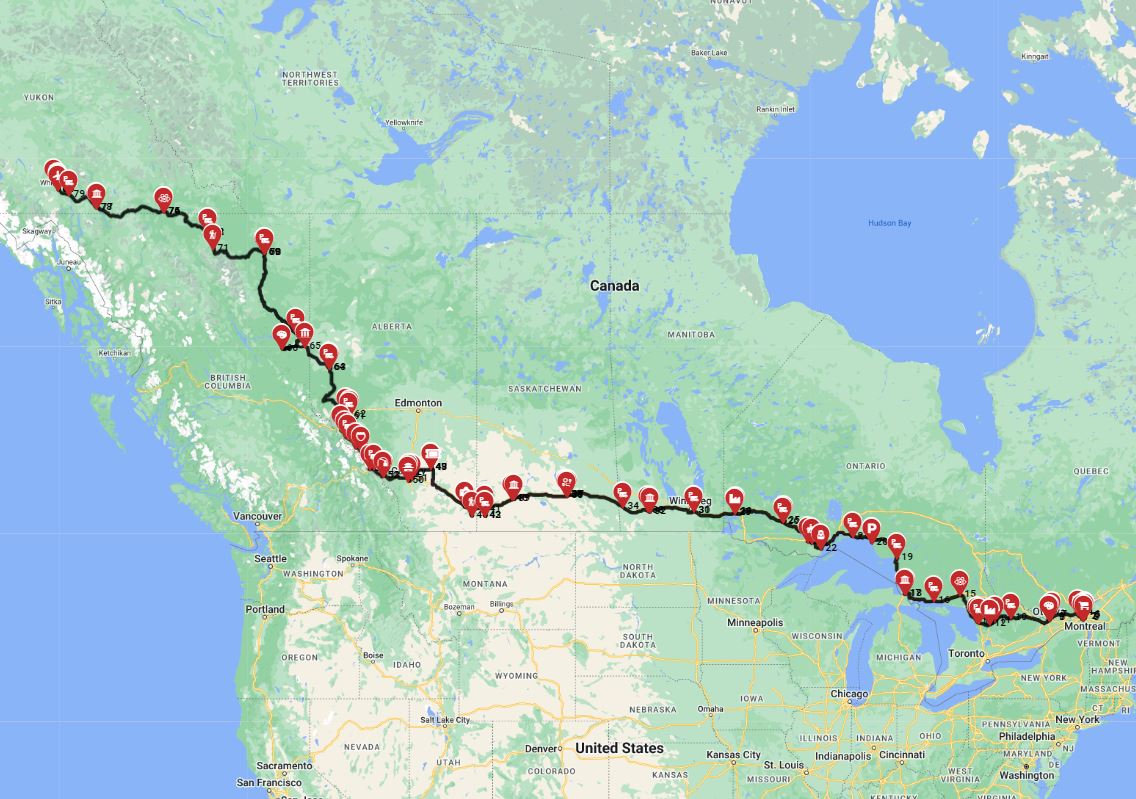
Fuel prices in Montreal, like those across Canada, fluctuate daily based on global markets and local taxes; renters should budget for these costs as a significant part of their overall trip expense. To help manage your budget effectively, on RV PLANET routes, travelers can itemize and track every expense along the way for easy budgeting. Some RV rental companies may also offer fuel discount cards on certain RVs, which can help mitigate the overall cost during a long-term rental, potentially saving you money over a month-long journey. On the routes offered through RV PLANET routes, you can itemize and track every expense along the way for easy budgeting.
Tolls, Vignettes & Border Rules
Quebec generally does not have an extensive system of conventional toll roads, but the Autoroute 30 (A-30) bypass, located south of Montreal, is a significant exception, featuring electronic tolls that RV drivers should be aware of. This toll road is often used to circumvent city traffic and connect to other major highways without driving directly through the downtown core. For US travelers bringing a rented RV into Canada or Quebec, essential border crossing documents include a valid passport or an enhanced driver's license, along with your vehicle registration and proof of insurance that meets Canadian minimums.
Canadian customs officials enforce strict rules on bringing certain items across the border, including restrictions on firearms, cannabis, excessive alcohol and tobacco, and some food items such as fresh produce and meats. It is crucial to declare all goods to avoid complications or fines. While Quebec does not utilize a vignette system for highway access, unlike some European countries, drivers must still be prepared for potential bridge tolls, especially when navigating around Montreal. Many long term rv rental options may offer the convenience of pre-purchasing toll passes or having transponders, which can streamline travel and help avoid potential fines for unpaid tolls. For more insights on costs, consider reading our One-Way RV Rental in Montreal - Price Guide 2026.
Driving Tips for long term rv rental Travelers
Successfully navigating a long term rv rental in Montreal requires proactive planning and a calm approach. Firstly, plan your route carefully: utilize GPS with RV-specific settings to help avoid low bridges, narrow streets, and unexpected construction zones, which are frequent in Montreal. Researching designated truck routes can also offer easier navigation around the city. Secondly, master urban navigation in Montreal's unique environment; its many one-way streets, especially in historic Old Montreal, demand constant vigilance. Practice turns and always be mindful of bicycle lanes and pedestrians, who are abundant in this vibrant city.
Thirdly, language and signage in Quebec are predominantly in French; familiarize yourself with common French traffic terms and symbols, and consider having a passenger help with navigation if you are unfamiliar with the language. Fourthly, develop smart parking strategies: for downtown Montreal and key attractions, research RV-friendly parking in advance or plan to park on the outskirts and use Montreal's efficient public transport system (metro or bus) to access city centers. Finally, cultivate patience with construction: Montreal is frequently under construction, leading to unexpected detours and congestion; allocate extra travel time and maintain a calm attitude. Check out our RV Travel Guide to Montreal - Tips and Top Spots 2026 for more local insights.
🎬 Video coming soon
Recommended RV Class for Montreal Roads
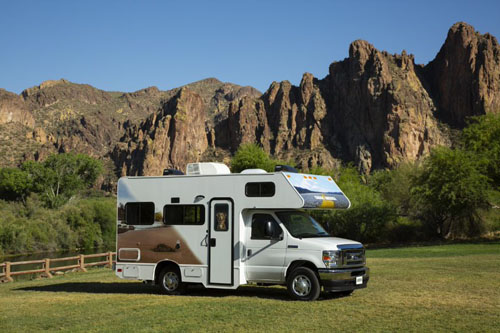
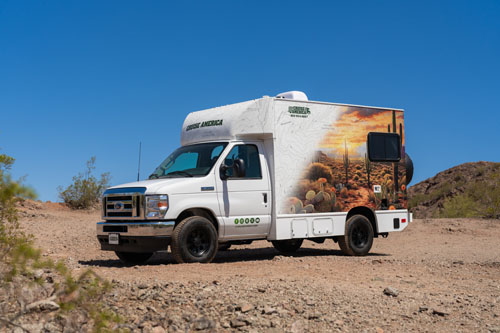
For navigating Montreal's urban environment and surrounding areas efficiently, a Class B Camper Van or a Class TC Truck Camper is generally recommended due to their more manageable size and maneuverability. Class B Camper Vans, like the "2 Berth Hi Top" or "Category Van" models, with an average length of 6.6 meters (approximately 21.6 feet), offer excellent agility and are considerably easier to park than larger RVs, making them ideal for city exploration and fitting into tighter spots. These vehicles, often with features like front air conditioning and ideal for a couple, provide a comfortable base without the bulk.
Class TC Truck Campers, such as the "4x4 Camper B - TYR" or "Adventure Camper" models, averaging 7.4 meters (approximately 24.3 feet) in length, provide a good balance of compact footprint for urban driving and robust capability for exploring Quebec's more rugged landscapes. While larger Class C Alcoves, like a "29′ Class C Motorhome" (avg 8.5m or 28 feet), and Class SI Semi-integrated RVs, such as the "2 Berth Tamar" (avg 7.6m or 25 feet), offer significantly more living space and amenities for larger families or groups, their increased length and width can make navigating Montreal's tighter streets, historic districts, and finding convenient parking more challenging for an extended stay. Bandana RV's Rent&Plan service can help you choose the best vehicle for your Montreal monthly routes.
Should I Choose a Compact Van Instead of a Large RV in Montreal?
Choosing between a compact campervan and a larger RV for a long-term rental in Montreal largely depends on your travel style and comfort priorities, as almost all RV sizes can generally be driven in the city without significant issues with careful attention. A compact van, like a Class B Camper Van (e.g., "Active Standard" or "California Standard Auto"), genuinely helps in specific situations, such as navigating very tight historic center streets, finding street parking more easily in bustling neighborhoods like the Plateau Mont-Royal, or accessing smaller, less developed campsites. These nimble vehicles, often ideal for a couple or small family, offer excellent maneuverability in urban environments.
However, for long-term rentals spanning a month or more, the enhanced comfort and generous indoor space offered by a larger RV, such as a Class C motorhome (e.g., "MHC24" or "24 Class C Motorhome") or a Semi-integrated model (e.g., "Exclusive Classic"), often provide a better trade-off. These larger models are especially beneficial for families with kids or groups seeking amenities like a full kitchen, private bathroom, dedicated sleeping areas, and ample storage for extended trips. While parking a larger RV downtown may require more planning or utilizing specific RV-friendly lots on the outskirts, the enhanced living experience and added comfort often outweigh the minor parking inconveniences for an extended stay in Montreal. You can upgrade to a top-level deductible for extra peace of mind regardless of your chosen RV size.
Can I Park Anywhere? Free & Wild Camping Rules in Montreal
In Montreal's urban areas, free and wild camping in a rented motorhome or campervan is generally restricted and not permitted, with overnight parking usually prohibited outside of designated campgrounds or private properties where you have explicit permission. For convenient RV-friendly parking in downtown Montreal and near major attractions, strategies include utilizing large commercial parking lots, such as those near the Old Port (Vieux-Port de Montréal) or larger shopping centers, which may accommodate RVs for a fee. Alternatively, you can plan to park your RV on the outskirts of the city and efficiently use Montreal's public transport (metro or bus) to access city centers and sights.
The primary and recommended options for safe and legal overnight stays near Montreal are the numerous provincial parks and private campgrounds in the surrounding region, which offer essential amenities like electrical hookups, fresh water, and dump stations. Excellent options include Camping Parc national d'Oka (approximately 50 km west of Montreal), which offers lakeside access, or Camping Choisy (about 70 km south), both providing easy access to nature. Comprehensive directories and reviews of RV campgrounds near Montreal are readily available online via resources like rvplan.net, detailing amenities, booking tips, and public transport access to the city. Always check local municipal regulations and follow local laws before parking overnight, as fines can be substantial for unauthorized camping.
Can I Drive an RV Into the City Center? Heights, Tunnels & Local Signage
Yes, you can generally drive a rented RV into Montreal's city center, but it absolutely requires careful attention to specific urban challenges such as numerous height restrictions, tunnels, and predominantly French local signage. Montreal has several low bridges and underpasses, particularly in older areas and routes leading to the downtown core, including sections of Rue Saint-Antoine and Boulevard René-Lévesque; always heed posted height limits (measured in meters) to avoid damaging your vehicle. For example, the Ville-Marie Tunnel (Autoroute 720) and Louis-Hippolyte La Fontaine Tunnel (Autoroute 25) have clear height restrictions and often prohibit propane tanks, making alternative routes necessary for larger RVs or those carrying full tanks.
Local signage in Montreal is predominantly in French and includes specific symbols for no-parking zones, one-way streets, designated truck routes, and residents-only streets, which RV drivers must constantly monitor to avoid fines. Planning your route in advance using a GPS with RV-specific settings can be invaluable for navigating away from problematic areas and directing you toward RV-friendly parking options on the city's periphery. Drive slowly and carefully, and you can drive almost anywhere without issues. No need to stress - just use common sense and pay attention. For inspiration for monthly routes in Montreal and beyond, explore the pre-planned routes available through RV PLANET.
What is the 3-3-3 rule for RVs?
The '3-3-3 rule' for RVs is a popular guideline for safe and enjoyable travel, advising RVers to drive no more than 300 miles (approximately 480 km) in a day, arrive at their destination by 3 PM, and stay for a minimum of 3 nights. This rule is particularly beneficial for long-term RV rentals in and around Montreal as it promotes a relaxed pace, preventing driver fatigue and reducing the stress of long travel days. Arriving by 3 PM provides ample daylight to comfortably set up camp, explore the immediate surroundings of your chosen campground (like Camping Parc national d'Oka), and address any unexpected issues before nightfall.
Staying for at least 3 nights at each location encourages a slower travel pace, allowing travelers to thoroughly experience the destination rather than constantly moving. This philosophy aligns perfectly with long-term RV travel, giving you time to connect to Montreal's unique culture, savor its diverse food scene, and fully appreciate the scenery of Quebec. While a guideline, adhering to the 3-3-3 rule can significantly enhance the overall enjoyment and safety of an RV trip, making your multi-week or monthly adventure through Montreal and its surroundings a truly memorable one.
How much is RV insurance in Canada?
The cost of RV insurance in Canada varies significantly, typically ranging from a few hundred to over two thousand dollars annually, depending on several factors including the RV's value, type, usage, and the driver's history. Factors influencing RV insurance premiums include the specific RV class (e.g., a Class B camper van vs. a larger Class C motorhome), its age and condition, and whether it is used seasonally for a long term rv rental or more extensively. In Quebec, specific provincial regulations and mandatory coverage requirements can further influence insurance costs, and foreign-plated RVs entering Canada must ensure their existing insurance meets Canadian minimums or purchase temporary Canadian coverage.
Coverage options typically include liability, collision, comprehensive, and potentially additional endorsements for personal belongings, roadside assistance, or replacement cost for new RVs. When renting an RV through Bandana, basic insurance is usually included, but you can upgrade to a top-level deductible for extra peace of mind, reducing your financial exposure in case of an accident. Comparing quotes from multiple providers is crucial to find the best rates and coverage tailored to your specific long term rv rental needs in Montreal and across Canada.
Does Costco Canada have RV insurance?
Yes, Costco Canada generally offers RV insurance through its partnership with various reputable insurance providers, typically as part of its 'Costco Protect' program, making it a viable option for those seeking coverage for their RV rental. Costco members can often access preferred rates and exclusive benefits on RV insurance, potentially making it a competitive option for long-term RV renters in Montreal. The insurance plans offered through Costco usually encompass standard coverages such as liability, collision, and comprehensive, with options for additional endorsements to protect personal belongings or provide roadside assistance during your extended adventure.
To obtain a quote for RV insurance through Costco, members typically visit the Costco.ca website or contact the partner insurer directly, providing specific details about their rented RV and driving history. As with any insurance decision, it is always advisable to compare Costco's offerings with other independent insurance providers in Quebec to ensure you secure the best coverage and price for your specific long term rv rental needs, whether you're exploring Montreal's urban delights or venturing into the broader Canadian landscape.
What You Shouldn't Miss
- Explore Old Montreal and the Old Port: Wander through cobblestone streets, admire Notre-Dame Basilica, and enjoy the lively atmosphere of the Old Port. Park your RV in one of the larger lots near the perimeter and use public transit or cycle along the Lachine Canal to reach this historic heart.
- Discover Parc Jean-Drapeau: Camp on Sainte-Hélène Island within the park and enjoy stunning city views, explore the Biosphere, and perhaps catch a concert or event. It's a unique RV-friendly spot offering nature and urban access.
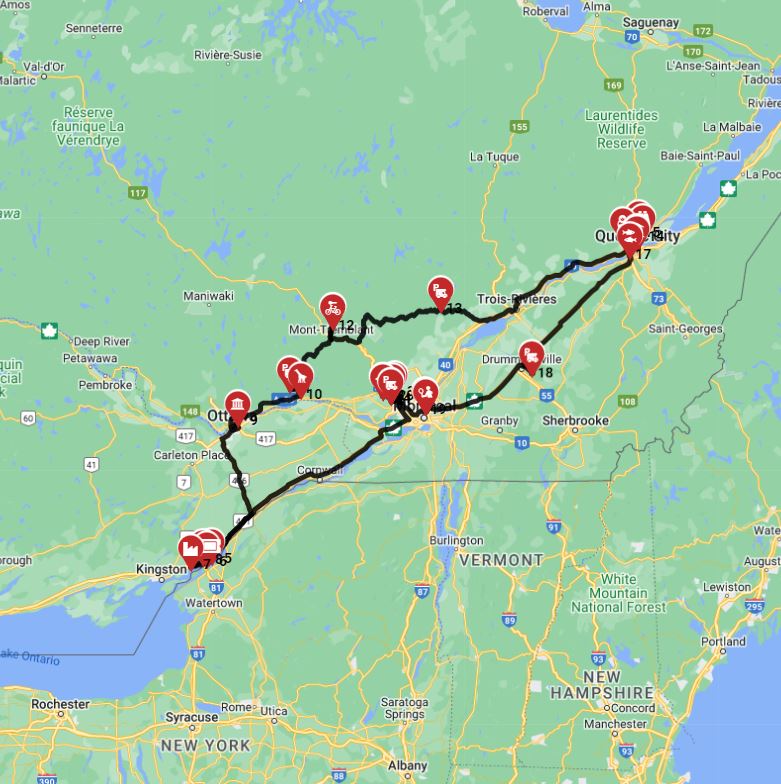
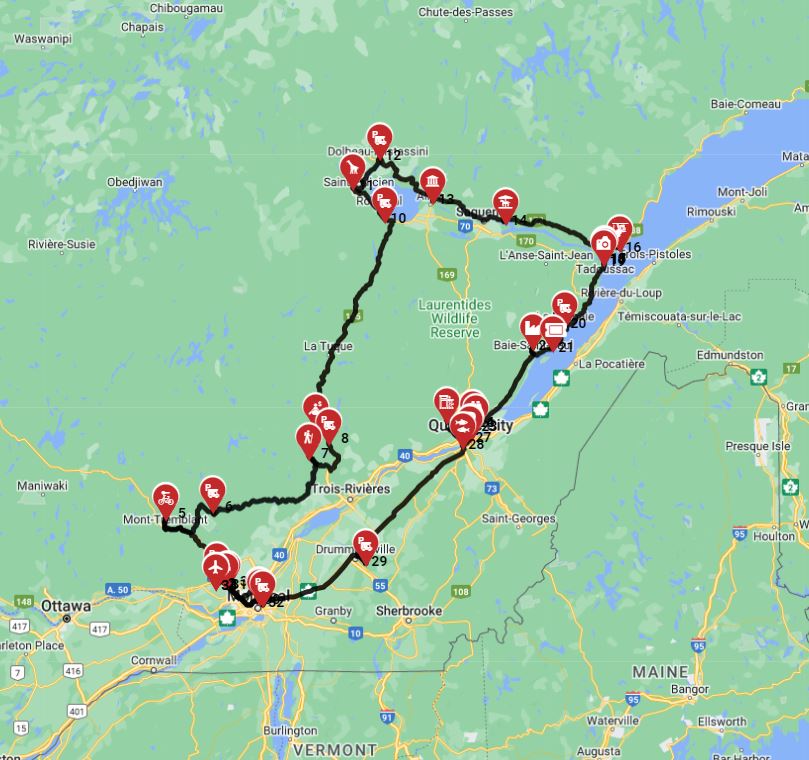
- Drive the Chemin du Roy: Take your rented motorhome on Quebec's oldest highway, a scenic route linking Montreal and Quebec City. This 280-km stretch passes through charming villages, historic sites, and picturesque landscapes.
- Savor Montreal's Culinary Scene: From classic poutine at La Banquise to world-class dining, Montreal is a food lover's paradise. Prepare some RV-friendly meals in your motorhome's kitchen after a day of exploring by checking out our RV-friendly recipes playlist, then treat yourself to a local delicacy.
- Experience the Laurentian Mountains: Just an hour's drive north of Montreal, the Laurentians offer stunning fall foliage, hiking, and ski resorts depending on the season. Multiple campgrounds cater to RVs, providing a refreshing escape from the city.
Looking for expert insights from Avi Bandana? Top 5 Adventures - recommendations from Avi Bandana.
Final Thoughts
Embarking on a long-term RV driving adventure in Montreal is more than just a trip; it's an opportunity to create lasting memories and discover Quebec at your own pace. With Bandana RV, you’re backed by over two decades of expertise, full price transparency, and dedicated support every step of the way. Whether you choose a nimble campervan for city exploration or a spacious motorhome for extended comfort, Montreal and its stunning surroundings await your discovery.
Remember to embrace slow travel, allowing yourself to truly soak in the unique blend of European charm and North American dynamism that defines Montreal. Plan your monthly routes with confidence, knowing that essential information on everything from local driving laws to parking strategies is at your fingertips. Your personalized journey through this captivating city starts here, with the freedom and flexibility only a rented RV can offer.
Find Motorhome Rentals in Montreal