In This Guide
- Can You Drive an RV in Lithuania? License & Age Rules
- Road Conditions & Terrain in Lithuania
- RV Size Limits, Bridges & Restricted Zones
- Fuel: Diesel vs. Petrol & Cost per 100 km
- Tolls, Vignettes & Border Rules
- Driving Tips for long term rv rental Travelers
- Recommended RV Class for Lithuania Roads
- Should I Choose a Compact Van Instead of a Large RV in Lithuania?
- Can I Park Anywhere? Free & Wild Camping Rules in Lithuania
- Can I Drive an RV Into the City Center? Heights, Tunnels & Local Signage
- How can I experience local culture and unique culinary traditions with an RV in Lithuania?
- What are the specific RV driving challenges in Lithuania's rural areas and how can I overcome them?
- What are the rules and best practices for wild camping in Lithuania, and are there alternative overnight options?
- Are there specialized RV itineraries to explore off-the-beaten-path destinations in Lithuania?
- What are the best options for RV connectivity and navigation technology in Lithuania?
- What should I know about RV travel in Lithuania during shoulder seasons?
- Is Lithuania suitable for family and pet-friendly RV travel, and what should I consider?
- How can I practice sustainable and eco-friendly RVing in Lithuania?
- Top Cities for RV Rental in Lithuania
- What You Shouldn't Miss
- Why Book with Bandana Caravan
- Final Thoughts
- Frequently Asked Questions
Can You Drive an RV in Lithuania? License & Age Rules
To drive a rented RV in Lithuania, a standard B category driving license is sufficient for vehicles up to 3,500 kg (3.5 tonnes) and carrying up to 8 passengers in addition to the driver. This covers most Class B - Camper Van and Class C - Alcove motorhomes available for rent. For RVs exceeding 3,500 kg, typically a C1 license (up to 7,500 kg) or C license (over 7,500 kg) is required, though most rental fleet RVs fall within the standard B license limits. The minimum driving age in Lithuania for a B category license is 18 years, however, for RV rentals, most companies require drivers to be at least 21 years old, with Bandana confirming no young driver surcharges apply. Foreign drivers from EU/EEA countries can use their national licenses; those from non-EU/EEA countries generally need an International Driving Permit (IDP) in addition to their national license, as recommended for smooth interactions with authorities. For a broader perspective on European RV travel, consult our RV Rental Europe - Complete Guide 2026 overview.Road Conditions & Terrain in Lithuania
Lithuania's main roads and highways are generally well-maintained and suitable for RV travel, offering a smooth driving experience across its largely flat to gently rolling terrain. You'll find the E67 (Via Baltica) and other major arteries to be modern and efficient, connecting major cities like Vilnius, Kaunas, and Klaipėda without issues for your rented motorhome. While major routes are excellent, be prepared for some narrower, less paved, or gravel roads when exploring more remote areas, especially leading to national parks, rural campsites, or smaller villages, which may require slower speeds and careful maneuvering with an RV. The country's terrain is predominantly low-lying, with extensive forests, shimmering lakes, and a beautiful Baltic coastline, meaning drivers won't encounter challenging mountain passes, but should be mindful of winding roads in forested areas or near rivers. For long-term RV rental use, these varied conditions encourage a leisurely pace, allowing ample time to appreciate Lithuania's natural beauty and address any specific RV-centric challenges like navigating charming but narrow village streets with larger vehicles.RV Size Limits, Bridges & Restricted Zones
Lithuania generally has few explicit RV size limits on its main road network, allowing most standard motorhome classes to travel freely. Drivers should still be aware of local signage for specific height limits (e.g., typically 3.5m-4.0m) when entering older city centers, passing under low bridges, or accessing underground parking, though these are less common challenges for RVs on main routes. For instance, a Class C motorhome like the "cruise america rv rental example Explorer" with a length of 7.1 meters and a width of 2.78 meters would generally fit well on most Lithuanian roads. There are no widespread environmental zones in Lithuania specifically restricting RV access based on emissions, unlike some Western European cities, providing more freedom for long-term travelers. When considering ferries, such as to the Curonian Spit, RV length and weight will determine the fare, so it's advisable to check specific ferry operator requirements and pricing in advance to avoid surprises.Fuel: Diesel vs. Petrol & Cost per 100 km
Diesel is the predominant fuel type for rented RVs in Lithuania, widely available at service stations across the country, while petrol is less common for larger recreational vehicles. It's wise to plan your budget for fuel, as it will be one of the main ancillary costs of your long-term adventure. Based on Bandana's global fleet averages, a Class SI - Semi-integrated RV typically consumes 10-11 Liters/100 km, a Class C - Alcove RV uses 10-12 Liters/100 km, and a Class B - Camper Van averages 8-10 Liters/100 km. The average cost per 100 km will vary with current fuel prices, but you can estimate by multiplying the consumption rate by the prevailing diesel price in Lithuania. When planning your budget for fuel and other expenses, remember that RV PLANET routes allow you to itemize and track every expense along the way, making budgeting for your entire trip much easier. While specific fuel discount cards for rental RVs may not be universally offered, it's always worth checking with your rental provider for any potential perks that could reduce long-term fuel costs.Tolls, Vignettes & Border Rules
Lithuania primarily uses an electronic toll system (E-tolas) for commercial vehicles and those exceeding 3.5 tonnes gross vehicle weight, which may apply to larger RVs. This means that if you're renting a larger Class C or Class A motorhome, you might need to acquire an e-vignette. RVs under 3.5 tonnes, including most campervans and many smaller semi-integrated motorhomes, are generally exempt from tolls on Lithuanian roads, making travel straightforward for many renters. For heavier RVs (over 3.5 tonnes), an e-vignette is required for designated toll roads; these can typically be purchased online or at border crossings and petrol stations, costing approximately €11-€30 for a monthly pass, depending on the vehicle category. When traveling to neighboring countries, be aware that Latvia uses a similar e-toll system for heavy vehicles, while Poland utilizes a combination of manual and electronic tolls on specific motorways, and Belarus/Kaliningrad require visas and specific border crossing procedures. Some RV rental providers may offer the option to pre-purchase toll passes or provide information on compliance to help renters avoid fines and ensure smooth cross-border travel during their long-term RV trip. For live availability and current prices, checking the "RV Rental in Lithuania - Prices and Best Deals 2026" guide will help you budget.Driving Tips for long term rv rental Travelers
Embrace a slower pace: Lithuania's beauty is best discovered by taking your time, especially on scenic routes through national parks or coastal areas, allowing for frequent stops and unexpected detours. We always recommend slow travel, aiming for a maximum of 100-150 km per day on average, to truly connect with the culture, food, and scenery. Prioritize navigation and connectivity: Utilize reliable navigation apps that work offline (e.g., Google Maps, Maps.me), and consider purchasing a local SIM card upon arrival for consistent mobile data coverage, as this is crucial for finding campsites, services, and overcoming language barriers in rural service stops. Be prepared for varied road conditions: While main roads are good, exploring off-the-beaten-path destinations might lead to gravel or less-maintained roads; adjust your speed accordingly and watch out for wildlife, particularly storks and elk, especially at dawn and dusk. Master parking strategies: For city visits, look for designated RV parking outside historical centers or utilize public transport, as navigating narrow medieval streets with a rented RV can be challenging. Drive slowly and carefully, and you can drive almost anywhere without issues. No need to stress - just use common sense and pay attention. For rural areas, choose safe, level spots away from main thoroughfares. Understand local etiquette: Observe speed limits diligently, be aware of cycling lanes (Lithuania is very bike-friendly), and always greet locals with a friendly 'Laba diena' (Good day) when interacting, which can help bridge any language barriers.Recommended RV Class for Lithuania Roads
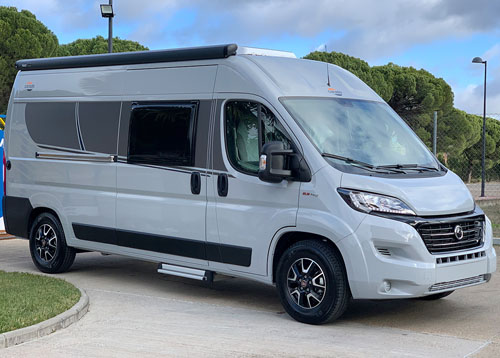
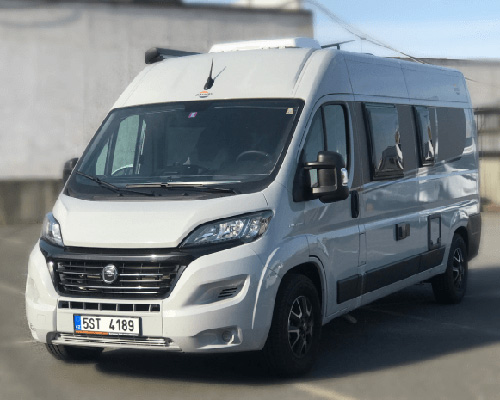
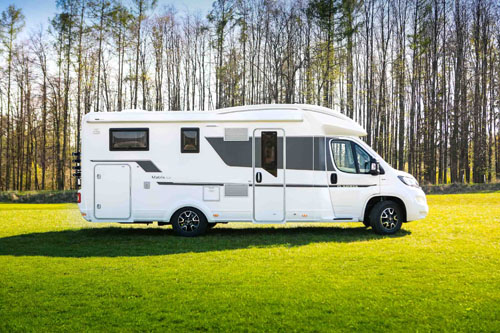
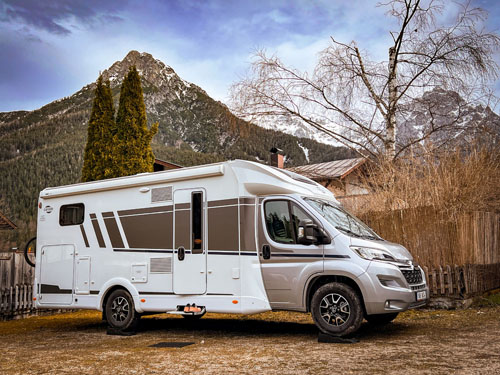
For RV travel in Lithuania, Class SI - Semi-integrated and Class B - Camper Van models are highly recommended due to their excellent balance of comfort and maneuverability on both main roads and smaller routes. Class SI - Semi-integrated RVs, with an average length of 6.9 meters from Bandana's global fleet, offer ample living space and amenities such as a refrigerator, shower, and toilet, making them suitable for long-term stays. For example, a "2 Berth Tamar" Class SI motorhome offers comfortable space for a couple. Class B - Camper Vans, averaging 5.8 meters in length, provide superior agility for navigating narrow village streets and finding parking in more congested areas, making them ideal for those prioritizing ease of driving and exploring less accessible spots. A "Category Van" or "Duo" campervan is perfect for couples or small families. These classes also offer a good proxy for ground clearance, generally sufficient for Lithuania's varied road conditions, from paved highways to occasional gravel tracks leading to remote natural attractions. When considering budget, our "Cheap RV Rental in Lithuania - Budget Guide 2026" provides excellent insights into finding the best value.Should I Choose a Compact Van Instead of a Large RV in Lithuania?
For most of Lithuania's road network, a larger rented RV (such as a Class SI - Semi-integrated or Class C - Alcove) offers significant comfort and indoor space without presenting unmanageable driving challenges. These larger motorhomes, like a "6 Berth Deluxe" or "4 Berth Seeker," typically feature multiple sleeping areas, a larger refrigerator, and full bathroom facilities, which are highly appreciated on a long-term rental. Opting for a compact van, like a Class B - Camper Van (averaging 5.8 meters in length, such as a "Combi Van"), can genuinely help when navigating very tight historic city centers, finding parking in crowded urban areas, or accessing specific, highly remote spots with extremely narrow or unpaved tracks. However, for long-term rentals, the enhanced living space, larger kitchens for preparing meals, and dedicated sleeping areas of a larger RV often outweigh the marginal maneuverability benefits of a compact van, especially if you plan extended stays or travel with family. Ultimately, the decision balances driving ease in niche situations against the overall comfort and convenience that a larger RV provides for a prolonged journey through Lithuania's diverse landscapes.🎬 Video coming soon
Can I Park Anywhere? Free & Wild Camping Rules in Lithuania
Wild camping in Lithuania is generally restricted to designated areas or requires explicit permission from the landowner, particularly in national parks, regional parks, and protected natural zones where it is strictly prohibited. This regulation helps preserve Lithuania's pristine natural beauty. To legally and responsibly wild camp, look for specific, officially marked free camping spots, often found in less developed natural areas or near lakes and forests, which may offer basic amenities or simply a cleared space. Responsible alternative overnight stays include staying at private farms or wineries (often requiring prior arrangement), which can offer a unique local cultural immersion experience not found in traditional campsites. Always prioritize respect for the environment: pack out all trash, use designated disposal facilities, and minimize your impact on nature. Rules vary by region, so always check local regulations and follow local law before parking overnight, as unauthorized wild camping can lead to fines.Can I Drive an RV Into the City Center? Heights, Tunnels & Local Signage
Yes, rented RVs can generally enter Lithuanian city centers, but drivers must pay close attention to local signage, which provides crucial information on height restrictions, tunnels, low bridges, and environmental zones. Most Lithuanian cities are accommodating to RVs, but historical centers, particularly in cities like Vilnius or Kaunas, may have narrower streets, pedestrian-only zones, or resident-permit-only parking areas. Always observe signs indicating maximum height (usually 3.5m-4.0m) before entering underpasses or specific parking garages, and be aware of any signs denoting environmental zones, although these are less common for RVs in Lithuania compared to Western Europe. Drive slowly and carefully, and you can drive almost anywhere without issues. No need to stress - just use common sense and pay attention. For convenient city exploration, it is often advisable to park your RV in designated spots on the outskirts or larger public parking lots and utilize public transportation to reach the most central attractions. For premium experiences, consider our Luxury RV Rental in Lithuania - Premium Prices 2026 guide.How can I experience local culture and unique culinary traditions with an RV in Lithuania?
Experiencing Lithuania's local culture and culinary traditions by RV involves seeking out authentic experiences beyond typical tourist attractions, such as visiting local markets for fresh produce and regional delicacies like 'šaltibarščiai' (cold beet soup) or 'kugelis' (potato pudding). Your rented motorhome’s kitchen, even in a compact "campervan hire new zealand example Cabana" with its small refrigerator and stove, allows you to try cooking with these local ingredients. Utilize your RV to reach smaller villages and towns, where you can find traditional craft workshops (e.g., amber, linen), folk art galleries, and observe local customs and festivals that are often less publicized. Consider incorporating farm visits or stays (often requiring prior arrangement) to taste local honey, dairy, or berry products directly from producers. Look for unique culinary experiences in rural taverns or guesthouses, which often serve homemade, seasonal dishes and can provide insight into regional flavors and cooking traditions. Engage with locals at campgrounds or small shops; they can offer invaluable recommendations for lesser-known cultural events or specific dishes to try. For more inspiration on cooking delicious meals in your RV, check out our RV-friendly recipes playlist.What are the specific RV driving challenges in Lithuania's rural areas and how can I overcome them?
Navigating narrow village streets can be a challenge for larger rented RVs, especially in older, charming settlements; overcome this by pre-scouting routes on satellite maps, choosing a slightly smaller RV class (like a Class B - Camper Van or Class SI - Semi-integrated, such as a "Duo - Campervan"), and being prepared to yield or find alternative parking. Finding water and dump stations in remote areas requires planning; use apps like Campercontact or Park4night to locate official campsites or service points, and consider carrying extra water and a portable waste tank for extended off-grid stays. Parking strategies for city visits often involve utilizing designated RV parking on the periphery of historic centers, then using public transport or walking to explore, as central parking can be limited or restricted. Dealing with local wildlife, such as storks, deer, or elk, is common in rural areas, especially at dawn and dusk; drive cautiously, adhere to speed limits, and be vigilant for animals crossing roads. Language barriers in rural service stops can be overcome by learning a few basic Lithuanian phrases (e.g., 'Ačiū' - thank you, 'Prašau' - please), using translation apps, or having key phrases written down, as English proficiency may be lower outside major cities. For details on rental durations, explore our Weekly RV Rental in Lithuania - Pricing 2026 guide.What are the rules and best practices for wild camping in Lithuania, and are there alternative overnight options?
Wild camping in Lithuania is generally restricted or requires landowner permission, especially in national and regional parks, where it is strictly prohibited to protect natural habitats and maintain ecological balance. Best practices for responsible wild camping, where permitted (e.g., in officially designated free spots within state forests), include leaving no trace by packing out all trash and waste, respecting private property, staying out of sight of residential areas, and ensuring your rented RV is self-contained for waste management. Utilize designated free spots, often found near lakes or forests, which are usually marked on local maps or listed in RV-specific apps like Park4night, and may offer basic amenities like a picnic table or fire pit. Alternative overnight options include staying at official campsites (which are numerous and well-equipped, often with electrical hookups and dump stations), private campgrounds, or seeking permission for farm/winery stays, which can offer a unique cultural experience and secure parking. Always confirm local regulations before parking overnight, as rules can vary significantly by municipality and protected area, and unauthorized camping can lead to fines.Are there specialized RV itineraries to explore off-the-beaten-path destinations in Lithuania?
Yes, specialized RV itineraries can unveil Lithuania's hidden gems, moving beyond common tourist routes to explore unique themes and less-trafficked but rewarding spots for a long-term rental. Consider a 'Historical Castles & Manors by RV' route, visiting lesser-known estates like Pakruojis Manor, Raudondvaris Castle, or Norviliškės Castle, combining history with scenic drives through the countryside. An itinerary focused on 'Lithuania's Lake District Expedition' (e.g., around Aukštaitija National Park) allows for discovering pristine lakes, traditional fishing villages, and hiking trails, often with remote lakeside campsites accessible by RV. Explore a 'Baltic Coastline Adventure' beyond Palanga and Nida, driving to quieter fishing villages, discovering forgotten lighthouses, and enjoying secluded beach access points suitable for motorhomes. Develop a 'Forest and Bog Discovery' route through areas like Žemaitija National Park or Cepkeliai-Merkine educational trail, offering opportunities for nature walks, mushroom picking (in season), and tranquil overnight spots. For expertly pre-planned routes and customizable itineraries designed by professionals, we recommend using RV PLANET (rvplan.net), our sister company, where you can also enjoy a 25% planning discount. This is part of our Rent&Plan service, making trip planning effortless. For one-way travel, check out the One-Way RV Rental in Lithuania - Price Guide 2026.What should I know about RV travel in Lithuania during shoulder seasons?
RV travel in Lithuania during shoulder seasons (April-May and September-October) offers unique advantages like fewer crowds and vibrant natural beauty, but requires specific preparation regarding weather and services. Temperatures in spring can be unpredictable, ranging from mild (10-18°C) and sunny to chilly (5-10°C) with rain, while autumn brings crisp air, golden foliage, and similarly variable conditions; pack layers and waterproof gear. Road conditions are generally good, but be aware that early spring can still see lingering ice or snow in shaded areas, and late autumn might bring frosty mornings, so drive cautiously, especially on rural roads. Campground availability is usually excellent during shoulder seasons, with many sites open, though some smaller, seasonal operations (especially near beaches or remote lakes) might have reduced services or be closed, particularly towards late autumn. Seasonal closures of attractions or services (like some lakeside cafes or specific boat rentals) are more likely outside of peak summer, so it's advisable to check opening hours in advance for any attractions on your itinerary.Is Lithuania suitable for family and pet-friendly RV travel, and what should I consider?
Lithuania is highly suitable for family and pet-friendly RV travel, offering numerous natural attractions, spacious campgrounds, and a generally welcoming attitude towards both children and pets. Many campgrounds across Lithuania feature dedicated playgrounds and family-oriented facilities, providing ample entertainment for children during long-term stays in your rented motorhome, such as the "Group G" model with its capacity for up to 7 people. Specific pet import/travel regulations require pets to have a valid pet passport, be microchipped, and vaccinated against rabies, with these documents readily available for inspection when crossing borders or at campgrounds. When traveling with pets, research pet-friendly attractions beforehand, as access may be restricted in some indoor venues or protected natural areas; however, outdoor spaces, forests, and many parks are usually welcoming. Regarding child seat laws for RVs, children must use appropriate child restraint systems until they are 135 cm tall or up to 12 years old, adhering to EU safety standards, which applies universally within the vehicle.How can I practice sustainable and eco-friendly RVing in Lithuania?
Practicing sustainable and eco-friendly RVing in Lithuania involves minimizing your environmental footprint while enjoying its natural landscapes, starting with diligent waste management by sorting and disposing of all trash at designated recycling points readily available at campsites and towns. Conserve water diligently by taking shorter showers, turning off taps while brushing teeth, and using biodegradable soaps to protect local water sources, especially when camping outside official sites. Minimize energy consumption by making the most of natural light, turning off lights and appliances when not in use, and considering rented RVs equipped with solar panels for renewable power. Drive responsibly by adhering to speed limits, avoiding rapid acceleration and braking, and planning efficient routes to reduce fuel consumption and emissions, contributing to cleaner air. Respect natural habitats by staying on marked paths, never disturbing wildlife, and leaving no trace behind, particularly in Lithuania's pristine national parks and protected areas, ensuring these beautiful spaces remain unspoiled for future generations.Top Cities for RV Rental in Lithuania
Lithuania offers several excellent starting points for a long-term RV rental adventure, each providing unique access to the country’s diverse attractions. Vilnius, the capital, is often the primary pick-up location, especially from Vilnius - Airport, offering historical grandeur and easy access to southeastern Lithuania's lakes and forests. Kaunas, the second-largest city, provides a more central starting point, ideal for exploring the heart of the country and its river valleys. Klaipėda, on the Baltic coast, is perfect for those keen to immediately immerse themselves in coastal beauty and take the ferry to the Curonian Spit. Other notable cities for potential RV rental or as key stops on your itinerary include Palanga, a popular seaside resort, and Druskininkai, famous for its spa resorts and surrounding nature. For a deep dive into planning your journey, our RV Rental Lithuania - Complete Guide 2026 is an invaluable resource. Additional charming towns like Šiauliai, known for the Hill of Crosses, Anykščiai with its Treetop Walkway, and historic Trakai with its island castle, are all easily accessible with a rented motorhome, making them ideal destinations for extended exploration.What You Shouldn't Miss
- Explore the UNESCO-listed **Curonian Spit**, driving along the narrow peninsula from Smiltynė (via ferry from Klaipėda) to Nida, admiring the vast sand dunes and unique fishing villages.
- Wander through **Vilnius Old Town**, another UNESCO site, with its Baroque architecture, charming streets, and the bohemian Užupis district.
- Visit the stunning **Trakai Island Castle**, a Gothic masterpiece nestled in the middle of Lake Galvė, best enjoyed with a boat ride around its pristine waters.
- Discover the natural beauty of **Aukštaitija National Park**, famous for its numerous lakes, dense forests, and traditional wooden villages – perfect for hiking, cycling, and peaceful lakeside camping.
- Stand at the **Hill of Crosses** near Šiauliai, a powerful and unique pilgrimage site adorned with tens of thousands of crosses, symbolizing Lithuanian Catholic resilience.
- Taste traditional Lithuanian cuisine, from hearty potato dishes like "cepelinai" to delicious cold beet soup, "šaltibarščiai," often available at local roadside eateries or prepared in your RV kitchen after visiting a local market.
Looking for expert insights from Avi Bandana? Top 5 Adventures - recommendations from Avi Bandana
Final Thoughts
Embarking on a long-term RV driving adventure in Lithuania promises an unparalleled blend of cultural immersion, natural beauty, and the freedom of the open road. From ancient castles to serene lakeshores, this Baltic gem is waiting to be explored at your own pace. With Bandana RV, you're not just renting a motorhome; you're gaining a partner dedicated to making your journey seamless, transparent, and truly inspiring. Whether you're a meticulous planner who likes every detail organized months in advance, or a spontaneous traveler who prefers to book day-to-day, Lithuania welcomes all styles. Remember that many national and state parks reserve a portion of their spots for first-come, first-serve visitors, so you'll always find a spot, even if it's not at your first choice campground. Just call ahead before driving to confirm availability. So, go ahead and dream big for your next escape. Let the charm of Lithuania captivate you as you discover its hidden corners and vibrant culture from the comfort and convenience of your rented RV.On the routes offered through RV PLANET routes, you can itemize and track every expense along the way for easy budgeting.