In This Guide
- Can You Drive an RV in England? License & Age Rules
- Road Conditions & Terrain in England
- RV Size Limits, Bridges & Restricted Zones
- Fuel: Diesel vs. Petrol & Cost per 100 km
- Tolls, Vignettes & Border Rules
- Driving Tips for long term rv rental Travelers
- Recommended RV Class for England Roads
- Should I Choose a Compact Van Instead of a Large RV in England?
- Can I Park Anywhere? Free & Wild Camping Rules in England
- Can I Drive an RV Into the City Center? Heights, Tunnels & Local Signage
- What do I need to rent an an RV in the UK?
- How much does it cost to rent an RV in England?
- Is it worth it to rent a campervan in the UK?
- Is it cheaper to rent an RV or stay in hotels UK?
- Can you park an RV at rest stops UK?
- Is England good for campervans?
- Seasonal RV Travel in England - Best Times to Visit
- RV Etiquette and Local Culture in England
- Traveling with Pets in Your England RV Rental
- Staying Connected - Tech and Wi-Fi for Your RV Trip
- Pre-Booking vs Spontaneous RV Travel in England
- Experiencing Local Cuisine on Your RV Journey
Can You Drive an RV in England? License & Age Rules
Most standard UK driving licenses (Category B) permit driving RVs up to 3,500 kg (3.5 tonnes) Maximum Authorised Mass (MAM) in England. Drivers typically need to be aged 21 or older for rentals, with many companies requiring a minimum age of 25 for insurance purposes. Foreign drivers usually require their national driving license and often an International Driving Permit (IDP) if their license is not from an EU/EEA country or does not use a Latin alphabet. If you plan on renting an RV larger than 3,500 kg MAM, you'll need a C1 or C category license, which is beyond a standard car license. For live availability and current prices, start with our RV Rental England - Complete Guide 2026 guide.
Road Conditions & Terrain in England
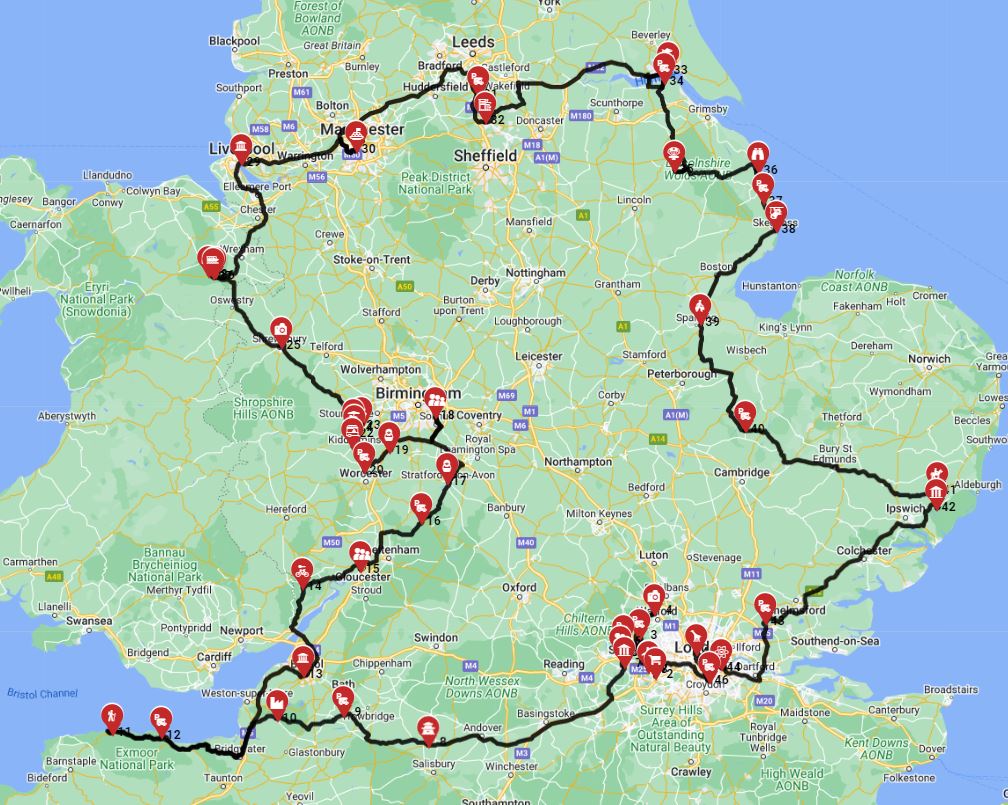
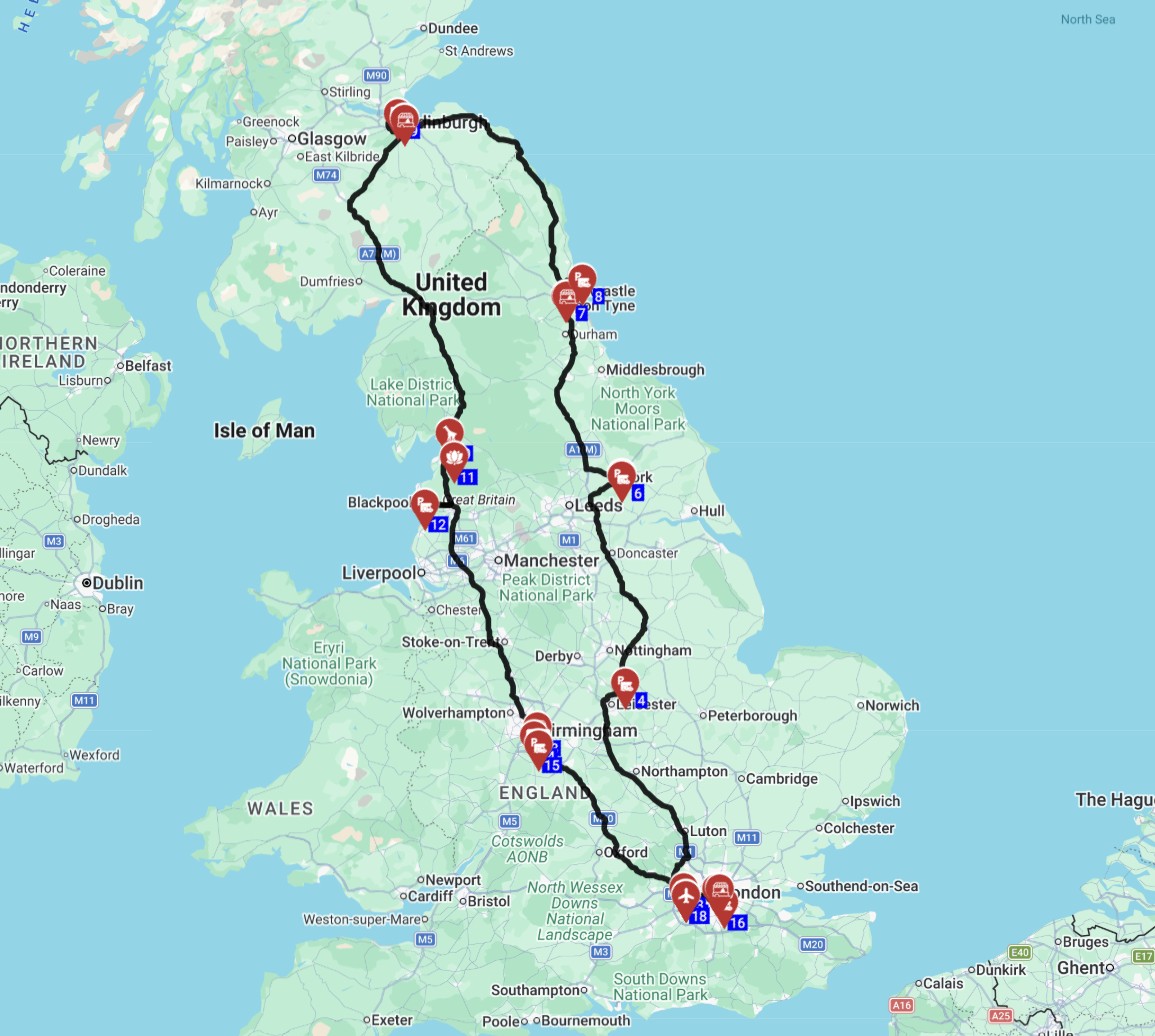
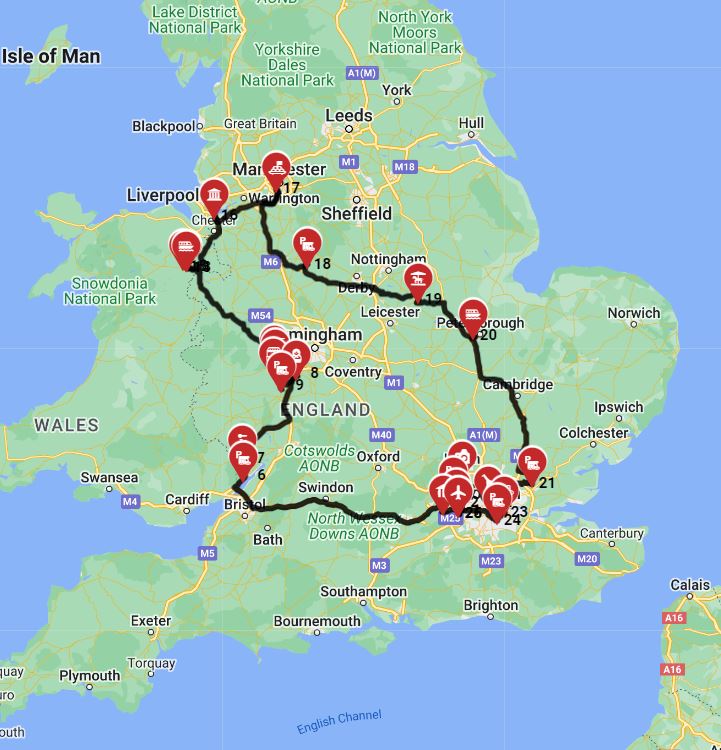
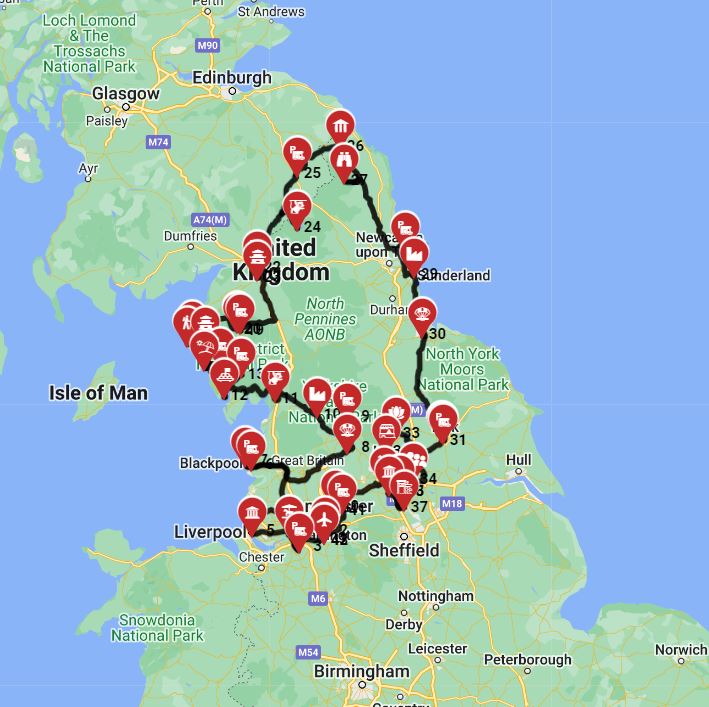
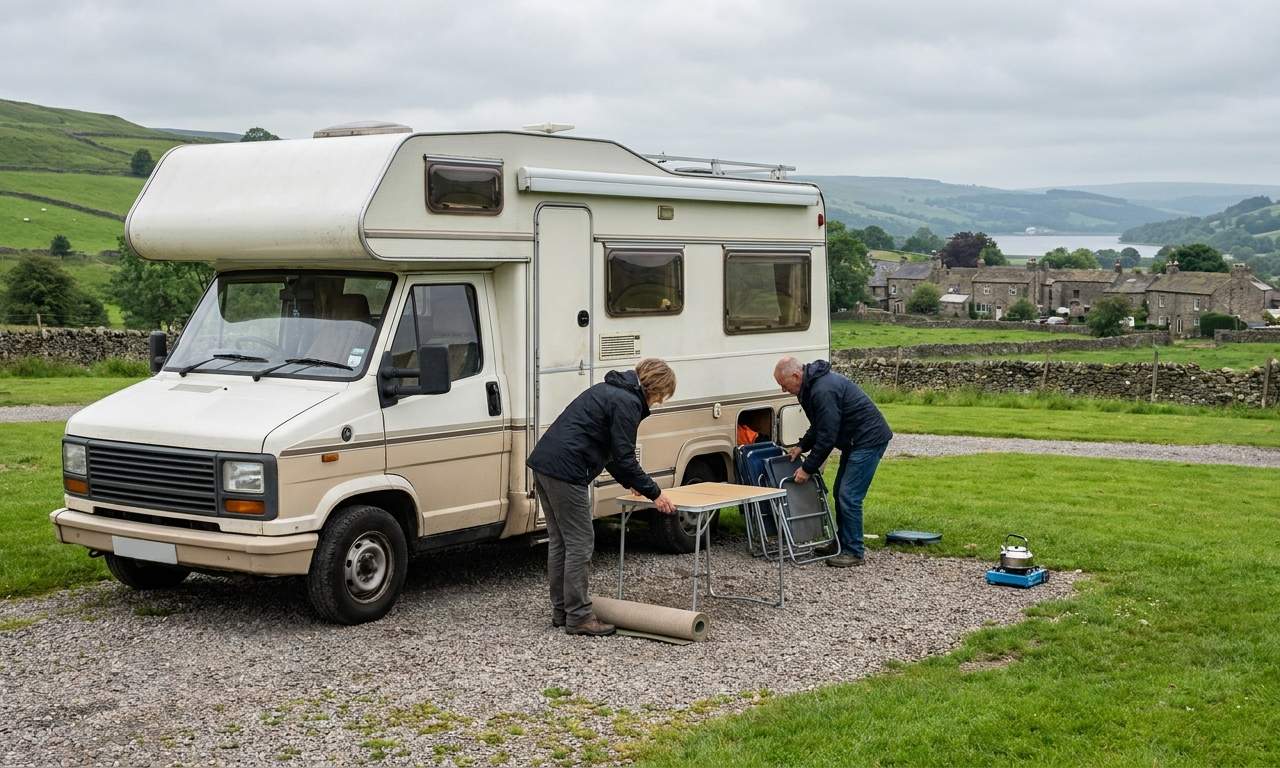
England's roads are generally well-maintained, offering a diverse driving experience from multi-lane motorways to narrow, winding country lanes, especially prevalent in rural and historic areas. The terrain varies considerably, from flat agricultural lands and rolling hills like the Cotswolds, to more challenging, albeit lower, mountainous regions such as the Lake District or Peak District. Long-term RV travelers should anticipate a mix of driving conditions, often requiring slower speeds and careful navigation on narrower routes. Embracing slow, scenic driving allows for a better appreciation of the stunning landscapes and safer navigation of these varying road conditions.
RV Size Limits, Bridges & Restricted Zones
RV drivers in England must remain vigilant for height, width, and weight restrictions, particularly concerning low bridges and access to city centers or certain rural roads. Specific height limits, often around 2.1m or 2.3m, are commonly encountered at car park entrances and on routes through historic towns. Additionally, many larger cities have implemented Environmental Zones, such as London's Ultra Low Emission Zone (ULEZ) and Clean Air Zones (CAZ) in cities like Bath and Birmingham, which may impose daily charges on older, non-compliant RVs. When planning ferry crossings, be aware that operators typically enforce length and height limits on RVs, with larger vehicles often incurring higher fares; pre-booking is highly advisable.
Fuel: Diesel vs. Petrol & Cost per 100 km
The majority of rental RVs available in England, including Bandana's global fleet of Class SI, Class C, and Class B models, primarily utilize diesel fuel. This is readily available at petrol stations across the country. Based on Bandana's global fleet averages, a Class SI – Semi-integrated RV typically consumes 10-11 Liters/100 km, while a Class C – Alcove RV uses slightly more, around 10-12 Liters/100 km. More compact Class B – Camper Vans are generally more fuel-efficient, averaging 8-10 Liters/100 km. Fuel prices in England are generally higher than the European average; some rental providers may offer fuel discount cards, which can help reduce overall costs during a long-term rental.
Tolls, Vignettes & Border Rules
England does not operate a national vignette system like some other European countries; most motorways and A-roads are toll-free. However, specific tolls apply to certain major bridges (e.g., Humber Bridge, Dartford Crossing), tunnels, and limited stretches of road. It's crucial to factor in London's Congestion Charge and Ultra Low Emission Zone (ULEZ), which represent significant costs for driving into central London with an RV, depending on vehicle emissions and time of entry. As specific regional data was not provided for this prompt, travelers should always research tolls for their planned routes and their vehicle's emission standards; some RV rental companies may offer pre-purchased toll passes to simplify the process. On the routes offered through RV PLANET routes, you can itemize and track every expense along the way for easy budgeting.
Driving Tips for long term rv rental Travelers
When embarking on your long-term RV rental journey in England, remember a few key driving tips to ensure a smooth and enjoyable experience. Foremost, always remember that traffic drives on the left-hand side of the road, and give way to the right at roundabouts. Be prepared for very narrow country lanes and village streets; utilize passing places courteously and practice reversing if necessary. Adhere strictly to posted speed limits, which are often lower for larger vehicles like RVs on certain road types. Employ navigation apps that allow input of vehicle dimensions to avoid low bridges and unsuitable roads. For extended journeys, schedule regular breaks at service stations or scenic lay-bys to prevent driver fatigue.
Recommended RV Class for England Roads
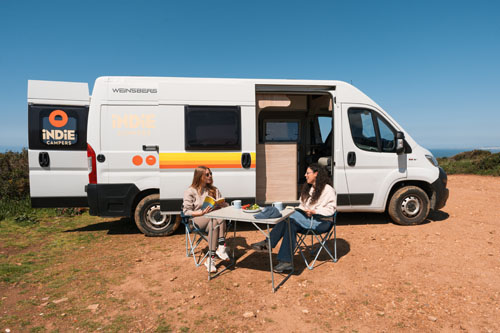
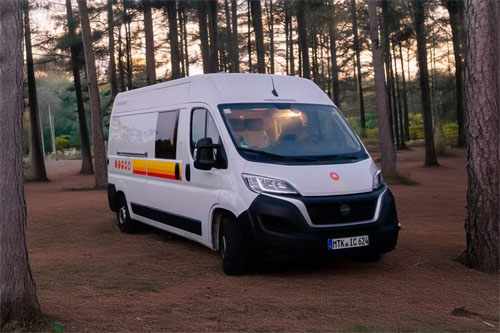
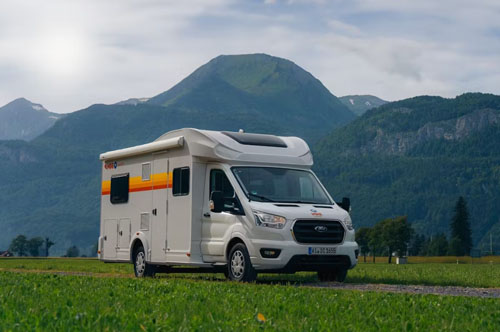
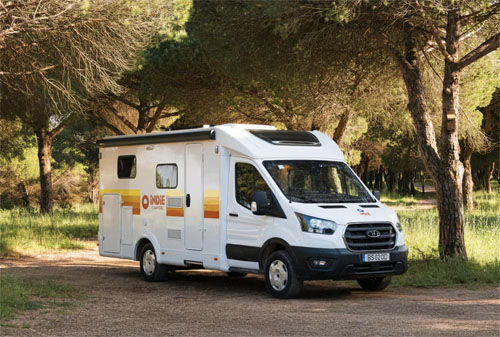
For navigating England's diverse roads, a **Class SI – Semi-integrated** RV or a **Class B – Camper Van** generally offers the best balance of maneuverability and comfort for a long-term rental. Class SI RVs, averaging around 6.9 meters in length, provide ample living space for 3-4 adults while remaining relatively easy to manage on smaller roads. Class B Camper Vans, with an average length of 5.8 meters, are highly recommended for their car-like handling, making them ideal for exploring quaint villages and navigating tighter urban streets. While larger Class C – Alcove (7.5m) and Class A – Integrated (7.5m) RVs offer more interior space, their increased dimensions can make navigating very narrow country lanes and parking more challenging.
Should I Choose a Compact Van Instead of a Large RV in England?
While there's generally no issue driving most RV sizes in England, the choice between a compact van and a larger RV often hinges on the trade-off between comfort and maneuverability for a long-term rental. A compact campervan (like a Class B) genuinely helps with navigating extremely tight historic centers, narrow mountain passes, and eases parking in urban areas. However, for long-term trips, the increased comfort, dedicated shower/toilet facilities, and spacious living areas of a larger RV (such as a Class SI Semi-integrated) often outweigh the marginal maneuverability benefits of a smaller van. Ultimately, comfort and indoor space are usually more critical for extended stays, with careful route planning mitigating most challenges presented by a larger vehicle.
Can I Park Anywhere? Free & Wild Camping Rules in England
In England, free or wild camping in an RV on public land is generally illegal and strongly discouraged without explicit landowner permission. Legal alternatives for overnight parking include a vast network of private campsites, Certified Sites (CLs/CSs) run by The Camping and Caravanning Club or The Caravan and Motorhome Club, and pub stopovers (often with permission and an expectation to patronize the pub). Services like Brit Stops offer free overnight parking at participating pubs, farm shops, and vineyards for self-sufficient RVs. Remember that rules can vary by region – always check local regulations and follow local law before parking overnight, and never rely on unofficial spots.
Can I Drive an RV Into the City Center? Heights, Tunnels & Local Signage
Yes, you can almost always drive an RV into city centers in England, but it requires careful attention to local signage due to potential height, width, and environmental restrictions. Be vigilant for specific height limits on multi-storey car parks, under railway bridges, and in historic areas; always know your RV's exact dimensions. Many larger cities operate Clean Air Zones (CAZ) or Ultra Low Emission Zones (ULEZ), like London, where older or larger RVs may incur daily charges for entry. Pay close attention to 'residents-only' parking zones, bus lanes, and traffic calming measures that can restrict RV access or parking. As specific regional data was not provided for this prompt, it is essential to consult local council websites for any city you plan to visit to understand specific access rules.
What do I need to rent an an RV in the UK?
To rent an RV in the UK, you typically need a valid driving license (Category B for most RVs up to 3,500kg), proof of address, and a credit card for the rental deposit. Most rental companies require drivers to be aged 21-75, though specific age limits and potential surcharges vary, with many requiring drivers to be 25 years or older. An International Driving Permit (IDP) is often required for non-EU/EEA license holders, alongside their national license, to validate their license in the UK. Comprehensive insurance is mandatory and usually included in the rental price, though additional excess waivers or travel insurance are recommended for peace of mind.
How much does it cost to rent an RV in England?
The cost of renting an RV in England varies significantly based on factors like RV class, rental duration, season, and specific features, typically ranging from £80 to £200+ per night for a long-term rental. For long-term rentals, the per-night rate often decreases, making extended trips more cost-effective overall. Beyond rental fees, expect granular costs including fuel (e.g., 10-12 Liters/100 km for a Class SI RV), varying campsite fees (£25-£50+ per night), potential tolls, and ferry costs if traveling to islands or outside England. Transparent budgeting should also account for insurance excess, optional extras, and daily living expenses to provide a complete cost breakdown for an RV trip in England. Travelers utilizing RV PLANET routes can itemize and track every expense along the way for easy budgeting.
Is it worth it to rent a campervan in the UK?
Renting a campervan in the UK is highly worth it for those seeking unparalleled freedom, flexibility, and a deep immersion into England's diverse landscapes and culture on a long-term trip. It provides the unique ability to wake up to new views daily, explore remote areas inaccessible to standard hotel stays, and tailor itineraries spontaneously. While the initial outlay can be considerable, the combined accommodation and transport solution, coupled with self-catering options, often makes it a valuable and memorable experience. The comfort and convenience of having your 'home on wheels' proves particularly beneficial for families or couples on extended adventures across the country.
Is it cheaper to rent an RV or stay in hotels UK?
For a long-term trip in the UK, renting an RV can often be a more cost-effective option than staying in hotels, especially when factoring in the combined expenses of accommodation, transportation, and food. RV travel offers significant savings on dining by allowing extensive self-catering, reducing the need for expensive restaurant meals. While campsite fees and fuel costs are present, they can often be less than nightly hotel rates plus additional transport (taxis, public transport) between locations. A transparent cost analysis should consider the duration of stay and the level of luxury desired for both RV and hotel options, but the flexibility and inherent savings make RVs a strong contender for budget-conscious long-term travelers. For ideas you can prep on the road, watch our RV-friendly recipes playlist on YouTube.
Can you park an RV at rest stops UK?
You can typically park an RV at designated motorway service areas (rest stops) in the UK for short periods, but overnight parking often incurs a fee after an initial free period, usually 2-3 hours. Motorway service areas provide amenities like restrooms, food outlets, and fuel, making them suitable for breaks and refueling during your journey. While it's possible to sleep overnight at some service areas with a paid ticket, it's generally not recommended for extended stays due to noise and security concerns, and it's not considered wild camping. For legal, comfortable, and safe overnight stays, it's always advisable to use designated campsites, pub stops (with permission), or Brit Stops locations.
Is England good for campervans?
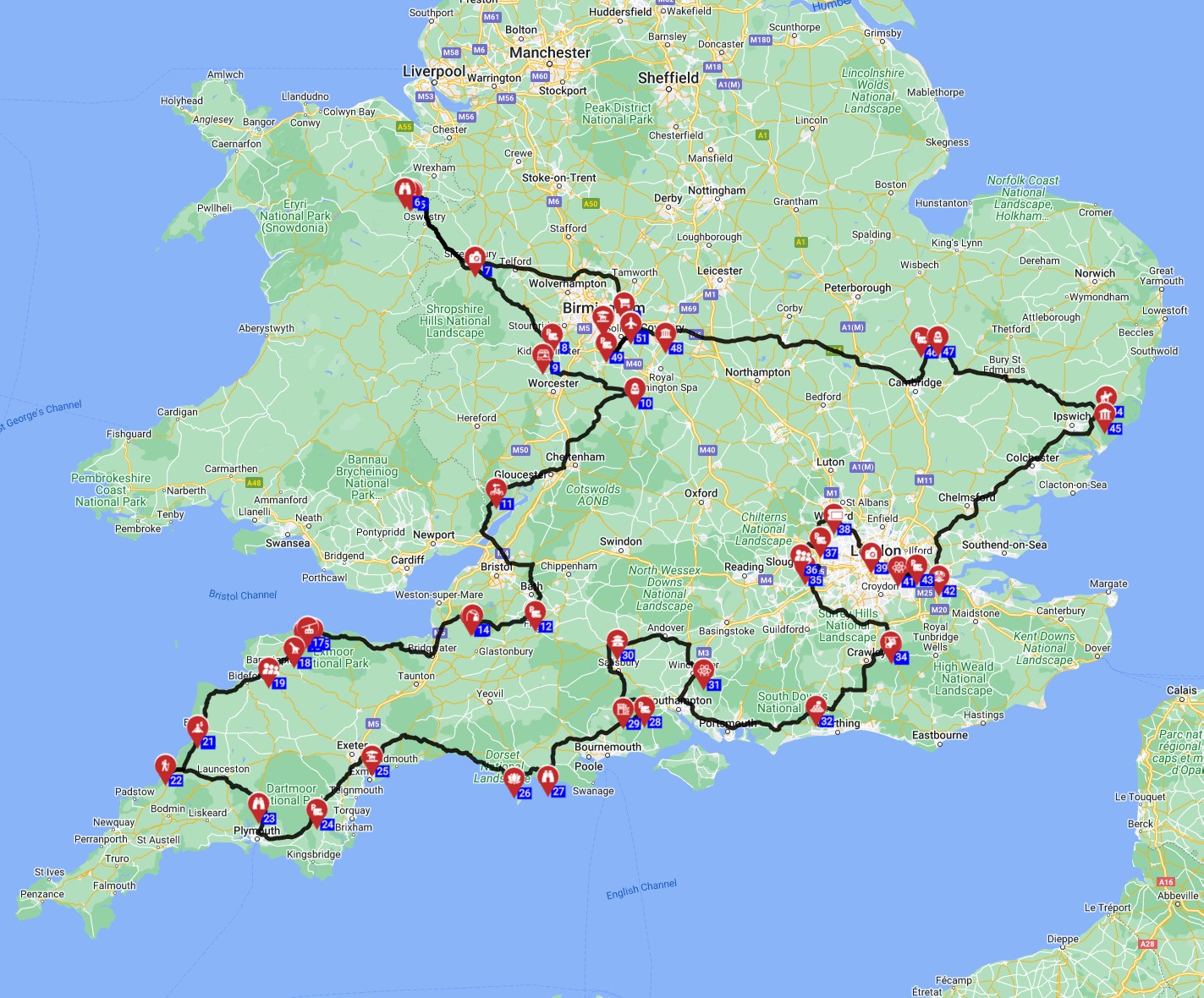
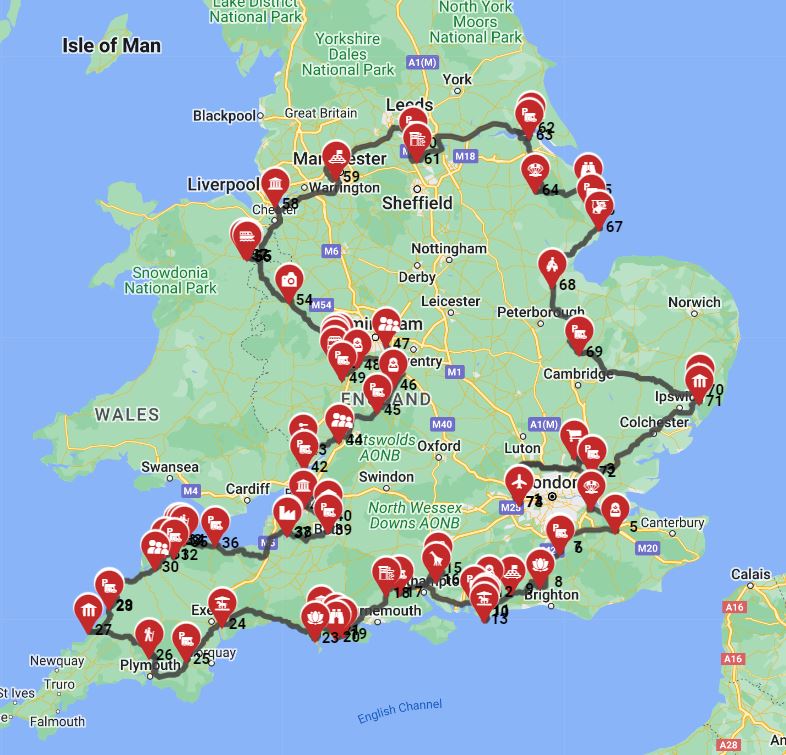
England is an excellent destination for campervans, offering an unparalleled blend of scenic beauty, historical sites, and diverse cultural experiences easily accessible by road. The country boasts a comprehensive network of campsites, including private parks and Certified Sites (CLs/CSs), providing ample facilities for RVers. Its relatively compact size allows long-term renters to explore multiple distinct regions, from the rugged coastlines of Cornwall to the serene landscapes of the Lake District, without extensive daily driving. Despite some narrow country roads, careful planning and choosing an appropriate RV size make England highly suitable for an immersive and flexible campervan adventure.
Seasonal RV Travel in England - Best Times to Visit
Summer (June-August) generally offers the warmest weather and longest daylight hours, making it a popular choice for RV travel, but it also brings peak season crowding, higher prices, and competition for campsite pitches. Spring (April-May) and Autumn (September-October) are often ideal for long-term RV rentals, providing milder temperatures, fewer crowds, and lower prices, with the added beauty of spring blossoms or autumn foliage. Winter (November-March) can present challenges with colder weather and shorter days, but also offers unique benefits like tranquil landscapes, festive markets, and easier access to popular attractions without the crowds. In-depth seasonal considerations should include planning for weather, peak season availability, unique seasonal events (e.g., festivals), and the benefits or challenges of off-peak travel.
RV Etiquette and Local Culture in England
Understanding cultural nuances and local etiquette greatly enhances the immersive RV travel experience in England, extending beyond basic driving rules. Always drive courteously, especially on narrow rural roads, and be prepared to use passing places, acknowledging other drivers with a wave. When parking overnight, whether at a pub or a designated spot, always seek permission and ensure you leave no trace, respecting the environment and local residents. Engaging with locals in a friendly manner; a simple 'hello' or asking for local recommendations can lead to enriching interactions and the discovery of hidden gems.
Traveling with Pets in Your England RV Rental
Traveling with pets in an RV in England requires careful planning. Begin by ensuring your rental company permits pets and understanding any associated fees or breed restrictions. Pets entering the UK must comply with strict legal requirements, including microchipping, rabies vaccination, and a valid pet passport or Animal Health Certificate, which must be managed well in advance. Many campsites across England are pet-friendly, but always confirm their specific rules regarding leashes, designated exercise areas, and pet access within facilities. Research pet-friendly attractions, pubs, and walking trails in advance, as options for public transport or indoor venues with pets can be limited.
Staying Connected - Tech and Wi-Fi for Your RV Trip
Practical advice for technology and connectivity on an RV trip in England includes planning for mobile signal availability, particularly in remote areas. While major towns and motorways generally offer good mobile coverage (4G/5G), signal can be patchy in national parks and very rural or coastal locations. Many campsites offer Wi-Fi, sometimes for a fee, but speeds can vary; consider a portable Wi-Fi hotspot or a robust mobile data plan for consistent internet access. Ensure you have adequate charging solutions, such as USB ports, inverters for 240V appliances, and power banks, to keep all your devices, including navigation, powered throughout your long-term rental.
Pre-Booking vs Spontaneous RV Travel in England
Strategies for pre-booking versus spontaneous travel for an RV in England often depend on the season and your desired destinations, requiring realistic expectations regarding pitch availability. During peak season (school holidays, summer, bank holidays), pre-booking campsites, especially in popular regions like Cornwall, the Lake District, or coastal areas, is highly recommended and often essential. Off-peak seasons offer greater flexibility for spontaneous travel, with more pitches likely to be available, allowing for last-minute changes to your itinerary. Utilize resources like the Brit Stops guide or campsite finder apps for potential last-minute availability or legal overnight parking options, but always have a backup plan, especially if traveling during busy periods.
Experiencing Local Cuisine on Your RV Journey
Integrating local culinary experiences into an RV trip in England is a delightful way to explore the country's flavors, balancing cooking in your RV with dining out. Seek out local farm shops, farmers' markets, and independent delis to purchase fresh, seasonal produce, artisan cheeses, and regional meats for your RV kitchen. Enjoy traditional pub lunches, a quintessential English experience, often featuring hearty meals like Sunday roasts, fish and chips, or local pies in charming village settings. Explore regional delicacies such as Cornish pasties, Yorkshire puddings, fresh seafood along the coast, or traditional afternoon tea, making your long-term rental a true gastronomic adventure.
What You Shouldn't Miss
- Explore the Cotswolds: Drive your RV through the charming, rolling hills and picturesque villages of the Cotswolds, stopping at places like Bourton-on-the-Water and Bibury.
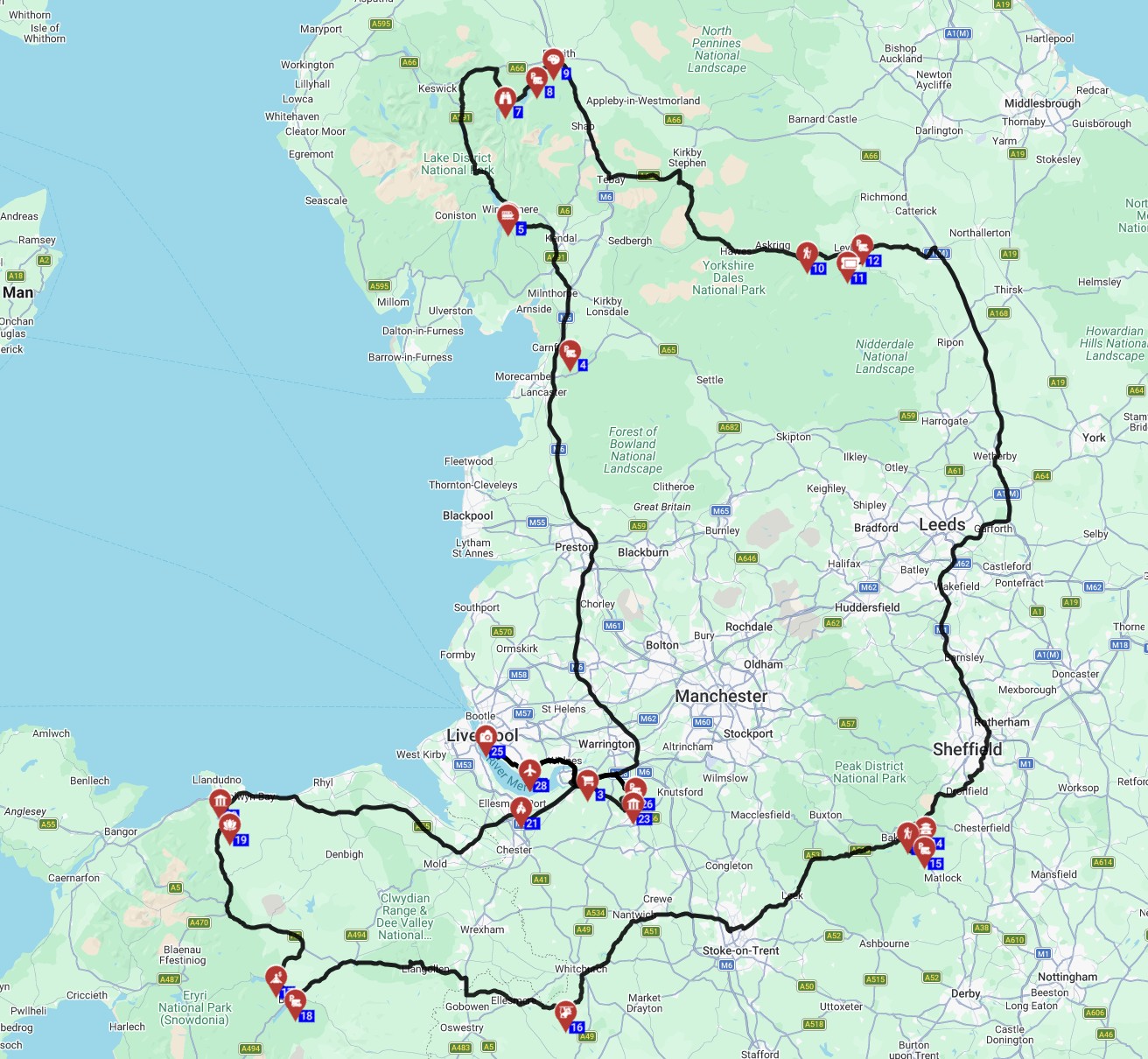
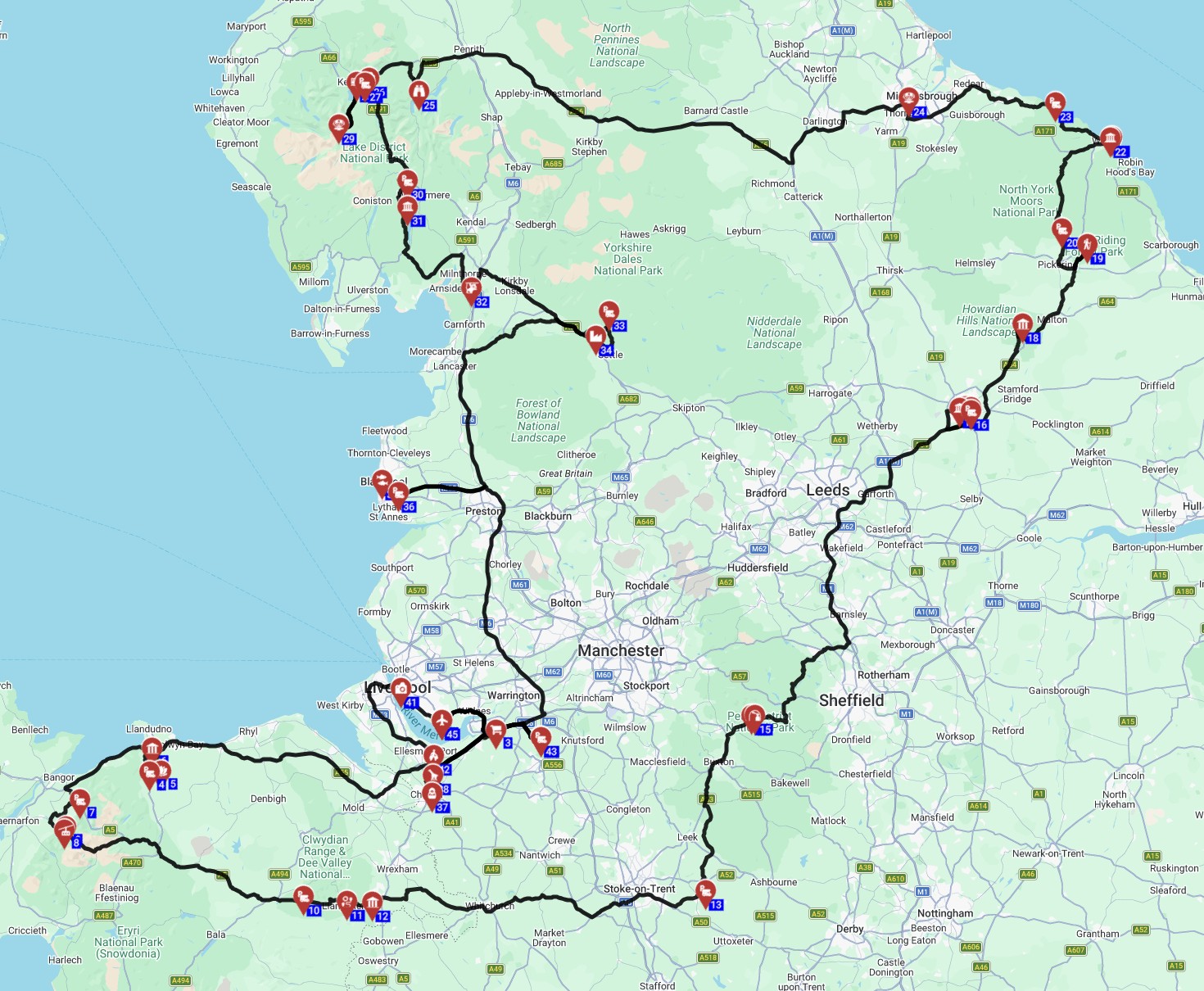
- Scenic Drive through the Lake District: Experience the breathtaking beauty of the Lake District, perhaps tackling a portion of the scenic route via Ambleside or Keswick (mind the narrow roads!).
- Visit Historic Cities: Immerse yourself in history by visiting cities like Bath with its Roman Baths, Oxford with its renowned university, or Canterbury with its magnificent cathedral.
- Coastal Exploration: Discover the stunning coastlines, from the dramatic cliffs of the Jurassic Coast in Dorset to the sandy beaches of Cornwall, finding perfect spots for a seaside stop.
- National Parks Adventure: Spend time in England's national parks, such as the Peak District or Yorkshire Dales, enjoying hiking and the expansive, open landscapes.
- Experience a Pub Stopover: Utilize the Brit Stops network or simply find a traditional country pub that welcomes RVs for an overnight stay and a hearty meal.
Final Thoughts
Embarking on a long-term RV adventure in England offers a unique and intimate way to discover the country's charm. From the historic lanes of ancient cities to the breathtaking vistas of national parks, a rented RV provides the perfect blend of comfort, flexibility, and freedom.
By understanding the nuances of driving, planning your routes with resources like RV PLANET, and embracing the slow travel philosophy, you're set for an unforgettable experience. So, pack your bags, hit the open road, and let the spirit of exploration guide you through the beautiful landscapes of England!