In This Guide
- Can You Drive an RV in Croatia? License & Age Rules
- Road Conditions & Terrain in Croatia
- RV Size Limits, Bridges & Restricted Zones
- Fuel: Diesel vs. Petrol & Cost per 100 km
- Tolls, Vignettes & Border Rules
- Driving Tips for long term rv rental Travelers
- Recommended RV Class for Croatia Roads
- Should I Choose a Compact Van Instead of a Large RV in Croatia?
- Can I Park Anywhere? Free & Wild Camping Rules in Croatia
- Can I Drive an RV Into the City Center? Heights, Tunnels & Local Signage
- What do I need to rent an RV in Croatia?
- How much does it cost to rent an RV in Croatia long term?
- What is the best time of year to RV in Croatia?
- Is it safe to RV in Croatia?
- Can you take an RV on a ferry in Croatia?
- Where can I empty my RV waste in Croatia?
- What are the rules for pets in RVs in Croatia?
- What kind of electrical outlets are in Croatian RV parks?
- Is it easy to find RV parks in Croatia?
Embarking on a long-term RV adventure through Croatia offers an unparalleled sense of freedom, allowing you to explore the stunning Adriatic coast, ancient cities, and lush national parks at your own pace. With a rented motorhome, you transform your journey into a personalized itinerary, connecting deeply with the culture, food, and breathtaking scenery. For live availability and current prices, start with our RV Rental Croatia - Complete Guide 2026 guide. Bandana RV has been helping tens of thousands of travelers explore the world by RV since 2001, making us true RV specialists, not just a travel agency side department.
Can You Drive an RV in Croatia? License & Age Rules
Yes, you can absolutely drive an RV in Croatia, and the process is straightforward for most international travelers. A standard B category driving license is typically sufficient for RVs up to 3,500 kg, which covers the majority of common rental motorhome models available from Bandana's direct partnerships with 50+ leading RV suppliers worldwide. Drivers must generally be at least 21 years old to rent an RV in Croatia, though some rental companies may require a minimum age of 23 or 25 years and usually a minimum of 2 years driving experience. For non-EU drivers, it is strongly advised to carry an International Driving Permit (IDP) alongside your national license, as it is often legally required and can smooth over any interactions with local authorities, although it's not always strictly mandatory. Keep in mind that for the very largest Class A or some heavier Class C motorhomes exceeding 3,500 kg, a C1 or C category license may be necessary, but these are less common for rental fleets.
Road Conditions & Terrain in Croatia
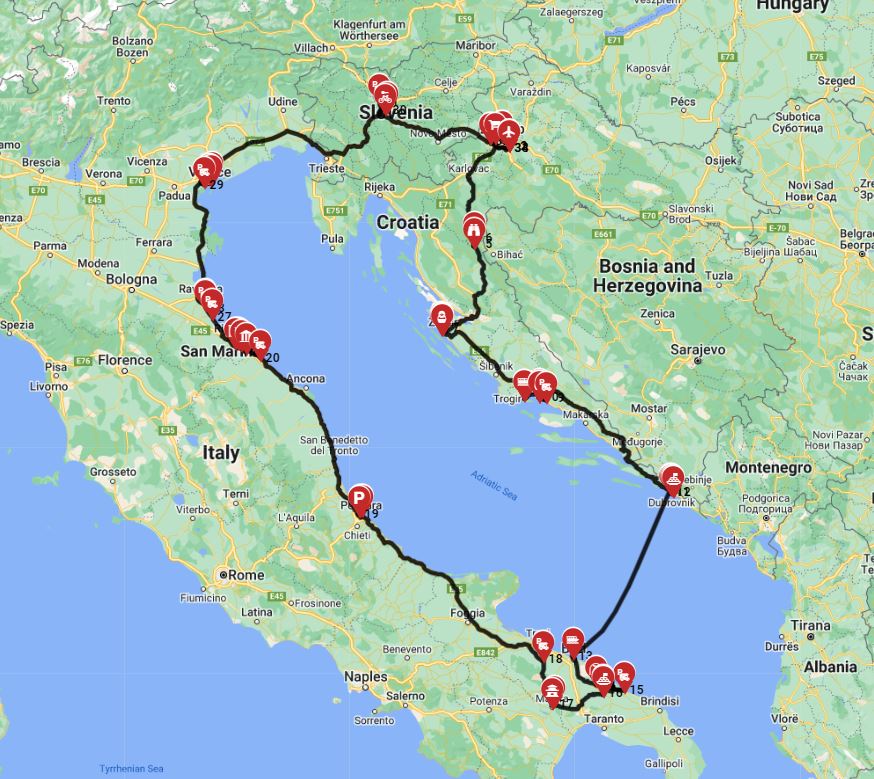
Croatia boasts a well-maintained network of highways connecting major cities like Zagreb, Split, and Dubrovnik, offering smooth and efficient travel for your rented motorhome. However, the country's diverse geography means that local and coastal roads can be significantly narrower and more winding, especially in the historic towns and along the stunning Adriatic coastline. The terrain varies dramatically, from the flat plains in the northeastern region of Slavonia to the rugged, mountainous Dinaric Alps and a highly indented, island-dotted coastline. Expect challenging routes on scenic coastal roads, such as sections of the D8 Adriatic Highway, and through mountain passes, requiring slower speeds and careful maneuvering with an RV or campervan. While main roads are paved, some rural areas or access roads to smaller, more secluded campsites might be unpaved, requiring extra caution, particularly during a long-term rental. For extended RV rentals in Croatia, embracing a slower pace, perhaps averaging max 100-150 km per day, allows for fully enjoying the diverse landscapes and navigating local nuances, such as the strong 'bura' wind along the coast.
RV Size Limits, Bridges & Restricted Zones
While Croatia does not impose universal strict size limits for RVs on all its roads, drivers must be aware that specific local restrictions, low bridges, or tunnels may exist, particularly in older towns and urban areas. It's crucial for drivers of any rented motorhome to always know their vehicle's exact height, width, and weight, paying close attention to posted signage before attempting to enter tunnels, underpasses, or historic city areas. Ferry crossings, a popular way to explore Croatia's islands, will categorize RVs by length and sometimes height, directly impacting the cost of passage and requiring advance booking for larger vehicles to ensure space. There are currently no nationwide environmental zones in Croatia that restrict RV access based on emissions, unlike some other European countries; however, travelers should always check for localized updates or seasonal restrictions, especially if driving through protected areas or national parks for long term rv rental. Drive slowly and carefully, and you can drive almost anywhere without issues. No need to stress - just use common sense and pay attention.
Fuel: Diesel vs. Petrol & Cost per 100 km
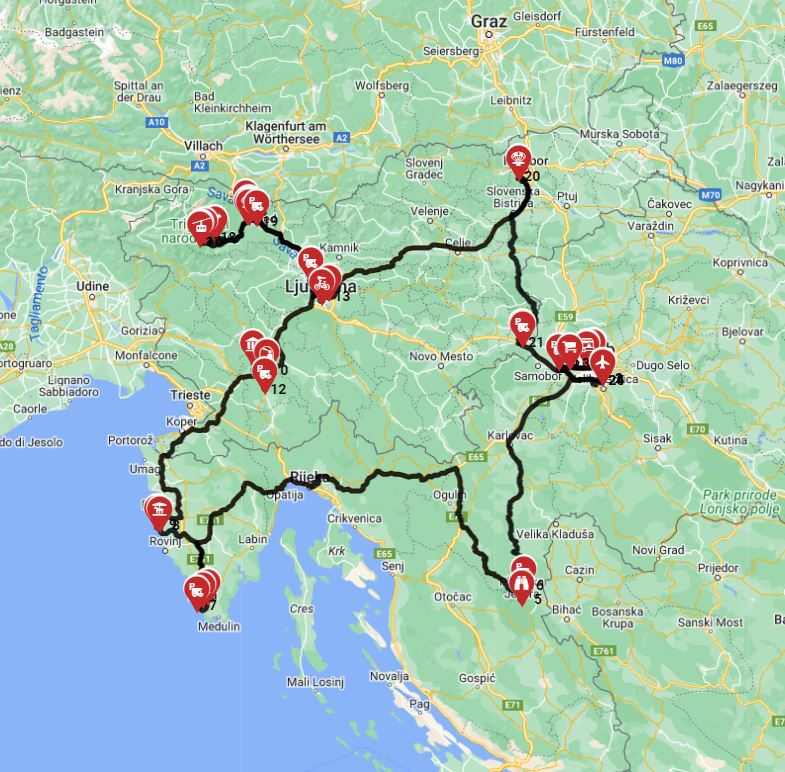
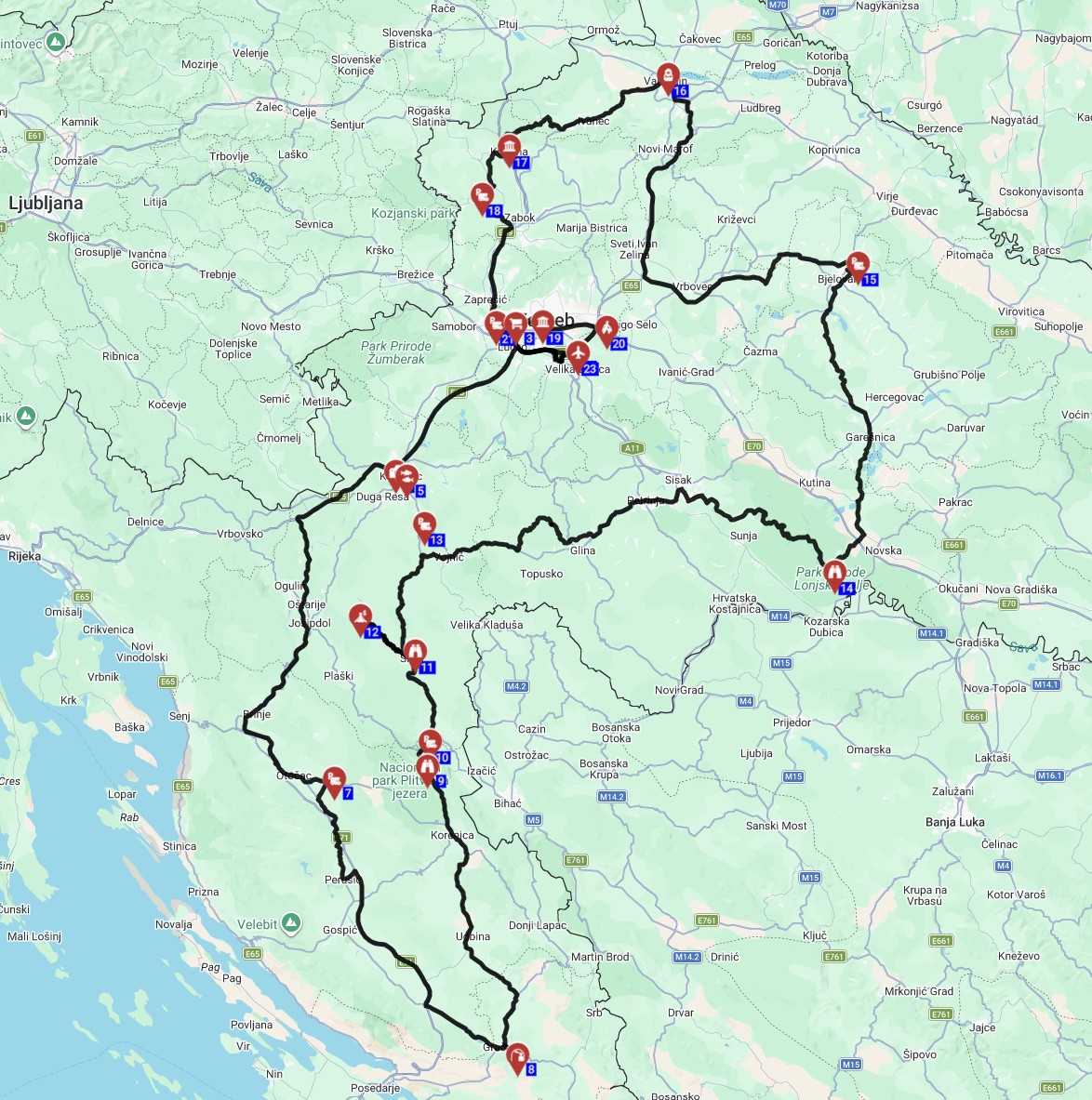
Most rental RVs and motorhomes in Croatia operate on diesel fuel, which is widely available at numerous fuel stations across the country. Petrol (gasoline) is also common, but primarily for smaller passenger cars, so ensuring your specific rented RV uses diesel is important. Based on Bandana's global fleet averages, a Class SI - Semi-integrated RV typically consumes around 10-11 Liters/100 km, while a Class C - Alcove RV averages slightly more at 10-12 Liters/100 km. For smaller Class B - Camper Vans, fuel consumption often ranges from 8-10 Liters/100 km, offering better fuel efficiency which can be a significant advantage for long-term travel. The actual cost per 100 km will fluctuate with dynamic global fuel prices, but you can effectively estimate your long-term budget by multiplying your RV's average consumption by the prevailing diesel price. Some rental agreements may offer fuel discount cards or special rates, which can provide valuable savings over an extended rental period. For comprehensive budgeting and tracking of all ancillary costs, including fuel, throughout your journey, you can utilize the detailed expense tracking available on RV PLANET routes. On the routes offered through RV PLANET routes, you can itemize and track every expense along the way for easy budgeting.
Tolls, Vignettes & Border Rules
Croatia primarily uses a distance-based toll system for its extensive network of modern highways, requiring payment at toll booths rather than a time-based vignette sticker common in some other European countries. Payments can be conveniently made at toll booths via cash (Euros), credit/debit card, or through an electronic toll collection (ETC) device known as an ENC, which provides discounted tolls and faster passage through dedicated lanes. Unlike neighboring countries like Slovenia or Hungary, Croatia does not use a vignette system for its main motorways. RVs are typically categorized into higher classes (e.g., Class II or III) for toll purposes based on height and axle count, meaning they will incur higher fees than standard cars. When planning a multi-country long term rv rental trip from Croatia, especially to neighboring countries like Slovenia, Hungary, or Bosnia and Herzegovina, it is crucial to be aware of their specific road tax requirements. Slovenia and Hungary, for instance, use vignette systems that must be purchased before entering their motorways, while Bosnia and Herzegovina have their own local toll systems. Some rental providers may offer the option to pre-purchase or rent an ENC device, which can be a wise investment for long-term renters to streamline travel and avoid potential fines.
Driving Tips for long term rv rental Travelers
For long-term RV travelers exploring Croatia, pacing yourself is paramount; avoid rushing and instead plan shorter driving days, ideally no more than 100-150 km per day on average, to fully savor the scenic routes and allow for spontaneous stops. If your journey includes island hopping, thorough research and advance booking of ferry tickets are essential, particularly for larger RVs and during the bustling peak season, as vehicle spaces are limited and ferry costs depend on your RV's size. Navigating city centers with a large motorhome can be challenging due to narrow streets and limited parking; consider parking in designated RV parking areas or paid lots on the city's periphery and utilizing public transport or bicycles to explore urban attractions. Drive slowly and carefully, and you can drive almost anywhere without issues. No need to stress - just use common sense and pay attention. Furthermore, be highly aware of the 'bura' wind, especially along the Adriatic coast, which can be intensely strong and lead to unexpected road closures for high-sided vehicles like RVs; always check local weather forecasts. Finally, always keep your driver's license, International Driving Permit (if applicable), RV registration, rental agreement, and insurance documents readily accessible for any roadside checks or emergencies.
Recommended RV Class for Croatia Roads
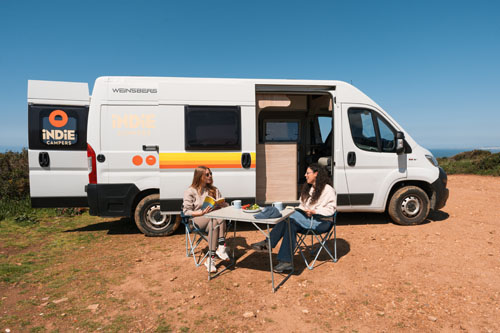
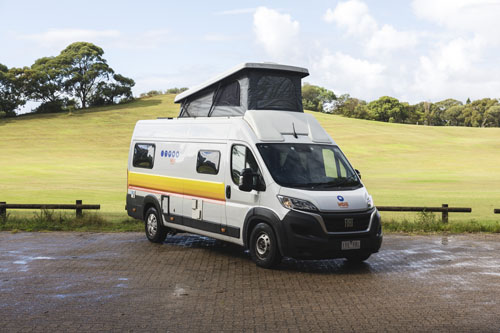
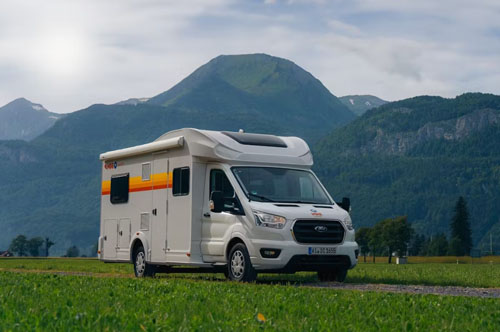
For optimal navigation of Croatia's diverse road network, a Class B - Camper Van is often highly recommended, with models in Bandana's fleet averaging 5.8m in length, offering superb maneuverability for negotiating narrow coastal routes and accessing city areas. Alternatively, a Class SI - Semi-integrated RV, typically averaging 6.9m in length, provides a comfortable balance of living space for longer trips while remaining manageable on most Croatian roads. Both of these classes offer adequate ground clearance for varying road conditions and fit more easily into many campsites and ferry spaces compared to larger, fully integrated Class A or Class C Alcove motorhomes. While larger RVs like a 7.5m long Class C - Alcove or Class A - Integrated can certainly traverse Croatia's main highways with ease, their increased length and width may present more challenges on tight village streets, smaller parking lots, or during ferry embarkation, making the more compact options a better fit for exploring every corner of Croatia over a long-term rental.
Should I Choose a Compact Van Instead of a Large RV in Croatia?
The decision between a compact van (Class B - Camper Van) and a larger RV (Class SI or C) for your long term rv rental in Croatia truly depends on your preferred travel style. A compact van offers superior maneuverability, making it ideal for navigating Croatia's often narrow coastal roads, tight historic town centers, and finding easier parking spots in popular destinations like Dubrovnik or Split. These smaller vehicles are perfect for travelers who prioritize flexibility and urban exploration. However, for a long-term rental, the enhanced comfort, more extensive indoor living space, separate sleeping areas, and larger amenities (like a more spacious kitchen or bathroom) of a full-size Class SI or Class C motorhome often outweigh the minor maneuverability challenges encountered on main routes. If your itinerary prioritizes scenic drives between major destinations and staying at well-equipped campsites, a larger RV provides a more luxurious and spacious home-on-wheels without significant drawbacks. Imagine cooking a full meal in your well-equipped kitchen; check out our RV-friendly recipes playlist for ideas. Ultimately, a compact van shines for ultimate flexibility in urban environments, while a larger RV delivers enhanced living comfort for extended stays. Find your ideal fit by exploring options for long term rv rental in Croatia.
Can I Park Anywhere? Free & Wild Camping Rules in Croatia
No, you generally cannot park your rented RV anywhere in Croatia; wild camping, or "free camping," is widely illegal and strictly enforced by local authorities. This prohibition is particularly stringent in national parks, along the popular coastal areas, and near major tourist attractions. Overnight parking outside of officially designated campsites can lead to significant fines, potentially up to €400, and may even involve legal issues, making official campsites or pre-arranged private accommodations the only legal options for overnight stays. For long-term RVers seeking more unique and authentic alternatives to traditional, often crowded, campsites, some small family-run farms, vineyards, or agritourism sites may welcome RVs for overnight stays. These "farm-stays" often offer a more local experience, sometimes in exchange for purchasing local produce or services. Always seek explicit permission from private landowners before parking overnight on their property, and meticulously respect local customs and environmental guidelines to minimize your impact. Rules can vary by region within Croatia, so it is always wise to check local regulations or consult with campsite owners before parking overnight to avoid any issues.
Can I Drive an RV Into the City Center? Heights, Tunnels & Local Signage
Yes, you can drive a rented RV into the outskirts or even some parts of Croatian city centers, but exercising careful attention to local signage is absolutely paramount. RV drivers must remain vigilant for height and weight restrictions, which are frequently posted on roads leading into historic old towns, before tunnels, under low bridges, or at the entrance to multi-story car parks. Many historic city centers, such as those in Split or Zadar, are pedestrianized or have residents-only access zones, often clearly indicated by specific local signage; larger RVs should actively avoid these areas to prevent fines and difficult maneuvers. Parking typically presents the main challenge for RVs in city centers; it is often far more practical and stress-free to park in designated RV parking areas or paid lots on the city's periphery and then use Croatia's efficient public transport system or even bicycles to explore urban attractions. Croatia currently has no widespread environmental zones that restrict RV access based on emissions, but always consult local information for specific urban areas, especially for long term rv rental, to ensure a smooth and enjoyable visit.
🎬 Video coming soon
What do I need to rent an RV in Croatia?
To rent an RV in Croatia, you typically need a few key documents and meet certain requirements. First and foremost, a valid driver's license is essential; for most standard rental motorhomes up to 3,500 kg, a regular B category driving license from your home country is sufficient. Drivers are usually required to be at least 21 years old. For non-EU citizens, carrying an International Driving Permit (IDP) alongside your national license is not just recommended, but often a legal requirement for driving in Croatia, providing a standardized translation of your license. A valid credit card is also indispensable for covering the security deposit, which can be substantial (ranging from €800 to €2,000+ depending on the vehicle class and supplier), and a passport or national ID card will be required for identification at the rental desk. Before you pick up your long term rv rental, ensure you have your booking confirmation, a thorough understanding of the rental agreement terms, including insurance coverage details, mileage limits, and breakdown assistance information. Bandana Caravan ensures full transparency, so there are no hidden fees or surprises.
How much does it cost to rent an RV in Croatia long term?
The cost to rent an RV in Croatia long-term varies significantly based on factors such as RV class, season, and the overall rental duration. Typically, daily rates can range from €70-€150 in shoulder seasons (May-June, September-October) to €150-€300+ during the peak summer months (July-August) for popular Class C motorhomes or larger campervans. Beyond the base rental fees, travelers on a long term rv rental in Croatia should budget for several daily expenses, including fuel (e.g., a Class SI RV averaging 10-11 Liters/100 km, or a Class B Camper Van averaging 8-10 Liters/100 km), distance-based tolls (which are higher for RVs than cars), and ferry crossings, where costs are determined by the RV's length and route. Campsite fees typically range from €20-€40 per night for basic sites to €50-€100+ for resort-style campgrounds with extensive amenities, depending on location and time of year. Don't forget to budget for food and groceries, which can be managed economically by cooking meals in your rented RV, and allocate funds for occasional restaurant meals and tourist activities. An in-depth cost breakdown for a long-term trip should factor in all these elements, with potential daily total budgets ranging from €100-€250+ depending on your travel style and choice of RV. For flexible pricing and comprehensive options, explore our RV Rental in Croatia - Prices and Best Deals 2026 guide.
What is the best time of year to RV in Croatia?
The best time to plan your long term rv rental in Croatia is during the shoulder seasons, specifically from May to early June and then from September to October. These periods offer a perfect blend of pleasant weather, fewer crowds at popular attractions, and generally lower prices for both campsites and RV rentals, making for a more relaxed and budget-friendly experience. During the shoulder seasons, most tourist attractions are fully operational, the Adriatic Sea is warm enough for swimming, and the roads are less congested, allowing for a more enjoyable RV journey. Campsite availability is excellent, with many offering competitive rates, though some smaller, family-run sites might operate only within the core summer months. While peak summer (July-August) guarantees hot, sunny weather and a vibrant atmosphere, it also brings crowded beaches, fully booked campsites requiring extensive advance reservations, higher prices for everything from rentals to ferries, and significantly more road traffic. Conversely, off-season travel from November to April offers solitude and very low costs but means many campsites, restaurants, and attractions will be closed, and the weather can be unpredictable with cooler temperatures, more rain, and strong 'bura' winds along the coast.
Is it safe to RV in Croatia?
Croatia is widely considered a very safe country for RV travel, featuring low crime rates, and tourists are rarely targeted by serious criminal activity. When embarking on your long term rv rental in Croatia, standard precautions are always advisable: consistently secure your RV, lock all doors and windows, and avoid leaving valuables in plain sight, especially when parked in busy tourist areas or unsupervised parking lots. Road safety is generally good, but RVers should remain mindful of narrow, winding roads, particularly along the captivating Adriatic coast, and be prepared for local drivers who may drive more assertively than you are accustomed to. In the unlikely event of a mechanical breakdown, emergency assistance is readily available by dialing 112 for general emergencies or 1987 for roadside assistance from HAK, the Croatian Automobile Club; English-speaking operators are often available, or translation apps can be very helpful. For medical emergencies, dial 112 for an ambulance. For specialized RV repair, major cities or larger, resort-style campsites can often provide information on local mechanics, though dedicated RV service centers may be limited outside of major hubs. Our 24/7 support means real people are behind you before and after your booking, ensuring a smooth planning experience.
Can you take an RV on a ferry in Croatia?
Yes, RVs can generally be taken on ferries to Croatia's numerous stunning islands, with Jadrolinija being the primary ferry operator providing extensive vehicle transport services. It is absolutely crucial to book ferry tickets for your rented RV well in advance, especially if you plan to travel during the peak summer months of July and August, as vehicle spaces are limited and can sell out very quickly. Ferry costs for RVs are determined by their specific length and sometimes height, with longer and taller vehicles incurring higher fees; precise measurements of your rental RV are necessary when making a booking. Best practices for ferry travel include arriving at the ferry port early, ideally 60-90 minutes before your scheduled departure, to ensure you secure your spot and allow ample time for boarding procedures. Ferry navigation can be a critical logistical component for long-term RVers hoping to explore islands like Hvar, Korčula, or Brač, so research specific routes, schedules, and alternative operators (such as Rapska Plovidba or G&V Line Iadera) to plan your island-hopping adventure effectively. This detailed planning ensures your journey to discover hidden gems remains seamless.
Where can I empty my RV waste in Croatia?
In Croatia, RV waste, specifically greywater and blackwater, must be emptied only at designated dump stations to comply with environmental regulations and local laws. These essential facilities are readily available at virtually all official campsites across the country, especially those along the popular coastal regions and near national parks. Many larger campsites offer dedicated service points that provide comprehensive facilities for emptying both greywater and blackwater tanks, refilling fresh water tanks, and often supplying chemical toilet disposal facilities. It is strictly illegal and environmentally irresponsible to dispose of RV waste in undesignated areas, such such as public drains, roadside pull-offs, or any natural environments, and doing so can result in significant fines and environmental damage. To easily locate the nearest dump stations, especially when exploring less-developed areas where facilities might be less frequent, utilize RV-specific apps like Campercontact or Park4Night, or consult with campground staff. Practicing sustainable and responsible RVing, including proper waste disposal, is crucial for preserving Croatia's pristine natural beauty and respecting its local communities.
What are the rules for pets in RVs in Croatia?
Croatia is generally a pet-friendly destination, and traveling with your furry companions in a rented RV is usually possible, but specific rules and documentation are required for their entry and throughout your stay. All pets must have a valid EU Pet Passport, be microchipped for identification, and be up-to-date on their rabies vaccinations, which must have been administered at least 21 days prior to your entry into Croatia. Many campsites across Croatia are designated as pet-friendly, but it is always advisable to check their specific policies regarding pet size, any breed restrictions, and whether additional fees apply before making a booking, especially for a long term rv rental. When outside your RV, pets must be kept on a leash in all public areas, and it's important to note that certain beaches, national parks, or attractions may have restrictions or designated pet-friendly zones. Always carry waste bags and diligently clean up after your pet to adhere to local regulations, maintain good relations with other travelers, and respect the pristine Croatian environment.
What kind of electrical outlets are in Croatian RV parks?
Croatian RV parks and campgrounds primarily use standard European electrical outlets, typically Type F (Schuko) or Type C sockets, which supply 230V at 50Hz. Most modern rental RVs are equipped with the distinct "blue" CEE 17 camping plug, which is the widely recognized standard connector for campsite hook-ups throughout Europe. Your RV rental company will generally provide you with an appropriate adapter cable to connect your motorhome to the campsite's electrical pedestal, but it's always a good idea to carry your own universal travel adapter for any other sockets you might encounter on your long-term trip. Campsite electrical hook-ups usually offer between 10-16 amps of power, which is typically sufficient for running all standard RV appliances, but it's wise to confirm the exact amperage provided at your specific pitch when booking or checking in. Beyond electrical hook-ups, many campsites offer Wi-Fi services, though connection quality can vary. Rest assured, cellular data coverage is generally good across Croatia, particularly along the coast and in more populated areas, ensuring you stay connected throughout your journey.
Is it easy to find RV parks in Croatia?
Yes, finding RV parks and campsites in Croatia is generally very easy, especially along the popular Adriatic coast, on its numerous islands, and in close proximity to major tourist destinations. Croatia offers a diverse array of camping options to suit every preference, ranging from large, resort-style parks boasting extensive amenities like swimming pools, restaurants, and entertainment programs, to smaller, charming family-run sites and eco-camps nestled in more serene natural settings. During the peak summer season (July-August), many of the most popular RV parks can become fully booked, making advance reservations highly recommended, particularly for long-term stays. For long-term RVers seeking unique experiences and potentially better value, a valuable alternative to traditional parks lies in exploring small family-run farms, vineyards, or agritourism sites that welcome RVs for overnight stays, often providing authentic local experiences. Dedicated apps like Campercontact, Park4Night, and even Google Maps are excellent and reliable resources for efficiently locating, reviewing, and navigating to RV parks and potential alternative overnight spots throughout the country. Plan a trip itinerary in advance with minimal effort and maximum enjoyment using these tools.
What You Shouldn't Miss
- **Explore Plitvice Lakes National Park:** Witness the breathtaking cascade of 16 terraced lakes connected by waterfalls, a UNESCO World Heritage site, by parking your RV at nearby campsites and taking dedicated walking trails.
- **Island Hop the Dalmatian Coast:** Take your rented motorhome on a ferry to explore islands like Hvar, Brač, or Korčula, experiencing secluded beaches, charming villages, and vibrant coastal towns. Remember to book ferries in advance!
- **Wander Dubrovnik's Old City Walls:** Drive your RV to the city's outskirts, then use public transport to immerse yourself in the historic walled city, a UNESCO site with spectacular views and rich history.
- **Discover Istria's Hilltop Towns and Truffle Country:** Drive your campervan through the rolling hills of the Istrian peninsula, stopping in medieval towns like Motovun and Grožnjan, and indulging in local truffle delicacies and wine tasting experiences.
- **Relax by the Sea Organ in Zadar:** Park your RV in Zadar and enjoy the unique experience of the Sea Organ, an art installation that plays music using the waves, especially beautiful at sunset alongside the Greeting to the Sun light installation.
- **Looking for expert insights from Avi Bandana?** Top 5 Adventures - recommendations from Avi Bandana will guide you to truly special places.
Final Thoughts
A long-term RV rental in Croatia offers an incredible opportunity to immerse yourself in a country rich with natural beauty, history, and vibrant culture. From the sun-drenched islands to the majestic mountains, a motorhome provides the flexibility and comfort to truly discover Croatia at your own pace. Remember to embrace the local rhythm, drive slowly to savor every moment, and plan your stops to enjoy both popular attractions and hidden gems.
At Bandana RV, we are passionate about making your RV travel dreams a reality. We offer full transparency, dedicated support from real people, and expert route plans through RV PLANET, ensuring your journey is as smooth and enjoyable as possible. So, imagine yourself waking up to a new, breathtaking view each morning, with the freedom of your home-on-wheels. Your Croatian adventure awaits!
Get inspired for your next trip! Explore more and compare long term rv rental prices for Croatia to start your unforgettable journey now.