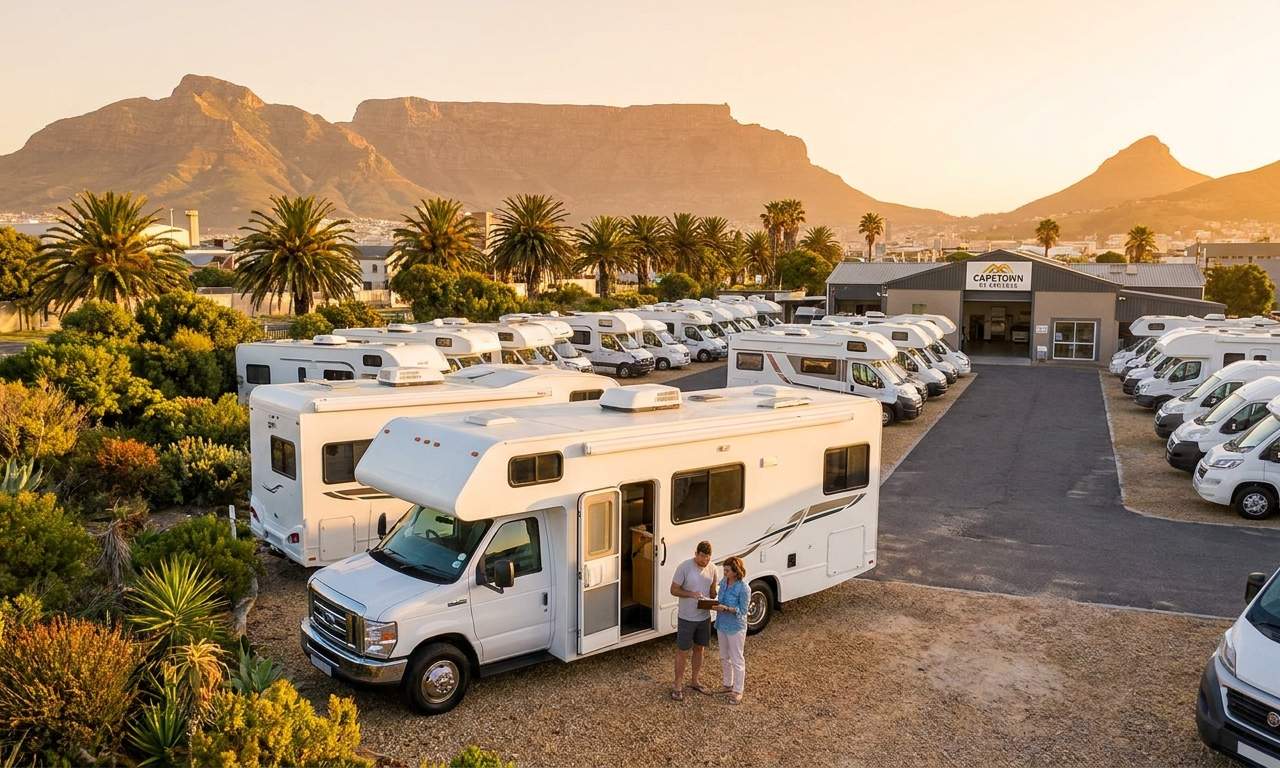
For live availability and current prices, start with our RV Rental Cape Town - Complete Guide 2026 guide.
In This Guide
- Can You Drive an RV in Cape Town? License & Age Rules
- Road Conditions & Terrain in Cape Town
- RV Size Limits, Bridges & Restricted Zones
- Fuel: Diesel vs. Petrol & Cost per 100 km
- Tolls, Vignettes & Border Rules
- Driving Tips for long term rv rental Travelers
- Recommended RV Class for Cape Town Roads
- Should I Choose a Compact Van Instead of a Large RV in Cape Town?
- Can I Park Anywhere? Free & Wild Camping Rules in Cape Town
- Can I Drive an RV Into the City Center? Heights, Tunnels & Local Signage
- How Much Does it Cost to Rent a Long-Term RV or Campervan in Cape Town?
- Do I need a 4x4 for South Africa?
- Can you live in a campervan in South Africa?
- Is it safe to travel in an RV in South Africa?
- What are Unique Long-Term RV Routes and Hidden Gems Near Cape Town?
- RV Maintenance, Waste Disposal, and Water Refills in Cape Town
- Staying Connected and Off-Grid Living for Long-Term RVers in Cape Town
- Responsible RVing and Cultural Etiquette in Cape Town
- Post-COVID Travel Considerations for RV Rentals in Cape Town 2024
Imagine embarking on an extended adventure through South Africa's stunning landscapes, with the vibrant city of Cape Town as your starting point. A long-term RV rental offers unparalleled freedom to explore the Cape Peninsula's dramatic coastlines, lush Winelands, and rugged mountains at your own pace. For live availability and current prices, start with our RV Rental Cape Town - Complete Guide 2024 guide, which provides comprehensive information to kickstart your journey. Bandana RV, founded in 2001, has over 23 years of experience helping tens of thousands of travelers discover the world by RV, ensuring you get transparent pricing and expert advice for your long-term RV driving in Cape Town.
Choosing a long-term motorhome rental in Cape Town means more than just a vacation; it's an opportunity to truly immerse yourself in the local culture, savor the diverse cuisine, and linger in breathtaking natural settings. With no hidden fees or surprises, Bandana RV prides itself on full transparency, ensuring what you see is what you pay. Whether you're planning a week-long trip, a two-week adventure, or an even longer journey, we're here to support you before, during, and after your booking, offering personal service every step of the way.
Can You Drive an RV in Cape Town? License & Age Rules
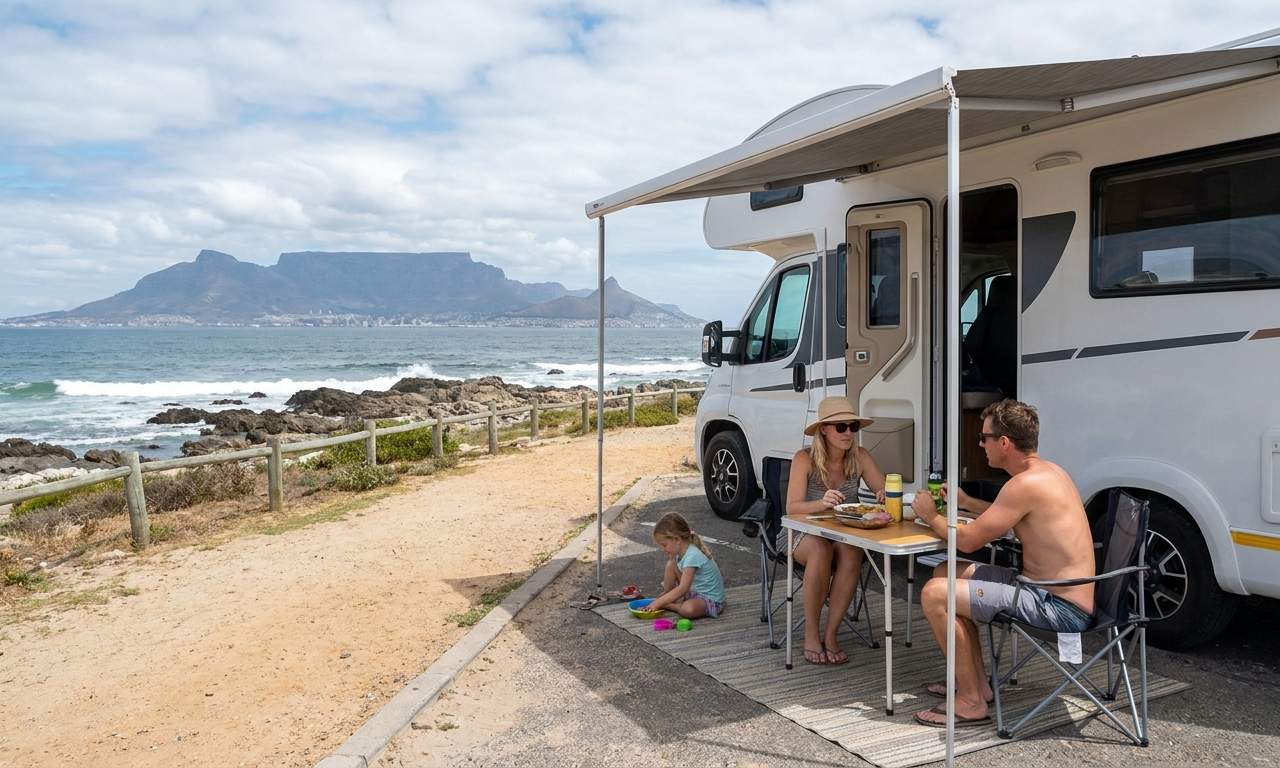
In Cape Town, a standard car driver's license (typically a B or Code 08 license) is generally sufficient for driving all motorhome classes, including Class A, Class B, and Class C RVs, as long as the Gross Vehicle Mass (GVM) does not exceed 3,500 kg. For larger motorhomes, while not common in Bandana's rental fleet for standard licenses, it's always wise to confirm specific requirements with your rental provider to ensure compliance.
The minimum driver age for an RV rental in Cape Town through Bandana is 21 years old, and importantly, there are no young driver surcharges or vehicle class restrictions based on age. Foreign drivers from non-English-speaking countries are recommended to carry an International Driving Permit (IDP) translated into English, although it is not mandatory in most cases. Always double-check with local traffic authorities and your rental agreement for any specific provincial regulations.
Road Conditions & Terrain in Cape Town
Cape Town boasts well-maintained primary roads, including national highways like the N1 and N2, and iconic scenic routes such as Chapman's Peak Drive, which are suitable for all types of rented RVs. The terrain surrounding Cape Town varies dramatically from flat urban areas to majestic mountainous regions, particularly around Table Mountain National Park, and spectacular coastal stretches.
When driving a long-term RV rental, allocate generous travel time, as the sheer beauty of the Western Cape naturally encourages a slower pace, especially on winding coastal roads and mountain passes. While most main roads are paved and in excellent condition, some secondary routes leading to more remote natural attractions or national parks might involve well-maintained gravel roads. Just drive slowly and carefully, and you can drive almost anywhere without issues. No need to stress - just use common sense and pay attention.
RV Size Limits, Bridges & Restricted Zones
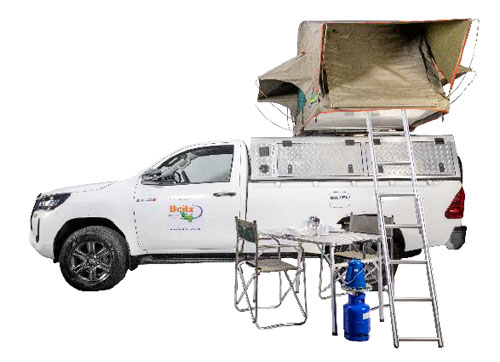
Most rented RVs can navigate Cape Town's main thoroughfares without issue; however, drivers should remain aware of height restrictions when approaching older tunnels, certain parking garages in the city center, or underpasses, though specific numbers vary. Major routes and national highways around Cape Town do not typically impose strict RV length or width restrictions, but navigating tight turns in historic neighborhoods like Bo-Kaap or specific mountain passes requires careful attention, especially for larger vehicles. For a comfortable long-term stay, models like the Class C Alcove (approx. 7.6m long) or Class SI Semi-integrated (approx. 6.7m long) are popular choices among our partners like Apollo and Britz.
Cape Town does not currently have environmental zones (like Low Emission Zones in Europe) that restrict RV access based on emissions, providing greater flexibility for long-term renters to explore the city freely. It is essential to continuously monitor local signage for any temporary road closures, weight limits, or specific vehicle restrictions that may be in effect for localized areas, special events, or during certain times near iconic landmarks such as the V&A Waterfront.
Fuel: Diesel vs. Petrol & Cost per 100 km
Most rented motorhomes and campervans in Cape Town's rental fleets, including those from Bandana's partner suppliers like Britz and Apollo, typically run on diesel fuel, which is readily available at service stations throughout South Africa. For Bandana's local fleet, Class B Camper Vans average 6-11 liters per 100 km, while Class SI Semi-integrated, Class C Alcove, and Class TC Truck Campers typically average 11-12 liters per 100 km, giving you a good estimate for long-term trip budgeting. On the routes offered through RV PLANET routes, you can itemize and track every expense along the way for easy budgeting.
Fuel costs in South Africa are dynamic, similar to flight tickets, and generally, diesel is slightly more economical than petrol; always check current prices when planning your long-term RV rental budget. Some long-term RV rental agreements might offer specific arrangements or advice on managing fuel costs over an extended period. For a comprehensive overview of prices and best deals, check our RV Rental in Cape Town - Prices and Best Deals 2024 guide.
Tolls, Vignettes & Border Rules
South Africa operates a system of toll plazas on its major national routes rather than a vignette system, meaning tolls are paid at specific points on highways like the N1 heading towards Stellenbosch or the N2 towards George from Cape Town. Electronic toll systems are in place in many areas, and larger vehicles such as RVs are often charged a higher category fee due to their size and weight.
For your long-term rental, inquire with your chosen supplier if they offer any pre-purchased toll passes or solutions to streamline payments, helping you avoid potential fines for unpaid tolls. If your long-term RV adventure includes plans to cross into neighboring countries like Namibia or Botswana, specific cross-border permits from the rental company are mandatory, along with original vehicle registration documents and a letter of authority, which must be arranged well in advance to ensure a smooth journey. Remember to factor these potential costs into your budget; for easy tracking of all trip expenses, consider using RV PLANET routes, which allow you to itemize and track every expense.
Driving Tips for long term rv rental Travelers
For families enjoying a long-term RV rental in Cape Town, planning frequent stops every 2-3 hours is crucial to mitigate driver fatigue and allow everyone to stretch and enjoy the scenery, particularly on extensive drives out of the city like towards the Garden Route. Drive slowly, with a maximum average of 100-150 km per day, allowing ample time to immerse yourself in the culture, food, and landscapes. This mindful approach to travel is a cornerstone of the Bandana philosophy: we handle the details, you live the journey.
Always drive defensively, maintaining ample following distances, and remain vigilant for wildlife, especially when transitioning from urban roads to rural areas at dawn or dusk. Familiarize yourself with local road signs and strictly adhere to speed limits, which are enforced in the Western Cape. When planning your route, consider checking our RV Travel Guide to Cape Town - Tips and Top Spots 2024 for local insights. For those looking to budget, compare Motorhome Prices for Cape Town well in advance to secure the best rates.
🎬 Video coming soon
Recommended RV Class for Cape Town Roads
For navigating Cape Town's diverse road network and exploring the broader Western Cape region, Class B Camper Vans and Class SI Semi-integrated RVs are highly recommended due to their optimal balance of maneuverability, comfort, and amenities for long-term travel. A Class B Camper Van, like the 'rv rental denver example Category Van' which averages around 5.6 meters in length, offers excellent agility for city driving, parking in tighter spots in areas like Camps Bay, and accessing narrower coastal roads, while still comfortably sleeping up to 3 adults.
Alternatively, Class SI Semi-integrated RVs, such as the '2 Berth Rover' or '2 Berth Tamar' which typically average 6.7 meters, provide more expansive living and sleeping quarters for up to 4 adults. This makes them ideal for extended stays where additional indoor space is valued, without significantly compromising drivability on Cape Town's main arteries and well-maintained regional roads. Both classes offer sufficient ground clearance for paved roads and most well-maintained gravel tracks encountered when venturing into scenic areas like the Cederberg.
Should I Choose a Compact Van Instead of a Large RV in Cape Town?
While a compact van certainly offers enhanced maneuverability for extremely tight city parking spots or very narrow mountain passes, most standard RV sizes, including Class C Alcoves and Class SI Semi-integrated models (averaging 6.7m), generally pose no significant issue on Cape Town's main roads and highways. For long-term rentals, the increased comfort, generous indoor space, and superior amenities of a larger RV often provide a better experience for extended living compared to the marginal maneuverability benefits of a compact van.
A compact campervan (like a Class B Camper Van, averaging 5.6m) can be genuinely advantageous if your long-term plan involves frequent parking in dense urban areas like Gardens or accessing very specific, highly restricted routes. However, if your long-term journey includes considerable time at well-equipped campsites, entertaining guests, or simply desiring more spacious living quarters, opting for a larger RV offers a more comfortable and functional trade-off. Bandana RV's comprehensive comparison tools help you find the perfect fit, ensuring full transparency in your choice.
Can I Park Anywhere? Free & Wild Camping Rules in Cape Town
Wild camping and free overnight parking are generally prohibited and strictly enforced in Cape Town and within South Africa's national parks, nature reserves, and private land without explicit permission. Travelers are expected to utilize designated campsites or private properties for overnight stays to ensure safety and adherence to local regulations. Violations can lead to significant penalties, including fines or even vehicle impoundment, making it critical for long-term renters to meticulously plan their overnight stops in advance. For specific long term rv rental options and rules, consult our Weekly RV Rental in Cape Town - Pricing 2024 guide.
Fortunately, the Western Cape offers a wide array of well-equipped and secure campsites that provide essential facilities like power hookups, fresh water, and ablution blocks. These sites are ideal for long-term RV living, offering a community atmosphere and peace of mind. Always research and book your campsites ahead, especially during peak season (December-February), and remember that rules can vary by region; always check local regulations before parking overnight.
Can I Drive an RV Into the City Center? Heights, Tunnels & Local Signage
Yes, you can generally drive a rented RV into Cape Town's city center, as major arterial roads like Buitengracht Street and Nelson Mandela Boulevard are designed to accommodate a variety of vehicle sizes. However, RV drivers must remain highly observant of local signage, particularly for height limits in specific tunnels or older infrastructure which can range from 3.5m-4.2m. While Cape Town does not currently have specific environmental zones (LEZ) restricting RV access, be mindful of residents-only parking restrictions and the inherent challenges of finding suitable, secure parking for a larger vehicle in densely populated urban areas, such as near the Company's Garden.
Always endeavor to scout parking options in advance if your long-term itinerary includes extensive exploration of the city center. For example, the well-maintained Huguenot Tunnel on the N1 is RV-friendly. Keep in mind that scenic routes like Chapman's Peak Drive, while RV accessible, have specific vehicle size limits not related to height, and require careful driving due to their winding nature. Drive slowly and carefully, and you can drive almost anywhere without issues. No need to stress - just use common sense and pay attention.
How Much Does it Cost to Rent a Long-Term RV or Campervan in Cape Town?
The cost to rent a long-term RV or campervan in Cape Town is dynamic, changing daily based on factors such as vehicle class, rental duration, and seasonality, similar to flight tickets. However, daily rates generally become more economical for longer rental periods, typically a month or more. You can expect monthly rental costs to range from approximately R20,000 to R50,000+ (South African Rand), depending on your choice of vehicle, whether a compact Class B Camper Van like the 'Juliette 2-3' or a more spacious Class C Alcove for a family of 2+2.
Long-term rentals often provide more favorable daily rates compared to short-term hires, and some suppliers may offer additional benefits such as increased mileage allowances or discounted insurance excess for extended periods. Beyond the base rental fee, budget for ancillary costs such as fuel (expect 6-12 liters per 100 km depending on vehicle), campground fees (R200-R600 per night), and potential cross-border permits if you plan to explore beyond South Africa. Always request a detailed, transparent quote for your specific long-term duration, ensuring all inclusions and potential extra fees are understood before confirming your booking. For flexible travelers, exploring options in the shoulder seasons (March-May and September-November) can often yield more competitive rates, as highlighted in our Cheap RV Rental in Cape Town - Budget Guide 2024.
Do I need a 4x4 for South Africa?
For the vast majority of major tourist routes, national parks, and well-maintained roads around Cape Town and across South Africa, a standard 2WD RV (such as Bandana's Class B, SI, C, or TC models like the 'cruise america rv rental example Explorer') is perfectly adequate, and a 4x4 is not strictly necessary. These vehicles offer robust performance on tarred and most well-graded gravel roads, providing comfort and reliability for your long-term journey.
However, if your long-term travel plans specifically include venturing into very remote wilderness areas, deeply unpaved tracks, or certain national parks known for challenging off-road conditions (like some routes in the Kgalagadi Transfrontier Park or rugged sections of the Cederberg Wilderness Area), then a 4x4 RV or a vehicle with greater off-road capability would be advantageous. If true remote exploration is a priority, discussing your itinerary with Bandana's true RV specialists can help you determine the best vehicle type to match your adventure around South Africa. Many suppliers offer a variety of options, so you'll find a rented RV that fits your needs.
Can you live in a campervan in South Africa?
Yes, adopting a long-term campervan lifestyle in South Africa, especially around Cape Town and the picturesque Western Cape, is certainly feasible and an increasingly popular choice for adventurers seeking flexibility and close proximity to nature. For an extended period of travel, careful planning is essential, including secure overnight parking predominantly in designated campsites, systematic waste disposal practices, and consistent access to water refill stations, along with other essential services.
While South Africa does not have specific 'campervan living permits,' long-term visitors from other countries must ensure they hold appropriate visas for extended stays, such as a long-stay visitor visa. Connecting with local RV communities or online forums can provide invaluable insights into popular long-term camping spots in areas like the Cape Winelands, offer community support, and share practical tips for prolonged stays around Cape Town. Budgeting for ongoing campsite fees, fuel, occasional maintenance, and daily living expenses is crucial for a sustainable and enjoyable long-term rented motorhome adventure. We recommend searching for campsites and resources on RV PLANET (rvplan.net) during your trip for locating available spots along your route.
Is it safe to travel in an RV in South Africa?
Traveling in a rented RV in South Africa can be a safe and profoundly rewarding experience, particularly with thorough planning and adherence to recommended safety protocols, allowing long-term renters to confidently explore the country's breathtaking and diverse landscapes. Prioritize secure overnight parking by consistently utilizing established and reputable campsites or caravan parks, which typically offer guarded premises, fencing, and essential facilities, especially around Cape Town and popular tourist routes like the Garden Route.
It's important to adopt common-sense safety practices such as avoiding driving at night outside major well-lit areas, keeping valuables out of sight within your motorhome, and maintaining awareness of your surroundings, especially in urban centers or unfamiliar places. For remote areas, ensure your RV is well-maintained, carry a reliable communication device, and always inform someone of your intended itinerary. Research specific areas, like certain townships in the Cape Flats, that are best avoided based on current local advice, and for any roadside emergencies, contact your rental company's 24/7 support line or local emergency services (10111 for police, 10177 for ambulance and fire). Remember, Bandana RV offers top-level deductible reimbursement as an optional upgrade for extra peace of mind throughout your journey.
What are Unique Long-Term RV Routes and Hidden Gems Near Cape Town?
Beyond the well-trodden Garden Route, long-term RVers can embark on a unique journey along the lesser-known 'West Coast Way' from Cape Town, uncovering charming artisan towns like Darling, pristine beaches at Langebaan, and exclusive fynbos hiking trails within nature reserves such as Rocherpan. For a truly immersive experience combining rich culture and stunning nature, consider a route into the Cederberg Wilderness Area; accessible by most suitable RVs (often 2WD on main gravel roads), it offers ancient San rock art, spectacular mountain scenery, and opportunities for off-grid camping experiences.
During whale season (June-November), explore an extended 'Overberg Whale Route,' venturing beyond Hermanus to discover quieter coastal towns like Arniston or the serene De Hoop Nature Reserve (requires prior booking and specific access), perfect for slower, immersive long-term exploration. An inland detour along the 'Route 62 Wine Route,' extending beyond the popular Stellenbosch and Franschhoek regions to hidden gems like Robertson, Montagu, and Barrydale, reveals unique wineries and local farm stalls, ideal for extended stays. For planning these routes, consider using RV PLANET (rvplan.net) to discover professional itineraries and take advantage of our 25% planning discount when you use the platform. Our platform is supported by true RV specialists, not a travel agency side department, ensuring expert-curated content.
RV Maintenance, Waste Disposal, and Water Refills in Cape Town
For a comfortable and hassle-free long-term RV rental in Cape Town, reliable access to maintenance support, waste disposal, and water refill points is essential. Many of the well-equipped RV-friendly campsites around Cape Town and throughout the Western Cape offer dedicated dump stations for both grey and black water waste, as well as convenient potable water refill points, ensuring your mobile home remains fully functional. For example, popular sites like Imhoff Caravan Park near Kommetjie provide these critical services.
Inquire with your Bandana RV rental supplier about their preferred RV-specific repair shops in the broader Cape Town area or for advice on finding spare parts and accessories, ensuring timely support for any mechanical issues during your extended trip. For periods of off-grid living, plan your routes to pass through towns with public facilities or larger fuel stations (like those along the N2) that may offer water access, and consider carrying additional portable water containers. Utilizing local online forums or RVer communities in Cape Town can also provide up-to-date information on the best and most convenient locations for all your RV logistical needs, including where to find fresh produce for cooking in your RV kitchen, and for RV-friendly recipes playlist, check out our YouTube channel.
Staying Connected and Off-Grid Living for Long-Term RVers in Cape Town
Staying connected while enjoying a long-term RV rental around Cape Town is generally reliable, with robust cell service (3G/4G) coverage available in urban areas and along most major routes, particularly the N1 and N2 highways. However, network coverage can become intermittent in very remote or mountainous regions, such as parts of the Cederberg Wilderness Area. For consistent connectivity, purchasing a local prepaid SIM card from providers like Vodacom or MTN upon arrival is highly recommended, as they offer affordable data packages suitable for remote work or navigation.
Many campsites and cafes in popular tourist towns like Stellenbosch or Hermanus offer Wi-Fi access, though speeds and reliability can vary. For personal internet access, consider a portable Wi-Fi router equipped with a local SIM card. For extended off-grid living during your long-term rental, ensure your motorhome is equipped with a robust solar power setup for charging devices and running essential appliances, especially when choosing unpowered campsites. Conserve battery power by using energy-efficient appliances and lighting, and for critical devices like phones or laptops, a portable power bank can be a valuable backup in areas with limited sun or charging options.
Responsible RVing and Cultural Etiquette in Cape Town
Practicing responsible RVing and respecting local cultural etiquette is paramount for ensuring a positive and enriching long-term experience in Cape Town and its vibrant surrounding communities. Always adhere to the "leave no trace" principles: properly dispose of all waste in designated bins, use only designated dump stations for grey and black water, and strictly avoid littering, particularly in the pristine natural reserves and scenic areas you'll visit.
Support local businesses by purchasing your supplies from small shops and markets, visiting local art galleries, and dining at independent restaurants, thereby contributing directly to the Cape Town economy. Engage respectfully with local communities; a friendly greeting in Xhosa ('Sawubona') or Afrikaans ('Hallo') can go a long way in fostering positive interactions. Be mindful of socio-economic differences, avoid overtly displaying wealth in public, and always seek permission before photographing people, ensuring your long-term RV adventure is both enjoyable and culturally sensitive. We believe in traveling slowly to truly connect with the culture, food, and scenery.
Post-COVID Travel Considerations for RV Rentals in Cape Town 2024
As of 2024, South Africa has largely lifted most COVID-19-related entry requirements, but it remains crucial for long-term RV renters to consult the latest international travel advisories and national regulations from official government sources before their departure. While general health protocols at campgrounds and attractions are typically relaxed, carrying hand sanitizer and maintaining good personal hygiene, especially in shared facilities at popular sites like the Cape Point Nature Reserve, remains a wise practice.
Some local attractions or private establishments in Cape Town may still implement specific entry requirements or operate with adjusted hours, so it's advisable to check ahead for any sites you plan to visit during your extended stay. RV travel inherently facilitates social distancing, making it an inherently flexible and often safer mode of exploration in a post-pandemic world, as you have more control over your immediate environment. Stay informed by continuously monitoring official South African government health and tourism websites for any updated guidance or changes that might impact your long-term RV rental in Cape Town. For wider South Africa travel, consult our RV Rental South Africa - Complete Guide 2024.
What You Shouldn't Miss
- **Chapman's Peak Drive & Hout Bay:** Experience one of the world's most scenic marine drives in your rented RV, with breathtaking views of the Atlantic. Then explore the vibrant harbor of Hout Bay, maybe even take a boat trip to Duiker Island to see seals.
- **Cape Winelands Immersion:** Spend an extended period exploring Stellenbosch, Franschhoek, and Paarl. Many wine farms offer RV parking, allowing you to wake up among vineyards and indulge in tastings and gourmet food experiences. Our Luxury RV Rental in Cape Town - Premium Prices 2024 guide can help you find the perfect vehicle for this.
- **Boulders Beach Penguins:** Witness the adorable African Penguin colony at Boulders Beach near Simon's Town. Some nearby RV campsites offer unique opportunities to be close to these charismatic birds.
- **Coastal & Karoo Contrasts:** Drive the R44 Clarence Drive from Gordon's Bay to Hermanus for stunning coastal views, then head inland to the Klein Karoo on Route 62 for a completely different landscape of semi-desert beauty, unique geological formations, and charming small towns.
- **Table Mountain National Park:** Hike or take the cableway up Table Mountain for panoramic views of Cape Town, then explore other parts of the park, including Cape Point and the Cape of Good Hope, offering dramatic clifftops and pristine beaches.
- Looking for expert insights from Avi Bandana? Top 5 Adventures - recommendations from Avi Bandana.
Final Thoughts
A long-term RV rental in Cape Town offers a unique opportunity to truly connect with the stunning landscapes and rich culture of the Western Cape. Whether you envision leisurely drives through vineyard-studded valleys, extended stays by the ocean, or deep dives into historical towns, a rented motorhome provides the flexibility and comfort to make those dreams a reality. Remember to travel slowly, averaging no more than 100-150 km per day, allowing yourself to fully absorb each moment and truly feel the place.
With Bandana RV, you're choosing a partner committed to full transparency, expert guidance, and unwavering support from the moment you start planning until your booking is complete. Our dedicated team of true RV specialists is here to ensure your long-term adventure is seamless and unforgettable. So, embrace the open road, discover hidden gems, and create lasting memories on your epic Cape Town RV journey.
Find Motorhome Rentals in Cape Town