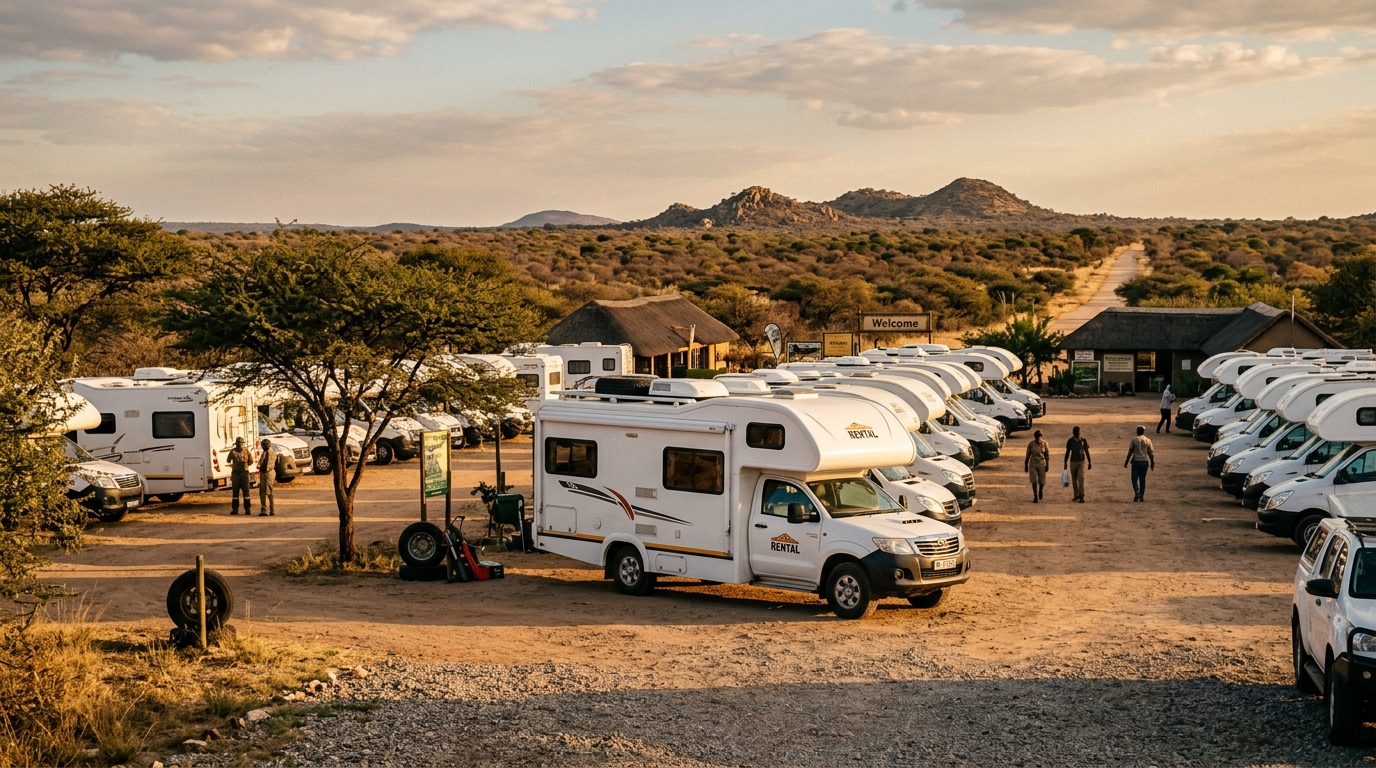
For live availability and current prices, start with our RV Rental Botswana - Complete Guide 2026 guide.
In This Guide
- Can You Drive an RV in Botswana? License & Age Rules
- Road Conditions & Terrain in Botswana
- RV Size Limits, Bridges & Restricted Zones
- Fuel: Diesel vs. Petrol & Cost per 100 km
- Tolls, Vignettes & Border Rules
- Driving Tips for Long Term RV Rental Travelers
- Recommended RV Class for Botswana Roads
- Should I Choose a Compact Van Instead of a Large RV in Botswana?
- Can I Park Anywhere? Free & Wild Camping Rules in Botswana
- Can I Drive an RV Into the City Center? Heights, Tunnels & Local Signage
- How Do I Prepare for Wilderness Travel in Botswana by RV?
- What are the Ethical and Sustainable RV Travel Practices in Botswana?
- Beyond Safaris: What Non-Wildlife Attractions Can I Explore by RV in Botswana?
- How Do I Manage Food, Water, and Fuel Sourcing in Remote Botswana?
- What are the Specific Considerations for Solo RV Travel in Botswana?
Can You Drive an RV in Botswana? License & Age Rules
Foreign visitors can drive a rented RV in Botswana with a valid national driver's license. If your license is not in English, an International Driving Permit (IDP) is often required for clarity and smoother interactions with local authorities. The minimum driver age for RV rentals typically ranges from 21 to 25 years old, with this varying by rental company and the specific vehicle class you choose; larger, more complex RVs might have a higher minimum age. Most standard RVs, up to 3,500 kg (7,700 lbs), can be driven with a regular Class B car license (or its equivalent in your home country). For RVs exceeding this weight, a higher license category might be necessary, so it’s crucial for renters to verify the vehicle’s weight and confirm its compatibility with their existing license well in advance.
Road Conditions & Terrain in Botswana
Botswana's road network presents a varied driving experience. You'll find well-maintained tarred roads connecting major towns and cities, offering relatively smooth transit. However, venturing into national parks, game reserves, or more remote areas often means encountering extensive gravel, sand, and dirt tracks. A 4x4 RV is highly recommended, and at times essential, for exploring popular destinations like Moremi Game Reserve, Chobe National Park, and the Central Kalahari Game Reserve, where challenging conditions such as deep sand, corrugations, and potentially muddy patches after rains are common. Drivers should always anticipate slower travel speeds, embrace the scenic drives, and remain vigilant for potential hazards like unexpected potholes and free-roaming wildlife, which have the right-of-way on all roads. For those planning extensive off-road excursions, understanding 4x4 features like differential locks, high ground clearance, and the use of snorkels for water crossings is beneficial. Carrying essential spares, including at least two spare tires, a comprehensive tire repair kit, and basic tools for bush maintenance, is also crucial for managing potential remote breakdowns.
RV Size Limits, Bridges & Restricted Zones
Botswana generally imposes fewer strict RV size limits on its main thoroughfares compared to some other countries. Most standard rental RVs can navigate the primary roads without encountering significant restrictions. However, when planning routes that enter game reserves or traverse more rugged bush tracks, drivers should be mindful of their vehicle's dimensions. Narrow turns, overhanging branches, and deep ruts are more likely to pose challenges for larger vehicles. You will typically find few widespread low bridges or urban height restrictions in Botswana's towns and cities that would impact RV travel. Ferry crossings, such as the important Kazungula Ferry, primarily consider vehicle weight and overall length, and are generally accommodating for standard RV sizes. It is always wise to check current operational limits and any specific requirements with your rental provider or the border post authorities before embarking on such crossings.
Fuel: Diesel vs. Petrol & Cost per 100 km
Diesel is the predominant fuel type for RVs in Botswana and is widely available in most major towns and cities. This makes diesel the practical and readily accessible choice for the majority of long-term RV rentals. For Bandana's fleet, common fuel consumption figures show a range typically around 8-10 Liters/100 km for Class B Camper Vans, 10-11 Liters/100 km for Class SI Semi-integrated RVs, 10-12 Liters/100 km for Class C Alcove models, and 12-17 Liters/100 km for more robust Class TC Truck Campers. The actual cost per 100 km will naturally fluctuate with global fuel prices, but it's a significant expense that long-term renters must factor carefully into their overall budget. For those venturing into remote areas, meticulous fuel planning is absolutely critical. It is strongly advised to carry extra fuel in jerry cans when heading into national parks or regions known for their vast distances between service stations.
Tolls, Vignettes & Border Rules
Within Botswana's borders, you will find that the country does not typically employ a system of vignettes or an extensive network of toll roads for RVs. However, for travelers planning international border crossings, particularly into neighboring Southern African countries like Namibia, South Africa, or Zimbabwe, understanding and adhering to detailed vehicle import procedures and specific permit requirements is essential. Common border crossing logistics for Botswana include needing a temporary import permit for the rental vehicle (often facilitated by the rental company), ensuring you have valid third-party insurance, carrying your driver's license with an IDP if applicable, and having all vehicle registration papers readily available. Travelers should also anticipate potential road access fees and possibly a carbon tax upon entry. It is advisable to clarify the exact requirements with your rental provider or directly with the border post authorities in advance, as some Bandana RV rentals may offer pre-arranged border documentation to streamline your journey. On the routes offered through RV PLANET routes, you can itemize and track every expense along the way for easy budgeting.
Driving Tips for Long Term RV Rental Travelers
Embracing a slower pace is key to enjoying Botswana by RV; the road conditions and the abundant wildlife necessitate more cautious and slower driving speeds. Generous travel times between destinations are essential for a relaxed journey. Always prioritize wildlife awareness: drive cautiously, especially at dawn and dusk when animals are most active, and always yield to animals—they have the right-of-way on all roads, particularly in unfenced wilderness areas. Mastering navigation and connectivity is vital. Carrying detailed paper maps (like Tracks4Africa), utilizing offline GPS apps, and considering a satellite phone or messenger for communication in remote regions devoid of cell service are recommended practices. For families, remember to incorporate frequent stops for comfort and stretching, while budget-conscious travelers should carry cash for smaller vendors and plan fuel stops strategically to take advantage of lower prices or better availability.
Recommended RV Class for Botswana Roads
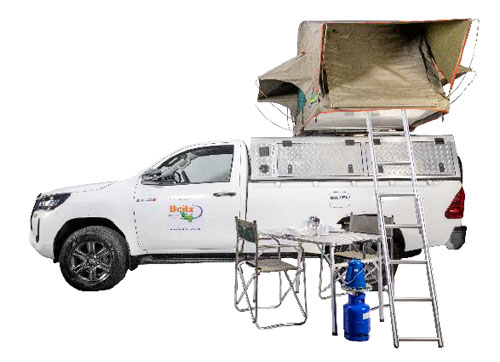
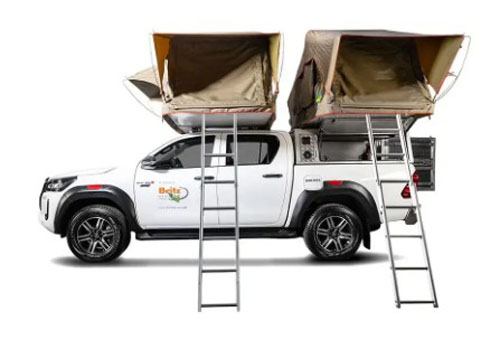
For optimal navigation of Botswana's varied terrain, which includes challenging gravel and sandy tracks, a robust **Class TC - Truck Camper** or a capable **Class B - Camper Van** is frequently recommended. These vehicles are favored for their superior maneuverability and higher ground clearance, making them excellent choices for deep bush exploration. A Class TC Truck Camper, typically around 5.5 meters in length and consuming 12-17 Liters/100 km, offers excellent off-road capabilities. A Class B Camper Van, averaging 5.8 meters in length and consuming 8-10 Liters/100 km, provides a good balance of agility and comfort, with some models offering enhanced off-road features. While Class SI - Semi-integrated RVs (averaging 6.9 meters and consuming 10-11 Liters/100 km) can be suitable for main tarred roads and well-maintained gravel tracks, their generally lower ground clearance might limit access to the most demanding wilderness tracks and remote campsites.
Should I Choose a Compact Van Instead of a Large RV in Botswana?
The decision between a compact van and a larger RV in Botswana hinges significantly on your planned itinerary and travel style. Opting for a compact van, such as a Class B Camper Van, offers superior maneuverability on challenging bush tracks and generally better fuel economy (8-10 Liters/100 km), which is advantageous in remote areas where fuel stops are infrequent. Conversely, a larger RV, like a Class SI or Class C model, provides considerably more living space, enhanced amenities, and greater overall comfort, making it a preferable option for longer-term rentals or family travel, particularly when sticking to more developed routes. Compact vans are ideal for intensive off-road exploration and reaching more challenging campsites, while larger RVs offer a more comfortable 'home away from home' for touring areas with better road infrastructure. Ultimately, consider this trade-off between off-road capability and on-board living comfort to ensure your chosen vehicle perfectly aligns with your planned activities and desired level of self-sufficiency.
Can I Park Anywhere? Free & Wild Camping Rules in Botswana
In Botswana, free or wild camping is generally restricted outside of designated campsites within national parks, game reserves, and private concessions. Camping is largely prohibited in protected areas and on private land without explicit, pre-arranged permission from landowners or relevant authorities. Designated campsites, especially in popular national parks like Chobe and Moremi, often require advance booking, particularly during peak seasons, and are associated with camping fees. Travelers are expected to strictly adhere to 'leave no trace' principles, which means managing all waste responsibly, minimizing environmental impact, and respecting local ecosystems and communities. Remember that rules can vary by region, so it’s always best to check local regulations and follow local laws before parking overnight.
Can I Drive an RV Into the City Center? Heights, Tunnels & Local Signage
Yes, RVs can generally be driven into Botswana's city centers, such as the capital, Gaborone, or the popular tourist hub of Maun, without encountering significant height or tunnel restrictions. Botswana's cities typically feature wider roads that are well-accommodating for RV traffic, unlike some older European city centers with more constrained infrastructure. Drivers should always remain vigilant for local signage, paying close attention to parking regulations, as finding suitable RV parking can still be challenging in bustling urban areas during peak hours. There are no commonly reported issues with low bridges or tunnels within Botswana's urban environments, but it is always prudent to observe any specific height limits posted for multi-story parking garages (which are rare for RVs) or any streets designated with restricted vehicle access.
How Do I Prepare for Wilderness Travel in Botswana by RV?
Comprehensive wilderness preparedness for RV travel in Botswana is paramount, demanding robust vehicle readiness and meticulous planning. This includes thorough pre-trip inspections of all vehicle fluids, tires, and essential systems, along with carrying vital spare parts and a complete tire repair kit. Equip your RV with crucial recovery gear such as a shovel, a high-lift jack, a snatch strap, and, for 4x4 vehicles, appropriate winching equipment to effectively handle challenging terrains. Establish reliable communication plans by carrying a satellite phone, personal locator beacon (PLB), or satellite messenger for emergencies in regions where cellular service is non-existent. Assemble an advanced first aid kit, gain basic wilderness first aid knowledge, and secure comprehensive travel insurance that explicitly covers medical evacuation from remote areas. Finally, carry ample reserves of potable water (aiming for at least 5-7 liters per person per day) and non-perishable food items, and be prepared to filter or chemically treat any water sourced from boreholes or rivers, making water purification tablets and portable filters essential gear.
What are the Ethical and Sustainable RV Travel Practices in Botswana?
Ethical and sustainable RV travel in Botswana necessitates a strict adherence to 'leave no trace' principles. This means sticking to designated tracks to protect fragile vegetation and carrying out all waste, including organic matter, from sensitive ecosystems. Practice responsible waste management by using biodegradable products and disposing of greywater and blackwater only at designated dump points, never in the bush. Engage in ethical wildlife viewing by maintaining respectful distances, never feeding animals, avoiding any disturbance to their natural behavior, and driving slowly and carefully within national parks. Support local communities directly by purchasing crafts and services from local vendors, utilizing community-run campsites where available, and learning a few basic Setswana phrases to foster positive interactions and cultural exchange. Conserve natural resources by being mindful of water and electricity consumption, especially when camping in remote areas where resources are scarce and must be managed responsibly.
Beyond Safaris: What Non-Wildlife Attractions Can I Explore by RV in Botswana?
Beyond Botswana's renowned wildlife safaris, RV travelers have a wealth of unique attractions to explore. Consider a visit to the UNESCO World Heritage site of Tsodilo Hills, celebrated for its ancient San rock art and profound spiritual significance, although access typically requires a capable 4x4 RV and careful planning. Venture to the impressive Gcwihaba Caves (Drotsky's Caves), a lesser-known geological marvel featuring stunning stalactite and stalagmite formations, typically accessed via challenging tracks that reward the adventurous. Immerse yourself in local culture by visiting traditional villages, participating in basket weaving workshops, learning about San traditions, and experiencing authentic local dances. Explore the otherworldly landscapes of the Makgadikgadi Salt Pans, particularly during the dry season, for a unique and expansive desert experience that feels like another planet. The fringes and panhandle of the Okavango Delta also offer opportunities for cultural interaction, birdwatching, and scenic drives where RVs can be utilized effectively, complementing mokoro and boat trips into the inner delta.
How Do I Manage Food, Water, and Fuel Sourcing in Remote Botswana?
Effective fuel planning is paramount for RV travel in Botswana. Always fill your RV's tank at every opportunity in major towns like Gaborone, Maun, or Kasane, and carry extra jerry cans, especially when expecting to cover distances exceeding 300-400 km between reliable fuel stations. For water sourcing, carry substantial reserves of potable water in your RV's tank and additional containers. Be prepared to filter or chemically treat any water sourced from boreholes or rivers, making water purification tablets and portable filters essential gear. Stock up on non-perishable food items and dry goods at larger supermarkets in major towns, as fresh produce and diverse options will be limited or unavailable in smaller villages and remote areas. Consider outfitting your RV with a reliable fridge/freezer to safely store perishable items for extended periods in the wilderness. Always plan to have enough food, water, and fuel for an additional 1-2 days beyond your planned itinerary to account for any unexpected delays or detours, ensuring a safe and enjoyable adventure.
What are the Specific Considerations for Solo RV Travel in Botswana?
Solo RV travelers in Botswana must prioritize safety by consistently sharing their itinerary with trusted contacts back home, carrying a reliable satellite communication device for emergencies, and strictly avoiding driving at night. Ensure your rental RV is in peak mechanical condition and acquire basic knowledge of roadside repairs, including tire changes, as assistance may be hours or even days away in remote areas. Proactively engage with local communities respectfully; this can significantly enhance your cultural experience and often provides a crucial support network or invaluable source of local knowledge. Rely on multiple navigation tools, including up-to-date GPS systems with offline maps (like Tracks4Africa) and traditional paper maps, as cell signal is often non-existent in wilderness regions. Cultivate mental preparedness for solitude and self-reliance, and always ensure you have comprehensive travel insurance that includes emergency medical evacuation coverage for complete peace of mind in Botswana's challenging and remote environments.
What You Shouldn't Miss
- Drive the scenic roads of the Okavango Delta's periphery, experiencing its unique ecosystem from your RV.
- Witness the sheer density of wildlife along the Chobe Riverfront, particularly the famous elephant herds, from the comfort of your rented motorhome.
- Explore the vast, otherworldly landscapes of the Makgadikgadi Salt Pans, especially during the dry season, for a truly unique desert adventure.
- Visit the ancient rock art sites at Tsodilo Hills (requires 4x4 access), a UNESCO World Heritage site offering a glimpse into Botswana's deep cultural past.
- Experience the thrill of a self-drive safari, navigating park roads and spotting wildlife like lions, giraffes, and zebras in their natural habitat.
- Embrace the slower pace of travel, allowing ample time to soak in the vast skies, incredible sunsets, and the unique sounds of the African wilderness from your RV.
Final Thoughts
Embarking on a long-term RV adventure in Botswana promises an unparalleled journey into the heart of wild Africa. The freedom of the open road, combined with the rich cultural tapestry and breathtaking natural beauty, creates an experience that is truly transformative.
Remember, thorough planning and preparation are key to a seamless and unforgettable trip. By choosing the right RV, understanding the local conditions, and embracing the spirit of adventure, your Botswana RV rental will undoubtedly be a highlight of your travels. Get inspired for your next trip and discover top destinations and planning tips all in one place!
Don't forget that you can plan a trip itinerary in advance with minimal effort and maximum enjoyment. Take the first step towards your Botswana adventure and start comparing RV rental options today!