For live availability and current prices, start with our RV Rental Africa - Complete Guide 2026 guide.
In This Guide
- Can You Drive an RV in Africa? License & Age Rules
- Road Conditions & Terrain in Africa
- RV Size Limits, Bridges & Restricted Zones
- Fuel: Diesel vs. Petrol & Cost per 100 km
- Tolls, Vignettes & Border Rules
- Driving Tips for long term rv rental Travelers
- Recommended RV Class for Africa Roads
- Should I Choose a Compact Van Instead of a Large RV in Africa?
- Can I Park Anywhere? Free & Wild Camping Rules in Africa
- Can I Drive an RV Into the City Center? Heights, Tunnels & Local Signage
- What is the 3-3-3 rule for RV?
- Do you need a special license to drive a long RV?
- How long can you drive in South Africa with a foreign license?
- Which countries are RV friendly?
- Is it safe to drive through Africa?
- Is wild camping legal in South Africa?
- How much is an RV in SA?
- What is the largest RV you can drive without a special license?
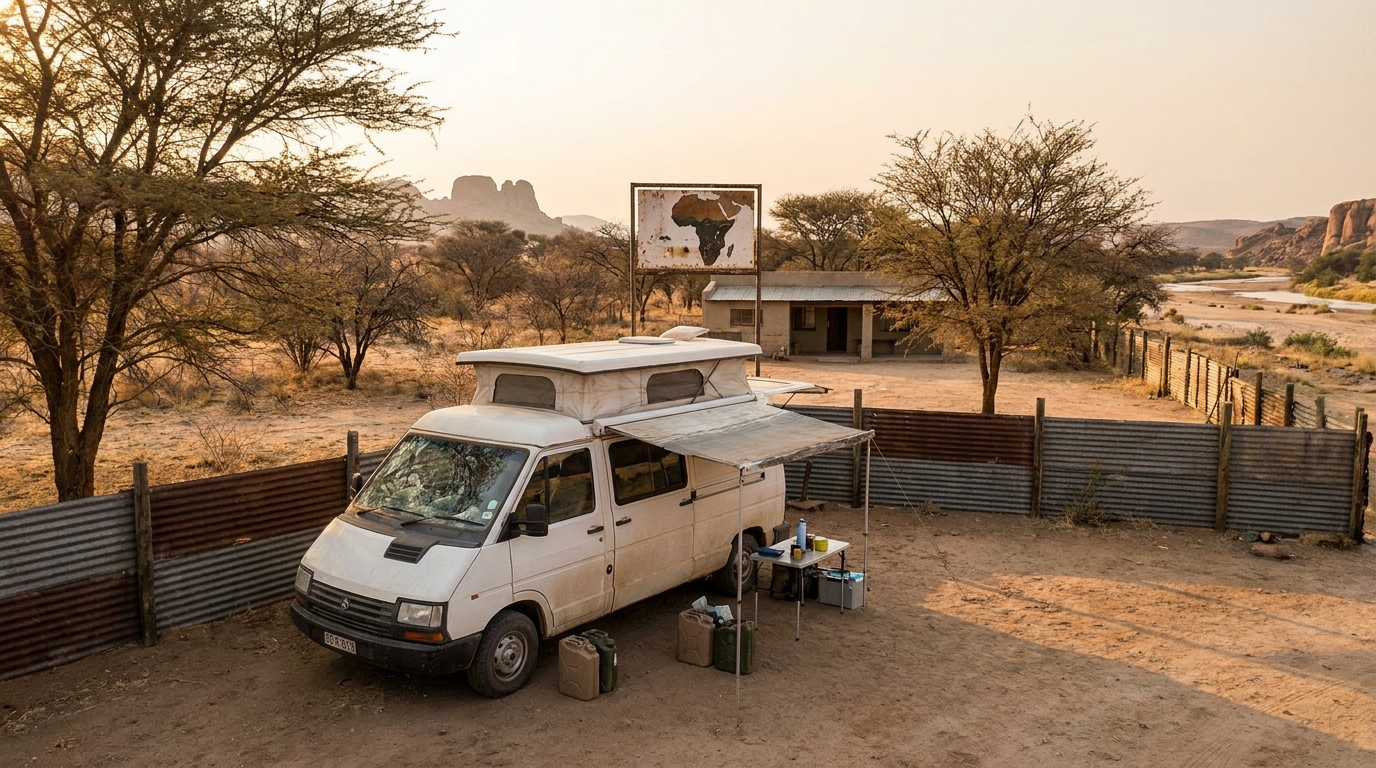
Imagine waking up to the sound of exotic birds, sipping your coffee with a vast savannah stretching before you, or watching the sunset paint the sky over a desert landscape – all from the comfort of your own rented motorhome. Africa offers some of the most inspiring and untamed long-term RV adventures on the planet, promising unforgettable experiences for intrepid travelers. Whether you dream of wildlife safaris, exploring ancient cultures, or simply soaking in incredible natural beauty, an RV rental provides the freedom and flexibility to truly immerse yourself. For live availability and current prices, start with our RV Rental Africa - Complete Guide 2024 guide, your ultimate resource for planning. At Bandana RV, we're true RV specialists, founded in 2001, with over 23 years of experience helping tens of thousands of travelers explore the world by RV, and we’re here to support you every step of the way, before, during, and after your booking.
🎬 Video coming soon
Can You Drive an RV in Africa? License & Age Rules
Yes, most foreign travelers can drive an RV in Africa, typically requiring a standard car driver's license along with an International Driving Permit (IDP) which acts as an official translation for non-English licenses. A standard Class B (or equivalent) driver's license is generally sufficient for operating most campervans and smaller motorhomes up to 3,500 kg Gross Vehicle Weight Rating (GVWR).
The minimum driver age for long-term RV rentals in Africa is 21 years, consistent across many of our partner suppliers. Importantly, there are no young driver surcharges or vehicle class restrictions based on age for any of the motorhome classes (Class A, Class B, Class C) we offer for rent. For those planning cross-border adventures, certain African nations may require a Carnet de Passage en Douane (CPD) for the rented RV, which is a customs document for temporary vehicle importation, in addition to any necessary visas for travelers. Always verify specific country requirements well in advance of your trip to ensure a smooth journey.
Road Conditions & Terrain in Africa
African road conditions vary dramatically, spanning from well-maintained tarmac highways in popular tourist corridors and urban centers, especially in countries like South Africa, to extensive networks of gravel, dirt, and unpaved tracks in rural and remote areas. Travelers embarking on a long-term RV rental in Africa should be prepared to encounter potholes, corrugations, and even deep sand, particularly when venturing off main routes or into national parks.
For destinations like Namibia and Botswana, routes often involve long stretches of gravel roads that require a vehicle with appropriate ground clearance or even 4x4 capability for some itineraries. Driving through mountainous regions, such as the Drakensberg in South Africa, demands caution due to winding roads and potential swift weather changes. Wildlife encounters are common outside protected areas, particularly at dawn and dusk, so constant vigilance is essential. Planning your routes to accommodate slower travel speeds and allowing ample time for unexpected delays is crucial to safely navigate Africa's diverse and often challenging terrain.
RV Size Limits, Bridges & Restricted Zones
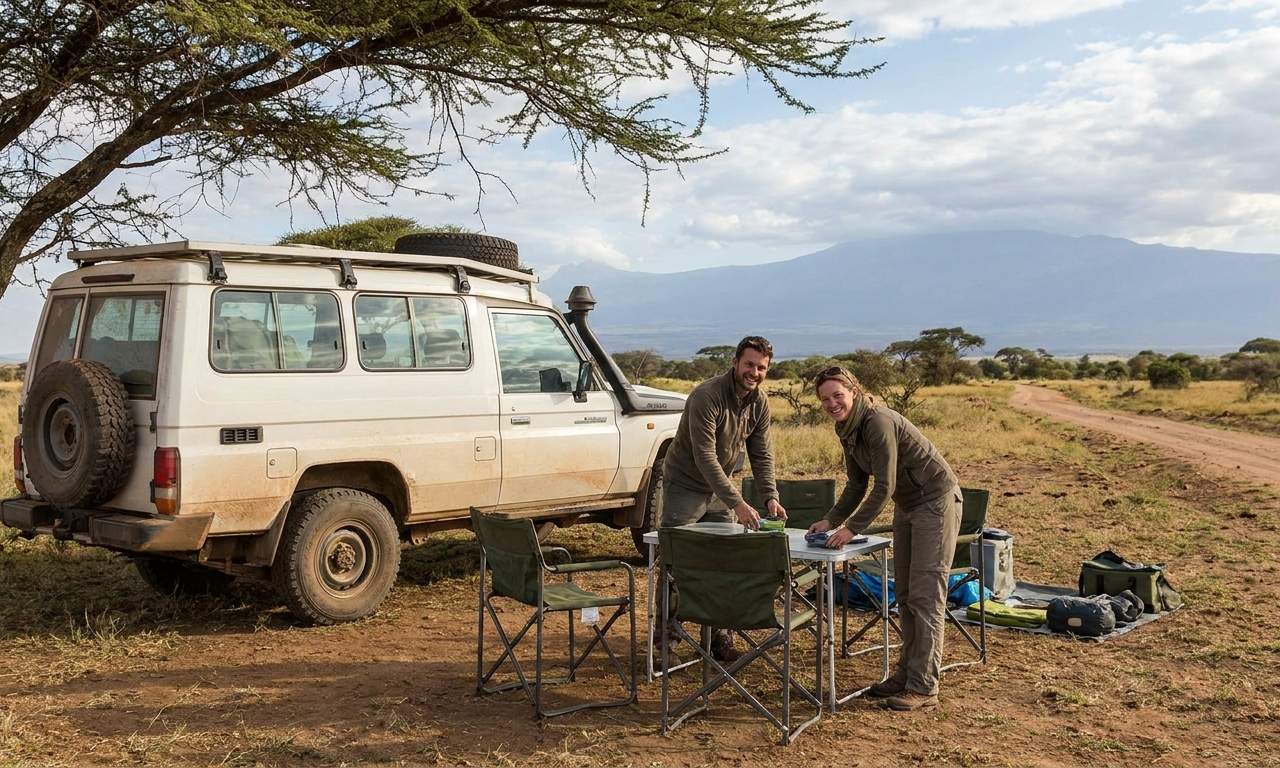
While explicit RV size limits are less common in Africa than in many other continents, drivers of a rented motorhome or campervan must still be mindful of potential restrictions. These can include low bridges in older towns, narrow village roads, and specific height or weight limits at certain checkpoints or ferry crossings. Drive slowly and carefully, and you can drive almost anywhere without issues. No need to stress - just use common sense and pay attention.
National parks and game reserves often impose specific restrictions on vehicle types or sizes, sometimes limiting access to smaller, more agile 4x4 vehicles on certain tracks. In these instances, ground clearance becomes a more critical factor than overall length or width for your long-term RV rental in Africa. Environmental zones are not widely implemented for RVs in African cities, but specific urban areas may have weight limits on certain bridges or streets, requiring drivers to pay close attention to local signage. For seamless travel, it's always advisable to research route-specific limitations, especially for remote areas or desired park access, and to communicate your vehicle dimensions with any ferry operators or park authorities if applicable.
Fuel: Diesel vs. Petrol & Cost per 100 km
Diesel is the predominant fuel type for rented RVs and motorhomes in Africa and is generally more widely available than petrol, particularly in remote regions, making diesel-powered vehicles a practical choice for long-term rentals. Bandana RV's global fleet of Class SI (Semi-integrated) and Class C (Alcove) motorhomes typically consume 10-12 Liters/100 km. Smaller Class B (Camper Van) vehicles usually average a more efficient 8-10 Liters/100 km.
For robust Class TC (Truck Camper) models, often favored for tackling diverse African terrain, average fuel consumption ranges from 12-17 Liters/100 km, reflecting their enhanced capability. Fuel costs in Africa can vary significantly by country and region, often being higher in landlocked nations or extremely remote areas; it is always wise for long-term RV rental travelers to carry extra jerry cans for extended journeys and to inquire about local fuel availability and quality. When planning your RV PLANET routes, you can itemize and track every expense, including fuel, along the way for easy budgeting. On the routes offered through RV PLANET routes, you can itemize and track every expense along the way for easy budgeting.
Tolls, Vignettes & Border Rules
Toll roads are present in several African countries, most notably in South Africa, where they contribute to maintaining major highways. However, electronic vignettes, common in parts of Europe, are not typically used for RVs in Africa. Navigating border crossings between African nations with a rented RV or campervan requires thorough documentation, including valid passports, any necessary visas, vehicle registration papers, proof of ownership, and potentially a Carnet de Passage en Douane (CPD) for the vehicle itself.
Travelers should anticipate varying levels of efficiency and processing times at border posts, so preparing all paperwork in advance, including multiple copies, can significantly streamline the process and reduce delays. For long-term RV rental travelers in Africa, it's essential to be prepared to pay tolls manually, usually in local currency, and to meticulously research specific border requirements for each country you plan to enter well in advance to avoid any unexpected issues or fines.
Driving Tips for long term rv rental Travelers
When embarking on a long-term RV rental in Africa, always drive defensively and maintain constant vigilance for pedestrians, livestock, and unexpected obstacles on the road, especially in rural areas; avoiding driving at night is strongly recommended due to poor visibility and increased risks. It is crucial to carry essential spare parts, including at least two spare tires, a repair kit, and extra fuel, as service stations can be scarce in remote regions.
Planning your routes meticulously is key, staying updated on local security advisories and road conditions. Always allow for frequent stops every 2-3 hours, particularly when traveling with family, to prevent driver fatigue and fully enjoy the scenery. We recommend traveling slowly, aiming for a maximum of 100-150 km per day on average, to truly take time to feel the place, connect to the culture, the food, and the scenery. Invest in reliable communication methods, such as a local SIM card for major areas and a satellite phone for truly remote regions, to ensure connectivity in emergencies. Engaging with local communities respectfully, learning basic phrases, and always seeking permission before photographing people will enhance your cultural experience while ensuring safe and positive interactions throughout your long-term RV adventure.
Recommended RV Class for Africa Roads
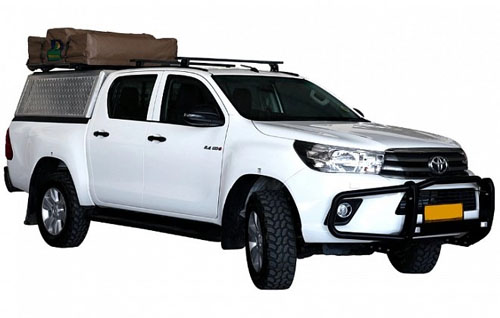
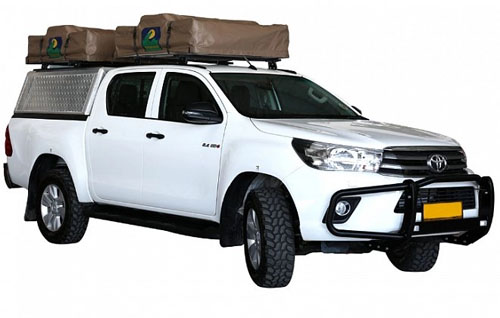
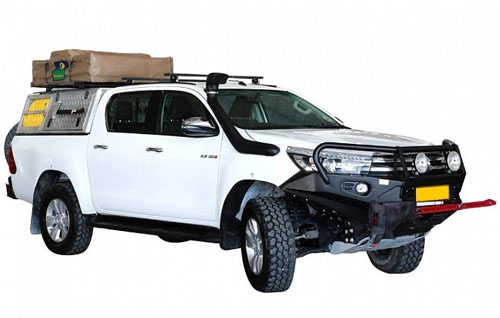
For challenging African terrains and off-the-beaten-path adventures, a Class TC (Truck Camper) is often highly recommended due to its robust construction and potential for 4x4 capability. These vehicles, averaging around 5.5m in length in Bandana's global fleet, are ideal for venturing off-grid and navigating rougher tracks.
Alternatively, a Class SI (Semi-integrated) motorhome, which typically averages 6.9m in length and accommodates up to 3.8 sleeping places, offers a good balance of comfort and maneuverability for major paved and well-maintained gravel roads. Models such as the 'MC 4-69' (4-berth, 6.99m length) or 'MC 4-32' (3-berth, 5.99m length) are examples of capable motorhomes found in regions like South Africa, offering a practical compromise between size and amenities. The optimal choice for your long-term RV rental ultimately depends on your specific itinerary, desired comfort level, and the extent to which you plan to tackle rougher, unpaved roads; prioritizing ground clearance and vehicle robustness is advisable for adventures beyond the main highways.
Should I Choose a Compact Van Instead of a Large RV in Africa?
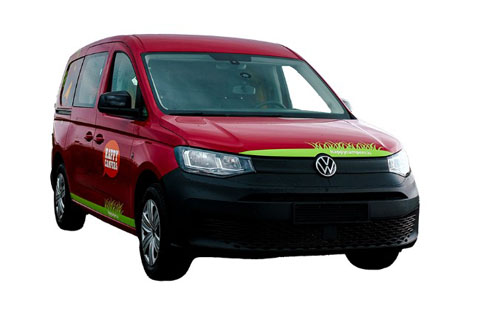
While a compact van, such as a Class B campervan (averaging 5.8m in length), offers superior maneuverability in tight spots and potentially better fuel economy, a larger RV generally provides significantly more comfort, living space, and essential amenities for a long-term rental in Africa. For extended safaris or journeys through diverse landscapes, the added interior space of a larger motorhome or camper is invaluable, especially for families or groups.
A larger RV typically offers more storage, dedicated sleeping areas, and often better kitchen and bathroom facilities, enhancing the overall experience. A compact van may offer genuine advantages for very specific itineraries involving extremely rough 4x4 tracks only accessible by smaller vehicles, or when navigating very crowded, narrow city markets. However, for most long-term RV travel in Africa, where destinations often involve main roads, designated campsites, and relatively open spaces, the enhanced comfort and convenience of a larger RV typically outweigh the minor maneuverability benefits of a compact van. For ideas you can prep on the road, watch our RV-friendly recipes playlist on YouTube.
Remember, we focus exclusively on RV travel, which means we understand the nuances of choosing the right vehicle for a continent as diverse as Africa.
Can I Park Anywhere? Free & Wild Camping Rules in Africa
Wild camping, often referred to as 'bush camping,' is generally discouraged or illegal in many populated areas, national parks, and wildlife reserves across Africa due to valid safety concerns, potential environmental impact, and the need for wildlife protection. This is particularly true in highly visited areas in countries like South Africa and Namibia.
In some extremely remote regions, particularly in countries with vast open spaces like Namibia, 'bush camping' might be tolerated on undesignated public land, provided it is done discreetly, safely, and with utmost respect for the environment and local communities. However, it is always highly recommended to utilize designated campsites, which are widely available, especially in tourist-friendly countries such as South Africa, Namibia, and Botswana. These official sites offer amenities, enhanced security, and often stunning locations. Rules vary significantly by region and specific jurisdiction; always check local regulations, seek explicit permission from landowners if on private property, and prioritize safety and environmental responsibility before parking overnight outside of official sites.
Can I Drive an RV Into the City Center? Heights, Tunnels & Local Signage
Yes, RVs can generally be driven into most African city centers, allowing travelers with a rented motorhome or campervan to access urban attractions and amenities, though careful attention to local signage is crucial. Drivers should be particularly vigilant for height restrictions, which can be found in tunnels, under low bridges, or for covered parking garages.
Additionally, watch for weight limits on certain bridges and any signage indicating environmental zones or residents-only streets. While comprehensive traffic regulations specifically for RVs, such as those sometimes found in European cities, are less common, drivers should be prepared for narrower streets and potentially congested areas, especially in older city districts. Always rely on up-to-date GPS navigation systems that can account for your vehicle's dimensions and consult local information regarding any specific urban driving limitations in cities you plan to visit. Drive slowly and carefully, and you can drive almost anywhere without issues. No need to stress - just use common sense and pay attention.
What is the 3-3-3 rule for RV?
The 3-3-3 rule for RV travel is a widely adopted guideline encouraging drivers to cover no more than 300 miles (approximately 480 km) in a day, arrive at their destination by 3 PM, and stay for at least 3 nights. This rule is designed to promote a safer, more relaxed, and enjoyable RV experience by preventing driver fatigue, allowing ample time for campsite setup before dark, and providing sufficient time to truly explore a location without rushing.
For a long-term RV rental in Africa, adhering to a similar philosophy is highly beneficial, perhaps adjusting the mileage based on road conditions, which can often be more challenging than in other regions. While not a strict legal requirement, adopting the 3-3-3 rule's principles can significantly reduce stress and enhance the quality of your African RV adventure, allowing you to connect with the culture and scenery more deeply. This is part of our commitment to helping you travel slowly, max 100-150 km per day on average, to truly feel the place.
Do you need a special license to drive a long RV?
In many countries, including general guidelines applicable to Africa, a standard Class B (or equivalent) driver's license is sufficient for driving most rented RVs, particularly those with a Gross Vehicle Weight Rating (GVWR) of up to 3,500 kg, which includes many 'long' campervans (averaging 5.8m). However, for RVs exceeding this 3,500 kg threshold, such as larger Class C Alcove models (averaging 7.5m) or some integrated Class A motorhomes, a higher license category like a Class C1 may be required.
It is crucial to verify the specific license requirements of each African country you plan to visit, as regulations can vary. For detailed information on license categories and weight thresholds specific to African travel, refer to the 'Can You Drive an RV in Africa? License & Age Rules' section of this guide. Rest assured, for all motorhome classes we rent, a standard car driver's license is all you need, making your planning straightforward.
How long can you drive in South Africa with a foreign license?
Foreigners can generally drive in South Africa with their valid foreign driver's license for a maximum period of 12 months from their date of entry, provided the license is printed in English. If your national driver's license is not in English, it must be accompanied by a certified translation or, more commonly, an International Driving Permit (IDP).
For individuals planning to reside or drive a rented RV in South Africa for longer than 12 months, obtaining a South African driver's license becomes mandatory. Always carry your original foreign license along with your IDP (if applicable) when driving in South Africa to comply with local traffic laws. This is vital for any extended adventure, whether you're exploring the Garden Route and Beyond, or heading further afield.
Which countries are RV friendly?
In Africa, countries like South Africa, Namibia, and Botswana are widely considered RV-friendly due to their well-developed tourism infrastructure, numerous designated campsites, and stunning natural landscapes readily accessible by road. For those seeking a long-term RV rental in Africa, these nations offer a fantastic starting point for adventures.
Other African nations such as Morocco, Mozambique, Zambia, and Zimbabwe also offer exciting RV travel opportunities, though infrastructure and safety considerations may require more detailed planning and potentially specialized 4x4 vehicles. You can find comprehensive details in our guides such as Motorhome Rental in Botswana - Discover Safaris 2024, Motorhome Rental in Morocco - Desert & Coast Adventures 2024, Motorhome Rental in Mozambique - Coastal Road Trips 2024, Motorhome Rental in Namibia - Desert & Wildlife 2024, Motorhome Rental in South Africa - Garden Route & Beyond 2024, Motorhome Rental in Zambia - Victoria Falls & Beyond 2024, and Motorhome Rental in Zimbabwe - Historical Sites & Nature 2024. Globally, highly RV-friendly destinations also include North America (USA, Canada), Australia, New Zealand, and most of Western Europe, which boast extensive networks of campgrounds, RV services, and diverse road trip routes. When choosing an RV-friendly country, factors like road quality, campsite availability, fuel infrastructure, and safety advisories are key considerations for a successful long-term rental experience.
Is it safe to drive through Africa?
Driving through Africa can indeed be a safe and incredibly rewarding experience with thorough planning, adherence to safety protocols, and continuous monitoring of local conditions, though safety levels vary significantly by region and country. It's an adventure unlike any other, offering unique cultural immersion and breathtaking natural beauty.
Key safety measures for your long-term RV rental in Africa include always avoiding night driving due to poor visibility and increased risks, keeping vehicle doors locked and windows up in urban areas, securing valuables out of sight, and staying informed about political stability and security advisories for specific routes. It is crucial to research your chosen destinations meticulously, use reputable RV rental providers like our direct partners such as Apollo and Britz, ensure your vehicle is well-maintained for African road conditions, and have emergency communication devices. While challenges such as varying road conditions, wildlife encounters, and occasional security risks exist, millions of people safely travel Africa by road each year by exercising caution and common sense. We offer 24/7 support for pre-booking inquiries and coordination, ensuring you have real people behind you as you plan your adventure.
Is wild camping legal in South Africa?
In South Africa, wild camping is generally not legal or is strongly discouraged in most areas, particularly within national parks, nature reserves, and urban or semi-urban environments. This regulation is primarily in place to protect sensitive ecosystems, prevent littering, ensure public safety (especially concerning wildlife), and manage land use effectively.
Visitors with a rented motorhome or campervan are expected to utilize designated campsites, which are abundant and well-maintained throughout South Africa's popular tourist routes and protected areas, offering both security and amenities. While specific remote, privately-owned lands might permit 'bush camping' with explicit permission from the landowner, travelers should always assume wild camping is prohibited unless clearly stated otherwise and prioritize safety above all. For finding campsites and campgrounds during your trip, we recommend using rvplan.net - a great resource for locating available spots along your route.
How much is an RV in SA?
The cost of an RV rental in South Africa (SA) for a long-term trip varies significantly based on factors such as the RV class, rental duration, season, and included features, with daily rates often decreasing for longer rental periods. Typically, daily rental rates for a mid-sized RV like the MC 4-32 (3-berth) or MC 4-69 (4-berth) can range from approximately $50 to $200+ USD, excluding fuel, insurance, park fees, and cross-border permits.
A comprehensive budget for an African RV trip should also account for additional expenses such as fuel (Bandana's fleet averages 8-17 Liters/100 km depending on class), campsite fees, national park entry fees, food, and potential visa costs. Booking in advance, especially for peak seasons, can help secure better rates for long-term RV rentals, and some providers may offer special packages for extended durations. Prices are dynamic like flight tickets – they change daily based on availability, seasonality, and supplier marketing decisions, so the final price is set at actual booking time. We ensure full transparency with no hidden fees, so what you see is what you pay.
What is the largest RV you can drive without a special license?
In many countries, including general guidelines applicable to Africa, the largest RV you can drive without needing a special commercial driver's license is typically one with a Gross Vehicle Weight Rating (GVWR) of up to 3,500 kg (approximately 7,700 lbs). This weight limit generally accommodates most Class B campervans (Bandana's fleet averages 5.8m in length) and many smaller Class SI (Semi-integrated) motorhomes (averaging 6.9m).
Vehicles exceeding the 3,500 kg GVWR often fall into a higher license category, such as a Class C1, which permits driving vehicles between 3,500 kg and 7,500 kg. However, for all motorhomes and campervans available for rent through Bandana RV, a standard car driver's license is sufficient. Always verify the specific driver's license requirements for the particular rented RV model and the local regulations of each African country you intend to drive in.
What You Shouldn't Miss
- Safari in Kruger National Park (South Africa): Witness the "Big Five" from your comfortable RV. Designated campsites within and around the park offer excellent facilities for your overnight stay.
- Driving the Skeleton Coast (Namibia): Explore a starkly beautiful landscape where desert meets ocean, encountering shipwrecks and unique wildlife. A 4x4 campervan is highly recommended for this remote route.
- Victoria Falls (Zambia & Zimbabwe): Experience the thundering majesty of one of the world's largest waterfalls. RV-friendly campsites are available on both the Zambian and Zimbabwean sides.
- Exploring the Atlas Mountains (Morocco): Navigate scenic mountain passes and discover traditional Berber villages. Smaller, agile campervans are ideal for these winding roads.
- Beach Camping in Bazaruto Archipelago (Mozambique): Enjoy pristine beaches and marine life, with opportunities for island hopping and diving. Access might involve ferry transfers or specific coastal routes.
- Okavango Delta Mokoro Safaris (Botswana): Combine your RV adventure with a traditional dugout canoe safari for an intimate wildlife experience in the delta's waterways.
Looking for expert insights from Avi Bandana? Top 5 Adventures - recommendations from Avi Bandana.
Final Thoughts
Embarking on a long-term RV adventure across Africa is a journey of a lifetime, offering unparalleled freedom to explore diverse landscapes, incredible wildlife, and rich cultures at your own pace. With careful planning and the right rented motorhome or campervan, you can navigate the continent's varied road conditions and border crossings with confidence.
At Bandana RV, we are dedicated to making your dream trip a reality. We provide full transparency in pricing, dedicated support, and access to a wide range of vehicles suitable for the African terrain. So, start envisioning your epic road trip, pack your sense of adventure, and prepare to create memories that will last forever.
Discover top destinations, planning tips, all in one place! Find long term rv Rentals in Africa and start planning your unforgettable journey today.