In This Guide
- Where to Camp in Tokyo — Top Options
- Campground Types in Tokyo (National, Private, Wild)
- Featured RV Park or Campground in Tokyo
- Hookups & Amenities — What to Expect
- Booking Windows & Reservations in Tokyo
- Nearby Supermarkets & Resupply Points
- Best RV Class for Camping in Tokyo
- How to Save on Campgrounds in Tokyo
- Is RV travel common in Japan?
- Can you rent RVs long term in Japan?
- How much does it cost to rent an RV in Japan?
- Where can I park an RV in Tokyo?
- Can I live in an RV in Japan?
- What is a Michi-no-Eki in Japan?
- Are there tolls for RVs in Japan?
- What do you need to drive an RV in Japan?
Embarking on a long-term RV camping adventure in Tokyo, Japan, offers a unique blend of urban exploration and scenic tranquility. While navigating the bustling city center with a larger vehicle has its considerations, a rented motorhome provides unparalleled freedom to explore the vibrant prefectures surrounding Tokyo. For live availability and current prices, start with our RV Rental Tokyo - Complete Guide 2026 guide.
Where to Camp in Tokyo — Top Options
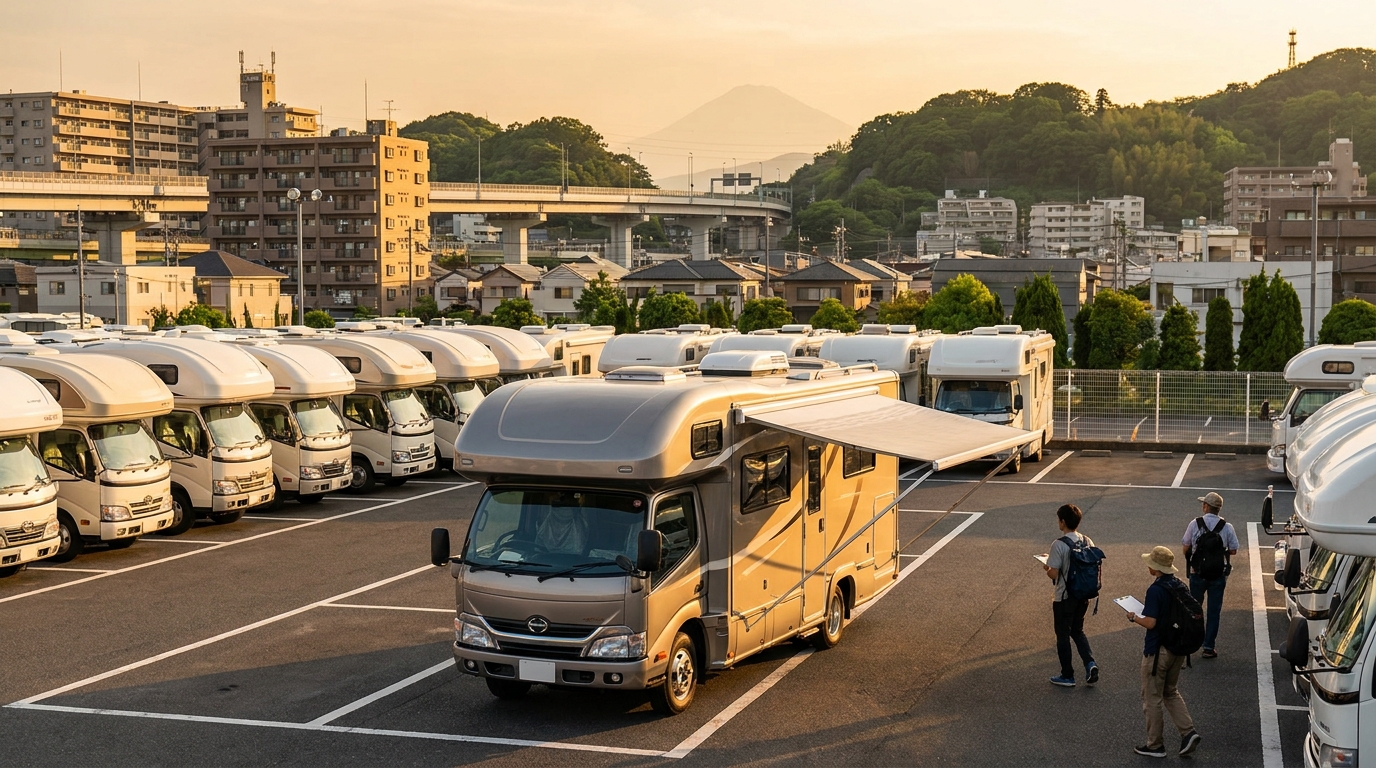
Camping directly within central Tokyo is highly impractical for RVs due to extreme space constraints, very narrow streets, and severely limited parking options. Instead, the most practical and enjoyable options for RV camping near Tokyo involve staying at dedicated RV parks or campgrounds located in the surrounding prefectures like Kanagawa, Saitama, or Chiba. These outlying areas offer superior facilities, more spacious spots, and crucially, convenient public transport links (trains and buses) directly into Tokyo's city center for all your sightseeing needs. Consider setting up your base camp in scenic regions like the Fuji Five Lakes area, such as near Lake Kawaguchiko, or explore coastal areas of Chiba for picturesque surroundings with relatively easy train access back to Tokyo's major stations.
Campground Types in Tokyo (National, Private, Wild)
In Japan, particularly around dense urban centers like Tokyo, legal RV camping primarily occurs in designated private campgrounds or government-run sites within national or prefectural parks. Private campgrounds often provide a wide array of amenities, including electric hookups, hot showers, and laundry facilities, ensuring a comfortable long-term RV experience. National and prefectural park campgrounds, while sometimes more rustic with fewer amenities, offer direct access to Japan's stunning natural beauty and can often be more budget-friendly. Wild camping or 'boondocking' is generally not permitted or tolerated in Japan, especially in populated areas; RVers should always seek official camping spots to avoid legal issues and ensure access to necessary facilities. Michi-no-Eki, or roadside stations, provide free overnight parking for resting but are not official campsites and typically lack full hookups for extended stays, differentiating them from traditional RV parks.
Featured RV Park or Campground in Tokyo
When planning a long-term RV rental near Tokyo, prioritizing RV parks that cater to larger vehicles and offer comprehensive amenities is key for a comfortable stay. An ideal RV park would be situated slightly outside the immediate metropolitan area, providing a quieter environment while still offering convenient public transportation access into central Tokyo. Key features to look for include electric hookups (note that Japan uses 100V electricity, requiring a 2-pin adapter for most international appliances), reliable fresh water access, and appropriate grey and black water disposal facilities, which are essential for sustainable long-term travel. Additionally, seek out parks with communal areas, laundry facilities, and perhaps proximity to local supermarkets for grocery runs or an onsen (hot spring) for a unique cultural and relaxing experience. Researching specific parks like Pica Sagamiko Resort or campsites in the Hakone region by user reviews for accessibility and English support is highly recommended to ensure suitability for extended stays with your rented motorhome. You can find many suitable options by browsing RV PLANET routes to assist with campground planning.
Hookups & Amenities — What to Expect
RV hookups in Japan differ significantly from Western standards, so understanding them is crucial for a long-term rental in Tokyo. Expect 100V electricity at RV parks, rather than the 120V or 240V common elsewhere; you'll typically need a 2-pin plug adapter for most international appliances, which can often be purchased locally. Fresh water hookups are usually available, though it’s always advisable to carry your own hose and a variety of adapters, as connection types can vary between facilities. Waste disposal, especially for black water, often involves designated 'dump stations' (ダンプステーション) which might be less common or have different operational procedures than what you might be used to, emphasizing the importance of responsible waste management. Grey water disposal is generally allowed at specified points, but never on general ground, particularly in urban environments. Many private campgrounds and RV parks offer Wi-Fi access, laundry facilities, and hot showers, all essential for extended stays; always confirm these specific amenities when making your booking. On the routes offered through RV PLANET routes, you can itemize and track every expense along the way for easy budgeting.
Booking Windows & Reservations in Tokyo
For long-term RV rentals and camping near Tokyo, proactive booking is highly recommended, especially if you plan to travel during peak seasons. These include spring cherry blossom season (late March to early April), summer holidays (July-August), and autumn foliage season (October-November). Savvy planners should aim to book several months in advance to secure preferred spots, particularly for popular RV parks or those located close to major attractions like Hakone or the Fuji Five Lakes. It's worth noting that some national park campgrounds in Japan may only release a limited percentage (e.g., 25%-30%) of their spots for advanced reservations, keeping the remainder for first-come, first-served arrivals, which can pose a challenge for meticulously planned extended trips. However, spontaneous travelers might still find same-day or next-day availability during off-peak seasons, but it is always wise to call ahead to your desired campground before driving there to confirm space. For long-term rentals of a week or more, inquire about weekly or monthly rates, as many campgrounds offer significant discounts for extended stays, making your adventure more economical. You might even find attractive deals when looking for "Cheap RV Rental in Tokyo - Budget Guide 2026".
Nearby Supermarkets & Resupply Points
Stocking up on provisions for a long-term RV rental near Tokyo is surprisingly convenient, with numerous supermarket chains and local shops readily accessible in suburban and exurban areas. Look for major grocery store chains such as Aeon, Ito-Yokado, Seiyu (which is affiliated with Walmart), and Life Supermarket, offering a wide array of fresh produce, pantry staples, and even convenient ready-to-eat meals perfect for your mobile home kitchen. For quick resupplies, snacks, and drinks, leverage the ubiquitous convenience stores, known as konbini, including 7-Eleven, FamilyMart, and Lawson, which are often open 24/7. Additionally, Michi-no-Eki (roadside stations) are not just rest stops but also fantastic places to purchase local agricultural products, unique regional snacks, and sometimes even fresh baked goods, providing a wonderful opportunity to integrate cultural shopping into your RV journey. Planning your meals using your onboard kitchen is part of the fun, and you can find inspiration in our RV-friendly recipes playlist.
Best RV Class for Camping in Tokyo
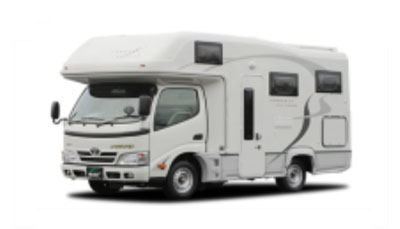
For comfortable and practical long-term RV camping around Tokyo, selecting a compact and maneuverable motorhome or campervan is ideal due to Japan's generally narrower roads and smaller parking spaces. The Class C - Alcove, with an average length of around 5 meters, an average sleeping capacity of 6 people, and comfortably accommodating up to 3 adults, is a highly suitable option available within Bandana's diverse fleet. This size strikes an excellent balance between interior living comfort and ease of drivability, making it simpler to navigate winding Japanese roads and find suitable parking at campgrounds or Michi-no-Eki. While a larger Class A or Class C motorhome might offer more spacious interiors, its practicality for driving and parking within the greater Tokyo region, where even expressways can feel compact and tolls are higher for larger vehicles, diminishes significantly. Opting for a more compact Class C - Alcove allows for greater flexibility when exploring picturesque areas outside the immediate city center, which is where most RV camping near Tokyo occurs, enabling you to then use public transport for city excursions.
How to Save on Campgrounds in Tokyo
Saving on campground costs for a long-term RV rental in Tokyo involves smart planning and utilizing available resources. One effective way is to inquire about campground discount cards, which can offer significant savings on daily or weekly rates, especially for extended stays. Booking your sites during shoulder seasons, such as late spring or early autumn (outside major holidays), often yields lower campground prices and means fewer crowds, making for a more relaxed experience. Prioritize municipal or regional campgrounds over private resorts, as they typically offer more budget-friendly rates, though amenities might be more basic. Always inquire about weekly or monthly rates when booking, as many campgrounds provide substantial discounts for stays of three nights or longer, significantly reducing the overall cost of your long term rv trip. For nights when full hookups aren't a necessity, leveraging Michi-no-Eki for overnight parking offers a free alternative for short rests, though remember they are not designed for extended camping. When planning your budget, remember that you can itemize and track every expense along the way with RV PLANET routes for easy financial management.
Is RV travel common in Japan?
RV travel is growing steadily in popularity in Japan, though it presents a distinct experience compared to Western countries, with a strong emphasis on 'van life' culture and the widespread utilization of Michi-no-Eki (roadside stations). While not as ubiquitous as in North America or Europe, Japan boasts a dedicated and expanding community of RV enthusiasts, and the infrastructure for motorhomes and campervans, including designated campgrounds and service points, is continuously improving. The compact nature of many Japanese RVs, like the Class B campervan, and the country's efficient public transportation system shape how RVers explore, often blending driving through scenic routes with train or bus use for urban centers. Cultural integration for RVers in Japan frequently involves leveraging Michi-no-Eki, which serve as community hubs offering local produce, clean restrooms, and reliable overnight parking, acting as a unique Japanese alternative to traditional full-service RV parks for every stop. The experience is less about expansive wilderness boondocking and more about organized, respectful travel through diverse landscapes, often utilizing RV parks near popular onsen (hot springs) as a key part of the Japanese road trip. For a broader perspective on RVing in the country, you may find our "RV Rental Japan - Complete Guide 2026" helpful.
Can you rent RVs long term in Japan?
Yes, long-term RV rentals are readily available in Japan, offering a unique and immersive way to explore the country beyond conventional tourist routes and truly experience local life. Companies like Bandana Caravan provide flexible rental options that cater to extended stays, ideal for travelers wishing to immerse themselves in Japanese culture and visit multiple regions at a leisurely pace. Opting for a long-term rental typically offers better daily rates compared to short-term hires, making it a cost-effective choice for multi-week or multi-month tours. This option is perfect for those who want to unpack once and use their rented motorhome as a mobile base for extensive exploration, traveling slowly, perhaps averaging 100-150 km per day, to connect deeply with the culture, food, and scenery. Availability for long-term rentals can vary significantly by season, so booking well in advance is crucial to secure your preferred RV model and dates, especially if you're interested in "Luxury RV Rental in Tokyo - Premium Prices 2026".
How much does it cost to rent an RV in Japan?
The cost to rent an RV in Japan varies widely based on several factors, including the RV class, rental duration, season, and the specific rental provider. For a long-term rental, daily rates typically decrease significantly as the rental period extends, with weekly or monthly packages often offering the best value. Beyond the base rental fee, travelers should budget for additional costs such as comprehensive insurance (which you can upgrade to a top-level deductible for extra peace of mind), fuel (which can be expensive in Japan), expressway tolls (often higher for larger RVs, especially on routes like the Shuto Expressway), and parking fees, particularly if venturing closer to Tokyo's urban core. Additional expenses might include campground fees, portable Wi-Fi device rentals, and optional equipment like bedding or kitchen sets. A popular choice, a Class C - Alcove with an average length of 5 meters, offers a good balance between cost and comfort, making it suitable for long-term travel. For a detailed breakdown, consult our "RV Rental in Tokyo - Prices and Best Deals 2026" guide.
Where can I park an RV in Tokyo?
Parking an RV directly within central Tokyo is extremely challenging due to its dense urban environment, exceptionally narrow streets, and the scarcity and high cost of suitable parking spaces for larger vehicles. Drive slowly and carefully, and you can drive almost anywhere without issues. No need to stress - just use common sense and pay attention. However, for RVers visiting Tokyo, the most practical approach is to park at a dedicated RV park or campground located on the city's outskirts, in surrounding prefectures like Chiba, Kanagawa, or Saitama. From these strategically located 'base camps,' travelers can then utilize Japan's famously efficient public transportation system, including trains and buses, to access Tokyo's vibrant city center for sightseeing without the stress of urban RV parking. Many Michi-no-Eki (roadside stations) offer free overnight parking, but they are intended for rest stops, not extended stays or permanent parking, and typically lack amenities like full hookups. It's important to consider the specific challenges of RVing *within* Tokyo itself, noting issues like low bridge clearances and navigating heavy traffic with a larger vehicle, making peripheral parking the sensible choice.
Can I live in an RV in Japan?
While it is technically possible to spend an extended period in an RV in Japan, true full-time RV 'living' as understood in some Western countries is not common and presents significant logistical and legal challenges. RVing long-term in Japan is best approached as an extensive touring experience rather than an attempt to establish a permanent residence. Legal parking is primarily restricted to designated campgrounds, RV parks, or Michi-no-Eki for temporary overnight stays. Waste disposal and fresh water hookups in an urban Japanese context differ significantly; reliable access to dump stations and potable water is crucial but not always readily available outside dedicated facilities. Japan's cultural norms emphasize order and designated spaces, meaning 'boondocking' or indefinite parking in undesignated areas is generally not permitted or well-tolerated. For an extended stay, it's more practical to use your rented motorhome as a comfortable, mobile base for wide-ranging exploration, returning to paid campgrounds for amenities and services, enjoying the freedom of the road for a week-long trip or more.
What is a Michi-no-Eki in Japan?
Michi-no-Eki (道の駅), literally translating to 'roadside stations,' are government-designated rest areas found across Japan that offer essential amenities and serve as vibrant cultural and economic hubs for travelers, especially those in RVs. These stations typically provide free 24-hour parking, impeccably clean restrooms, and valuable tourist information, making them invaluable for convenient overnight stops or relaxing breaks during a long-term RV journey. Beyond these basic facilities, many Michi-no-Eki feature local produce markets, charming restaurants serving regional cuisine, artisan craft shops, and sometimes even hot spring facilities (onsen), providing an authentic slice of Japanese culture. For RVers, Michi-no-Eki are crucial for cultural integration, allowing access to local goods and unique experiences, though it is important to remember they generally do not offer full RV hookups for electricity, water, or sewer. They are an excellent, free alternative to paid campgrounds for occasional overnight stops but are not designed for extended camping stays or establishing a base camp.
Are there tolls for RVs in Japan?
Yes, Japan's extensive network of expressways (高速道路, kōsoku dōro) primarily operates on a toll system, and RVs typically incur higher toll fees than standard passenger cars. Toll costs are calculated based on vehicle class, and larger motorhomes are often categorized into higher classes, leading to increased expenses compared to smaller vehicles. Routes like the Shuto Expressway (首都高速道路), which serves the greater Tokyo area, are particularly known for their high tolls, which can add significantly to the overall cost of RV travel if you plan to drive within the metropolis. It is highly recommended to use an Electronic Toll Collection (ETC) card for convenience and potential discounts, as paying cash at every toll booth can be time-consuming and cumbersome, especially in busy urban areas. Budgeting for these higher tolls is a critical aspect of financial planning for a long-term RV road trip in Japan, especially for journeys involving extensive travel on expressways. For more on managing costs, see our "One-Way RV Rental in Tokyo - Price Guide 2026".
What do you need to drive an RV in Japan?
To legally drive a rented RV in Japan, foreign visitors typically need an International Driving Permit (IDP) obtained in their home country, which must be issued under the 1949 Geneva Convention, along with their original, valid domestic driver's license. It's important to note that certain nationalities (e.g., Germany, France, Switzerland, Belgium, Monaco, Taiwan) require an official Japanese translation of their domestic license instead of an IDP; always check specific requirements for your country. Drivers must be at least 18 years old to drive in Japan, but many RV rental companies, including Bandana, have a higher minimum age requirement for their vehicles, typically 21 years old. You do not need a special license, CDL, or additional permits for any rental motorhome, including Class A, Class B, or Class C. Ensure your IDP or translated license specifies the correct vehicle category for the RV you intend to rent, which is usually a standard passenger vehicle class for most rental motorhomes like a Class C - Alcove. Familiarize yourself with Japanese traffic laws, common road signs (which include English translations on major routes), and local driving customs before embarking on your long-term RV adventure in Tokyo.
What You Shouldn't Miss
- **Explore Hakone with your RV as a Base:** Park your motorhome at a scenic campground in the Hakone region, an hour or two from Tokyo, and use local transport to visit Lake Ashi, the Hakone Open-Air Museum, and soak in an authentic onsen.
- **Discover the Fuji Five Lakes Region:** Drive your rented campervan to the stunning area around Mount Fuji. Camp at a site near Lake Kawaguchiko, offering breathtaking views of Japan's iconic peak, and enjoy hiking or boat trips.
- **Experience the Chiba Coastal Route:** Take your motorhome along the scenic coast of Chiba Prefecture. Discover charming fishing villages, fresh seafood markets, and serene beaches, all within a reasonable commute to Tokyo for city visits.
- **Visit Nikko National Park:** Head north from Tokyo to Nikko, a UNESCO World Heritage site renowned for its ornate shrines, temples, and natural beauty. Park your RV at a nearby campground and spend a day or two exploring this historical gem.
- **Indulge in Local Cuisine from your RV Kitchen:** After exploring, gather fresh ingredients from a local supermarket or Michi-no-Eki and prepare delicious Japanese-inspired meals in your rented RV.
Looking for expert insights from Avi Bandana? Top 5 Adventures - recommendations from Avi Bandana.
Final Thoughts
A long-term RV camping trip around Tokyo offers an incredible opportunity to immerse yourself in Japan's unique culture and breathtaking landscapes, at your own pace. While navigating central Tokyo with a large motorhome or campervan requires careful planning and a "park and commute" strategy, the freedom to explore the surrounding prefectures and enjoy their natural beauty is truly rewarding. Remember to travel slowly, averaging no more than 100-150 km per day, allowing you ample time to truly feel the place, connect to the local culture, savor the delicious food, and absorb the stunning scenery.
At Bandana Caravan, we're with you before, during, and after your booking, handling the details so you can live the journey. We believe God is in the small details, and we take care of them, making a big difference in your travel experience. So, gather your loved ones, choose your ideal long term rv rental, and get ready for an unforgettable Japanese adventure.
Find Motorhome Rentals in Tokyo