In This Guide
- Can you RV in South America?
- Which countries are RV friendly?
- What is the cheapest and safest country in South America?
- Where to Camp in South America — Top Options
- Campground Types in South America (National, Private, Wild)
- Featured RV Park or Campground in South America
- Hookups & Amenities — What to Expect
- Booking Windows & Reservations in South America
- Nearby Supermarkets & Resupply Points
- Best RV Class for Camping in South America
- How to Save on Campgrounds in South America
- How much does a 1 month trip to South America cost?
- What is the 3-3-3 rule for RV travel?
- What is the 444 rule for RV?
- What is the 200 rule for camping?
- Can you camp in South America?
- Long-Term RV Storage Solutions
- Communication & Connectivity in South America
- What You Shouldn't Miss
Imagine yourself traversing vast deserts, winding through towering mountains, and unwinding on pristine coastlines, all from the comfort of your rented motorhome or campervan. Long-term RV camping in South America offers an unparalleled sense of freedom and adventure, allowing you to truly immerse yourself in the continent's diverse cultures and breathtaking natural wonders. This guide provides an authoritative look at everything you need to know for an extended RV journey.
Planning a long-term RV adventure can seem daunting, but with Bandana RV, you’re never alone. We are true RV specialists, dedicated to making your journey seamless. For live availability and current prices, start with our RV Rental South America - Complete Guide 2026. Our support is with you every step of the way, before, during, and after your booking, ensuring a confident and worry-free experience.
Can you RV in South America?
Yes, RVing in South America is not only possible but offers an incredible adventure, allowing long-term travelers to explore diverse landscapes, cultures, and remote destinations at their own pace. Successfully RVing long-term requires careful planning for routes, vehicle maintenance, and especially border crossings, as infrastructure and regulations can vary significantly between countries and regions. Detailed border crossing procedures are crucial, often requiring temporary import permits and local vehicle insurance, so research specific requirements for each country you plan to visit.
Information on vehicle maintenance and repair networks is vital; while major cities have mechanics, finding reliable service and parts for specific foreign RV models in remote areas can be challenging, making basic mechanical knowledge and a well-stocked toolkit valuable assets. Navigating the South American bureaucracy and local driving cultures requires patience and common sense, but the rewards are immeasurable. Drive slowly and carefully, and you can drive almost anywhere without issues. No need to stress - just use common sense and pay attention.
Which countries are RV friendly?
Argentina and Chile are widely considered the most RV-friendly countries in South America, offering extensive networks of roads, diverse camping options, and well-established tourist infrastructure suitable for long-term RV travel. Uruguay and parts of Southern Brazil also offer good RVing experiences with coastal routes and a generally safer environment, although road conditions can be variable. RV-specific cultural nuances and etiquette are important; always ask for permission when considering boondocking on private land, be respectful of local customs, and adapt to local driving cultures which can be more assertive than in other parts of the world.
While other countries like Peru, Ecuador, and Colombia offer incredible scenery, they may present greater challenges for RV travelers due to road conditions, safety concerns in some regions, and less developed RV infrastructure, requiring more meticulous planning. Our Rent&Plan service includes pre-planned routes by professionals that can guide you through the most RV-friendly regions, ensuring a smoother journey.
What is the cheapest and safest country in South America?
Uruguay and Chile are often cited as among the safest countries in South America, with Uruguay also being relatively affordable, though Argentina can offer a more budget-friendly experience for long-term RV travel due to a favorable exchange rate for some foreign currencies. For backpacking, countries like Chile and Uruguay are also highly regarded for their safety and welcoming environments, closely followed by certain regions of Argentina and Ecuador. Comprehensive safety and security measures for RV travelers involve securing your rented vehicle with good locks and alarms, avoiding driving at night, especially in less populated areas, and being aware of common scams targeting tourists.
Understanding local crime patterns and staying updated on current events through local news or expat forums is crucial, along with having an emergency plan and relevant contact information readily available. With Bandana RV, you travel with peace of mind knowing you can upgrade to a top-level deductible for extra coverage.
Where to Camp in South America — Top Options
South America offers diverse camping opportunities, ranging from organized campgrounds to extensive wild camping in stunning natural landscapes. Popular camping regions include Patagonia (Argentina/Chile) for dramatic scenery, the Atacama Desert (Chile) for unique experiences, and coastal areas in Brazil and Uruguay. Specific areas known for RV camping include Torres del Paine National Park in Chile, Los Glaciares National Park in Argentina, and along the Carretera Austral.
For long-term travelers, leveraging apps like iOverlander helps discover established and informal campsites, often including details on amenities and safety. Bandana RV's sister company, RV PLANET routes, also offers over 1,300 pre-planned routes across 5 continents, including South America, providing ideal starting points for finding excellent camping locations and managing all ancillary trip costs. You can find more comprehensive options in our Long-Term RV Rental in South America - Monthly Rates 2026 guide. On the routes offered through RV PLANET routes, you can itemize and track every expense along the way for easy budgeting.
Campground Types in South America (National, Private, Wild)
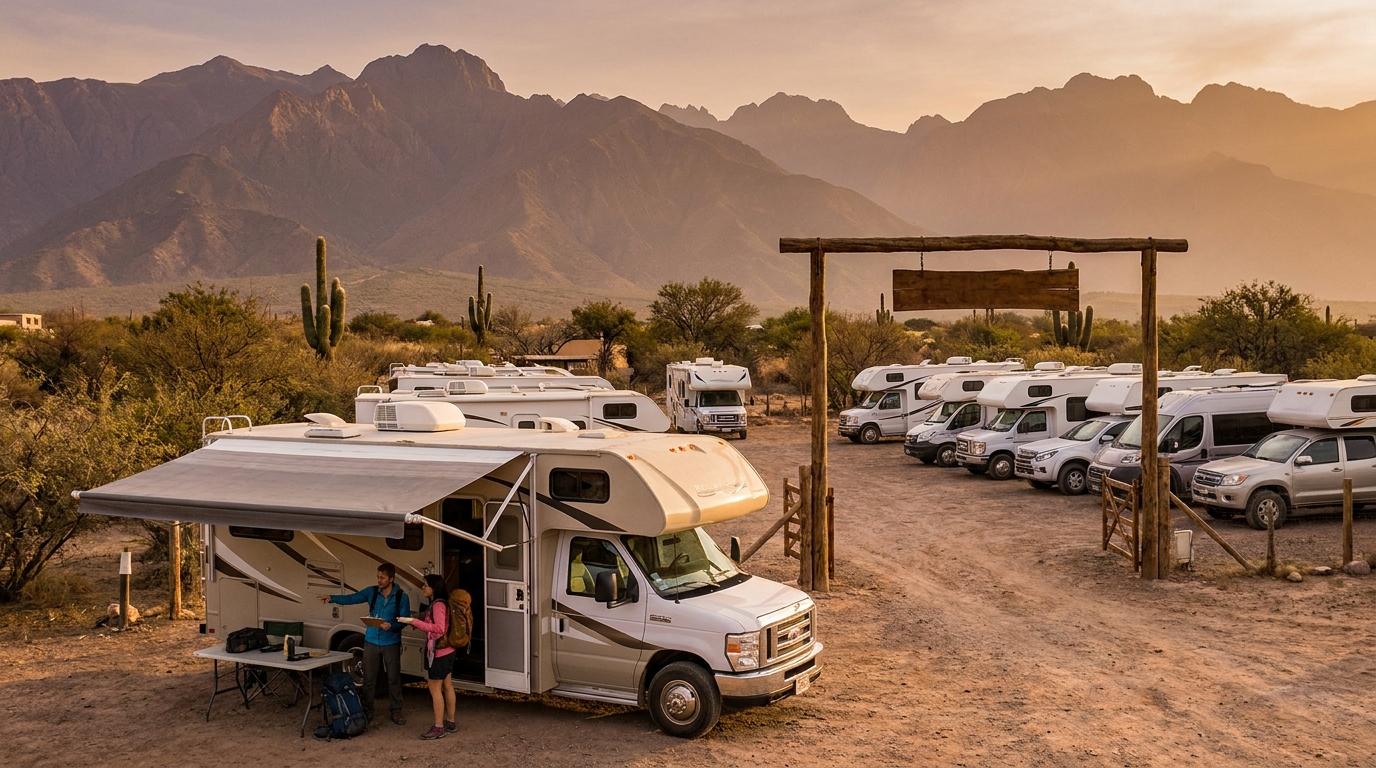
South America provides a mix of campground types including national park sites, private campgrounds, and widespread opportunities for wild camping, also known as boondocking or freedom camping. National park campgrounds typically offer basic facilities and are often located within breathtaking natural environments, sometimes requiring advance reservations, especially in peak season. Private campgrounds vary widely, from basic plots to resort-style parks with more amenities like pools, restaurants, and tours, and are generally found near tourist hubs.
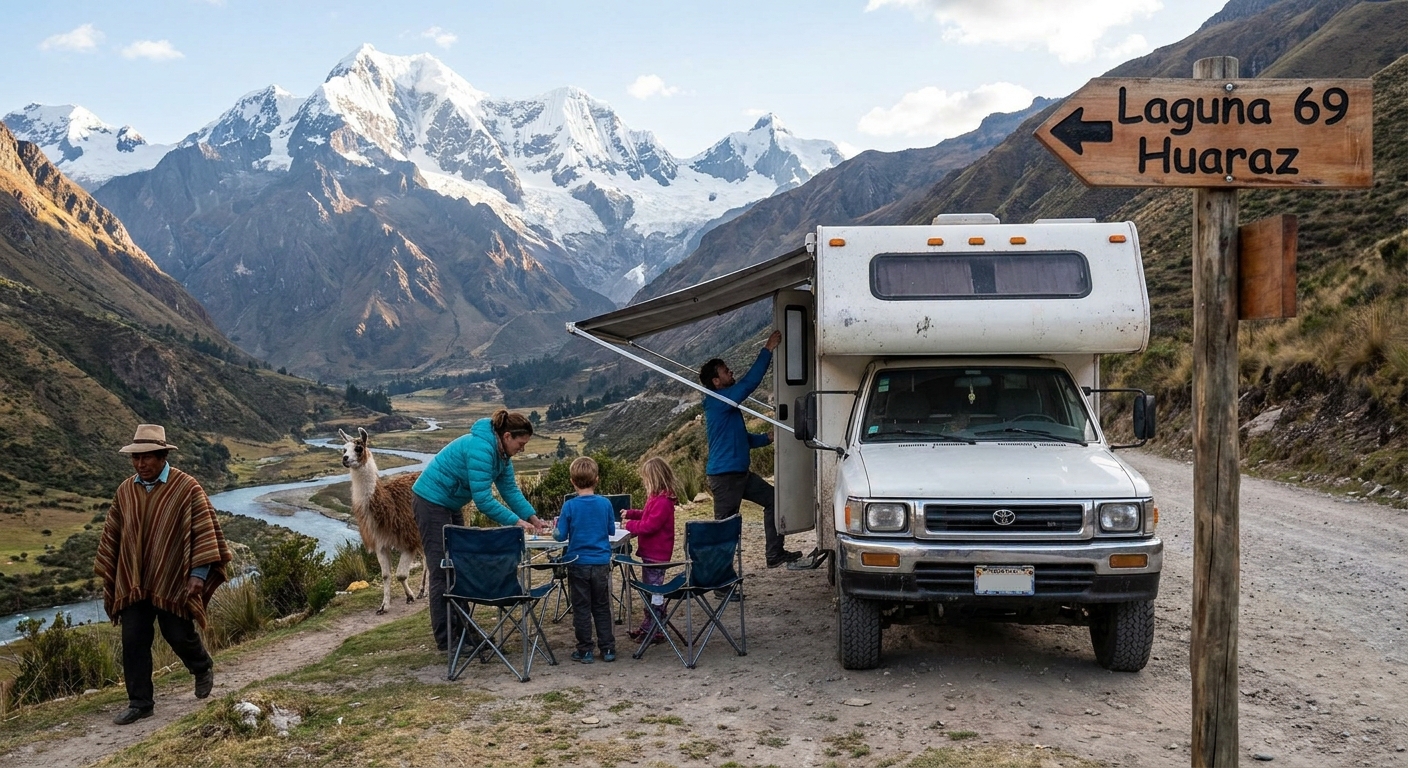
Wild camping, while often tolerated in remote areas, requires respect for private property, environmental conservation, and local customs; always seek permission if unsure or in inhabited areas, which can be facilitated through apps like iOverlander that suggest safe overnight spots like estancias (ranches), gas stations, or even police stations. The key to successful long-term RV camping in South America is flexibility and a willingness to embrace these diverse camping styles.
Featured RV Park or Campground in South America
While specific data for a single featured RV park is not available across the entire continent, an ideal long-term RV park in South America would offer comprehensive security, reliable hookups, a welcoming community for international travelers, and access to local services. Look for campgrounds near major cities like Bariloche, Argentina, or Puerto Varas, Chile, which are known for their scenic beauty and as hubs for adventure tourism, offering a balance of nature and amenities.
An ideal featured park would provide services such as laundry, clean showers, Wi-Fi, and potentially on-site basic vehicle assistance or connections to local mechanics, crucial for long-term stays. Consider parks that are well-reviewed on platforms like iOverlander for security, cleanliness, and traveler-friendliness, as these are key indicators for a comfortable long-term stay. Remember, Bandana RV specializes in connecting you with the right rental vehicle, but we recommend RV PLANET (rvplan.net) for finding campsites and campgrounds during your journey.
Hookups & Amenities — What to Expect
RV hookups and amenities in South America vary significantly, with most private campgrounds offering electrical connections, water access, and dump stations, while national park sites may offer more basic facilities or none at all. Typical voltage in South America is 220V, with different plug types (Type C and I are common), so travelers will need appropriate adapters and surge protectors for their rented RV's electrical systems. Access to potable water is generally available at campgrounds, but it's advisable to carry water filters or purification tablets for refills in less developed areas, and be mindful of water quality.
Dump stations for grey and black water are less common outside of dedicated RV parks, requiring long-term travelers to plan routes that include stops at larger towns or cities for proper waste disposal. Wi-Fi can be unreliable or only available in common areas, while laundry facilities are common in private campgrounds or easily found in nearby towns, and hot showers are often available but may incur an extra cost. Cooking meals in your RV is a fantastic way to experience local ingredients; check out our RV-friendly recipes playlist for inspiration.
Booking Windows & Reservations in South America
For long-term RV rentals in South America, booking windows for campgrounds vary, with planners advised to reserve well in advance for popular national parks and during peak seasons (e.g., Patagonia in summer). Spontaneous travelers can often find spots last-minute, especially outside of major tourist areas, but it's always recommended to call ahead or check online for availability before driving to a remote location. Many national park campgrounds operate on a first-come, first-served basis for a significant portion of their spots (often 70-75%), with only 25-30% available for advance reservations, offering flexibility for long-term itinerants.
While you may not always secure your first choice, persistence typically pays off; you will almost certainly find a place to stay, if not at the first campground, then at a nearby alternative, making long-term travel manageable. For rental vehicles themselves, booking further in advance can sometimes secure better rates, but last-minute deals for a long term rv rental in South America are also possible due to dynamic pricing, so keep an eye on our RV Rental Deals in South America - Latest Offers 2026 page.
Nearby Supermarkets & Resupply Points
For long-term RV travelers in South America, resupply points range from large supermarket chains in major cities to smaller almacenes (general stores) in rural towns. Major cities throughout the continent will have large grocery stores, often featuring international brands alongside local products, making them ideal for stocking up on essentials for your journey. In more remote regions, travelers should plan to carry extra supplies, as smaller towns may have limited selections and higher prices, and specialty items can be hard to find.
Common supermarket chains to look for include Jumbo, Coto, and Carrefour in Argentina; Lider and Jumbo in Chile; and various local chains in other countries, which provide reliable options for food, water, and other necessities. When budgeting for these ancillary trip costs, remember that RV PLANET routes allow travelers to itemize and track every expense along the way for easy budgeting.
Best RV Class for Camping in South America
The best RV class for long-term camping in South America often balances maneuverability, fuel efficiency, and self-sufficiency, with Class B Camper Vans and Class SI Semi-integrated RVs being popular choices. Class B Camper Vans, averaging 5.8m in length and consuming around 8-10 Liters/100 Km, are ideal for navigating diverse terrains, smaller roads, and city centers, offering agility for boondocking and remote travel. Vehicles like the "rv rental denver example Category Van" or "2 Berth Hi Top" are excellent options for couples.
Class SI Semi-integrated RVs, with an average length of 6.9m and fuel consumption of 10-11 Liters/100 Km, provide more living space and amenities for 3-4 people while still being relatively agile for longer trips. Examples include the "2 Berth Rover" or "Active Bunk" models. For families or those requiring more space, Class C Alcove RVs (averaging 7.5m, 10-12 Liters/100 Km) offer comfortable sleeping for 4-5 adults, such as the "rv rentals example Comfort Class" or "24' Class C Motorhome", though their larger size can be more challenging on unpaved or narrow roads. Drive slowly and carefully, and you can drive almost anywhere without issues.
How to Save on Campgrounds in South America
Saving on campgrounds in South America for a long-term RV rental involves strategic planning, leveraging discounts, and embracing varied camping styles. Utilize campground discount cards if available through your rental provider, as these can offer significant savings on participating private campgrounds throughout your journey. Opt for shoulder seasons (spring and fall) to avoid peak prices and crowds, as rates are generally lower and availability is higher.
Prioritize municipal or regional campgrounds over private resorts, as they typically offer more basic facilities at a fraction of the cost. For longer stays, inquire about weekly or monthly rates; many campgrounds offer discounted prices for commitments of 3 or more nights, which is beneficial for long-term travel. Consider sharing hookups and splitting costs with other RV travelers in groups, which is a common practice in communal camping environments. For more budget tips, review our Cheap RV Rental in South America - Budget Guide 2026.
How much does a 1 month trip to South America cost?
A 1-month RV trip to South America can range from $1,500 to $5,000+ USD, depending heavily on the RV rental cost, fuel consumption, chosen destinations, type of camping, and personal spending habits. RV rental costs are a significant factor, varying based on vehicle class and duration; long-term rentals often come with a better daily rate. Fuel expenses will be substantial, especially with Bandana's fleet averaging 8-17 Liters/100 km, and prices fluctuate by country.
Financial logistics for a long-term trip include budgeting for unexpected costs like vehicle repairs or medical emergencies, and understanding how to access money, manage local currency, and navigate credit card acceptance in rural areas, where cash is often preferred. This dynamic pricing means the final price is set at actual booking time, similar to flight tickets. You can explore options for Luxury RV Rental in South America - Premium Prices 2026 if you prefer a more upscale experience.
What is the 3-3-3 rule for RV travel?
The 3-3-3 rule for RV travel is a widely adopted guideline advising travelers to drive no more than 300 miles, arrive by 3 PM, and stay for at least 3 nights, promoting a relaxed and safer pace for long-term RV adventures. This rule is particularly beneficial for long-term travel in South America as it allows ample time to explore destinations without rushing, reduces driver fatigue, and minimizes the stress of finding campsites in unfamiliar territories. Arriving by 3 PM ensures sufficient daylight to set up camp, assess surroundings, and resolve any immediate issues before dark.
Staying for at least 3 nights provides a deeper immersion into each location and saves time and fuel typically spent on frequent setups and takedowns, offering a more enriching long-term experience. Remember to travel slowly, aiming for a maximum of 100-150 km per day on average, to truly feel the place, connect to the culture, the food, and the scenery.
What is the 444 rule for RV?
The 444 rule for RV travel is a variation of pacing guidelines, suggesting travelers drive no more than 400 miles, arrive by 4 PM, and stay for at least 4 nights, offering a slightly more ambitious but still leisurely pace for long-term journeys. This rule can be adapted for long-term RVing in South America when covering longer distances between major regions or if a particular destination warrants a more extended stay. Like the 3-3-3 rule, arriving by 4 PM allows sufficient time for campsite setup and familiarization before dark, which is especially important in remote or unlit areas.
Staying for 4 nights or more enhances the experience by allowing travelers to fully explore an area, rest, and engage with local communities without constant movement. This approach supports slow travel and deeper cultural connection, which is key to enjoying the diverse beauty of South America with your rented motorhome or campervan.
What is the 200 rule for camping?
The 200 rule for camping suggests staying within 200 miles of your home base or primary destination to maintain a sense of familiarity and minimize extensive travel time, though its application for long-term RV travel in South America is typically reinterpreted. For long-term South American adventures, this rule is often adapted to mean staying within a reasonable driving distance (e.g., 200-300 miles) of major towns for resupply and services, or focusing on a specific region for an extended period. This adaptation allows long-term travelers to explore a particular area in depth, reduce fuel costs, and avoid the fatigue associated with constant long-distance driving across a vast continent.
It also promotes a slower travel pace, aligning with the spirit of immersive exploration inherent in a long-term RV rental, enabling deeper cultural experiences and greater flexibility. Adopting a flexible mindset and embracing spontaneity, particularly for finding campgrounds, will greatly enhance your South American RV journey.
Can you camp in South America?
Yes, camping is a fundamental and highly rewarding aspect of RV travel in South America, offering access to incredible natural beauty and unique overnight experiences. Long-term campers will find a spectrum of options from developed campgrounds with facilities to vast opportunities for wild camping in stunning landscapes like Patagonia's plains, the Andean foothills, or along secluded coastlines. Preparation is key for a successful long-term camping experience, including understanding local regulations for wild camping, having a reliable water purification system, and being equipped for varying weather conditions.
Embracing the camping culture involves respecting the environment, being self-sufficient, and often relying on community resources like iOverlander to discover safe and suitable overnight spots, including informal estancias or local hospitality. Always remember to practice Leave No Trace principles to preserve the natural beauty for future travelers.
Long-Term RV Storage Solutions
For long-term RV travelers who need to temporarily leave their rented vehicle to fly out of South America, secure RV storage solutions are available, though they require prior planning. Look for guarded storage facilities near major international airports such as Santiago (Chile), Buenos Aires (Argentina), or Lima (Peru), as these often cater to overlanders. Many private campgrounds or estancias in tourist-friendly regions offer long-term parking options, sometimes with additional services like battery maintenance or basic checks for a fee.
Always vet storage locations for security, insurance, and accessibility, ensuring clear communication with the facility regarding the duration and specific needs for your RV while it's stored. Finding the right solution means you can confidently split your long-term RV adventure with other travel plans, knowing your motorhome is safe. For more flexibility, explore our Last-Minute RV Rental in South America - What to Expect 2026 if your plans change suddenly.
Communication & Connectivity in South America
Maintaining communication and connectivity in South America for long-term RV travel requires a multi-pronged approach, as reliable Wi-Fi and cellular data can be intermittent, especially in remote areas. The best practice is to purchase local SIM cards upon entering each country, as they offer the most cost-effective and reliable cellular data and call services (e.g., Claro, Movistar, Personal). Wi-Fi availability is common in private campgrounds, hotels, restaurants, and cafes in towns and cities, though speeds can vary and may not always be suitable for demanding tasks.
For extensive travel into truly remote regions like the Andes or Patagonia, consider the necessity of satellite communication devices (e.g., satellite messenger or phone) for emergencies, as cellular coverage will be non-existent. Being prepared with multiple connectivity options ensures you can stay in touch and navigate confidently throughout your long-term RV adventure.
What You Shouldn't Miss
- **Patagonia's Route 40 and Carretera Austral:** Experience epic landscapes from Argentina's vast plains to Chile's fjords and glaciers. This is where you truly feel the scale of the continent.
- **Atacama Desert's otherworldly vistas:** Explore moon-like valleys, geysers, and salt flats. The night sky here is unlike anywhere else on Earth.
- **Iguazú Falls:** Witness the sheer power and beauty of one of the world's largest waterfall systems on the border of Brazil and Argentina.
- **The Andean Highlands:** Drive through charming indigenous villages, past stunning volcanoes, and encounter unique wildlife like llamas and alpacas.
- **Colonial cities and vibrant culture:** Take time to stop and explore cities like Salta (Argentina) or Cusco (Peru), immersing yourself in local history, architecture, and, of course, the incredible food.
Looking for expert insights from Avi Bandana? Top 5 Adventures - recommendations from Avi Bandana
🎬 Video coming soon
Final Thoughts
Embarking on a long-term RV camping trip through South America is more than just a vacation; it's an expansive journey of discovery. You'll wake up to sunrises over the Andes, cook meals with fresh local ingredients, and truly connect with the vibrant spirit of this incredible continent. It’s an adventure that promises flexibility, immersion, and unforgettable memories at every turn.
Remember that planning is part of the fun, but unexpected moments are part of the charm. With Bandana RV as your trusted partner, comparing final prices across 50+ suppliers and offering full transparency, you're well-equipped for the road ahead. Get ready to explore at your own pace, discover hidden gems, and savor every moment of your long-term RV rental in South America.
Don't wait to start your dream adventure. Discover top destinations, planning tips, all in one place! Check South America RV Rental Prices Now and begin planning your epic journey.