
For live availability and current prices, start with our RV Rental Mozambique - Complete Guide 2026 guide.
In This Guide
- Where to Camp in Mozambique — Top Options
- Campground Types in Mozambique (National, Private, Wild)
- Featured RV Park or Campground in Mozambique
- Hookups & Amenities — What to Expect
- Booking Windows & Reservations in Mozambique
- Nearby Supermarkets & Resupply Points
- Best RV Class for Camping in Mozambique
- How to Save on Campgrounds in Mozambique
- Is Mozambique safe for tourists right now
- How much does it cost to RV in Mozambique
- What are the road conditions like for RVs in Mozambique
- What are the border crossing requirements for RVs in Mozambique
- What insurance do I need for an RV in Mozambique
- What vaccinations are recommended for RV travel in Mozambique
- How do I get internet and cell service for my RV in Mozambique
- What are some unique RV destinations in Mozambique
- What RV maintenance issues should I prepare for in Mozambique
- What are the cultural etiquette tips for RVers in Mozambique
Where to Camp in Mozambique — Top Options
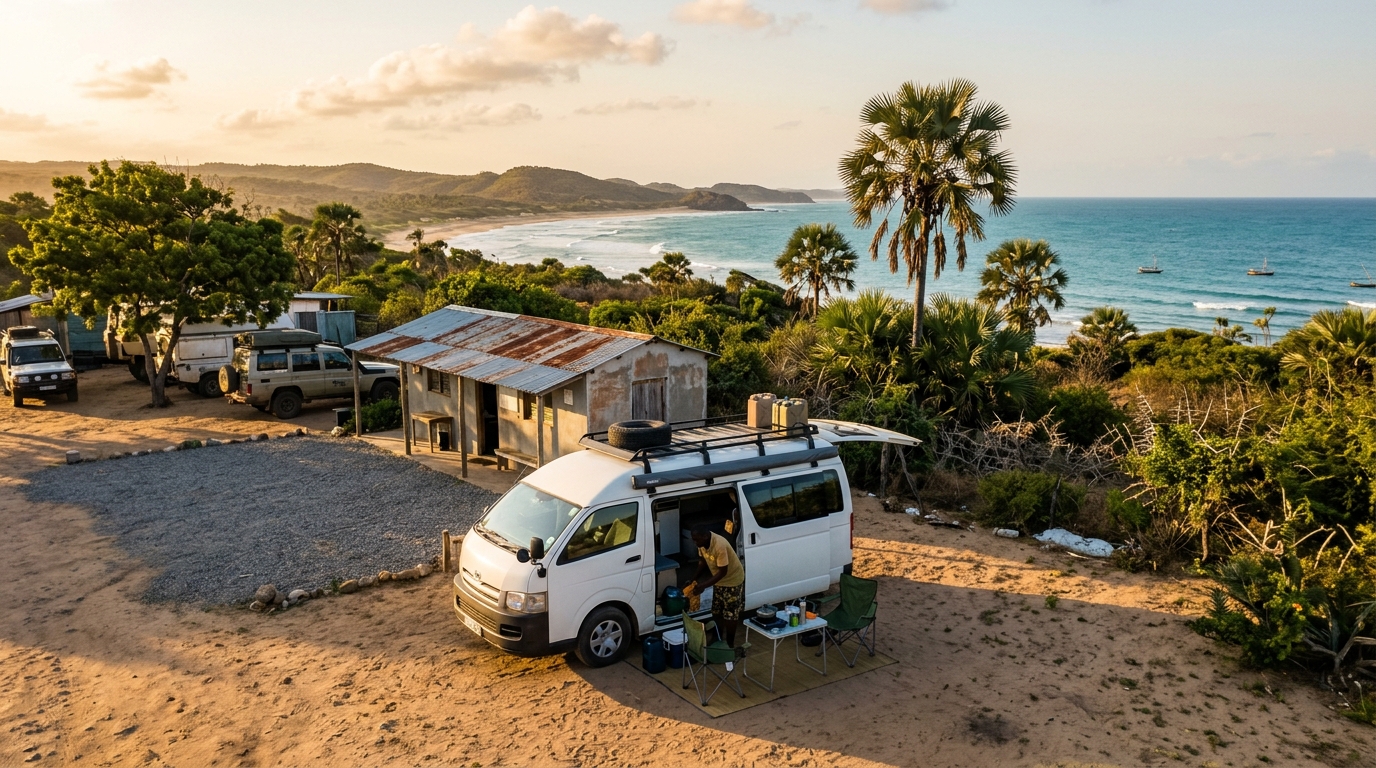
Mozambique offers diverse camping experiences from coastal paradises to national parks and lakeside retreats, primarily around popular tourist routes and conservation areas. Coastal options include popular destinations like Vilanculos and Tofo, offering beach camping opportunities. National Parks such as Gorongosa and Limpopo provide wilderness camping with opportunities for wildlife viewing. Lakeside options are available, particularly around Lake Malawi (also known as Lake Niassa on the Mozambican side). It's advisable to look for designated sites due to complexities in land ownership and local regulations.
Campground Types in Mozambique (National, Private, Wild)
In Mozambique, RVers can primarily choose between formal private campgrounds, designated sites within national parks, and, with caution, some tolerated areas for wild camping, though official wild camping is generally discouraged for safety and environmental reasons. Private campgrounds are the most reliable option, often offering better amenities and enhanced security. National Parks offer designated campsites, which can be basic, and require payment of park entry fees, providing access to unique wildlife viewing experiences. Wild camping (freedom camping) is generally not recommended or officially permitted due to potential security concerns, lack of facilities, and the risk of trespassing or misunderstanding with local communities; it is best avoided unless accompanied by local expert guidance in thoroughly scouted, remote areas.
Featured RV Park or Campground in Mozambique
When planning your long-term RV rental in Mozambique, look for campgrounds that offer essential amenities, secure parking, and a good balance between access to attractions and a peaceful environment. Prioritize locations that provide reliable security measures, such as fencing or on-site guards, especially for long-term stays. Seek out campgrounds with consistent access to potable water, some form of electricity, and basic waste disposal facilities. Check recent traveler reviews for accessibility details, particularly concerning road conditions leading to the site and suitability for larger RVs. Consider the campground's proximity to local towns or villages for convenient resupply of groceries and other necessities. On the routes offered through RV PLANET routes, you can itemize and track every expense along the way for easy budgeting.
Hookups & Amenities — What to Expect
In Mozambique, RV campgrounds vary significantly in amenities, but many established sites offer basic electrical hookups (typically 2-pin Type C or F sockets, 220-240V), water access, and sometimes simple dump stations. Expect 220-240V power with common European Type C/F sockets; always bring universal adapters and surge protectors, as consistent power supply is not guaranteed at all sites. Potable water is often available at designated points, but it is highly recommended to purify or boil all water before consumption, or rely on bottled water. Dedicated RV dump stations are less common than in more developed regions, requiring careful planning for waste disposal. While Wi-Fi is increasingly available at private resorts and lodges, it can often be slow or unreliable. Carrying a local SIM card provides better and more consistent mobile data coverage. Basic cold showers are common; hot water is considered a luxury. Laundry facilities are rare, so be prepared for handwashing.
Booking Windows & Reservations in Mozambique
For long-term RV rentals in Mozambique, it is advisable for planners to book popular private campgrounds and national park sites well in advance, especially during peak seasons like South African school holidays or over December and January. Secure reservations 3-6 months ahead for high-demand coastal areas and national parks to avoid disappointment. Spontaneous travelers will almost certainly find a place—if not the first campground, then the next—but calling ahead before driving long distances is highly recommended, particularly for smaller, less-known sites or during busy periods. Many national park campgrounds typically release only 25%-30% of their spots for online reservations, leaving the majority available on a first-come, first-served basis, which can be advantageous for flexible travelers.
Nearby Supermarkets & Resupply Points
RVers in Mozambique can primarily resupply at supermarkets in larger towns and cities such as Maputo, Beira, Nampula, and Pemba, or through smaller local markets and shops in rural areas. Look for international supermarket chains like Shoprite, Game, or Spar in the country's main urban centers for a wide range of goods. Local markets are excellent for fresh produce, fish, and local Mozambican goods; prepare for cash transactions and basic Portuguese communication. Fuel stations are available in most towns along main routes; always ensure your tank is full, especially before embarking on long stretches between urban areas. While bottled water is widely available, consider carrying a water filter or purification tablets for tap water sources to ensure safety.
Best RV Class for Camping in Mozambique
For long-term RV camping in Mozambique, a robust and agile vehicle like a Class B Camper Van or a Class SI Semi-integrated RV is often recommended due to varying road conditions and the need for versatility. A Class B Camper Van, with an average length of 5.8 meters and sleeping 3.2 people, is highly maneuverable and fuel-efficient, ideal for navigating smaller roads and more basic campsites. A Class SI Semi-integrated RV, averaging 6.9 meters in length and sleeping 3.8 people, offers a good balance of comfort and manageability, suitable for longer trips where slightly more interior space is desired without being overly cumbersome. For serious off-road capability and very challenging terrain, Truck Campers provide robust handling, though they might be less common for long-term rentals. Larger RVs (Class C) are suitable for families but might face challenges on very poor roads or in tight, undeveloped campsites. Integrated Class A RVs, the largest, are best suited for developed roads and larger, more accessible campgrounds, making them potentially less ideal for extensive remote Mozambican travel. Consider an RV with good ground clearance and, ideally, 4x4 capability if you plan to venture off the main paved routes.
How to Save on Campgrounds in Mozambique
RVers can save on long-term campground stays in Mozambique by utilizing campground discount cards, choosing off-peak seasons, opting for municipal or regional sites over private resorts, and negotiating weekly rates. Leverage campground discount cards where they are accepted. Traveling during the shoulder months (e.g., April-May, September-October) typically offers lower rates and fewer crowds compared to peak season. Municipal or regional campgrounds are often more budget-friendly than luxurious private resorts, offering essential facilities at a lower cost. For long-term rentals, inquire about discounted rates for stays of three or more nights, or extended weekly/monthly packages. If traveling with other RVers, splitting the costs for shared hookups or multi-site bookings can further reduce individual expenses.
Is Mozambique safe for tourists right now
As of 2026, Mozambique is generally considered safe for tourists, particularly in established travel areas, though it's crucial to stay updated on specific regional advisories and exercise standard travel precautions. Always check official government travel advisories from your home country's foreign ministry and reputable news sources frequently, as local conditions can change. Certain northern areas, particularly in Cabo Delgado province, have experienced security incidents; closely monitor advisories and avoid non-essential travel to affected zones. Petty crime, such as pickpocketing and bag snatching, is common in urban centers and crowded areas; always secure valuables and be aware of your surroundings. Avoid walking alone at night. Drive cautiously, especially outside major cities, due to poor road conditions, stray animals, and limited lighting. Night driving is strongly discouraged. Keep a list of local emergency numbers readily available and ensure you have a reliable means of communication.
How much does it cost to RV in Mozambique
The cost to RV in Mozambique for a long-term rental varies significantly, but a detailed breakdown typically includes RV rental fees, fuel, camping site fees, border crossing expenses, food, activities, and a contingency for unexpected costs. Long-term RV rentals can range from $70-$150+ per day, with daily rates often decreasing with longer rental durations. Fuel is a significant expense, with diesel/petrol prices fluctuating; budget for an average fuel consumption of 10-12 Liters/100 km for most RVs. Camping fees typically range from $10-$40 per night for basic to mid-range campsites; private resorts and national park sites usually fall at the higher end. Account for multiple border entry/exit fees, road taxes, a Temporary Import Permit (TIP) for the RV, and potential processing fees, which can sum to $100-$200 per crossing. Costs for food and drink can be budget-friendly when shopping at local markets ($10-$20 per person/day for basics) or higher at tourist-oriented restaurants ($20-$50+ per meal). Budget for national park entry fees (e.g., Gorongosa can be $20-$40 per day per person), diving, boat trips, and other excursions. Always allocate an additional 10-15% of your total budget for unforeseen expenses such as vehicle breakdowns, unexpected fees, or medical emergencies. For ideas you can prep on the road, watch our RV-friendly recipes playlist on YouTube.
What are the road conditions for RVs in Mozambique
Road conditions for RVs in Mozambique are highly variable, ranging from well-maintained tar roads on major arteries to severely potholed, corrugated dirt tracks, and deep sand, especially in rural areas and coastal routes. Major routes, like the EN1 (Mozambique's main north-south highway), are mostly paved but can feature significant potholes and unannounced roadworks. Expect extensive sections of gravel, dirt, and sand roads, often requiring 4x4 capability, particularly after rainfall or when accessing coastal areas. Be vigilant for pedestrians, livestock, cyclists, unmarked speed bumps ('quebra-molas'), and unexpected large potholes. Night driving is strongly discouraged due to these numerous hazards. Vehicle choice is important; prioritize RVs with high ground clearance and robust suspension; a 4x4 capable vehicle is highly recommended for exploring beyond the main paved routes. Preparation is key; it is advisable to carry at least two spare tires, a high-lift jack, and recovery equipment if planning to venture off-road or into remote areas.
What are the border crossing requirements for RVs in Mozambique
Crossing the border into Mozambique with an RV requires careful preparation, including valid passports, visas (if applicable), vehicle registration, a temporary import permit (TIP) for the RV, and specific Mozambican third-party insurance, often involving multiple steps and potential delays. Ensure you have a valid passport (with at least 6 months validity and multiple blank pages), a visa (if required, obtain beforehand), original vehicle registration papers, a letter of authorization from the RV rental company, and an International Driving Permit (IDP) alongside your national license. You must obtain a Temporary Import Permit (known as a D.E. or Declaracao de Entrada) for the RV, which is typically valid for 30 days and can be extended. It is mandatory to purchase Mozambican third-party liability insurance ('Seguro de Responsabilidade Civil') either at the border post or from an authorized agent nearby, as foreign policies are generally not recognized. The border crossing typically involves separate stops for immigration (passport stamping), customs (vehicle papers and TIP), and insurance purchase, potentially followed by a road tax payment. Border crossings can be time-consuming, sometimes taking several hours; maintain patience, be polite, and have all required documents easily accessible. Avoid unofficial 'fixers' who promise to expedite the process for a fee.
What insurance do I need for an RV in Mozambique
When traveling with an RV in Mozambique, comprehensive travel insurance for yourself and mandatory local third-party liability vehicle insurance for the RV are essential, as foreign vehicle insurance policies are generally not recognized within Mozambique. Travel insurance is crucial for covering medical emergencies, emergency medical evacuation, trip cancellation, and loss or theft of personal belongings; ensure the policy explicitly covers any adventure activities you plan. You must purchase 'Seguro de Responsabilidade Civil' (third-party liability insurance) upon entering Mozambique, typically available at the border or from local insurers; this covers damage you cause to other vehicles or property, but not damage to your rental RV. Understand the specific terms and conditions of your long-term RV rental agreement regarding damage to the rental vehicle itself; familiarize yourself with the deductible and coverage limits, and consider purchasing additional waivers if offered. Always carry physical proof of all your insurance policies, particularly the Mozambican third-party cover, as it may be requested at checkpoints.
What vaccinations are recommended for RV travel in Mozambique
For RV travel in Mozambique, recommended vaccinations typically include routine immunizations, Hepatitis A and B, Tetanus, Typhoid, and potentially Yellow Fever (if arriving from an endemic country), alongside crucial malaria prevention measures and access to clean water. Always consult a travel health specialist or your physician 4-6 weeks before your trip for personalized vaccination and health advice. Mozambique is considered a high-risk malaria zone; prophylactic medication is strongly recommended, along with diligent use of mosquito nets, insect repellents (containing DEET), and wearing long clothing at dusk and dawn. A Yellow Fever vaccination certificate is mandatory if you are arriving from a country with a risk of Yellow Fever transmission. Drink only bottled or properly purified water. Avoid ice made from unverified water sources and be cautious with tap water. Consume only freshly prepared, hot food; peel fruits yourself; and avoid raw vegetables washed in local water. Access to advanced medical facilities is limited outside of major cities; ensure your travel insurance includes coverage for medical evacuation and carry a comprehensive first-aid kit.
How do I get internet and cell service for my RV in Mozambique
To ensure connectivity for your RV in Mozambique, purchasing a local SIM card upon arrival from providers like Vodacom, Movitel, or Tmcel is the most reliable method for cell service and mobile data, supplemented by Wi-Fi at some lodges or satellite options for remote areas. Local SIM cards are easily obtainable at airports, major border posts, and shops in towns and cities. Vodacom and Movitel generally offer the best coverage, especially along main routes and in population centers. Purchase data bundles, which are typically affordable and necessary for internet access. Be prepared for intermittent or no cell service and internet coverage in very remote areas, national parks, and certain coastal stretches. Wi-Fi is available at many private campgrounds, lodges, and restaurants, but it can often be slow or unreliable. For extensive off-grid travel, consider investing in a satellite phone or a satellite messenger device for critical emergency communication. Ensure your RV has reliable charging capabilities for all your electronic devices; carry power banks as a backup.
What are some unique RV destinations in Mozambique
Beyond major tourist spots, Mozambique offers unique RV destinations for the adventurous, including the remote beaches of the Quirimbas Archipelago (accessible to mainland points), the historical Ilha de Moçambique, and the lesser-visited parts of Niassa National Reserve. Gorongosa National Park is a globally renowned conservation success story, offering exceptional wildlife viewing and designated campsites suitable for RVs. Inhambane Province allows exploration of less-traveled beaches such as Barra or Tofo, famous for diving, snorkeling, and a selection of RV-friendly lodges and campsites. Ilha de Moçambique, a UNESCO World Heritage site rich in history, is best explored by parking RVs on the mainland with easy access to the island via taxi or 'tuk-tuk' for exploration. Lake Niassa/Malawi provides unique freshwater lake camping experiences, with opportunities for snorkeling and cultural interactions in remote lakeside villages. Zavora is known for its pristine reefs and excellent diving, offering more basic, authentic camping facilities. Research local community campsites or guesthouses in less-frequented areas that may offer secure RV parking, always ensuring local security and understanding cultural norms.
What RV maintenance issues should I prepare for in Mozambique
RVers in Mozambique should prepare for common maintenance issues like flat tires, suspension damage from rough roads, electrical faults due to inconsistent power, and potential filter clogging from poor fuel quality, requiring a basic toolkit and knowledge of local mechanics. Punctures are very common due to rough and unpaved roads; always carry at least two spare tires, a comprehensive tire repair kit, and ensure you know how to change a tire. Corrugated roads and potholes can loosen components or damage suspension; conduct regular vehicle checks and drive slowly on challenging terrain. Fuel can occasionally be impure; carry spare fuel filters and learn how to change them. Always refuel at busy, reputable stations. Expect significant dust penetration; regularly clean air filters, cabin filters, and check electrical connections for dust buildup. High ambient temperatures can strain engine cooling systems and RV refrigerators; monitor fluid levels and perform routine checks. Major towns usually have mechanics, but parts for specific RV models might be hard to find; carry essential spare parts (e.g., belts, hoses, fuses, filters). Learning basic Portuguese phrases for vehicle issues will be very helpful. Roadside assistance services are limited or non-existent in remote areas, so be prepared to be self-sufficient for minor repairs.
What are the cultural etiquette tips for RVers in Mozambique
To foster positive interactions during RV travel in Mozambique, RVers should embrace a respectful and patient approach, learning basic Portuguese greetings, dressing modestly, asking permission before photographing people, and being mindful of local customs, especially when visiting communities. Always initiate interactions with a polite greeting (e.g., 'Olá,' 'Bom dia,' 'Boa tarde') before proceeding with any business or questions, as politeness is highly valued. Dress modestly, particularly in rural areas and when visiting religious sites; covering shoulders and knees is generally appropriate. Always ask for explicit permission before taking photos of people, especially children; a simple 'Posso tirar uma foto?' (Can I take a photo?) is appreciated. Bargaining is common and expected in local markets, but always engage respectfully and with a smile; avoid overly aggressive haggling for small amounts. While well-intentioned, unsolicited gifts can sometimes create dependency or awkward situations; consider donating to established local charities or community projects instead. Embrace the Mozambican pace of life ('à vontade') and avoid showing frustration if things take longer than expected. Learning a few basic Portuguese phrases will significantly enhance your interactions and demonstrate respect for the local culture. Be mindful of your presence, minimize your environmental footprint, and support local businesses where possible.
What You Shouldn't Miss
- Explore the vibrant marine life and pristine beaches of the Bazaruto Archipelago, accessible via boat trips from Vilanculos, where RV parking is readily available.
- Immerse yourself in the history of Ilha de Moçambique, a UNESCO World Heritage site, by parking your RV in the mainland town and taking a short ferry or taxi ride.
- Embark on a safari adventure in Gorongosa National Park, renowned for its incredible wildlife rehabilitation success and well-maintained RV-friendly campsites.
- Discover the coastal charm of Tofo and Inhambane, famous for their excellent diving and snorkeling opportunities, with several relaxed RV-accessible beachfront accommodations.
- Experience the unique culture and landscapes around Lake Niassa (Lake Malawi), offering freshwater swimming and interactions with local communities from your RV base.
- Journey through the historic capital, Maputo, to explore its colonial architecture and bustling markets, ensuring to secure your RV in a reputable campground or secure parking area.
Final Thoughts
Embarking on an RV adventure in Mozambique promises an unparalleled journey through diverse landscapes and rich cultural experiences. While the road conditions and infrastructure may present unique challenges, the rewards of exploring this beautiful country at your own pace are immense. Remember that meticulous planning, flexibility, and an adventurous spirit are your greatest assets.
From the stunning coastlines to the wild heart of its national parks, a rented RV offers the ultimate freedom to discover Mozambique's treasures. We're here to support you in finding the perfect motorhome for your long-term exploration. Get inspired for your next trip and start planning your unforgettable Mozambican RV adventure with Bandana!
