In This Guide
- Where to Camp in Greece - Top Options
- Campground Types in Greece (National, Private, Wild)
- Featured RV Park or Campground in Greece
- Hookups & Amenities - What to Expect
- Booking Windows & Reservations in Greece
- Nearby Supermarkets & Resupply Points
- Best RV Class for Camping in Greece
- How to Save on Campgrounds in Greece
- How much does it cost to rent an RV in Greece
- What are the rules for wild camping in Greece
- How to ferry an RV in Greece
- Is it safe to RV in Greece
- Can you travel Greece in a Campervan
- How long can you rent an RV for
- Do you need a special license to drive an RV in Greece
- How much does it cost to fuel an RV in Greece
- How do you dispose of grey water in Greece
- Where can I stay in Greece with a Campervan
- What is the best time of year to RV in Greece
- Are pets allowed in RV rentals in Greece
- What You Shouldn't Miss
- Why Book with Bandana Caravan
- Final Thoughts
- Frequently Asked Questions
Imagine yourself waking up to the gentle lapping of the Aegean Sea, the scent of olive groves filling the air, and a day full of ancient history and stunning natural beauty stretching out before you. This dream can become a reality with a long term RV rental in Greece, offering unparalleled freedom and flexibility to explore this magnificent country at your own pace. Whether you’re seeking a month-long immersion into local culture or an extended journey across multiple islands, RV travel unlocks a truly authentic Greek adventure. For live availability and current prices, start with our RV Rental Greece - Complete Guide 2026.
Where to Camp in Greece - Top Options
Greece offers diverse camping experiences from sun-drenched coastal sites to serene mountain retreats, providing ample options for long-term RV travelers. Popular regions for RV camping include the Peloponnese, Chalkidiki, and the Ionian Islands, each presenting unique landscapes and cultural insights. When planning your route, look for well-equipped private campgrounds conveniently located near major tourist attractions and breathtaking natural beauty. For instance, the Peloponnese peninsula, with its ancient ruins and picturesque coastlines, hosts numerous campgrounds offering a blend of historical exploration and beach relaxation. Further north, Chalkidiki's three "fingers" boast a plethora of beachfront sites perfect for extended stays, while the Ionian Islands, accessible by ferry, provide lush greenery and turquoise waters. Many campers prefer to travel slowly, averaging a maximum of 100-150 km per day, allowing ample time to feel the place, connect to the culture, the food, and the scenery.
Campground Types in Greece (National, Private, Wild)
Greece primarily offers private campgrounds with varying amenities, catering to most RV rental needs. Unlike some countries, national park camping in Greece is limited and often restricted to designated areas, not specific "national-park sites" in the North American sense. These designated areas might be basic or require specific permits. Wild camping, also known as free camping or boondocking, is officially illegal in Greece but often tolerated in remote areas if done discreetly and responsibly, avoiding private land, archaeological sites, or protected zones. If you choose to wild camp, ensure you leave absolutely no trace and respect local communities, as this discretion is key to continued tolerance. For instance, remote beaches on less-visited islands or secluded mountain spots might be options if approached with care and respect. It's always a good idea to check local regulations or ask locals in advance, as rules can vary.
Featured RV Park or Campground in Greece
When choosing an RV park in Greece for an extended stay, look for facilities that offer a balanced blend of essential services and authentic local charm. Ideal campgrounds for a long-term RV camping experience provide full hookups (electricity, fresh water, and grey/black water disposal), ensuring comfort and convenience for stays of a month or more. You should also expect clean sanitary facilities, and many desirable sites include additional amenities such as swimming pools, on-site restaurants serving local cuisine, and direct access to a beach. Seeking out parks with strong community reviews regarding cleanliness, friendly staff, and easy accessibility to local attractions will significantly enhance your long-term enjoyment. These facilities make managing daily life in a rented motorhome simple, allowing you more time to explore nearby towns, enjoy Greek hospitality, and relax by the sea.
Hookups & Amenities - What to Expect
Most private campgrounds in Greece provide essential hookups including electricity, fresh water, and grey/black water disposal points, crucial for long-term comfort in your rented RV. Electricity is typically 220-240V, compatible with common European CEE 7/4 "Schuko" or CEE 7/7 plugs, so remember to pack an adapter if coming from outside Europe. Many sites offer Wi-Fi, though signal strength and reliability can vary significantly, especially in remote areas or during peak season, which is important to consider for those needing consistent connectivity. Beyond basic utilities, you can expect amenities like hot showers, laundry facilities, mini-markets for immediate needs, and often even restaurants or swimming pools, particularly at larger, well-established sites favored by long-term campers. For finding campsites and campgrounds during your trip, we recommend using RV PLANET (rvplan.net) - a great resource for locating available spots along your route.
Booking Windows & Reservations in Greece
For long-term RV rentals in Greece, planning ahead is highly recommended, especially if traveling during peak season (June-August) or aiming for specific, popular campgrounds. Many campgrounds, particularly those on popular islands or near major attractions, can fill up quickly during these months. While many private campgrounds do accept same-day or next-day bookings, securing your spot well in advance ensures availability and can often lead to better rates for extended stays. There are two main planning styles: pre-planners who like everything organized months ahead, and spontaneous travelers who book day-to-day. Both are valid. Many national and state parks reserve only 25-30% of spots, with the rest being first-come-first-serve, so you will find a spot. If not at the first campground, then the next one. Always call ahead before driving to a campground, particularly during shoulder seasons or for less-known locations, to confirm availability and operating hours, as smaller sites may have flexible schedules.
Nearby Supermarkets & Resupply Points
For long-term RV travel in Greece, major supermarket chains like Sklavenitis, AB Vassilopoulos, and Lidl are reliable options for stocking up on groceries and essentials. These larger stores are typically found in or near major towns and cities, offering a wide range of products at competitive prices, making them perfect for weekly resupply runs for your rented motorhome's kitchen. For preparing delicious meals on board, remember to check out our RV-friendly recipes playlist. In more remote or rural areas, look for smaller local markets (laiki agora) or mini-markets, which provide fresh, local produce and often support the local economy directly, offering a taste of authentic Greek ingredients. These local markets are not only great for fresh food but also for experiencing the local culture. Planning your route to include regular stops in larger towns ensures you always have access to fresh provisions and anything else you might need for your extended journey. On the routes offered through RV PLANET routes, you can itemize and track every expense along the way for easy budgeting.
Best RV Class for Camping in Greece
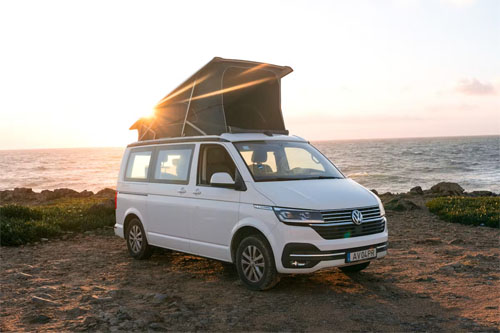
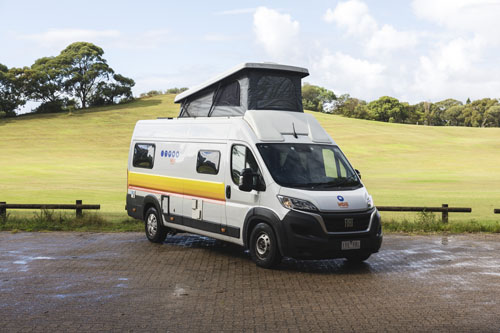
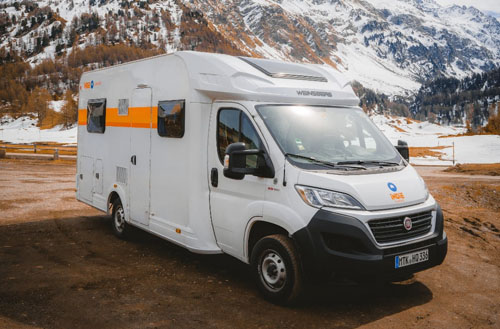
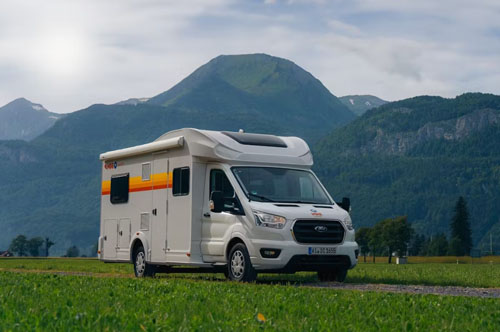
For long-term RV camping in Greece, Class B Camper Vans and Class SI (Semi-integrated) RVs are generally the most versatile choices, offering an excellent balance of comfort and maneuverability on Greece's varied roads. Bandana's Class B Camper Vans, averaging around 5.8 meters in length with approximately 3.2 sleeping places, are ideal for navigating narrower village streets and finding parking in historic towns like those found in the Peloponnese. Their compact size makes them less intimidating for first-time international RVers. For those desiring more living space and amenities for extended stays, Class SI Semi-integrated RVs, averaging about 6.9 meters in length, typically accommodate 3.8 sleeping places and offer an average load capacity of 72.2 kg for supplies. These models provide enhanced comfort without sacrificing too much on maneuverability, allowing you to venture from the coastal roads to mountainous regions like those around Meteora. Larger Class C Alcove motorhomes, such as the `cruise america rv rental example Explorer` (7.1m length, 4 sleeping places, 82L fresh/waste tanks), are also manageable, just drive slowly and carefully, paying attention to your surroundings.
How to Save on Campgrounds in Greece
To save on long-term RV campgrounds in Greece, savvy travelers often leverage campground discount cards, which can provide significant savings for extended stays at participating sites. Consider traveling during the shoulder seasons (spring: April-May, and autumn: September-October) when daily rates are considerably lower, and popular attractions are less crowded, offering a more relaxed and budget-friendly experience. Another effective strategy is to opt for municipal or regional campgrounds over private resorts, as these often have more budget-friendly pricing and can sometimes offer a more authentic local camping experience. Always inquire about weekly or monthly rates when booking, as many campsites offer substantial discounts for stays of three or more nights, directly reducing your overall long term RV rental cost in Greece. Being flexible with your dates and comparing options on platforms like RV PLANET can unlock the cheapest long term RV rental deals.
How much does it cost to rent an RV in Greece
The cost to rent an RV in Greece for a long term varies significantly based on factors such as RV class, rental duration, season, and included amenities, typically ranging from €80 to €200+ per day. For example, a compact Class B Camper Van like a `V3` (6.36m length, 2 sleeping places) might be on the lower end, while a larger Class SI or C motorhome, such as an `F4` (6.99m length, 5 sleeping places), could be in the higher range, particularly during the peak summer months of July and August. Dynamic pricing, similar to flight tickets, means that prices change daily based on availability and supplier marketing decisions, so the final price is set at the actual booking time. Detailed budgeting should account for not only the rental fee but also fuel (Bandana's fleet typically consumes 10-12 L/100km for common classes like a `cruise america rv rental example Explorer`), tolls, ferry costs for island travel, camping fees, and daily expenses like food and activities. Hidden costs can include one-way fees, extra mileage charges, additional insurance upgrades (like a top-level deductible for extra peace of mind), and specific equipment rentals, so review your contract thoroughly to avoid surprises. On RV PLANET routes, travelers can itemize and track every expense along the way for easy budgeting.
What are the rules for wild camping in Greece
Wild camping, also known as free camping or boondocking, is officially illegal in Greece; however, it is often tolerated in very remote, non-touristy areas, provided you are discreet, respectful of the environment, and not on private property or protected land. This "don't ask, don't tell" approach relies heavily on travelers adhering to strict ethical guidelines. To minimize environmental impact and respect local communities, properly dispose of all waste (pack it in, pack it out), use eco-friendly products, and ensure absolutely no trace is left behind after your stay. Always be aware of local signs and regulations, especially near archaeological sites, national parks, or populated areas, where enforcement is much stricter and fines can be imposed. For security and convenience, particularly during an extended road trip with a rented motorhome, considering dedicated campsites is always the safest option.
How to ferry an RV in Greece
Ferrying an RV in Greece, essential for exploring the islands, involves booking tickets well in advance, especially during peak season (June-August), as vehicle spots can be limited. It's critical to understand the specific vehicle restrictions for height, length, and weight, as these vary by ferry operator (e.g., Blue Star Ferries, Minoan Lines) and route, impacting your long term RV camping plans. For example, a larger Class C Alcove motorhome, averaging 7.5 meters in length, will have different pricing and booking requirements than a compact Class B Camper Van. Booking strategies should include comparing prices and schedules across different operators and considering less direct routes for potential savings. During loading and unloading, follow crew instructions carefully, as maneuvering larger RVs on crowded decks can be challenging. Be prepared that vehicle costs are calculated based on the precise length and height of your rented motorhome, so accurate measurements are vital for booking.
Is it safe to RV in Greece
RVing in Greece is generally safe, providing a wonderful way to explore the country, but like any travel, it requires vigilance, particularly concerning securing your rented motorhome and belongings in both urban and rural settings. For enhanced safety and security, always ensure your RV is locked, avoid leaving valuables in plain sight, and consider using additional locks or alarms, especially when wild camping or parked overnight in less secure areas. Be prepared for emergencies by having roadside assistance information readily available and knowing local emergency numbers (112 for all emergencies). Navigate challenging driving conditions, such as narrow roads in small villages or winding mountainous terrain, with caution and appropriate speed. Driving slowly and carefully allows you to drive almost anywhere without issues, no need to stress – just use common sense and pay attention. Bandana RV supports you before and after your booking, providing peace of mind as you embark on your Greek adventure.
Can you travel Greece in a Campervan
Yes, traveling Greece in a campervan, particularly a smaller model like Bandana's Class B Camper Van, is highly feasible and often recommended due to its maneuverability on narrow roads and ease of parking. These compact models, averaging 5.8 meters in length with 3.2 sleeping places, offer excellent flexibility for exploring remote areas and navigating charming, historic towns where larger vehicles might struggle. While campervans provide great freedom, be mindful of accessibility for even larger RVs when planning routes through ancient villages or mountainous regions with limited space. Ensuring reliable connectivity is also important for long-term travel; research local mobile data plans and Wi-Fi availability, which can vary. Additionally, understanding water refill and waste disposal infrastructure in both developed campgrounds and potential boondocking areas is crucial for a comfortable extended trip.
How long can you rent an RV for
Most RV rental companies in Greece offer flexible rental periods, typically allowing rentals from a few days to several months, making long-term RV travel entirely possible and increasingly popular. Bandana Caravan specializes in helping you find the perfect vehicle for an extended journey, whether it’s a week-long trip, a two-week adventure, or a multi-month immersion. Long-term rentals often come with reduced daily rates, making extended stays more cost-effective than multiple short-term bookings, providing significant value for your money. It's essential to communicate your exact long-term rental needs with the provider during the booking process to ensure vehicle availability and to discuss any specific terms or maintenance schedules required for extended usage. Our team, true RV specialists and not just a travel agency side department, are with travelers before, during, and after their booking to assist with these arrangements.
Do you need a special license to drive an RV in Greece
For most standard RVs available for rent in Greece, including common classes like semi-integrated (Class SI) and alcove (Class C) models, a standard Category B driving license (for vehicles up to 3,500 kg) is sufficient. This means you generally don't need a special license, CDL, or additional permits for any rental motorhome. If you hold a non-EU driving license, an International Driving Permit (IDP) is recommended in conjunction with your national license to legally drive in Greece, though it is not mandatory in all cases. It's always prudent to confirm the specific gross vehicle weight and dimensions of your chosen rented RV against your driving license category, especially if you opt for larger Class A Integrated models or those potentially exceeding 3,500 kg, which may require a higher license category. Minimum rental age is 21 with no young driver surcharges.
How much does it cost to fuel an RV in Greece
The cost to fuel an RV in Greece is a significant component of long-term travel expenses, with diesel prices fluctuating based on global markets and varying slightly across different regions. Bandana's fleet typically has common fuel consumption rates of 10-12 liters per 100 km for Class SI and C RVs, while more compact Class B Camper Vans consume around 8-10 liters per 100 km, allowing for effective budgeting. When planning your route, factor in potential price differences between mainland and island fuel stations, as island prices can sometimes be slightly higher due to transportation costs. For very remote areas, consider carrying an emergency fuel supply, although stations are generally well-distributed. Keeping an eye on fuel prices at various stops can help manage your long term RV rental budget efficiently. Remember to fill up when you see a good price!
How do you dispose of grey water in Greece
In Greece, grey water (from sinks and showers) should be disposed of responsibly at designated dump stations found in organized campgrounds or specific service areas for RVs, rather than indiscriminately. Responsible travel practices dictate that you never discharge grey water directly into nature, especially when wild camping, to prevent environmental pollution and protect local ecosystems. Utilizing the waste disposal facilities at official campsites, which typically have dedicated grey and black water emptying points, is the safest and most environmentally sound approach. For long-term RV trips, planning your route around these facilities is essential to manage your tanks effectively and maintain hygiene in your rented motorhome. Many campgrounds also offer fresh water refill stations, allowing you to top up your tanks.
Where can I stay in Greece with a Campervan
With a campervan in Greece, you can stay at organized private campgrounds throughout the mainland and its many beautiful islands, offering full amenities and security for your long-term rental. These sites are ideal for comfort and convenience. While wild camping is officially prohibited by Greek law, discreet overnight parking in remote, non-touristy areas away from private land or archaeological sites is sometimes tolerated if you adhere to strict leave-no-trace principles. Consider exploring areas like the Peloponnese for its historical sites and numerous well-equipped campsites, Halkidiki for stunning beaches, and the Ionian Islands for lush landscapes, all accessible with your campervan. Keep in mind that off-season travel may present fewer open campsites but also significantly fewer crowds, offering a more tranquil experience. You'll find a spot; if not at the first campground, then the next one. Always call ahead before driving.
🎬 Video coming soon
What is the best time of year to RV in Greece
The best time of year for RV travel in Greece is typically during the shoulder seasons—spring (April-May) and autumn (September-October)—when the weather is wonderfully pleasant, tourist crowds are thinner, and ferry schedules are still frequent. In spring, wildflowers burst forth, and temperatures range from 18-25°C, perfect for hiking and exploring ancient sites without intense summer heat. Autumn offers warm sea temperatures for swimming, comfortable touring temperatures between 20-28°C, and delightful grape harvests, with fewer visitors. Off-season RV travel, particularly in winter (November-March), offers unique benefits like significantly fewer tourists and lower prices, but requires awareness that some campsites and seasonal businesses, especially on smaller islands, may be closed. Consider your specific interests: spring for vibrant flora, early summer for warm beaches before peak crowds, and autumn for cultural events and comfortable touring.
Are pets allowed in RV rentals in Greece
Many RV rental companies in Greece offer pet-friendly vehicles, allowing travelers to bring their furry companions on long-term adventures, though additional cleaning fees may apply (typically €50-€100). When traveling with pets within the EU, ensure all required documents are in order, including a pet passport, up-to-date vaccinations (especially for rabies), and a microchip, as these are mandatory for entry and travel within Greece. It's crucial to research pet-friendly campsites and attractions in advance, as not all locations welcome animals, and some may have specific rules regarding leashes or designated areas. Always have fresh water, food, and a comfortable, secure space for your pet within the rented RV to ensure their well-being on the road. Traveling with your pet on a long term RV rental in Greece can truly enhance the family adventure.
What You Shouldn't Miss
- Meteora Monasteries: Drive your RV to witness these astounding monasteries perched on towering rock formations. The designated parking for RVs makes this UNESCO site surprisingly accessible.
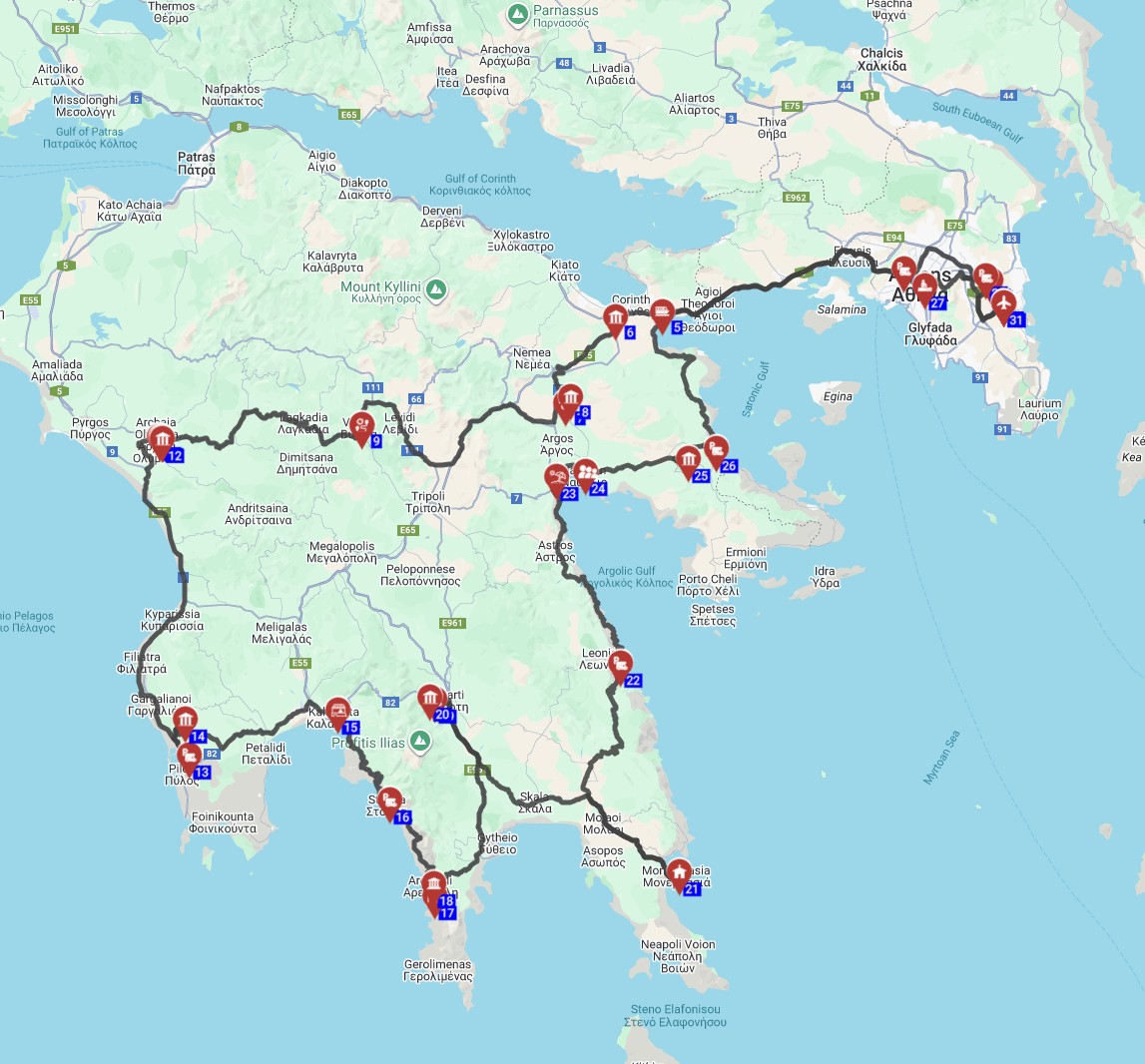
- The Peloponnese Peninsula: Spend weeks exploring ancient Olympia, Mycenae, Epidaurus, and charming coastal towns like Nafplio, all with fantastic RV camping options.
- Crete's Diverse Landscapes: Take a ferry to Greece's largest island and discover everything from the pink sands of Elafonisi to the Samaria Gorge, perfectly suited for extended exploration with your rented motorhome.
- Halkidiki's Beaches: Relax on the beautiful beaches of Kassandra, Sithonia, and Athos, with numerous organized campgrounds offering direct access to the clear turquoise waters.
- The Athens Riviera: Explore the coastal road south of Athens for stunning views, lovely beaches, and convenient campgrounds, offering a refreshing escape from the city.
Looking for expert insights from Avi Bandana? Top 5 Adventures - recommendations from Avi Bandana
Discover hand-picked routes and must-see spots directly from our founder and RV travel enthusiast, Avi Bandana, who has personally explored countless destinations. His insights ensure you experience the very best of Greece in your rented motorhome.
Final Thoughts
Embarking on a long-term RV rental in Greece is more than just a vacation; it's an opportunity to live the adventure you've always dreamed of. With the freedom of your own rented motorhome, you can delve deep into ancient history, unwind on pristine beaches, savor authentic Greek cuisine, and truly connect with the vibrant local culture at your own pace. Whether you're exploring the historic streets of Athens, island-hopping through the Cyclades, or discovering the natural wonders of the Peloponnese, a long-term RV provides the ultimate mobile base.
Remember that planning is part of the fun, and with Bandana's transparent pricing and dedicated support, you're never alone in the process. We're here to ensure your journey is seamless and unforgettable, from the moment you start dreaming to the day you return your mobile home. So, why wait? Discover top destinations, planning tips, all in one place, and get ready for an extraordinary exploration of Greece.
Ready to turn your long-term Greek RV dream into a reality? Compare Motorhome Prices for Greece and find your perfect mobile home for an extended adventure!