For live availability and current prices, start with our RV Rental England - Complete Guide 2026 guide.
In This Guide
- Where to Camp in England — Top Options
- Campground Types in England (National, Private, Wild)
- Featured RV Park or Campground in England
- Hookups and Amenities - What to Expect
- Booking Windows and Reservations in England
- Nearby Supermarkets and Resupply Points
- Best RV Class for Camping in England
- How to Save on Campgrounds in England
- What is the average cost of long term RV rental in England?
- How do I find a long term RV rental in England?
- What are the best RVs for long term travel in England?
- Is wild camping legal in England?
- What is the legal age to rent an RV in England?
- Do I need a special license to drive an RV in England?
- Can you live in a motorhome all year round in the UK?
- How long can you park an RV in one spot in England?
- What is the fuel consumption for RVs in England?
- What are the road rules for driving an RV in England?
- Are there any restrictions for RVs in national parks in England?
- How much does it cost to fill up an RV in England?
- How do I dispose of waste from an RV in England?
- What is the best time of year to RV in England?
Where to Camp in England — Top Options
When planning your long-term RV rental adventure in England, you'll discover a diverse range of stunning camping locations. From the dramatic landscapes of National Parks to the tranquil beauty of Areas of Outstanding Natural Beauty (AONBs), and the well-equipped amenities of private campsites, England offers a spot for every preference. Coastal locations provide refreshing sea breezes and picturesque views, while countryside sites offer peaceful retreats surrounded by rolling hills and charming villages. For those seeking a truly immersive experience, consider exploring the Lake District for its fells and lakes, or the Peak District for its rugged moorlands. The Cotswolds offer quintessential English countryside charm, perfect for a leisurely pace. Private caravan parks often provide excellent facilities, including electric hook-ups, waste disposal points, and on-site shops, making longer stays more comfortable. Remember to research specific locations within these areas to find the perfect base for your extended exploration.
Campground Types in England (National, Private, Wild)
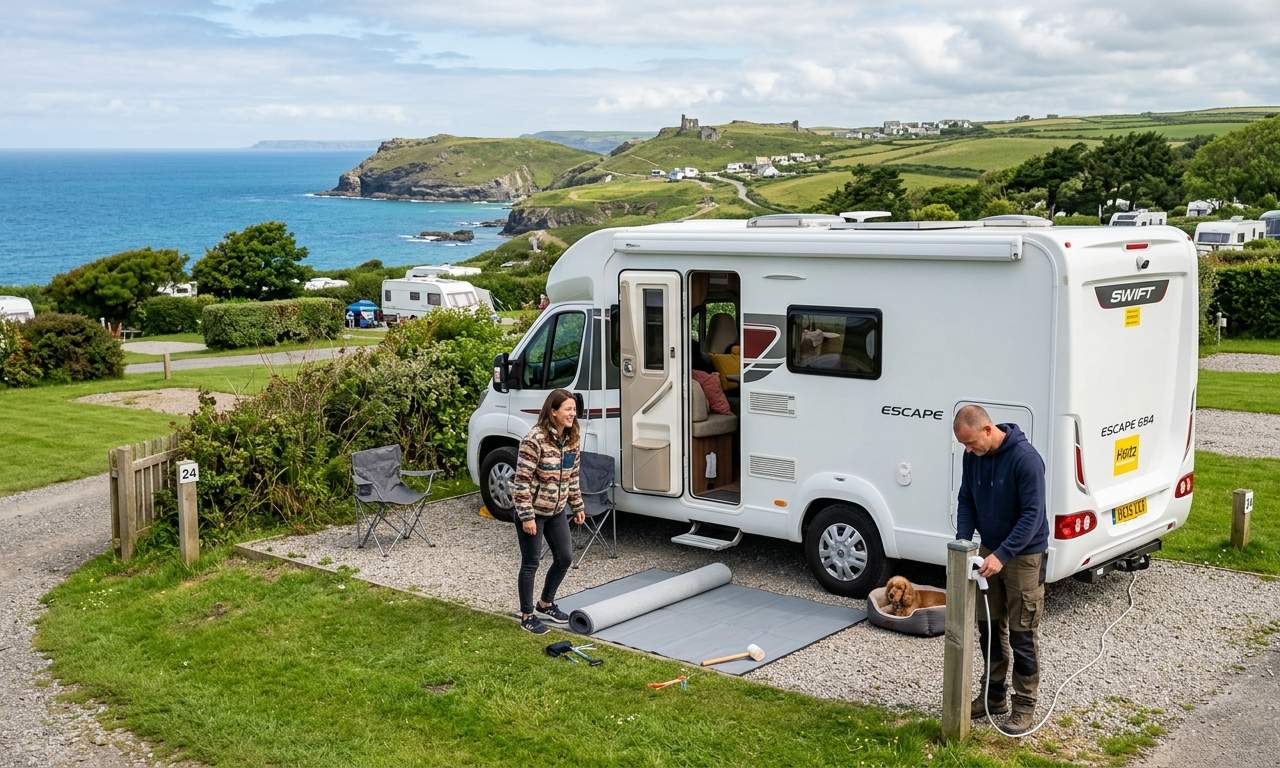
England offers a variety of campground types to suit different RV travel styles. National Park campgrounds, such as those within the Yorkshire Dales or the New Forest, are often situated in prime natural settings, providing direct access to hiking and scenic drives, though facilities can vary. Private caravan parks are abundant and typically offer more comprehensive amenities, including electric hook-ups, water supply, and waste disposal. Many are affiliated with the Camping and Caravanning Club or the Caravan and Motorhome Club, offering members discounted rates and access to exclusive sites. These clubs manage numerous sites across the country, ranging from large holiday parks to smaller, more secluded locations. It's crucial to understand that wild camping, or pitching your RV on land without explicit permission, is generally illegal across England, with very few exceptions like specific areas on Dartmoor National Park. While some remote areas might tolerate overnight parking for a single night if you are entirely self-contained and discreet, it's always best to stick to designated sites. Always confirm the legality and any associated rules with local authorities or landowners before planning any overnight stay outside of a formal campground.
Featured RV Park or Campground in England
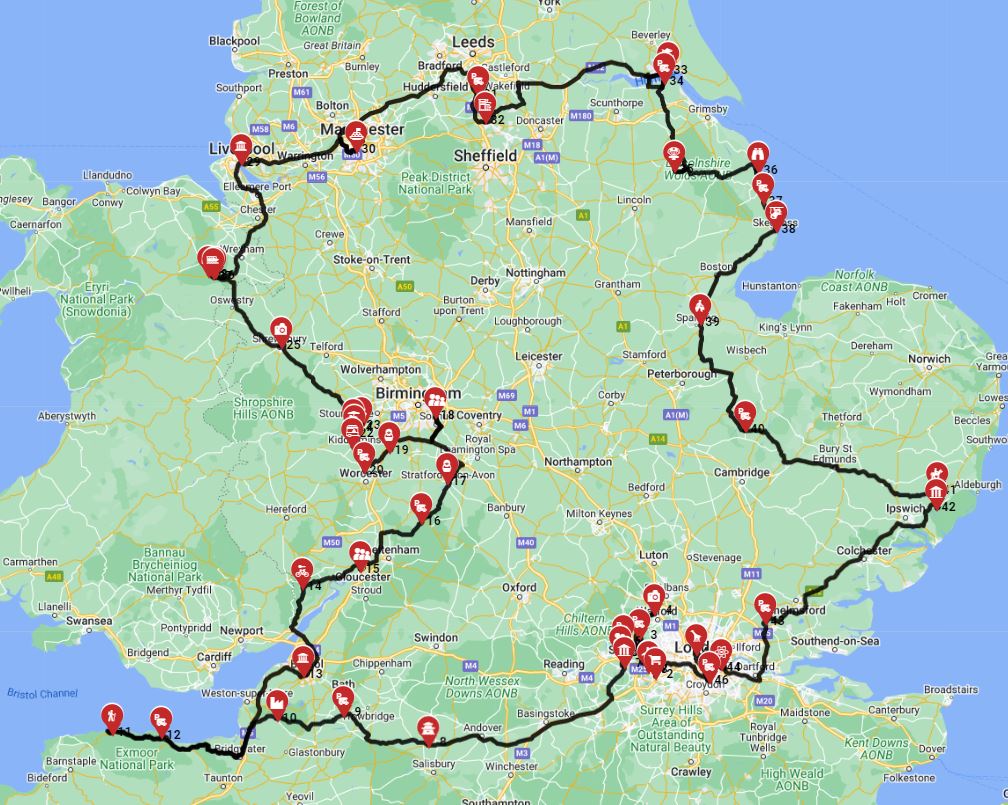
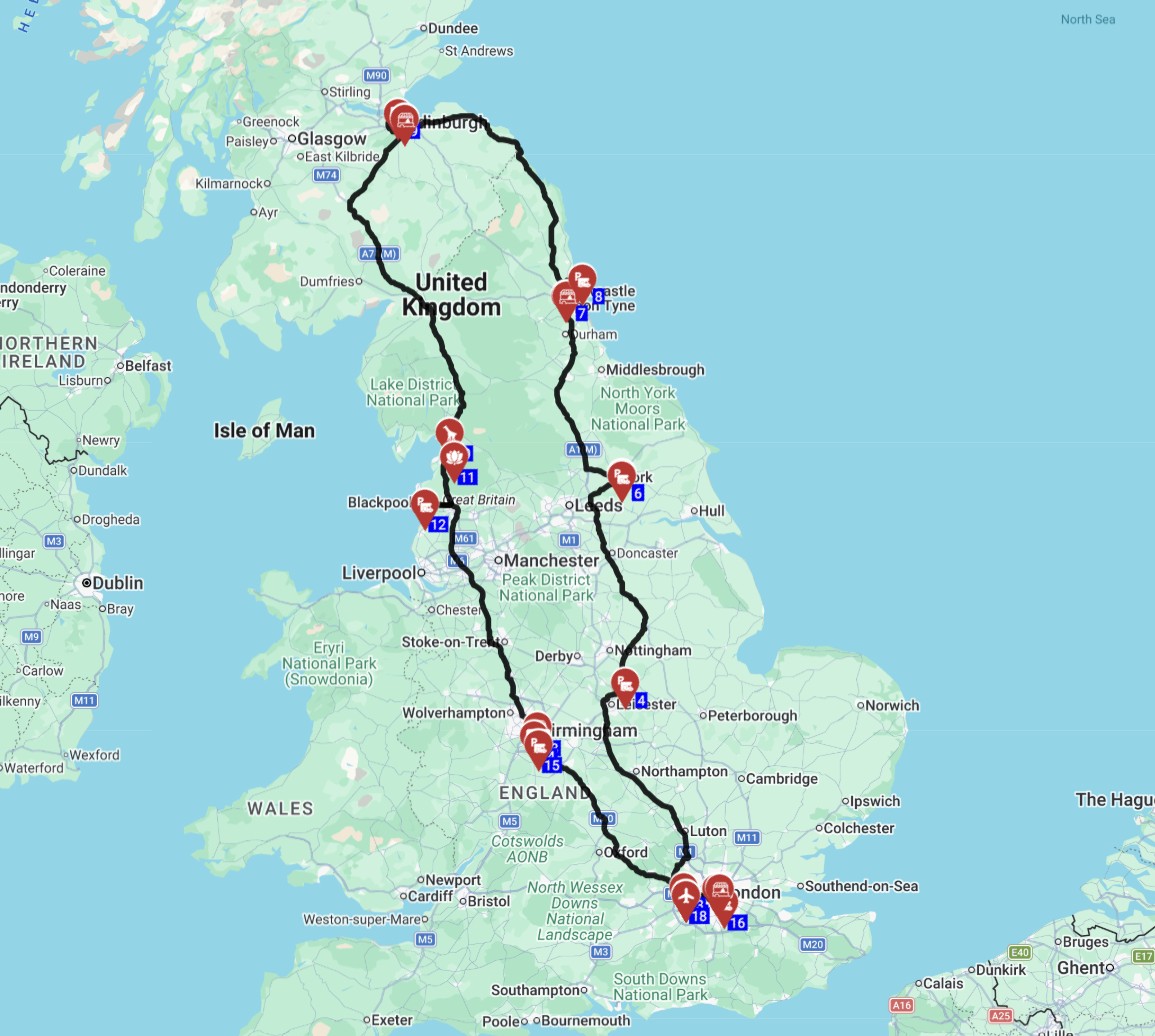
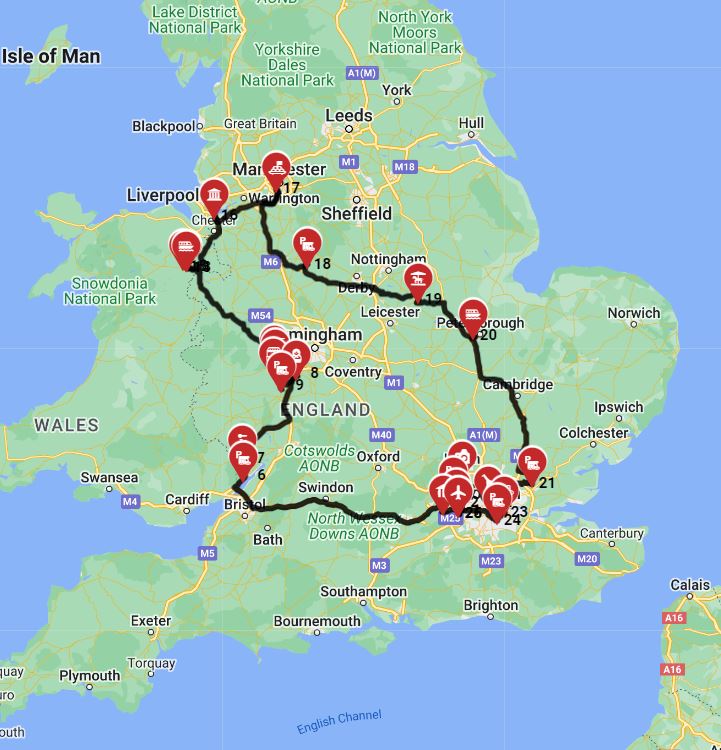
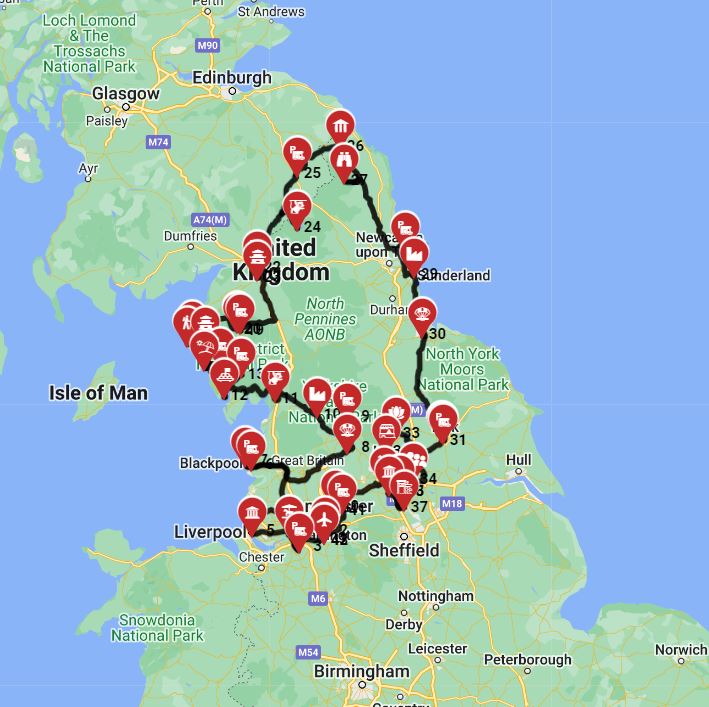
When selecting an RV park or campground for your extended stay in England, consider amenities that enhance your experience. Look for sites offering reliable electric hook-ups (typically 240V with Type G sockets), accessible fresh water points, and well-maintained grey and black water disposal stations (dump stations). Wi-Fi availability and quality can be a deciding factor for longer trips, especially if you need to stay connected for work or personal reasons. On-site facilities like laundry rooms, modern shower blocks, and communal areas can significantly improve comfort during an extended visit. For those with specific needs, check for accessible pitches and facilities. Location is also key; consider proximity to attractions you wish to visit, resupply points, and the general atmosphere of the area. Many sites within National Parks offer a more natural setting, while private parks might provide a wider range of creature comforts. For a taste of the countryside, consider a campground in the Peak District National Park, known for its stunning walking trails and well-equipped sites that cater to motorhomes. For instance, sites like the Ladybower Fisheries & Camping offer a serene riverside location with good facilities, making it a great base for exploring the Peak District's natural beauty and numerous hiking opportunities. On the routes offered through RV PLANET routes, you can itemize and track every expense along the way for easy budgeting.
Hookups and Amenities - What to Expect
Understanding the hookups and amenities available at English campgrounds is essential for a smooth long-term RV rental. Electric hook-ups are standard at most paid campsites, usually providing 240V power via a UK-specific Type G plug, so ensure you have the correct adapter. Fresh water access is generally available at designated points, and most sites have dedicated grey and black water disposal stations (often referred to as 'chemical toilet disposal' or 'Elsan points'). Wi-Fi availability can vary significantly; while many larger sites offer it, the quality and speed can differ, so it’s wise to check reviews or confirm with the campsite directly. Laundry facilities and clean shower blocks are common in more established sites, adding to the convenience of a longer stay. For travelers with accessibility needs, many larger or newer campgrounds will offer specific accessible pitches and facilities, but it’s always recommended to inquire in advance. Propane (LPG) is also widely available at larger sites and many garden centers or specialist suppliers, often sold in refillable cylinders.
Booking Windows and Reservations in England
Securing your preferred campsites in England, especially for long-term RV rentals, often requires strategic booking. Peak season, typically from June to August, sees popular National Parks and coastal areas book up months in advance, with many sites releasing their reservations 6-12 months ahead. To secure a spot during this busy period, aiming to book at least 3-6 months prior is advisable, especially for National Park campgrounds which often have limited availability. Shoulder seasons (April-May and September-October) offer more flexibility, with booking 1-3 months in advance usually sufficient for most sites. Many National Park campgrounds and smaller, independent sites operate on a first-come, first-served basis for a portion of their pitches, particularly outside of peak school holidays. If you are traveling spontaneously or didn't book ahead, calling ahead to campgrounds along your intended route is always a good strategy. You might find cancellations or unadvertised availability by simply phoning the site. Remember that demand can surge during bank holiday weekends, so advance booking is crucial during these times.
Nearby Supermarkets and Resupply Points
When on a long-term RV trip in England, convenient access to supermarkets and resupply points is vital. Major supermarket chains like Tesco, Sainsbury's, Asda, and Morrisons are widespread, offering a comprehensive range of groceries, camping essentials, and fuel. These are generally located in towns and cities, making them easily accessible from major routes. For a more local experience, explore smaller independent shops in villages, which often stock regional produce and specialty items. Farm shops are also excellent sources for fresh, locally sourced food. Fuel stations, particularly those along major motorways and A-roads, are plentiful and usually include convenience stores that stock basic groceries, camping supplies, and essential vehicle items. When planning your route, keeping an eye on these resupply opportunities will ensure your journey remains uninterrupted and enjoyable. For example, as you travel through the scenic Cotswolds, you'll find numerous charming villages with local shops and larger supermarkets in market towns like Cirencester or Stroud, providing ample opportunities to restock.
Best RV Class for Camping in England
Choosing the right RV class for your long-term rental in England is crucial for a comfortable and practical journey. For navigating England's often narrow country lanes, especially in areas like the Lake District or the Cotswolds, a Class B campervan or a smaller Class C motorhome (sometimes referred to as a low-profile or semi-integrated motorhome) is often the most suitable. Their compact dimensions and better maneuverability make them easier to handle on winding roads and in tight village streets. Examples like the 'Active Classic' or 'Euro Deluxe' campervan, known for their manageable size and efficiency, are excellent choices. These vehicles typically offer good fuel efficiency, which is a significant consideration for extended trips. While larger Class A motorhomes offer more space and luxury, they can be more challenging to drive and park in many parts of England. Balancing living space with drivability is key; consider how much time you'll spend driving versus stationary at campsites. For example, a '2 Berth Hi Top' campervan, offering a good balance of comfort and compactness, is a popular choice for couples exploring the UK.
How to Save on Campgrounds in England
Making your long-term RV rental in England more budget-friendly involves savvy campground choices and travel planning. Membership discounts with organizations like The Camping and Caravanning Club or The Caravan and Motorhome Club can offer significant savings, often 15-30% on nightly rates, and provide access to a wider network of sites. Traveling during the off-peak or shoulder seasons (spring and autumn) will also lead to lower campground fees and fewer crowds. Exploring municipal or regional campgrounds, often managed by local councils, can sometimes offer more affordable options compared to private commercial parks. Many sites offer discounts for longer stays, so if you plan to settle in one area for an extended period, inquire about weekly or monthly rates. Some campgrounds may permit sharing hookups if you are traveling with friends or family in separate RVs, though this is subject to site rules and availability. By combining these strategies, you can significantly reduce your overall camping expenses.
What is the average cost of long term RV rental in England?
The average cost for a long-term RV rental in England can vary significantly based on several factors. For a mid-size Class C motorhome, expect daily rates to range from approximately $90 to $150 USD during the off-season, increasing to $150-$250+ USD during peak summer months (June-August) and holiday periods. Rental duration plays a role; longer rentals (e.g., monthly or seasonal) often come with reduced daily rates, potentially offering savings of 10-20% compared to weekly rentals. The class and size of the RV also impact price, with smaller campervans like a Class B being more economical than larger Class A or A-Class motorhomes. Insurance costs are typically included in quotes but can add to the overall price, and additional fees for mileage packages, cleaning, or optional equipment (like bedding or kitchen kits) should be factored in. Beyond the rental itself, budget for ancillary costs: fuel (which varies by RV efficiency and current prices), campsite fees (averaging £20-£40 per night), potential tolls (like the M6 Toll), and city charges like London's ULEZ or Congestion Charge if you plan to visit. A realistic total trip cost, including these expenses, could be 30-50% higher than the base rental price. For ideas you can prep on the road, watch our RV-friendly recipes playlist on YouTube.
How do I find a long term RV rental in England?
Finding a long-term RV rental in England is straightforward with the right approach. Utilizing online rental platforms, like Bandana, is an excellent starting point, offering a wide selection of vehicles from various suppliers and allowing you to compare prices and features easily. Many direct rental company websites also provide booking options. The key to securing a good deal for long-term rentals is often booking in advance, typically 2-4 months ahead for peak season travel, which can yield savings of up to 25% compared to last-minute bookings. Compare options from different suppliers to find the best value, considering factors like included mileage, insurance, and customer support. For example, using a comparison platform like Bandana ensures you see final prices upfront, with no hidden fees.
What are the best RVs for long term travel in England?
For long-term travel in England, the best RVs prioritize maneuverability, fuel efficiency, and comfort. Class B campervans, such as the 'Active Classic' or 'Aero Plus', are highly recommended for their compact size, making them ideal for navigating England's narrow lanes and picturesque villages, while also offering good fuel economy, often achieving 30-35 MPG. Semi-integrated motorhomes, like a '2 Berth Rover' or 'Comfort Standard', often designated as Class C or SI (Semi-Integrated), strike a good balance between living space and manageable dimensions, typically between 6-7 meters in length. These models provide comfortable sleeping arrangements, a functional kitchen, and a bathroom, with features like overhead sleeping areas (alcoves) in some Class C models adding sleeping capacity. Storage capacity is also important for longer trips; look for RVs with ample locker space. Ultimately, the best RV depends on your group size and travel style, but prioritizing ease of driving on diverse terrains is crucial for an enjoyable extended stay in England.
Is wild camping legal in England?
Wild camping, in the sense of parking an RV anywhere overnight without permission, is generally illegal across England due to land ownership laws. Unlike some other European countries, there isn't a broad 'right to roam' for vehicles. The exceptions are very limited, with specific zones in Dartmoor National Park allowing for a form of wild camping under strict rules, usually only for a single night and without leaving a trace. It's important to distinguish this from tolerated overnight parking, which might be available in very remote, discreet locations if you are entirely self-sufficient and cause no disruption. However, relying on this is risky and not recommended for long-term planning. The legal and most common options for overnight stays in an RV are designated campsites, official 'certified locations' (CLs) or 'certificated sites' (CSs) often found on private land, or specific pub stopovers (like those in the Brit Stops scheme) where you can park overnight if you patronize the pub. Always prioritize designated, legal parking to avoid fines or trouble with local authorities.
What is the legal age to rent an RV in England?
The minimum driver age for renting an RV in England is typically 21 years old. However, this can vary by rental company and vehicle class. Some suppliers may require drivers to be at least 25 years old, especially for larger or more powerful motorhome classes like Class A or some larger Class C models. Insurance restrictions can also apply to younger drivers, potentially leading to surcharges or limitations on vehicle types. Most suppliers also require that you have held a valid driver's license for a minimum period, often one to two years. Always check the specific age and license holding period requirements with the rental provider when booking to ensure compliance.
Do I need a special license to drive an RV in England?
In most cases, you do not need a special license to drive an RV in England beyond a standard car driver's license. Vehicles up to 3,500kg gross vehicle weight (GVW) can typically be driven on a standard 'B' license, which covers all Class B campervans and many smaller Class C and Class SI motorhomes. However, for heavier RVs, typically those exceeding 3,500kg GVW and up to 7,500kg, a C1 license category would be required. Vehicles over 7,500kg GVW would require a 'C' license. Most rental motorhomes in England fall within the 3,500kg limit, making them drivable on a standard license. An International Driving Permit (IDP) is recommended for drivers whose licenses are not issued in English, though it's not always mandatory in most cases. Always verify the GVW of the specific RV you intend to rent and check against your driver's license entitlements.
Can you live in a motorhome all year round in the UK?
Living in a motorhome year-round in the UK, including England, presents several legal and practical challenges. While it's possible for extended periods, it's not a straightforward equivalent to permanent housing. Legal residency can become complicated, as without a fixed UK address, issues like registering for healthcare, voting, or even managing banking can arise. Council tax is generally payable on static dwellings, and while an RV isn't typically considered a permanent residence in the same way, staying on a site long-term might incur charges or require adherence to site-specific rules. Designated residential caravan sites do exist, but these are often geared towards static caravans or park homes. The practicalities of year-round living include winterization, ensuring utilities are maintained, and managing waste disposal. Local regulations regarding long-term RV parking can also vary, so researching specific local council bylaws is advisable. For most people, motorhome living is a temporary vacation experience rather than a permanent housing solution.
How long can you park an RV in one spot in England?
The duration for which you can park an RV in one spot in England varies significantly and is subject to local council regulations. In most public parking areas, standard parking time limits for cars often apply to RVs as well, meaning you might only be able to park for a few hours. On private land, permission from the landowner dictates the duration. There are 'no overnight parking' restrictions in many popular areas, particularly in towns and cities, to prevent unofficial overnight stays. Ethical considerations and community impact also play a role; it’s important not to overstay your welcome or cause inconvenience. The most reliable way to park your RV for extended periods or overnight is by using designated campsites, service points, or approved overnight parking locations. Always look for signage indicating parking restrictions and, if in doubt, move on or seek a proper campsite.
What is the fuel consumption for RVs in England?
Fuel consumption for RVs in England can vary widely depending on the RV class, engine size, and driving conditions. Smaller Class B campervans, like a 'VW California Ocean' or 'Aero Plus', typically achieve the best fuel economy, averaging around 30-35 MPG (miles per gallon), which translates to roughly 8-9.5 liters per 100 km. Mid-size Class C or semi-integrated motorhomes, such as a '2 Berth Rover' or 'Matrix M 670 SL Platinum', often have engines ranging from 2.3L to 3.0L diesel, resulting in fuel consumption of about 25-30 MPG, or 9.5-11.5 liters per 100 km. Larger Class A motorhomes or those with more powerful V8 gasoline engines (less common in UK rentals but found in some US imports) can consume significantly more, potentially 14-20+ MPG or 11.5-16+ liters per 100 km. Factors like speed, terrain (hills), vehicle weight, and whether you're driving on motorways or narrow country lanes will all influence the actual MPG achieved. Budgeting for fuel costs is crucial for long-term travel.
What are the road rules for driving an RV in England?
Driving an RV in England requires attention to specific road rules and customs. You must drive on the left side of the road. Speed limits for RVs are often lower than for cars; typically, motorways have a 70 mph limit for cars, but RVs under 3.5 tonnes may be restricted to 60 mph on motorways and 50 mph on dual carriageways, while smaller vans might adhere to car limits. Be prepared for narrow country lanes, especially in rural areas like the Cotswolds or the Yorkshire Dales; these often feature 'passing places' for vehicles to pull over and allow oncoming traffic to pass. Some roads may have weight or width restrictions, so always check signage. Tolls apply on certain roads, most notably the M6 Toll, and some cities like London impose Congestion and Ultra Low Emission Zone (ULEZ) charges, which can be substantial for RVs. Familiarize yourself with UK road signs, particularly those indicating narrow roads, steep hills, or weight limits. In case of a breakdown, the emergency number is 999 or 112, and roadside assistance is usually available through your rental company or a dedicated service.
Are there any restrictions for RVs in national parks in England?
National Parks in England often have specific restrictions for RVs to protect their natural beauty and manage visitor impact. These can include designated parking areas, which may be limited in size or number, and sometimes road size limitations on narrower park routes, making them unsuitable for larger motorhomes. Booking campsites within National Parks well in advance is highly recommended due to high demand. Environmental protection guidelines are strictly enforced, so staying on marked roads and trails is paramount. Wild camping rules, as mentioned earlier, are particularly strict within National Parks, with only very specific exceptions and conditions applying. Always check the specific park's website or visitor information center for the latest regulations regarding RV access, parking, and camping before you visit. For example, in the Peak District, many roads are narrow, and larger RVs might find it challenging to navigate, making a smaller campervan or motorhome a better choice.
How much does it cost to fill up an RV in England?
The cost to fill up an RV in England depends on the fuel type (diesel is most common and generally more efficient for RVs), the average tank size, and current fuel prices. As of recent data, diesel prices hover around £1.50-£1.65 per liter. RV fuel tanks can range from 70 liters for smaller campervans to over 200 liters for larger motorhomes. For a typical 100-liter tank, a full fill-up would cost approximately £150-£165. Fuel availability is generally good along major roads and in towns, but can be more sparse in very remote rural areas or within National Parks. It's wise to keep an eye on fuel levels, especially when venturing into less populated regions, and to take advantage of fuel stations when you see them, as prices can vary between brands and locations. Budgeting around £150-£200 for a full tank for a larger RV is a reasonable estimate.
How do I dispose of waste from an RV in England?
Proper disposal of waste from your RV is a crucial aspect of responsible travel in England. Designated dump stations are available at most campsites and many service points, where you can empty your grey water (from sinks and showers) and black water (from the toilet chemical waste). These facilities are essential for maintaining hygiene and protecting the environment. Never dispose of waste in public areas, rivers, or ditches. Many sites also offer fresh water refill points. Chemical toilet waste, often referred to as 'Elsan' waste, requires specific disposal at designated Elsan points, usually found at campsites and service areas, which are designed to safely neutralize and dispose of the contents. Always ensure you leave disposal areas clean after use. For finding these facilities, resources like the UKCampsite.co.uk database or apps like Park4Night can be very helpful.
What is the best time of year to RV in England?
The best time of year to RV in England generally falls between spring and autumn, offering the most pleasant weather and best access to attractions. Spring (April-May) is characterized by milder temperatures, blooming landscapes, and fewer crowds than the summer peak. Summer (June-August) boasts the warmest weather and longest daylight hours, ideal for exploring the coast and countryside, but it's also the busiest period, with campsites filling up quickly and prices often at their highest. Autumn (September-October) provides stunning foliage colors, particularly in areas like the Peak District or the New Forest, and a more relaxed atmosphere with fewer tourists. Winter (November-March) presents challenges such as colder weather, shorter daylight hours, and the potential for campsite closures or reduced facilities. Some RVs may require winterization to prevent freezing. If you plan to travel in winter, ensure your rental vehicle is equipped for cold conditions and research which sites remain open. Gear recommendations vary by season; pack waterproofs and layers for year-round flexibility, and consider a warm sleeping bag and extra insulation for autumn and winter.
What You Shouldn't Miss
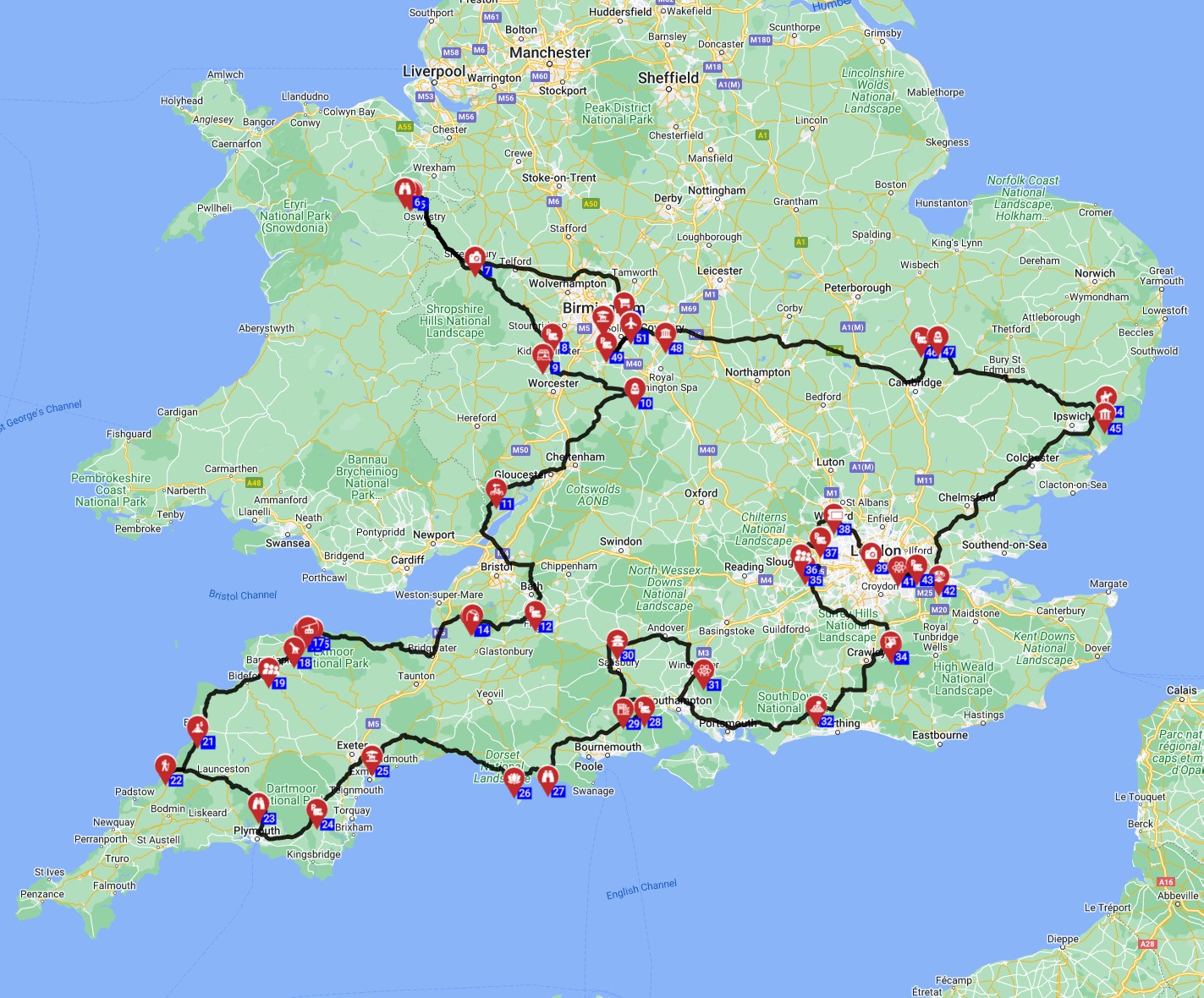
- Explore the Cotswolds by RV: Meander through picturesque villages like Bourton-on-the-Water and Stow-on-the-Wold, enjoying the quintessential English countryside. Use a smaller Class B or C RV for easier navigation of the narrow lanes.
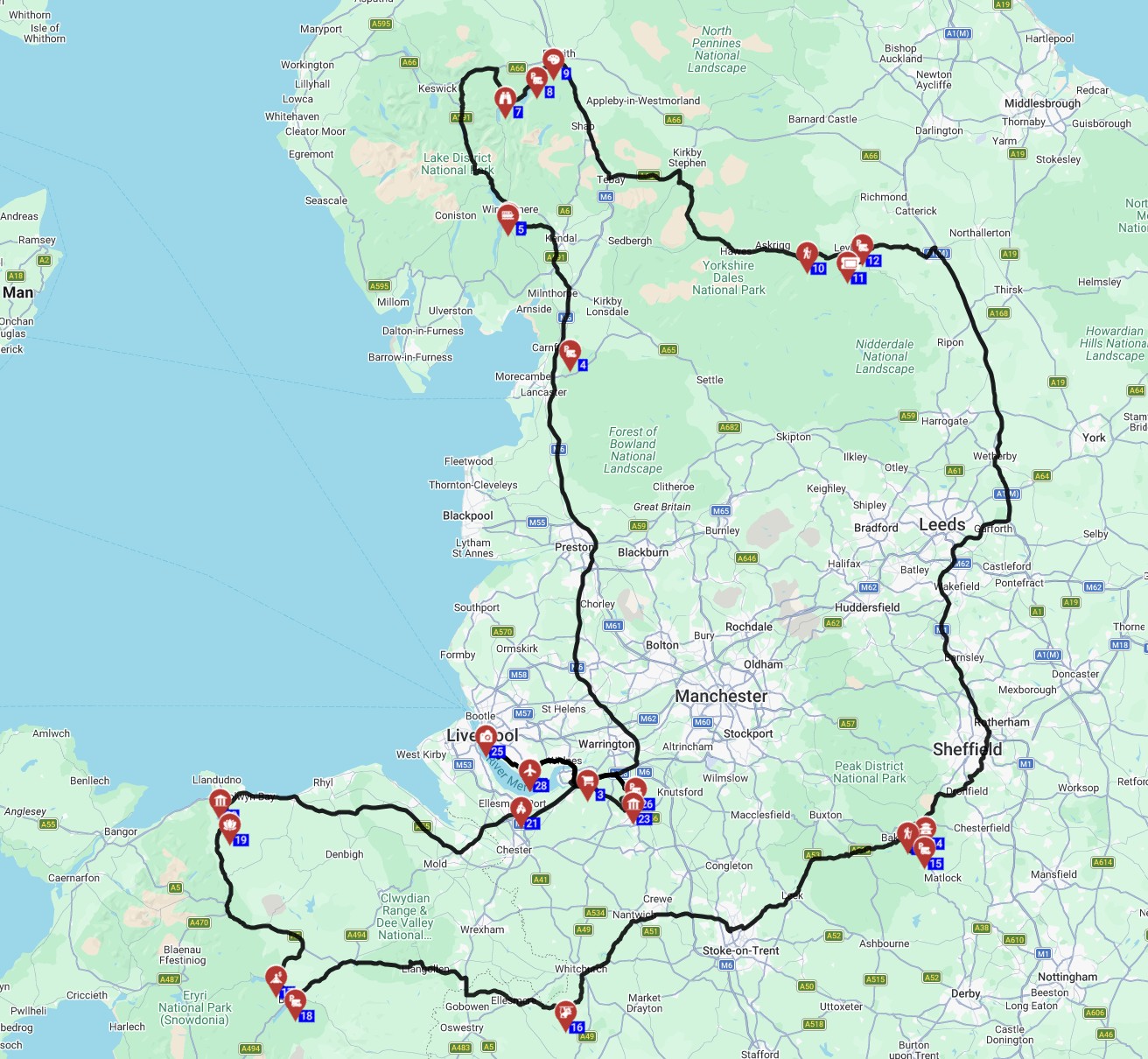
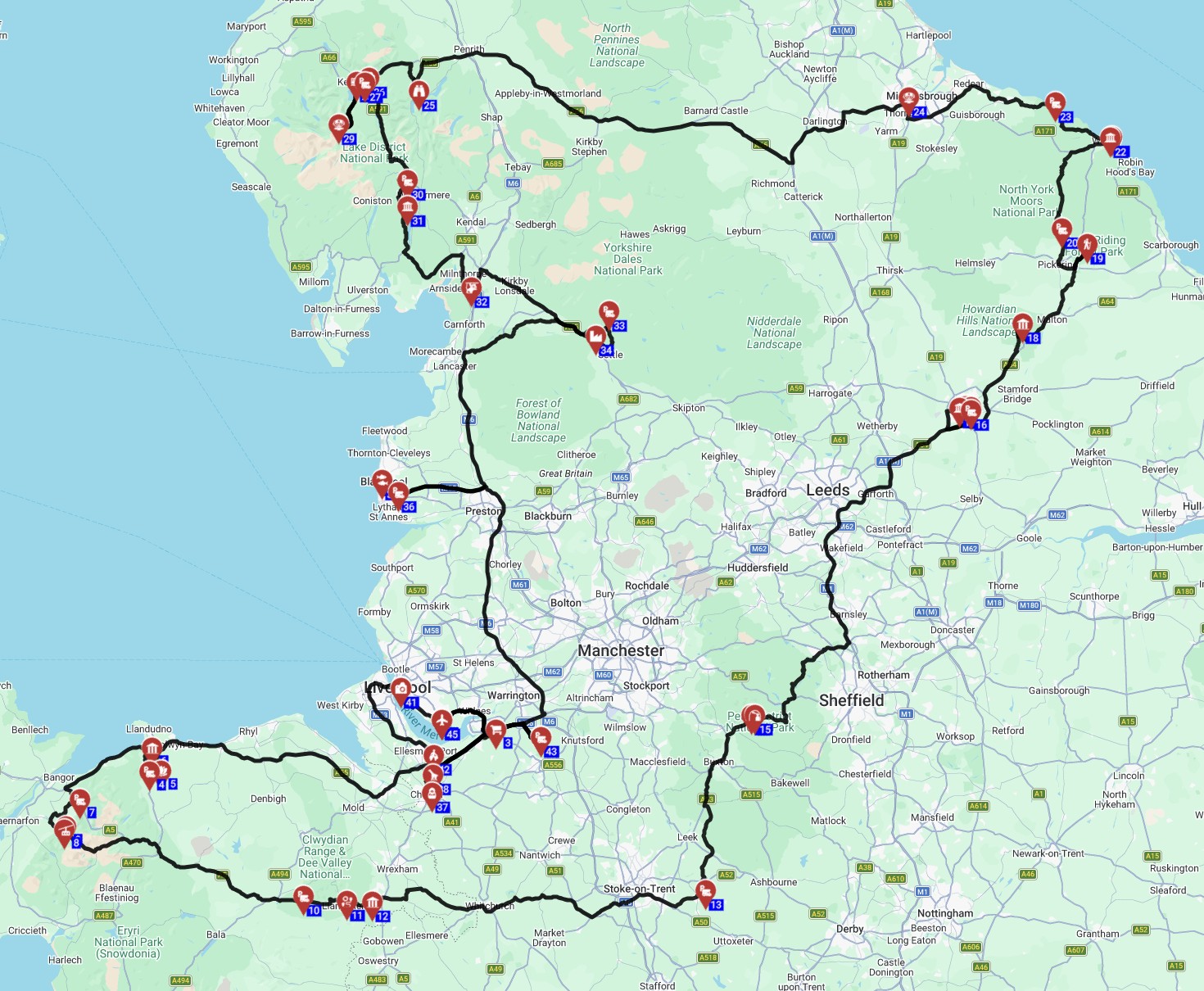
- Journey through the Lake District National Park: Experience breathtaking scenery, from mountains to lakes, with numerous hiking trails and well-equipped campsites accessible by RV. Consider a 15-day trip focusing on this region to truly soak it in.
- Discover Historic Castles: England is dotted with magnificent castles. Visit Windsor Castle, Warwick Castle, or Alnwick Castle, many of which have nearby parking suitable for RVs.
- Drive the Jurassic Coast: This UNESCO World Heritage site in Dorset offers dramatic coastal cliffs and fossil-rich beaches, with campsites available near towns like Swanage and Lyme Regis.
- Experience a Pub Stopover: Embrace a unique British tradition by parking overnight at a welcoming country pub, enjoying local food and atmosphere. Check out schemes like Brit Stops for participating pubs.
- Immerse yourself in the Peak District: With over 1,900 km of stunning routes, this National Park offers ample opportunities for RV exploration, hiking, and visiting charming market towns like Bakewell.
Final Thoughts
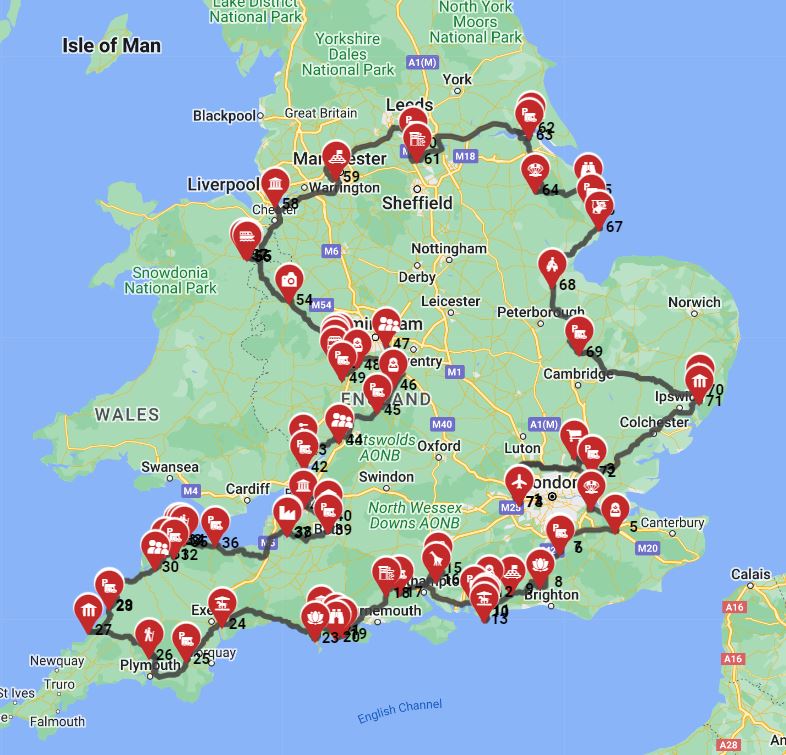
Renting an RV for a long-term trip in England opens up a world of possibilities, allowing you to explore at your own pace and immerse yourself in the country's rich history, stunning landscapes, and charming culture. From the rolling hills of the Cotswolds to the dramatic coastlines of Cornwall, an RV provides the ultimate freedom and flexibility for your adventure.
Remember to plan ahead, especially for peak seasons, and familiarize yourself with the driving regulations and camping etiquette. By choosing the right vehicle, utilizing resources like RV PLANET (rvplan.net) for route planning, and embracing the slow travel ethos, your long-term RV rental in England promises to be an unforgettable experience. Get inspired for your next trip and start planning your dream road trip today!