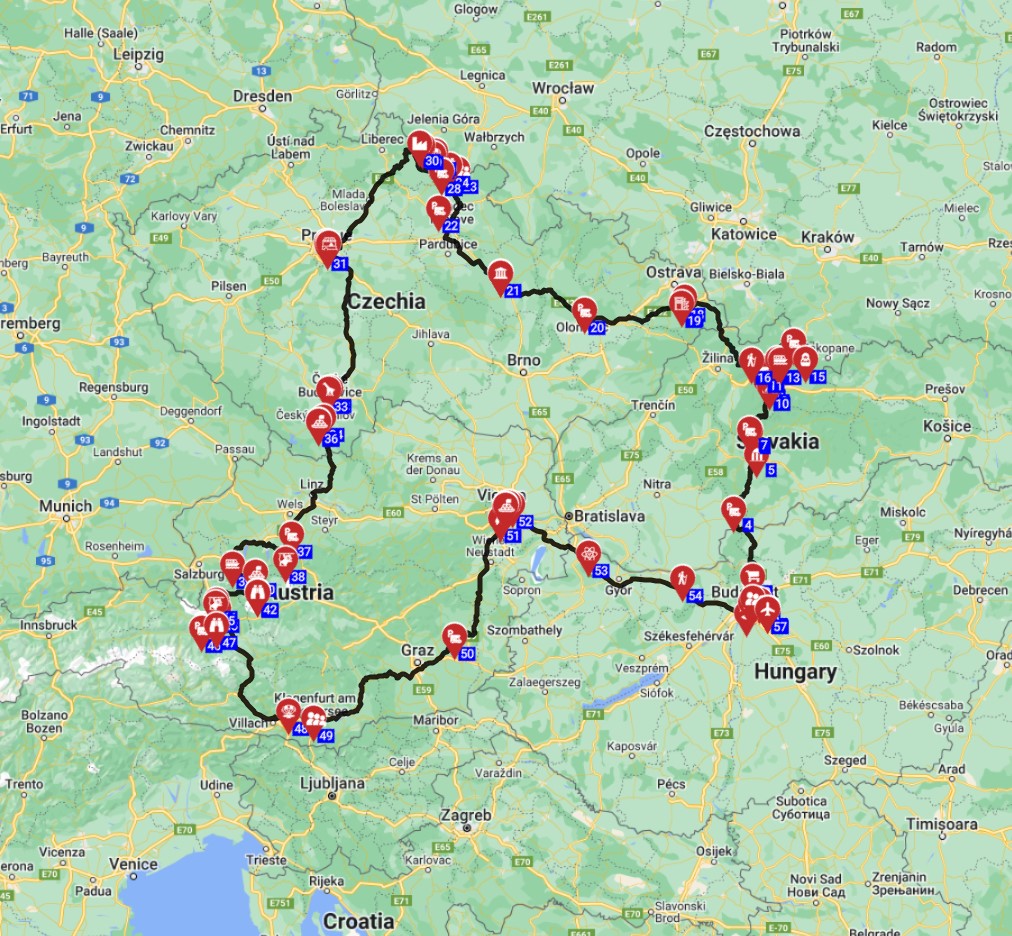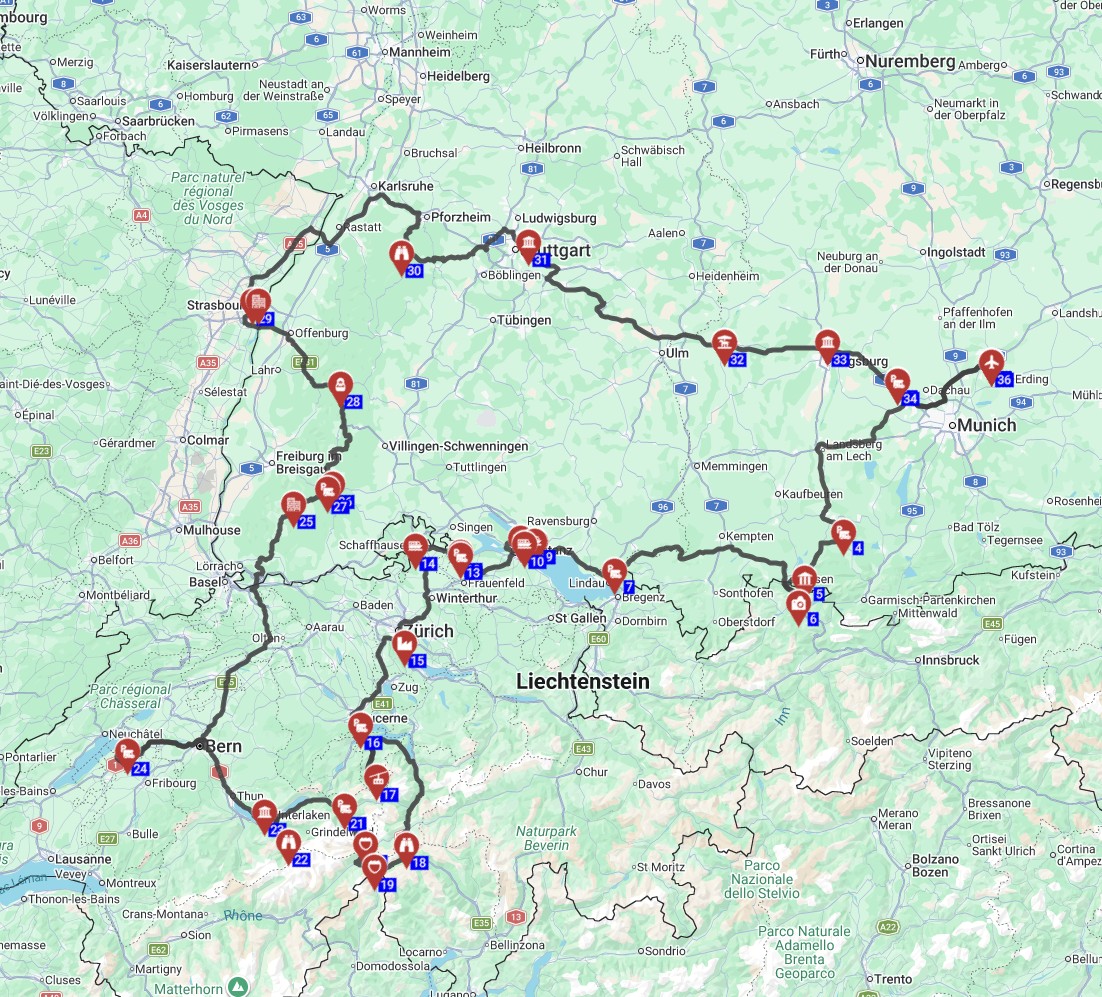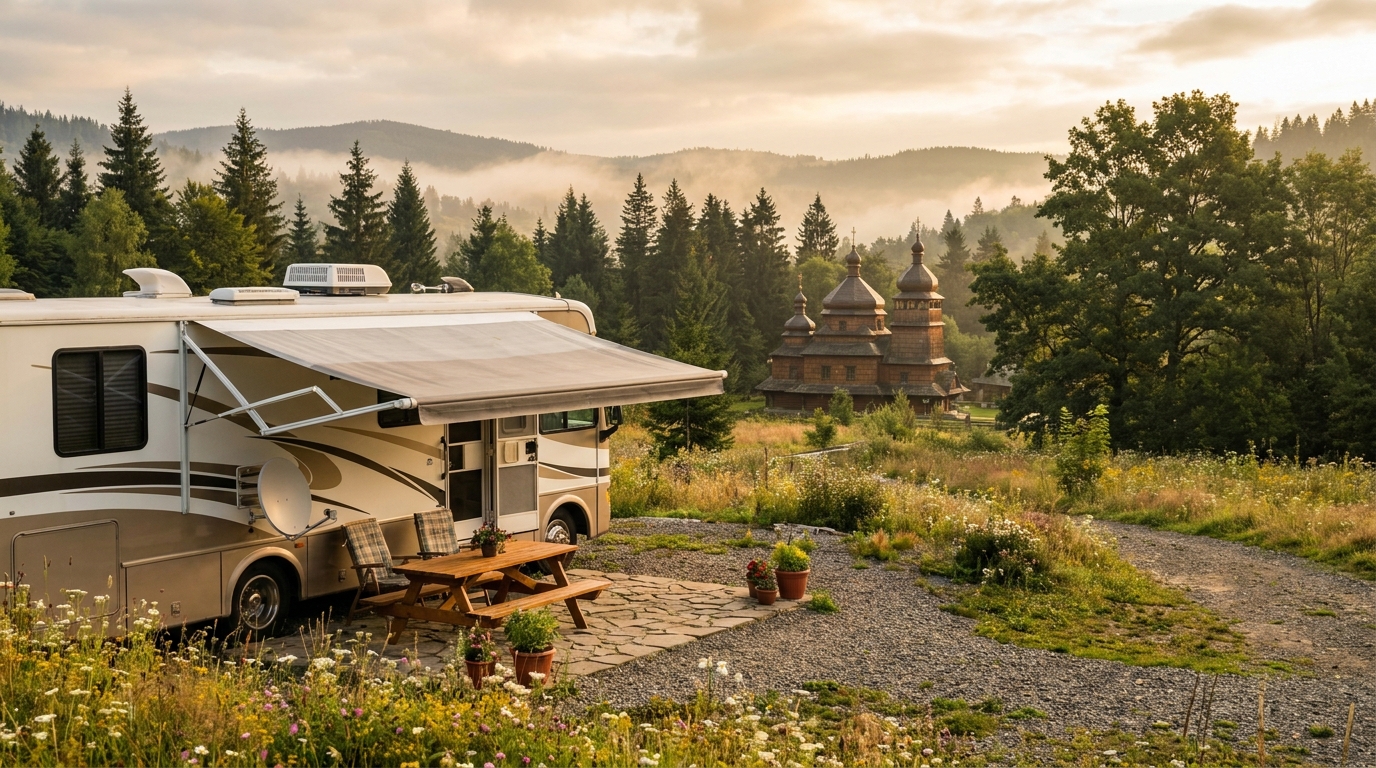
For live availability and current prices, start with our RV Rental East Europe - Complete Guide 2026 guide.
In This Guide
- Where to Camp in East Europe — Top Options
- Campground Types in East Europe (National, Private, Wild)
- Featured RV Park or Campground in East Europe
- Hookups & Amenities — What to Expect
- Booking Windows & Reservations in East Europe
- Nearby Supermarkets & Resupply Points
- Best RV Class for Camping in East Europe
- How to Save on Campgrounds in East Europe
- Can you park a motorhome anywhere in Europe?
- What is the 3-3-3 rule for RV living?
- What is the 4-4-4 rule for RV travel?
- Is Europe RV friendly?
- Which European country has the best campsites?
- Is RVing a thing in Europe?
- Which countries are RV friendly?
- What is the 10 year RV rule?
- Which European countries can you free camp in?
- What is the campground app in Europe?
Where to Camp in East Europe — Top Options
Eastern Europe offers diverse camping experiences, with popular regions including the Adriatic coast of Croatia, the Julian Alps in Slovenia, and the national parks of Poland and Romania. Croatia boasts numerous well-equipped campsites along its stunning coastline, perfect for extended stays near beaches and historic towns. Slovenia provides a mix of mountain and lake campgrounds, often with modern amenities and access to hiking and outdoor activities. Poland and Romania offer more opportunities for wilder, nature-focused camping, particularly near their extensive national parks and forests, though legalities vary.
For those seeking the vibrant energy of the coast, Croatia's numerous campsites provide direct access to the sparkling Adriatic Sea, often complemented by amenities that cater to longer stays. Think easy access to charming coastal towns and historical sites. Venture inland to Slovenia, and you'll find a different kind of beauty. Here, campgrounds are often nestled amidst the breathtaking Julian Alps or beside pristine lakes, offering a tranquil escape with excellent facilities for hikers and nature enthusiasts. Further east, Poland and Romania present a more untamed experience. Their vast national parks and dense forests provide opportunities for nature-focused camping, but it's crucial to be aware that regulations regarding where you can camp can vary significantly, so always research local laws.
When planning your long-term RV rental in East Europe, consider that these regions offer distinct experiences. The coastal allure of Croatia is undeniable, with campsites often providing not just a place to park, but a destination in themselves, close to historical landmarks and Mediterranean charm. Slovenia’s alpine and lakeside settings offer a more serene, nature-centric experience, perfect for outdoor adventures. Poland and Romania, on the other hand, beckon those who prefer a wilder, more secluded connection with nature, though careful attention to local regulations is paramount.
Campground Types in East Europe (National, Private, Wild)
Eastern Europe features a variety of campground types, including state-run national park sites, privately owned campgrounds, and areas where freedom or wild camping may be tolerated. National park campgrounds often provide basic facilities in scenic locations, focusing on nature access, and tend to be regulated by park authorities with specific rules on pitches and environmental protection. Private campgrounds, common throughout the region, range from basic to resort-like, offering a wide array of amenities such as electric hookups, water, dump stations, Wi-Fi, laundry, and often swimming pools or restaurants. Wild camping, also known as freedom camping or boondocking, is generally illegal in many Eastern European countries, though enforcement varies, and it may be tolerated in very remote areas or on private land with permission; always verify local regulations. On the routes offered through RV PLANET routes, you can itemize and track every expense along the way for easy budgeting.
Choosing the right type of campground is essential for a comfortable long-term stay. National park campgrounds are ideal for immersing yourself in nature, typically offering essential facilities in stunning natural settings and operating under strict park guidelines to preserve the environment. For a broader range of amenities, from reliable electricity and water hookups to Wi-Fi, laundry services, and even recreational facilities, private campgrounds are your best bet. These can vary greatly in their offerings, so it's worth checking what's available. When it comes to wild camping, it's important to exercise caution. While the idea of completely free camping is appealing, it's legally restricted in many Eastern European nations. Always do thorough research on local laws and, if you do find a spot that seems permissible, ensure you have landowner permission and practice "leave no trace" principles.
Understanding the legalities is key for a smooth trip. While some countries in Eastern Europe may have more relaxed rules in very remote areas, it's generally safer and more respectful to use designated campgrounds. Familiarizing yourself with the specific regulations of each country you plan to visit will save you potential fines and ensure a more enjoyable experience. For finding verified overnight parking, apps like Park4Night can be invaluable resources for locating designated spots.
Featured RV Park or Campground in East Europe
When selecting an RV park for a long-term rental in Eastern Europe, look for establishments that balance natural beauty with comprehensive amenities and strong security measures. An ideal long-term RV park should offer consistently reliable electric hookups (typically 220-230V with CEE blue connectors), potable water access, and efficient grey/black water disposal stations. Beyond utilities, prioritize parks with good Wi-Fi connectivity (crucial for long-term travelers), clean shower and toilet facilities, laundry services, and on-site security for peace of mind. For an authentic experience, seek out parks that are close to cultural sites, natural attractions, or charming local villages, enabling deeper exploration during your extended stay.
Consider, for example, a well-regarded campground in Slovenia that offers direct access to the Julian Alps for hiking. Such a park would not only provide the necessary hookups and disposal services but also enhance your extended stay by placing you at the heart of incredible natural beauty. Similarly, a campsite on Croatia’s Dalmatian Coast might offer not only excellent amenities but also proximity to historical towns like Split or Dubrovnik, allowing for easy day trips and cultural immersion.
The key is to find a balance. While basic utilities are a must for long-term comfort, the surrounding environment and accessibility to local attractions can truly elevate your experience. Prioritizing parks that are well-maintained, secure, and offer reliable services will contribute significantly to a hassle-free and memorable long-term RV camping adventure in East Europe.
Hookups & Amenities — What to Expect
In Eastern European campgrounds, long-term RV renters can generally expect a good range of essential hookups and amenities, though standards can vary from Western Europe. Electrical hookups typically provide 220-230V with a 2-pin CEE blue connector, so ensure your RV or adapter is compatible. Potable water access and grey/black water dump stations are standard at most established campgrounds, with some offering individual pitch hookups and others communal service points. Wi-Fi is increasingly common, though its reliability and speed can vary; laundry facilities, hot showers, and often on-site restaurants or shops are also frequently available at larger sites.
When planning your long-term stay, confirm the specifics of hookups at your chosen campgrounds. Electrical connections are usually standard European 220-230V, but the CEE blue connector is common, so having the right adapter is crucial. Similarly, while water and waste disposal facilities are generally available, the setup might differ—some sites offer private hookups at each pitch, while others have centralized service areas. This can influence the ease of managing your RV's systems during an extended visit.
Connectivity is also a consideration; Wi-Fi is becoming more widespread, but its quality can be inconsistent. For longer stays, the availability of laundry facilities, clean showers, and on-site shops or restaurants can significantly enhance convenience. Many larger, more established campgrounds aim to provide these comforts, making them excellent choices for extended RV adventures in East Europe.
Booking Windows & Reservations in East Europe
For long-term RV rentals in East Europe, planners should consider booking popular campsites, especially coastal or national park locations, several months in advance during peak season (June-August). Spontaneous travelers have more flexibility during the shoulder seasons (April-May, September-October) and off-season, when it's often possible to find same-day or next-day availability. Many national park campgrounds and smaller municipal sites may operate on a first-come, first-served basis for a significant portion of their pitches, sometimes releasing only 25%-30% for advance reservations. It's highly recommended for all long-term travelers to call ahead to a campground before driving a significant distance, especially with a larger RV, to confirm availability and ensure the pitch can accommodate your vehicle.
The approach to booking campsites can differ across East Europe. While major tourist hotspots like Croatia's coast or Slovenia's national parks might fill up quickly during the summer months, requiring bookings well in advance, more remote or less frequented areas offer greater flexibility. Shoulder seasons, such as spring and autumn, are ideal for spontaneous travelers, as they generally provide ample availability and fewer crowds. Even during peak season, a significant portion of campsites, particularly in national parks, operate on a first-come, first-served basis. This means that while 25-30% of spots might be reservable, the rest are up for grabs to the early birds.
To avoid disappointment, especially if you are traveling with a larger motorhome or have specific needs, it’s always a good practice to call ahead to your intended campground. This confirms not only availability but also that your RV will fit comfortably on the designated pitch. This proactive step can save a lot of time and potential backtracking, ensuring your long-term camping experience remains smooth and enjoyable.
Nearby Supermarkets & Resupply Points
Resupplying groceries and other necessities during a long-term RV rental in East Europe is straightforward, with a variety of supermarket chains available. Major international and regional supermarket chains like Lidl, Kaufland, Billa, Tesco, and Carrefour are widely present across Eastern Europe, offering competitive prices and a broad selection. Look for these familiar names in or near most towns and cities; they are typically well-stocked with fresh produce, meats, pantry staples, and household goods, making them ideal for long-term provisioning. Smaller local markets and independent shops are also excellent for discovering regional specialties and fresh, local produce, often providing a more authentic shopping experience.
Stocking up your rented RV is made easy by the presence of well-known international supermarket chains throughout the region. Brands like Lidl, Kaufland, Billa, and Tesco can be found in most urban centers, offering a familiar and reliable source for your grocery needs, from fresh produce to pantry staples. These large-format stores are excellent for stocking up for extended stays. For a more local flavor and to discover regional delicacies, don't hesitate to explore smaller markets and independent shops. These often provide the freshest local produce and a more authentic cultural experience.
Having a good mix of these options ensures you can maintain a well-provisioned RV throughout your long-term East European adventure. Whether you're seeking convenience and variety or authentic local flavors, you'll find plenty of opportunities to resupply efficiently.
Best RV Class for Camping in East Europe
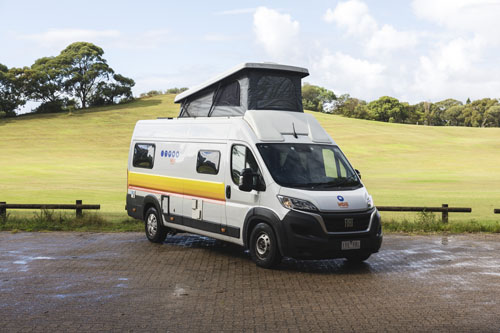
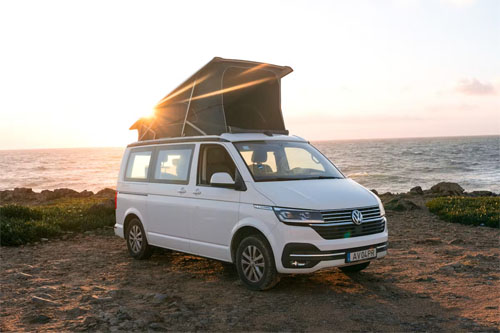
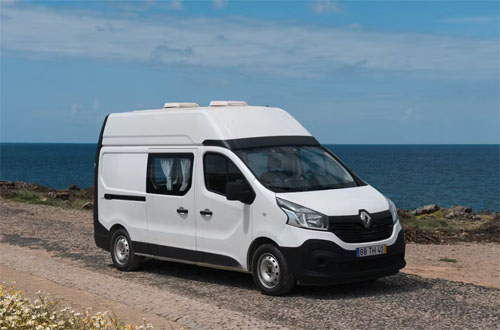
For long-term camping in Eastern Europe, the 'Class B - Camper Van' and 'Class SI - Semi-integrated' RVs offer an excellent balance of comfort, maneuverability, and practical amenities. Class B - Camper Vans, with an average length of 5.8 meters according to Bandana's global fleet, are ideal for navigating narrower roads, accessing smaller towns, and fitting into more compact campsites, while still providing sleeping for an average of 3.2 people. Class SI - Semi-integrated RVs, averaging 6.9 meters in length, provide more interior space and amenities for longer stays, accommodating an average of 3.8 sleeping places, making them comfortable for couples or small families. Both classes offer good fuel efficiency, with Camper Vans typically consuming around 10 Liter / 100 Km and Semi-integrated RVs around 10 – 11 Liter/100 km, making them cost-effective choices for extended travel across varying terrain.
When considering which RV class best suits your long-term East European journey, the Class B Camper Van and the Class SI Semi-integrated motorhome stand out. The camper van, typically around 5.8 meters long and sleeping an average of 3.2 people, is your go-to for navigating the often narrower streets of historic towns and fitting easily into various campsites. They offer excellent fuel economy, usually around 10 liters per 100 km, making them a budget-friendly choice for extensive travel. For those needing a bit more space and comfort for longer durations, perhaps for a family or a couple who enjoys spreading out, the Class SI Semi-integrated RV is a great option. Averaging 6.9 meters in length and sleeping about 3.8 people on average, these offer more living space and amenities while still being reasonably fuel-efficient at approximately 10-11 liters per 100 km.
Ultimately, the choice depends on your travel style and priorities. If maneuverability and ease of access to smaller locations are key, a camper van is ideal. If more interior space for extended stays is preferred, a semi-integrated model provides that extra comfort. Both are excellent choices for exploring East Europe by RV, offering a blend of practicality and comfort for your month-long adventure.
How to Save on Campgrounds in East Europe
Optimizing campground costs during a long-term RV rental in East Europe can significantly enhance your travel budget through strategic planning and leveraging discounts. Utilizing campground discount cards, such as those sometimes offered through rental partners like Bandana, can provide substantial savings on daily pitch rates at participating sites. Traveling during the shoulder seasons (spring and autumn) often means lower campground prices and fewer crowds compared to the peak summer months. Opting for municipal or regional campgrounds over private resorts, especially those further from major tourist attractions, typically results in more affordable rates. Many campgrounds offer weekly or monthly rates that are significantly cheaper per night than daily rates, making them a cost-effective choice for stays of three nights or longer.
To make your long-term RV rental in East Europe even more budget-friendly, consider these savings strategies for campgrounds. Firstly, investigate discount programs. Sometimes, your RV rental partner or a dedicated camping club membership can unlock reduced rates at participating sites across the continent. Secondly, travel timing is key. Embracing the shoulder seasons—spring (April-May) and autumn (September-October)—means not only enjoying pleasant weather and fewer crowds but also benefiting from lower campground fees compared to the peak summer months. Thirdly, explore your options beyond large private resorts; municipal or regional campgrounds, particularly those situated away from prime tourist hotspots, often offer more economical rates for your pitch.
Finally, for extended stays, always inquire about weekly or monthly rates. These longer-term packages are almost always more cost-effective per night than daily rates, making them an excellent choice if you plan to linger in a particular area for three nights or more. By employing these savvy booking tactics, you can significantly reduce your overall camping expenses during your East European adventure.
Can you park a motorhome anywhere in Europe?
No, you cannot legally park a motorhome anywhere in Europe, as regulations regarding overnight parking and wild camping vary significantly by country, region, and even local municipality. In many Eastern European countries, wild camping or overnight parking outside designated campgrounds is generally prohibited or strictly regulated, particularly in national parks, protected areas, and populated zones. Understanding specific country-by-country rules is crucial; for example, while some Baltic states and Nordic countries have more liberal 'right to roam' laws allowing wild camping, most of Eastern Europe has stricter enforcement. Always research the local laws for each country you plan to visit, prioritize designated RV parks or official campgrounds to avoid fines, and consider using apps like Park4Night for verified parking spots.
It's a common misconception that you can park a motorhome or RV just anywhere in Europe. The reality is that regulations differ greatly, and what might be permissible in one country or region could be strictly forbidden in another. This is particularly true in Eastern Europe, where wild camping and overnight parking outside of official campgrounds are generally prohibited or heavily regulated, especially in ecologically sensitive areas like national parks or protected natural reserves. While some Baltic and Nordic countries have more relaxed 'right to roam' traditions that permit a degree of wild camping, the majority of Eastern European nations have stricter rules and enforcement.
To ensure a smooth and legal journey, it is essential to research the specific local laws for every country on your itinerary. Prioritizing designated RV parks and official campgrounds is always the safest bet to avoid potential fines. For finding approved overnight parking spots, leveraging resources like the Park4Night app can be incredibly helpful, as it often provides user-verified locations and notes on their legality and amenities.
What is the 3-3-3 rule for RV living?
The 3-3-3 rule for RV living is a popular guideline for comfortable and sustainable long-term travel, advising travelers to move no more than 300 miles in a day, stay at least 3 nights in each location, and arrive at their next destination by 3 PM. This rule helps prevent travel burnout by ensuring sufficient rest between drives, allowing time to explore each location thoroughly, and providing ample daylight for setting up camp and familiarizing oneself with new surroundings. Applying the 3-3-3 rule to a long-term RV rental in East Europe can enhance the experience by promoting deeper cultural immersion and reducing travel stress. While a guideline, adapting the rule to local road conditions and personal preferences is key; in regions with slower roads or numerous attractions, even shorter daily drives might be preferred.
The 3-3-3 rule is a fantastic framework for maintaining balance and preventing burnout during extended RV travel. It suggests driving no more than 300 miles per day, staying at least three nights in each location to truly explore, and aiming to arrive at your next destination by 3 PM. This pacing allows for rest, deeper engagement with the places you visit, and ample daylight for setting up your campsite and getting acquainted with your new surroundings.
When applied to an East European road trip, this guideline can lead to a richer, more immersive experience. Instead of rushing through countries, you'll have the opportunity to connect with local cultures, savor regional cuisines, and truly appreciate the landscapes. Remember, it's a guideline, not a strict rule. Be prepared to adjust it based on road conditions, the allure of a particular spot, or your personal energy levels. Sometimes, even shorter daily drives might be necessary or preferable, especially when navigating less predictable roads or when a destination simply captivates you.
What is the 4-4-4 rule for RV travel?
The 4-4-4 rule for RV travel is an alternative guideline similar to the 3-3-3 rule, suggesting you should aim to drive no more than 4 hours a day, stop at least 4 nights in one place, and stay within 4 miles of a grocery store. This variation emphasizes even slower travel and local exploration, ensuring more time for relaxation and reducing the frequency of setting up and breaking down camp. The 'within 4 miles of a grocery store' aspect is particularly useful for long-term renters, as it simplifies resupply logistics and supports continuous comfortable living. Adhering to the 4-4-4 rule in Eastern Europe allows for deeper engagement with local communities, easier access to amenities, and a more leisurely pace, perfect for extended adventures.
Another popular guideline for comfortable RV travel is the 4-4-4 rule. This variation encourages an even more relaxed pace, suggesting driving no more than 4 hours daily, staying at least 4 nights in each location, and keeping your campsite within a 4-mile radius of a grocery store. This approach prioritizes deeper immersion and simplifies daily logistics.
The emphasis on slower travel means less time spent packing up and setting down camp, and more time for genuine exploration and relaxation. The proximity to a grocery store is a practical consideration, especially for long-term renters, ensuring easy access to provisions and amenities. Following the 4-4-4 rule in East Europe can lead to a truly authentic experience, fostering connections with local communities and allowing you to truly savor the journey at a leisurely pace.
Is Europe RV friendly?
Yes, Europe is generally very RV friendly, with an extensive network of campgrounds, well-maintained roads, and a culture that increasingly embraces motorhome travel, including a growing friendliness in Eastern European countries. Western European nations like Germany, France, and Italy have long-established RV infrastructures, but Eastern Europe is rapidly developing its own, offering excellent value and unique experiences. Road conditions in Eastern Europe vary, with major highways generally good, but smaller country roads can be less predictable; tolls are common on motorways and often require specific vignettes or electronic payment systems. The region offers diverse landscapes and rich history accessible by RV, though travelers should be aware of specific parking regulations, border crossing procedures for non-Schengen zones, and the availability of waste disposal facilities.
Europe, as a whole, is highly conducive to RV travel. It boasts a well-developed infrastructure that supports motorhome tourism, from a vast network of dedicated campgrounds and convenient motorhome service areas ('aires' or 'stellplatze') to specialized repair services. While Western European countries have a longer history of RVing, Eastern Europe is quickly catching up, offering not only a more affordable travel experience but also the chance to explore unspoiled nature and rich cultural heritage.
However, as you explore East Europe, it's important to be aware of regional variations. Major highways are generally in good condition, but smaller roads can be more challenging. Tolls are common on motorways, often requiring the purchase of a vignette or electronic payment. You should also research parking regulations and be prepared for border crossing procedures, especially if venturing into non-Schengen areas. Ensuring you know where waste disposal facilities are located will also contribute to a smoother trip.
Which European country has the best campsites?
While 'best' is subjective, Croatia, Slovenia, and Poland are consistently rated among the Eastern European countries with exceptional campsites, known for their quality, scenic locations, and amenities. Croatia's coastal campsites are renowned for their stunning Adriatic Sea views, direct beach access, and often resort-like facilities including swimming pools, restaurants, and entertainment. Slovenia offers a fantastic array of campsites nestled in picturesque mountains, by pristine lakes, and near thermal spas, appealing to nature lovers and adventure seekers. Poland provides excellent value with numerous well-maintained campgrounds in its national parks and lakeside regions, offering a blend of natural beauty and cultural access at a more affordable price point.
When it comes to campsites in Eastern Europe, several countries consistently receive high praise for their quality and locations. Croatia, particularly its Adriatic coastline, is celebrated for its numerous campsites that offer breathtaking sea views, direct beach access, and often resort-style amenities like swimming pools and on-site dining, making them perfect for a relaxed, long-term stay. Slovenia, on the other hand, appeals to those drawn to nature and adventure, with its campgrounds frequently situated in stunning mountain settings, beside crystal-clear lakes, or near rejuvenating thermal spas.
Poland also stands out for its value and well-maintained campgrounds, especially within its national parks and scenic lakeside regions. These sites offer a great combination of natural beauty and cultural accessibility, often at a more budget-friendly price point than their Western European counterparts. These three countries represent a fantastic starting point for RVers looking for top-tier camping experiences in East Europe, each offering a unique blend of natural landscapes and desirable amenities.
Is RVing a thing in Europe?
Yes, RVing is very much 'a thing' in Europe, with a long-standing tradition in many Western European countries and rapidly growing popularity across Eastern Europe, attracting both local and international travelers. The continent boasts a robust infrastructure supporting RV travel, including thousands of dedicated campgrounds, 'aires' or 'stellplatze' (motorhome service areas), and specialized repair services. Eastern Europe, in particular, has seen a surge in RV tourism, offering more affordable travel options, unspoiled nature, and unique cultural experiences compared to its western counterparts. For long-term renters, the European RV community is vibrant and welcoming, with numerous online forums, apps, and clubs dedicated to sharing tips, routes, and experiences.
RVing is not just a niche activity in Europe; it's a well-established and increasingly popular way to explore the continent. From the long-standing RV culture in Western European countries to the burgeoning scene across Eastern Europe, motorhome travel appeals to a wide range of travelers. The infrastructure supporting this lifestyle is robust, featuring a vast network of campgrounds, convenient motorhome service points, and readily available repair services.
Eastern Europe is especially welcoming to RV travelers, offering more budget-friendly options and the chance to discover untouched natural landscapes and rich cultural traditions. The community of RV enthusiasts across Europe is also very active, readily sharing advice and experiences through online platforms, apps, and clubs, making it easy to connect and gather valuable insights for your long-term rental journey.
Which countries are RV friendly?
Several Eastern European countries are increasingly recognized as very RV friendly, offering excellent infrastructure, beautiful destinations, and good value for long-term travelers. Croatia is highly RV friendly, particularly its coastal regions, with numerous modern campsites and stunning natural parks like Plitvice Lakes that accommodate motorhomes. Slovenia provides an exceptionally RV-friendly environment, characterized by pristine nature, well-maintained roads, and a good network of quality campgrounds, many located near hiking trails and lakes. Poland offers great value and a welcoming atmosphere for RVs, with well-developed road networks and a growing number of campgrounds near its picturesque cities, Baltic coast, and national parks.
When considering RV-friendly destinations in Eastern Europe, Croatia, Slovenia, and Poland consistently stand out. Croatia is particularly welcoming along its stunning coastline, boasting many modern campsites and convenient access to national parks like Plitvice Lakes, which are well-equipped to handle motorhomes. Slovenia offers an equally inviting environment for RV travelers, characterized by its pristine natural landscapes, well-maintained roads suitable for RVs, and a robust network of high-quality campgrounds conveniently located near popular hiking trails and serene lakes.
Poland is also a top contender, providing excellent value and a welcoming atmosphere for RVers. With well-developed road networks and an increasing number of campgrounds situated near charming cities, the picturesque Baltic coast, and expansive national parks, Poland makes for an accessible and enjoyable RV destination. These countries offer a combination of excellent infrastructure, beautiful scenery, and affordability, making them ideal choices for a long-term RV rental.
What is the 10 year RV rule?
The '10-year RV rule' refers to a common policy at some campgrounds, particularly in popular tourist areas or upscale resorts, that restricts entry to RVs older than 10 years to maintain a certain aesthetic and quality standard. While more prevalent in North America, some private campgrounds in Europe, especially those catering to a premium market, might impose similar age restrictions. For long-term RV rentals in Eastern Europe, this rule is less common at general campgrounds, but it's always wise to check a campground's specific policies if you plan to stay at higher-end resorts or specific luxury sites. The majority of campgrounds across Eastern Europe are generally welcoming to RVs of all ages, focusing more on cleanliness and respectful conduct than the vehicle's manufacturing date.
You might encounter what's known as the '10-year RV rule' at some campgrounds, particularly in North America and occasionally at more exclusive or premium resorts in Europe. This policy generally limits access to RVs that are more than 10 years old, aimed at maintaining a certain aesthetic and quality standard for the park. While this restriction is less common in East European campgrounds overall, it's always a good idea to verify the specific policies of any high-end resort or luxury campsite you plan to visit for an extended stay.
For the most part, campgrounds across Eastern Europe are very accommodating to RVs of all ages. Their primary focus is typically on ensuring a clean, safe, and respectful environment for all guests, rather than the manufacturing date of your motorhome. This generally welcoming attitude means you're unlikely to face age-related restrictions at the majority of sites you'll encounter during your long-term rental.
Which European countries can you free camp in?
In Eastern Europe, legal free camping (wild camping) is generally restricted, with specific regulations varying significantly by country, making it crucial to understand local laws before attempting to free camp. While strictly illegal in many countries like Croatia, Hungary, and Poland, wild camping might be tolerated in very remote, non-protected areas or on private land with explicit permission from the owner. Estonia, Latvia, and Lithuania, influenced by Nordic 'everyman's right' traditions, offer more lenient wild camping rules, often allowing overnight stays in designated public forests or on uncultivated land, provided you respect nature and leave no trace. Always prioritize safety and legality: research local ordinances thoroughly, use apps like Park4Night for verified overnight spots, and consider designated 'aires' or 'stellplatze' which offer basic services for free or a minimal fee.
When it comes to free camping, or wild camping, in Eastern Europe, the general consensus is that it's quite restricted. Laws vary significantly from country to country, and often even by region within a country. For instance, while places like Croatia, Hungary, and Poland generally prohibit wild camping outright, you might find that very remote, non-protected areas or private land with explicit owner permission could be exceptions. Always prioritize legality and safety by researching local ordinances thoroughly.
However, there are exceptions. Estonia, Latvia, and Lithuania, drawing from Nordic traditions like the 'Allemansrätten' or 'everyman's right', tend to have more lenient rules. In these countries, you may find it permissible to stay overnight in designated public forests or on uncultivated land, provided you adhere strictly to 'leave no trace' principles and respect the environment. For finding legal and safe spots, using apps like Park4Night is highly recommended, as it often lists verified locations, including designated 'aires' or 'stellplatze' that offer basic services for free or a minimal charge.
What is the campground app in Europe?
For navigating campgrounds and overnight stops across Europe, including Eastern Europe, popular and highly recommended apps include Park4Night, Camping.info, and ACSI Campings. Park4Night is widely used, offering a comprehensive database of official campsites, designated motorhome parking areas (aires/stellplatze), wild camping spots (with user-generated legality notes), and service points, often with user reviews and photos. Camping.info provides extensive details on over 23,000 campsites across Europe, including pricing, amenities, and user ratings, making it excellent for finding well-equipped sites for long-term stays. ACSI Campings, primarily known for its discount card, also offers a detailed app with information on thousands of inspected campsites, particularly useful for finding sites that accept the ACSI card for off-season savings.
To make navigating your long-term RV journey through Europe, and specifically East Europe, more efficient, a few key apps are indispensable. Park4Night is a crowd favorite, offering a vast database that includes official campsites, designated motorhome parking areas (known as 'aires' or 'stellplatze'), and even wild camping spots, complete with user-generated notes on legality and amenities, plus reviews and photos. Another excellent resource is Camping.info, which provides comprehensive details on over 23,000 campsites across Europe, including pricing, a full list of amenities, and user ratings, making it perfect for finding those well-equipped sites ideal for extended stays.
Don't overlook ACSI Campings. While widely recognized for its discount card that offers savings on campsites, especially during the off-season, its app is also a treasure trove of information. It features data on thousands of inspected campsites, which can be particularly beneficial if you're looking for sites that offer ACSI card discounts or simply want verified information to plan your route.
What You Shouldn't Miss
- Drive the Transfăgărășan Highway in Romania (seasonal opening) for breathtaking mountain scenery and engineering marvel.
- Explore the historic medieval towns of Poland, such as Krakow or Gdansk, via your RV for easy access to cultural experiences.
- Relax at a thermal spa town in Hungary, like Hévíz, by staying at a campground with easy access to its famous thermal lake.
- Visit the Plitvice Lakes National Park in Croatia, a UNESCO World Heritage site, and experience its stunning waterfalls and turquoise lakes, utilizing nearby RV-friendly campsites.
- Discover the serene beauty of Slovenia's Lake Bled or the Julian Alps, with numerous well-equipped campgrounds offering access to hiking and adventure sports.
- Experience the wild beauty of the Carpathian Mountains in Romania or Poland, keeping an eye out for wildlife while practicing responsible camping.
Final Thoughts
Embarking on a long-term RV rental in East Europe offers an unparalleled opportunity for exploration and discovery. From the stunning coastlines of Croatia to the wild forests of Poland and Romania, the region provides a diverse and rewarding travel experience.
By planning ahead, understanding local regulations, and utilizing resources like RV PLANET (rvplan.net) for route planning and campsite discovery, you can ensure a seamless and enriching journey. Remember to embrace the slower pace of travel, connect with local cultures, and savor the freedom that comes with exploring this fascinating part of the world in your own mobile home.
We're here to help you every step of the way, from comparing options to confirming your booking, ensuring your long-term RV adventure in East Europe is as incredible as you imagine. Get inspired for your next trip!