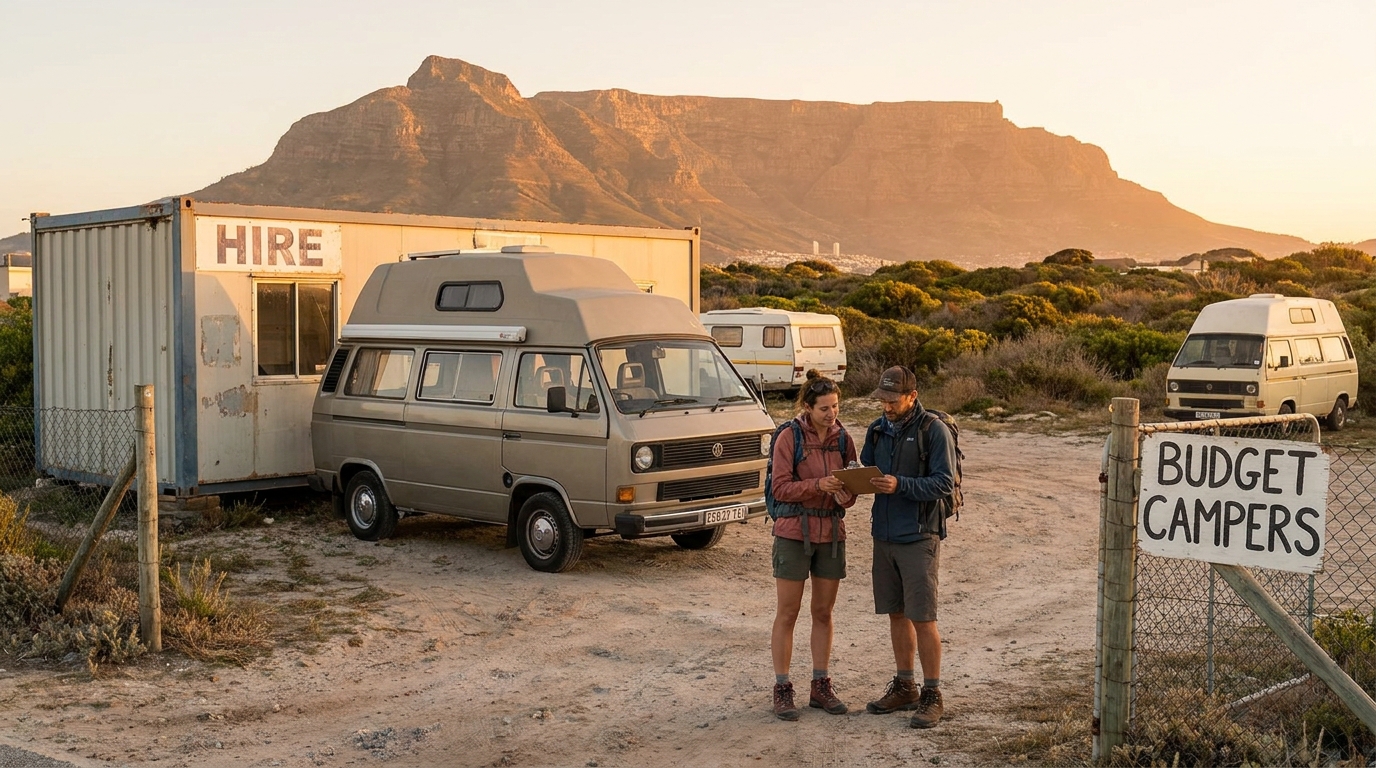
For live availability and current prices, start with our RV Rental Cape Town - Complete Guide 2026 guide.
In This Guide
- Where to Camp in Cape Town — Top Options
- Campground Types in Cape Town (National, Private, Wild)
- Featured RV Park or Campground in Cape Town
- Hookups & Amenities — What to Expect
- Booking Windows & Reservations in Cape Town
- Nearby Supermarkets & Resupply Points
- Best RV Class for Camping in Cape Town
- How to Save on Campgrounds in Cape Town
- What are the specific safety tips for RV travel in Cape Town and South Africa?
- What is the total cost of a long-term RV rental trip in Cape Town?
- Is wild camping legal or safe in Cape Town and South Africa?
- What are the driving challenges for RVs in Cape Town and the Garden Route?
- What is the best RV type for South African roads and travel styles?
- What specific packing essentials are needed for an RV trip in South Africa?
Where to Camp in Cape Town — Top Options
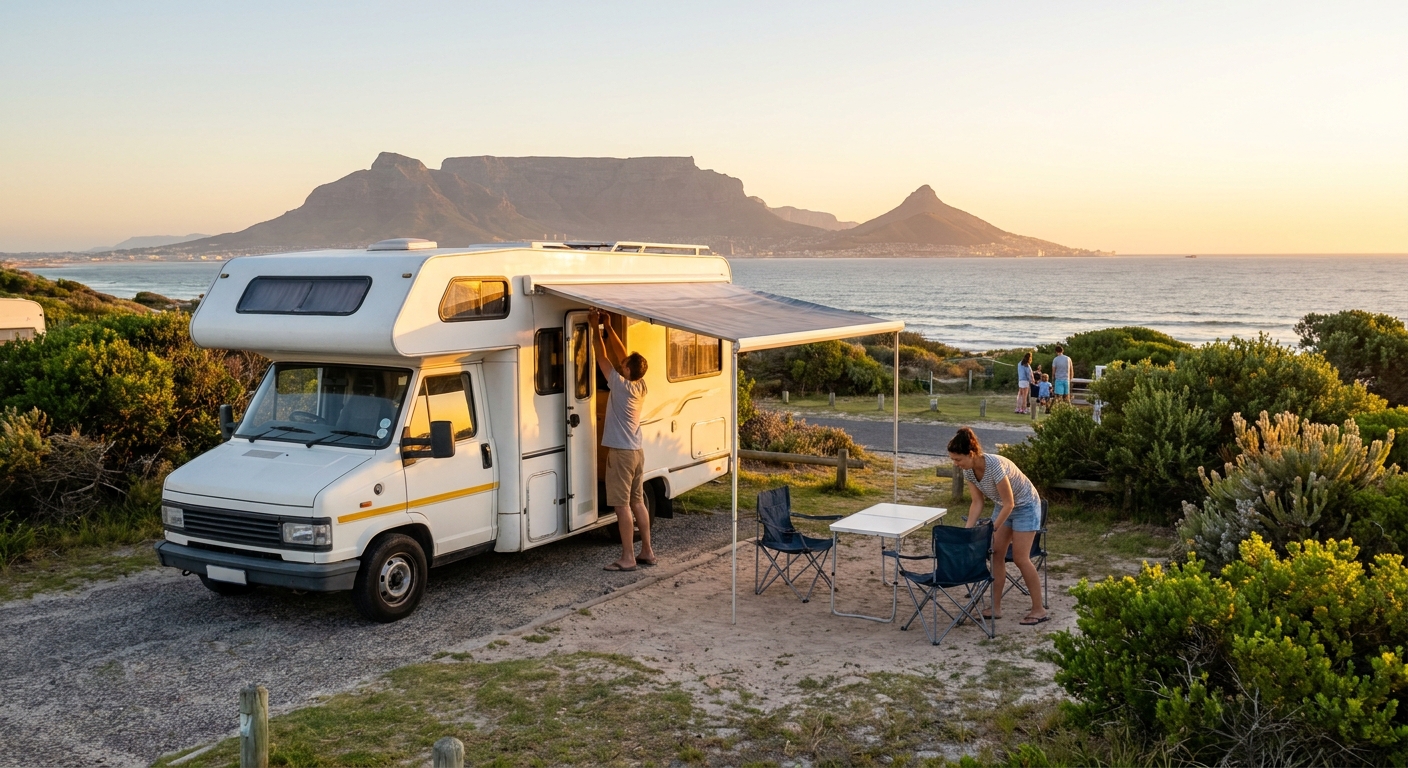
Cape Town offers a diverse array of RV-friendly camping options, ranging from coastal resorts with stunning ocean views to tranquil spots nestled within the picturesque winelands. For those seeking seaside charm and easy access to beaches, popular choices are often found along the False Bay coastline, particularly near areas like Gordon's Bay or Kommetjie. If a more serene, wine-infused experience calls to you, explore the campgrounds situated in the Cape Winelands, around Stellenbosch or Franschhoek, which provide beautiful scenery and close proximity to world-class wineries. Consider also campgrounds located adjacent to national park areas, such as those found outside the boundaries of Table Mountain National Park, offering a more immersive nature experience. When selecting your long-term campsite, evaluate the amenities provided, how conveniently located they are to local attractions and necessary services, and crucially, review recent safety ratings and guest feedback to ensure a comfortable stay.
Campground Types in Cape Town (National, Private, Wild)
RV travelers in Cape Town have a few distinct types of camping options to consider for their long-term stays. You'll find well-equipped private campgrounds that often provide a full suite of amenities and higher levels of security, though typically at a higher price point. Alternatively, national park-affiliated sites, managed by entities like SANParks or CapeNature, offer a more natural and immersive experience with generally more basic facilities, often requiring advance booking, especially for longer stays. It is crucial to understand that 'wild camping' or 'freedom camping' in most accessible areas around Cape Town and South Africa is generally illegal and strongly discouraged. This is due to significant legal restrictions, potential safety concerns for RVs in remote or unsupervised areas, and environmental regulations designed to protect the pristine natural landscapes. Prioritizing established and reputable campgrounds is always the safest and most responsible approach for long-term RV travel.
Featured RV Park or Campground in Cape Town
While specific recommendations can vary based on your preferences and availability, an ideal RV park for long-term stays in Cape Town should offer a balanced mix of essential amenities, reasonable rates, and convenient access to the city's many attractions. Look for parks that provide reliable 230V electricity hookups, consistent access to clean water, and secure, well-lit parking facilities to ensure peace of mind during your extended visit. Prioritizing campgrounds that offer practical amenities like laundry facilities, clean and well-maintained ablution blocks with hot showers and toilets, and perhaps even communal areas can significantly enhance your comfort during a long-term stay. Additionally, consider parks that are conveniently located near major supermarkets for easy resupply runs and possess good public transport links, making it simpler to explore the city and its surroundings without always needing to move your RV.
Hookups & Amenities — What to Expect
Most established RV campgrounds in Cape Town are well-equipped to handle your long-term stay, typically providing essential hookups and amenities for comfort and convenience. You can expect 230V electricity supply, which is standard in South Africa; however, you will need a Type M adapter (the large, round 3-pin plug) to connect to the mains hookups, though smaller appliances might use Type C/F adapters. Potable water hookups are generally available at most sites, but as a general precaution for RV travel, it's always advisable to filter or boil drinking water. Dump stations for both grey and black water are common amenities and are crucial for maintaining hygiene during extended stays. Most campgrounds also offer clean ablution blocks with hot showers and toilets, and coin-operated laundry machines are frequently available, adding to the convenience. While Wi-Fi connectivity can be found, it might be spotty, limited, or come at an additional cost, so it's wise to plan for alternative internet access if it's critical for your needs. On the routes offered through RV PLANET routes, you can itemize and track every expense along the way for easy budgeting.
Booking Windows & Reservations in Cape Town
When planning a long-term RV rental and camping trip in Cape Town, securing your campsite reservations well in advance is highly recommended, particularly if you are traveling during the peak season, which generally runs from November through March. While spontaneous travelers might find spots at less popular or municipal sites, popular campgrounds often book up quickly. During peak season, especially around school holidays, it’s best to aim for bookings 3-6 months ahead to avoid disappointment. Shoulder seasons, typically April-May and September-October, offer a pleasant balance of good weather and fewer crowds, usually requiring bookings 1-2 months in advance. In the off-season (June-August), you’ll find much more flexibility, often being able to book same-day or next-day, but it's still wise to call ahead. It's worth noting that many national park campgrounds only release a portion of their spots for advance reservations, with the rest being first-come, first-served. However, for the peace of mind that comes with a confirmed spot during a long-term stay, booking ahead is generally the way to go. Remember, you will almost certainly find a place to camp; if not at your first choice, then at a nearby alternative, but always call ahead to confirm availability before driving there.
Nearby Supermarkets & Resupply Points
RV travelers in Cape Town will find it very convenient to resupply their provisions, as major supermarket chains like Shoprite, Checkers, Pick n Pay, and Woolworths are widely distributed throughout the city's suburbs and surrounding towns. These supermarkets offer a comprehensive selection of groceries, fresh produce, meats, dairy products, household essentials, and often include pharmacies, making them ideal one-stop shops. Larger shopping centers and malls across Cape Town's various suburbs typically host multiple supermarket brands, alongside a wide range of other retail and service providers. Planning your RV route to include stops at these well-stocked resupply points is essential for maintaining a well-stocked kitchen and ensuring you have all the necessary supplies for a comfortable and enjoyable long-term rental experience. For more specific needs, you can also find smaller specialty stores focusing on health foods or international ingredients in more affluent areas of the city. For ideas you can prep on the road, watch our RV-friendly recipes playlist on YouTube.
Best RV Class for Camping in Cape Town
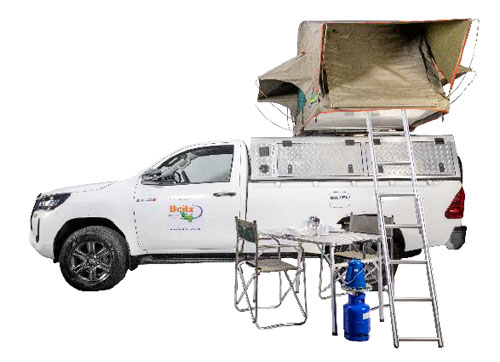
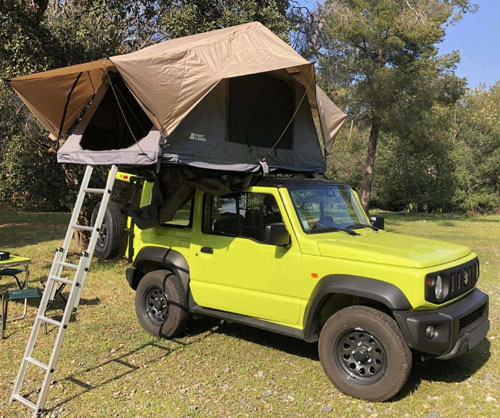
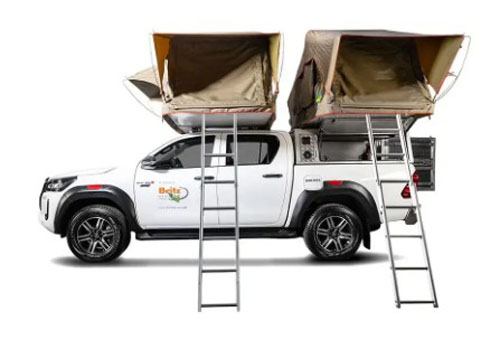
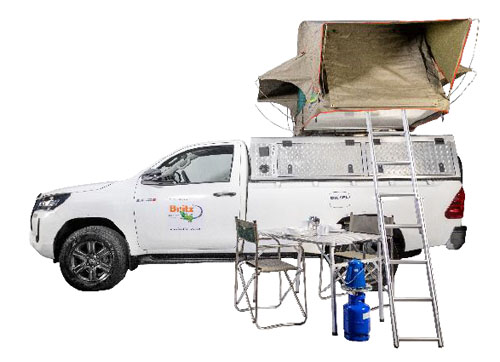
For an RV camping experience in Cape Town, considering the diverse terrain and urban navigation, Class B Camper Vans and Class SI Semi-integrated motorhomes generally offer an excellent balance of maneuverability and comfort for extended stays. The nimble nature of a Class B camper van, typically around 5.6 meters in length and sleeping up to 3 adults with good fuel economy, makes it ideal for navigating tighter city streets and finding parking, offering flexibility for urban explorations or brief off-grid camping if permissible. A Class SI Semi-integrated motorhome, averaging about 6.7 meters and sleeping up to 4 adults, provides more living space and enhanced amenities compared to a Class B, making it comfortable for longer stays while still remaining relatively agile on main roads and secondary routes. While a Class C motorhome, often called an 'alcove' model, offers the most space and sleeping capacity (up to 6 adults) for larger families or groups, its increased size and height can present challenges in tighter urban areas or on certain scenic routes. A Class TC Truck Camper, typically small and often paired with a 4x4 truck, can be a rugged option for accessing more remote or unpaved campsites, though interior living space is more compact. Ultimately, the best RV type depends on your group size, desired amenities, and planned travel style.
Class B - Camper Van: Around 5.6m long, sleeps 3, fuel efficient. Great for city navigation and easy parking.
Class SI - Semi-integrated: Around 6.7m long, sleeps 4. More living space, comfortable for longer stays.
Class C - Alcove: Around 6.7m long, sleeps 6. Maximum living and sleeping capacity.
How to Save on Campgrounds in Cape Town
Renting a motorhome long-term in Cape Town can be more economical by leveraging campground discount programs, timing your visit to the shoulder seasons, choosing municipal sites over private resorts, and always asking about weekly or monthly rates. Inquiring about campground discount cards or memberships can significantly reduce your nightly rates at participating parks across the region. Booking your long-term stay during the shoulder season, generally April-May and September-October, typically offers lower rates and fewer crowds compared to the peak tourist periods. Opting for municipal or regional campgrounds over more exclusive private resorts can also lead to substantial savings, as these sites are usually more affordable while still providing essential hookups and amenities. Crucially, always inquire about weekly or monthly rates; most campgrounds offer substantial discounts for stays of three nights or more, making long-term rentals a much more cost-effective option for your Cape Town adventure.
What are the specific safety tips for RV travel in Cape Town and South Africa?
Prioritizing safety for RV travel in Cape Town and South Africa requires a proactive approach, focusing on diligent crime prevention, securing your parking, understanding emergency protocols, and adhering to local driving etiquette. When it comes to crime prevention for RVs, always keep valuables out of sight, ensure all doors and windows are locked, and consider investing in RV alarm systems or additional security measures, especially when parking overnight. For secure parking, prioritize designated, well-lit RV parks or guarded facilities, and consistently avoid parking in isolated or unmonitored areas, particularly after dark. Make sure you have local emergency numbers readily accessible (such as 10111 for police and 10177 for ambulance) and consider subscribing to a local roadside assistance service. Adhering to local driving etiquette means driving defensively, being vigilant for potholes, pedestrians, and potentially aggressive drivers, and generally avoiding driving at night, especially on rural roads. It's also advisable to research and avoid known high-crime areas or secluded spots, sticking to established tourist routes and reputable accommodation options for a safer journey.
What is the total cost of a long-term RV rental trip in Cape Town?
The total cost of a long-term RV rental trip in Cape Town extends well beyond the initial rental fee, encompassing significant expenses for fuel, campsite fees, activity costs, food, permits, and potential tolls. These costs can vary widely based on your travel style, the duration of your trip, and the specific RV class you choose; remember that long-term rentals often come with more favorable daily rates. Fuel is a major variable cost, with vehicles like Class C or SI motorhomes consuming around 12L/100km and Class B camper vans using 6-11L/100km; South African fuel prices fluctuate. Campsite fees typically range from R200-R500+ per night for an RV site, though securing weekly or monthly rates can significantly reduce this average daily expense. Self-catering in your RV can save considerable money compared to eating out, but you should still budget for occasional restaurant meals and fresh produce. Don't forget to factor in costs for activities and attractions, such as entry fees to national parks (like Table Mountain or Cape Point), museums, wine tastings, and any other planned experiences. Finally, account for potential tolls on major highways (certain N2 sections) and any permits required for specific nature reserves or protected areas to get a comprehensive picture of your trip's budget.
Is wild camping legal or safe in Cape Town and South Africa?
Wild camping, often referred to as 'freedom camping,' is generally illegal and strongly discouraged in most accessible areas of Cape Town and across South Africa. This is due to significant safety concerns and environmental regulations designed to protect the natural landscapes. There are very few designated legal wild camping spots, and most private and public lands prohibit it; violators risk fines or being instructed to move. Security risks are a primary concern, particularly for RVs, which can be vulnerable targets in remote or unsupervised locations, and emergency services may also be difficult to access in such areas. Furthermore, responsible wild camping requires strict adherence to 'Leave No Trace' principles, which is often challenging and may not be consistently upheld, leading to issues like littering and environmental degradation. Therefore, prioritizing established private campgrounds, SANParks, or CapeNature sites is the recommended and safest alternative, as these locations offer security and essential amenities. While some private farm stays or conservancies might offer rustic overnight parking with explicit permission, this is a much safer and legal alternative to true wild camping.
What are the driving challenges for RVs in Cape Town and the Garden Route?
Driving an RV in Cape Town and along the Garden Route presents several unique challenges that RVers should be prepared for. Within Cape Town city limits, expect narrow streets, heavy traffic, and limited RV-suitable parking, especially in central business districts; utilizing GPS systems that account for RV dimensions and carefully planning your routes is essential. Be aware that some major routes, like sections of the N2 freeway, have tolls; ensure you have local currency or a toll tag for smoother passage. Iconic scenic drives, such as Chapman's Peak Drive, may have vehicle length or weight restrictions, or high wind warnings, which can make larger RVs less suitable, whereas smaller Class B camper vans offer more flexibility. While main national and provincial roads, including the N2 along the Garden Route, are generally well-maintained, some secondary or rural access roads and detours can be unpaved, gravel, or poorly maintained. These conditions might require higher ground clearance or even 4x4 capability for specific adventures, particularly if you're considering a Truck Camper for more rugged exploration. The Garden Route itself is generally RV-friendly, but detours into nature reserves or off-road attractions may prove challenging for larger, standard RVs without specific off-road modifications.
What is the best RV type for South African roads and travel styles?
The best RV type for South African roads and diverse travel styles typically involves a balance between maneuverability and interior comfort. For navigating varied terrains, from bustling city streets to potentially more rugged national park routes, Class B Camper Vans and Class SI Semi-integrated motorhomes often prove ideal. The agility, fuel efficiency, and ease of parking of a Class B camper van make it highly versatile for both urban exploration and navigating less challenging scenic routes and gravel roads, making it a top choice for couples or solo travelers. A Class SI Semi-integrated motorhome strikes a good compromise, offering enhanced interior space and comfort for extended stays without being overly cumbersome on most main South African roads, suitable for small families. For larger families or groups requiring maximum living and sleeping areas, a Class C motorhome (alcove) is the most spacious option, but its size and height might present challenges for narrow roads, low clearances, or parking in busy urban areas. For the truly adventurous seeking to explore off-the-beaten-path destinations, a Class TC Truck Camper, often equipped with 4x4 capability, allows access to more rugged terrain and remote campsites, though interior living space is more compact. When making your choice, carefully consider South Africa's varying road conditions—from well-paved highways to unpaved rural tracks—and match it with your desired travel experiences, whether that's city sightseeing or deep nature exploration.
Class B - Camper Van: Highly recommended for agility and fuel efficiency, ideal for urban exploration and scenic drives.
Class SI - Semi-integrated: Offers a good balance of space and maneuverability, comfortable for small families on extended stays.
Class C - Alcove: Provides the most spacious living and sleeping areas, suitable for larger families, but can be more challenging in urban settings.
What specific packing essentials are needed for an RV trip in South Africa?
Beyond general travel items, an RV trip in South Africa necessitates packing specific essentials that cater to the unique demands of motorhome travel and the local environment. Crucial items include power adapters, specifically a Type M adapter (large, round 3-pin) for 230V mains hookups, and European Type C/F adapters for charging smaller electronic devices. Safety gear is paramount; pack high-visibility vests, reflective warning triangles (which are mandatory), a comprehensive first-aid kit, a fire extinguisher, and ensure you have a sturdy spare tire with the necessary tools for changing it. For navigation, rely on offline maps, such as downloaded regions on Google Maps or Maps.me, and always carry a physical map as a backup, given that mobile signal can be intermittent in more remote areas. Regarding water management, it’s wise to carry a potable water filter, extra water containers, and purification tablets, as water quality can vary, and readily available refill points may not always be present. Don't forget essentials like strong sunscreen, effective insect repellent (particularly important if traveling to areas with malaria risk), a wide-brimmed hat for sun protection, quick-drying clothing suitable for varying weather, a multi-tool for various tasks, headlamps for nighttime visibility, and binoculars for enjoying any wildlife sightings.
What You Shouldn't Miss
- Hike Lion's Head: For unparalleled 360-degree views of Cape Town, Table Mountain, and the surrounding coastline, a hike up Lion's Head is a must-do, best tackled in the early morning or late afternoon.
- Explore the Cape Peninsula by RV: Take a scenic drive along the Cape Peninsula, visiting iconic spots like Cape Point, the Cape of Good Hope, and the charming fishing village of Kalk Bay, all accessible with your rented RV.
- Wine Tasting in Stellenbosch & Franschhoek: Indulge in the renowned Cape Winelands by visiting some of the many estates for tastings and vineyard tours; many offer scenic RV parking and lunch spots.
- Discover Kirstenbosch Botanical Gardens: Just a short drive from Cape Town's center, these world-renowned gardens showcase an incredible diversity of fynbos and other South African flora, offering a peaceful escape.
- Visit Robben Island: Take a ferry from the V&A Waterfront for a poignant historical experience, learning about the island's past and its role in South Africa's history.
- Drive the Scenic Clarence Drive: This coastal road between Gordon's Bay and Rooi Els offers breathtaking ocean views and is a stunning RV drive, often whale-watching territory in season.
Final Thoughts
Embarking on a long-term RV rental in Cape Town promises an unparalleled journey through one of the world's most breathtakingly diverse landscapes. From the iconic cityscapes to the rolling vineyards and stunning coastlines, your rented RV will be your comfortable home base for an unforgettable adventure.
Remember to plan ahead for your campsite bookings, especially during peak seasons, and to pack smart with the essentials for both RV living and exploring the South African environment. With the freedom and flexibility that RV travel offers, you're set to discover the magic of Cape Town at your own pace.
Find Motorhome Rentals in Cape Town