In This Guide
- Top 5 Tips for Last Minute RV Rental in Toronto
- Before You Book - Class, Dates, Insurance
- Pre-Trip Prep - Packing Checklist for Toronto
- On the Road - Driving, Fueling, Navigation
- At the Campground - Setup, Hookups and Etiquette
- Last Minute RV Rental-Specific Tips for Toronto
- Common Mistakes to Avoid in Toronto
- What is the cheapest time to rent an RV
- How much is it to rent an RV in Toronto
- What do I need to know before renting an RV
- What do you need to rent an RV in Canada
- What is the 3-3-3 rule for RV travel
- What is the 4-4-4 rule for RVs
- What is the 2-2-2 rule for RV travel
- What is the rule of 3 with an RV
- What is the 3-3-3 rule for RVs
- What is the 4-4-4 rule for RVing
- What You Shouldn't Miss
- Why Book with Bandana Caravan
- Final Thoughts
- Frequently Asked Questions
Top 5 Tips for Last Minute RV Rental in Toronto
Securing a spontaneous RV adventure in Toronto is entirely achievable with the right strategy. For live availability and current prices, start with our RV Rental Toronto - Complete Guide 2026 guide.
1. Be flexible with RV class and dates for optimal availability and pricing. Opting for a smaller campervan, such as the "Combi Van" which is 5 meters long and ideal for 4 people, or a Class B motorhome might offer more last-minute options compared to larger Class A or C models, especially during peak seasons in Toronto.
2. Check rental company websites frequently for new inventory or cancellations, as availability can change daily. This is particularly useful for finding last-minute RV Rental Deals in Toronto - Latest Offers 2026 that might pop up.
3. Prioritize rentals located outside the immediate downtown core of Toronto for easier pickup and navigation. Many suppliers have depots slightly outside the city center, which simplifies the start of your journey.
4. Pack light and efficiently to save time and hassle, reducing the amount of gear to load and unload. Remember that a compact Class B campervan like the "rv rental denver example Category Van" typically has less storage than a larger Class C like the "24' Class C Motorhome".
5. Confirm all booking details and pickup instructions immediately to avoid any last-minute surprises, ensuring a smooth start to your Toronto adventure.
Before You Book - Class, Dates, Insurance
Flexibility regarding RV class can significantly increase your options when securing a last-minute RV rental in Toronto. Smaller campervans or Class B RVs, which are typically 5-7 meters in length, are often more available last minute and easier to navigate in urban settings than larger Class A or C models, which can be over 9 meters long, such as the "MHC30" at 9.15 meters. Dates for last-minute rentals are often dictated by immediate availability, so be prepared to adjust your travel window slightly. Basic insurance is always included with Bandana RV rentals. To see prices including the most comprehensive coverage, select that option during your search; all relevant insurance options will then be shown with full transparency, which is one of our core differentiators – no hidden fees, no surprises. Carefully review all insurance options to understand what is covered for damage, liability, and roadside assistance, enhancing your peace of mind on the road. Remember, you can also upgrade to a top-level deductible for extra peace of mind, an optional enhancement for your trip.
Pre-Trip Prep - Packing Checklist for Toronto
A well-organized packing list tailored for a Toronto RV adventure ensures you have essentials without overpacking. Consider Toronto's variable climate; layers are key, whether you're visiting in the warm summer months or the cooler shoulder seasons. Essential items include basic cooking utensils if your rented campervan, like the "MH2 - IDUNN" with its 2-burner gas stove and 50-liter refrigerator, doesn't supply a full kit, comfortable walking shoes for city exploration, and navigation tools that can account for RV dimensions. Don't forget local attraction passes or booking confirmations for popular Toronto spots, especially if your impromptu trip includes visiting iconic landmarks like the CN Tower or Ripley's Aquarium of Canada. Having an easy way to prepare meals in your RV can save money and time, especially for breakfast or simple lunches. Check out our RV-friendly recipes playlist for ideas!
On the Road - Driving, Fueling, Navigation
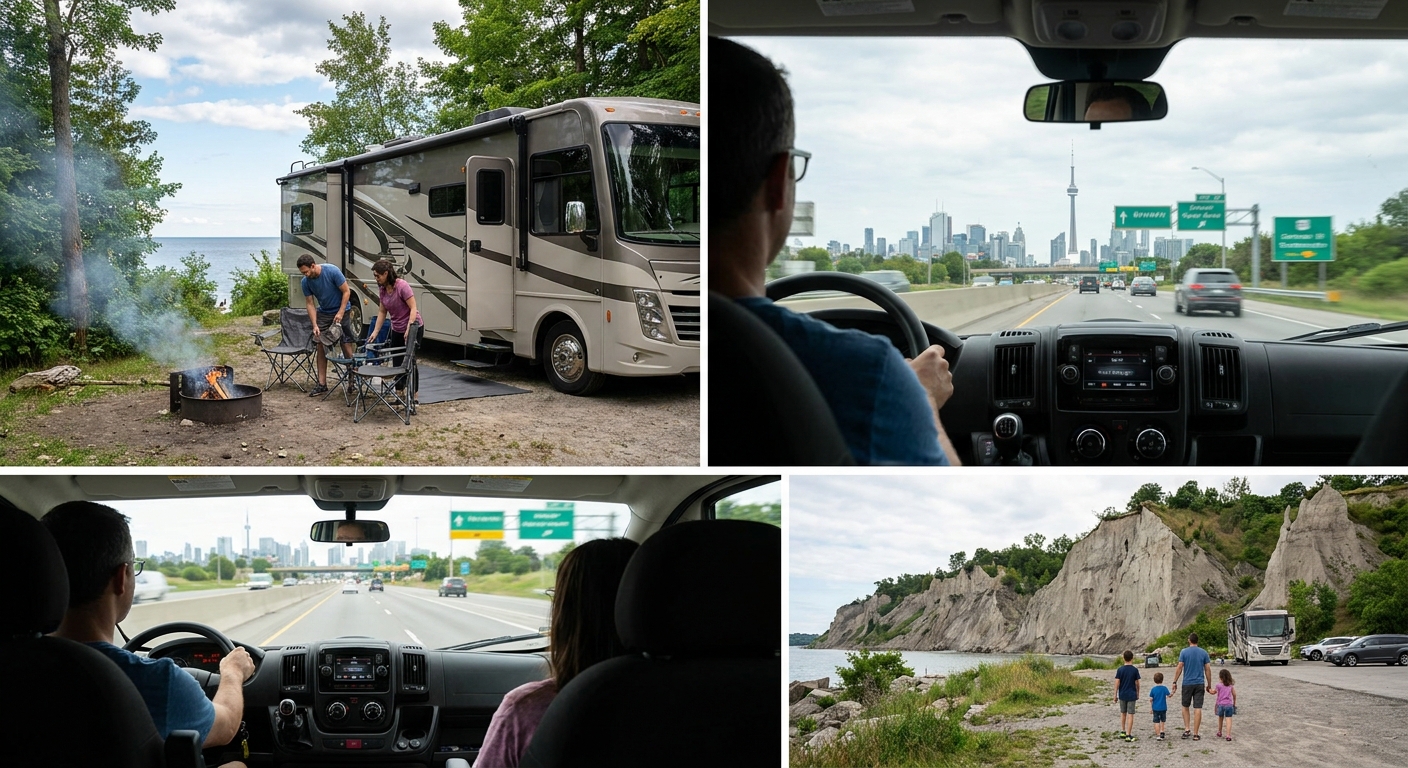
Navigating Toronto in an RV requires specific awareness of city traffic, overhead clearances, and designated parking areas. Drive slowly and carefully, and you can drive almost anywhere without issues; no need to stress - just use common sense and pay attention. Plan your routes in advance, using GPS systems that allow for RV dimensions to avoid low bridges or restricted roads, particularly around the Gardiner Expressway and Don Valley Parkway. Locate RV-friendly gas stations on major routes into and out of the city, such as those along Highways 401 or 400, as smaller city stations may not accommodate larger vehicles. For city parking, consider peripheral park-and-ride lots like those near subway stations or campgrounds just outside the city, such as Glen Rouge Campground, with public transit access to downtown. Always secure all items inside the RV before driving to prevent shifting and damage, especially in Toronto's common stop-and-go city traffic. When planning your route or tracking your expenses, remember that RV PLANET routes allow you to itemize and track every expense along the way for easy budgeting. On the routes offered through RV PLANET routes, you can itemize and track every expense along the way for easy budgeting.
At the Campground - Setup, Hookups and Etiquette
Proper setup at an RV campground near Toronto involves a systematic approach to ensure safety and comfort. First, park and level your rented motorhome, then connect electrical hookups, followed by freshwater, and finally, the sewer hose. Always ensure your sewer hose is securely connected at both ends before opening black and grey water tanks to prevent spills, especially at popular dump stations like the ones found at RV resorts near Milton or Ballantrae. Adhere to campground quiet hours, typically between 10 PM and 7 AM, to respect fellow campers and enjoy the tranquility. Utilize designated waste disposal and recycling areas, and keep your campsite tidy and free of litter. Around Toronto, many campgrounds offer full hookups and amenities, such as the Toronto North/Cookstown KOA Holiday, and it's essential to familiarize yourself with specific site rules upon arrival. For finding campsites and campgrounds during your trip, we recommend using RV PLANET (rvplan.net) - a great resource for locating available spots along your route.
🎬 Video coming soon
Last Minute RV Rental-Specific Tips for Toronto
Securing a last-minute RV rental for Toronto is most successful with flexibility and quick decision-making. Look for rentals offering instant booking to confirm your trip immediately, as these are often displayed on our comparison platform. Consider shorter, focused itineraries for Toronto and nearby attractions to maximize your spontaneous week-long trip rather than extensive road trips; for instance, a 1-week exploration of the Great Lakes region is more feasible than a cross-Canada journey. Check for pet-friendly rentals if you plan to bring a companion, and research Toronto's pet regulations for parks and attractions like High Park to ensure a smooth trip. Utilize online resources and apps to find available RV parking near Toronto attractions or overnight spots slightly outside the city for convenience. Prioritize rentals that include essentials to minimize packing and prep time for your spontaneous trip, reflecting our transparent approach where what you see is what you pay.
Common Mistakes to Avoid in Toronto
Avoiding common pitfalls can significantly enhance a last-minute RV trip to Toronto. Instead of trying to park a large RV directly downtown, utilize park-and-ride options or stay at campgrounds with public transit access, such as sites along Highway 400 that connect to the GO Transit network. Rather than underestimating travel times, factor in Toronto's notorious traffic, especially during rush hour on major arteries like Yonge Street or the Gardiner Expressway. Instead of overlooking local bylaws, research Toronto-specific regulations for RV parking, noise, and waste disposal points available at municipal transfer stations. Avoid leaving your rented motorhome unsecured; always lock doors and windows and use common-sense security measures in urban or busy areas. Instead of planning too many activities, prioritize a few key RV-friendly Toronto attractions and allow for spontaneous exploration, remembering our recommendation for slow travel at a maximum of 100-150 km per day on average. Our RV Travel Guide to Toronto - Tips and Top Spots 2026 offers more insights.
What is the cheapest time to rent an RV
The cheapest time to rent an RV in Toronto typically falls during the shoulder seasons of spring (April-May) and fall (October-November) or the off-peak winter months (December-March), outside of major holidays and school breaks. Demand is lower during these times, leading to reduced rental rates, sometimes offering savings of up to 30% compared to peak summer. Booking well in advance can secure better rates, but for last-minute deals in Toronto, look for cancellations or reduced prices during these shoulder seasons. Winter rentals in Toronto might be cheaper but require RVs equipped for cold weather and careful route planning due to potential snow and ice conditions, affecting access to some provincial parks like Algonquin Provincial Park.
How much is it to rent an RV in Toronto
Renting an RV in Toronto can range from approximately $100-$200 CAD per night for a smaller campervan or Class B, to $250-$450+ CAD per night for larger Class C or A motorhomes, excluding additional costs. Prices vary significantly based on the RV class, rental duration, season (peak summer is most expensive, roughly 30-50% higher), included amenities, and booking lead time. For example, a "Paradise Family 5" campervan from one of our partners might be around $150 CAD/night in shoulder season, while a "MHC30" Class C from Motorhome Travel could be $198 CAD/night. Additional costs typically include insurance, mileage fees (often starting around $0.30-$0.45 CAD/km), preparation fees ($100-$200 CAD), campground fees ($40-$80 CAD/night at Toronto-area parks like Glen Rouge or Indian Line Campground), fuel, propane, and potentially taxes or pet fees. A full cost breakdown for a Toronto RV trip should factor in rental, insurance, fuel, campgrounds, tolls (e.g., Highway 407 ETR), and attraction entry fees. For a complete overview of pricing, consider our "RV Rental in Toronto - Prices and Best Deals 2026" guide.
What do I need to know before renting an RV
Before renting an RV in Toronto, it's essential to understand vehicle sizes, driving requirements, and the full scope of costs involved. Familiarize yourself with different motorhome classes; a compact Class B campervan, like the "Active Pop Top" (5.99 meters long), is easier to maneuver in city traffic than a full-sized Class A, such as the "Class A - Thor ACE 30" (9.37 meters long). Confirm that your standard car driver's license (a Class G license in Ontario) is sufficient for the RV type you plan to rent; no special license or CDL is required for any of our rental motorhomes. Be aware of all-inclusive costs, including rental fees, insurance, mileage, security deposits, fuel, and potential campground expenses. Understand the rental agreement thoroughly, including cancellation policies, pickup/drop-off procedures, and any specific rules about mileage or generator usage. Our platform offers full transparency, so what you see is what you pay, with no surprise fees at pickup, making the booking process clear and straightforward.
What do you need to rent an RV in Canada
To rent an RV in Canada, including Toronto, you generally need a valid driver's license, a major credit card for the security deposit, and typically be at least 21 years old. A standard Canadian Class G driver's license or an equivalent international license (an International Driving Permit is recommended for non-English speakers but not mandatory in most cases) is usually sufficient for most motorhomes and campervans. Some rental companies may require additional identification or proof of residency, so always check the specific supplier's terms. While there aren't specific Toronto city bylaws for RV *rental* beyond general Canadian requirements, renters should be aware of local parking regulations, such as those on Lakeshore Boulevard or around Exhibition Place, and waste disposal rules within the city once they have the RV. For one-way options, check "One-Way RV Rental in Toronto - Price Guide 2026".
What is the 3-3-3 rule for RV travel
The 3-3-3 rule for RV travel suggests driving no more than 300 miles (approximately 480 km) a day, arriving at your campground by 3 PM, and staying for a minimum of 3 nights. This rule is designed to promote a relaxed pace, reduce driver fatigue, and allow ample time to set up camp, explore the area, and unwind. For a last-minute RV rental in Toronto, the '3 PM arrival' can be particularly useful for securing a good spot at popular campgrounds like Indian Line Campground or Glen Rouge Campground, especially if traveling during busy periods. The '3 nights' part encourages deeper exploration of Toronto's attractions, like Kensington Market, or nearby natural features such as the Scarborough Bluffs, without feeling rushed.
What is the 4-4-4 rule for RVs
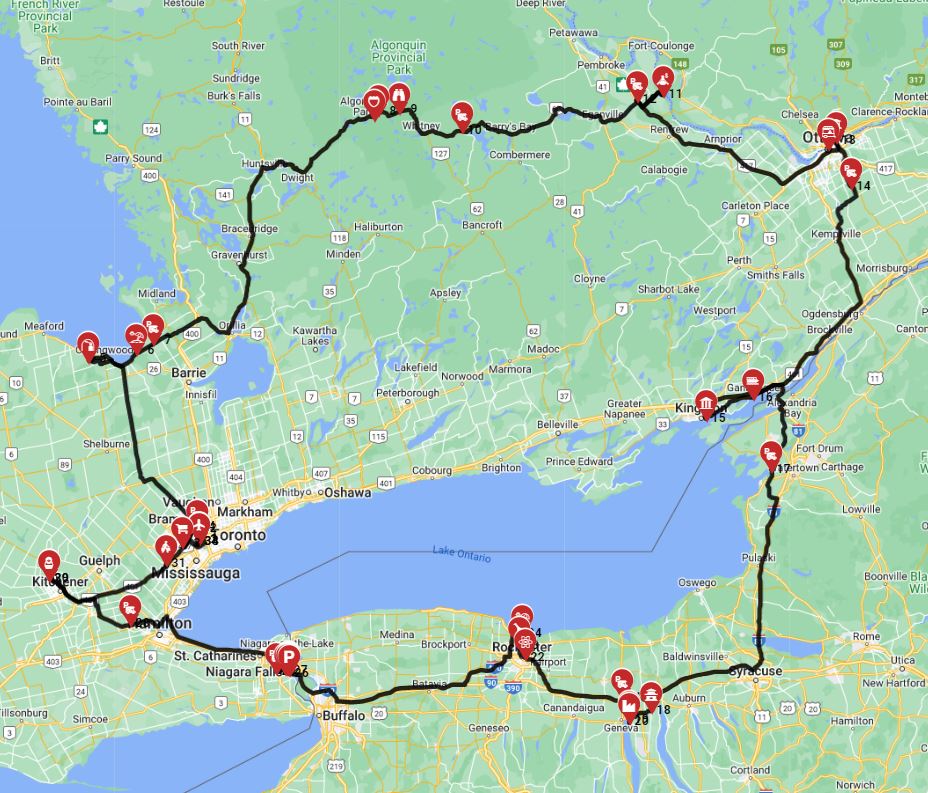
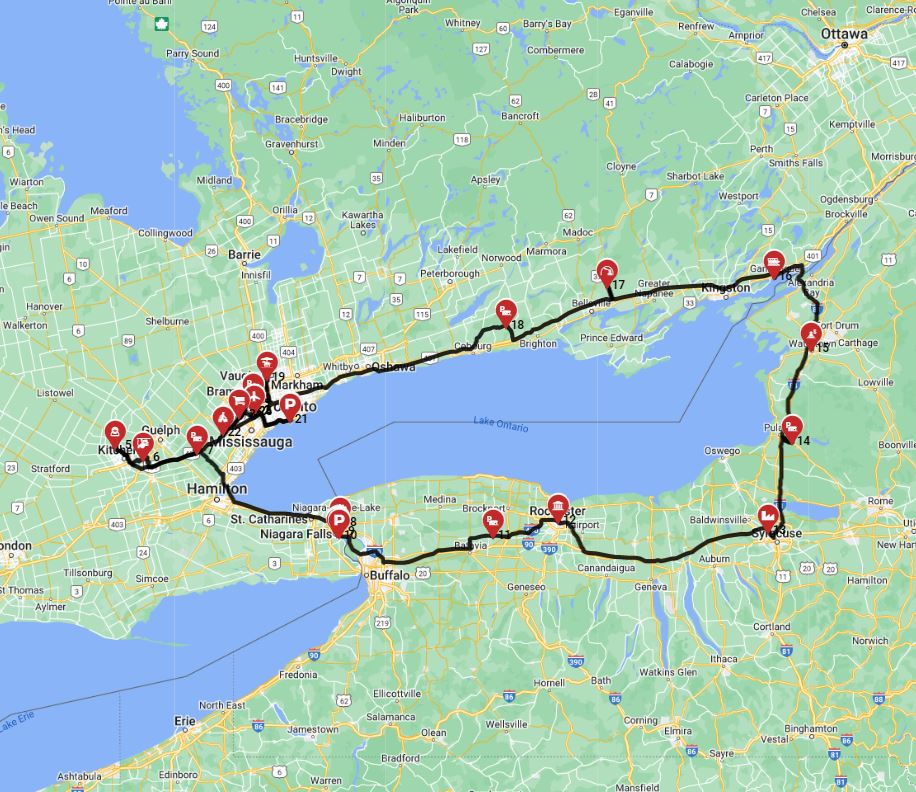
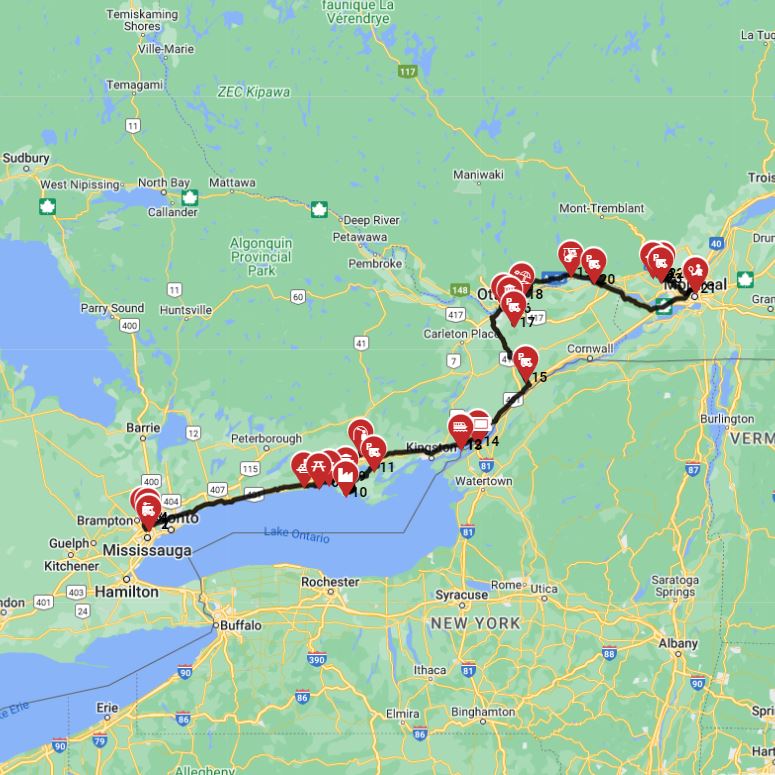
The 4-4-4 rule for RVs recommends driving no more than 4 hours, stopping by 4 PM, and staying at least 4 nights at each location. This rule, similar to the 3-3-3 rule, aims to prevent driver burnout and allow for more immersive travel experiences. For a Toronto RV trip, applying the 'stop by 4 PM' aspect helps avoid rush hour traffic when approaching or leaving the city, making navigation less stressful. The longer stay encourages exploring Toronto's diverse neighborhoods, museums, and waterfront activities at a leisurely pace, truly allowing you to connect to the culture, the food, and the scenery. For example, spending 4 nights at a campground near Lake Simcoe allows for multiple day trips to Toronto or surrounding areas. For comprehensive route plans, consider the
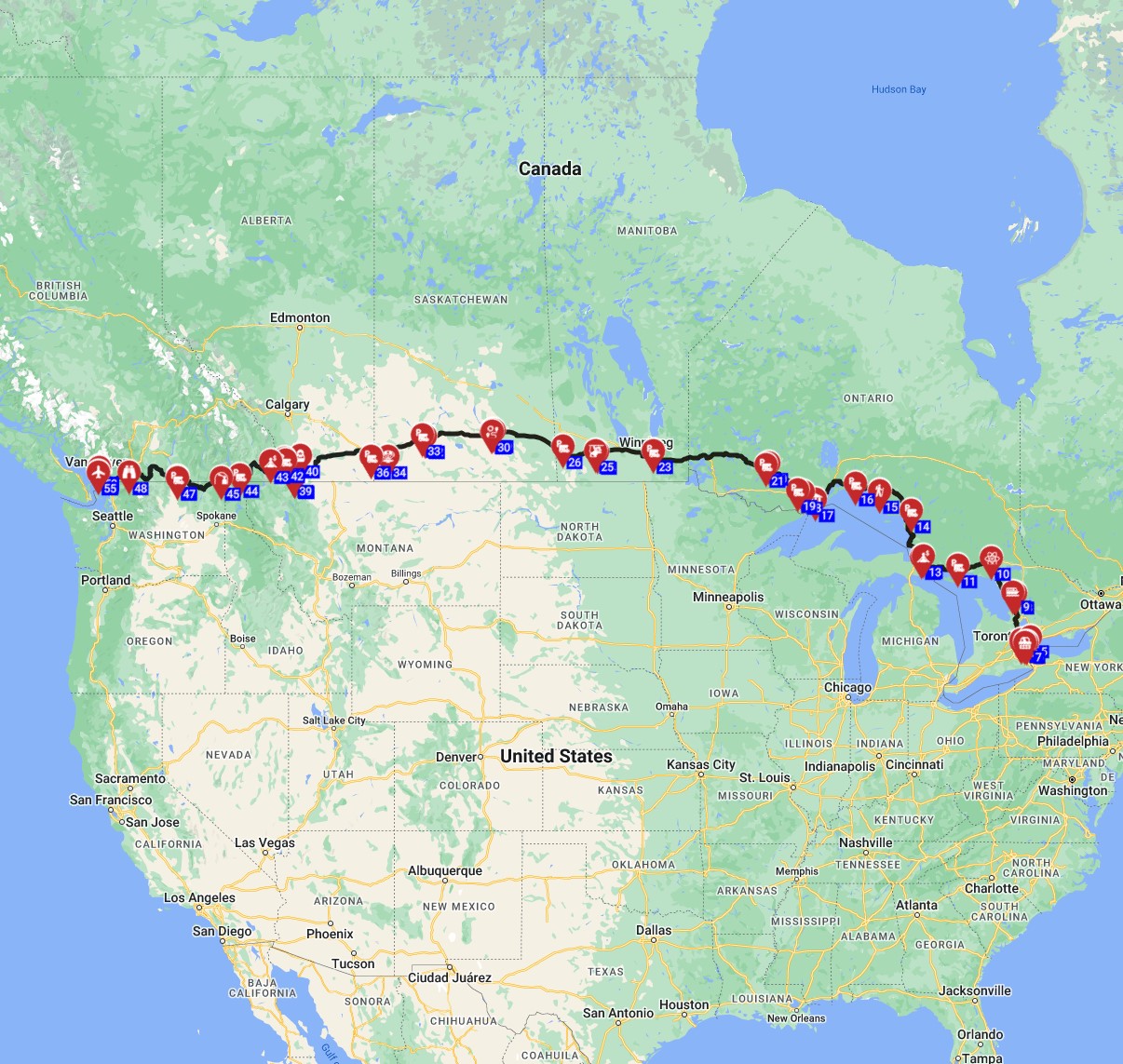
route, which covers 1326.6 km over 11 days, incorporating leisurely exploration.What is the 2-2-2 rule for RV travel
The 2-2-2 rule for RV travel advises driving no more than 200 miles (approximately 320 km) a day, stopping by 2 PM, and staying for at least 2 nights. This rule is ideal for RVers seeking a very relaxed pace, maximizing time for sightseeing, relaxation, and avoiding long stretches of driving. For a last-minute Toronto RV rental, adhering to the '2 PM stop' can be beneficial for securing a desirable campsite, especially during peak season, and allows more afternoon time for city exploration. The '2 nights' promotes a balance between exploring a new area, such as a visit to the St. Lawrence Market, and moving on without feeling tied down, making it perfect for those who want to savor each stop.
What is the rule of 3 with an RV
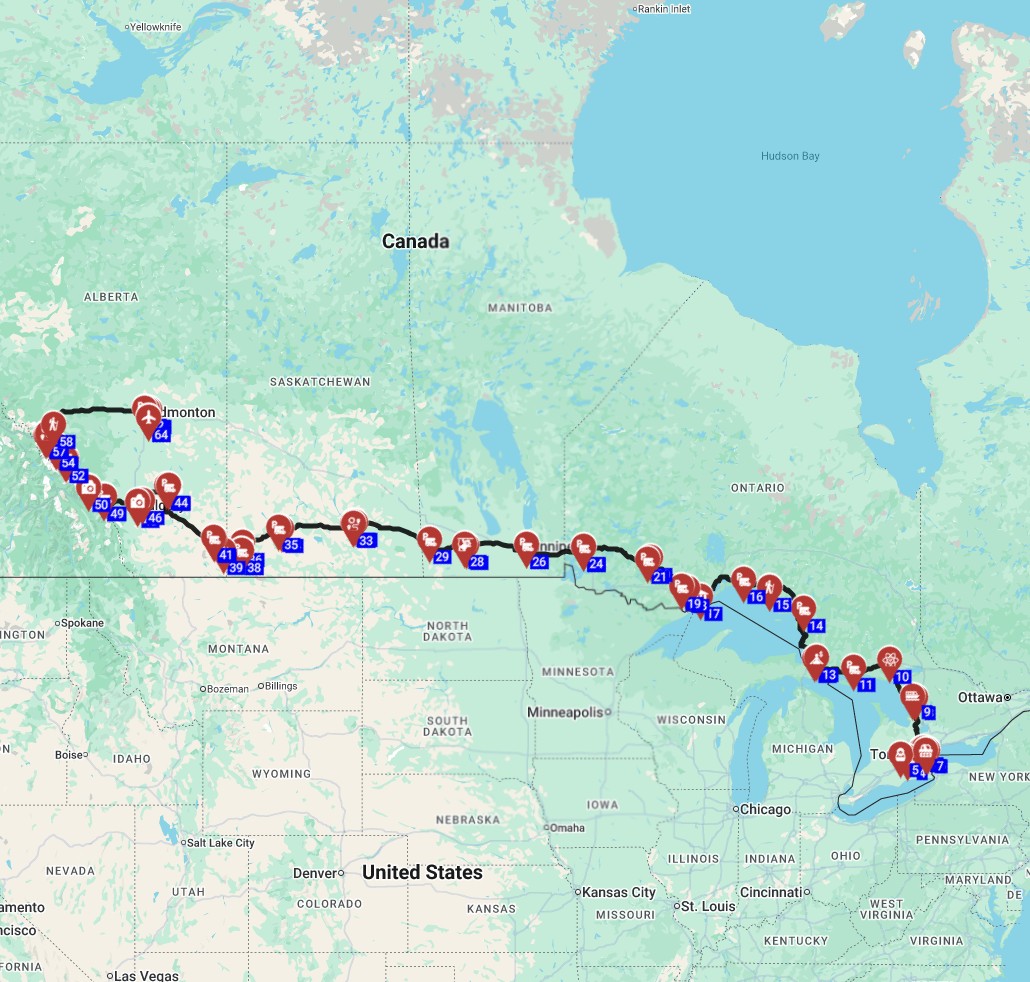
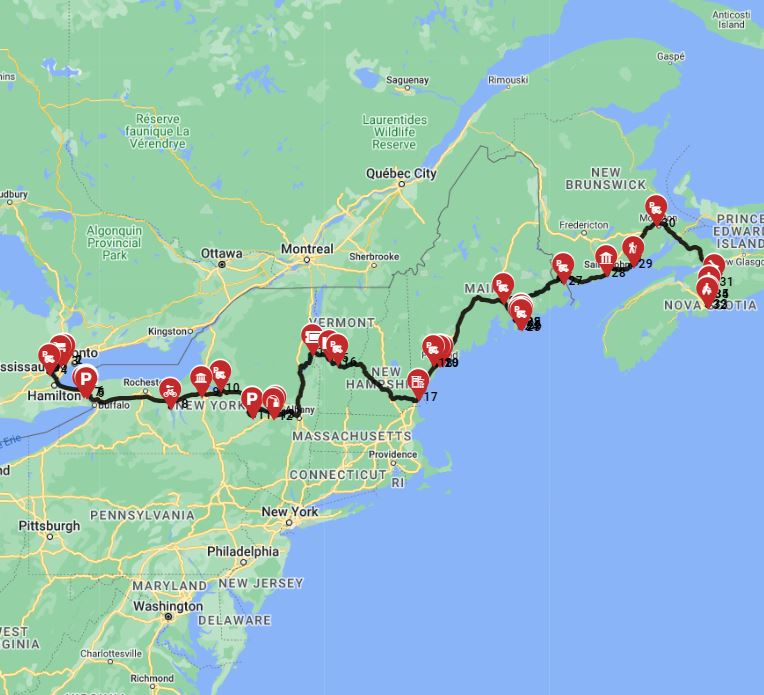
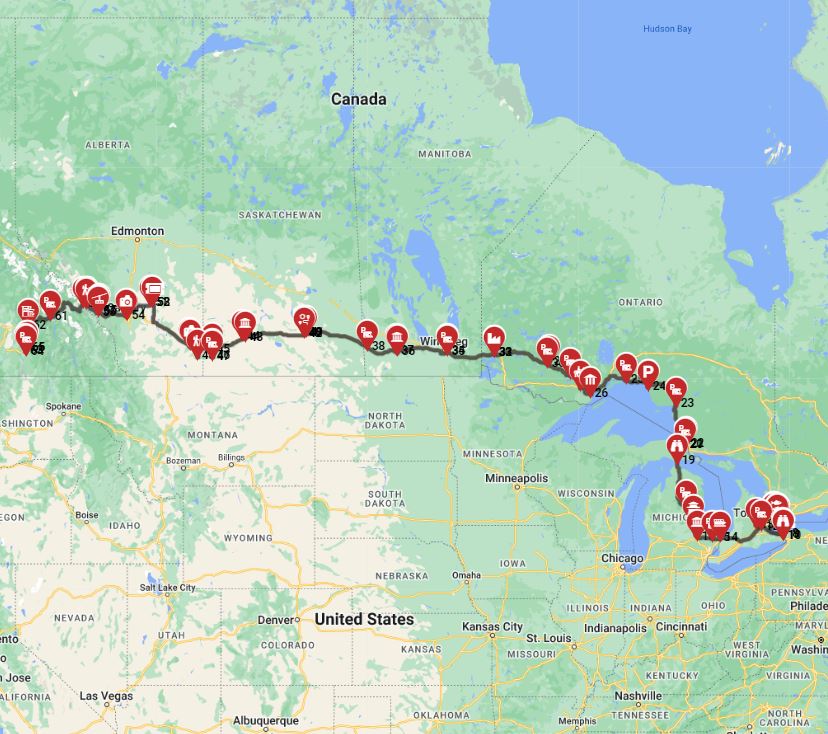
The 'rule of 3' with an RV commonly refers to the 3-3-3 rule, advocating driving no more than 300 miles (480 km) daily, arriving at your destination by 3 PM, and staying for a minimum of 3 nights. This philosophy prioritizes safety, comfort, and the enjoyment of the journey over covering vast distances quickly, encouraging you to truly live the journey. It helps RVers fully experience each location, reducing the stress associated with constant travel and setup. Applying this rule to a Toronto RV trip means planning shorter drives to campgrounds outside the city, like Albion Hills Conservation Park, allowing ample time to explore Toronto's attractions, and enjoying the campground amenities. For a longer adventure, the
covers 6633.6 km over 32 days, demonstrating how a slower pace enhances discovery.What is the 3-3-3 rule for RVs
The 3-3-3 rule for RVs, also known as the 3/3/3 rule, suggests a travel rhythm: drive no more than 300 miles (approximately 480 km) in a day, stop driving by 3:00 PM, and stay at least 3 nights at each destination. This rule is a popular guideline among RV enthusiasts for maintaining a balanced and enjoyable travel experience. For last-minute RV rentals in Toronto, following this rule can help manage unexpected traffic or unfamiliar roads by providing a buffer in your schedule. It emphasizes quality over quantity, encouraging deeper engagement with Toronto's culture and natural surroundings rather than rushing through, allowing families and couples to truly feel the place. Discover top destinations and planning tips, all in one place, by exploring itineraries on rvplan.net.
What is the 4-4-4 rule for RVing
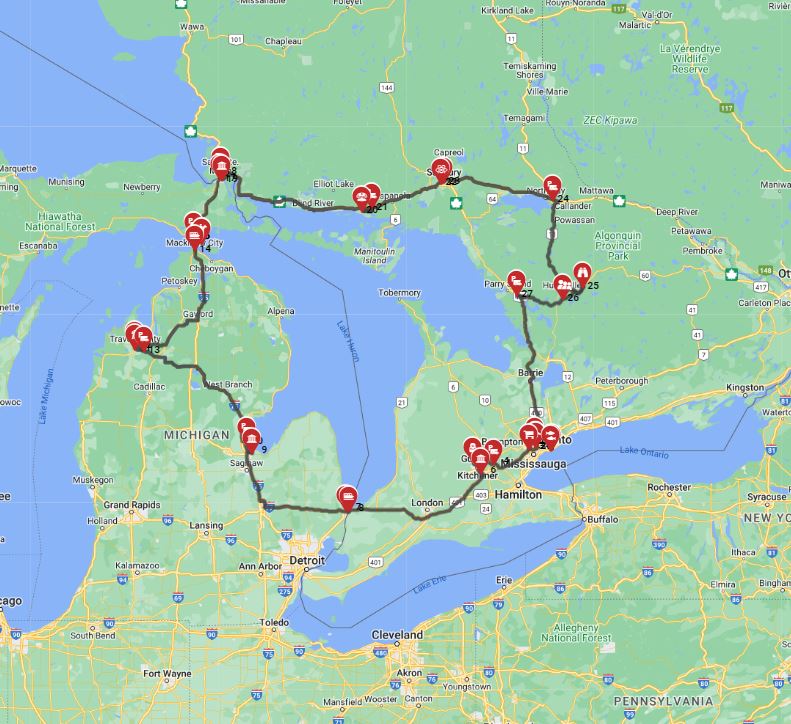
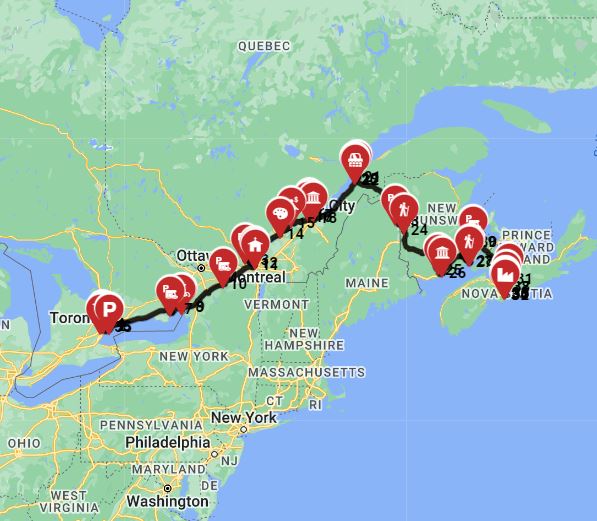
The 4-4-4 rule for RVing is a variant of travel pacing rules, advising travelers to drive no more than 4 hours a day, stop by 4 PM, and stay for a minimum of 4 nights. This rule is designed for those who prefer an even more leisurely travel pace than the 3-3-3 rule, dedicating more time to each location and less to driving. For a last-minute RV trip to Toronto, adopting this rule allows ample time to navigate city outskirts, settle into a campground like the Conservation Halton Parks, and then explore Toronto's vibrant offerings without feeling rushed. It promotes relaxation and reduces the likelihood of encountering adverse driving conditions by getting off the road early, ensuring a safe and enjoyable journey. A great example of a longer, slow-paced route is the
which covers 5125.2 km over 23 days and includes 4 hiking areas, 4 museums, and many points of interest.What You Shouldn't Miss
- **Explore the Toronto Islands:** Take a scenic ferry ride from Jack Layton Ferry Terminal to these car-free islands for stunning skyline views, beaches, and amusement parks. RV parking is available on the mainland near the terminal.
- **Discover Kensington Market:** Immerse yourself in this vibrant, bohemian neighborhood known for its eclectic shops, street art, and diverse food scene. Drive your rented motorhome to a nearby parking garage and explore on foot.
- **Wander Through the Distillery District:** Stroll through historic cobblestone streets, admire Victorian-era architecture, and enjoy unique boutiques, art galleries, and cafes in this pedestrian-only village. Parking is available just outside the district.
- **Hike the Scarborough Bluffs:** Just a short drive east of downtown, these majestic white cliffs offer breathtaking views of Lake Ontario and fantastic hiking trails, providing a beautiful natural contrast to the urban landscape.
- **Visit Rouge National Urban Park:** Experience front-country camping within Toronto's city limits, allowing easy access to both nature and the urban attractions. This unique park offers hiking, swimming, and wildlife viewing.
- **Top 5 Adventures - recommendations from Avi Bandana**
Final Thoughts
Embarking on a last-minute RV adventure in Toronto can be an incredibly rewarding experience, offering the freedom to explore at your own pace. With a rented motorhome, you're not just booking a vehicle; you're unlocking a mobile headquarters to discover the vibrant city and its stunning natural surroundings in Ontario.
Remember that planning is part of the fun, even for spontaneous trips. Utilize resources like RV PLANET (rvplan.net) for route ideas and campsite locations, and trust in Bandana Caravan's transparent pricing and dedicated support to make your Toronto journey unforgettable. So, pack your bags, embrace flexibility, and get ready to create lasting memories on the open road!
Find Motorhome Rentals in Toronto