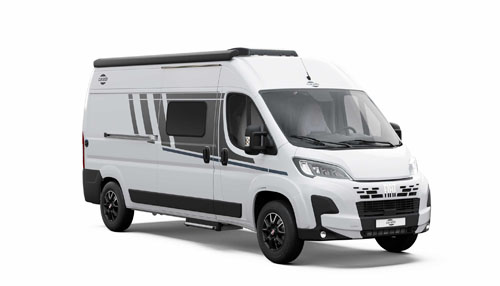
In This Guide
- Top 5 Tips for last minute rv rental RV Rental in Cyprus
- Before You Book - Class, Dates, Insurance
- Pre-Trip Prep - Packing Checklist for Cyprus
- On the Road - Driving, Fueling, Navigation
- At the Campground - Setup, Hookups & Etiquette
- last minute rv rental-Specific Tips for Cyprus
- Common Mistakes to Avoid in Cyprus
- Where can I park an RV in Cyprus?
- Is it safe to RV in Cyprus?
- Do I need a special license to drive an RV in Cyprus?
- What is the best month to RV in Cyprus?
- How much does it cost to rent an RV in Cyprus?
- Can I take an RV to Northern Cyprus?
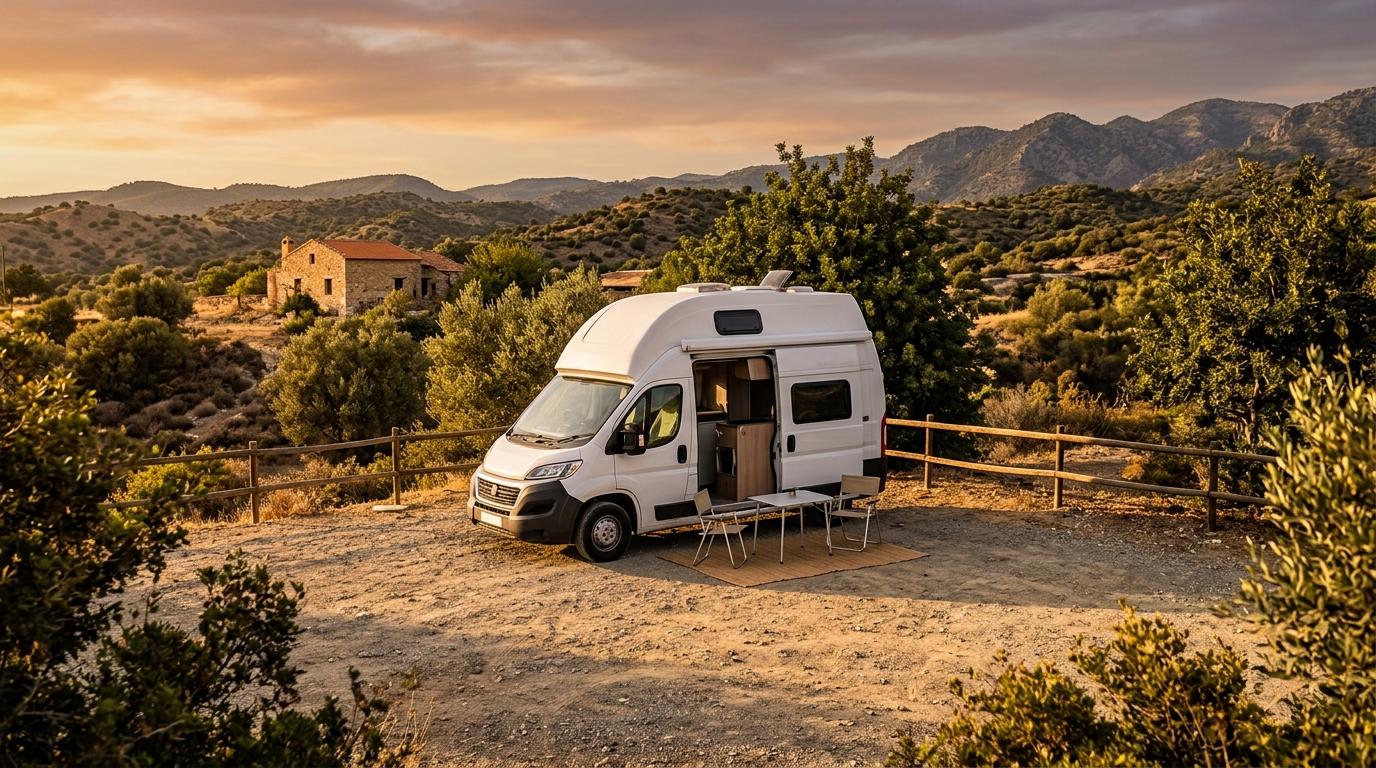
Imagine yourself basking in the Mediterranean sun, the scent of olive groves in the air, with your home-on-wheels parked just steps from a pristine beach or nestled in the tranquil Troodos Mountains. A last-minute RV rental in Cyprus offers an incredible way to experience this vibrant island nation, allowing for spontaneous adventures and unforgettable memories. Whether you're seeking ancient history, stunning coastlines, or charming villages, a rented motorhome provides the freedom to discover Cyprus at your own pace. For live availability and current prices, start with our RV Rental Cyprus - Complete Guide 2026 guide.
Top 5 Tips for last minute rv rental RV Rental in Cyprus
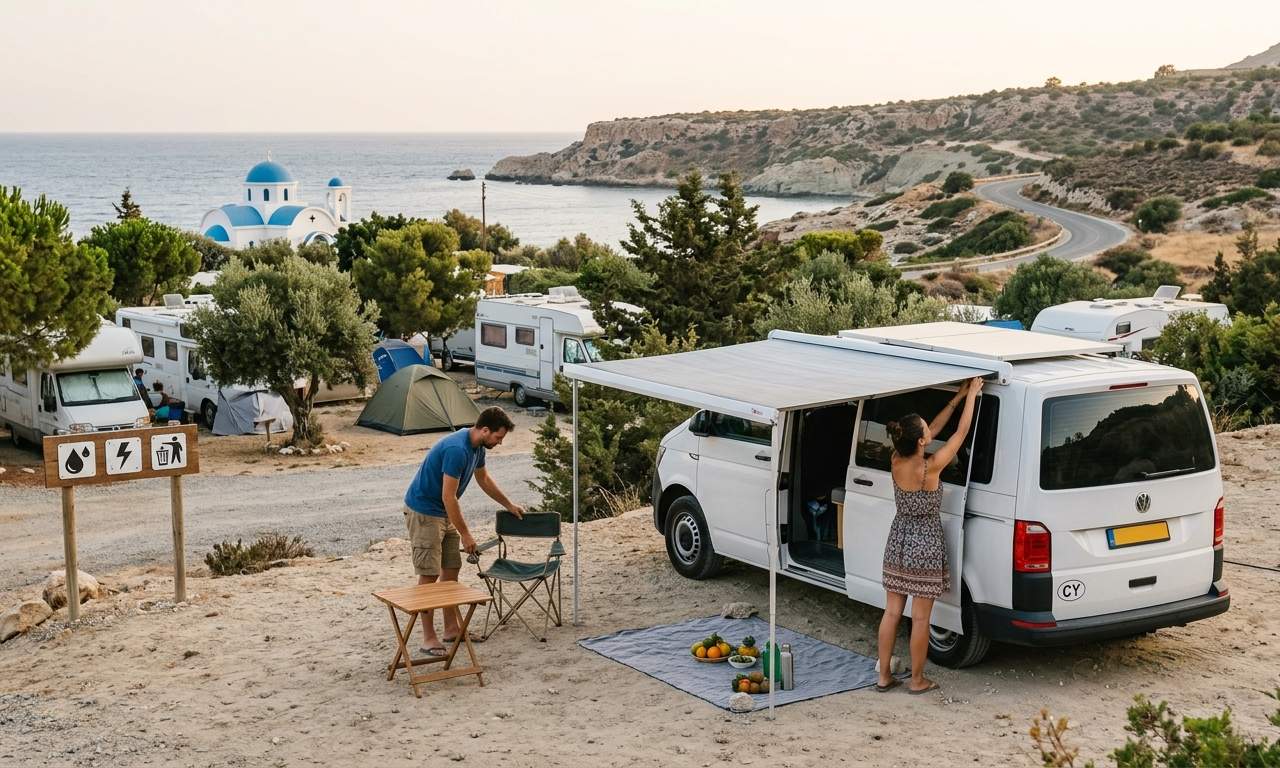
1. Be flexible with your travel dates and RV model for the best last-minute deals in Cyprus, as prices are dynamic and vary daily based on demand and availability. When planning a spontaneous trip, consider embracing a range of vehicle options, from a compact campervan like the "hire campervan example Paradise S/T" (which is ideal for a couple) to a more spacious Class C motorhome like the "rv rentals example Comfort Class" (ideal for 2 couples or a family of 2+2). This flexibility can significantly increase your chances of securing a great deal, potentially saving you money on your overall trip budget. For example, opting for mid-week pickups or slightly off-season travel can often reveal more affordable rates.
2. Consider smaller, more agile RVs for easier navigation on Cyprus's diverse roads, which range from modern highways to narrower, winding village streets and mountain passes. A compact motorhome or campervan, typically under 6 meters in length, provides greater maneuverability, especially when exploring historic sites or seeking out secluded beaches. Even though larger RVs like a 7.1-meter "cruise america rv rental example Explorer" can certainly navigate the island, a smaller vehicle offers added peace of mind for those last-minute, off-the-beaten-path detours.
3. Secure comprehensive insurance coverage to protect against unforeseen incidents during your last-minute RV adventure in Cyprus. While basic insurance is always included in your rental, upgrading to a top-level deductible reimbursement option offers enhanced peace of mind. This optional upgrade shields you from significant out-of-pocket expenses in case of accidental damage or theft, ensuring that your spontaneous journey remains worry-free. Comparing these options upfront will give you full transparency and no hidden fees.
4. Pack versatile clothing suitable for both warm coastal areas (average summer temperatures 30-35°C) and cooler mountainous regions (Troodos Mountains can drop to 15-20°C in summer evenings). Layers are key, allowing you to adapt to varying microclimates across the island as you explore diverse landscapes from beaches to pine forests. Don't forget swimwear for the enticing Mediterranean waters and sturdy walking shoes for archaeological sites or nature trails.
5. Plan a general route but remain open to spontaneous detours for authentic experiences, as some of Cyprus's most charming spots are found unexpectedly. While having a flexible route plan is helpful for last-minute travel, don't over-schedule. The beauty of RV travel in Cyprus is the freedom it offers; if you find a captivating village or a stunning viewpoint, you can simply pull over and enjoy it. Remember to travel slowly, averaging a maximum of 100-150 km per day, allowing ample time to connect with the culture, food, and scenery.
Before You Book - Class, Dates, Insurance
Selecting an RV class for your Cyprus adventure should balance comfort with ease of driving on Cypriot roads, with smaller campervans often preferred for last-minute spontaneity. A Class B campervan, for instance, offers the nimbleness of a regular van but with sleeping arrangements for a couple and a compact kitchen setup (like the "V2L" model with a 80-liter fridge and 2-burner gas stove). If you're traveling as a family of 2+2, a Class C motorhome like the "cruise america rv rental example Explorer" (with seating for 4 and beds over cub) provides more living space and amenities such as a shower and toilet, while still being manageable on winding roads. Larger Class A motorhomes are less common for rental in Cyprus, but models like the "rent rv example E3" are available for those seeking ultimate luxury and space.
Last-minute booking often requires flexibility with specific dates and vehicle availability in Cyprus, sometimes leading to unexpected deals or requiring alternative choices. While pre-planners often book 3-6 months in advance for specific models during peak season (July-August), spontaneous travelers can still find excellent options by being open to a range of pickup dates or RV types. Don't hesitate to check for deals on our platform, as prices are dynamic and change daily based on supplier marketing decisions. You might discover a hidden gem like a "Cheap RV Rental in Cyprus - Budget Guide 2026" by checking available vehicles regularly. Additionally, many campgrounds reserve only 25-30% of their spots for advance bookings, with the rest available first-come-first-serve, meaning you can often find a spot even without extensive pre-booking.
Insurance options for RV rentals in Cyprus typically include basic coverage, with comprehensive packages available for added peace of mind. Basic third-party liability insurance is always included in your rental to meet local legal requirements. To see prices including the most comprehensive coverage, select that option during your search on Bandana Caravan – then all relevant insurance options, such as collision damage waiver (CDW) and theft protection, will be shown. This ensures full transparency with no hidden fees or surprises when you pick up your vehicle. You can also upgrade to a top-level deductible reimbursement for extra peace of mind, protecting your travel budget from unexpected repair costs.
Pre-Trip Prep - Packing Checklist for Cyprus
Efficient packing is essential for a last-minute RV rental in Cyprus to ensure you have everything you need without overpacking. Start with clothing that is lightweight and easily layerable, including swimwear for beach days, a hat for sun protection (Cyprus enjoys over 300 days of sunshine annually), sturdy walking shoes for exploring ancient sites, and a light jacket for cooler evenings in the mountains. A "Category Van" or "Active Standard Auto" campervan might offer smaller storage spaces, making compact packing even more crucial.
For your kitchen, basic cooking utensils are usually included with your rented motorhome, but consider bringing reusable water bottles, coffee/tea supplies, and non-perishable snacks to supplement your meals. Cooking on board can be a delightful part of the RV experience; to get inspired, check out our RV-friendly recipes playlist. A small cooler can be useful for day trips or keeping drinks extra chilled. Many RVs, such as the "Class III PT" model, come with a refrigerator and separate freezer, making meal prep easy.
Safety items should always be a priority in your pre-trip preparation for Cyprus. Pack a comprehensive first-aid kit, high-SPF sun cream (UV index can be very high), insect repellent, a headlamp for navigating campgrounds at night, and a list of emergency contacts including local emergency numbers (112 for all emergencies). Always keep your RV rental agreement and travel insurance documents readily accessible, along with copies of your passport and driver's license (including an International Driving Permit if applicable).
Regarding documents, ensure your national driver's license is valid for the entire duration of your trip. While a standard car license is sufficient for all motorhome classes in Cyprus, an International Driving Permit (IDP) is recommended for visitors from non-English-speaking countries, although not strictly mandatory in most cases. Keep physical and digital copies of all important documents in separate locations for security. For a smooth trip, consider using pre-planned route itineraries from RV PLANET (rvplan.net) which can help you track every expense for easy budgeting, from fuel and groceries to campground fees and tolls. On the routes offered through RV PLANET routes, you can itemize and track every expense along the way for easy budgeting.
On the Road - Driving, Fueling, Navigation
Driving a rented motorhome in Cyprus involves navigating both well-maintained highways and narrower, winding village roads, often with varying speed limits. The island follows left-hand traffic, which can be an adjustment for drivers from right-hand traffic countries like the USA or mainland Europe. Speed limits are typically 100 km/h on highways, 80 km/h on rural roads, and 50 km/h in urban areas. While navigating cities, drive slowly and carefully, and you can drive almost anywhere without issues. No need to stress - just use common sense and pay attention. Pay attention to local signage, which is usually in both Greek and English, and be prepared for sometimes less-predictable driving habits in rural areas.
Fuel stations are widely available in populated areas but can be sparse in remote regions; plan refills accordingly, especially for diesel, which is the most common fuel type for motorhomes like a "Category Large 5 AT" model. It's always wise to refuel when your tank is half-full, especially before venturing into the Troodos Mountains or the more secluded parts of the Karpas Peninsula. Prices are generally competitive across the island, but it's good practice to keep an eye on your fuel gauge.
Reliable GPS navigation is essential for RV travel in Cyprus, but downloading offline maps is highly recommended for areas with patchy mobile data coverage. While major routes are well-covered, venturing into smaller villages or national parks might lead to dead zones. Using a physical map as a backup is also a good idea. Many modern RVs come equipped with good in-dash navigation systems, but having your smartphone or a dedicated GPS device with downloaded maps can save you from unexpected detours.
Be prepared for left-hand traffic, which is common throughout the island, and be mindful of local driving habits. Cypriot drivers can sometimes be assertive, so defensive driving is always a good strategy. Familiarize yourself with basic road signs, which are often in both Greek and English, and always observe speed limits. For example, some mountainous roads can be quite steep and narrow, requiring lower speeds and extra caution, especially if you're driving a larger Class C motorhome with a length of over 7 meters.
At the Campground - Setup, Hookups & Etiquette
Upon arrival at a campground in Cyprus, choose a level spot and extend leveling jacks if necessary to ensure a comfortable and stable stay in your rented RV. Most official campsites, such as the popular Polis Camping Site, offer basic amenities, and many provide electrical hookups (typically 220-240V). Always confirm the type of hookups available when booking your spot, especially for a last-minute trip, to ensure compatibility with your motorhome.
Connecting your utilities follows a standard procedure: first, securely connect your electrical hookup, then the freshwater hose to a potable water source, and finally, the sewer hose to the designated dump station if available. Ensure all connections are tight to prevent leaks. Many RVs, like the "MH4-5 - HEL" motorhome, have a 100-liter fresh water tank and 120-liter waste water tank, requiring regular attention to water and waste levels, especially if you plan to extend your stay.
Respect campground quiet hours, typically from late evening until early morning, to ensure a peaceful environment for all campers in Cyprus. Sound travels easily in outdoor settings, so keep voices low and outdoor music to a minimum during these times. It's also courteous to keep your campsite tidy and not encroach on neighboring spaces. Most campsites provide clear rules and guidelines, which contribute to a pleasant experience for everyone.
Properly dispose of all waste at designated stations and avoid littering to maintain the natural beauty of Cyprus. This includes utilizing trash bins, recycling facilities if provided, and adhering to strict guidelines for black and grey water disposal at dump stations. Responsible camping also means leaving no trace, ensuring that the natural environment is preserved for future visitors. Engage respectfully with fellow campers and campground staff, embracing local customs and courtesy, which can often lead to friendly interactions and even useful local tips.
last minute rv rental-Specific Tips for Cyprus
Embrace flexibility in your itinerary for a last-minute RV rental in Cyprus, as spontaneous availability might lead you to discover unexpected gems. Instead of rigidly sticking to a pre-planned route, allow room for impromptu stops at charming coastal towns like Paphos or serene mountain villages in the Troodos. Remember that RV travel encourages slow exploration, with a maximum recommended average of 100-150 km per day, giving you time to truly absorb each location's unique atmosphere.
Utilize local markets for fresh produce and ingredients, which can be more budget-friendly and authentic than larger supermarkets. Whether you're preparing a simple breakfast in your "camper van hire example B-21" or a hearty dinner in a larger motorhome like the "MH-A" (equipped with a 3-burner gas stove), fresh Cypriot ingredients will elevate your culinary experience. Look for markets in towns such as Limassol or Larnaca for local fruits, vegetables, cheeses, and olives. This not only saves on ancillary trip costs but also provides a deeper connection to the local culture. On RV PLANET routes, you can itemize and track every expense along the way for easy budgeting, including these market finds at RV PLANET routes.
Seek out smaller, locally-run tavernas for authentic Cypriot cuisine and cultural interaction, especially when taking a break from cooking in your RV. These hidden culinary treasures often offer the most genuine flavors and a chance to chat with locals. Parking your rented motorhome nearby and walking to these establishments allows for a relaxed dining experience. Try local specialties like halloumi, souvlaki, or kleftiko. Don't be afraid to ask for recommendations; Cypriots are known for their hospitality.
Prioritize campgrounds or designated parking spots near historical sites to maximize spontaneous exploration opportunities. Cyprus boasts numerous archaeological treasures, from the ancient Kourion to the Tombs of the Kings, and having your campervan close by allows for early morning visits before crowds arrive or leisurely evening strolls. While wild camping can be tolerated in some remote areas, securing a spot at an official campground often provides safer parking and convenient access to facilities, making it ideal for a last-minute decision to explore a particular site.
Carry some cash for smaller villages or markets in Cyprus where card payments might not be accepted. While major towns and tourist areas are well-equipped for card transactions, many authentic local experiences, such as a traditional coffee shop in a mountain village or a roadside fruit stand, will operate on a cash-only basis. A small amount of euros will ensure you can fully immerse yourself in these charming local interactions without any payment hassles.
Common Mistakes to Avoid in Cyprus
One common mistake for RV renters in Cyprus is underestimating the summer heat; instead, plan travel during cooler shoulder seasons (April-June, September-November) or prioritize coastal routes with good airflow. July and August can see temperatures soaring past 35°C, making non-air-conditioned RVs less comfortable. While most modern motorhomes come with good ventilation, strategic planning for coastal camping or seeking shade in cooler mountainous areas like the Troodos is a smart move. Avoid scheduling extensive driving during the hottest parts of the day.
Another mistake is neglecting to carry an International Driving Permit if your national license is non-EU; instead, ensure all necessary documentation is in order before arrival. While a standard car driver's license is sufficient for all motorhome classes in Cyprus, an IDP translates your license into multiple languages and is strongly recommended for non-EU visitors, simplifying interactions with local authorities if ever required. The minimum driver age for renting an RV in Cyprus is 21, and no young driver surcharges apply.
Relying solely on mobile data for navigation in remote areas is a common oversight; instead, download offline maps as a backup. Mobile network coverage can be spotty, particularly in the Troodos Mountains, the Akamas Peninsula, or the Karpas Peninsula. Having pre-downloaded maps on your smartphone or a dedicated GPS device ensures you can always find your way, even when off-grid. This is crucial for avoiding getting lost on unfamiliar rural roads.
Overlooking local customs and etiquette can also lead to misunderstandings; instead, learn a few basic Greek phrases and observe local practices, especially in villages. A simple "Kalimera" (good morning) or "Efharisto" (thank you) can go a long way. In many traditional villages, a more conservative dress code might be appreciated, especially when visiting churches or monasteries. Politeness and respect for local traditions enhance your travel experience.
Attempting to park oversized RVs in narrow village streets or ancient town centers is a common mistake; instead, use designated parking outside towns and walk or use public transport. While you can drive almost anywhere without issues, larger vehicles like a 9.1-meter "C-30" motorhome can be challenging to maneuver and park in congested historical areas. Smaller campervans, such as a "Category Van" are much easier to navigate in tighter spots. Always look for parking signs and be considerate of local residents.
Where can I park an RV in Cyprus?
In Cyprus, RVs can be legally parked at official campsites, designated municipal parking areas, and some private facilities, while wild camping legality is complex and often restricted. Official campgrounds, like Polis Camping Site or Governors Beach, provide essential amenities such as water, electricity, and waste disposal points. These sites are the most reliable option for overnight parking and offer a safe, regulated environment for your rented motorhome or campervan.
Wild camping or boondocking is generally tolerated in some remote areas of Cyprus, but explicit permission should be sought from landowners or local authorities, and local regulations checked, as it is often restricted or illegal in protected zones, national parks, and near private property. The Akamas Peninsula, for example, has strict rules regarding camping to protect its unique biodiversity. Always look for signage indicating restrictions and prioritize designated spots to avoid issues. While some spontaneous RV trips might include finding informal spots, a longer week-long trip is better planned with designated overnight parking. For finding campsites and campgrounds during your trip, we recommend using RV PLANET (rvplan.net) - a great resource for locating available spots along your route.
Responsible wild camping involves leaving no trace, respecting private land, and ensuring access to emergency services if needed. This means carrying out all trash, properly disposing of grey and black water at official dump stations, and being self-sufficient for water and power. Remember that a rented RV, such as a compact "Koru Star 2 Freedom (LDV)" campervan, typically has a freshwater tank around 80-100 liters, so plan your water refills accordingly. Connectivity for mobile data can be variable in remote areas, so plan for potential dead zones when off-grid.
Is it safe to RV in Cyprus?
RVing in Cyprus is generally considered safe, with low crime rates and well-maintained primary roads, though specific precautions for mountainous or rural areas are advisable. The island has a reputation for being a very safe travel destination, with a low incidence of serious crime against tourists. This allows for a relaxed and enjoyable experience when exploring in your rented motorhome or campervan, even for a last-minute trip.
Road conditions vary across the island; major highways connecting cities like Limassol, Nicosia, and Paphos are excellent and well-maintained. However, village roads can be narrow, winding, and steep, especially in the Troodos Mountains, requiring careful navigation for larger RVs. For example, a 7.4-meter "4 Berth Adventurer" motorhome will need more caution than a smaller "Category Van" campervan. Drive slowly and carefully, and you can drive almost anywhere without issues. No need to stress - just use common sense and pay attention to road signs, especially those indicating sharp bends or steep gradients.
Emergency services (police, ambulance, fire) in Cyprus are reliable and can be contacted via the European emergency number 112. It's always a good idea to have this number readily available. For safety, always secure your rented RV, avoid leaving valuables exposed, and be aware of your surroundings, especially in less populated or secluded areas. Most official campgrounds offer secure parking, adding an extra layer of safety for your overnight stays.
Specific areas like certain mountain roads or very remote tracks might present challenges due to steep inclines or unpaved surfaces; always check your route in advance using reliable maps or local advice. For instance, some roads in the Akamas Peninsula might be unpaved and better suited for 4x4 vehicles. However, with common sense and careful driving, RV travel across Cyprus is a rewarding experience. Our 24/7 support means real people are behind you before, during, and after your booking, ensuring you have peace of mind.
Do I need a special license to drive an RV in Cyprus?
A standard car driver's license (Category B) is sufficient for driving most motorhomes and campervans up to 3,500 kg Maximum Authorized Mass (MAM) in Cyprus. This means that for the vast majority of rented RVs, you will not need a special license, CDL, or additional permits. Vehicles like a compact "Active Bunk Auto" campervan or a typical 4-berth Class C motorhome like the "Adak Argonaut 21 - Bronze" generally fall within this weight category.
For RVs exceeding 3,500 kg but under 7,500 kg MAM, a Category C1 license is typically required. While less common for rental fleets in Cyprus, if you are opting for a very large Class C or certain Class A motorhomes, confirm the specific weight with your rental provider. Drivers from EU countries can use their national licenses without an International Driving Permit (IDP). For non-EU citizens, an IDP is strongly recommended in conjunction with your national license, even though it is not mandatory in all cases, as it helps with clarity for local authorities.
It is crucial to verify the specific weight of your chosen rented RV and confirm the necessary license category directly with your rental provider before booking. Bandana Caravan partners with over 50 leading RV suppliers worldwide, including trusted names like Apollo, who provide detailed vehicle specifications. The minimum rental age for all motorhomes in Cyprus is 21 years old, and there are no young driver surcharges or vehicle class restrictions based on age, making RV travel accessible to a wider range of travelers. Ensure your license is valid for the entire duration of your rental period in Cyprus.
What is the best month to RV in Cyprus?
The best months to RV in Cyprus are generally April to June (Spring) and September to November (Autumn) due to pleasant temperatures, blooming landscapes, and fewer crowds. During these shoulder seasons, average daily temperatures range from 20-28°C, making outdoor activities, hiking in the Troodos Mountains, and exploring ancient ruins incredibly comfortable. These periods also offer a calmer atmosphere compared to the bustling summer months, perfect for those seeking a more relaxed pace and traveling slowly, typically covering max 100-150 km per day.
Spring, from April to June, offers vibrant landscapes with blooming wildflowers, especially in the Akamas Peninsula and the foothills of the Troodos. Water availability at some remote natural spots might be lower later in spring, but official campgrounds will provide services for your rented motorhome's 100-liter fresh water tank. Summer (July-August) can be very hot, particularly inland, with temperatures often exceeding 35°C, making coastal camping more comfortable but requiring good heat management and frequent access to water. Ensure your RV, such as a "campervan hire new zealand example Euro Deluxe", has sufficient air conditioning for summer travel. This is a critical aspect for comfort during peak season.
Autumn, from September to November, provides warm seas for swimming (temperatures around 24-27°C), comfortable temperatures for exploration, and the opportunity to experience local harvest festivals, especially in the wine-producing regions near Limassol. You might even catch a glimpse of the grape harvest if you visit in September or October, aligning perfectly with the opportunity to taste Commandaria, the world's oldest wine. Winter (December-March) allows for skiing in the Troodos Mountains, with ski resorts like Mount Olympus operating, but some coastal campgrounds may be closed, and road closures due to snow are possible at higher elevations. For those considering a trip during this period, checking current road conditions is essential.
How much does it cost to rent an RV in Cyprus?
The cost of renting an RV in Cyprus varies significantly based on vehicle size, rental duration, season, and how far in advance you book, with last-minute deals sometimes available. Daily rates for a rented motorhome or campervan can range from approximately €80 for a compact campervan during the low season to €200+ for a larger Class C motorhome during peak summer months. These prices are dynamic, similar to flight tickets, changing daily based on availability and supplier marketing decisions, meaning the final price is set at the actual booking time.
For example, a week-long rental of a smaller campervan like the "Group A" (sleeping 4) might start around €560 in the shoulder season, while a two-week adventure in a family-sized Class C motorhome like the "MHC24" (sleeping 6) could cost €2000-€3500 in peak season. Beyond the base rental price, additional costs may include comprehensive insurance packages, specific equipment rentals (e.g., bedding, kitchen kits), and one-way fees if you plan to pick up in one city and return in another. For instance, a one-way RV rental in Cyprus might incur a drop-off fee ranging from €150 to €500.
It's crucial to budget for ancillary trip costs beyond the RV rental itself, which typically include fuel (motorhomes like the "F4" with a 75-liter fuel tank average 12-14 liters/100 km), campground fees (€20-€40 per night for a powered site), propane, dump fees, and groceries. On RV PLANET routes, travelers can itemize and track every expense along the way for easy budgeting. Exploring destinations at a slower pace, perhaps only 100-150 km per day, can significantly reduce fuel consumption and enhance your overall experience without hidden fees or surprises.
Can I take an RV to Northern Cyprus?
Taking an RV from the Republic of Cyprus into Northern Cyprus is generally permissible via designated crossing points, but specific rental company policies and insurance considerations are crucial. There are several official crossing points, such as those in Nicosia (Ledra Palace and Ayios Dhometios), Limassol, and Famagusta, facilitating travel across the Green Line. Most Bandana Caravan partner suppliers will state their cross-border policies clearly, and many allow it with prior notification.
At the border, you will typically need to purchase separate third-party insurance for your rented vehicle to be valid in Northern Cyprus, as Republic of Cyprus insurance is not recognized. This temporary insurance is usually available at the crossing points and is a mandatory requirement. The cost is typically a small daily fee, varying based on vehicle type and duration of stay. Ensure all passenger documents (passports or EU ID cards) are in order for border checks, which are usually quick and straightforward for tourists.
Be aware that some rental companies might prohibit crossing the Green Line due to insurance and recovery limitations, making it essential to confirm this before your trip. Always check the terms and conditions of your specific RV rental agreement. For example, while a standard campervan like the "V3" is versatile for island travel, its usage in Northern Cyprus might be subject to supplier approval. Our full transparency policy ensures you'll know any restrictions upfront, with no hidden fees or surprises.
What You Shouldn't Miss
- Explore the ancient Roman mosaics in Paphos, a UNESCO World Heritage site. Wander through the House of Dionysus and the House of Aion to marvel at the intricate floor art depicting mythological scenes.
- Drive the scenic route through the Troodos Mountains, visiting charming villages like Omodos and Platres, and stopping at the Kykkos Monastery, Cyprus's wealthiest and most famous monastery, offering breathtaking views.
- Relax on the golden sands of Fig Tree Bay in Protaras, consistently ranked among Europe's best beaches, perfect for swimming and sunbathing.
- Hike the Aphrodite Trail in the Akamas Peninsula, combining stunning coastal views with a visit to the Baths of Aphrodite, a legendary spot where the goddess of love was said to bathe.
- Taste the renowned Commandaria wine at one of the wineries in the Commandaria region, the world's oldest named wine, offering a unique cultural and culinary experience.
- Discover the vibrant city of Limassol, with its bustling old town, medieval castle, and modern marina, perfect for an evening stroll and dinner.
- Looking for expert insights from Avi Bandana? Top 5 Adventures - recommendations from Avi Bandana.
Final Thoughts
A last-minute RV rental in Cyprus truly opens up a world of possibilities, transforming a simple vacation into an unforgettable journey of discovery. Imagine waking up to a new view every day, from a serene beach to a charming mountain village, all from the comfort of your mobile home. With the flexibility of RV travel, you can embrace spontaneity and explore the hidden corners of this beautiful island at your own pace.
We're here to support you every step of the way, from comparing prices with full transparency to ensuring you have all the information for a smooth and safe trip. So, pack your bags, prepare for adventure, and let the open roads of Cyprus call to you. Life is now - go out and live it!
Ready to discover the magic of Cyprus on your terms? Find Last Minute RV Rental Deals in Cyprus Now.