In This Guide
- The 5 RV Families Compared for Croatia
- Class A (Integrated) — Best For
- Price Comparison by RV Class in Croatia
- Class SI (Semi-Integrated) — Best For
- Class C (Alcove) — Best For
- Class B (Campervan) — Best For
- Class TC (Truck Camper) — Best For
- Side-by-Side Comparison Table
- Our Recommendation for last minute rv rental Travelers in Croatia
- How Much Does a Last Minute RV Rental Cost in Croatia
- What Are the Driving Challenges for RVs in Croatia
- What Are Key Safety and Security Tips for RV Travel in Croatia
- Is Off-Season RV Travel in Croatia Recommended
- How Can I Ensure Connectivity and Manage Utilities in My RV in Croatia
- What Are the Rules for Traveling with Pets in an RV in Croatia
- What Are Unique RV Itineraries and Hidden Gems in Croatia
- How Can RV Travelers Practice Environmental Responsibility in Croatia
- What Local Etiquette Should RVers Know in Croatia
The 5 RV Families Compared for Croatia
Croatia's diverse terrain, from the azure waters of the Adriatic coast to the rugged inland mountains, offers a stunning backdrop for RV adventures. When planning a last-minute RV rental in Croatia, understanding the nuances of each RV family is crucial for selecting a vehicle that perfectly matches your itinerary and travel style. For instance, navigating the famously narrow and winding coastal roads requires a more agile vehicle, while exploring national parks might benefit from a bit more space and robust features. The ideal choice often balances your group size, desired comfort level, and planned activities.
Key factors to consider when choosing an RV for your Croatian trip include the vehicle's overall size, which directly impacts maneuverability on tighter roads and ferry access. Fuel efficiency is another significant consideration, especially for longer journeys or when planning to explore more remote areas. The number of people traveling and the comfort amenities you desire will also play a role in narrowing down your options. This comparison aims to illuminate the distinct advantages of each RV class, ensuring your last-minute rental decision leads to an optimal Croatian exploration.
Class A (Integrated) — Best For
Class A integrated motorhomes, averaging 7.5 meters in length and typically sleeping around 4.4 people based on Bandana's global fleet data, are best suited for last-minute RV renters in Croatia who prioritize maximum comfort and a luxurious experience. These spacious vehicles often feel like a home on wheels, offering expansive living areas and high-end amenities, with an average load capacity of nearly 210 kg, providing ample space for luggage. While they deliver a premium travel experience, their larger dimensions can present challenges on Croatia's scenic, but often narrow, coastal routes like the iconic D8 Jadranska magistrala, and finding parking in historic city centers can be difficult.
With typical fuel consumption ranging from 11-12 liters per 100 km, Class A motorhomes are less fuel-efficient than their smaller counterparts. They are, however, an excellent choice for families or groups of 4-5 people who are seeking a resort-like travel experience and plan to primarily utilize well-established campgrounds with ample space, allowing them to fully appreciate the comfort and amenities without the stress of navigating tight byways.
Price Comparison by RV Class in Croatia
Last-minute RV rental prices in Croatia are dynamic, fluctuating based on RV class, rental duration, the season, and current demand. Generally, smaller campervans tend to be the most budget-friendly options. Because pricing is flex-rate, the table below pulls real example prices from Bandana's live search for a 1-week, 2-week, and 1-month rental from Split (pickup and dropoff ID 567). These figures are estimates and update daily; for live, real-time availability and pricing, it's always best to use our search tool.
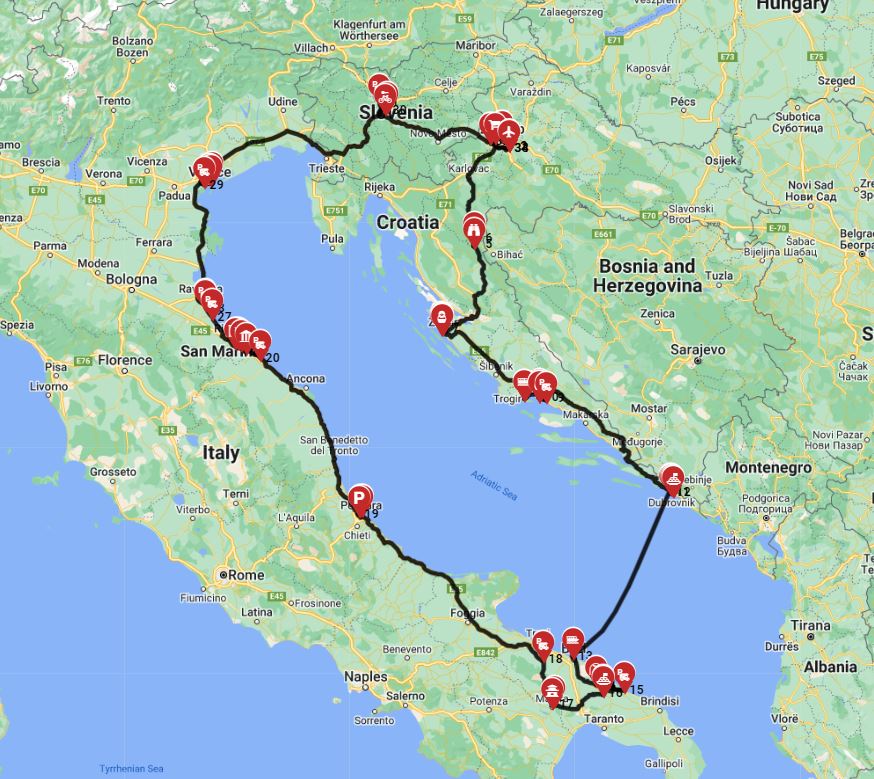
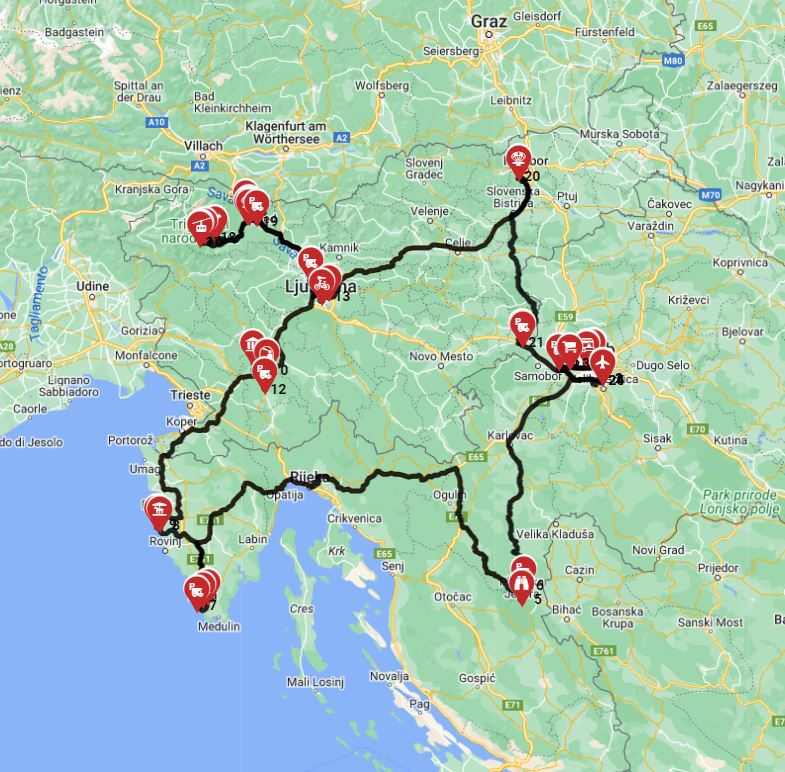
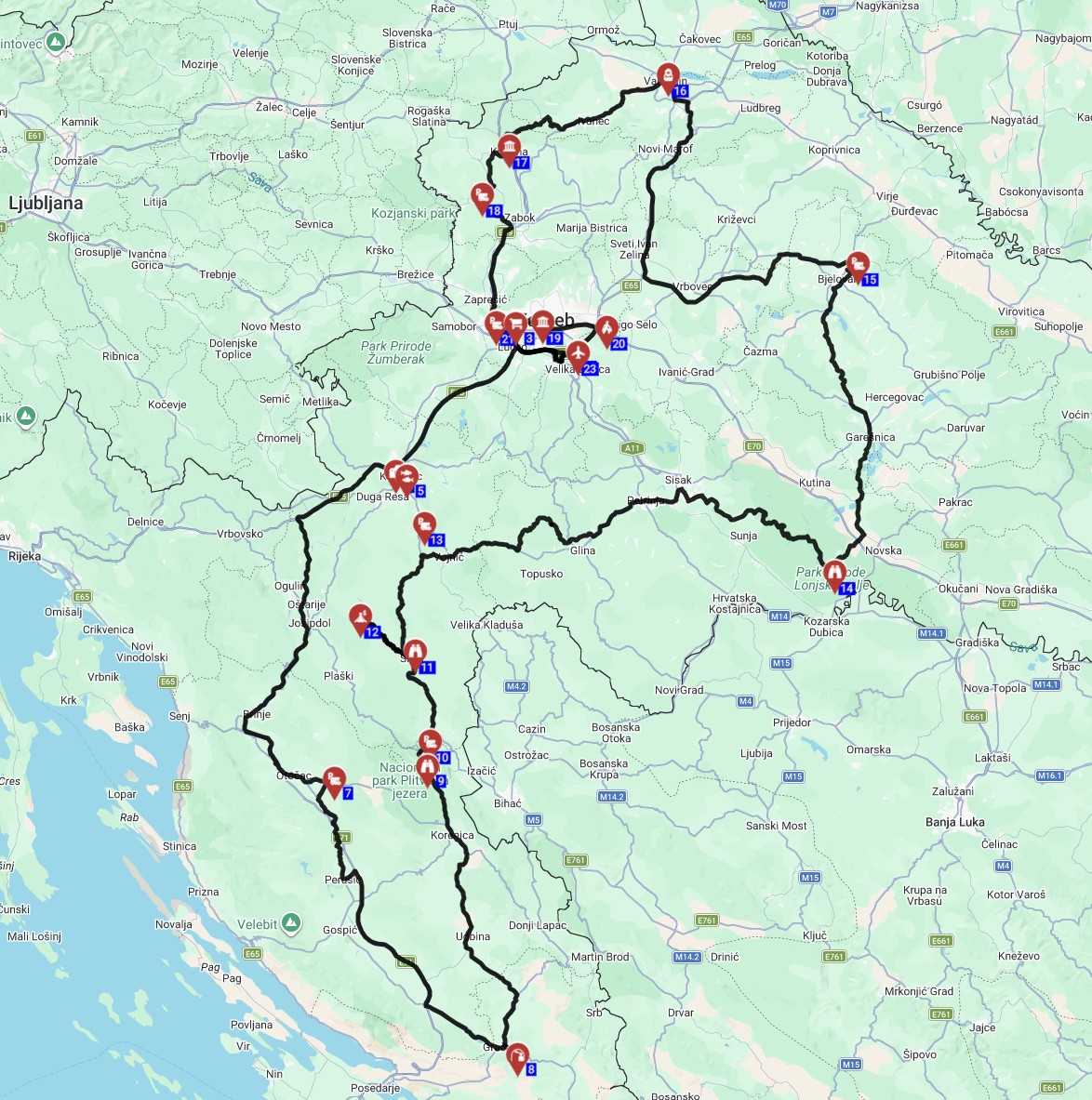
When budgeting for your trip, remember to factor in costs beyond the rental fee itself. Fuel expenses, which can range from 8 to 17 liters per 100 km depending on the RV class and driving conditions, are a significant component. Daily campground fees typically range from €25 to €60, and don't forget potential tolls and ferry costs, especially if you plan island hopping along the Dalmatian coast. On the routes offered through RV PLANET routes, you can itemize and track every expense along the way for easy budgeting.
| RV Class | 1-Week Rental (Est. €) | 2-Week Rental (Est. €) | 1-Month Rental (Est. €) |
|---|---|---|---|
| Class A (Integrated) | €1,000 - €1,800 | €1,800 - €3,200 | €3,500 - €6,000 |
| Class SI (Semi-Integrated) | €800 - €1,400 | €1,400 - €2,500 | €2,800 - €4,500 |
| Class C (Alcove) | €750 - €1,300 | €1,300 - €2,300 | €2,600 - €4,000 |
| Class B (Camper Van) | €600 - €1,100 | €1,100 - €2,000 | €2,200 - €3,500 |
| Class TC (Truck Camper) | €700 - €1,200 | €1,200 - €2,100 | €2,400 - €3,800 |
Class SI (Semi-Integrated) — Best For
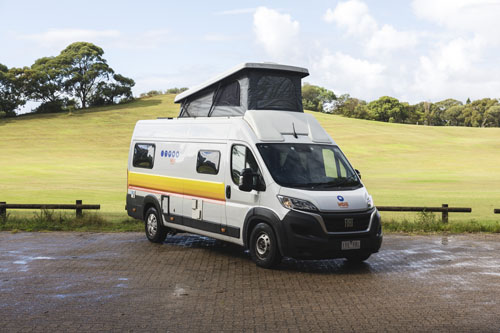
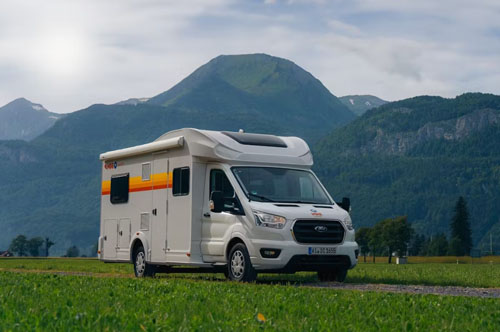
Class SI semi-integrated motorhomes, with an average length of 6.9 meters and accommodating approximately 3.8 people (based on Bandana's global fleet average), are an excellent choice for last-minute RV renters in Croatia who seek a harmonious blend of comfort, maneuverability, and efficiency. These versatile vehicles strike an ideal balance, offering more spacious living quarters than a campervan while being considerably easier to handle on Croatia's diverse road network compared to larger Class A or C models. Their design makes them well-suited for navigating both the expansive highways and the more intimate, winding secondary roads that crisscross the country.
With typical fuel consumption figures of 10-11 liters per 100 km, Class SI motorhomes offer a more economical driving experience. They are particularly recommended for couples or small families of 3-4 people who desire a comfortable touring experience without the bulk of a larger RV. This choice provides the flexibility to explore popular tourist destinations and venture into slightly more remote areas, making them a top pick for a well-rounded Croatian RV adventure.
Class C (Alcove) — Best For
Class C alcove motorhomes, averaging 7.5 meters in length and typically sleeping a substantial 5.8 people according to Bandana's global fleet data, stand out as a prime option for last-minute RV renters in Croatia, especially families or groups prioritizing maximum sleeping capacity and cost-effectiveness. Their defining feature is the "alcove" or over-cab sleeping area, which significantly boosts the accommodation potential, making them highly practical for larger families with children, often accommodating up to 6 sleepers comfortably. This layout maximizes interior space without a proportional increase in overall length, keeping them similar in length to Class A models.
While offering generous living and sleeping arrangements, their taller profile can impact aerodynamics and make them slightly more challenging on very winding roads or when considering ferry height restrictions. Fuel consumption is generally competitive, around 10-12 liters per 100 km. Class C motorhomes are a recommended choice for groups of 4-6 people who are focused on a comfortable, budget-friendly trip, providing ample space and amenities suitable for Croatia's main travel routes and family-oriented campgrounds.
Class B (Campervan) — Best For
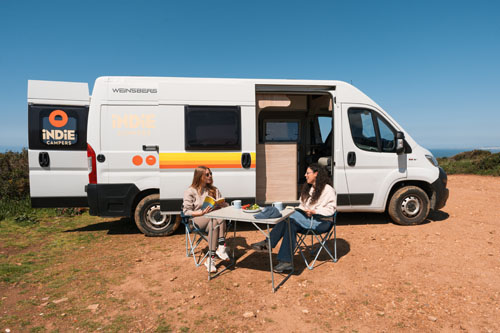
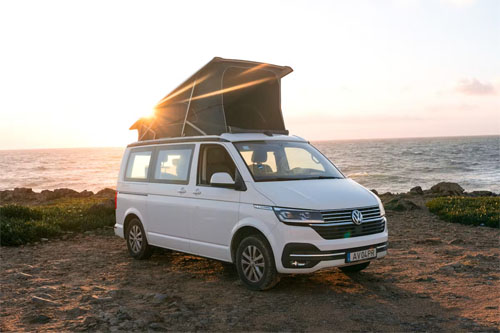
Class B campervans, with an average length of just 5.8 meters and typically sleeping around 3.2 people (based on Bandana's global fleet average), are ideally suited for last-minute RV travelers in Croatia who prioritize exceptional maneuverability, impressive fuel efficiency, and a more agile, immersive travel experience. These compact vehicles offer the best fuel economy, often consuming only 8-10 liters per 100 km, and are the easiest to drive and park, making them perfect for navigating Croatia's famously narrow coastal roads, exploring charming small villages, and accessing vibrant urban centers without the typical parking headaches associated with larger RVs.
Their smaller size also renders them highly ferry-friendly and more discreet for potential overnight stops in less conventional areas where larger vehicles might not be permitted. While space and amenities are naturally more limited, with an average load capacity around 37 kg, they provide essential comforts for 1-3 people. Campervans are an excellent choice for solo adventurers, couples, or small groups who value maximum flexibility and the freedom to discover hidden coves and cultural gems without the constraints of a larger RV, perfectly capturing the spirit of spontaneous exploration.
Class TC (Truck Camper) — Best For
Class TC truck campers, averaging 5.5 meters in length and typically accommodating around 2.4 people according to Bandana's global fleet average, represent the ultimate choice for last-minute RV adventurers in Croatia seeking an extremely flexible, off-grid capable, and highly adaptable travel solution. Their unique design allows the camper unit to be detached from the truck base, offering unparalleled freedom to explore independently with the truck while leaving the living quarters securely at a campsite. This separation is perfect for day trips to remote trailheads or secluded beaches.
Offering greater ground clearance and the potential for true off-road access, truck campers are ideal for reaching Croatia's more remote locations and discovering hidden gems beyond the usual tourist paths. While compact, their fuel consumption can be higher, ranging from 12-17 liters per 100 km due to the truck base, and load capacity can vary significantly. Truck campers are best suited for adventurous couples or solo travelers who prioritize accessing secluded spots, value the option of a separate exploration vehicle, and embrace a more rustic, independent RV experience.
Side-by-Side Comparison Table
To assist last-minute renters in Croatia in making a swift and informed decision, this comparison table highlights the key differences across the available RV families. It summarizes average vehicle dimensions, sleeping capacities, typical fuel consumption rates, and their ideal use cases for a Croatian adventure, facilitating a quick understanding of each class's strengths.
Each RV family presents distinct advantages catering to various group sizes, budget considerations, and preferences for maneuverability and onboard comfort. By reviewing these core characteristics, you can confidently select the RV that best aligns with your spontaneous Croatian exploration.
| RV Family | Avg. Length (m) | Sleeps (Avg.) | Avg. Fuel Use (L/100km) | Best Use Case in Croatia |
|---|---|---|---|---|
| Class A (Integrated) | 7.5 | 4.4 | 11-12 | Luxury, large groups, dedicated campsites |
| Class SI (Semi-integrated) | 6.9 | 3.8 | 10-11 | Balanced comfort, small families, mixed exploration |
| Class C (Alcove) | 7.5 | 5.8 | 10-12 | Families, budget-friendly, main routes |
| Class B (Camper Van) | 5.8 | 3.2 | 8-10 | Maneuverability, couples/solo, off-the-beaten-path |
| Class TC (Truck Camper) | 5.5 | 2.4 | 12-17 | Off-grid adventure, remote access, flexibility |
Our Recommendation for last minute rv rental Travelers in Croatia
For the majority of last-minute RV travelers venturing through Croatia, we highly recommend a **Class SI (Semi-integrated)** motorhome. This category consistently offers the most advantageous balance of comfort, practical maneuverability, and cost-effectiveness for exploring this beautiful country.
A typical Class SI motorhome, averaging 6.9 meters in length, hits a sweet spot for Croatia's varied landscapes. It provides a comfortable experience on highways while remaining manageable on the narrower, winding coastal roads and charming village streets that larger RVs might find challenging. These models generally offer sufficient amenities and sleeping space for couples or small families (averaging 3.8 sleepers), ensuring a pleasant journey without the logistical complexities of a full-size motorhome.
As an excellent runner-up, particularly for adventurous solo travelers or couples, consider a **Class B (Campervan)**. Averaging 5.8 meters in length, these nimble vehicles boast unparalleled agility, superior fuel efficiency, and ease of parking. They are perfect for navigating tight corners, discovering secluded beaches, and enjoying the vibrant atmosphere of Croatian towns with minimal hassle, making them ideal for a spontaneous and agile trip.
How Much Does a Last Minute RV Rental Cost in Croatia
The cost of a last-minute RV rental in Croatia can vary significantly, typically ranging from €80 to €250+ per day. This price fluctuation is influenced by several factors, including the specific RV class you choose, the rental duration, the time of year (seasonality), and the current overall demand for rentals. Opting for a last-minute rental can sometimes lead to unexpected deals if availability is high, or conversely, result in higher prices if you're booking during peak season when options are limited.
Beyond the daily rental fee, it’s crucial to budget for additional expenses. Fuel costs are a major consideration, as RVs consume between 8 to 17 liters per 100 km. Daily campground fees generally fall between €25 to €60, and you’ll also need to account for motorway tolls and specific ferry costs if you plan to visit Croatia’s beautiful islands. Other potential costs might include enhanced insurance coverage, extra mileage packages if you plan extensive travel, cleaning fees, and of course, groceries and activity expenses to truly enjoy your Croatian adventure.
What Are the Driving Challenges for RVs in Croatia
Driving an RV in Croatia, while incredibly rewarding, presents a unique set of challenges that require preparation and awareness. The country's stunning Adriatic coastline is characterized by the D8 coastal road, also known as the Jadranska magistrala, which is renowned for its beauty but infamous for its narrow, winding sections and frequent hairpin turns, especially between Senj and Dubrovnik. This route demands constant attention and careful maneuvering, particularly for larger RVs, and can become heavily congested during peak tourist seasons.
Inland, particularly in the Dinaric Alps region, RV drivers will encounter steep ascents and descents with tight turns that test driving confidence and require a good understanding of your RV's braking and handling capabilities. Historic city centers, such as those in Dubrovnik and Split, often have restricted access for large vehicles or very limited parking. Many travelers find it practical to park their RVs on the outskirts of these cities and utilize public transport for exploration. Furthermore, ferry crossings to Croatia’s numerous islands are essential for many itineraries. It’s crucial to book these ferry trips in advance for RVs, arrive early for boarding, and be aware that vehicle dimensions significantly impact ticket prices and availability. Always be vigilant for local road signs indicating restrictions on RV access, weight limits, or height limitations, which are common in older towns and villages.
What Are Key Safety and Security Tips for RV Travel in Croatia
Ensuring your safety and security while enjoying an RV trip in Croatia is paramount. This involves taking proactive steps to secure your vehicle, knowing essential emergency contacts, understanding local assistance options, and maintaining vigilance, especially in crowded tourist areas where petty crime can occasionally occur. Always remember to lock your RV doors and windows, even when you are inside, and consider using additional security measures like alarms or steering wheel locks for enhanced peace of mind, particularly when leaving your vehicle unattended for extended periods.
It is vital to park and sleep only in designated campgrounds or legal overnight parking areas. Wild camping is strictly prohibited in Croatia and can lead to significant fines and potential safety risks. Familiarize yourself with the crucial emergency numbers: 112 for general emergencies, 192 for the police, 193 for the fire department, and 194 for ambulance services. Keep your rental company's roadside assistance contact information readily accessible for any unexpected mechanical issues. Always stay aware of your surroundings, particularly in bustling tourist hotspots where pickpocketing can be a concern; keeping valuables out of sight is a simple yet effective deterrent. Finally, regularly monitor local weather forecasts, as strong winds, such as the notorious Bura, can unexpectedly impact driving conditions for larger RVs along the coast or in mountainous regions.
Is Off-Season RV Travel in Croatia Recommended
For RV travelers seeking a more authentic and relaxed experience in Croatia, off-season RV travel—typically from April to May and September to October—is highly recommended. During these shoulder seasons, you'll encounter significantly fewer tourists, resulting in a more serene atmosphere at popular historical sites and natural attractions. Campground spots are generally more available and often at reduced rates, contributing to a more budget-friendly trip. The temperatures during these months are usually pleasant, making them ideal for outdoor activities like hiking, cycling, and sightseeing without the intense heat of mid-summer.
However, it's important to be aware of potential challenges. Some smaller campgrounds or tourist facilities, especially in more remote inland areas or later into the autumn season, may have reduced operating hours or be closed entirely. The weather can also be more unpredictable, with cooler temperatures and a higher chance of rain. To make the most of off-season travel, it's advisable to pack layers of clothing, verify the opening hours and availability of specific attractions and campgrounds in advance, and maintain a flexible itinerary to adapt to changing weather conditions.
How Can I Ensure Connectivity and Manage Utilities in My RV in Croatia
Staying connected and managing utilities effectively is key to a smooth RV journey in Croatia. For internet access, most established campgrounds offer Wi-Fi, though signal strength and speed can vary considerably. For more reliable and consistent connectivity, especially if you plan to work remotely or need to stay in touch regularly, consider purchasing a local Croatian SIM card with a data package from major providers like Hrvatski Telekom, A1, or Telemach upon arrival. These can often be purchased at airports, post offices, or dedicated stores.
When it comes to utilities, electricity hookups in Croatian campgrounds typically use standard European 220-230V outlets. Ensure your rental RV is equipped with the correct adapters for seamless connection. For water supply and waste disposal, fresh water filling and grey/black water dumping stations are primarily available at campgrounds. However, you can often find these facilities at larger petrol stations or dedicated RV service points, which are increasingly common and can be located using helpful apps like Campercontact or Park4night. Familiarize yourself with your RV's gas/propane system for cooking and heating, as cylinders can typically be refilled or exchanged at larger hardware stores or specialized RV supply shops throughout the country. For ideas you can prep on the road, watch our RV-friendly recipes playlist on YouTube.
What Are the Rules for Traveling with Pets in an RV in Croatia
Traveling with pets in an RV in Croatia requires careful planning, primarily concerning specific documentation, adherence to EU pet travel regulations, and selecting pet-friendly accommodations. While Croatia is generally welcoming to pets, not all campgrounds or specific sites may permit animals, so confirming policies in advance is essential.
For your pet (primarily dogs, cats, and ferrets) to enter Croatia, they must possess an EU Pet Passport or a valid veterinary certificate issued by an authorized veterinarian. The pet must be microchipped for identification and have a current rabies vaccination administered at least 21 days before travel. Many Croatian campgrounds are pet-friendly, but it is crucial to verify their specific policies regarding breed, size restrictions, or any additional fees that might apply. Always keep dogs on a leash in public areas, and be aware that certain beaches, national parks, or public transportation may have specific rules or prohibitions concerning pets. It's also wise to locate veterinary clinics along your planned route for any unforeseen health issues or routine check-ups during your trip. Finally, ensure your RV is well-ventilated, especially during warmer months, and provide your pet with ample water and regular stops for their comfort and safety throughout the journey.
What Are Unique RV Itineraries and Hidden Gems in Croatia
Beyond the well-trodden paths leading to popular destinations like Dubrovnik, Split, and the stunning Plitvice Lakes National Park, an RV rental in Croatia unlocks access to a wealth of unique itineraries and hidden gems. Consider exploring the Istrian Peninsula, a region renowned for its charming medieval hilltop towns such as Motovun and Grožnjan, which are celebrated for their truffles, olive oils, and vibrant arts scenes. Numerous RV-friendly campsites are available throughout Istria, offering picturesque settings.
Venture further to the Kvarner Gulf and its diverse islands, like Cres and Lošinj, which boast pristine natural beauty, quieter coastal towns, and excellent opportunities for scenic drives and relaxing ferry excursions. For those seeking adventure and fewer crowds, discover Croatia's national parks away from the main tourist routes, such as Paklenica in the Velebit mountains, a paradise for hikers and climbers, or Telašćica Nature Park on Dugi Otok island, offering dramatic cliffs and a unique saltwater lake. Another delightful itinerary could take you through the Pelješac Peninsula, famous for its world-class vineyards, delectable oyster farms in Ston, and secluded, breathtaking beaches, providing an authentic taste of Croatian gastronomy and coastal life. For a deeper cultural immersion, consider journeying into the Slavonia region in Eastern Croatia, a heartland of tradition featuring quaint villages, equestrian centers, and unique culinary experiences that offer a different perspective on Croatian culture.
How Can RV Travelers Practice Environmental Responsibility in Croatia
Practicing environmental responsibility is crucial for preserving Croatia's stunning natural beauty for future generations. RV travelers can contribute by strictly adhering to designated waste disposal sites, diligently conserving water and energy, supporting local sustainable businesses, and showing respect for the country's pristine natural environments. It is imperative to use the designated grey and black water dumping stations, which are readily available at campgrounds and official service points; wild camping and illegal waste disposal are strictly prohibited and can result in substantial fines.
Conserving water is essential; take shorter showers and employ water-saving practices when washing dishes or using onboard facilities. Similarly, minimizing electricity consumption by turning off lights and unplugging electronics when not in use significantly reduces your RV's environmental impact. Supporting Croatia's local economy and its commitment to sustainability can be achieved by purchasing fresh produce from local markets, choosing eco-certified tour operators, and patronizing businesses that actively demonstrate a commitment to environmental protection. When exploring Croatia's national parks and nature reserves, always stay on marked trails to avoid disturbing wildlife and delicate ecosystems, and refrain from collecting plants, rocks, or historical artifacts. By planning routes that minimize unnecessary driving and choosing the most fuel-efficient RV class for your needs, you can effectively reduce your carbon footprint and help preserve Croatia's breathtaking natural landscapes.
What Local Etiquette Should RVers Know in Croatia
RVing in Croatia offers a wonderful opportunity for cultural immersion, and observing local etiquette will enhance your experience and foster positive interactions. Always greet locals politely with phrases like 'Dobar dan' (good day) or 'Dobra večer' (good evening) and remember to use 'Molim' (please) and 'Hvala' (thank you) in your interactions. Most campgrounds strictly enforce quiet hours, typically from late evening to early morning, and often during an afternoon siesta period; respecting these times is key to ensuring a peaceful environment for all campers.
When visiting churches, monasteries, or other religious sites, dressing respectfully—ensuring shoulders and knees are covered—is customary and appreciated. Croatia boasts a vibrant coffee culture, and it's a social ritual meant to be savored slowly, offering a perfect chance to observe local life and connect with the culture. While tipping is not mandatory in restaurants or cafes, rounding up the bill or leaving around 10% for good service is a customary practice. Lastly, always remember that wild camping is illegal and generally frowned upon. Adhering to designated campgrounds not only ensures your safety and compliance with local laws but also demonstrates respect for the environment and the local community.