In This Guide
- The 3 RV Families Compared for Anchorage
- Class A (Integrated) - Best For
- Class C (Alcove) - Best For
- Class B (Campervan) - Best For
- Price Comparison by RV Class in Anchorage
- Side-by-Side Comparison Table
- Our Recommendation for last minute rv rental Travelers in Anchorage
- How can I save money on an RV trip to Anchorage?
- What special gear do I need for RVing in Alaska's cold weather?
- How to stay safe from wildlife when RV camping in Alaska?
- What are the best RV campsites near Anchorage?
- What should I know about RV waste disposal and water stations in Alaska?
- How do I plan an RV trip from Anchorage to Denali?
- Is Anchorage RV-friendly for families with pets?
- What are unique cultural experiences in Anchorage accessible by RV?
- What You Shouldn't Miss
The 3 RV Families Compared for Anchorage
The choice of RV family significantly impacts your Anchorage adventure, considering the varied Alaskan terrain, unpredictable climate, and diverse trip goals you might have for your last minute rv rental. Understanding the characteristics of each motorhome or campervan type available is crucial for an optimal experience, especially when booking spontaneously from available stock. For live availability and current prices, start with our RV Rental Anchorage - Complete Guide 2026 guide. Bandana RV specializes in providing full transparency on all rentals, ensuring no hidden fees or surprises at pickup, which is essential for seamless last-minute planning. We focus exclusively on RV travel, offering unmatched personal experience and attention to the smallest details.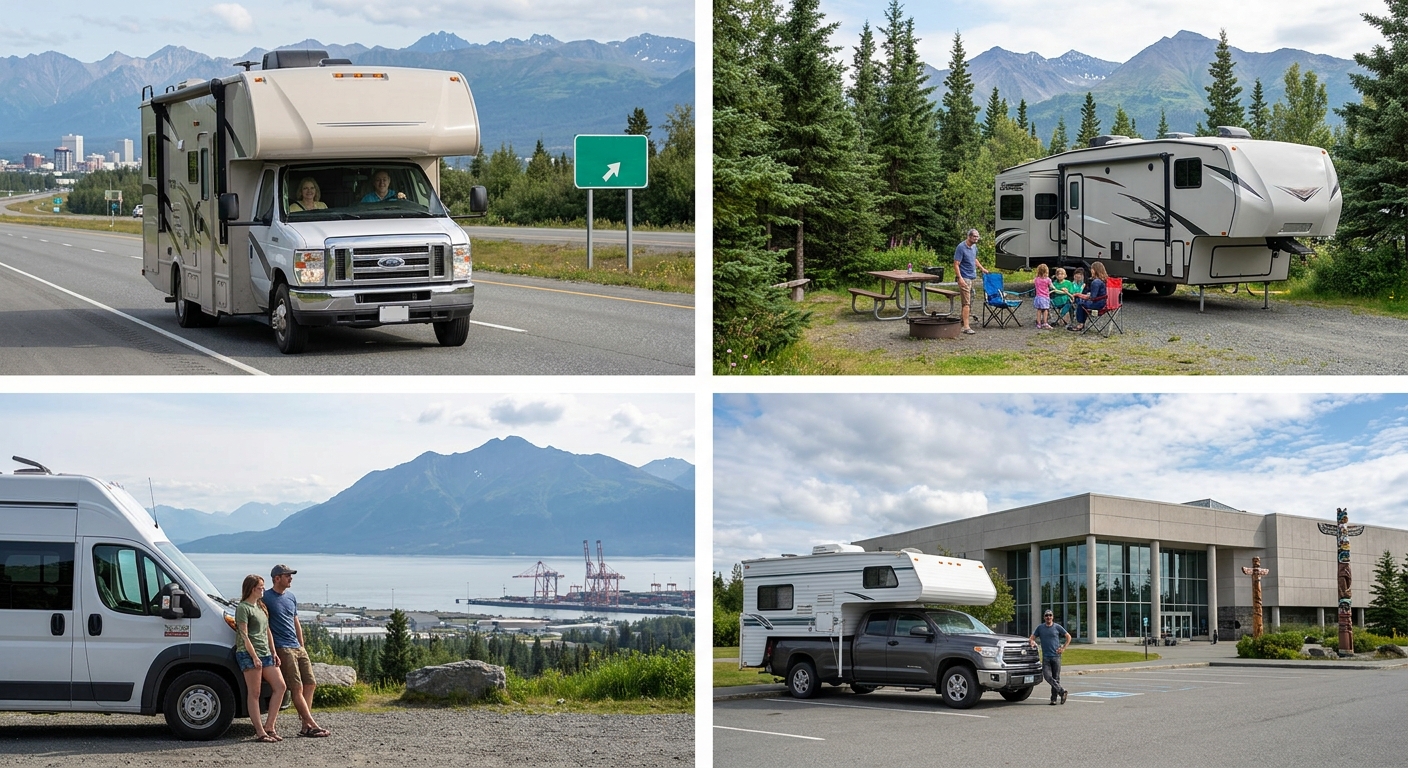
Class A (Integrated) - Best For
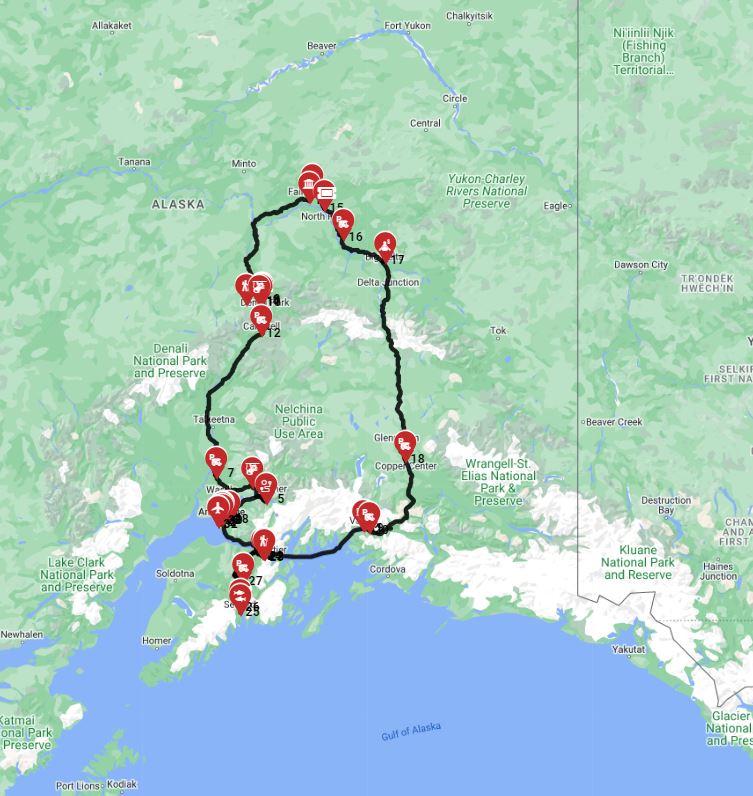
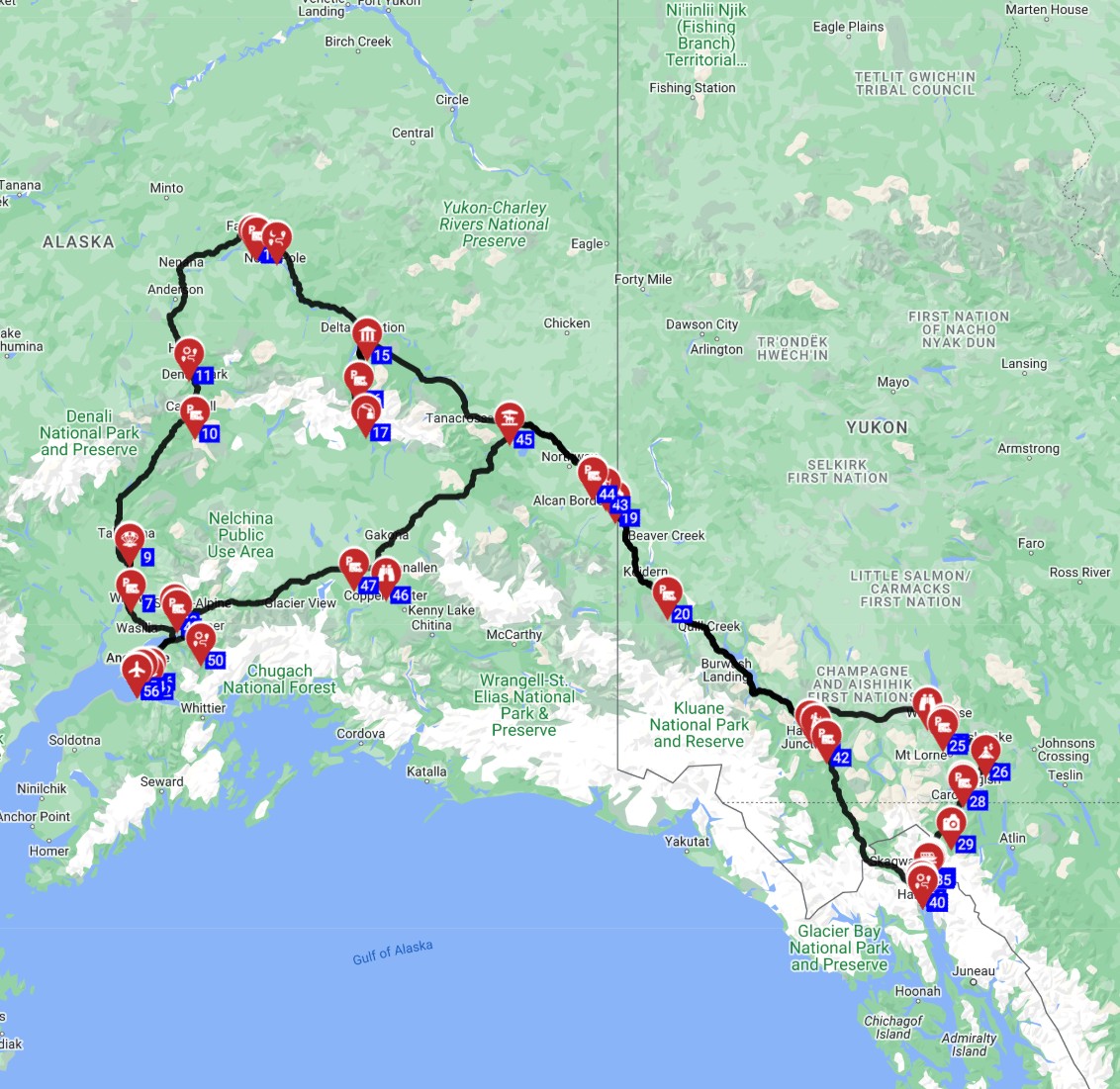
Anchorage's Class A integrated motorhomes are best suited for larger groups or families seeking maximum comfort and amenities, even on a last-minute rental. Bandana's local fleet shows Class A RVs average around 9.1 meters in length and can comfortably sleep 7 people, accommodating 6 adults. These vehicles offer a luxurious home-away-from-home experience with spacious interiors, full kitchens, and multiple sleeping areas, ideal for extended stays or those prioritizing comfort on their Alaskan road trip. While specific fuel consumption data for the local Class A fleet is not commonly available, these larger vehicles offer ample storage for gear and personal belongings, making them perfect for longer journeys exploring destinations like our "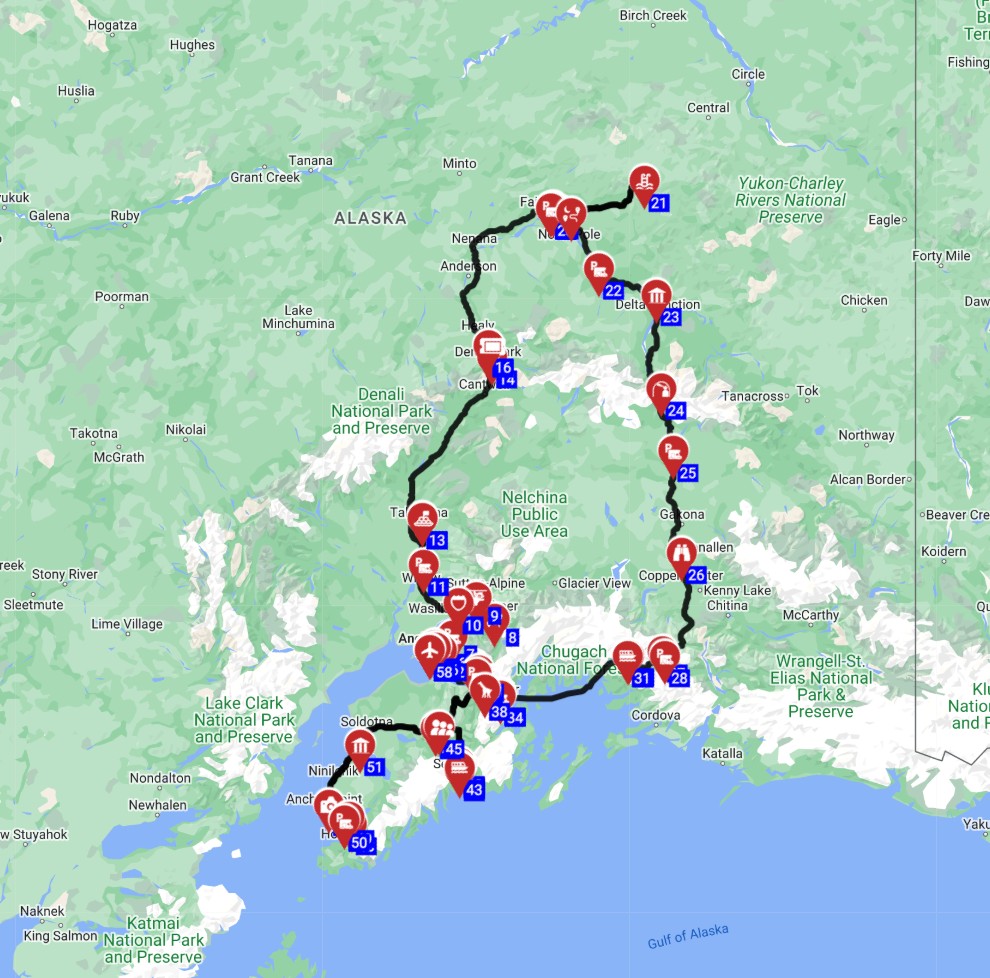
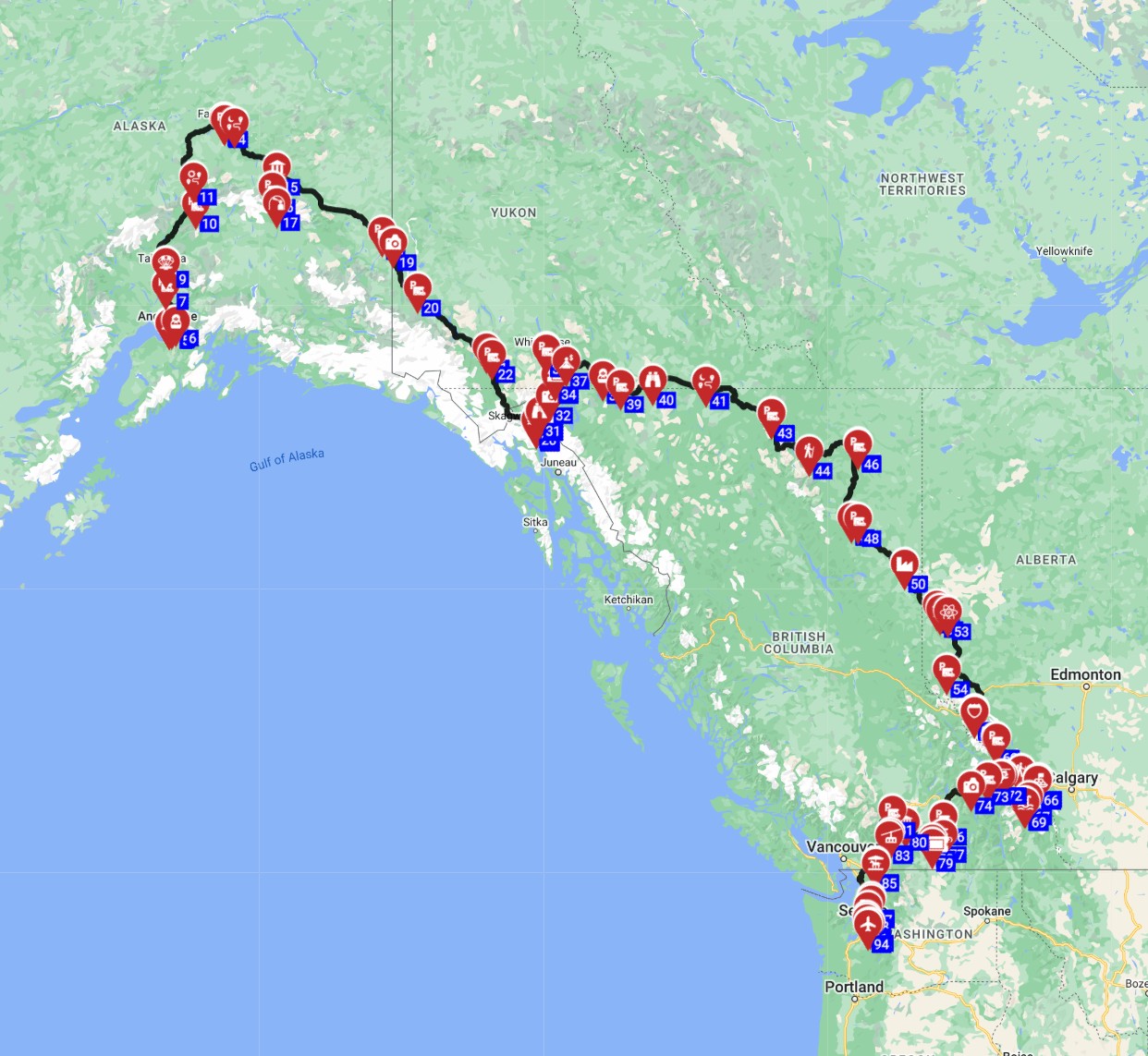
Anchorage Round trip - Grand Alaska Loop
Class C (Alcove) - Best For
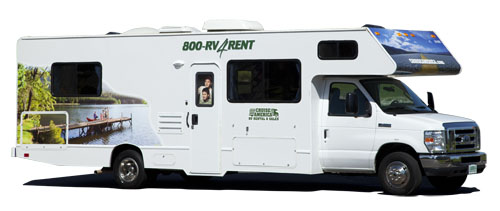
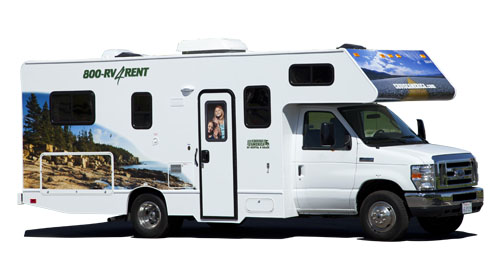
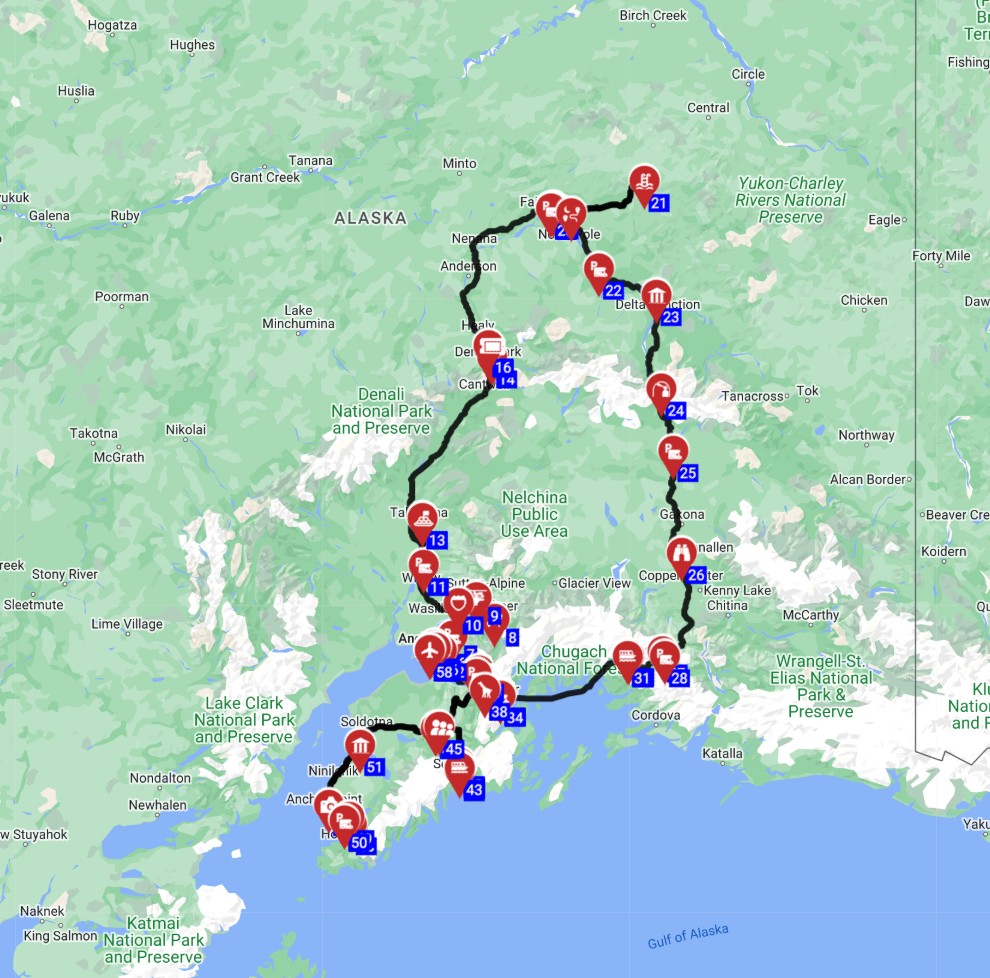
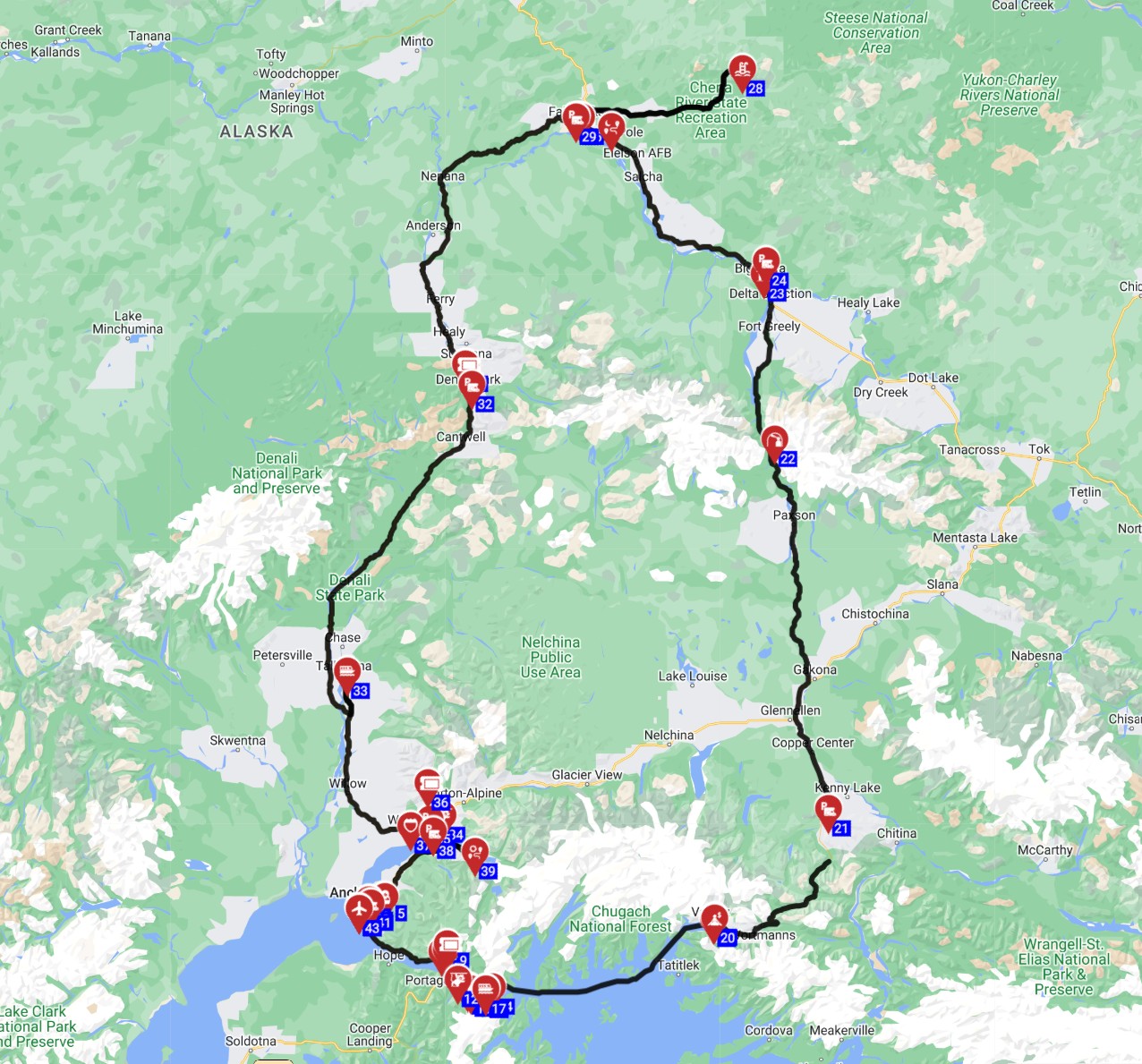
Class C alcove motorhomes in Anchorage are an excellent choice for families or mid-sized groups looking for a balanced combination of space, amenities, and relatively easy driving, making them a popular last-minute rental. With an average length of 7.8 meters, these RVs from Bandana's local fleet typically sleep 5.8 people and accommodate 4.6 adults, offering an additional sleeping area over the cab. Their design provides more living space than campervans while remaining more manageable on varied Alaskan roads compared to larger Class A units, often consuming 24-30L/100km. They strike a good balance between comfort, cost-efficiency, and versatility, ideal for exploring scenic routes around Anchorage and beyond, such as the initial leg of a "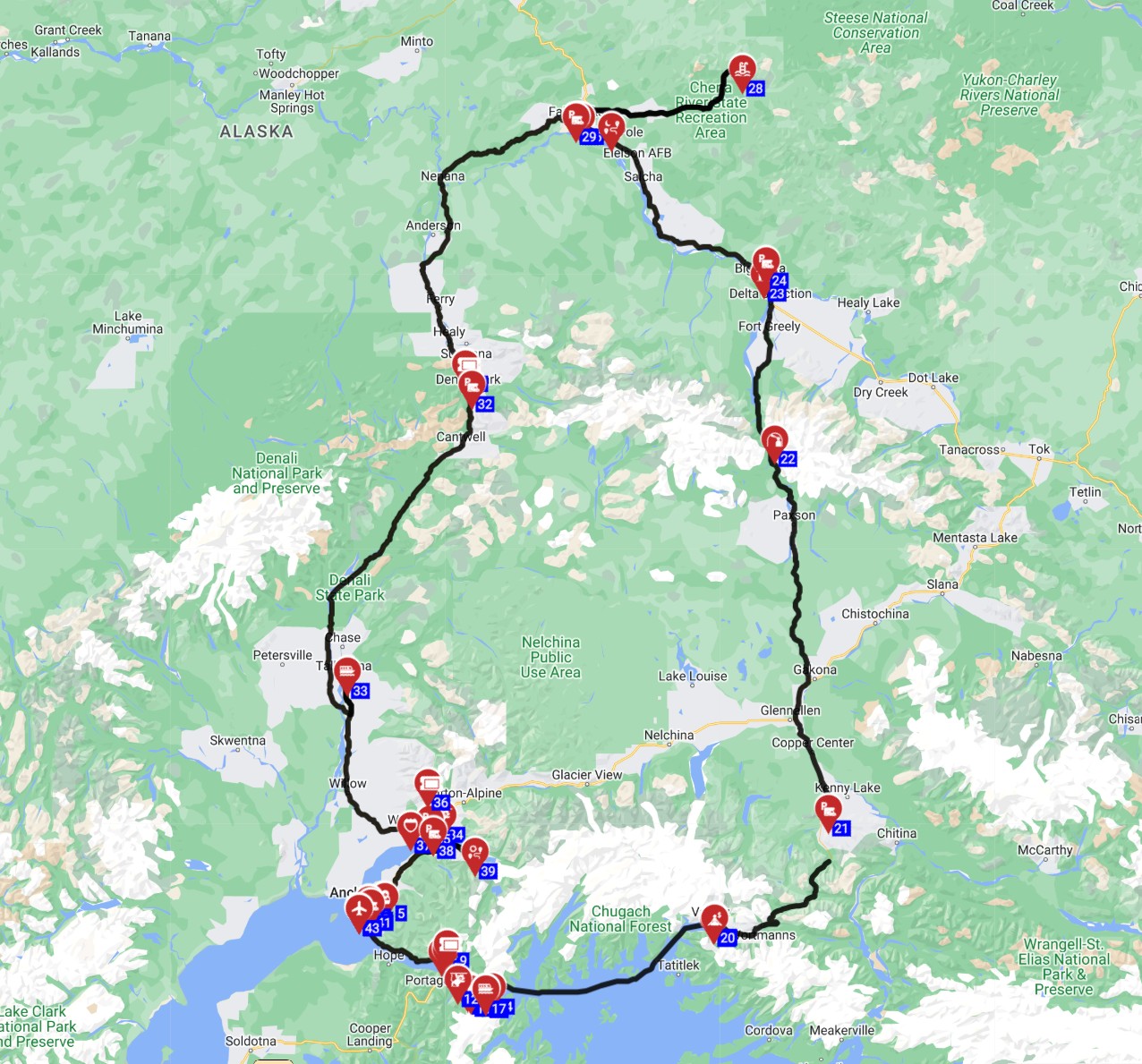
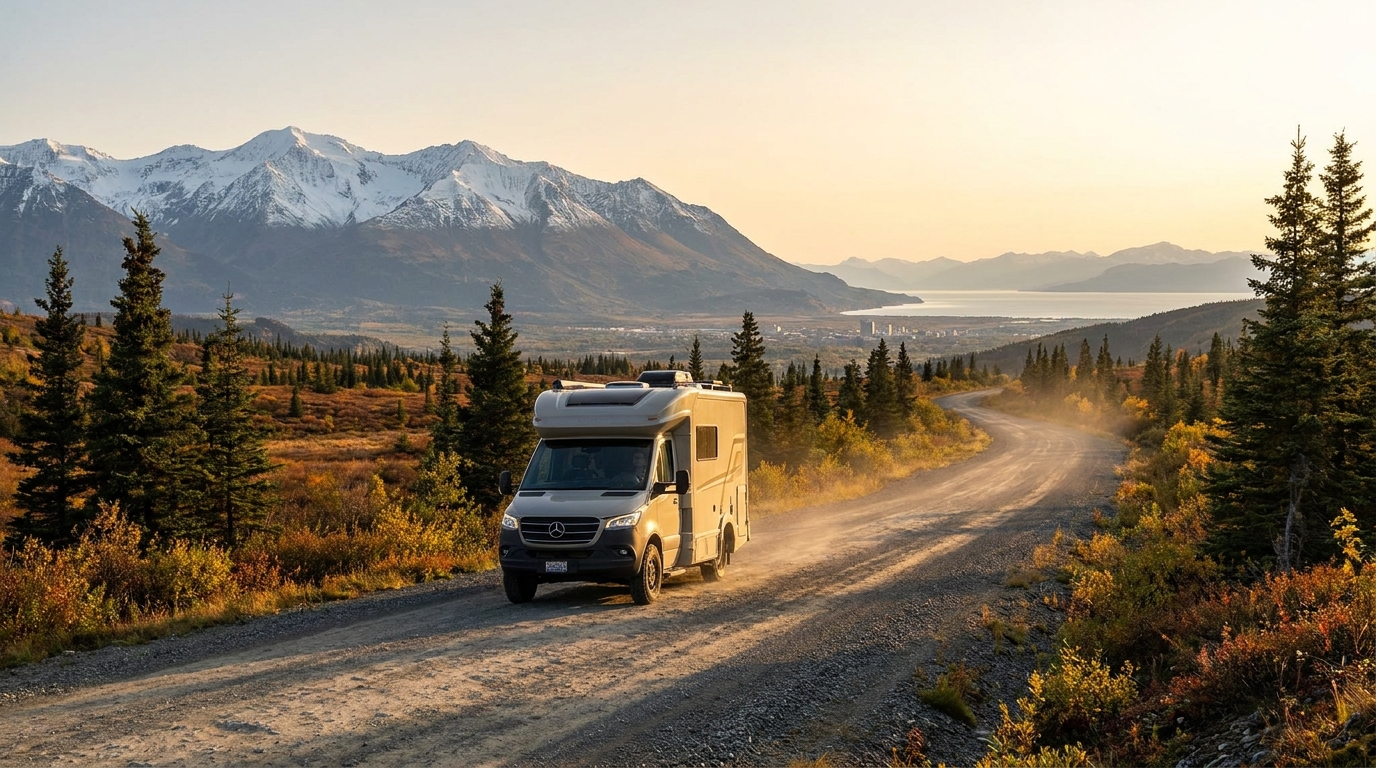
Anchorage Roundtrip Heading North - The Great Alaskan Wilderness Road Trip
Class B (Campervan) - Best For
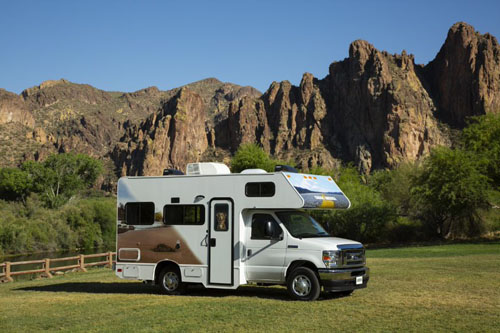
Class B campervans are perfectly suited for last-minute RV travelers in Anchorage who prioritize maneuverability, fuel efficiency, and a compact footprint for exploring urban areas or navigating smaller roads. Bandana's local fleet shows these agile vehicles average 6.1 meters in length and are designed to sleep 4 adults, ideal for couples or small groups. Their smaller size makes them easier to park and drive, resembling large vans, which is advantageous for accessing city attractions, trailheads, and less-developed campsites around Anchorage, like those accessible from the Seward Highway. While specific fuel consumption data for the local Class B fleet isn't commonly provided, they generally offer better fuel economy than larger RV classes, though interior space and amenities are more limited. Imagine cooking a simple meal in your compact kitchen after a day of exploration; check out our RV-friendly recipes playlist for inspiration.Price Comparison by RV Class in Anchorage
Understanding the flexible pricing of RV rentals is crucial for last-minute booking in Anchorage, as rates can fluctuate daily based on demand, season, and supplier marketing decisions. Bandana RV offers full transparency with no hidden fees, showing you the complete price comparison across our 50+ leading RV suppliers worldwide, including El Monte, Cruise America, Apollo, and Britz. For example, a "Weekly RV Rental in Anchorage - Pricing 2026" can vary significantly from May to September.Because pricing is dynamic, the table below provides real example *ranges* from Bandana's live search for various durations to illustrate typical costs in Anchorage. The final price is always set at the actual booking time.
| RV Class | 1 Week (Low Season) | 1 Week (High Season) |
|---|---|---|
| Class A | $200 - $350/day | $350 - $600/day |
| Class C | $150 - $280/day | $280 - $450/day |
| Class B | $100 - $200/day | $200 - $350/day |
These prices are estimates and update daily; for the most current availability and precise costs, please use our comparison tool. To help with overall budgeting beyond just the rental cost, remember that RV PLANET routes allow travelers to itemize and track every expense along the way. On the routes offered through RV PLANET routes, you can itemize and track every expense along the way for easy budgeting.
Side-by-Side Comparison Table
This table provides a concise overview of the key specifications for each available motorhome and campervan family in Anchorage, helping you make an informed last-minute decision. We pride ourselves on being true RV specialists, not just a travel agency side department, ensuring we know what we're talking about when it comes to RV features.| Family | Avg Length (m) | Sleeps (Avg) | Fuel Use (L/100km) | Best Use Case in Anchorage |
|---|---|---|---|---|
| Class A - Integrated | 9.1 | 7 | Not commonly specified | Luxury, large groups, long trips |
| Class C - Alcove | 7.8 | 5.8 | 24-30 | Families, balanced comfort & maneuverability |
| Class B - Camper Van | 6.1 | 4 | Not commonly specified | Couples/small groups, maneuverability, urban/nimble exploration |
Our Recommendation for last minute rv rental Travelers in Anchorage
For most last-minute RV travelers to Anchorage, the **Class C (Alcove) motorhome** stands out as the primary recommendation due to its excellent balance of comfort, space, and relatively manageable size for Alaskan roads. It accommodates families or small groups comfortably (averaging 5.8 sleepers), offers essential amenities, and is generally more readily available than larger Class A units in a last-minute scenario. Our runner-up recommendation is the **Class B (Campervan)**, particularly for couples or solo adventurers prioritizing maneuverability and fuel efficiency on a spontaneous trip. Its compact size (avg. 6.1m) makes parking and navigating urban or tighter scenic routes around Anchorage much easier, offering a flexible and cost-effective option for nimble exploration. Remember, you can always upgrade to a top-level deductible for extra peace of mind on your adventure.How can I save money on an RV trip to Anchorage?
Saving money on a last-minute RV trip to Anchorage involves strategic planning for fuel, campgrounds, and provisions, as Alaska's remote location can drive up costs. Prioritize cooking your own meals by stocking up on groceries at larger Anchorage supermarkets before heading out, as restaurant dining and remote store prices are significantly higher. Opt for cheaper campground alternatives like state park campgrounds or dispersed camping on public lands where permitted, instead of pricier private RV parks, and look for free activities such as hiking local trails or visiting public museums. Additionally, monitor fuel prices carefully using apps, as gas stations outside Anchorage, such as those along the Glenn Highway north of Palmer, can be very expensive, and plan routes efficiently to minimize unnecessary driving. You can compare "Cheap RV Rental in Anchorage - Budget Guide 2026" to find the best deals.What special gear do I need for RVing in Alaska's cold weather?
Even during summer months, preparing an RV for Alaska's conditions, including potential cold weather, requires specific gear and knowledge to ensure safety and comfort. Essential items include bear spray (carried on your person, not just in the RV), satellite communication devices for areas with no cell service, and robust cold-weather preparedness gear like warm sleeping bags, extra blankets, and insulated clothing, even for summer nights by Eklutna Lake. Be prepared for varied road conditions, including gravel roads and potential frost heaves, especially when venturing off main highways from Anchorage; ensure your RV has a full-sized spare tire and basic repair tools. Always carry extra water, food, and fuel, as services can be sparse between towns, and be aware of wildlife hazards like moose and caribou on roadways, especially at dawn and dusk.How to stay safe from wildlife when RV camping in Alaska?
Staying safe from wildlife, particularly bears and moose, is paramount when RV camping in and around Anchorage, requiring proactive measures to avoid dangerous encounters. Always store food, scented items, and garbage securely inside your RV or in bear-resistant containers, never leaving them outside, and cook at a distance from your sleeping area if possible. Carry bear spray and know how to use it, make noise while hiking on popular trails like the Flattop Mountain Trail to avoid surprising animals, and never approach wildlife, especially moose with calves or any bear. When encountering wildlife, maintain a safe distance; if a moose is on the road, for instance near Kincaid Park, wait for it to move, and if a bear approaches your campsite, make noise and appear large to deter it, reporting any aggressive encounters to local authorities.What are the best RV campsites near Anchorage?
Anchorage and its immediate surroundings offer several RV-friendly campgrounds and parking options, ranging from urban conveniences to wilderness retreats, suitable for last-minute arrivals. Within Anchorage, Centennial Campground provides convenient access to city amenities and the Glenn Highway, while the Chugach State Park's Eklutna Lake Campground offers a more rustic experience with stunning views a short drive away. For day-use parking at attractions, many popular spots like the Alaska Wildlife Conservation Center have ample RV parking; always check specific venue policies. Overnight parking options can also include select Walmart locations (check for specific store policies upon arrival) or designated overnight areas in some state park trailheads, providing flexibility for spontaneous stops. Consider exploring itineraries such as "Anchorage Roundtrip Heading North - The Great Alaskan Wilderness Road Trip" for campground suggestions.What should I know about RV waste disposal and water stations in Alaska?
Navigating practical logistics like water and waste disposal is crucial for RVers in Alaska, especially given the expansive distances between services. Dump stations and fresh water refill points are available at most state and private campgrounds around Anchorage, such as those near the Seward Highway, as well as some truck stops and visitor centers; plan your route to include these stops to avoid running out of capacity. Propane refills can typically be found at larger gas stations, hardware stores, and RV dealerships in towns like Anchorage, Wasilla, and Seward. Cell service can be intermittent outside major population centers, so download offline maps and consider a satellite communication device; internet access is generally limited to paid campground Wi-Fi or cellular hotspots in serviced areas.How do I plan an RV trip from Anchorage to Denali?
Planning an RV trip from Anchorage to Denali involves considering driving routes, reservation timing, and key stops to maximize your experience of Alaska's iconic national park. The most common route is via the George Parks Highway (Highway 3), a scenic drive typically taking 4-5 hours to reach the park entrance, though a week-long trip or two-week adventure allows for more exploration. A 3-day glacier loop might involve driving south to Portage Glacier, then looping back towards Anchorage before heading north, while a 5-day Denali detour allows for multiple nights within or near the park, visiting the Eielson Visitor Center and taking a bus tour. Book RV campsites well in advance, especially within Denali National Park (like Riley Creek Campground), even for last-minute trips, as they fill up quickly; coastal drives south of Anchorage (e.g., Seward Highway) are also popular extensions. Our "RV Travel Guide to Anchorage - Tips and Top Spots 2026" offers more planning advice.Is Anchorage RV-friendly for families with pets?
Anchorage is generally RV-friendly for families traveling with pets, but adherence to local regulations and careful planning are essential for a smooth trip. Many RV parks and campgrounds in and around Anchorage are pet-friendly, such as the Golden Nugget RV Park, though most require pets to be leashed at all times and may have breed or size restrictions; always confirm pet policies when booking. The city offers numerous parks and trails where leashed dogs are welcome, such as the Tony Knowles Coastal Trail or Far North Bicentennial Park, providing ample opportunities for exercise. Be mindful of wildlife, particularly moose, when walking pets near residential areas or park boundaries, as they can react aggressively to dogs; never leave pets unattended in the RV during extreme temperatures, and ensure they have updated vaccinations and identification.What are unique cultural experiences in Anchorage accessible by RV?
Experiencing Anchorage's unique culture with an RV allows for immersive exploration of local events, markets, and scenic viewpoints, blending adventure with authentic Alaskan life. Visit the Anchorage Market & Festival during summer weekends, easily accessible by RV parking near the Dimond Center, to sample local foods, browse Alaskan artisan crafts, and enjoy live music, offering a vibrant community atmosphere. Explore specific scenic viewpoints like the Glen Alps Trailhead for panoramic city and mountain views, or Point Woronzof for spectacular sunsets over Cook Inlet, both typically with RV-friendly parking. Engage with Indigenous Alaskan culture at the Alaska Native Heritage Center, which usually provides ample parking for larger vehicles, offering insights into the state's rich cultural tapestry through exhibits and demonstrations. Travel slowly, max 100-150 km per day on average, to fully feel the place, connect to the culture, the food, and the scenery of Anchorage.What You Shouldn't Miss
- **Drive the Seward Highway:** This 201 km scenic byway, starting right from Anchorage, offers breathtaking views of Turnagain Arm and Chugach Mountains, leading to stunning glaciers and wildlife viewing opportunities near Portage.
- **Explore Chugach State Park:** Just east of Anchorage, this enormous park offers countless hiking trails, from easy walks in Far North Bicentennial Park to challenging treks up Flattop Mountain, with RV-friendly parking at many trailheads.
- **Visit the Alaska Wildlife Conservation Center:** Located an hour south of Anchorage, this sanctuary offers a unique opportunity to see Alaskan wildlife like bears, moose, and bison up close, with plenty of space for RV parking.
- **Discover Downtown Anchorage:** Park your RV at a nearby lot and explore attractions like the Anchorage Museum, Alaska Native Heritage Center, and the bustling city market, all within easy reach.
- **Take a Glacier Cruise from Whittier or Seward:** Many RV trips to Anchorage extend south for a day cruise to see massive glaciers calve into the ocean, providing unparalleled photo opportunities.
🎬 Video coming soon
Looking for expert insights from Avi Bandana? Top 5 Adventures – recommendations from Avi Bandana