In This Guide
- Best Turkey RV Itinerary for last minute rv rental - Overview
- 7-Day Classic Route in Turkey
- 14-Day Extended Journey in Turkey
- Recommended RVPlan Trip for Turkey
- Must-See Stops Along the Way (Avi Bandana Picks)
- Daily Driving Distances & Drive Times in Turkey
- Best RV Class for This Itinerary - Couple & Family Picks
- What are the specific RV driving laws and etiquette in Turkey?
- How do I find essential RV services like water, disposal, and mechanics in Turkey?
- Where can I safely wild camp in Turkey and what are the cultural considerations?
- How do different RV types handle Turkish roads, ferries, and fuel availability?
- What are the best connectivity solutions for RV travel in Turkey?
- What should I do in case of an RV breakdown or medical emergency in Turkey?
- Tips for food sourcing and culinary experiences while RVing in Turkey?
- What are the regulations for traveling with pets in an RV in Turkey?
- How does Turkey's highway toll system (HGS/OGS) work for foreign RVs?
Embarking on a last-minute RV rental adventure in Turkey promises an exhilarating blend of ancient history, breathtaking natural beauty, and vibrant culture, all at your own pace. Imagine waking up to the Aegean Sea on one side and a Roman ruin on the other, your comfortable mobile home providing the perfect base for exploration. We at Bandana RV have been helping tens of thousands of travelers explore the world by RV since 2001, and our extensive experience means we know how to make your spontaneous trip to Turkey truly special. For live availability and current prices, start with our RV Rental Turkey - Complete Guide 2026 guide, where you can compare options from 50+ leading RV suppliers worldwide.
Best Turkey RV Itinerary for last minute rv rental - Overview
A last-minute RV rental in Turkey offers unparalleled flexibility for exploring its diverse landscapes, from ancient ruins to stunning coastlines. Avi Bandana, our founder, often recommends a minimum 7-day trip, covering approximately 800-1200 km (500-750 miles) depending on the chosen route, allowing you to truly immerse yourself in the destination without rushing. The best seasons for RV travel in Turkey are spring (April-May) and autumn (September-October), offering pleasant weather and fewer crowds than the busy summer months. This guide outlines focused regional itineraries to maximize discovery while respecting leisurely daily drives. Even with a spontaneous decision to rent a motorhome, you can find incredible availability, as many national and state parks reserve 25-30% of their spots for first-come-first-serve visitors. You'll find a spot; if not at the first campground, then the next one. Always remember to call ahead before driving to confirm availability, especially in popular areas. We always recommend to travel slowly, averaging a maximum of 100-150 km per day. This pace allows you to truly feel the place, connect to the local culture, savor the delicious food, and appreciate the scenery.
7-Day Classic Route in Turkey
This 7-day itinerary focuses on Turkey's beautiful Lycian Coast, perfect for a relaxed last-minute adventure with manageable daily drives and stunning views. Day 1 starts with Antalya Airport pickup, followed by a picturesque drive to Cirali/Olympos (approximately 80 km). Settle into a campsite near the beach and explore the ancient ruins of Olympos, a truly magical start to your journey. Day 2 takes you from Cirali to Kaş (approximately 100 km); enjoy the scenic coastal drive to the charming town of Kaş, known for its vibrant harbor and excellent snorkeling opportunities, and spend the night at a local RV park. Day 3 involves a short drive from Kaş to Kalkan/Patara (approximately 30 km), allowing for extended exploration of Kaş in the morning before heading to Patara Beach and its magnificent ancient city; wild camping options are available near Patara, respecting local guidelines and always adhering to 'leave no trace' principles. Day 4 journeys from Patara to Fethiye/Ölüdeniz (approximately 70 km), a hub for paragliding and boat tours, and a visit to the iconic Blue Lagoon in Ölüdeniz, with multiple campsites available around Fethiye. Day 5 is dedicated to exploring Fethiye or Ölüdeniz in the morning, then heading inland to the dramatic Saklıkent Gorge for a walk and the ancient city of Tlos (approximately 50 km), with an overnight stay at a rural campsite. Day 6 leads from the Saklıkent area to Dalyan (approximately 70 km), famous for its mud baths, impressive rock-cut tombs carved into cliffs, and Iztuzu Beach (Turtle Beach), where you can enjoy a boat trip on the Dalyan River and park at a riverside camp. Finally, on Day 7, enjoy a final morning in Dalyan before a direct drive back to Antalya Airport (approximately 150 km) for your comfortable RV return. Planning your adventure is easy with RV PLANET routes, where you can itemize and track every expense along the way for easy budgeting. On the routes offered through RV PLANET routes, you can itemize and track every expense along the way for easy budgeting.
14-Day Extended Journey in Turkey
This 14-day journey combines the historical richness of the Aegean region with the relaxed pace of its coastline, looping conveniently from Izmir. Part 1, "Aegean Wonders," spans Days 1-7. Day 1 begins with Izmir pickup, followed by a drive to the Selçuk/Ephesus area (approximately 70 km). Explore the awe-inspiring ancient city of Ephesus and the House of the Virgin Mary, then overnight at an RV park near Selçuk. Day 2 takes you from Selçuk to Şirince Village and back, then on to Kuşadası (approximately 30 km); visit the picturesque village of Şirince, known for its fruit wines, then head to the bustling coastal town of Kuşadası and camp near the sea. Day 3 involves a drive from Kuşadası to Pergamon Ancient City (approximately 150 km); travel north to Bergama to explore the impressive ruins of Pergamon, including its steep theater and the Asclepion, finding camping nearby. Day 4 continues along the Aegean coast to Assos/Behramkale (approximately 100 km), an ancient port with a well-preserved Temple of Athena and a charming village; scenic coastal wild camping is possible here, always keeping local guidelines and respect for the environment in mind. Day 5 includes a visit to the legendary city of Troy; if time and ferry schedules permit, consider a day trip to Bozcaada Island for its renowned vineyards, then overnight near Çanakkale. Day 6 heads inland to Bursa (approximately 150 km), the first capital of the Ottoman Empire, nestled at the foot of Mount Uludağ; explore the Green Mosque and Koza Han, then camp in a designated park. On Day 7, enjoy Bursa's historical sites, then move to a serene lake destination like Lake Iznik or Sapanca (approximately 50-100 km) for a relaxing evening.
Part 2, "Inner Anatolia & Hot Springs," covers Days 8-14. Day 8 journeys from Lake Iznik/Sapanca to Eskişehir (approximately 150 km), a vibrant university city known for its Porsuk River gondolas and modern museums; park at a city-friendly location. Day 9 allows you to explore Eskişehir's unique culture and attractions. Day 10 involves a drive to Afyonkarahisar (approximately 100 km), famous for its historic castle, thermal hot springs, and delicious sucuk (Turkish sausage); seek out a thermal resort RV park for a unique overnight experience. Day 11 heads south to the 'Cotton Castle' of Pamukkale (approximately 150 km), a UNESCO World Heritage site known for its dazzling white travertine terraces and the ancient city of Hierapolis; camp near Pamukkale. Day 12 is dedicated to exploring Pamukkale and Hierapolis, spending the day walking the terraces and exploring the vast ruins of Hierapolis, including its impressive theatre. Day 13 begins the return journey towards Izmir, making a comfortable stop en route (approximately 100-120 km, e.g., Salihli) for the night. Finally, on Day 14, complete the short drive to Izmir (approximately 70 km) for your RV rental drop-off, concluding your grand tour. When renting a motorhome, transparency is key, which is why Bandana ensures no hidden fees and no surprises.
Recommended RVPlan Trip for Turkey
While specific RVPlan data is not available for *last minute rv rental* in Turkey, Avi Bandana strongly recommends exploring the custom trip planning services offered by RV PLANET (rvplan.net), our trusted sister company. Their platform allows you to combine your RV rental with a professionally designed itinerary, ensuring every detail, from routes to campsites and points of interest, is meticulously planned. This service eliminates the headache of last-minute coordination, providing a ready-made journey tailored to your preferences, allowing you to simply arrive and start your adventure. Using RV PLANET for your itinerary also qualifies you for a 25% planning discount, rewarding you for smart preparation. We handle the details, so you can live the journey, receiving personal service from day one until your booking is confirmed.
Must-See Stops Along the Way (Avi Bandana Picks)
Even on a last-minute RV trip in Turkey, there are essential experiences that Avi Bandana suggests you seek out for an authentic Turkish adventure. For a profound journey back in time, the ancient city of Ephesus offers incredibly preserved Roman ruins, including the Library of Celsus and a massive amphitheater. Park your rented RV at nearby Selçuk and explore this historical marvel. When it comes to dining, look for a 'lokanta' (local eatery) in charming towns like Fethiye or Kaş, where you can savor fresh Aegean seafood and traditional Turkish mezes. Don't miss a 'gözleme' (savory Turkish flatbread) cooked by local women at a roadside stand; it's a simple, delicious, and truly local culinary experience. A visit to the bustling markets (pazarı) in smaller towns such as Dalyan or Bursa offers a vibrant sensory experience, where you can find fresh local produce, aromatic spices, beautiful textiles, and interact with local vendors (remember to practice gentle bargaining). For insights into Turkish craftsmanship and agricultural traditions, consider visiting a rug weaving cooperative near Pamukkale or an olive oil farm in the Aegean region; many welcome visitors and offer fascinating demonstrations. Exploring these local industries provides a deeper connection to the culture and people of Turkey.
Daily Driving Distances & Drive Times in Turkey
Avi Bandana recommends a maximum of 100 miles or 150 km per day on average when RVing in Turkey to allow for slow travel and immersive experiences. This pace ensures ample time for unplanned stops, local exploration, and truly enjoying the journey itself without feeling rushed. For example, the drive from Istanbul to Bursa is approximately 150 km, taking about 2.5-3 hours of dedicated drive time. A trip from Izmir to Selçuk is shorter, around 70 km, requiring just 1-1.5 hours of drive time. Similarly, traveling from Fethiye to Dalyan covers approximately 70 km, typically a 1.5-2 hour drive. Road conditions vary across Turkey, from modern, well-maintained highways to winding coastal roads and occasionally less-paved rural paths, so always factor in extra time for scenic routes and unexpected stops. Drive slowly and carefully, and you can drive almost anywhere without issues. No need to stress - just use common sense and pay attention.
Best RV Class for This Itinerary - Couple & Family Picks
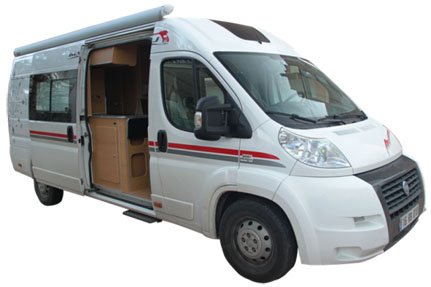
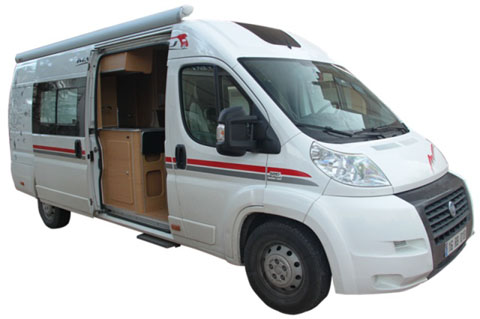
Choosing the right RV class significantly impacts your last-minute Turkey adventure, balancing maneuverability with comfort. For couples or small groups of up to three, a Class B - Camper Van is highly recommended due to its agility and ease of navigation on Turkey's diverse roads, including narrower village streets. Bandana's fleet typically features Class B Camper Vans with an average length of 5.8 meters, comfortably sleeping 3.2 individuals but perfectly suited for two, and offering an average load capacity of 37 kg for your luggage. Their fuel consumption is efficient, typically around 10 Liters/100 km, making them economical for longer journeys and easier to park in towns. Imagine a "rv rental denver example Category Van" or a "hire campervan example Paradise S/T" offering you flexibility on your Turkish roads.
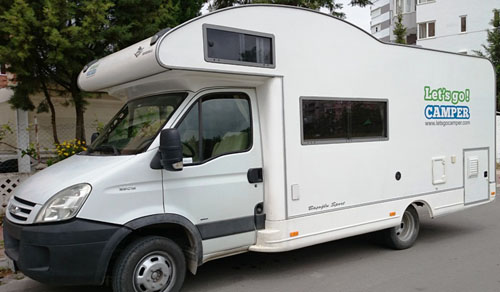
For families or larger groups of 4-6 people, a Class C - Alcove motorhome provides ample space and dedicated sleeping areas, ideal for comfort during extended trips. Models like the "rv rentals example Comfort Class" or "6 Berth Deluxe" are on average 7.5 meters long, comfortably accommodating 4.4 adults (with a total of 5.8 sleeping places) and offering an average load capacity of 42.4 kg for luggage and supplies. While slightly larger, their fuel consumption is still reasonable at 10-12 Liters/100 km, balancing comfort with practicality for family travel. To streamline your planning, Bandana offers a unique 'Rent&Plan' service, providing RV rental combined with a ready-made itinerary by travel experts. This service includes full access to trip-planning software, removing the complexities of last-minute coordination and ensuring a smooth, well-organized trip to Turkey. You can even earn a 25% planning discount when using rvplan.net for your itinerary.
What are the specific RV driving laws and etiquette in Turkey?
Driving a rented RV in Turkey requires adherence to specific local laws and an understanding of road etiquette, which generally align with European standards. RVs generally follow passenger car speed limits on highways (up to 120 km/h), but observe lower limits in urban areas (typically 50 km/h) and on rural roads (80-90 km/h); always pay close attention to posted signage as limits can change frequently. While larger RVs might struggle to find parking in historic town centers due to narrow streets and limited spaces, designated RV parks and some larger parking lots are available on the outskirts; always avoid parking illegally, especially in residential areas or near monuments. Familiarize yourself with Turkish road signs, which largely conform to European standards but may include specific local instructions or symbols. Turkish drivers can be assertive, particularly in cities; maintain awareness, use your horn briefly to signal your presence (not as an expression of anger), and be prepared for varied driving styles, always exercising caution. You must carry your standard car driver's license (an International Driving Permit is highly recommended for non-English speakers but not mandatory), vehicle registration, and insurance documents at all times. Remember, a standard car license is sufficient for all motorhome classes (Class A, Class B, Class C) in Turkey.
How do I find essential RV services like water, disposal, and mechanics in Turkey?
Finding essential RV services in Turkey, especially outside of dedicated campgrounds, requires some preparation and knowledge of local resources. Many petrol stations, particularly those catering to trucks on major highways, offer water refills (sometimes for a small fee); look for signs indicating 'su' (water) or simply ask attendants, as locals are generally helpful. For grey and black water disposal, dedicated RV parks and some larger petrol stations on main routes provide designated points; outside these, it can be challenging, so plan your stops strategically to ensure proper waste management. Coin-operated laundromats are less common in rural areas, but many larger campsites and some towns will have facilities, or you can inquire at local hotels or guesthouses for services. Major towns and cities will have mechanics ('oto tamirci') capable of servicing common RV issues; look for workshops specializing in Fiat Ducato or similar commercial vans, as many rented motorhomes are built on these robust chassis. Always ensure your RV is in top condition before embarking on your trip, as finding specialized RV mechanics in very remote areas can be difficult.
Where can I safely wild camp in Turkey and what are the cultural considerations?
Wild camping in Turkey offers incredible freedom and stunning natural backdrops but requires careful consideration of safety, local culture, and environmental impact. Coastal areas, especially along the Lycian Way, and some less-developed inland regions offer picturesque wild camping spots; research specific locations in advance using resources like iOverlander or local forums for up-to-date information. Always look for discreet, level areas away from main roads, private property (unless explicit permission is granted from the landowner), and sensitive environmental zones, such as archaeological sites or national parks where it's often prohibited. It's also wise to avoid setting up camp near military bases or highly populated areas for security reasons. When interacting with locals, always be respectful; a friendly 'Merhaba' (hello) and asking for permission (if near homes or farms) can go a long way in fostering positive interactions. Adhere strictly to 'leave no trace' principles: pack out all trash, dispose of human waste properly, minimize campfire impact (or avoid fires entirely, especially in dry seasons), and respect wildlife by not disturbing their habitats. For added security, especially when wild camping, ensure your rented RV is locked, windows are secured, and consider traveling in groups if possible, sharing your itinerary with someone back home.
How do different RV types handle Turkish roads, ferries, and fuel availability?
The type of rented RV significantly influences your travel experience in Turkey, impacting maneuverability, ferry options, and fuel access. Smaller campervans (Class B) are ideal for navigating winding coastal roads, charming but narrow city streets, and unpaved rural paths, offering maximum flexibility and less stress. Larger motorhomes (Class C or even Class A, if available) are better suited for main highways and require more caution on smaller roads, especially when passing through villages. When considering ferry options, larger motorhomes may face restrictions or higher costs on certain car ferries (e.g., to Greek islands or across the Dardanelles); smaller campervans generally have fewer issues and are more readily accommodated. City access is often a consideration, as larger RVs typically struggle with parking and maneuvering in historic city centers, necessitating parking outside and utilizing public transport or taxis to explore. Campervans, however, offer greater flexibility for urban exploration due to their compact size. In terms of fuel availability, Diesel (Mazot) is widely accessible across Turkey, making it the most convenient fuel type for most RVs. LPG (Autogas) stations are also common, particularly in urban and semi-urban areas, but can be scarcer in very remote regions; always check your RV's fuel type and plan your stops accordingly, as Turkey boasts an impressive network of LPG stations.
What are the best connectivity solutions for RV travel in Turkey?
Staying connected while RVing in Turkey is straightforward with several reliable options for mobile data and Wi-Fi, ensuring you can navigate, share your adventures, and stay in touch. Turkcell, Vodafone, and Türk Telekom are the primary mobile network operators in Turkey, all offering good coverage across the country. Turkcell generally has the widest network reach, particularly in more rural areas, making it a preferred choice for RVers venturing off the main routes. You can easily purchase a prepaid SIM card upon arrival at any major airport or official store for any of these providers; plans vary but typically offer generous data allowances specifically designed for tourists. Ensure your phone is unlocked to accept a local SIM card; for short tourist visits, the registration process is usually simple, requiring just your passport. While on the road, most RV parks, hotels, restaurants, and cafes offer free Wi-Fi; however, speeds and reliability can vary, especially in more rural settings. If consistent internet access is crucial for remote work or real-time navigation, consider a portable Wi-Fi hotspot device, using your local SIM card for data and creating a personal network in your rented campervan or motorhome.
What should I do in case of an RV breakdown or medical emergency in Turkey?
Being prepared for emergencies, whether a vehicle breakdown or a medical incident, is crucial for a safe RV trip in Turkey. In the unfortunate event of a breakdown with your rented motorhome, pull over safely to the side of the road, activate your hazard lights, and place a warning triangle a sufficient distance behind your vehicle. Immediately contact your RV rental provider's emergency number; Bandana always provides reliable support for your booking, and your rental agreement will include a dedicated emergency contact for roadside assistance. Ensure you have these contact details readily accessible, perhaps saved in your phone and written down. For medical emergencies, dial 112 for ambulance services; in major cities, English-speaking operators are generally available. Turkey has a mix of public and private hospitals, with private hospitals generally offering higher standards and often having English-speaking staff, particularly in tourist-heavy regions. In addition to emergency services, consider contacting your embassy or consulate in Turkey for assistance; many tourist information centers also have multilingual staff who can provide guidance. Always have comprehensive travel insurance that covers both medical emergencies and vehicle recovery to ensure peace of mind during your adventure.
Tips for food sourcing and culinary experiences while RVing in Turkey?
RVing in Turkey presents a fantastic opportunity to immerse yourself in the local culinary scene, from vibrant fresh markets to delicious street food, all from the comfort of your rented motorhome. Make it a point to visit weekly 'pazarı' (local markets) for the freshest seasonal produce, a wide array of local cheeses, diverse olives, and aromatic spices at excellent prices. While some vendors may speak English, learning basic Turkish phrases like 'Ne kadar?' (How much?) and numbers can significantly enhance your shopping experience and might even lead to better deals; gentle bargaining is a common and accepted practice, especially at non-supermarket stalls. Look for vibrant colors and ask locals for seasonal specialties to truly experience the regional flavors. For freshly baked goods, seek out local bakeries ('fırın') early in the morning for warm 'ekmek' (traditional bread) or crispy 'simit' (sesame-crusted bread rings). When trying street food, embrace the adventure but choose popular stalls with high turnover to ensure freshness; 'döner kebab,' 'lahmacun' (Turkish pizza), and 'mısır' (grilled corn) are absolute must-tries for an authentic taste of Turkish street cuisine. Being able to prepare meals in your RV's kitchen with these fresh ingredients is one of the joys of RV travel, allowing for flexibility and delicious savings. For inspiration on what to cook, check out our RV-friendly recipes playlist.
What are the regulations for traveling with pets in an RV in Turkey?
Traveling with pets in a rented RV to Turkey requires adherence to specific regulations for entry, health, and general conduct to ensure a smooth and enjoyable trip for both you and your furry companions. Pets (dogs, cats, and ferrets) must have an up-to-date rabies vaccination, a microchip for identification, and either an EU pet passport or an official veterinary health certificate issued within 10 days of travel. Depending on your country of origin, a blood test proving sufficient rabies antibody levels might also be required, so it's always best to check the latest requirements from the Turkish Ministry of Agriculture and Forestry well in advance. Veterinary clinics ('veteriner') are widely available in most towns and cities across Turkey; larger cities offer more specialized services and a higher likelihood of finding English-speaking vets. While on the road, always keep your pet restrained while driving for their safety, ensure they have access to fresh water, and take frequent breaks for exercise. While pets are generally accepted in RV parks, some restaurants, shops, and public transportation may have restrictions, so always check beforehand or look for 'pet-friendly' signage. Crucially, always clean up after your pet, especially in public areas and natural sites, to maintain good relations with locals and preserve Turkey's beautiful environment.
How does Turkey's highway toll system (HGS/OGS) work for foreign RVs?
Navigating Turkey's highway toll system (HGS/OGS) as a foreign RV driver is essential for smooth travel on major roads, bridges, and tunnels. Turkey primarily uses two electronic toll collection systems: HGS (Hızlı Geçiş Sistemi - Fast Pass System) and OGS (Otomatik Geçiş Sistemi - Automatic Pass System). HGS is more prevalent and generally recommended for foreign vehicles. To use the system, you'll need to purchase an HGS sticker or card, which is electronically linked to your rented vehicle's license plate. This can be obtained from PTT (post office) branches or some major petrol stations (e.g., Shell, Opet) across the country; ensure it's loaded with sufficient credit before you start your journey. If you are renting an RV in Turkey through a comparison platform like Bandana, the rental company will typically provide an HGS device or sticker already linked to the vehicle. It's crucial to confirm this arrangement with your supplier and understand how toll fees will be managed (e.g., added to your final bill or requiring personal top-ups) to avoid unexpected costs. When passing through toll gates, drive through the designated HGS lanes (clearly marked with an 'HGS' sign) without stopping; the system automatically deducts the toll from your balance. If you accidentally pass through an OGS lane or a toll gate without sufficient credit, you typically have a grace period of 7-15 days to pay the toll online or at a PTT office to avoid hefty fines. Understanding this system is key to enjoying your journey without any unexpected surprises.
🎬 Video coming soon
What You Shouldn't Miss
- **The Turquoise Coast:** Drive the D400 highway along the Mediterranean, stopping at Patara Beach, Kaş, and Ölüdeniz for stunning coves and ancient sites.
- **Cappadocia's Fairy Chimneys:** Explore the surreal landscapes of Göreme and Ürgüp. Consider a hot air balloon ride at sunrise for an unforgettable view.
- **Pamukkale's Cotton Castle:** Marvel at the white travertine terraces and ancient Hierapolis, a UNESCO World Heritage site perfect for a refreshing walk.
- **Istanbul's Historical Grandeur:** While best explored by public transport, park your RV on the outskirts and dive into the Hagia Sophia, Blue Mosque, and Grand Bazaar.
- **Ancient Ephesus:** Step back in time among the remarkably preserved ruins of this Roman city, including the Library of Celsus and the Great Theatre.
- **Taste Turkish Delights:** Sample local specialties like baklava, kebabs, mezes, and of course, traditional Turkish tea at every opportunity.
Looking for expert insights from Avi Bandana? Top 5 Adventures - recommendations from Avi Bandana.
Final Thoughts
A last-minute RV rental in Turkey isn't just a trip; it's an invitation to freedom, discovery, and unforgettable memories. With the flexibility of your rented motorhome or campervan, you can follow the sun, chase ancient stories, or simply relax by a stunning coastline. Our comprehensive support ensures that even with spontaneous decisions, your journey is seamless and enjoyable, without any hidden surprises.
So, whether you're dreaming of a week-long coastal escape or an extended journey through Turkey's historical heartland, a rented RV provides the perfect mobile base. Embrace the adventure, savor the local flavors, and let the open roads of Turkey lead you to extraordinary experiences. We're here to help you every step of the way, making sure your last minute rv trip is everything you imagine and more.
Get inspired for your next trip! Discover top destinations, planning tips, all in one place! Plan a trip itinerary in advance with minimal effort and maximum enjoyment. Check Turkey RV Rental Prices Now to start your adventure today.