In This Guide
- What is the best Anchorage RV itinerary for a last-minute RV rental?
- What does a 7-day classic route in Anchorage entail?
- How does a 14-day extended journey in Anchorage unfold?
- What recommended RVPlan trip is available for Anchorage?
- What are the must-see stops along the way (Avi Bandana Picks)?
- What are the daily driving distances and drive times in Anchorage?
- What is the best RV class for this itinerary, for couples and families?
- What can RVers do and see in Anchorage and its immediate surroundings?
- What are the practicalities and challenges of RV travel in Alaska?
- What should I pack for an RV trip in Alaska?
- How do I deal with mosquitoes and other insects while RVing in Alaska?
- What are the best RV travel tips for families and pets in Alaska?
- How do I prepare for emergencies while RVing in remote Alaska?
- How to budget for an RV trip in Alaska beyond basic provisions?
- How far in advance should I book campgrounds and activities in Alaska?
What is the best Anchorage RV itinerary for a last-minute RV rental?
A last-minute RV itinerary in Anchorage offers a perfect blend of Alaskan wilderness and vibrant cultural experiences, even with spontaneous planning. A minimum recommended duration for exploring this dynamic region is 7 days, ideally experienced during the summer months (June-August) for optimal weather and extended daylight. Typical routes for a one- to two-week trip usually cover distances between 700-1400 km, providing ample opportunity to immerse yourself in the scenery without rushing. Flexibility is key when arranging a last-minute RV rental, so focusing on readily available motorhomes and campervans will set the stage for an incredible adventure. For live availability and current prices, start with our RV Rental Anchorage - Complete Guide 2026 guide. Bandana RV, founded in 2001, has over 23 years of experience helping tens of thousands of travelers explore the world by RV, and we understand that sometimes the best adventures are planned on the fly. We prioritize full transparency, ensuring no hidden fees or surprises emerge when you book your last-minute RV rental in Anchorage. We handle the details, you live the journey, receiving personal service from day one until your booking is confirmed.
What does a 7-day classic route in Anchorage entail?
A 7-day classic RV route from Anchorage provides a fantastic introduction to Alaska's highlights, combining iconic drives with memorable activities. On Day 1, drive approximately 65 km (40 miles) from Anchorage to Girdwood, where you can visit the Alaska Wildlife Conservation Center and spend the night at a local campground. Day 2 takes you 105 km (65 miles) further to Seward, famous for Kenai Fjords National Park cruises and the accessible Exit Glacier, with options to sleep at Seward city or national park campgrounds. The third day is dedicated to exploring Seward, with opportunities for kayaking, hiking, and a visit to the Alaska SeaLife Center. Days 4 and 5 involve a longer, scenic drive of about 270 km (168 miles) along Sterling Highway to Homer, allowing two full days to enjoy the Homer Spit, known for bear viewing trips, fishing charters, and local art galleries. Days 6 and 7 include a return journey back toward Anchorage, with a 330 km (205 miles) drive to Talkeetna on Day 6 for potential views of Denali (weather permitting) and a stop by the Talkeetna River. The final leg is 185 km (115 miles) back to Anchorage on Day 7, perhaps after a flightseeing tour of Mount Denali, before returning your rented RV. Remember, with a rented RV, you have a mobile headquarters to explore this stunning region.How does a 14-day extended journey in Anchorage unfold?
A 14-day extended RV journey starting and ending in Anchorage offers a deeper exploration of Alaska's diverse landscapes, allowing more time to savor each destination. Days 1-3 involve exploring Anchorage itself, including the Alaska Native Heritage Center, and then driving the scenic Seward Highway south to Seward for a Kenai Fjords cruise. Days 4-6 focus on the Kenai Peninsula, allowing ample time in Seward and Homer for glacier viewing, fishing, and exploring the unique Homer Spit. On Days 7-9, travel north towards Interior Alaska and the Denali National Park area, near Healy or Cantwell. Plan for a comprehensive bus tour within Denali National Park, various hiking opportunities, and visits to the park's visitor centers. Days 10-11 bring you to Trapper Creek and Talkeetna, where scenic flights around Mount Denali are a highlight, alongside exploring the Talkeetna Historical Society and local shops. The journey concludes on Days 12-14 with a drive along the Glenn Highway towards Palmer/Wasilla, allowing for glacier trekking at Matanuska Glacier or a visit to a local Reindeer Farm, before returning your rented motorhome to Anchorage. Traveling slowly, a maximum of 100-150 km per day on average, lets you truly feel the place, connect to the culture, the food, and the scenery of Alaska.What recommended RVPlan trip is available for Anchorage?
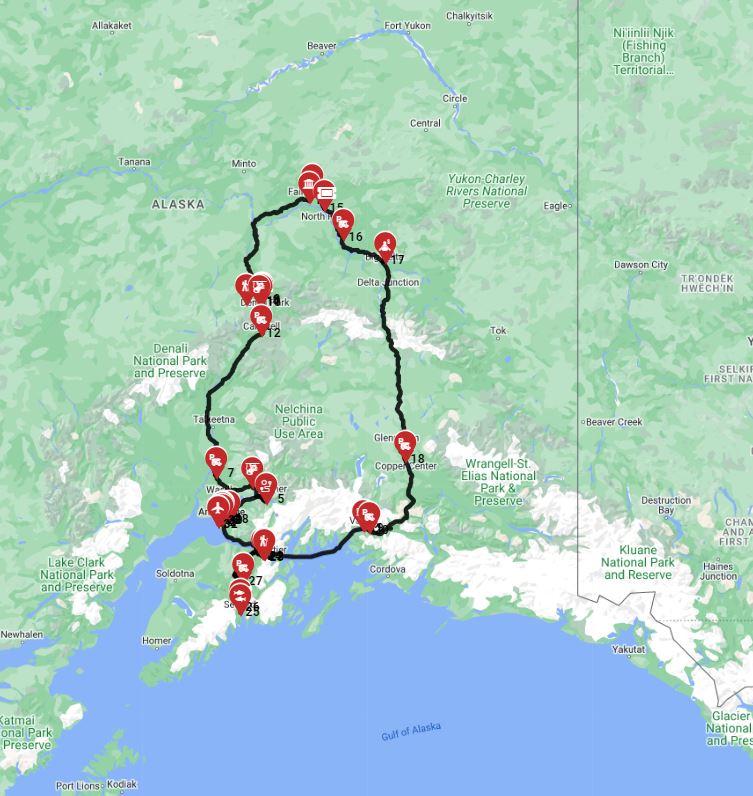
For those seeking a professionally designed and thoroughly comprehensive Alaskan RV adventure starting in Anchorage, RV PLANET (rvplan.net) offers exceptional pre-planned route plans. The "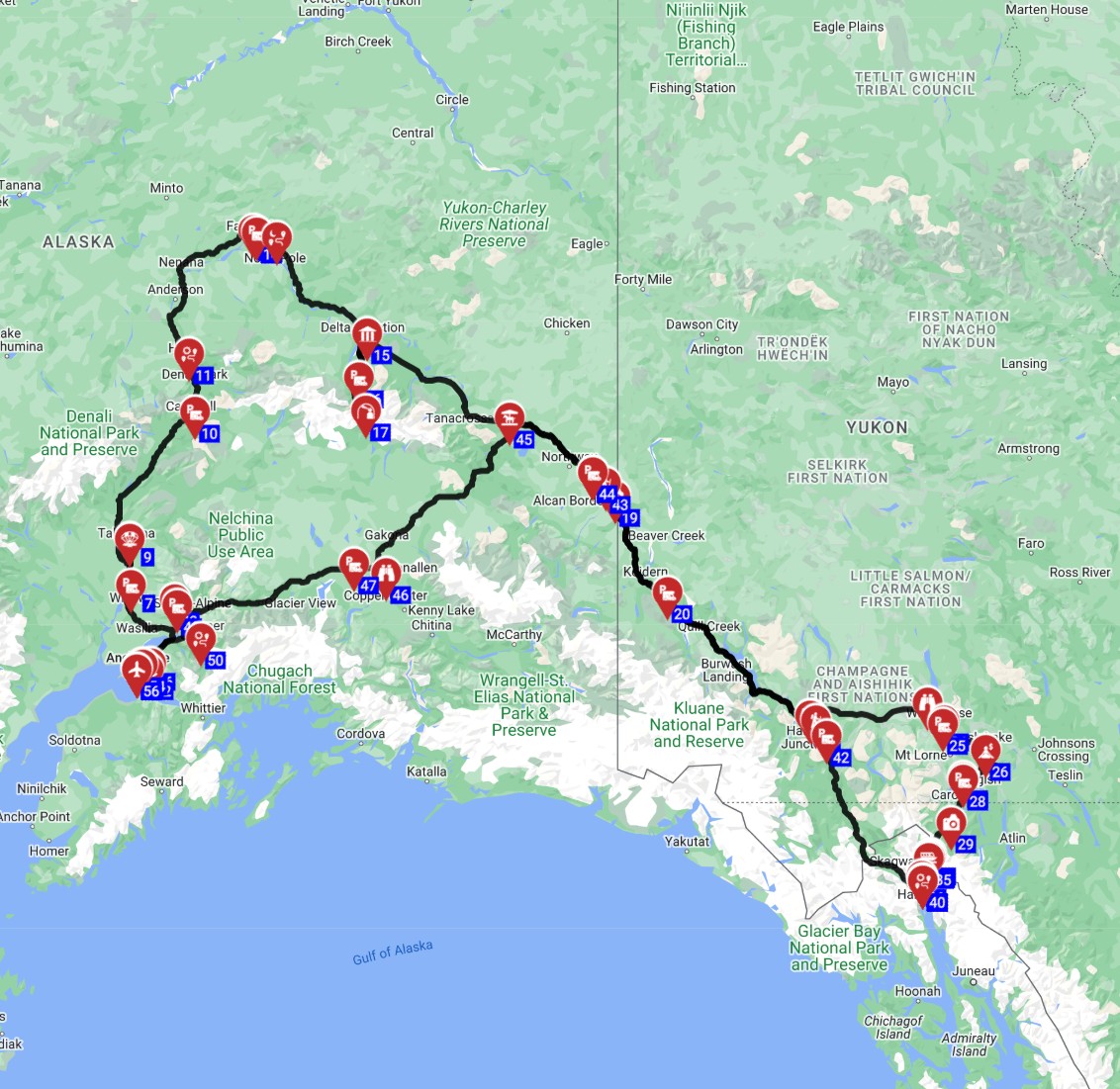
Anchorage Round Trip - Alaska-Yukon Discovery Trail
Explore this route
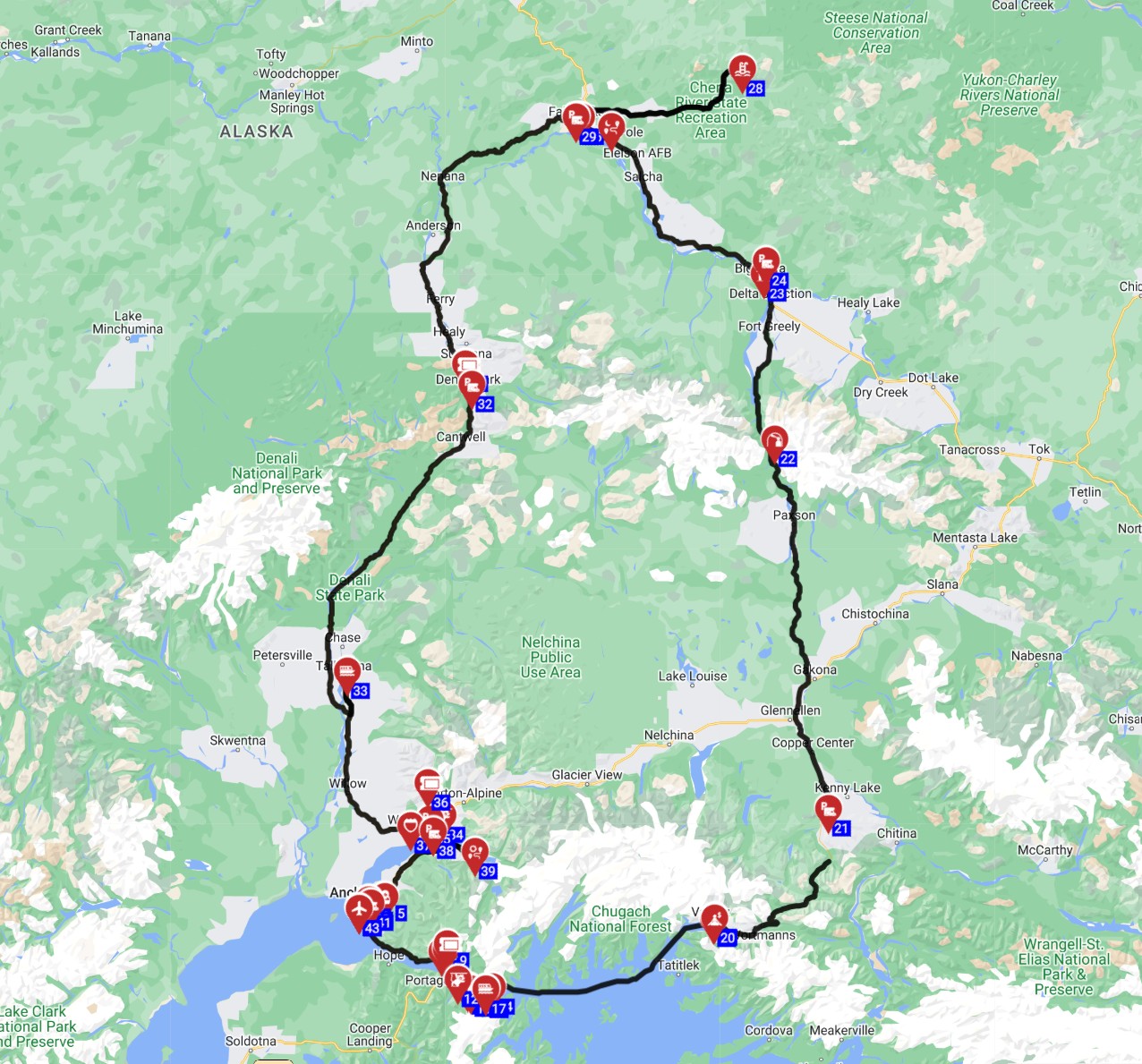
Another excellent option is the "
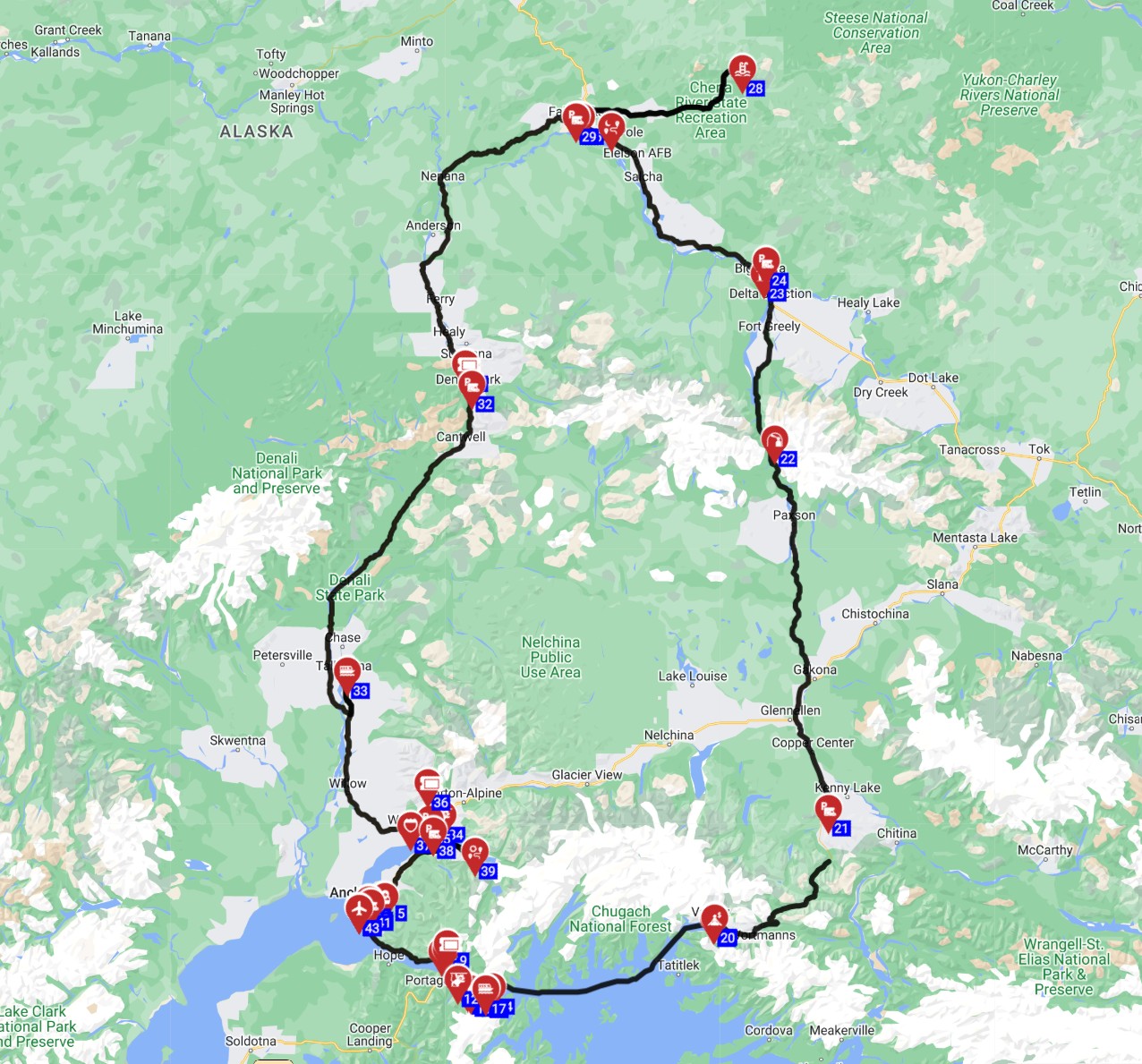
Anchorage Roundtrip Heading North - The Great Alaskan Wilderness Road Trip
Explore this route
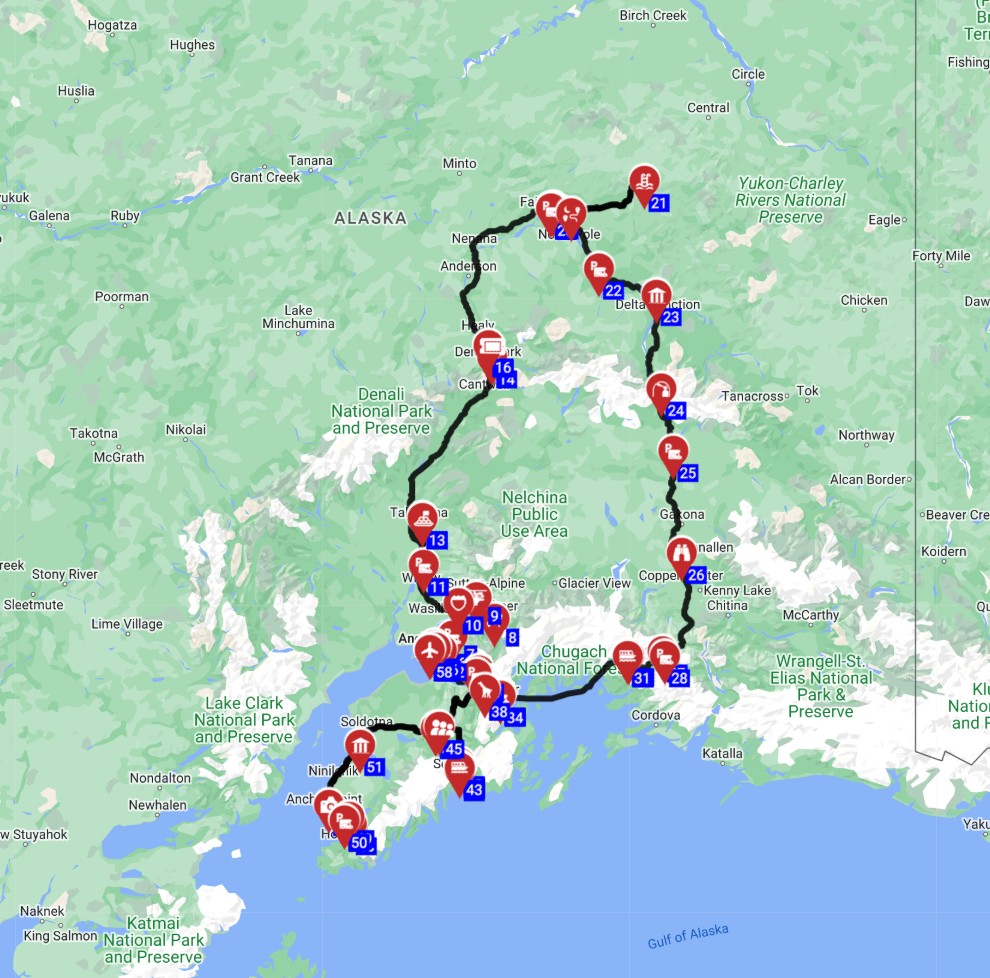
For a grander adventure, consider the "
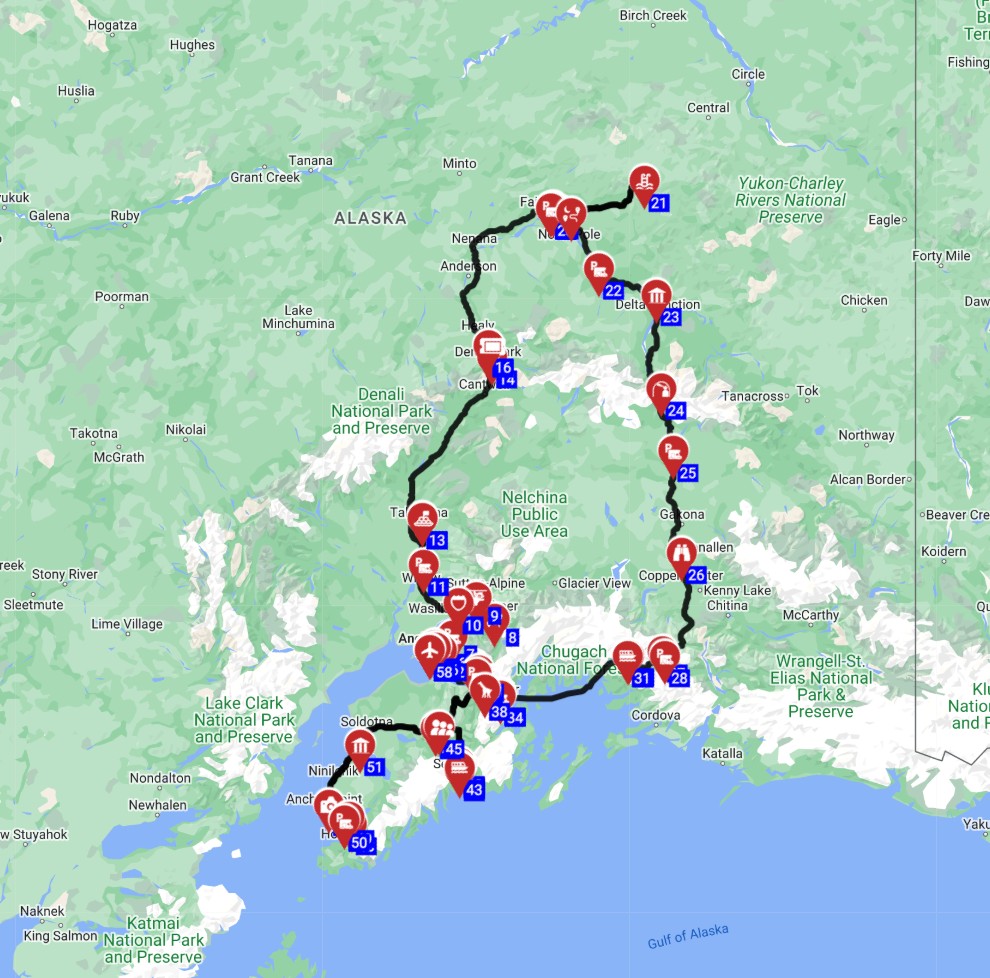
Anchorage Round trip - Grand Alaska Loop
Explore this route
Must-See Stops Along the Way (Avi Bandana Picks)
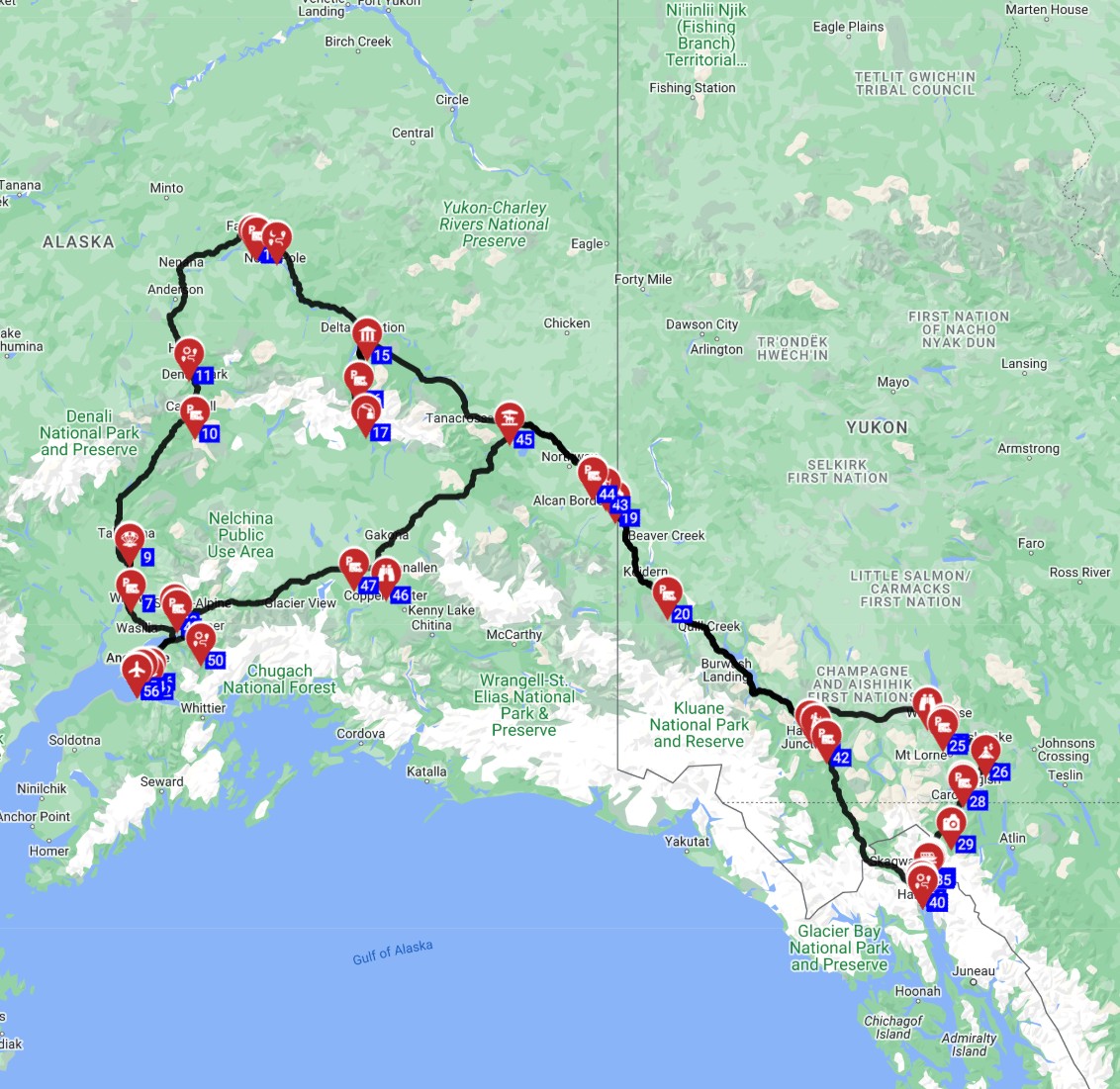
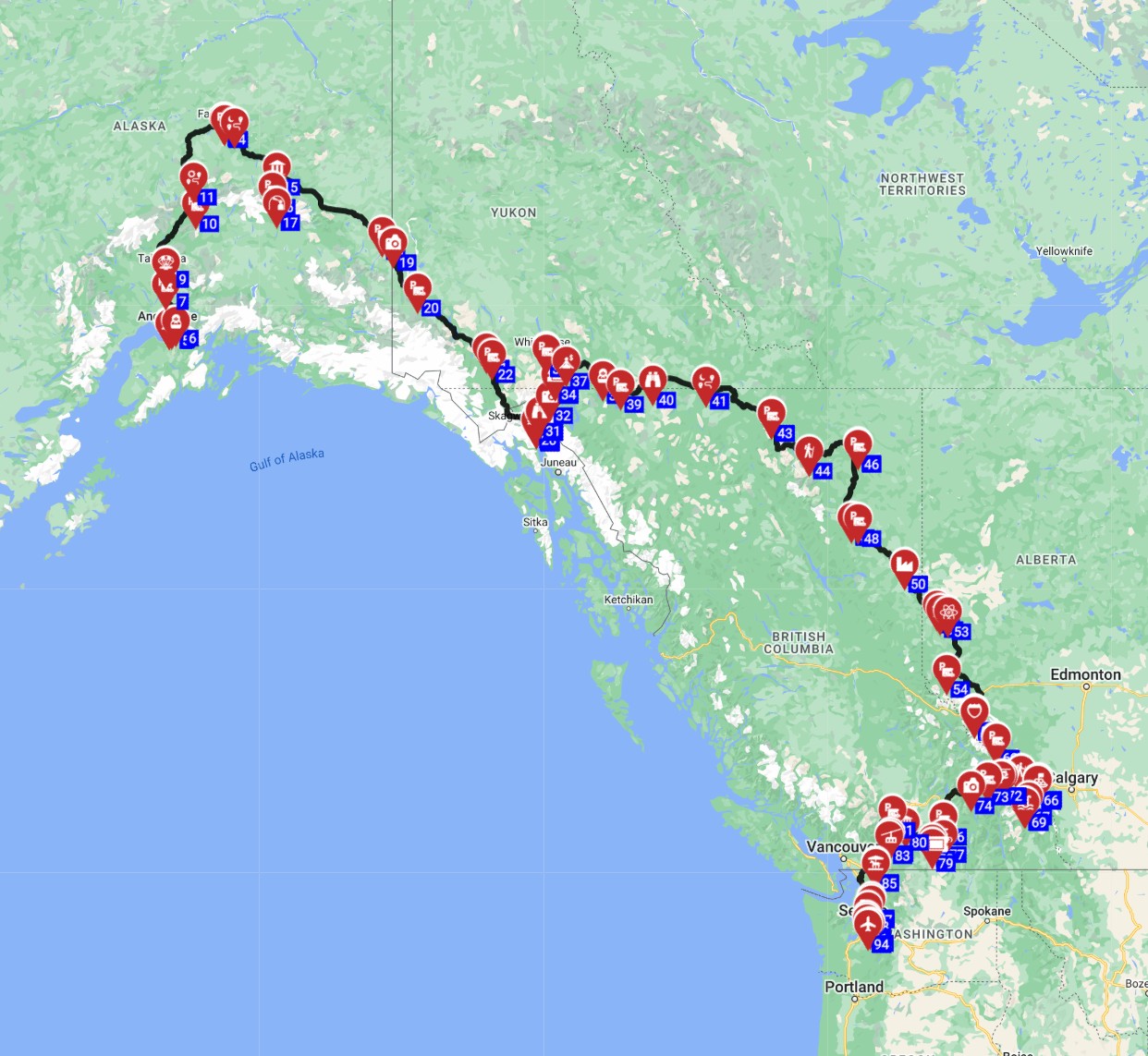
Looking for expert insights from Avi Bandana? Top 5 Adventures - recommendations from Avi Bandana focus on cultural immersion and local experiences that truly capture the spirit of Alaska. First, the **Alaska Native Heritage Center** in Anchorage is an essential visit, offering profound insights into Alaska's diverse Indigenous cultures and traditions through captivating exhibits and demonstrations. Second, venture to **The Sullivan Roadhouse in Delta Junction**, an early stop on the extensive "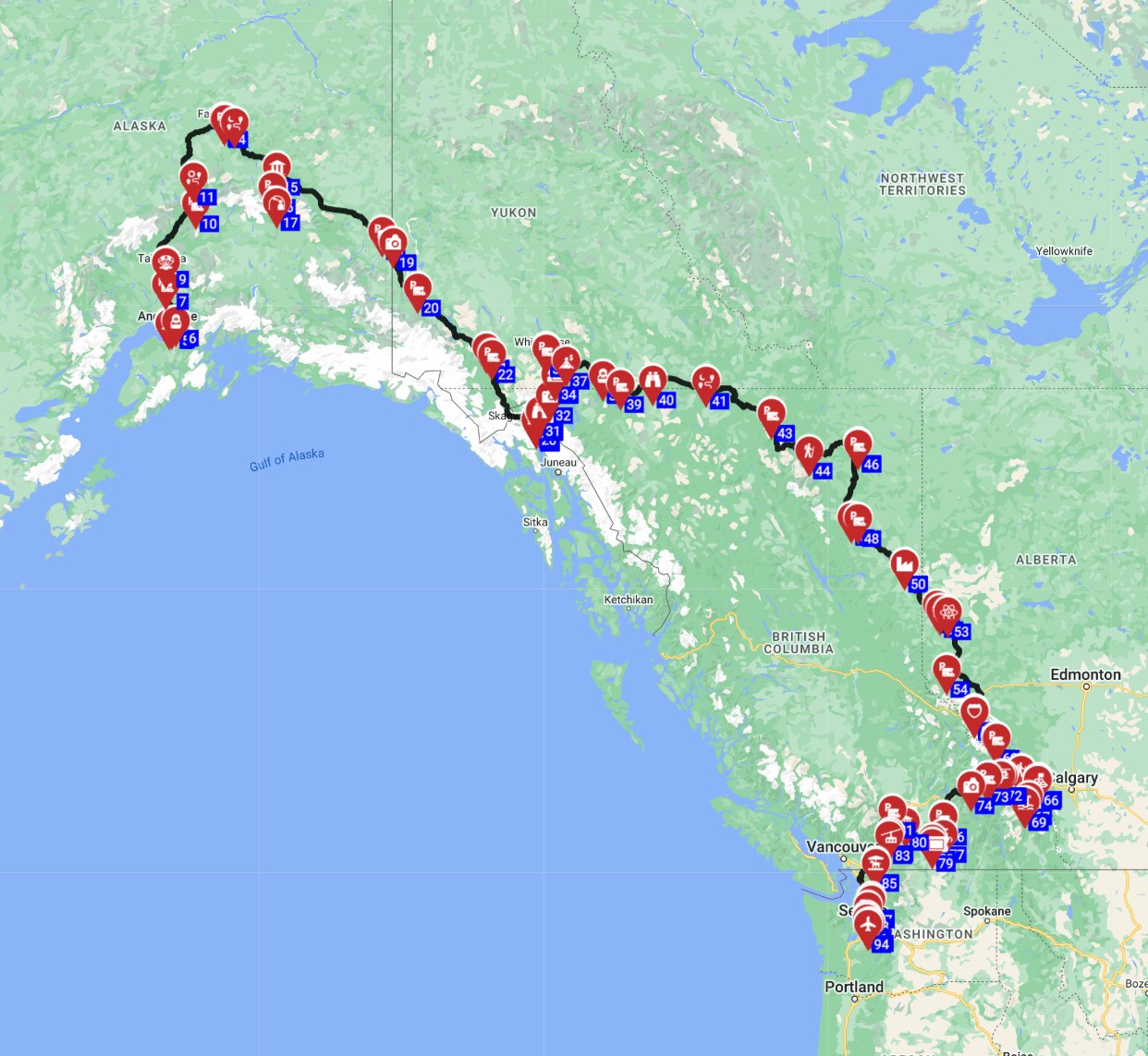
Anchorage to Seattle - The Northern Wilderness Trail
What are the daily driving distances and drive times in Anchorage?
Avi Bandana recommends a maximum of 100 miles or 150 km per day on average when RVing in Alaska to fully immerse yourself in the scenery and avoid feeling rushed. This slow travel philosophy allows for spontaneous stops at stunning scenic overlooks, unexpected wildlife viewing opportunities, and charming local attractions that often make the trip truly special. For example, the drive from Anchorage to Seward, approximately 125 miles (200 km), typically takes 2.5-3 hours of actual driving time, but you should allocate 4-6 hours to comfortably include stops and enjoy the Turnagain Arm views. Similarly, the journey from Anchorage to Denali National Park, about 240 miles (385 km), requires approximately 4.5-5 hours of driving, but planning for 6-8 hours with breaks for photos and stretching is advisable. The route from Anchorage to Homer, spanning around 220 miles (354 km), usually involves 4.5 hours of driving, but allocating 6-8 hours will give you time for sightseeing along the Sterling Highway. Remember, you're not just driving through a landscape; you're driving through an experience. Drive slowly and carefully, and you can drive almost anywhere without issues. No need to stress - just use common sense and pay attention to road conditions.What is the best RV class for this itinerary, for couples and families?
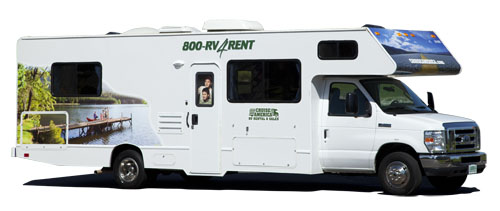
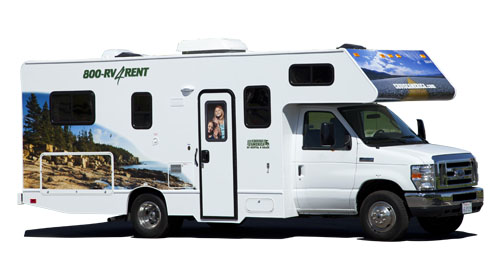
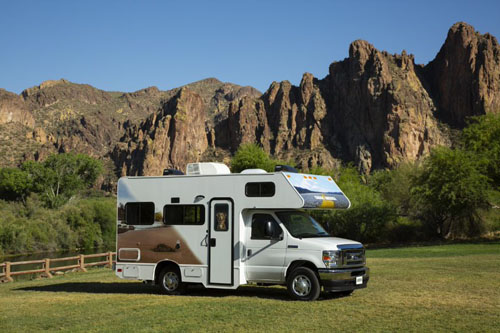
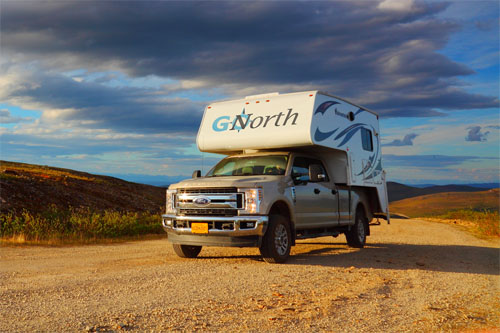
Choosing the right RV for a last-minute rental in Anchorage is crucial for your group's comfort and enjoyment, depending primarily on your party size and desired amenities. For a couple seeking adventure, the Class TC - Truck Camper is an excellent choice, typically offering an average length of 6 meters (20 feet) and comfortably sleeping 2 adults, with an average of 2.6 sleeping places overall. Its compact size and average fuel consumption of 13-19.5 Liters per 100km make it agile for Alaska's diverse roads, more economical to operate, and easier to navigate on narrower routes. For a family with kids, a Class C - Alcove motorhome is highly recommended, as it typically averages 7.8 meters (25.6 feet) in length and provides ample space for up to 4.6 adults or 5.8 sleeping places. This class offers more living space and amenities, such as a full kitchen and a comfortable dining area, ensuring a more relaxed journey for everyone, with common fuel consumption in the 24-30L/100km range. Bandana RV offers "Rent&Plan" options where you can choose your ideal RV rental and gain access to ready-made itineraries by travel experts, complete with full access to trip-planning software. We are true RV specialists, not a travel agency side department, ensuring we help you find the perfect campervan, motorhome, or RV for your Alaskan adventure.What can RVers do and see in Anchorage and its immediate surroundings?
Anchorage itself serves as a vibrant gateway to Alaska's boundless wilderness, offering diverse activities and essential RV services for travelers. Within the city, you can explore the rich cultural history at the Alaska Native Heritage Center, immerse yourself in art and science at the Anchorage Museum, or enjoy the scenic beauty by biking or walking the Tony Knowles Coastal Trail, offering stunning views of Cook Inlet and the Chugach Mountains. The trail can be accessed easily from downtown, with several RV-friendly parking areas nearby. In Anchorage's immediate surroundings, a drive along the famous Seward Highway to Girdwood (just 40 miles south) offers tram rides up Alyeska Resort for panoramic mountain views, or a visit to the Alaska Wildlife Conservation Center to see rescued Alaskan animals up close. Near the Anchorage airport, RVers can find several dump stations for waste disposal and numerous fuel stations on International Airport Road. Chugach State Park, bordering the city, provides immediate access to extensive hiking trails like Flat Top Mountain, prime fishing spots, and abundant wildlife viewing opportunities, with campgrounds readily accessible. Anchorage has plenty of RV parks, repair shops, and large grocery stores, making it a convenient base for pickup, resupply, and prepping for your onward journey.What are the practicalities and challenges of RV travel in Alaska?
RV travel in Alaska, while incredibly rewarding, presents unique practicalities and challenges that require careful consideration, including varying road conditions, limited connectivity, and essential wildlife awareness. Alaskan roads can feature gravel sections, frost heaves that create significant bumps, and potential construction zones, all of which necessitate driving slowly and carefully. When encountering wildlife like moose in urban areas near Merrill Field, or bears on scenic routes, maintain a safe distance and never feed them. Cell service and internet connectivity can be spotty or non-existent in remote areas of Alaska, so carrying satellite communication devices or downloading offline maps before you leave Anchorage is highly recommended. For wildlife safety, practice strict food storage protocols inside your rented RV to avoid attracting bears, and be familiar with bear spray usage if you plan to hike. Campground rules often specify generator hours and waste disposal procedures, particularly in national parks like Denali. While boondocking is possible on public lands like those managed by the Bureau of Land Management (BLM) or National Forests, always research specific regulations and adhere to Leave No Trace principles. Familiarize yourself with local regulations regarding fire pits and park permits to ensure a smooth and enjoyable trip.What should I pack for an RV trip in Alaska?
Packing for an Alaskan RV trip requires versatile clothing layers and essential gear due to the state's rapid weather changes and focus on outdoor activities. Key clothing items include waterproof and windproof outerwear, such as a good quality rain jacket and pants, along with warm layers like fleece jackets or wool sweaters for cooler evenings, even in summer. Quick-dry clothing is highly recommended for hiking and active pursuits, paired with sturdy, waterproof hiking boots for exploring varied terrain. For insect protection, which is absolutely essential during mosquito season (June-August), bring strong insect repellent containing DEET or picaridin, and consider packing head nets for comfort. Critical outdoor gear includes binoculars for wildlife viewing, bear spray (and knowing how to use it safely is paramount), a comprehensive first-aid kit, and headlamps for navigating during twilight hours, especially with Alaska's extended daylight. Most RV rentals come with basic cooking supplies, but consider bringing reusable bags, a water filter, and extra blankets for added comfort. Due to limited cell service, offline maps, a physical map, and a reliable power bank for devices are highly recommended for navigation and communication. For delicious meals on the go, check out our RV-friendly recipes playlist.How do I deal with mosquitoes and other insects while RVing in Alaska?
Effectively dealing with mosquitoes and other insects while RVing in Alaska involves a comprehensive, multi-pronged approach, particularly during the peak summer months of June through August. First and foremost, repellent is key: liberally apply insect repellents containing DEET (20-30%) or picaridin to all exposed skin and clothing. Secondly, physical barriers offer excellent protection: wear long-sleeved shirts and pants, especially during dawn and dusk when insects are most active, and consider bringing a head net for situations with extreme insect density. Inside your rented RV, ensure all window and door screens are intact and always keep them closed to prevent any insects from entering your living space. When choosing campgrounds, research prior reviews if possible, as some locations, particularly those near standing water or marshy areas, might have higher insect populations. Minimize your outdoor exposure during peak mosquito hours, and quickly enter or exit your RV to prevent insects from hitchhiking inside. While less effective than chemical repellents, citronella candles or essential oil diffusers can offer some localized relief when spending time outdoors near your campervan.What are the best RV travel tips for families and pets in Alaska?
Family and pet-friendly RV travel in Alaska requires specific planning to ensure everyone enjoys the adventure safely and comfortably. For kid-friendly activities, seek out attractions like the Alaska Wildlife Conservation Center, museums with interactive exhibits in Anchorage, short, accessible hiking trails in Chugach State Park, and playgrounds often available at campgrounds. When traveling with pets, always research pet policies for national parks, state parks, and specific attractions in advance, as restrictions (e.g., pets often limited to paved roads or campgrounds in national parks) are common. Safety for pets is paramount: keep them leashed at all times due to abundant wildlife, ensure they have proper identification tags, and protect their paws from rough terrain or hot pavement. Plan for frequent stops to allow kids to stretch and play, and for pets to get exercise and water. It's wise to have a list of veterinary clinics along your route, especially in larger towns like Anchorage, Fairbanks, or Kenai, for any unexpected needs. Finally, choose a rented RV with enough space, such as a Class C Alcove motorhome (like the "24' Class C Motorhome" with sleeping for 5-6), for comfortable sleeping and living arrangements, particularly during unexpected rainy days when indoor time increases.How do I prepare for emergencies while RVing in remote Alaska?
Emergency preparedness is paramount for RV travel in remote Alaskan areas, where assistance can be hours away, requiring proactive measures to ensure safety. Communication is critical: carry a satellite phone or a personal locator beacon (PLB) since cell service is unreliable or non-existent in many remote regions, and always inform a trusted person of your itinerary. Before departure from Anchorage, perform thorough vehicle checks, including tire pressure, fluid levels, and brakes on your rented motorhome, and familiarize yourself with basic troubleshooting for your RV. Pack a comprehensive emergency kit that includes a robust first-aid kit, extra fuel (if traveling extensively off major highways), a spare tire and tools, water purification tablets, non-perishable food, and emergency blankets. Having a reliable roadside assistance plan that explicitly covers Alaska and remote areas, along with easily accessible contact numbers, is crucial. Educate yourself on wildlife encounters: carry bear spray and know how to use it effectively, and maintain safe distances from all large animals. Monitor local weather forecasts closely, especially if heading into mountainous regions, and be prepared for rapid changes, including the possibility of snow even in summer at higher elevations.How to budget for an RV trip in Alaska beyond basic provisions?
Budgeting for an RV trip in Alaska requires careful consideration of numerous ancillary costs beyond just food and campground fees. Fuel costs will be a significant expense; expect higher prices in remote areas compared to major cities like Anchorage, and factor in substantial amounts for gasoline or diesel. If your chosen itinerary includes travel to islands or specific coastal routes, such as utilizing the Alaska Marine Highway System, ferry costs for an RV and passengers can be substantial and need to be budgeted well in advance. Allocate funds for activity fees, which can add up quickly for excursions like bear viewing tours, glacier cruises in Kenai Fjords National Park, flightseeing trips around Denali, fishing charters, and national/state park entrance fees. While boondocking offers some cost savings, developed campgrounds in popular areas typically range from $25-$70+ per night for basic hookups. Also, set aside a discretionary fund for unexpected purchases, unique Alaskan souvenirs, and occasional meals at local restaurants. Critically, always include a buffer of 15-20% for unexpected repairs, medical emergencies, or unforeseen travel delays due to weather or road conditions. RV PLANET routes offer tools to itemize and track every expense along the way for easy budgeting, helping you stay on top of your total trip cost.How far in advance should I book campgrounds and activities in Alaska?
Booking campgrounds and popular activities in Alaska, especially for a last-minute RV rental during peak season, should ideally be done as far in advance as possible. For instance, highly sought-after national and state park campgrounds in areas like Denali, Seward, and Homer can be fully booked 6-12 months ahead, particularly for prime spots. However, spontaneous travelers need not worry excessively: a last-minute strategy should focus on less popular state park campgrounds, private RV parks, or readily available boondocking options where permitted. Many national and state parks reserve only 25-30% of their spots, leaving the rest available on a first-come, first-serve basis. You'll find a spot; if not at the first campground, then the next one. Always call ahead before driving long distances to confirm availability. For activities, popular excursions such as bear viewing flights out of Homer, glacier tours in Kenai Fjords, and specific fishing charters often require reservations months in advance to secure a spot. Flexibility with your itinerary and campground choices is your greatest asset when booking a last-minute RV trip to Anchorage. Utilize online resources like Recreation.gov for federal campgrounds and state park websites for booking, checking frequently for cancellations. For private RV parks, a call a few weeks out might yield last-minute availability or a spot on a waitlist. Our true RV specialists are here to support you during the pre-booking comparison, booking, and post-booking coordination of your last-minute RV rental in Anchorage, offering unmatched personal experience and attention to detail.🎬 Video coming soon
What You Shouldn't Miss
- **Alaska Native Heritage Center in Anchorage:** Immerse yourself in the rich cultures of Alaska's Indigenous peoples with engaging exhibits and live demonstrations.
- **Scenic Drive to Girdwood:** Take your rented RV along the breathtaking Seward Highway (an All-American Road) to Girdwood, enjoying views of Turnagain Arm and a ride up the Alyeska Resort tram.
- **Kenai Fjords National Park Cruise from Seward:** Witness towering glaciers, abundant marine wildlife, and stunning fjords on a memorable boat tour.
- **Homer Spit Fishing and Bear Viewing:** Experience the unique charm of Homer Spit, known for world-class fishing charters and opportunities for guided bear viewing trips.
- **Denali National Park Bus Tour:** Explore the vast wilderness of Denali, keeping an eye out for grizzly bears, caribou, moose, and wolves, accessible via a park bus tour in your rented motorhome.
- **Matanuska Glacier Trekking:** Discover the impressive Matanuska Glacier, offering guided ice trekking experiences just a short drive from Palmer.
Final Thoughts
Embarking on a last-minute RV adventure in Anchorage offers an unparalleled opportunity to experience the breathtaking beauty and unique culture of Alaska. Whether you opt for a quick 7-day escape or an extended 14-day exploration, the flexibility of a rented motorhome or campervan allows you to truly immerse yourself in the journey. From the bustling city attractions and convenient RV services in Anchorage to the stunning glaciers, wildlife, and charming towns of the Kenai Peninsula and Interior Alaska, every mile promises discovery. With Bandana RV, you benefit from transparent pricing, expert advice, and the peace of mind that comes from knowing you're supported by true RV specialists. We're here to help you compare final prices across suppliers and make your last-minute booking seamless. So, pack your layers, prepare for amazing wildlife encounters, and get ready to create unforgettable memories on the open road. The wild heart of Alaska awaits your discovery! Find Motorhome Rentals in AnchorageOn the routes offered through RV PLANET routes, you can itemize and track every expense along the way for easy budgeting.