In This Guide
- Best Africa RV Itinerary for last minute rv rental — Overview
- 7-Day Classic Route in Africa
- 14-Day Extended Journey in Africa
- Recommended RVPlan Trip for Africa
- Must-See Stops Along the Way (Avi Bandana Picks)
- Daily Driving Distances & Drive Times in Africa
- Best RV Class for This Itinerary — Couple & Family Picks
- How much would a 2 week trip to Africa cost?
- Which African country is best for a road trip?
- Is 70 too old to go on safari?
- What is the best month to go on an African safari?
- Is it safe for US citizens to travel to Africa right now?
- What is the best overland route to travel through Africa?
- Which overland tour company is considered the best for Africa?
- What are the best deals for last-minute African safaris?
- Can you wear red in Africa?
- How much does a 2 week African safari cost?
Best Africa RV Itinerary for last minute rv rental — Overview
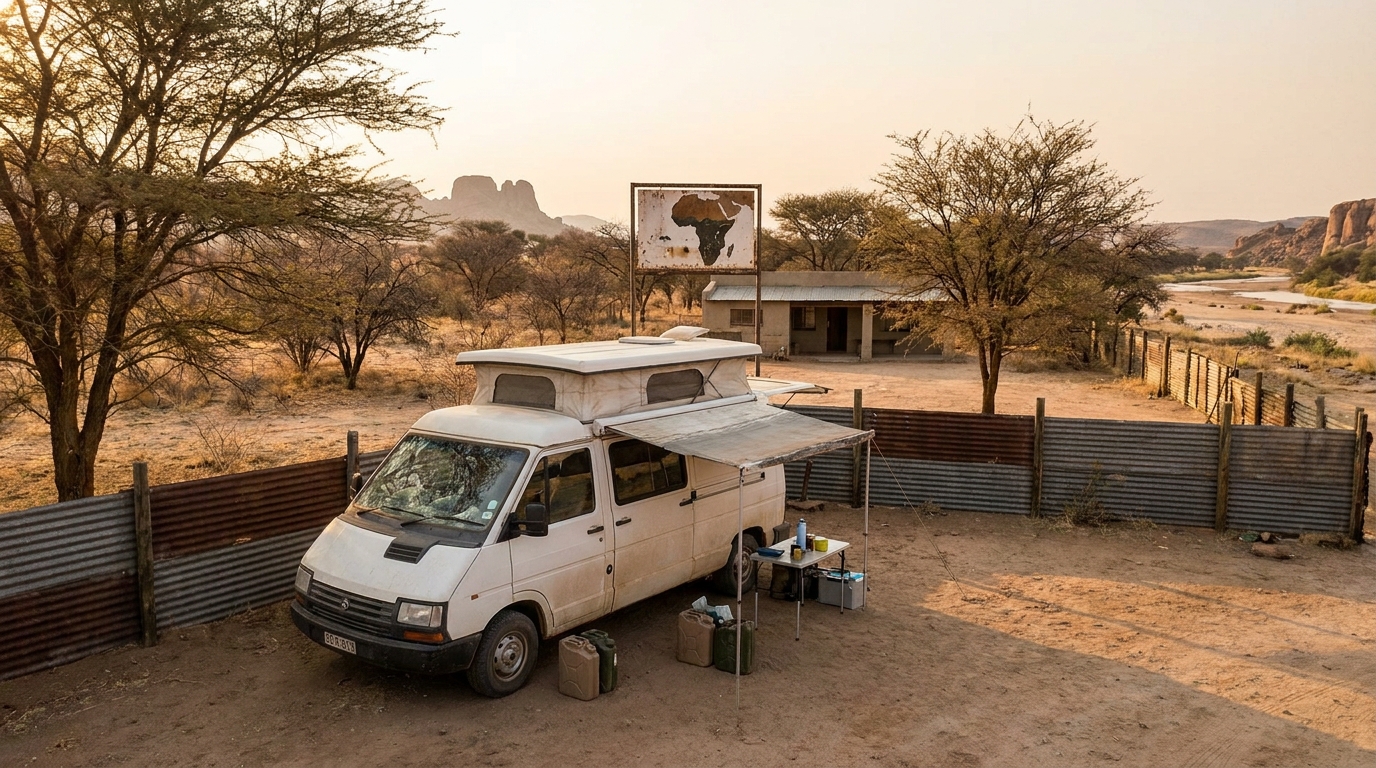
An RV adventure across Southern Africa offers unparalleled flexibility for last-minute travel, allowing you to immerse yourself in stunning landscapes and rich wildlife. A typical RV trip in this region spans 1,500-3,000 km (930-1,860 miles) over a recommended duration of 7-14 days, with options for more extended journeys for those with time to spare. The best season for an RV safari is generally the dry winter months from May to October, when wildlife viewing is optimal and road conditions are more predictable, ensuring a smoother journey for your rented motorhome. This guide primarily focuses on Southern Africa, including Namibia, South Africa, and Botswana, due to its well-established RV infrastructure and incredibly diverse landscapes. RV travel provides specific logistical advantages such as self-catering options, flexible campsite selection, and direct access to less-frequented, authentic areas. For live availability and current prices, start with our RV Rental Africa - Complete Guide 2026 guide.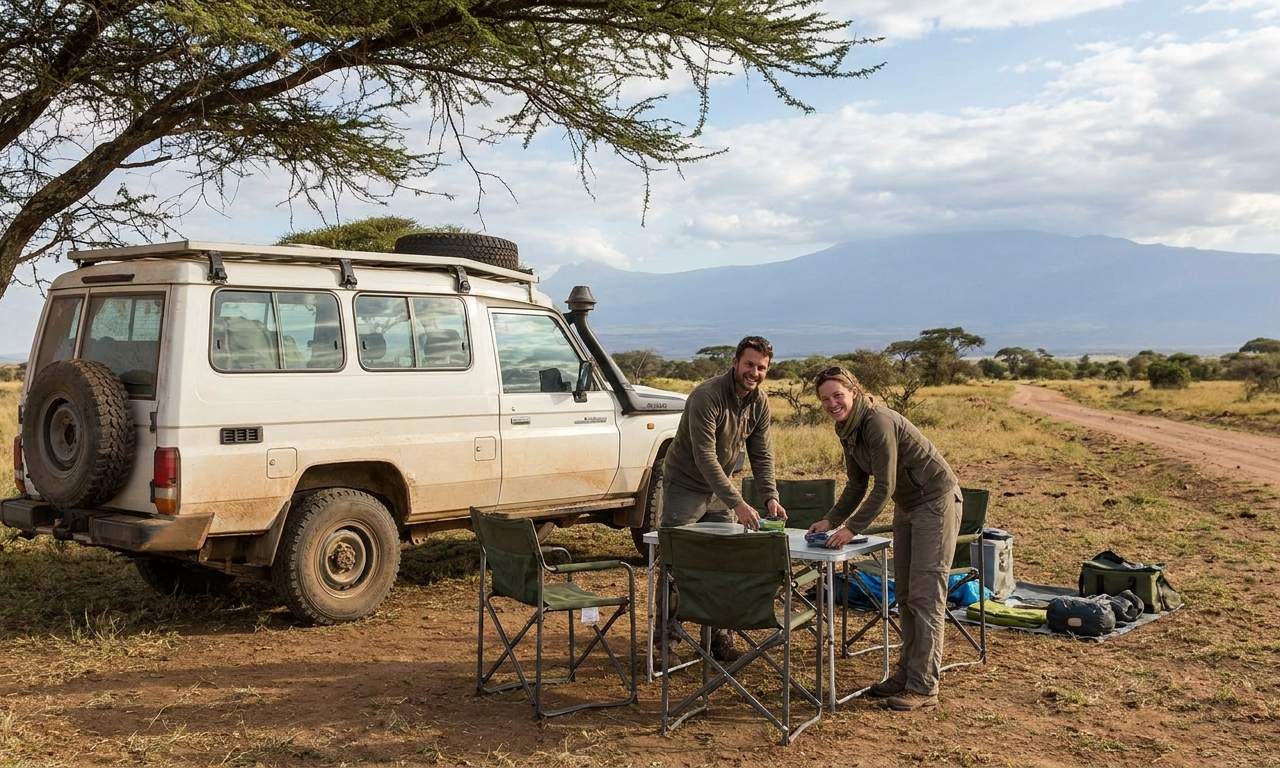
7-Day Classic Route in Africa
This 7-day RV itinerary focuses on a compact yet rewarding exploration of Namibia, making it ideal for those seeking a last-minute African adventure. Avi Bandana, our founder, recommends limiting daily driving to approximately 100 miles or 150 km to fully enjoy the landscapes and allow for unexpected stops, a core philosophy of slow travel. * **Day 1: Windhoek to Sossusvlei Gateway (approx. 350 km/217 mi)**: Pick up your rented RV in Windhoek, stock up on supplies for your trip (remember to explore our RV-friendly recipes playlist for meal ideas), and drive towards the breathtaking Namib Desert. The highlight is the changing desert landscapes. Sleep at Sesriem Campsite, located conveniently inside the park. * **Day 2: Sossusvlei & Deadvlei Exploration (approx. 120 km/75 mi loop)**: An early morning visit to iconic Dune 45, Sossusvlei, and Deadvlei offers unparalleled photography opportunities. Return to Sesriem Campsite for the night. * **Day 3: Sossusvlei Gateway to Swakopmund (approx. 350 km/217 mi)**: Enjoy a scenic drive through the Namib-Naukluft Park, witnessing the transition from dramatic desert terrain to refreshing ocean views at the coastal town of Swakopmund. Stay at a designated RV park in Swakopmund. * **Day 4: Swakopmund Activities (0 km)**: Dedicate this day to coastal activities such as dune boarding, quad biking, or simply exploring the town's unique German colonial architecture. Enjoy another night at the Swakopmund RV park. * **Day 5: Swakopmund to Spitzkoppe (approx. 150 km/93 mi)**: Drive inland to Spitzkoppe, famous for its magnificent granite peaks and ancient San rock art. The rustic community campsite at Spitzkoppe offers an authentic overnight experience for your motorhome. * **Day 6: Spitzkoppe to Erindi Private Game Reserve (approx. 250 km/155 mi)**: Head towards a private game reserve for an enriching, controlled safari experience. Erindi often provides dedicated RV parking and abundant wildlife viewing. * **Day 7: Erindi to Windhoek (approx. 200 km/124 mi)**: Enjoy a final morning game drive before returning to Windhoek to drop off your rented camper. This route provides ample opportunities for wildlife spotting, cultural engagement, and stunning scenery.14-Day Extended Journey in Africa
This 14-day RV itinerary expands on the Namibian route, adding a taste of Botswana's renowned Okavango Delta region, perfect for a more in-depth last-minute African safari. Driving distances are carefully planned to ensure a leisurely pace, adhering to the recommended maximum of 100 miles or 150 km per day to allow for immersive experiences and prevent travel fatigue. For more details on budgeting and planning, see our "Last-Minute RV Rental in Africa - What to Expect 2026" and "Cheap RV Rental in Africa - Budget Guide 2026" guides. * **Days 1-4: Namibian Desert & Coast (Windhoek, Sossusvlei, Swakopmund)**: Follow the first four days of the 7-day itinerary, focusing on the iconic red dunes and coastal activities. Ensure RV-specific campsites with hookups are researched on rvplan.net and booked where possible. * **Day 5: Swakopmund to Brandberg (approx. 250 km/155 mi)**: Drive to Brandberg, home to Namibia's highest mountain and ancient San rock art, with highlights including sightings of desert-adapted elephants. Overnight at a campsite near Brandberg. * **Day 6: Brandberg to Etosha National Park - Southern Gate (approx. 300 km/186 mi)**: Head to Etosha, renowned for its vast salt pan and abundant wildlife. RV-specific permits and park entry procedures will be required, so plan ahead. Sleep at Okaukuejo Rest Camp within Etosha. * **Days 7-8: Etosha National Park Exploration (daily game drives, low driving)**: Dedicate two full days to game viewing around Etosha's waterholes. Move between camps like Halali and Namutoni, ensuring RV parking is available. Wildlife encounters often happen directly at campsites, offering unique experiences. * **Day 9: Etosha to Rundu (approx. 400 km/248 mi)**: This longer driving day north towards the Caprivi Strip (now Zambezi Region) acts as a gateway to Botswana. Break up the journey with scenic stops. Stay at a campsite near Rundu. * **Day 10: Rundu to Maun, Botswana (approx. 350 km/217 mi)**: Cross the border into Botswana; allow ample time for vehicle carnets and border procedures for your rented mobile home. Drive to Maun, the gateway to the Okavango Delta. Find a suitable campsite in Maun. * **Day 11: Okavango Delta Excursion (0 km, non-RV)**: Leave your rented campervan at the campsite in Maun and embark on a mokoro (traditional canoe) or light aircraft safari into the Okavango Delta, as RVs are not suitable for this terrain. Return to Maun. * **Day 12: Maun to Nata (approx. 300 km/186 mi)**: Drive east to Nata, famous for the Nata Bird Sanctuary and Makgadikgadi Pan, where you can witness vast salt pans. Overnight at Nata Lodge campsite. * **Day 13: Nata to Chobe National Park - Kasane (approx. 300 km/186 mi)**: Head north to Kasane, bordering Chobe National Park, known for its massive elephant herds. River cruises are highly recommended here. Find an RV-friendly campsite in Kasane. * **Day 14: Chobe Exploration & Departure (0 km)**: Enjoy a final morning game drive or river cruise. Depending on your onward travel plans, you can either return your RV in Kasane (if one-way rentals are available) or begin the journey back towards a major hub like Windhoek or Johannesburg, considering flight options. Our "One-Way RV Rental in Africa - Price Guide 2026" offers more details on one-way options.Recommended RVPlan Trip for Africa
While specific pre-designed RVPlan trips perfectly matching a last-minute Africa RV rental might vary by availability, Bandana RV strongly recommends exploring RV PLANET (rvplan.net)'s diverse range of professionally designed RV itineraries. These curated route plans often include detailed routes, recommended campsites, and points of interest, significantly simplifying the planning process for your African adventure. Using a pre-planned RVPlan can effectively reduce the complexity of organizing permits, navigating border crossings, and securing suitable RV campsites in unfamiliar territories. Travelers can easily browse various durations and regions on rvplan.net to find an RVPlan that aligns with their last-minute travel desires and specific African destination. A 25% planning discount is available for those who opt to use rvplan.net for their trip organization.Must-See Stops Along the Way (Avi Bandana Picks)
Since RVPlan data might not always be directly available for every last-minute Africa RV adventure, Avi Bandana's personal picks focus on experiences that offer genuine local immersion and unique RV-friendly encounters.- **Local Markets**: Seek out traditional markets in towns like Swakopmund, Windhoek, or Maun to interact with local vendors, sample regional produce, and purchase unique souvenirs. This is an ideal way to stock your rented RV kitchen for fresh, local ingredients.
- **Community Campsites**: Opt for community-run campsites, especially around areas like Spitzkoppe or just outside national parks, to support local economies and experience authentic interactions. These often offer basic but sufficient facilities for motorhomes, fostering connection with the local culture.
- **Roadside Stalls & Farm Stalls**: Stop at roadside stalls selling fresh fruit, biltong (dried meat), or local crafts. These provide excellent opportunities to taste local flavors and engage with small-scale producers.
- **Small Town Bakeries**: In smaller towns, look for local bakeries. They are often a hub for community life and offer fresh bread and pastries, perfect for a delicious RV breakfast on the go.
- **Wildlife Waterholes**: While not 'stops' in the traditional sense, spending extended time at national park waterholes (like those in Etosha National Park) offers incredible, unhurried wildlife viewing directly from or near your rented RV, a distinct advantage of motorhome travel.
Daily Driving Distances & Drive Times in Africa
Avi Bandana recommends a maximum of 100 miles or 150 km per day on average for RV travel in Africa to ensure a relaxed journey and ample time for sightseeing, photography, and unexpected discoveries. Exceeding this limit regularly can lead to fatigue, missed experiences, and increased risk on varying road conditions, which can significantly impact RV safety and enjoyment. Drive slowly and carefully, and you can drive almost anywhere without issues. No need to stress - just use common sense and pay attention.- **Example 1: Windhoek to Sossusvlei (Namibia)**: Approximately 350 km (217 miles) can take 5-6 hours of driving, excluding stops, due to gravel roads and potential wildlife crossings.
- **Example 2: Maun to Nata (Botswana)**: Approximately 300 km (186 miles) on paved roads can take 3.5-4.5 hours, but border procedures or unexpected delays could extend this.
- **Example 3: Etosha National Park (internal game drives)**: While distances between camps might be short (e.g., Okaukuejo to Halali, 70 km/43 miles), game viewing can turn a 1-hour drive into a 4-hour exploration, emphasizing the benefits of slow travel.
Best RV Class for This Itinerary — Couple & Family Picks
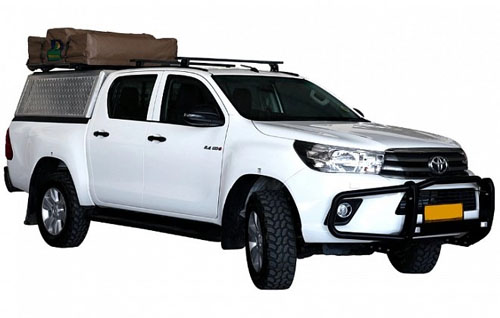
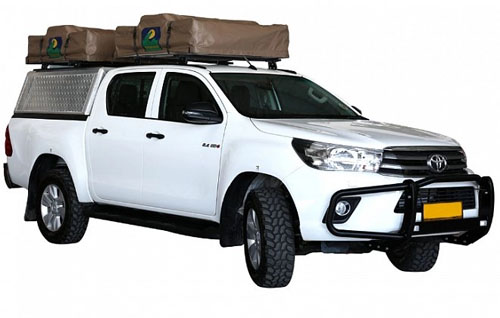
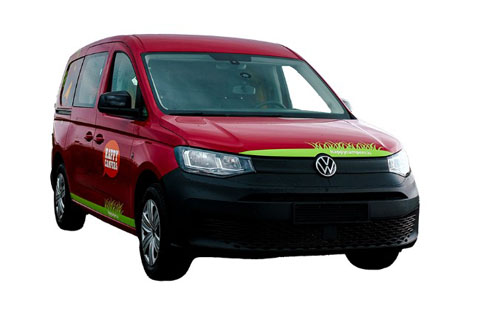
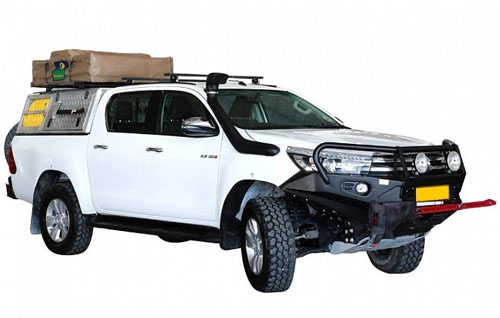
Choosing the right RV class is crucial for a comfortable and enjoyable last-minute African adventure, balancing maneuverability with space and amenities. Bandana RV offers a 'Rent&Plan' service, combining RV rental with expert-designed itineraries and trip-planning software, which is ideal for simplifying complex African travel logistics. We are true RV specialists, not a travel agency side department. **For Couples: Class B - Camper Van** is Avi Bandana's top recommendation due to its compact size and agility, perfect for navigating diverse African roads and smaller campsites. Bandana's fleet typically features Class B Camper Vans with an average length of 5.8 meters and sleeping places for 3.2, accommodating around 2.7 adults comfortably, with an average load capacity of 37 kg and fuel consumption around 8-10 Liter/100 Km. Its smaller footprint also makes it easier to find last-minute camping spots and reduces fuel consumption on longer drives across Africa. For families, a Class C motorhome like the "cruise america rv rental example Explorer" with 4 sleeping places and an average length of 7.1 meters is a great option.**For Families: Class C - Alcove** is the ideal choice, offering more sleeping capacity and living space, essential for family comfort on extended trips. Bandana's fleet typically has Class C Alcove RVs averaging 7.5 meters in length, providing an impressive 5.8 sleeping places and accommodating 4.4 adults, with an average load capacity of 42.4 kg and fuel consumption around 10-12 Liter/100 Km. The additional storage, separate sleeping areas, and larger kitchen facilities make it suitable for longer family journeys, ensuring everyone has their space after a day of safari. These vehicles often feature amenities like a gas stove with 3 burners, a refrigerator, and private shower and toilet facilities. Compare Class C motorhome options for Africa to find your perfect fit.
How much would a 2 week trip to Africa cost?
A two-week RV trip to Africa, specifically focusing on Southern Africa, can range from **$3,000 to $8,000+ USD per person**, depending heavily on the RV class, specific route, activities, and last-minute booking premiums. Prices are dynamic, similar to flight tickets, changing daily based on availability, seasonality, and supplier marketing decisions. The final price is set at the actual booking time.- **RV Rental:** Expect to pay $100-$300 USD per day for a mid-range RV (e.g., Class B or C), totaling $1,400-$4,200 for two weeks. Last-minute bookings may incur higher rates or limited availability. For detailed pricing, consult our "RV Rental in Africa - Prices and Best Deals 2026" guide.
- **Fuel:** With average fuel consumption of 10-12 Liter/100 km and driving 150-200 km daily, fuel costs can be $500-$1,000+, varying significantly by country and fluctuating prices.
- **Campsite Fees:** Budget $20-$60 USD per night for powered RV sites, totaling $280-$840 for 14 nights. National park campsites are often pricier but offer unparalleled access to wildlife.
- **National Park Entry Fees & Permits:** These vary widely; a Matusadona National Park permit could be $10-$30 USD per person per day. Specialized RV permits or Carnet de Passages for border crossings add significant cost and complexity (potentially hundreds of dollars).
- **Food & Drink:** Self-catering with a rented RV can keep costs down, budgeting $30-$50 USD per person per day, totaling $420-$700 for two weeks. Restaurant meals will significantly increase this.
- **Activities & Safaris:** Game drives, guided tours, or mokoro excursions (not RV-accessible) are often extra, ranging from $50-$300+ per activity, depending on exclusivity.
- **Miscellaneous & Hidden Costs:** This includes international driving permits, visas, satellite phone rental (recommended for remote RV travel), unforeseen repairs, and gratuities, adding another $300-$1,000+. For comprehensive cost breakdowns and budgeting tools, explore RV PLANET routes.
Which African country is best for a road trip?
For an RV road trip in Africa, **Namibia** is widely considered the best country due to its excellent road infrastructure, stunning diverse landscapes, and well-maintained network of RV-friendly campsites. Namibia offers a unique combination of vast deserts like the Namib Desert and Sossusvlei, dramatic coastlines such as the Skeleton Coast, abundant wildlife in Etosha National Park, and unique geological formations like Spitzkoppe. The country features a mix of well-maintained tarred roads and graded gravel roads that are generally suitable for motorhomes. Namibia also boasts numerous official campsites, many within national parks or scenic private reserves, specifically designed to accommodate RVs with facilities like water, electricity (sometimes), and waste disposal. It is known for its political stability and relatively low crime rate, making permits, visas, and border crossings manageable for RV travelers. Other strong contenders include South Africa, which offers diverse routes from coastal drives to winelands and Kruger National Park, with good infrastructure.Is 70 too old to go on safari?
No, 70 is absolutely not too old to go on safari, especially with the comfort and flexibility offered by a rented RV, which caters well to age-specific travel considerations in Africa. RV travel allows you to control your pace, rest when needed, and have comfortable facilities, including a private bathroom and bed, always accessible. This is invaluable for physical comfort compared to long periods in open safari vehicles or traditional tent camping. With an RV, you dictate the daily itinerary, choosing shorter driving days and more leisure time at scenic spots, avoiding the rushed pace of group tours. Travelers over 70 should consult their doctor before travel regarding vaccinations and any pre-existing conditions. Many RVs offer amenities for medication storage, such as a refrigerator with a freezer. Choosing the right RV, such as a Class B Camper Van for easier maneuverability or a Class C Alcove for more space, depends on personal preference and mobility. For peace of mind, consider upgrading to a top-level deductible.What is the best month to go on an African safari?
The best months for an RV African safari, particularly in Southern Africa (Namibia, Botswana, South Africa), are generally during the **dry winter season from May to October**, offering optimal wildlife viewing and more predictable road conditions. During the dry season, water sources become scarce, forcing animals to congregate around permanent waterholes, making them easier to spot from your rented RV or during game drives. The bush is less dense, improving visibility, a significant advantage for RVers who often self-drive in national parks. Dirt and gravel roads, common in many safari areas, are much drier and less prone to mud and washouts during winter, making RV travel safer and more comfortable. Rainy season (November to April) can render many roads impassable for motorhomes. Daytime temperatures are generally mild and pleasant, though nights can be cool, especially in the desert. While popular, the dry season can also see higher prices and more visitors; last-minute RV rentals might be harder to secure, but off-peak within this window (e.g., late May, early October) can offer a good balance.Is it safe for US citizens to travel to Africa right now?
Yes, many African countries, particularly popular RV safari destinations like Namibia, Botswana, and South Africa, are generally safe for US citizens to travel to right now, provided appropriate precautions are taken and current travel advisories are consulted. General safety measures, like securing valuables and avoiding isolated areas at night, are crucial, and rented RVs offer inherent security with locked doors and internal living spaces. Countries frequently visited by RV tourists tend to have stable governments and welcoming tourism industries. Consult the CDC for recommended vaccinations and health precautions specific to your destination, and always carry a well-stocked first-aid kit for remote RV travel. African roads can vary significantly; drive defensively, avoid night driving, be aware of livestock and pedestrians, and carry extra fuel and water for long stretches. Specific advice includes checking tire pressure frequently and understanding breakdown procedures. When camping in game reserves, adhere strictly to park rules; keep food secured, do not approach wild animals, and be aware of your surroundings, especially at night. Inform family and friends of your itinerary before embarking on a last-minute RV adventure in Africa.What is the best overland route to travel through Africa?
For RV overland travel in Africa, one of the most popular and safest routes is the **Southern Africa Loop**, often encompassing Namibia, Botswana, and parts of South Africa or Zimbabwe, offering a rich diversity of landscapes and wildlife. This region boasts relatively good infrastructure, including suitable roads for motorhomes, established border crossings, and numerous RV-friendly campsites. Key highlights of the Southern Africa Loop include the dramatic dunes of Namibia (Sossusvlei), the abundant wildlife of Botswana's Okavango Delta and Chobe National Park, and the iconic Kruger National Park in South Africa. This route is manageable with various RV classes, though a sturdy Class B campervan or Class C motorhome might be preferred for sandier tracks in Botswana. Detailed planning for permits, vehicle carnets, and border crossing procedures is crucial. The dry season (May-October) is optimal for this route, ensuring better road conditions and wildlife visibility, as the rainy season makes many overland tracks impassable for RVs. Always prioritize responsible travel by sticking to designated roads, respecting local communities, minimizing environmental impact, and adhering to park regulations.Which overland tour company is considered the best for Africa?
While specific 'best' status is subjective, several highly-regarded overland tour companies for Africa include Intrepid Travel, G Adventures, and Absolute Africa. However, these generally offer guided group tours in purpose-built overland trucks, not typically RV rentals. For a "last minute rv rental in Africa" experience, you are seeking self-drive flexibility, which differs significantly from these structured group tours. Overland tour companies do not typically rent out RVs for independent travel. If you prefer the freedom of an RV self-drive, your 'overland tour company' is effectively your RV rental provider, like Bandana RV, combined with your own planning and route execution. This allows for greater freedom and adherence to your own schedule. Key considerations for choosing a self-drive RV rental in Africa include looking for companies with comprehensive insurance, dedicated pre-booking support, and options for cross-border travel permits.🎬 Video coming soon
What are the best deals for last-minute African safaris?
For last-minute RV rentals and safaris in Africa, the best deals often emerge during the **shoulder seasons (April-May and October-November)** or by being flexible with dates, locations, and RV types. These months bridge the dry and wet seasons, offering lower prices than the peak dry season, fewer crowds, and still excellent wildlife viewing opportunities, with the added benefit of lush landscapes. Flexibility is key; being open to different motorhome models (e.g., opting for a Class B Camper Van if a Class C is unavailable) or slight adjustments to your itinerary can unlock better last-minute availability and pricing. Regularly check the websites of major RV rental companies in Africa (e.g., those partnered with Bandana RV) for special promotions or discounted rates on available units. While the wet season (December-March) is generally less ideal for RVs due to road conditions, it often sees the deepest discounts. Some areas, like the Kalahari, can be suitable during parts of the wet season. For RV travel, combining a discounted rental with self-booked, affordable campsites offers significant savings.Can you wear red in Africa?
Generally, yes, you can wear red in Africa, but it is **advisable to avoid bright red (and other vibrant colors like blue) particularly during walking safaris or game drives in tsetse fly areas** as these colors are believed to attract the flies. In open safari vehicles or during walking safaris, neutral colors such as khaki, olive green, brown, or tan are recommended to blend in with the environment, not attract unwanted attention from animals, and minimize disturbance. Tsetse flies, found in certain regions (e.g., parts of Tanzania, Botswana, Zambia), are attracted to dark blue and bright red and can deliver a painful bite, potentially transmitting sleeping sickness. For urban areas, towns, or non-safari activities during your RV rental trip, wearing red is perfectly acceptable and does not pose a safety or cultural issue. When you're primarily in your rented motorhome, clothing color is less critical than when on foot or in open vehicles, but the general advice for neutral tones still stands for optimal wildlife viewing experiences.How much does a 2 week African safari cost?
A two-week African safari can vary dramatically in cost, ranging from **$3,000 USD for a budget self-drive RV safari to upwards of $15,000+ USD for a luxury lodge-based experience**, with last-minute bookings potentially impacting prices. Prices for RV rentals, like all dynamic pricing, change daily based on availability, seasonality, and supplier decisions.- **Budget Safari (Self-Drive RV):** As detailed previously, a self-drive RV safari with a rented motorhome can cost $3,000-$8,000 per person. This option offers the most cost-effective way to experience an African safari by significantly reducing accommodation and guide fees. You can manage your budget by cooking meals in your RV, making use of our RV-friendly recipes playlist.
- **Mid-Range Safari (Tented Camps/Lodges):** A classic safari involving comfortable tented camps or lodges, with guided game drives and all meals, typically ranges from $5,000-$10,000 USD per person for two weeks.
- **Luxury Safari (Exclusive Lodges):** High-end safaris, often in private concessions with exclusive lodges, private guides, and gourmet dining, can easily exceed $15,000-$25,000+ USD per person for two weeks.
What You Shouldn't Miss
- **Etosha National Park, Namibia:** Experience world-class wildlife viewing from your rented campervan at floodlit waterholes, especially during the dry season (May-October) when animals congregate.
- **Sossusvlei and Deadvlei, Namibia:** Marvel at the towering red dunes of the Namib Desert, the oldest desert on Earth, and capture iconic photos of the petrified trees in Deadvlei.
- **Okavango Delta, Botswana:** Venture beyond your motorhome into the unique wetland ecosystem on a mokoro (traditional canoe) safari, witnessing diverse birdlife and aquatic animals.
- **Chobe National Park, Botswana:** Take a river cruise on the Chobe River for spectacular elephant sightings and other abundant wildlife, a different perspective than land-based game drives.
- **Table Mountain, South Africa:** If your route takes you to South Africa, don't miss a cable car ride up Table Mountain for panoramic views of Cape Town and the surrounding coastline.
- **Fish River Canyon, Namibia:** Discover the second-largest canyon in the world, offering breathtaking views and hiking opportunities for the adventurous RV traveler.
Final Thoughts
Africa offers an RV adventure unlike any other, combining wild safaris with cultural immersion and stunning natural beauty. Even with a last-minute decision, the flexibility of a rented motorhome or campervan puts you in control of your journey, allowing you to discover hidden gems and spectacular wildlife at your own pace. Remember to travel slowly, averaging no more than 100-150 km per day, taking time to feel the place, connect to the culture, the food, and the scenery. Whether you choose a compact Class B campervan for intimate exploration or a spacious Class C motorhome for family comfort, Bandana RV is here to ensure your booking process is seamless and transparent. With our commitment to no hidden fees and dedicated pre-booking support, you can focus on the excitement of planning your epic African road trip. Discover top destinations, planning tips, all in one place! So, are you ready to embark on an unforgettable journey? An African RV safari is waiting. Plan a trip itinerary in advance with minimal effort and maximum enjoyment.Compare Last-Minute Motorhome Prices for Africa
On the routes offered through RV PLANET routes, you can itemize and track every expense along the way for easy budgeting.