In This Guide
- Can You Drive an RV in West Europe: License and Age Rules
- Road Conditions and Terrain in West Europe
- RV Size Limits, Bridges and Restricted Zones
- Fuel: Diesel vs Petrol and Cost per 100 km
- Tolls, Vignettes and Border Rules
- Driving Tips for last minute rv rental Travelers
- Recommended RV Class for West Europe Roads
- Should I Choose a Compact Van Instead of a Large RV in West Europe
- Can I Park Anywhere Free and Wild Camping Rules in West Europe
- Can I Drive an RV Into the City Center: Heights, Tunnels and Local Signage
- Is RVing in West Europe Worth It: The Emotional Value and Experience
- How Much Does an RV Trip in West Europe Cost: RV vs Hotels and Saving Tips
- How Easy is RVing in West Europe: Practical Challenges and Solutions
- Can US RV Owners Ship Their RV to West Europe: Costs and Logistics
- What are the Cultural Etiquette Tips for RV Travelers in West Europe
- What are the Best Off-the-Beaten-Path RV Routes in West Europe
Discovering West Europe in a rented RV offers an unparalleled sense of freedom, allowing you to chase sunsets, explore charming villages, and immerse yourself in diverse cultures at your own pace. Even if your plans come together at the last minute, the dream of a European road trip is entirely achievable. For live availability and current prices, start with our RV Rental West Europe - Complete Guide 2026 guide.
At Bandana Caravan, we've been helping tens of thousands of travelers explore the world by RV since our founding in 2001, fostering direct partnerships with over 50 leading RV suppliers worldwide. Our mission is to make your adventure seamless, whether you're a meticulous planner or a spontaneous explorer seeking last-minute RV driving in West Europe. We provide full transparency with no hidden fees and offer 24/7 support throughout your booking process and coordination.
Can You Drive an RV in West Europe: License and Age Rules
A standard car driver's license (Category B in Europe) is sufficient for driving most rental motorhomes in West Europe, typically covering vehicles up to 3,500 kg Gross Vehicle Weight Rating (GVWR). Most popular rental models, including many Class B campervans and Class SI semi-integrated RVs, fall within this weight limit.
For international visitors, an International Driving Permit (IDP) is highly recommended or legally required in certain Western European countries, serving as a translation of your national license. Always carry your national driver's license along with your IDP. The minimum driver age for a last minute rv rental is typically 21 years old across Bandana's partners, and happily, there are no young driver surcharges or vehicle class restrictions based on age when booking through us. For larger Class A motorhomes, ensure you verify the specific GVWR, as some might require a higher license category (e.g., C1 or C), although this is rare for rental vehicles.
Road Conditions and Terrain in West Europe
Western Europe generally boasts excellent road quality, characterized by well-maintained motorways (often referred to as autobahns in Germany or autoroutes in France) that allow for efficient and comfortable travel across long distances.
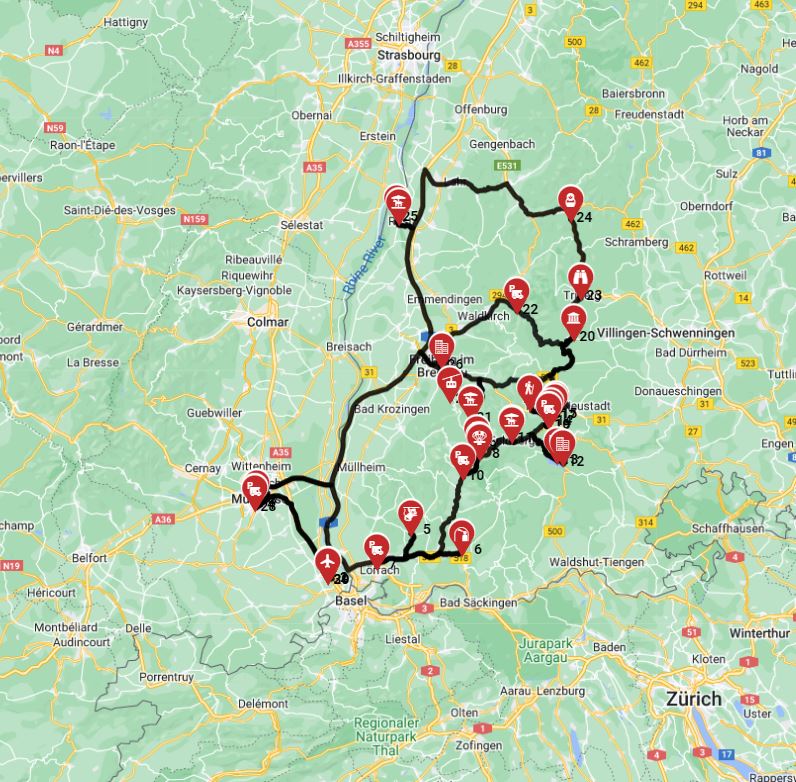
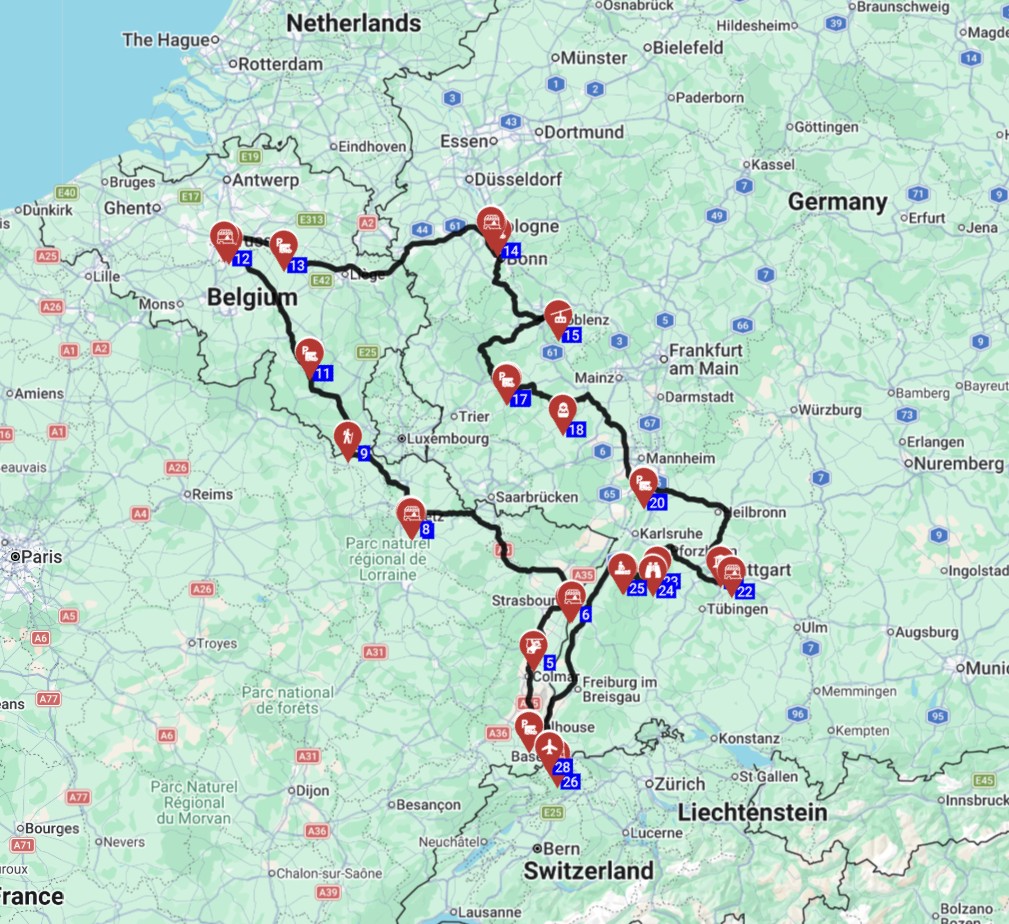
The terrain varies significantly throughout West Europe, offering everything from the flat, picturesque plains of the Netherlands, perfect for relaxed cruising, to the majestic, winding mountain roads of the Alps and Pyrenees. RV travelers should be comfortable with diverse landscapes and aware that some mountain passes may present steeper grades and tighter turns. On Bandana RV PLANET routes, you can itemize and track every expense along the way for easy budgeting, including those related to varied terrain. We always recommend slow travel, averaging a maximum of 100-150 km per day, to truly feel the place, connect to the culture, the food, and the scenery, especially on secondary routes. On the routes offered through RV PLANET routes, you can itemize and track every expense along the way for easy budgeting.
RV Size Limits, Bridges and Restricted Zones
RV height limits are common throughout West Europe, especially in historic city centers, tunnels, and under low bridges, with signs typically indicating clearances (e.g., 2.5m, 3.5m).
Weight restrictions may also apply to certain older bridges or smaller roads, and these are usually clearly indicated by signage. Many Western European cities implement Environmental Zones (such as Zona a Traffico Limitato - ZTL - in Italy or Crit'Air in France) which may restrict entry for older vehicles or require specific emission stickers; always check the requirements for your intended route to avoid unexpected fines. Ferry limits for RVs typically concern length, height, and weight, so accurate dimensions are crucial for booking and pricing, especially if you're planning an island hopping adventure. Drive slowly and carefully, and you can drive almost anywhere without issues. No need to stress - just use common sense and pay attention to posted signs.
Fuel: Diesel vs Petrol and Cost per 100 km
The vast majority of rental RVs and campervans in Western Europe run on diesel fuel, which is readily available at service stations across the region.
Based on Bandana's global fleet averages, a typical Class SI - Semi-integrated RV consumes around 10–11 Liters/100 km, while a compact Class B - Camper Van averages 8-10 Liters/100 km. Larger Class C - Alcove models, like the "Glamys 265", typically use 10–12 Liters/100 km. Fuel costs in West Europe are generally higher than in North America; as of 2026, average diesel prices often range from €1.60 to €2.00+ per liter, meaning a 100 km journey could realistically cost €16 to €20+. Always check local prices upon arrival. For seamless planning and tracking of all your trip expenses, including fuel, explore RV PLANET routes.
Tolls, Vignettes and Border Rules
Western Europe utilizes a mix of toll systems for its extensive road networks, ranging from point-to-point tolls in countries like France, Italy, Spain, and Portugal, to time-based road tax stickers known as vignettes in countries such as Switzerland and Austria.
A vignette is mandatory for using motorways in Switzerland and Austria; failure to display one can result in hefty fines. It's crucial to purchase these in advance or at border crossings. Border crossings within the Schengen Area are generally fluid with no routine passport checks, but you should always have all vehicle documents (registration, insurance) and personal identification readily accessible. Some RV rental providers may offer pre-purchased toll passes (e.g., Liber-t for France, Telepass for Italy) or equip their vehicles with transponders to streamline toll payments and help you avoid unexpected fees.
Driving Tips for last minute rv rental Travelers
For families, planning regular stops every 2-3 hours for breaks, snacks, and stretching helps keep everyone comfortable and engaged, especially with the spontaneous nature of last-minute itinerary changes.
Budget travelers can significantly save by utilizing navigation apps that show toll roads versus toll-free alternatives, pre-purchasing vignettes where applicable, and cooking meals in your rented RV. Imagine preparing a delicious dinner with local ingredients bought from a regional market; our RV-friendly recipes playlist can provide some inspiration! For first-time RVers, practicing driving your rental motorhome in a spacious area before hitting busy roads is invaluable for familiarizing yourself with its length, width, and turning radius.
When seeking scenic routes, embrace the slower pace on charming country roads; while they might add a bit of travel time, they offer unparalleled views and access to authentic local experiences. For urban navigation, if possible, park your RV on the outskirts of major cities at designated RV parks or park-and-ride facilities and use public transport to explore city centers.
Recommended RV Class for West Europe Roads
For West Europe's diverse roads, Class B - Camper Vans and Class SI - Semi-integrated RVs are generally highly recommended due to their balanced size and maneuverability.
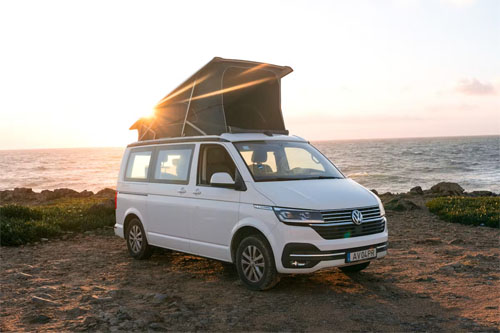
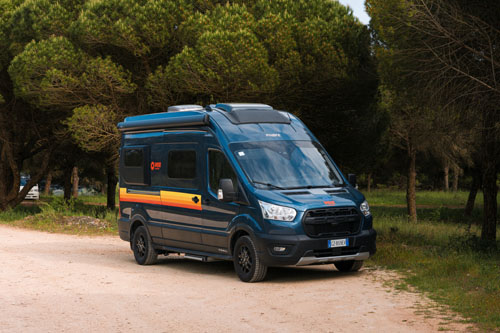
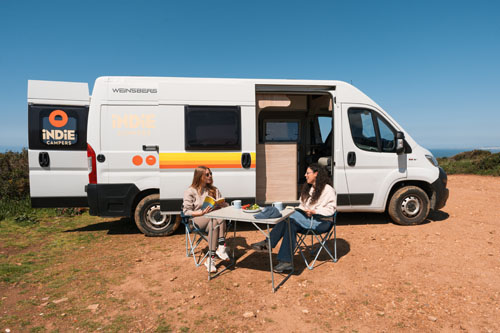
Class B Camper Vans, with an average length of 5.8 meters from Bandana's fleet, are agile and easier to navigate through narrow village streets and park in tighter spots, offering a more car-like driving experience. These are ideal for a couple or solo adventurers seeking flexibility. Class SI Semi-integrated RVs, averaging 6.9 meters in length, provide more living and storage space than a campervan while still being manageable on European roads, making them ideal for couples or small families with 3-4 average sleeping places, like the "EcoLine 2" or "EcoLine 4" models. While larger Class C (avg. 7.5m) or Class A (avg. 7.5m) integrated RVs offer maximum comfort and space, their size can be more challenging on very narrow roads or in crowded urban areas.
Should I Choose a Compact Van Instead of a Large RV in West Europe
While large RVs, such as Class C or Class A motorhomes, are perfectly manageable on most major roads in Western Europe, a compact van (Class B Camper Van) can offer distinct advantages in specific situations, particularly for a last minute rv adventure.
A compact van genuinely helps when navigating extremely tight historic city centers, very narrow mountain passes, or seeking discreet parking in bustling towns, providing easier maneuverability and a smaller footprint. However, sticking with a larger RV often provides significantly more indoor living space, a dedicated toilet and shower, and greater comfort for longer trips or adverse weather, making it a better trade-off for many travelers. For example, a "Category Family 5" RV from our fleet offers 6 sleeping places, a 100 Liter fresh water tank, and a separate shower, enhancing comfort significantly. Ultimately, the choice depends on your travel style, the specific destinations you plan to visit, and your priorities for comfort versus extreme maneuverability.
Can I Park Anywhere Free and Wild Camping Rules in West Europe
Generally, free camping or 'wild camping' (overnight parking outside designated campgrounds) is restricted or illegal in most of Western Europe, particularly in popular tourist areas, national parks, and private land.
Rules vary significantly by country and even by local municipality; for instance, France has a well-developed network of 'Aires de Service'--designated service areas where RVs can often park overnight, sometimes for free or a small fee, with access to water and waste disposal. In countries like Germany and the Netherlands, free overnight parking is largely prohibited outside official sites, while rules in other regions can be more permissive but still have restrictions for motorized vehicles. Always seek out designated campgrounds, 'stellplatze', 'aires', or private RV parking spots, and check local regulations and follow local law before parking overnight to avoid fines and ensure respectful travel. Our team of true RV specialists can provide pre-booking comparison and booking support to help you plan compliant overnight stays.
Can I Drive an RV Into the City Center: Heights, Tunnels and Local Signage
You can almost always drive a rented RV into or near city centers in Western Europe, but it requires careful attention to local signage regarding vehicle restrictions and environmental zones.
Pay close attention to height limits, such as a 2.2m restriction for multi-story car parks, especially when approaching tunnels, low bridges, or underground garages, as these are common in historic areas. Be aware of environmental zones (ZTLs) that restrict entry for vehicles not meeting certain emission standards, often marked by clear signage at city entrances. Drive slowly and carefully, and you can drive almost anywhere without issues. No need to stress - just use common sense and pay attention to these local signs and regulations.
Is RVing in West Europe Worth It: The Emotional Value and Experience
RVing in Western Europe offers unparalleled freedom and flexibility, allowing spontaneous changes to last minute rv itineraries and the discovery of hidden gems off the typical tourist path.
The emotional value lies in the unique blend of adventure, cultural immersion, and connection with nature, fostering memorable experiences far beyond a standard hotel stay. You get to wake up to diverse landscapes daily, from a serene lakeside in Switzerland to a vibrant coastal town in Portugal. The pros include the ability to bring your accommodation and kitchen with you, potentially saving money, and the self-sufficiency that comes with a mobile home. While navigating narrower roads or finding suitable parking might present a learning curve, these minor challenges are often outweighed by the sheer joy and discovery a rented RV provides. Bandana Caravan, your true RV specialists, is with you before, during, and after your booking to ensure a smooth journey.
How Much Does an RV Trip in West Europe Cost: RV vs Hotels and Saving Tips
An RV trip in Western Europe can be significantly more cost-effective than a comparable hotel-based vacation, especially for families or longer durations, but upfront rental costs can be substantial for last-minute bookings.
RVing eliminates daily hotel expenses and allows for substantial savings on food by enabling self-catering with groceries purchased from local markets. Beyond rental fees, primary costs include fuel (expect €16-€20+ per 100km for diesel based on Bandana's fleet averages of 8-12 Liters/100 km), campsite fees (€20-€50+ per night depending on amenities and location), and tolls/vignettes. Strategies for saving money include cooking most meals in your well-equipped kitchen, seeking out free or low-cost 'Aires de Service', utilizing fuel discount cards if available, and prioritizing free natural attractions over paid tourist sites. Remember, prices are dynamic like flight tickets and change daily based on availability and seasonality. For detailed route planning and cost estimation, explore the pre-planned routes via RV PLANET (rvplan.net) and take advantage of a 25% planning discount when you use rvplan.net.
How Easy is RVing in West Europe: Practical Challenges and Solutions
RVing in Western Europe is generally straightforward but presents unique practical challenges, which are easily overcome with preparation and a supportive attitude.
Navigation on narrow roads, especially in older towns or mountainous regions, requires careful driving and utilizing GPS systems designed for RVs that account for vehicle dimensions. Parking limitations in popular areas mean researching designated RV parking (stellplatze, aires, or campgrounds) in advance or utilizing park-and-ride options. Drive slowly and carefully, and you can drive almost anywhere without issues. No need to stress - just use common sense and pay attention. Finding dump and water stations is facilitated by apps like Park4Night or Campercontact, which map out service points, often available at campsites or dedicated 'Aires de Service'. Overcoming language barriers can be managed with translation apps, basic phrases, and the universal friendliness often extended to travelers, especially in rural areas. Our 24/7 support means real people are behind you before, during, and after your booking to help with any coordination questions.
Can US RV Owners Ship Their RV to West Europe: Costs and Logistics
Yes, US RV owners can ship their RV to Western Europe, but it is a complex and costly endeavor often best suited for extended trips, typically 6 months or more, due to significant logistical overhead.
Logistics involve finding a specialized shipping company, understanding import/export regulations, and securing appropriate insurance for transit and use abroad. Costs can range from $5,000 to $15,000+ each way for roll-on/roll-off (RoRo) shipping, plus customs duties, VAT (Value Added Tax), port fees, and potential modifications for European standards (e.g., electrical, lighting). The feasibility of shipping your own RV depends heavily on its age, condition, and your commitment to a long-term European adventure, as a short-term rental of a motorhome or campervan is almost always more economical and hassle-free. For information on One-Way RV Rental in West Europe - Price Guide 2026, consider reviewing our dedicated resource.
What are the Cultural Etiquette Tips for RV Travelers in West Europe
Respecting local customs is paramount for RV travelers in West Europe, contributing to a more enjoyable and authentic experience for everyone.
Always acknowledge greetings (e.g., 'Bonjour' in France, 'Guten Tag' in Germany), dress modestly when visiting religious sites, and be mindful of noise levels, especially in campgrounds. When interacting with locals, making an effort with basic local phrases – a simple 'please' and 'thank you' – goes a long way, and don't be afraid to ask for directions or recommendations. Unique campsite rules are common; many European campgrounds have strict quiet hours, pitch-specific regulations, and waste disposal guidelines, so always read and adhere to them. Embrace local markets for fresh produce and regional specialties, but be prepared for cash-only vendors and potentially limited English. To avoid tourist traps, seek out recommendations from locals or use travel forums for authentic experiences; remember that the best experiences are often found off the main thoroughfares. Bandana is comprised of true RV specialists who know these details.
What are the Best Off-the-Beaten-Path RV Routes in West Europe
For an authentic experience beyond standard tourist itineraries, consider exploring RV routes through lesser-known regions of Western Europe, even for a last-minute decision.
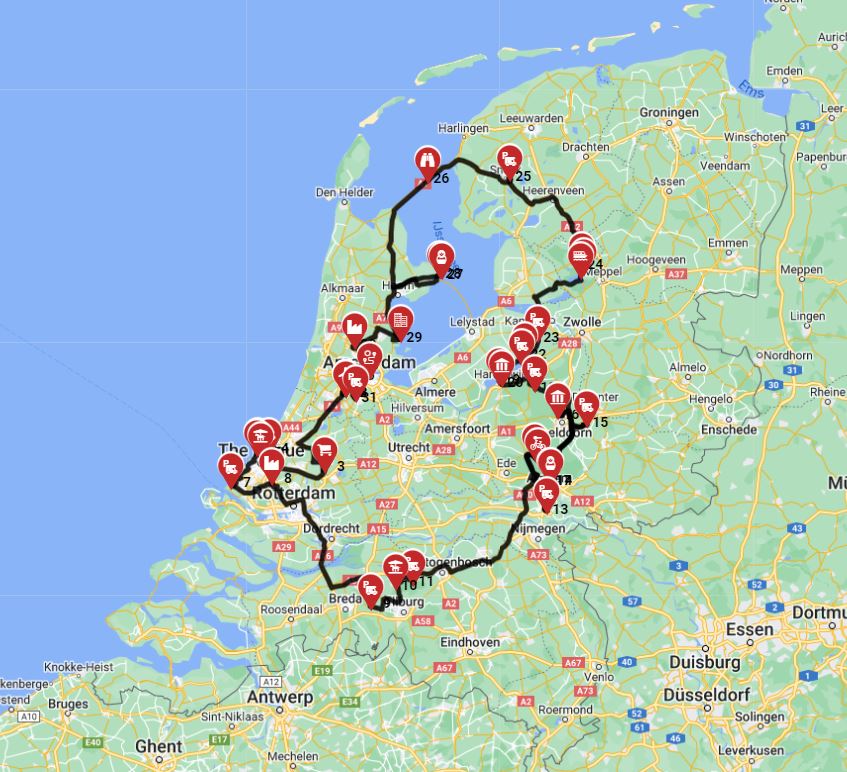
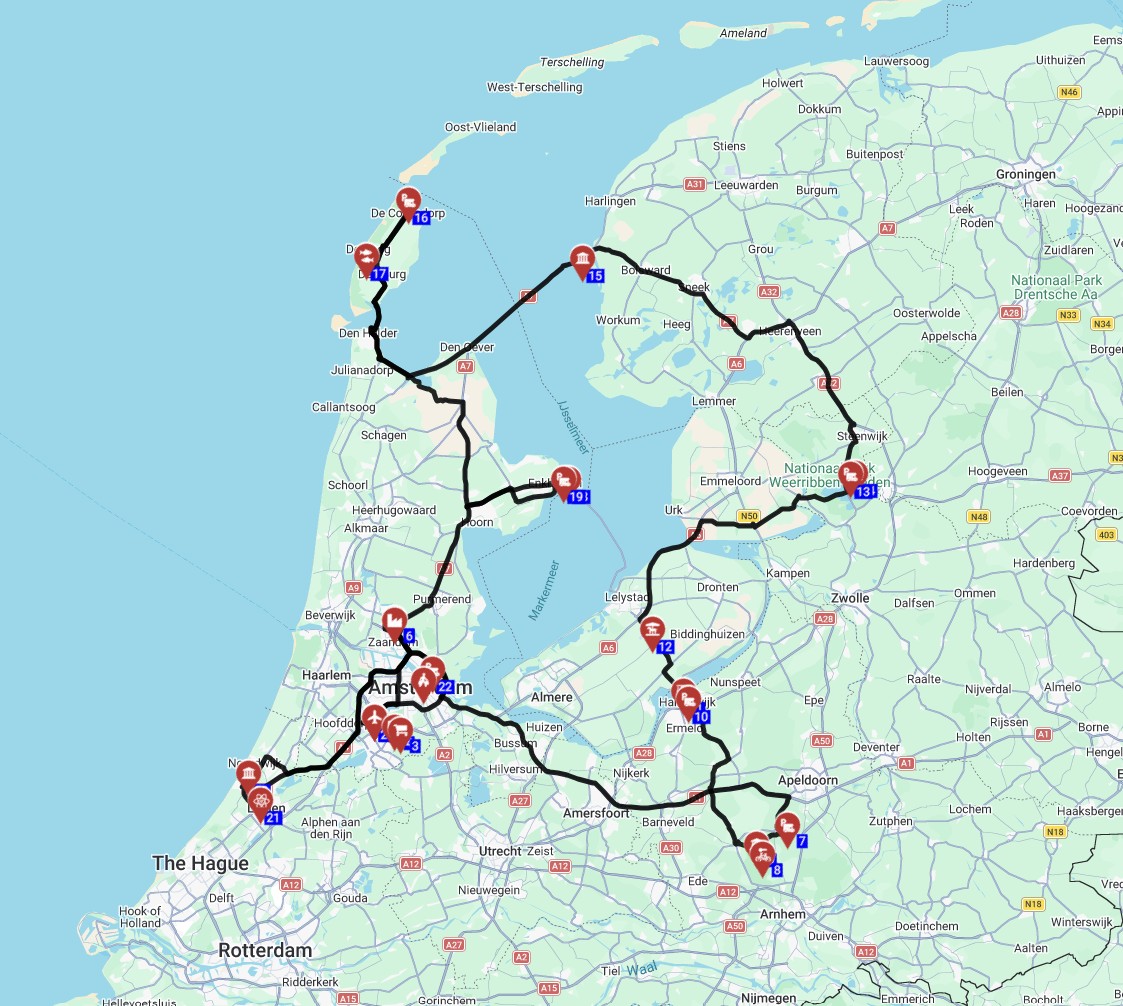
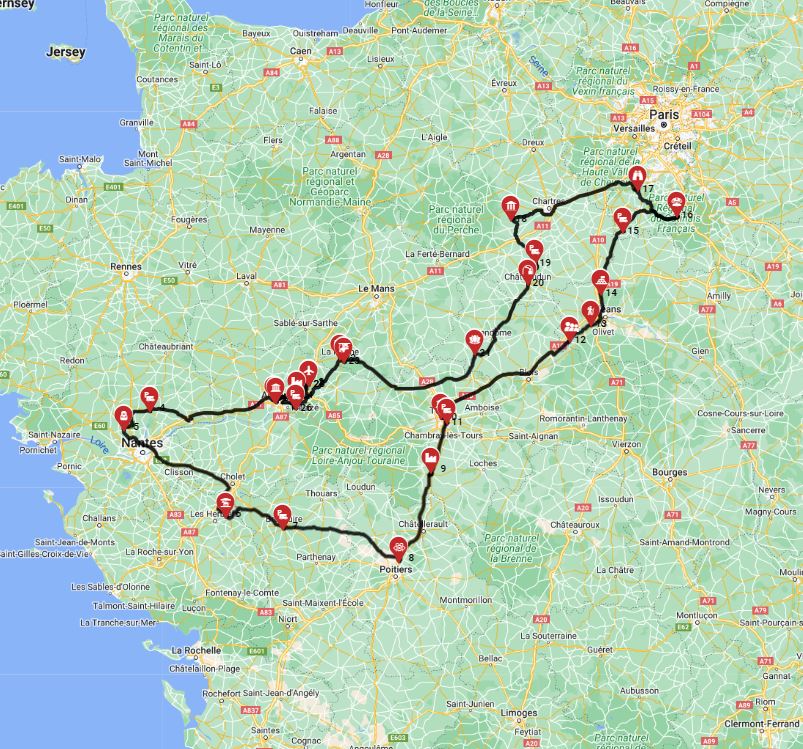
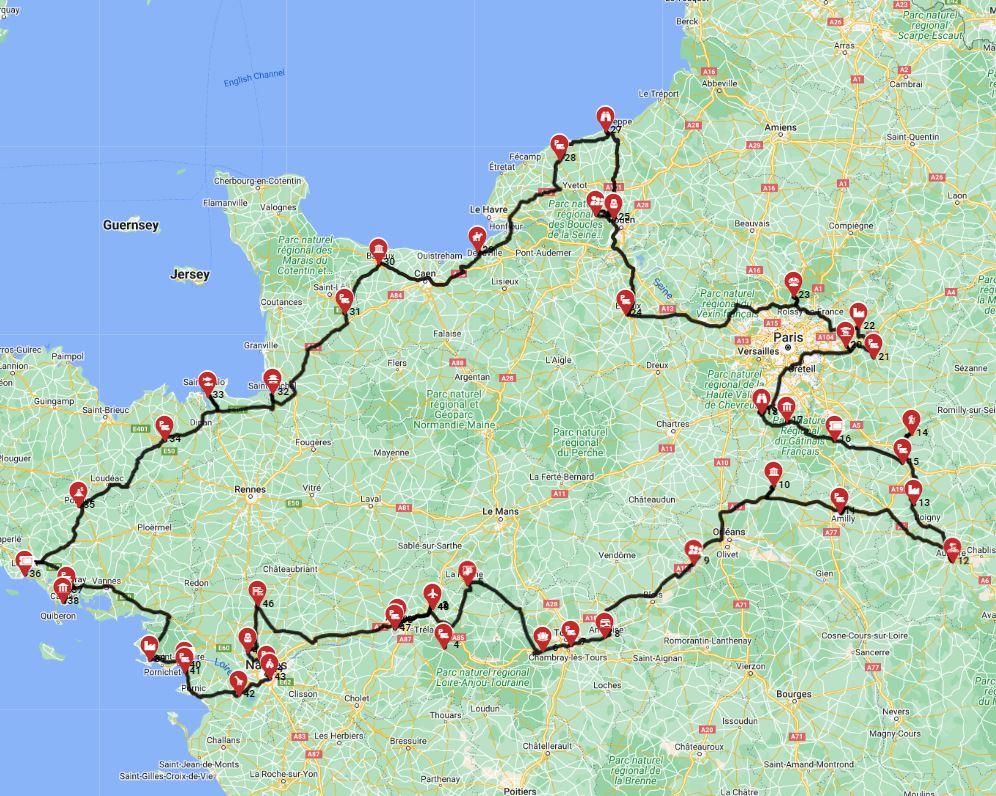
Imagine yourself on the route exploring the picturesque Mosel Valley in Germany, known for its winding river, terraced vineyards, and charming medieval towns like Cochem, offering plenty of 'stellplatze' (motorhome parking areas). You could also discover the rugged beauty of the Atlantic coast in Northern Spain, specifically Galicia and Asturias, rich in Celtic heritage, stunning beaches, and delicious seafood, with a network of smaller, family-run campgrounds. Alternatively, traverse the regional parks and natural landscapes of central France, away from the bustling Côte d'Azur, for peaceful countryside, historic villages, and ample access to 'Aires de Service'. Consider a week-long trip through the Belgian Ardennes for its dense forests, ancient castles, and local breweries, or the less-explored areas of Portugal like the Alentejo for its expansive landscapes, cork oak forests, and unique culinary delights. Rent&Plan options from Bandana's sister company, rvplan.net, provide access to over 1,300 pre-planned routes across 5 continents, designed by professionals to help you discover these hidden gems with ease.
What You Shouldn't Miss
- German Romantic Road (Romantische Straße): Drive through Bavaria's enchanting medieval towns, including Rothenburg ob der Tauber, Dinkelsbühl, and Füssen, ending at the iconic Neuschwanstein Castle. This 400-kilometer route is perfectly suited for a leisurely RV journey.
- Dordogne Valley, France: Explore prehistoric cave paintings, stunning châteaux perched on cliffs, and charming riverside villages. Take a canoe trip on the Dordogne River and savor the regional cuisine.
- Belgian Coastline (Kust): Discover over 67 kilometers of sandy beaches, bustling seaside resorts, and the unique coastal tram that connects them. Many dedicated camper stops are available.
- Portuguese Alentejo Region: Venture beyond the Algarve to the Alentejo, known for its vast plains, olive groves, historic walled towns like Évora (a UNESCO site), and exquisite wines. Experience true slow travel here.
- Luxembourg's Mullerthal Region (Little Switzerland): Hike through dramatic rock formations, dense forests, and explore the charming town of Echternach. Ideal for smaller campervans and outdoor enthusiasts.
Looking for expert insights from Avi Bandana? Top 5 Adventures - recommendations from Avi Bandana
🎬 Video coming soon
Final Thoughts
A last minute rv rental in West Europe isn't just a trip; it's an invitation to experience the continent's rich tapestry of history, nature, and culture with unparalleled flexibility. Whether you're a seasoned RVer or embarking on your first adventure, the open roads of West Europe promise unforgettable moments, hidden discoveries, and the freedom to craft your own narrative.
Remember, travel slowly, max 100-150 km per day on average. Take time to feel the place, connect to the culture, the food, and the scenery. We handle the details, you live the journey – personal service from day one until your booking is confirmed. At Bandana, God is in the small details, and we take care of them, because that's what makes the big difference in your travel experience.
So, why wait? Discover top destinations, planning tips, all in one place! Plan your dream itinerary and embark on a last-minute adventure to West Europe today!
Find last minute rv Rentals in West Europe