In This Guide
- Can You Drive an RV in Vancouver? License & Age Rules
- Road Conditions & Terrain in Vancouver
- RV Size Limits, Bridges & Restricted Zones
- Fuel: Diesel vs. Petrol & Cost per 100 km
- Tolls, Vignettes & Border Rules
- Driving Tips for last minute rv rental Travelers
- Recommended RV Class for Vancouver Roads
- Should I Choose a Compact Van Instead of a Large RV in Vancouver?
- Can I Park Anywhere? Free & Wild Camping Rules in Vancouver
- Can I Drive an RV Into the City Center? Heights, Tunnels & Local Signage
- What You Shouldn't Miss
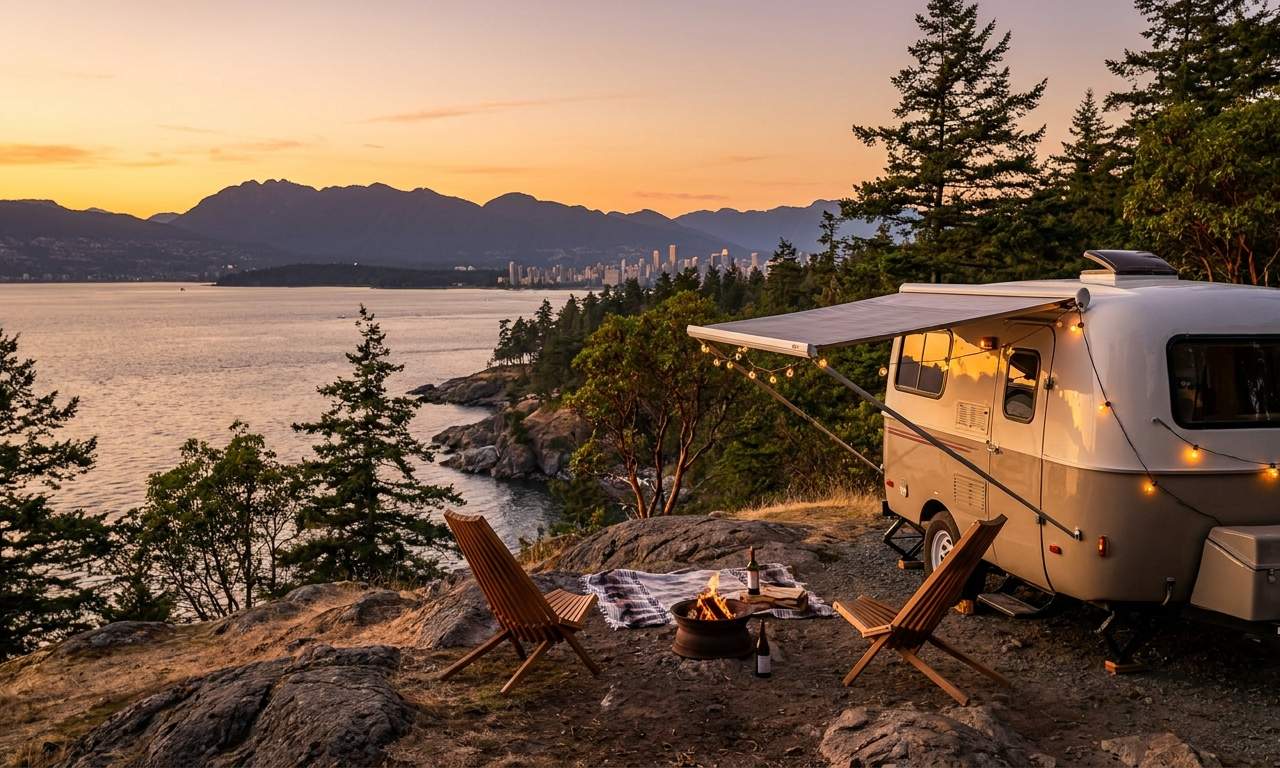
Imagine yourself waking up to the fresh Pacific air, the majestic North Shore mountains in the distance, and the open road calling. A last-minute RV rental in Vancouver offers unparalleled freedom to explore British Columbia's stunning landscapes on your own terms. Whether you're seeking a spontaneous week-long trip or an extended adventure, Bandana RV makes it easy to compare and book the perfect mobile home for your journey. We're here to support you every step of the way, ensuring full transparency with no hidden fees and real people behind you for expert advice before, during, and after your booking. For live availability and current prices, start with our RV Rental Vancouver - Complete Guide 2026 guide.
Can You Drive an RV in Vancouver? License & Age Rules
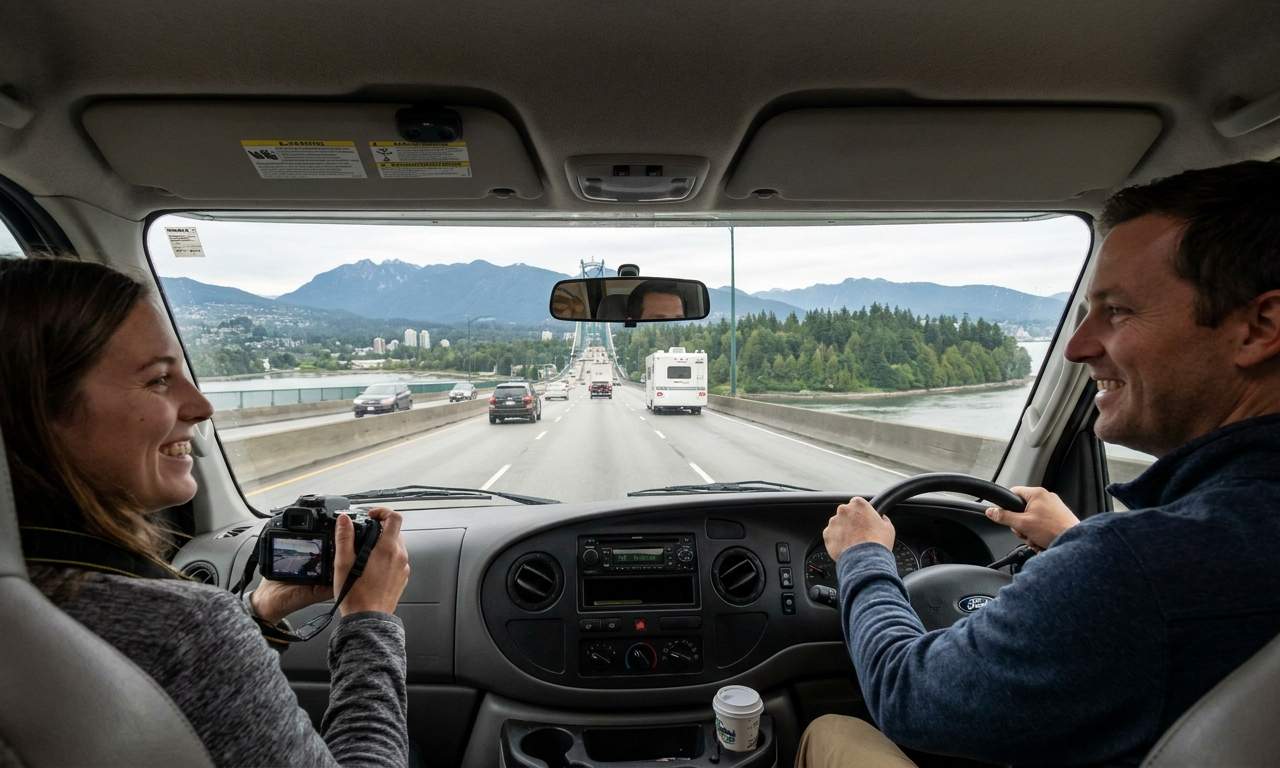
Yes, you can absolutely drive an RV in Vancouver, British Columbia, with a standard driver's license. In British Columbia (BC), a standard Class 5 (or equivalent) driver's license is sufficient for driving most rental motorhomes, as long as the vehicle weighs less than 11,000 kg (approximately 25,000 lbs). This weight class covers virtually all Class B, Class C, and Class A motorhomes available for leisure rentals. For international drivers, a valid driver's license from your home country is essential, and an International Driving Permit (IDP) is highly recommended for official translation, though not always mandatory for visitors from English-speaking countries like the US, UK, EU, or Australia, who can typically drive with their home country license for up to six months in BC.
The minimum driver age for last minute RV rentals in Vancouver is generally 21 years old. Unlike some other destinations, Bandana's partners in Vancouver typically do not impose additional young driver surcharges or vehicle class restrictions based on age, making RV adventures accessible to a wider range of travelers. We believe everyone should have the opportunity to experience the joy of the open road.
Road Conditions & Terrain in Vancouver
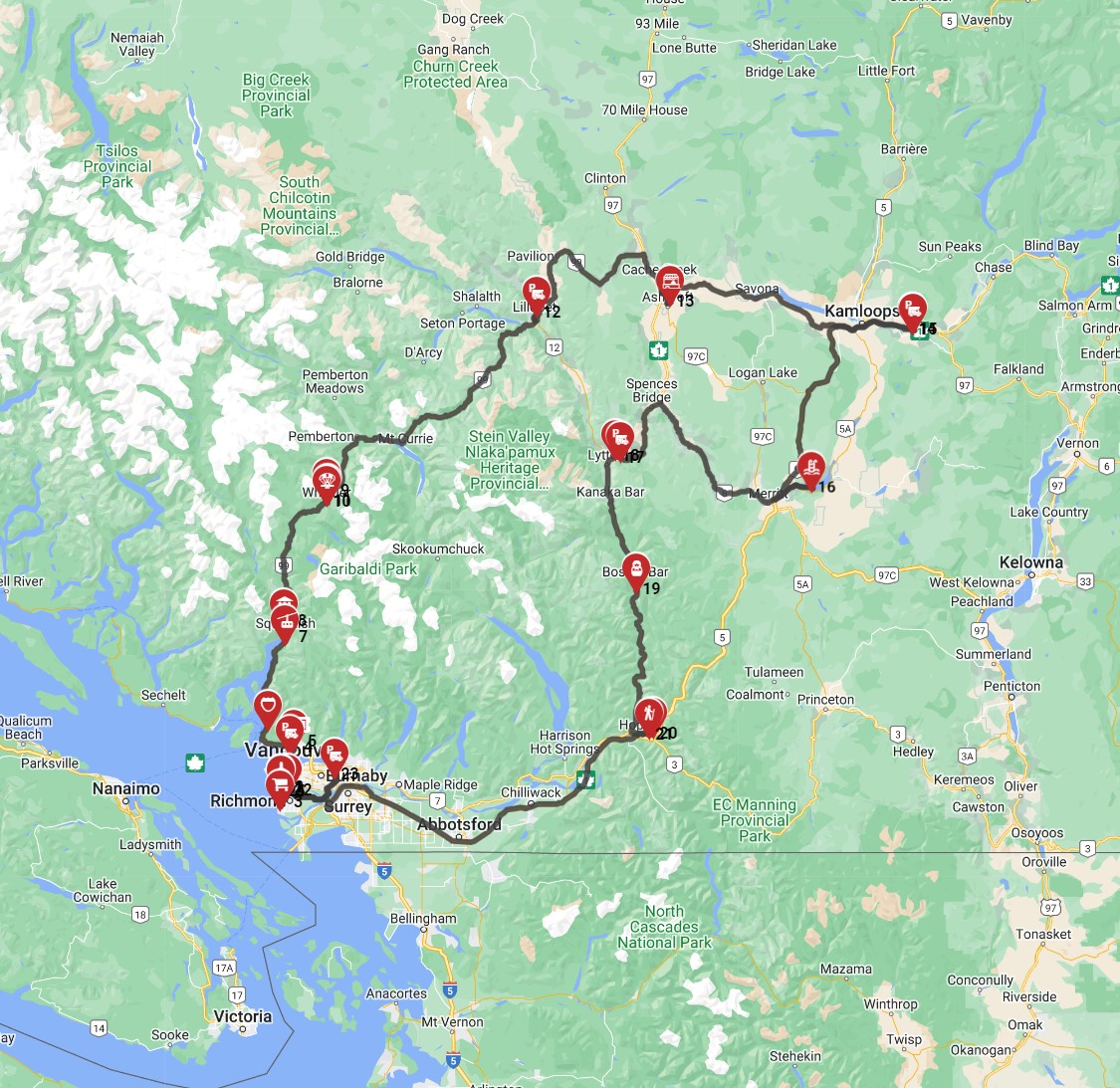
Vancouver's roads are well-maintained, but the diverse surrounding terrain, including significant mountain passes and coastal routes, requires careful RV driving. Urban driving in Vancouver can involve dense traffic congestion, especially during peak hours around areas like Granville Street or the Lions Gate Bridge, which might be challenging for larger RVs. The iconic Sea-to-Sky Highway (Highway 99) leading to Whistler, while breathtaking with its ocean views and mountainscapes, features winding roads and steep grades up to 8% in sections, demanding cautious navigation and attention to vehicle performance.
For last-minute renters venturing beyond the city, be prepared for varied conditions including potential gravel sections on unpaved campground access roads in provincial parks or Recreation Sites inland. Seasonal considerations are also vital; winter months often bring snow and ice to higher elevations and mountain passes like the Coquihalla Highway (Highway 5), potentially requiring winter tires (M+S or mountain snowflake symbol) and even chains. During summer, while generally pleasant, be aware of potential wildfire smoke in the interior, which can affect visibility and air quality.
RV Size Limits, Bridges & Restricted Zones
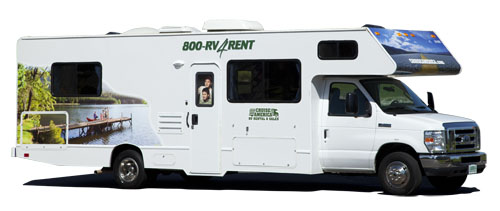
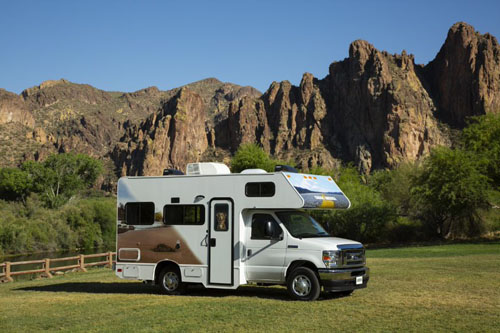
Vancouver does not have widespread RV size restrictions beyond general road rules, but drivers must observe specific bridge clearances, tunnel heights, and urban street limits. Most rental motorhomes, including those available through Bandana, are designed to navigate standard North American roads, ranging from compact campervans to larger Class C and Class A models. For instance, a typical Class B Camper Van averages 5.8m in length, while a Class C Alcove RV might be around 7.5m long, like the "cruise america rv rental example Explorer" with its 7.1m length. Drive slowly and carefully, and you can drive almost anywhere without issues. No need to stress - just use common sense and pay attention.
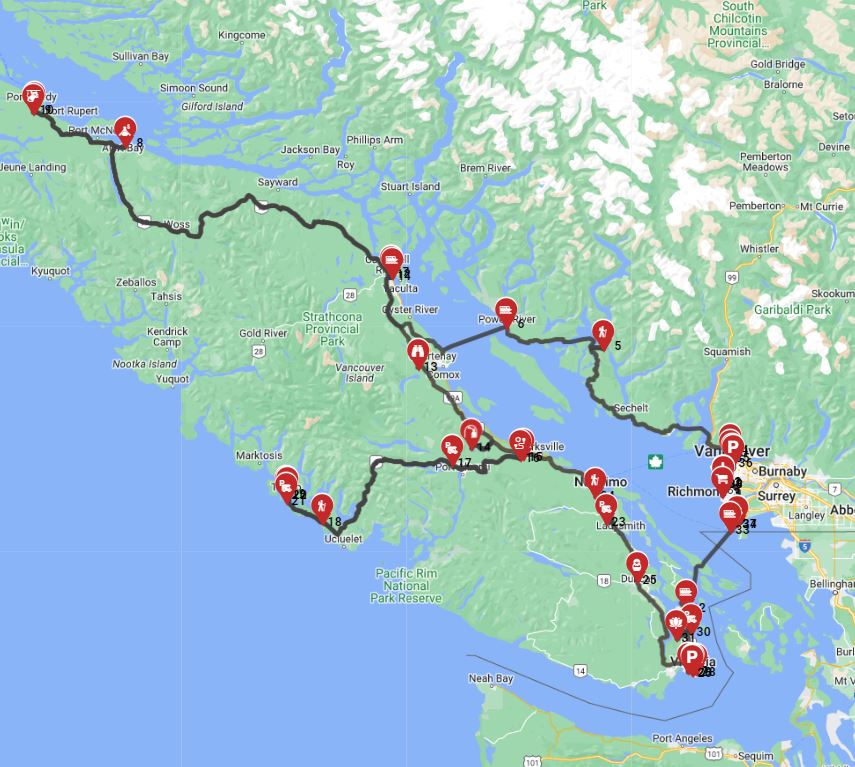
Always pay attention to local signage indicating height, weight, or length restrictions, especially on smaller, older urban streets in areas like Gastown or Yaletown, and when attempting to enter underground parking garages, which are generally not suitable for RVs. There are no explicit environmental zones or widespread RV exclusion zones within Vancouver's main tourist areas, but parking is a key consideration. When planning travel on BC Ferries to destinations like Vancouver Island or the Sunshine Coast, remember that your RV's length significantly impacts the fare, with vehicles over 7 meters typically incurring higher costs.
Fuel: Diesel vs. Petrol & Cost per 100 km
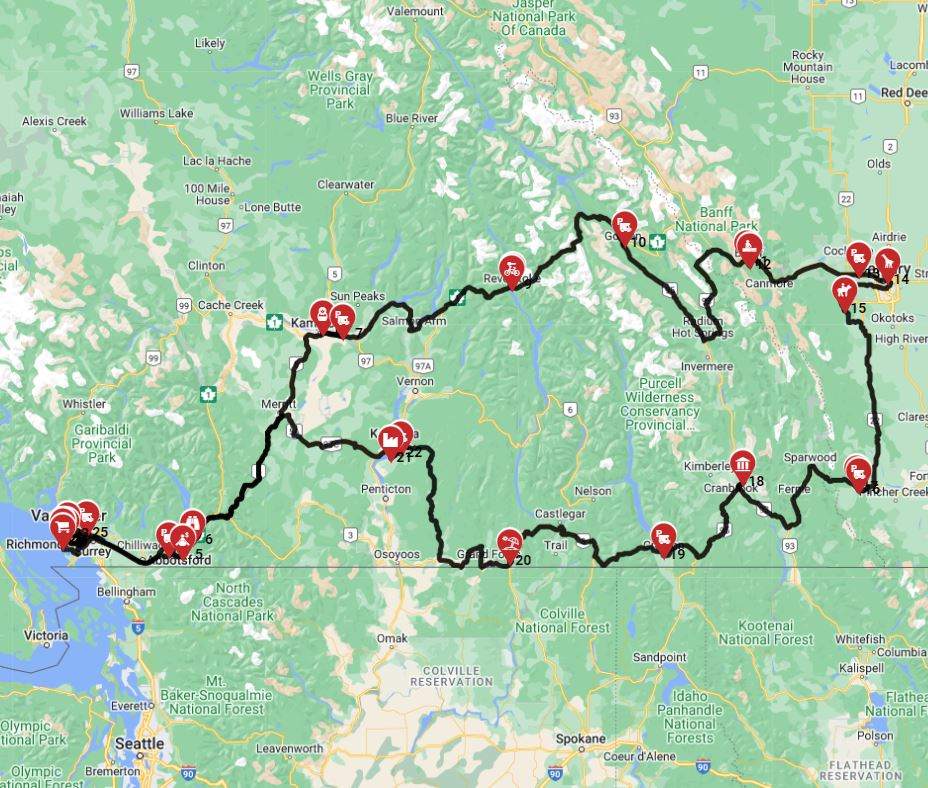
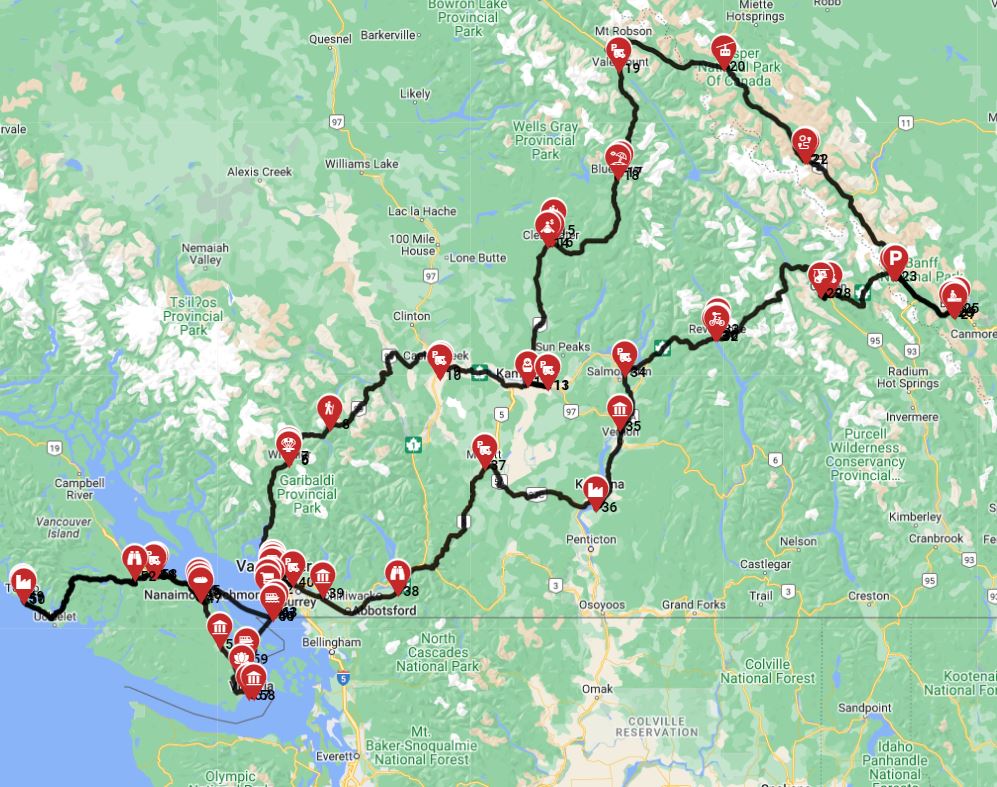
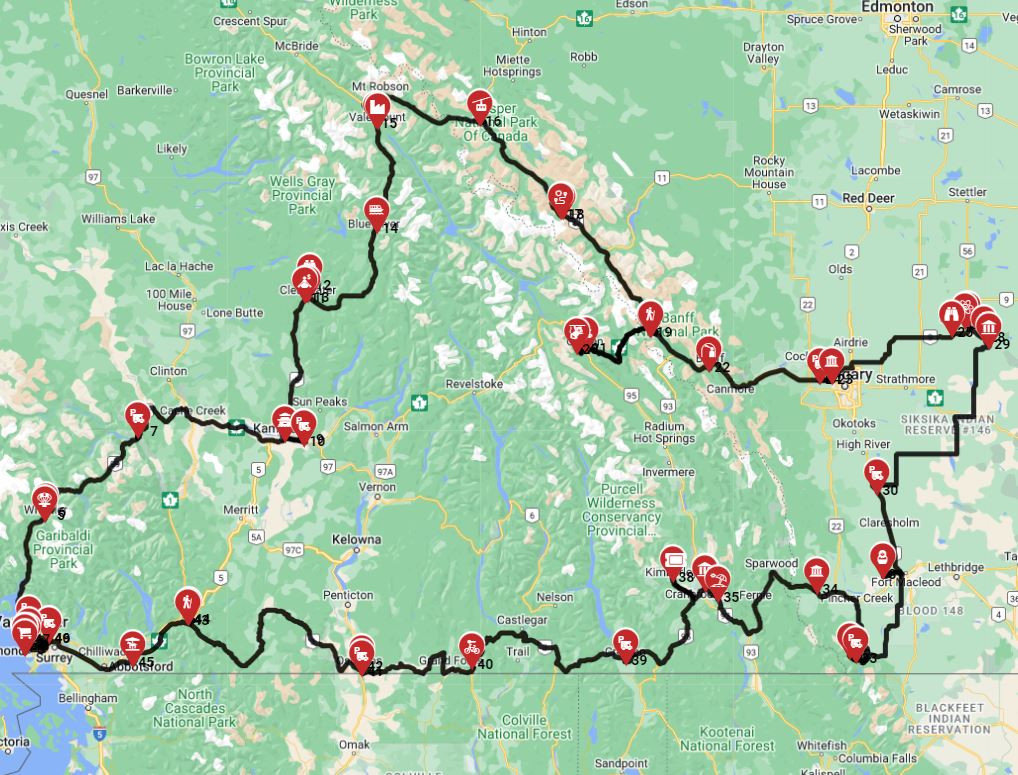
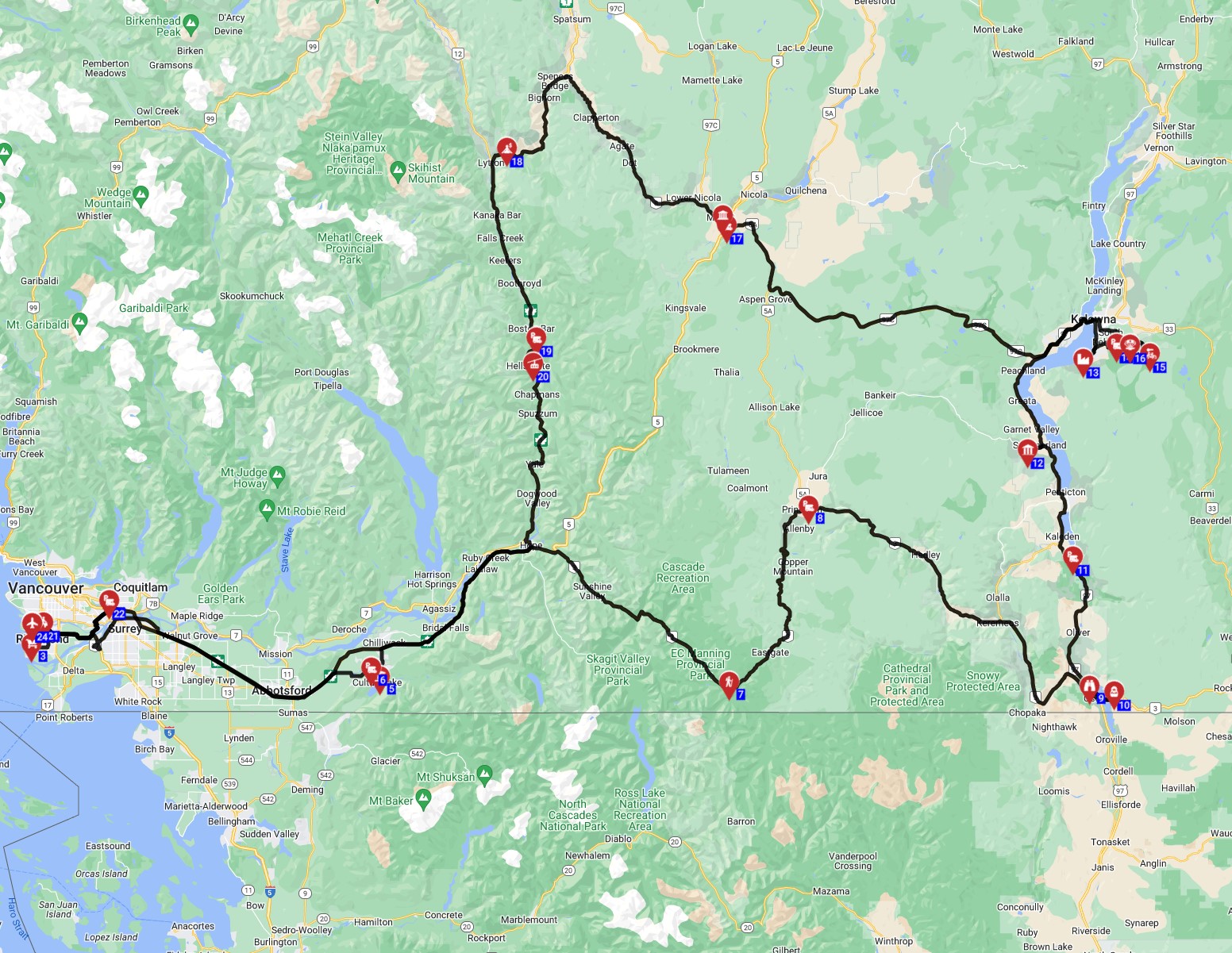
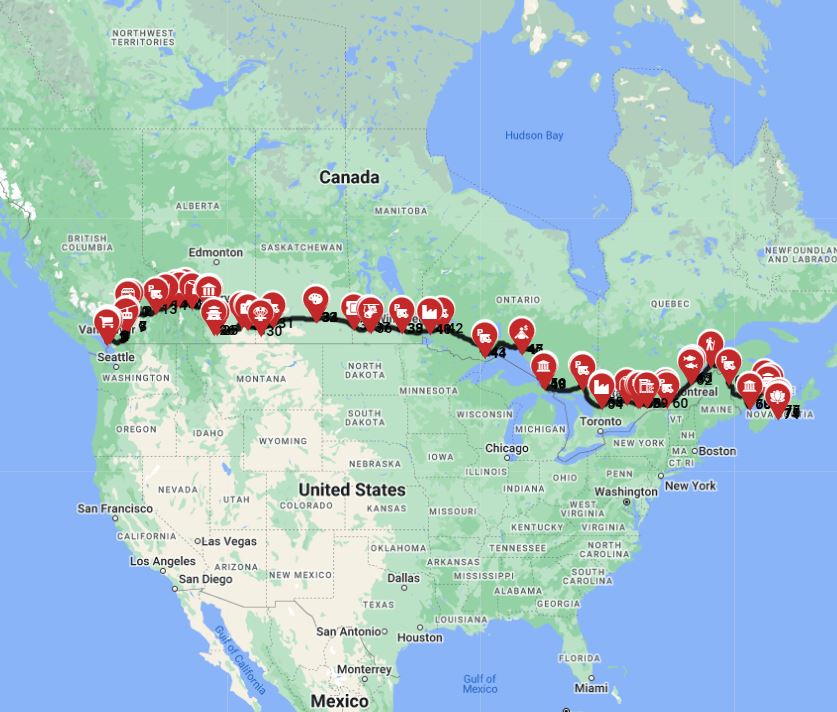
Most rental motorhomes in Vancouver operate on either diesel or petrol (gasoline), with both fuel types widely available at service stations throughout the city and across British Columbia. Understanding fuel consumption is key to budgeting your adventure. Bandana's Class SI Semi-integrated RVs, for instance, typically consume 10-11 Liters/100 km, while Class C Alcove RVs are in the 10-12 Liters/100 km range, like the "rv rentals utah example Sunrise Escape" at 20-25 Liters/100 km for a larger model. More compact options like Class B Camper Vans are generally more fuel-efficient, averaging 8-10 Liters/100 km. On the routes offered through RV PLANET routes, you can itemize and track every expense along the way for easy budgeting.
Fuel prices in Vancouver are dynamic and can be higher than in other Canadian regions, so checking current local gas prices via apps like GasBuddy before travel is advisable. For travelers planning their budget, remember that fuel is just one of the ancillary costs. On RV PLANET routes, you can itemize and track every expense along the way for easy budgeting, giving you full transparency on your total trip cost. Some rental companies may also offer fuel discount cards to help manage these expenses.
Tolls, Vignettes & Border Rules
Within British Columbia, RV travel is largely toll-free, as there are no major tolled highways requiring vignettes. Notable bridges like the Golden Ears Bridge or Port Mann Bridge previously had tolls, but these have since been removed. However, certain private access roads or specific BC Ferries routes will have associated fees, which should be factored into your travel plans. Always check for any new, localized charges if venturing off major highways.
For those considering cross-border trips from Vancouver into the United States, be prepared for customs and immigration checks. All passengers must have valid passports and necessary travel documentation, such as an eTA for international visitors, or an ESTA for eligible visa-exempt travelers entering the US. When crossing the US border with a rented RV, it's crucial to declare all food items, alcohol, and any pets; certain agricultural products, firearms, and excessive alcohol are restricted or prohibited, and pet health certificates may be required. Full transparency applies to border crossings too - declare everything and ensure you meet all requirements to avoid surprises.
Driving Tips for last minute rv rental Travelers
Planning frequent stops (every 2-3 hours) is crucial for a comfortable RV journey, especially for families on longer scenic routes such as the Sea-to-Sky Highway towards Whistler. These breaks allow for stretching, snacks, and restroom visits, preventing driver fatigue. Budget-conscious travelers should consider pre-booking campgrounds to secure better rates than last-minute walk-ins, particularly in popular areas like Golden Ears Provincial Park or Alice Lake Provincial Park, where sites fill quickly. Utilizing fuel price comparison apps can also help find the most competitive prices along your route.
When driving a rented motorhome, always account for its increased stopping distance and wider turning radius, particularly in dense urban Vancouver traffic or on winding mountain roads. If your rental includes a kitchen, preparing meals on board can save significantly on dining costs; check out our RV-friendly recipes playlist for inspiration! Additionally, if traveling with pets, research pet-friendly accommodations and activities in advance, as many provincial parks and private campgrounds near Vancouver offer designated pet areas and trails. Travel slowly, max 100-150 km per day on average, to truly connect with the culture, food, and scenery of British Columbia.
Recommended RV Class for Vancouver Roads
For navigating Vancouver's varied urban and natural environments, Class B Camper Vans and Class SI Semi-integrated RVs are highly recommended due to their balanced maneuverability, comfort, and ease of driving. Class B Camper Vans, with an average length of 5.8m (like a "rv rental denver example Category Van"), offer excellent agility for city driving, making parking easier, and typically provide superior fuel efficiency, often averaging 8-10 Liters/100 km. These are perfect for solo adventurers or couples.
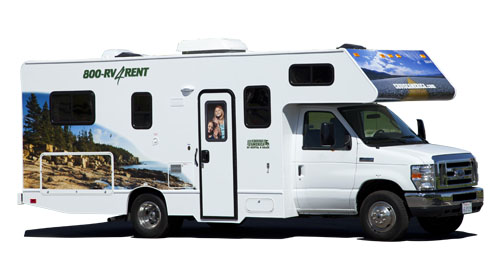
Class SI Semi-integrated RVs, averaging around 6.9m in length (similar to a "2 Berth Tamar"), provide a comfortable living space with amenities like a shower and toilet without being overly cumbersome. This makes them ideal for both urban exploration and scenic drives for small families or couples seeking a bit more room. While larger Class C Alcove RVs (averaging 7.5m, like the "24' Class C Motorhome") and Class A Integrated RVs offer more interior space and features like multiple beds for bigger groups, their size can make navigating tight city streets and finding suitable parking more challenging. For a last-minute trip in Vancouver, choosing a smaller, more nimble vehicle can enhance your overall experience.
Should I Choose a Compact Van Instead of a Large RV in Vancouver?
The choice between a compact campervan and a larger motorhome for a last-minute rental in Vancouver ultimately depends on your travel priorities for space, amenities, and driving experience. Generally, there is no inherent issue driving any RV size in Vancouver, but a compact van (like a Class B Camper Van) genuinely helps in very tight historic centers or exceptionally narrow mountain passes, offering superior maneuverability and easier parking. Our wide range of rental motorhomes, from a compact "hire campervan example Paradise S/T" to a larger "rv rentals utah example Sunrise Escape," provides options for every need.
However, comfort, indoor space, and amenities often matter more than absolute maneuverability for many travelers, making a larger RV (e.g., Class SI or Class C) a better trade-off if you plan extended stays at campsites. These offer more comprehensive cooking facilities, separate sleeping areas, and a bathroom. Compact vans are ideal for solo travelers or couples prioritizing agility and minimal footprint, whereas larger RVs are better suited for families or those desiring more cooking facilities, separate sleeping areas, and a bathroom. For last-minute trips where campsite availability might be limited, a compact van's ability to fit into smaller, less conventional parking spots can sometimes offer more flexibility.
Can I Park Anywhere? Free & Wild Camping Rules in Vancouver
No, you generally cannot park an RV anywhere for overnight stays or 'wild camp' within Vancouver city limits; explicit permission or designated campsites are required. Vancouver city bylaws strictly prohibit sleeping in vehicles on public streets, and enforcement can lead to fines or towing. While large retail parking lots, such as those at Walmart or other big-box stores, might appear permissive, they are not legal overnight parking spots and can lead to safety concerns or disturbances.
British Columbia Provincial Parks, including popular options near Vancouver like Golden Ears Provincial Park or Alice Lake Provincial Park, typically require reservations for designated campsites and do not permit unauthorized overnight parking outside these areas. Many popular sites are booked out months in advance, though approximately 25-30% of spots are often held for first-come-first-serve arrivals, so calling ahead can sometimes secure a last-minute spot. For finding campsites and campgrounds during your trip, we recommend using RV PLANET (rvplan.net) - a great resource for locating available spots along your route. Alternatively, BC also offers a vast network of 'Recreation Sites and Trails' (Rec Sites), which are often rustic, first-come-first-served campgrounds in forestry areas, providing opportunities for inexpensive, off-the-beaten-path camping. Always check local regulations and follow the law before parking overnight, prioritizing established campgrounds for safety and legality.
Can I Drive an RV Into the City Center? Heights, Tunnels & Local Signage
Yes, you can almost always drive a rented RV into Vancouver's city center, but it requires careful attention to specific local signage, height limits, and limited parking availability. Major routes into downtown Vancouver, including the Lions Gate Bridge and Granville Street Bridge, are accessible to RVs. However, drivers must be highly mindful of posted height restrictions, especially when approaching underpasses or considering any parking garages, which almost universally have height limits far too low for most motorhomes.
While there are no major tunnels within Vancouver's immediate downtown that would typically restrict RVs, always pay close attention to any posted height warnings. Finding suitable and legal street parking for an RV in the busy downtown core is extremely challenging and often impractical. It's generally recommended to park your rented RV at a designated lot or a campground on the city's outskirts, such as Burnaby Cariboo RV Park, and utilize Vancouver's efficient public transit (SkyTrain, buses) or ride-sharing services to explore the downtown area, Gastown, or Granville Island. This approach simplifies logistics and allows you to enjoy the city stress-free. For more driving tips, check out our "RV Travel Guide to Vancouver - Tips and Top Spots 2026" video resources.
🎬 Video coming soon
What You Shouldn't Miss
- **Stanley Park Seawall:** Cycle or walk along the iconic 10 km Stanley Park Seawall, offering stunning views of the city skyline, Lion's Gate Bridge, and Pacific Ocean.
- **Granville Island Market:** Explore this vibrant public market for local artisan foods, crafts, and fresh seafood. Enjoy a meal with a view of False Creek.
- **Capilano Suspension Bridge Park:** Brave the swaying bridge high above the Capilano River, explore the Treetops Adventure, and walk the Cliffwalk for an exhilarating experience among ancient trees.
- **Whistler Day Trip via Sea-to-Sky Highway:** Drive the breathtaking Highway 99 to Whistler for world-class skiing in winter or hiking and mountain biking in summer. Our 'RV Travel Guide to Vancouver - Tips and Top Spots 2026' offers more insights.
- **Gastown's Historic Charm:** Wander through the cobblestone streets of Gastown, admiring Victorian architecture, the Gastown Steam Clock, and unique boutiques.
- **Queen Elizabeth Park:** Visit this beautiful city park, home to the Bloedel Conservatory and Quarry Garden, for stunning floral displays and panoramic city views from Vancouver's highest point.
Looking for expert insights from Avi Bandana? Top 5 Adventures - recommendations from Avi Bandana
Final Thoughts
Embarking on a last-minute RV adventure in Vancouver is an exciting way to experience the breathtaking beauty of British Columbia. With Bandana RV, you're not just renting a vehicle; you're gaining a partner dedicated to making your journey smooth and unforgettable. We handle the details, so you can truly live the journey, exploring at your own pace and making spontaneous discoveries.
Remember to travel slowly, enjoying every moment and connecting with the unique culture and stunning scenery Vancouver and its surroundings offer. Whether you choose a nimble campervan for city exploration or a spacious motorhome for a family getaway, our full transparency and dedicated support ensure a worry-free experience from the moment you book until you return your keys. Get inspired for your next trip and plan a journey tailored to your dreams!
Find Motorhome Rentals in Vancouver