In This Guide
- Can You Drive an RV in Toronto? License & Age Rules
- Road Conditions & Terrain in Toronto
- RV Size Limits, Bridges & Restricted Zones in Toronto
- Fuel: Diesel vs. Petrol & Cost per 100 km in Toronto
- Tolls, Vignettes & Border Rules for RVs in Toronto
- Driving Tips for Last-Minute RV Rental Travelers in Toronto
- Recommended RV Class for Toronto Roads
- Should I Choose a Compact Van Instead of a Large RV in Toronto?
- Can I Park Anywhere? Free & Wild Camping Rules in Toronto
- Can I Drive an RV Into the City Center? Heights, Tunnels & Local Signage in Toronto
- What is the new RV law in Ontario?
- Can you walk around in a motorhome while driving in Canada?
- Can you park an RV on the street in Toronto?
- What is the new law on RV licensing in Ontario?
- Can you get RV insurance for 1 month in Canada?
- Does Costco Canada have RV insurance?
- Who has the least expensive RV insurance in Canada?
- How much is RV insurance in Canada?
Exploring Toronto and the surrounding Ontario region in a rented RV offers unparalleled freedom, allowing you to discover cityscapes and natural wonders on your own schedule. At Bandana RV, we specialize in making these adventures seamless, offering full price transparency and dedicated support from real people. Whether you're a seasoned RV enthusiast or planning your very first motorhome trip, navigating a vibrant city like Toronto requires a bit of local knowledge. For live availability and current prices, start with our RV Rental Toronto - Complete Guide 2026 guide.
Can You Drive an RV in Toronto? License & Age Rules
A standard G driver's license in Ontario is typically sufficient for driving most RVs, including Class B, Class C, and some Class A motorhomes, as long as the vehicle's registered gross weight (RGW) does not exceed 11,000 kg (24,250 lbs). For last minute rv rental travelers in Toronto, this means you likely won't need a special license, which simplifies the planning process. Foreign drivers can operate an RV in Ontario for up to three months with their valid foreign driver's license, but an International Driving Permit (IDP) is highly recommended for translation, especially if your license is not in English or French. The minimum age to rent and drive an RV in Toronto is generally 21 years old, with no young driver surcharges or vehicle class restrictions based on age, making it accessible for a wide range of adventurers. Always ensure all drivers carry their appropriate licenses and, if applicable, an IDP at all times.
Bandana RV is built on 20+ years of experience, helping tens of thousands of travelers since 2001. We understand the nuances of RV travel, ensuring you have the correct information before you even pick up your campervan. For those planning a longer journey, consider exploring options like a Weekly RV Rental in Toronto - Pricing 2026, which can offer great value.
Road Conditions & Terrain in Toronto
Toronto's road conditions are predominantly urban, featuring well-maintained highways like the 401 and QEW leading into and around the city, alongside denser city streets that can experience heavy traffic and occasional potholes. The terrain immediately around Toronto is relatively flat, making for straightforward driving without steep inclines or winding mountain roads. However, navigating downtown Toronto involves numerous turns, traffic lights, and significant pedestrian activity, which requires a slower, more deliberate pace. For rented RV travelers, expect mostly paved roads; off-road or gravel conditions are uncommon unless you're specifically venturing into conservation areas or private campgrounds situated further outside the immediate urban core. Remember to drive slowly and carefully, and you can drive almost anywhere without issues. No need to stress - just use common sense and pay attention to your surroundings.
When driving an RV in Toronto, being mindful of rush hour traffic, typically from 7-9 AM and 4-6 PM, can significantly extend travel times and increase driving complexity. Our support team is always ready to assist with pre-booking questions, ensuring you have peace of mind before and during your booking. You can also review other options like One-Way RV Rental in Toronto - Price Guide 2026 if your travel plans extend beyond the city.
RV Size Limits, Bridges & Restricted Zones in Toronto
While Toronto does not impose universal strict size limits for RVs on general roads, drivers must always be aware of height restrictions for underpasses, parking garages, and certain older infrastructure, particularly in the downtown core. The standard legal maximum height for vehicles in Ontario is 4.15 meters (13 feet 6 inches), but many city bridges and parking structures will have lower clearances, often around 2-3 meters (7-10 feet), which most motorhomes will exceed. It is crucial to always know the exact height of your rented RV and double-check all signage before attempting to pass under any structure. Weight restrictions are less common for personal RVs on standard roads but can apply to specific bridges or roadways, especially during spring thaw seasons. There are no specific 'environmental zones' or 'restricted zones' in Toronto similar to those found in some European cities, but local bylaws might restrict large vehicle access on certain residential streets or during specific hours. Always check local signage meticulously when venturing off major highways to avoid potential damage or fines. Bandana RV provides transparent vehicle details, so you'll always know your RV's dimensions upfront.
Fuel: Diesel vs. Petrol & Cost per 100 km in Toronto
RV rentals in Toronto typically come in both diesel and petrol (gasoline) options, with diesel vehicles generally offering better fuel efficiency but potentially higher per-liter costs. Bandana's local fleet data indicates average fuel consumption for smaller Class B - Camper Vans is around 11-15 liters/100 km, while larger Class C - Alcove RVs, like a "29′ Class C Motorhome", typically average around 25-30 liters/100 km (e.g., the "rv rentals utah example Sunrise Escape" lists 20-25 Liters / 100 Km, and the "cruise america rv rental example Explorer" lists 11 Liter / 100 Km). Both fuel types are widely available at gas stations across Toronto and throughout Ontario, with major highway service centers and suburban stations being the easiest for RV access due to larger lanes and parking. The cost per 100 km will vary significantly based on your rented RV's fuel type, engine size, personal driving habits, and the daily fluctuating fuel prices. When planning your budget for a last minute rv rental in Toronto, remember that fuel is a major ancillary cost, and our RV PLANET routes allow travelers to itemize and track every expense along the way for easy budgeting. This full transparency means no hidden fees or surprises when it comes to your trip expenses. On the routes offered through RV PLANET routes, you can itemize and track every expense along the way for easy budgeting.
Tolls, Vignettes & Border Rules for RVs in Toronto
In Ontario, electronic tolls are primarily found on Highway 407 ETR (Express Toll Route), which serves as a bypass north of Toronto. It is crucial for RV drivers to understand its operation: the 407 ETR uses transponders or license plate recognition. If a rented RV does not have a transponder, fees are billed to the vehicle's owner (the rental company), who will then pass the charges, plus administrative fees, to the renter. To avoid unexpected costs, inquire with your rental provider about transponder options or plan to use alternative highways like the 401, which are not tolled. There are no 'vignettes' (pre-purchased road tax stickers) required for driving in Ontario or anywhere else in Canada. For last minute rv rental travelers considering cross-border trips into the United States, ensure all occupants have valid passports and are aware of customs regulations regarding items like food, alcohol, and firearms. Always confirm with your Bandana rental company if their RVs are permitted for cross-border travel into the U.S. and if they offer pre-purchased toll passes or transponders to simplify payment.
Driving Tips for Last-Minute RV Rental Travelers in Toronto
Driving a rented RV in Toronto requires careful planning and attention to detail. Firstly, always plan your route meticulously using GPS apps (like Google Maps or Waze) that offer RV-specific routing to help avoid low bridges, narrow streets, and overly dense urban areas where larger vehicles can be challenging. For example, navigating downtown near the CN Tower or Rogers Centre can be tight, so consider parking at a suburban station and taking public transit. Secondly, allow ample extra time for travel, as Toronto traffic, especially on arteries like the Don Valley Parkway or Gardiner Expressway, can be unpredictable, extending your journey considerably during rush hours or major events. Third, practice defensive driving: RVs have larger blind spots and require more braking distance; maintain ample space from other vehicles, use your mirrors frequently, and be extra cautious when changing lanes or turning. Fourth, always be aware of your RV's dimensions, checking for overhead clearances at gas stations, parking lots, and older city sections. Finally, for security in urban areas, choose well-lit, secure locations when parking your RV in Toronto, and avoid leaving valuables visible. Consider utilizing campgrounds slightly outside the city like Glen Rouge Campground, which offers access to transit for downtown excursions.
Our goal at Bandana RV is to provide you with the easiest, safest, and most affordable way to rent an RV, and these tips are part of our commitment to supporting you. Remember, travelling slowly is key - aim for a maximum of 100-150 km per day on average, allowing you to truly connect with the culture, food, and scenery of Toronto and its surroundings. For more ideas, check out RV Travel Guide to Toronto - Tips and Top Spots 2026.
Recommended RV Class for Toronto Roads
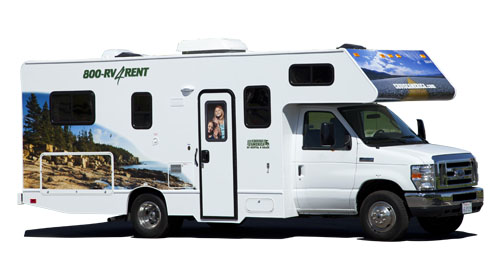
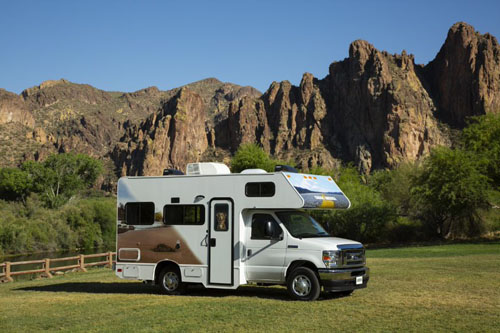
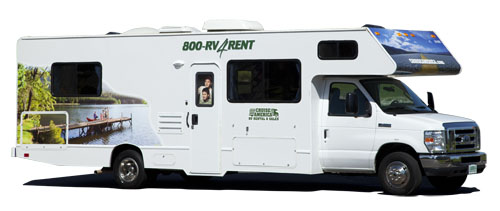
For navigating Toronto's urban environment efficiently, Class B - Camper Vans and Class TC - Truck Campers are highly recommended due to their more manageable lengths and improved maneuverability. Class B - Camper Vans from Bandana's local fleet, such as the "Combi Van" which is approximately 5 meters in length, offer a good balance of indoor comfort and ease of driving and parking in city settings. Similarly, Class TC - Truck Campers like the "Truck Camper", typically around 7.49 meters, provide sufficient space while remaining compact enough to handle urban streets and be easier to park compared to larger RVs. While larger options like a Class C - Alcove motorhome, which can be around 8.2 meters for a "29′ Class C Motorhome", are popular for families and extended week-long trips, they may present more challenges for street parking and navigating very tight urban areas in Toronto. Ultimately, the best choice depends on your comfort level with driving larger vehicles and your specific trip needs, balancing interior space with urban agility. For example, a family of 2+2 might find a "rv rentals example Comfort Class" ideal for comfort, but a smaller "rv rental denver example Category Van" might be better for city-heavy exploration.
Should I Choose a Compact Van Instead of a Large RV in Toronto?
Choosing a compact van, like a Class B Camper Van, over a larger RV in Toronto can offer significant advantages in maneuverability and easier parking, though often at the expense of interior space and amenities. A compact van will undoubtedly simplify navigating narrow city streets, finding parking spots, and blending into urban traffic more seamlessly. Many travelers prefer smaller vehicles, such as a "Paradise Camper 4x4 double cab" (approximately 6 meters in length), if their itinerary includes extensive city exploration. However, larger RVs, including Class C or even smaller Class A models, can generally still be driven in Toronto without issue, requiring only more careful planning regarding routes and parking. The primary benefit of a larger RV, like a "6 Berth Discovery" (7.4 meters) or "Family Sleeper (FS)" (large size), is enhanced comfort, more sleeping capacity, a full kitchen, and a dedicated bathroom, which can be significant for extended week-long trips or families with several kids. Consider your priorities: if urban agility and ease of parking are paramount, a compact van is an excellent choice. If comfort, spaciousness, and full amenities for a family adventure are more important, a larger RV remains a viable option with diligent route planning, especially if you intend to stay in RV-friendly campgrounds near Toronto and use public transit for downtown excursions. For ideas you can prep on the road, watch our RV-friendly recipes playlist on YouTube.
Can I Park Anywhere? Free & Wild Camping Rules in Toronto
Free or "wild camping" is generally not permitted within Toronto city limits or on public lands without specific authorization, with overnight parking regulations strictly enforced. Stealth camping on city streets is illegal and can result in fines or towing, a common surprise for travelers. For safe and legal overnight stays in a rented RV, travelers in Toronto should utilize designated campgrounds, RV parks, or private properties with explicit permission. For example, Glen Rouge Campground in Scarborough offers RV sites within city bounds, providing a balance of nature and access. Within Toronto proper, options for RV parking are limited to large paid municipal or private parking lots, some of which may accommodate oversized vehicles, but space is often scarce, and height restrictions must always be observed. The most reliable options for RV parking in Toronto are dedicated RV parks or campgrounds located just outside the city, like Indian Line Campground in Brampton or Toronto North/Cookstown KOA, both offering shuttle services or transit access to downtown. Always prioritize legal and safe overnight parking by checking with local municipalities and authorized facilities; rules vary by region, so always verify local regulations to avoid issues.
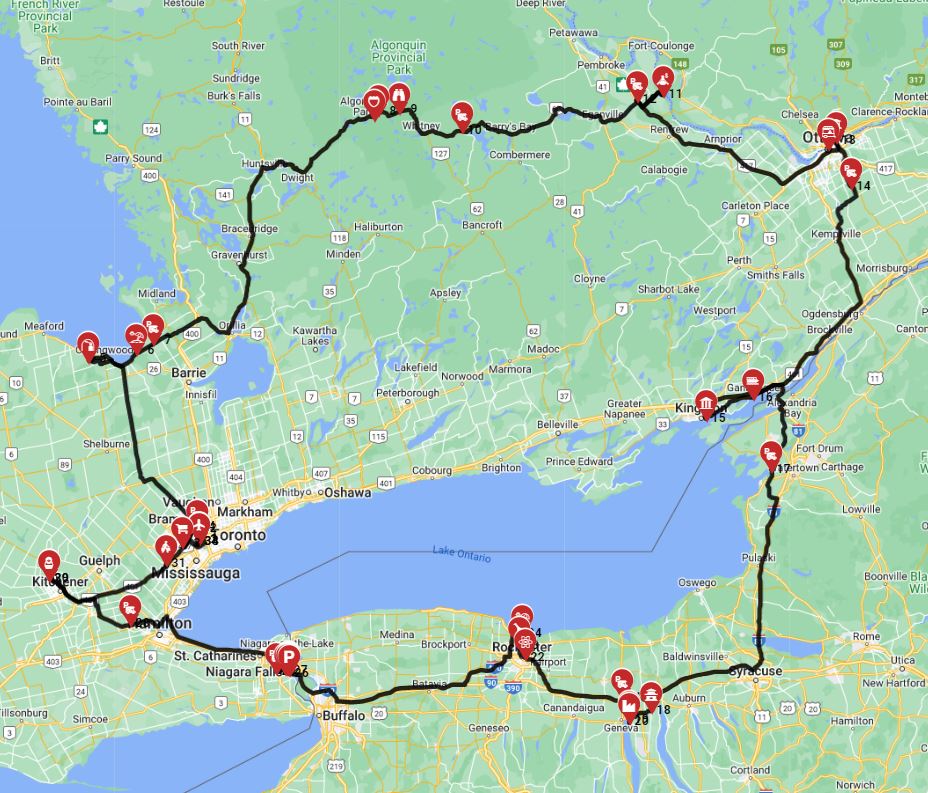
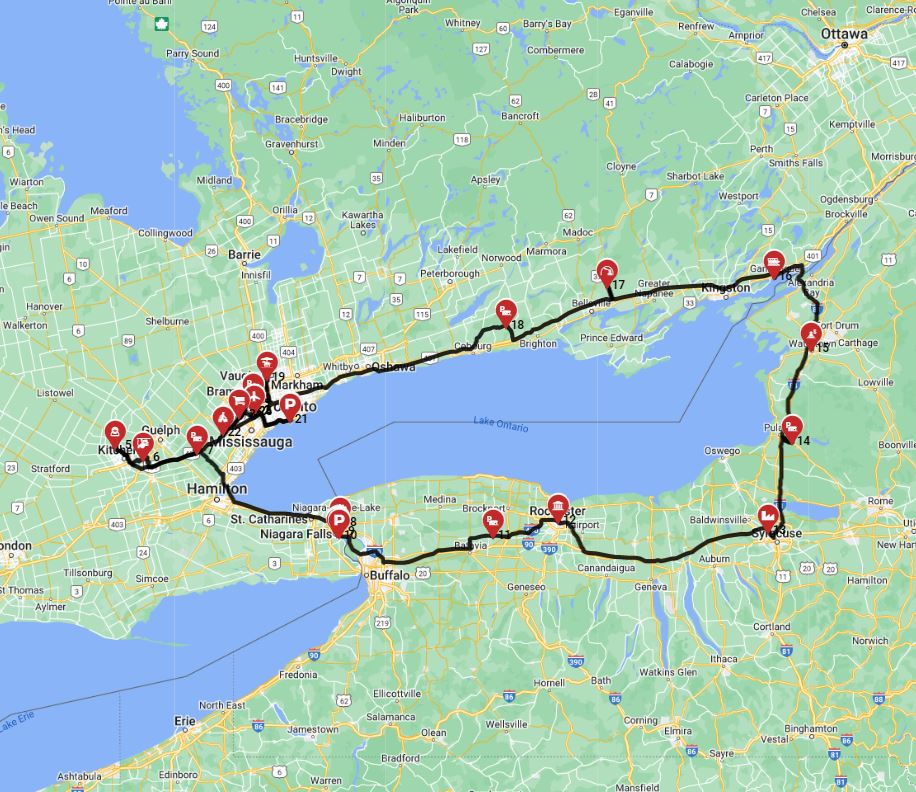
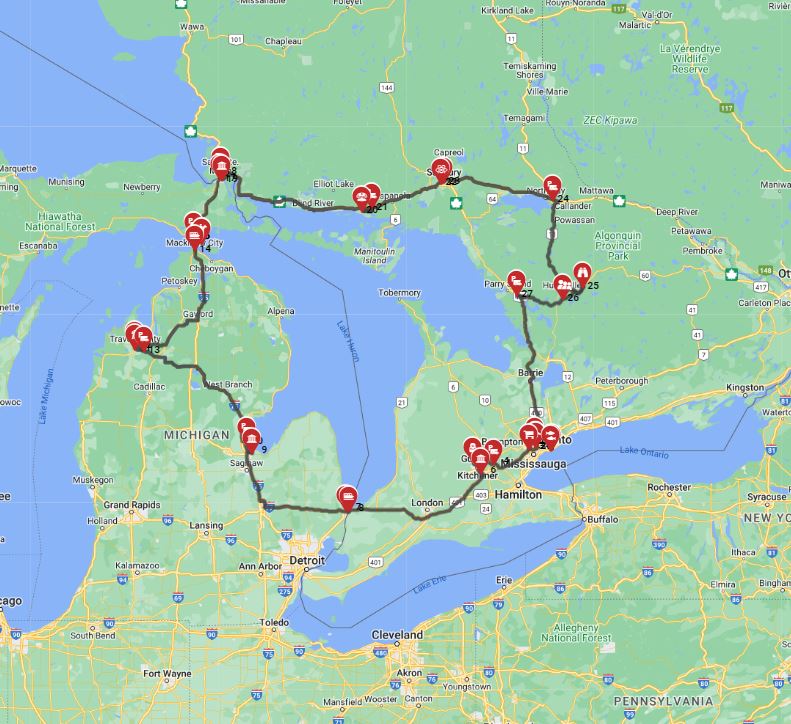
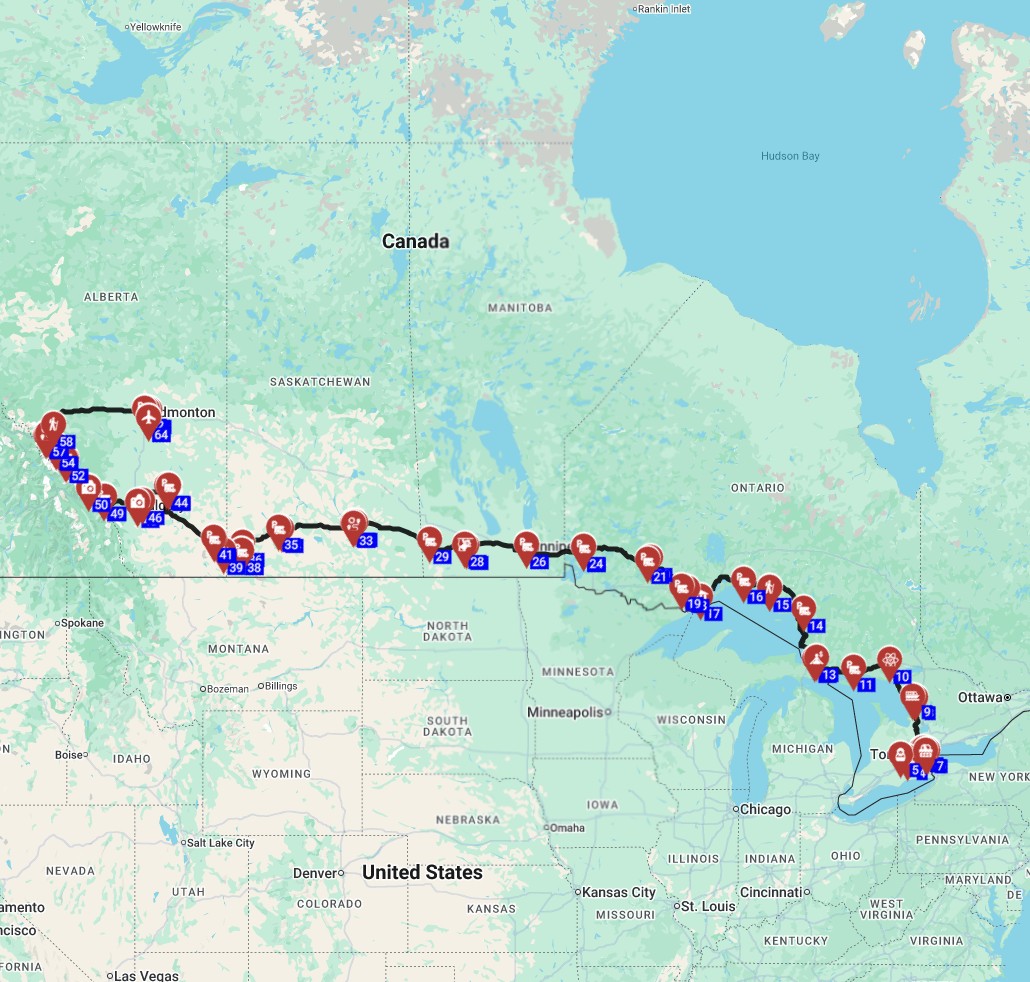
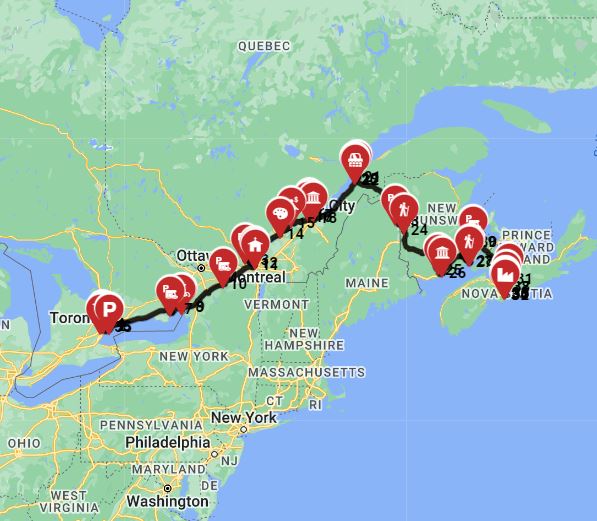
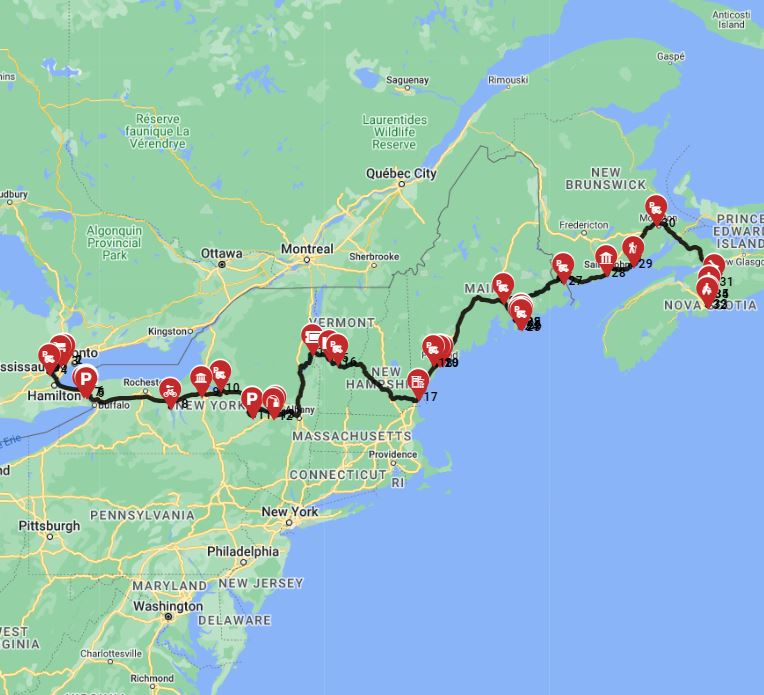
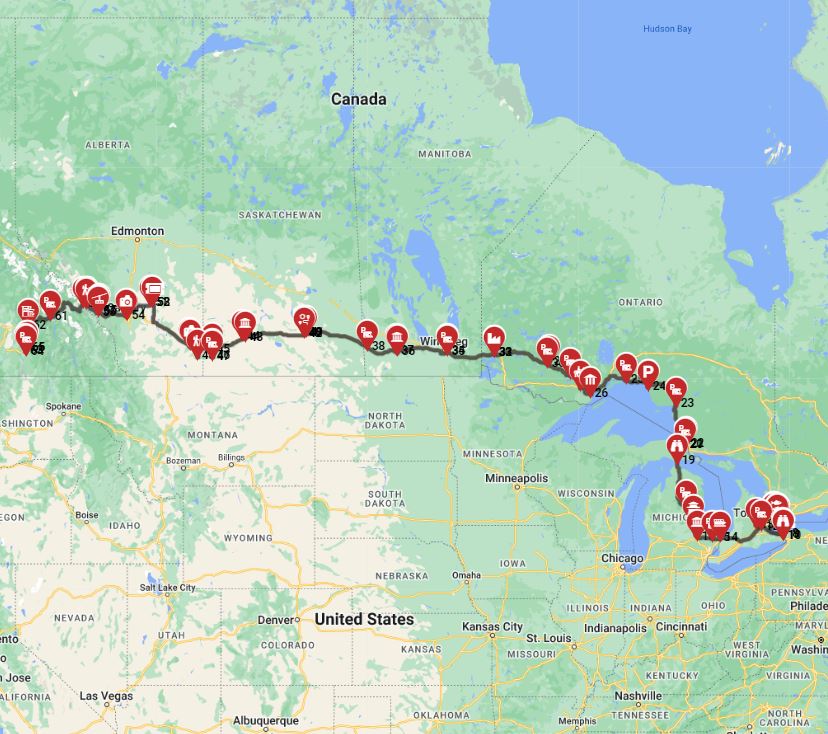
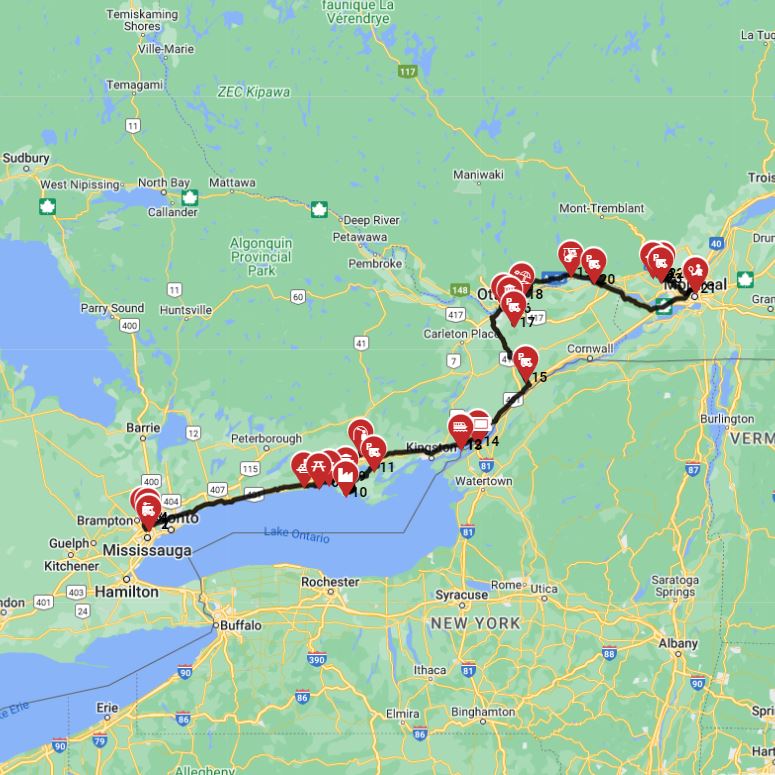
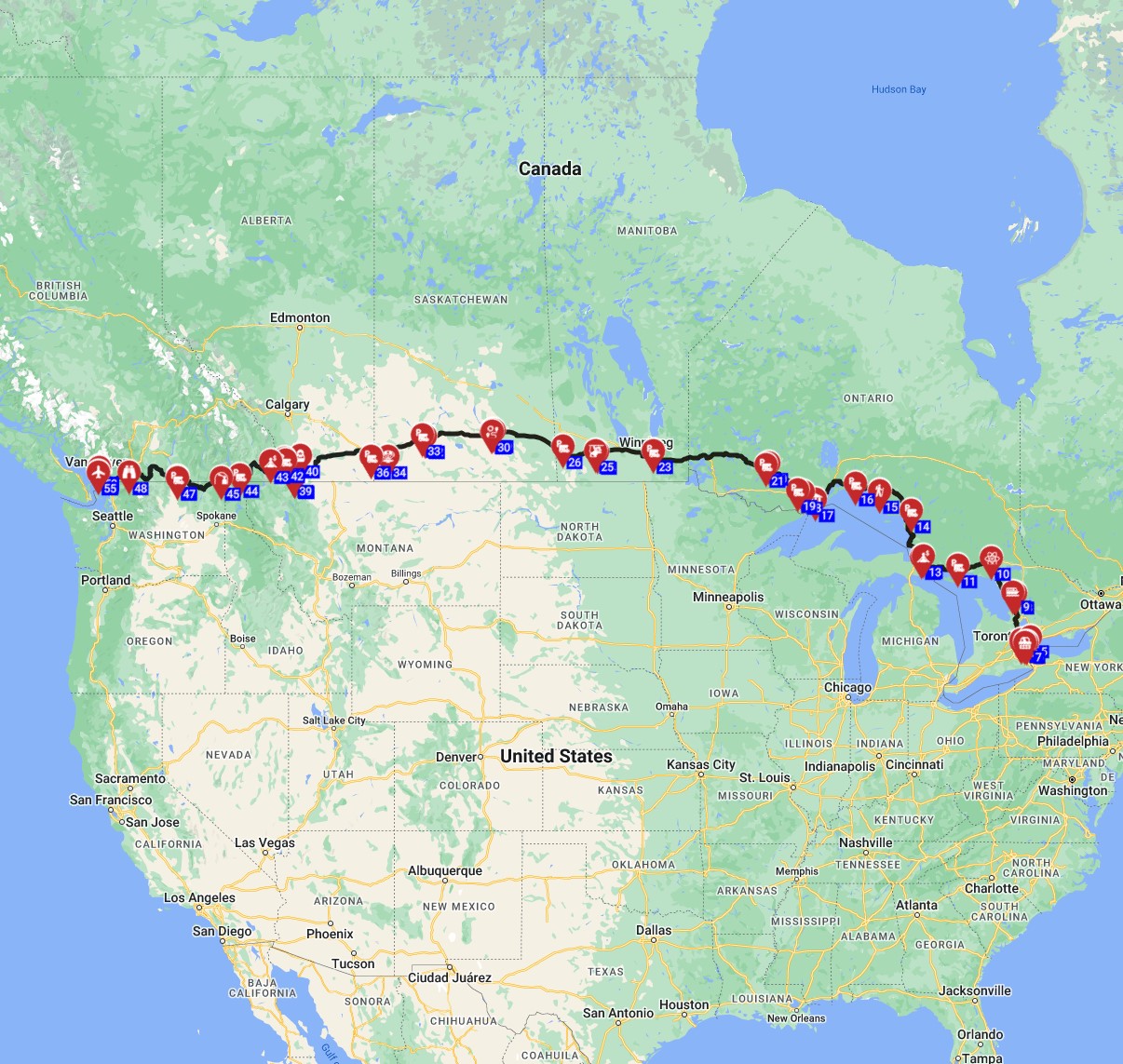
Planning your routes with RV PLANET routes can help identify suitable campgrounds and parking, as these itineraries often include detailed information about stops along the way. For instance, the "Montreal to Toronto" route plan offers an 11-day, 1326.6 km journey, including 17 points of interest and attractions, making it easier to find RV-friendly spots.
Can I Drive an RV Into the City Center? Heights, Tunnels & Local Signage in Toronto
Yes, you can generally drive an RV into the Toronto city center, but it absolutely requires heightened awareness of your vehicle's dimensions, local signage, and traffic conditions. Pay extremely close attention to local signage for height limits on tunnels, underpasses, and multi-level parking garages, as many will be too low for most motorhomes. For example, the Gardiner Expressway's lower deck has significant height restrictions. While Toronto does not have specific 'environmental zones' or congestion charges, some streets, particularly in older or residential areas like those around Kensington Market or The Annex, may be narrow or have restrictions on large vehicle access; always heed 'no trucks' or 'no large vehicles' signs. Navigating Toronto's downtown can involve significant traffic, complex one-way street systems, and busy intersections, making a co-pilot helpful for spotting signs and assisting with turns. Planning your route in advance with an RV-specific GPS or pre-mapping your drive can help avoid unexpected low clearances or difficult maneuvers in high-density areas. Drive slowly and carefully, and you can drive almost anywhere without issues. No need to stress - just use common sense and pay attention.
What is the new RV law in Ontario?
As of 2026, there hasn't been a sweeping 'new RV law' introduced in Ontario that drastically alters general RV operation beyond existing licensing, safety, and road regulations. However, regulations are continuously updated; drivers should always consult the official Ontario Ministry of Transportation (MTO) website for the latest information on vehicle weights, dimensions, and licensing requirements. Recent amendments often focus on specific aspects like commercial vehicle safety standards or changes to driver licensing endorsements, which can indirectly affect larger RVs, particularly if used for commercial purposes. For personal RV use in Toronto, the most relevant 'laws' are those pertaining to driver's license categories (e.g., a standard G class license for most RVs under 11,000 kg), road safety, and adherence to municipal parking bylaws. It's crucial for all last minute rv rental travelers to stay informed about any provincial Highway Traffic Act changes that could impact their travel plans or vehicle operation. This is part of our commitment to full transparency, ensuring you have all necessary information.
Can you walk around in a motorhome while driving in Canada?
No, generally, passengers are legally required to be seated and wearing seatbelts while a motorhome is in motion on Canadian roads, similar to any other passenger vehicle. While the interior of a rented motorhome might offer space for standing or moving, it is illegal and highly unsafe to do so, as occupants are at severe risk of injury during sudden stops, turns, or collisions. All designated seating positions equipped with seatbelts must be occupied by belted passengers when the vehicle is moving. The driver must remain focused on the road, and any distractions caused by passengers moving around could compromise safety. Always ensure all passengers are securely buckled into their seats before the RV begins to move, adhering strictly to Canadian provincial traffic laws. Safety is paramount, and Bandana RV prioritizes ensuring you have all the necessary information for a secure journey.
Can you park an RV on the street in Toronto?
Parking an RV on the street in Toronto is generally restricted and often illegal, particularly for overnight stays, due to various municipal bylaws concerning vehicle size, duration, and residential parking permits. Toronto's municipal code usually prohibits parking vehicles over a certain length or weight on residential streets, and even smaller RVs may be subject to strict time limits or require specific parking permits. Enforcement is common in areas like downtown, The Beaches, or North York, and violations can result in substantial fines or even towing. For daytime parking, RVs may be able to find legal spots in larger paid municipal or private parking lots, but space is limited, and height restrictions must always be observed. The most reliable and legal options for RV parking in Toronto are dedicated RV parks or campgrounds located just outside the city, such as Glen Rouge Campground or local private RV resorts, offering amenities like dump stations and hookups. Always research and confirm local parking regulations to ensure a stress-free trip.
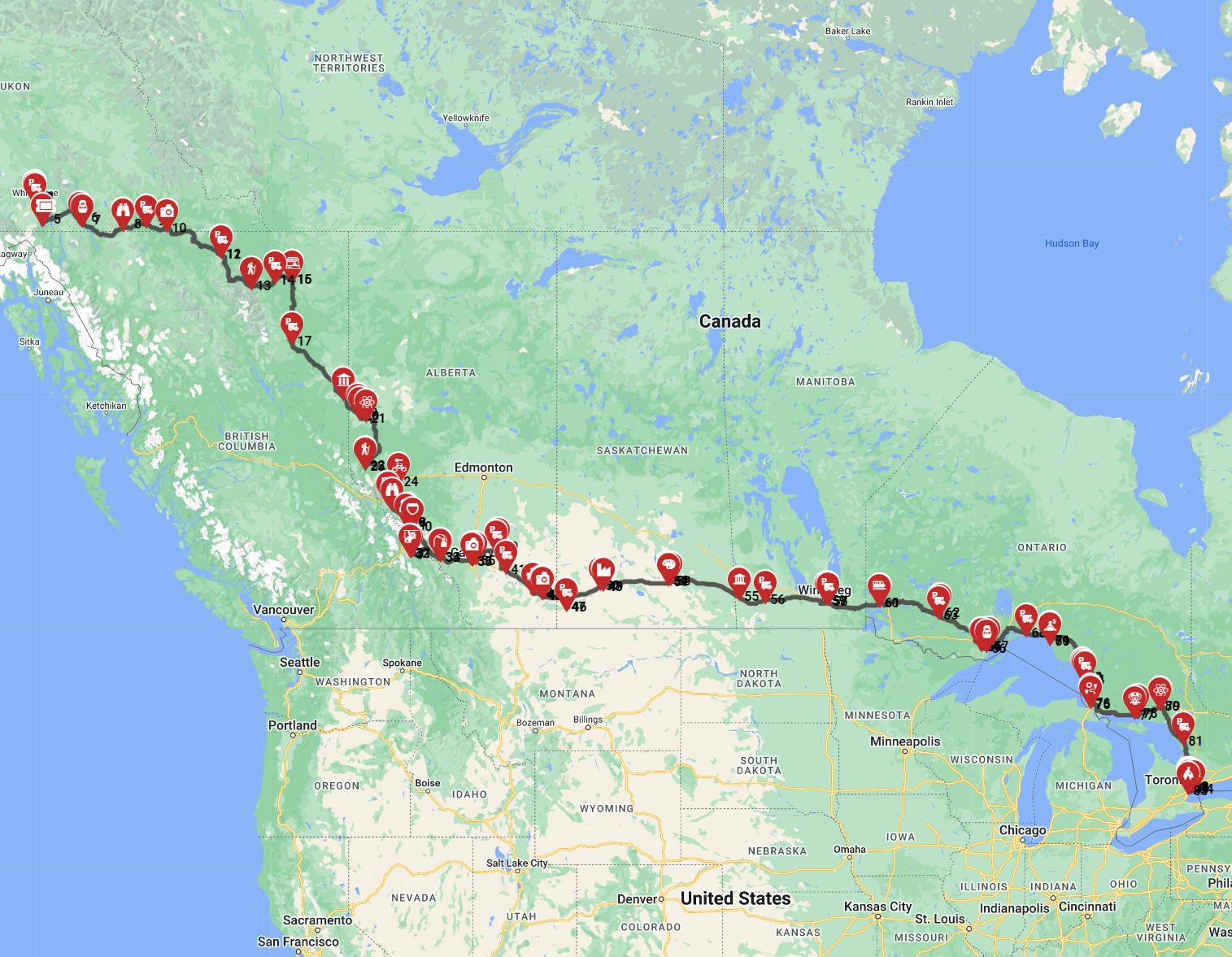
For finding campsites and campgrounds during your trip, we recommend using RV PLANET (rvplan.net) - a great resource for locating available spots along your route, like those detailed in "
What is the new law on RV licensing in Ontario?
As of 2026, there isn't a widely publicized 'new law' specifically changing RV licensing requirements in Ontario, meaning existing regulations primarily govern recreational vehicle operation. Most RVs, including Class B, Class C, and many Class A motorhomes, can be driven with a standard G class driver's license in Ontario, provided their Gross Vehicle Weight Rating (GVWR) is under 11,000 kg (24,250 lbs). For rented RVs exceeding 11,000 kg GVWR, or those equipped with air brakes (if the driver does not have a Z endorsement), a higher class of license, such as a Class D for vehicles over 11,000 kg or a Z endorsement for air brakes, may be required. Drivers should consult the Ontario Ministry of Transportation (MTO) website or a local DriveTest Centre for the most up-to-date and accurate information regarding specific licensing categories and endorsements. Any prospective RV renter or owner should verify their current license class is appropriate for the weight and type of RV they intend to operate to ensure compliance with provincial laws, maintaining full transparency in your travel plans.
Can you get RV insurance for 1 month in Canada?
Yes, it is possible to secure short-term or temporary RV insurance for as little as one month in Canada, although options can be more limited than standard annual policies. Many insurance providers offer flexible policies designed for seasonal use or for visitors, which can include coverage for specific short durations like a week-long trip or a month, especially for rental purposes. When renting a motorhome through Bandana RV, the rental company typically offers or requires specific insurance coverage for the rental period, which often includes collision, comprehensive, and liability, and may offer options for top-level deductible reimbursement. Visitors to Canada from other countries often need to purchase specific non-resident RV insurance, and several Canadian brokers specialize in these short-term or visitor policies. Key providers to inquire with for short-term RV insurance in Canada include brokers specializing in recreational vehicles, or major insurers that offer flexible terms, always confirming the scope of coverage for your specific needs to avoid hidden fees. Consider reviewing resources for Cheap RV Rental in Toronto - Budget Guide 2026 for more cost considerations.
Does Costco Canada have RV insurance?
Yes, Costco Canada members can typically access RV insurance through the Costco program, which is often underwritten by a partner insurance company like Connect by Intact Insurance. The Costco program aims to offer competitive rates and special member benefits on various insurance products, including coverage for recreational vehicles like motorhomes and campervans. RV insurance available through Costco can cover different types of RVs, with various coverage options such as collision, comprehensive, and liability, suitable for both personal ownership and last minute rv rental purposes. To get a quote and explore coverage options, Costco members can visit the Costco.ca insurance services section or contact the program's dedicated insurance provider directly. As with any insurance policy, it's advisable to compare the coverage, deductibles, and premiums offered through Costco's program with other providers to ensure it best meets your specific RV insurance needs for a last minute rental in Toronto. Remember to check for Luxury RV Rental in Toronto - Premium Prices 2026 to see how insurance might factor into higher-end rentals.
Who has the least expensive RV insurance in Canada?
Identifying the single 'least expensive' RV insurance provider in Canada is challenging, as rates vary significantly based on individual factors like the RV type, driver's history, chosen coverage needs, and provincial regulations in areas like Toronto. The most cost-effective approach for securing RV insurance, especially for a last minute rental, is to diligently shop around and obtain quotes from multiple providers and insurance brokers. Key Canadian insurance companies that frequently offer competitive RV insurance include Intact Insurance, Aviva, The Personal (often associated with group discounts), and specialty RV insurers like Wayfarer Insurance Brokers. Factors influencing price include the rented RV's value, class (e.g., a Class B camper van typically costs less to insure than a large Class A motorhome like the "MHLUX"), intended use (rental vs. personal), and whether it's for an extended or a shorter week-long trip. For last minute renters, often the insurance is bundled with the rental agreement, providing immediate coverage, though checking personal liability policies for potential riders is always recommended. Our full transparency commitment means we'll help you understand these costs.
How much is RV insurance in Canada?
The cost of RV insurance in Canada varies widely, typically ranging from a few hundred dollars to over a thousand dollars annually for owners, depending on numerous factors, with last minute rv rental insurance often priced differently. Key determinants of RV insurance cost include the type and value of the RV (e.g., Class B camper vans generally have lower premiums than large Class A motorhomes), the driver's record, and the chosen coverage options (e.g., liability, collision, comprehensive, roadside assistance). Geographic location, particularly in urban areas like Toronto, also plays a role, with higher rates possible due to increased risk factors like theft or accidents. For a last minute RV rental in Toronto, the insurance is usually included in the rental price or offered as an optional add-on, with costs typically ranging from $20-$50 CAD per day, depending on the level of coverage and optional deductible upgrade chosen. Always request a detailed breakdown of insurance costs from your Bandana rental company or insurance provider to understand precisely what is covered and any associated deductibles or limitations, ensuring no hidden fees. For a broader overview of costs, see RV Rental in Toronto - Prices and Best Deals 2026.
🎬 Video coming soon
What You Shouldn't Miss
- CN Tower EdgeWalk: Experience the thrill of walking on the edge of the iconic CN Tower, 356 meters (1,168 feet) above the ground. It's an unforgettable adrenaline rush right in the heart of the city.
- Distillery District: Wander through the pedestrian-only Distillery District, a charming collection of Victorian-era industrial buildings now home to art galleries, boutiques, and unique eateries. Perfect for an afternoon stroll and a delicious meal.
- Niagara Falls Day Trip: Just a 90-minute drive from Toronto, Niagara Falls is a spectacular natural wonder. Park your rented RV at a nearby campground and take a day trip to witness the majestic Horseshoe Falls.
- Toronto Islands: Escape the city bustle with a ferry ride to the Toronto Islands. Enjoy panoramic skyline views, quiet beaches, and bike rentals. It’s a peaceful retreat just minutes from downtown.
- Kensington Market Exploration: Dive into the eclectic and vibrant Kensington Market, a bohemian neighborhood with colorful Victorian houses, vintage shops, street art, and diverse international food vendors.
- Looking for expert insights from Avi Bandana? Top 5 Adventures - recommendations from Avi Bandana
Final Thoughts
Embarking on a last minute rv rental adventure in Toronto offers a unique blend of urban excitement and natural escapes. From navigating the city's bustling streets to finding peaceful campgrounds just beyond its borders, careful planning and knowing what to expect are your best allies. Remember, with a rented RV, you have the flexibility to create an unforgettable experience tailored to your pace and preferences.
At Bandana Caravan, we're with you every step of the way, providing the tools and transparency you need to book with confidence. Don't let the thought of city driving deter you - with common sense and a little preparation, your Toronto motorhome journey will be an absolute joy. Discover top destinations, planning tips, all in one place!
So, what are you waiting for? Your Toronto RV adventure is just around the corner. Plan a trip itinerary in advance with minimal effort and maximum enjoyment. Find your perfect camper or motorhome today!
Find Motorhome Rentals in Toronto