In This Guide
- Can You Drive an RV in Stavanger? License & Age Rules
- Road Conditions & Terrain in Stavanger
- RV Size Limits, Bridges & Restricted Zones
- Fuel: Diesel vs. Petrol & Cost per 100 km
- Tolls, Vignettes & Border Rules
- Driving Tips for last minute rv rental Travelers
- Recommended RV Class for Stavanger Roads
- Should I Choose a Compact Van Instead of a Large RV in Stavanger?
- Can I Park Anywhere? Free & Wild Camping Rules in Stavanger
- Can I Drive an RV Into the City Center? Heights, Tunnels & Local Signage
- Can an 80 year old hire a motorhome?
- Is Norway RV friendly?
- Can you park a motorhome anywhere in Norway?
- Can you park a campervan anywhere in Norway?
- How old do you have to be to rent an RV in Europe?
- How much does it cost to rent a camper van in Norway?
- Can you get temporary RV insurance?
- What's the average price for RV insurance?
For live availability and current prices, start with our RV Rental Stavanger - Complete Guide 2026 guide.
Can You Drive an RV in Stavanger? License & Age Rules
Driving an RV in Stavanger is straightforward with the right documentation and adherence to local regulations. A standard Category B driver's license, which is equivalent to a regular car license, is valid for driving RVs in Norway with a maximum authorized mass (MAM) up to 3,500 kg. This typically covers most campervans and smaller motorhomes available for rent. However, for larger vehicles exceeding 3,500 kg but not surpassing 7,500 kg, a Category C1 license is necessary, while vehicles over 7,500 kg require a Category C license. Fortunately, most rental companies in Stavanger cater to international visitors and often require drivers to be at least 21 years old. Some larger RV classes or specific insurance policies might necessitate a minimum age of 23 or 25. For those holding licenses from outside the EU/EEA, an International Driving Permit (IDP) is usually recommended in addition to your national license to ensure legal compliance and smooth navigation across Norway.
Road Conditions & Terrain in Stavanger
The roads surrounding Stavanger offer a captivating driving experience, transitioning from well-maintained E-roads and modern urban infrastructure within the city to increasingly scenic coastal routes and winding roads through dramatic fjord landscapes as you venture out. While the primary routes are generally in excellent condition, it's advisable for RV drivers to anticipate narrower roads, sharper bends, and occasional steep inclines, particularly when exploring more remote areas like the Lysefjord region or tackling mountain passes. Many of these routes are perfectly suited for RV travel, but maintaining a moderate pace will allow you to fully soak in the breathtaking scenery and navigate any more challenging sections safely. It's also worth considering potential road closures, especially if traveling during the winter months, as some mountain passes might become inaccessible. For last-minute summer rentals, this is less of a concern, but always verify conditions before setting off.
RV Size Limits, Bridges & Restricted Zones
Navigating Stavanger and its surroundings in a rented RV is generally manageable, but drivers should remain aware of height and weight restrictions, which are clearly signposted, particularly for older bridges, tunnels, and within certain urban areas. Norway generally does not impose widespread environmental zones that would restrict RV access in Stavanger itself; however, it's always prudent to check for any local regulations that might be introduced or apply to specific vehicle types within city centers. Ferries are a common and scenic mode of transport when exploring the fjord regions near Stavanger, but it's crucial to verify the ferry's capacity and pricing for your specific RV size. Longer or heavier vehicles may incur higher costs and could require advance booking during peak tourist seasons. Be particularly mindful in older town centers or on narrow scenic routes where streets can be very tight, making larger RVs more challenging to maneuver.
Fuel: Diesel vs. Petrol & Cost per 100 km
The majority of rental RVs available in Stavanger, encompassing Semi-integrated, Alcove, and Integrated motorhome classes, operate on diesel fuel. Diesel is widely available across Norway, making refueling straightforward. Based on fleet data, Class B camper vans typically consume around 8 liters per 100 km. Larger motorhomes, such as Class SI - Semi-integrated, Class C - Alcove, and Class A - Integrated RVs, generally average between 10-12 liters per 100 km. Assuming an average diesel price of approximately 22 NOK per liter in 2026, the estimated fuel cost per 100 km can range from around 176 NOK for a camper van to 220-264 NOK for larger RVs. Some rental RVs may include fuel discount cards, offering minor savings on your overall fuel expenses during your explorations around Stavanger. On the routes offered through RV PLANET routes, you can itemize and track every expense along the way for easy budgeting.
Tolls, Vignettes & Border Rules
Norway utilizes an automated toll system known as AutoPass, which applies to numerous roads, bridges, and tunnels, including those in and around Stavanger. There are no traditional vignettes required for vehicle entry. Rental RVs are typically registered within the AutoPass system, meaning tolls are automatically recorded and usually billed to your rental company. The company will then charge you after your trip, often with an added administrative fee. It's advisable to clarify the toll payment process with your rental provider beforehand. Some rental providers may offer pre-purchased toll passes or provide clear guidance to help you avoid unexpected fines. As this is for a last-minute RV rental within Norway, border rules are less relevant for this specific trip, as Norway is part of the Schengen Area, allowing free movement across internal borders for EU/EEA citizens and visitors with valid visas.
Driving Tips for last minute rv rental Travelers
For those embarking on a last-minute RV adventure in Stavanger, flexibility in planning your daily routes is key. Allow for extra time to accommodate spontaneous scenic stops, capture those perfect photo opportunities, and account for potential ferry wait times, which are common in the fjord regions. Always adhere strictly to Norway's speed limits; they are in place for a reason, especially given the varied road conditions, and speed cameras are frequently used, with fines that can be substantial. Familiarize yourself with the AutoPass toll system to avoid confusion; while most rental RVs handle this automatically, understand how you will be charged. When encountering ferries, particularly during peak season, it's wise to arrive early or check for booking options, as capacity for larger RVs can sometimes be limited on popular routes. Finally, remain vigilant for wildlife, especially outside urban areas. Moose, deer, and reindeer can unexpectedly appear on roads, particularly at dawn and dusk, so always be prepared to react safely.
Recommended RV Class for Stavanger Roads
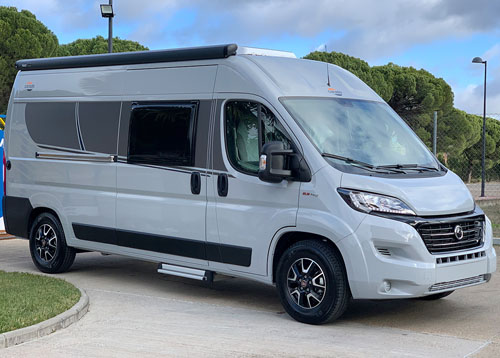
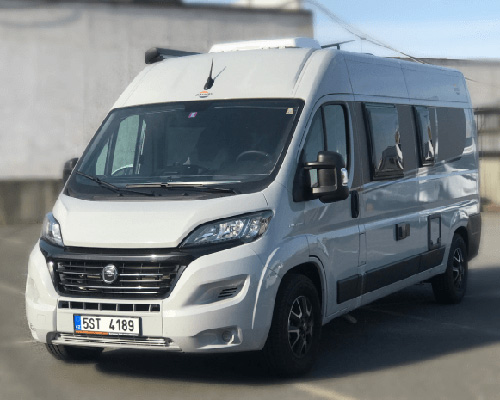
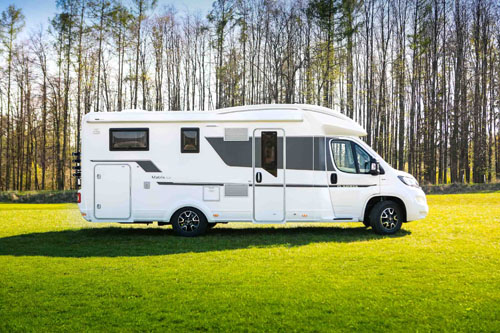
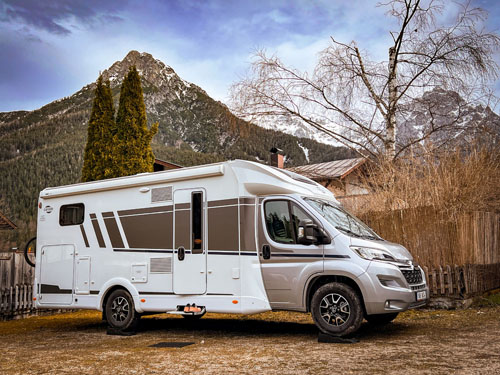
When planning your exploration of Stavanger and its surrounding natural beauty, a Class SI - Semi-integrated RV or a Class B - Camper Van is highly recommended. These vehicle classes strike an excellent balance between providing adequate comfort and maneuverability on Norway's diverse road network. Class B Camper Vans, typically around 5.9 meters in length, are incredibly agile, making them ideal for navigating narrower fjord roads, city streets, and finding parking, all while still offering comfortable sleeping arrangements for two adults. For those needing more interior space for up to 3-4 people, Class SI Semi-integrated RVs, averaging about 6.8 meters in length, provide more amenities without becoming overly cumbersome on Norwegian roads. While Class C - Alcove (averaging 7.4m) and Class A - Integrated (averaging 6.8m) RVs offer extensive living space for larger families, their increased dimensions can present more challenges on certain mountain passes and within tight urban areas.
Should I Choose a Compact Van Instead of a Large RV in Stavanger?
Deciding between a compact van and a larger RV in Stavanger largely depends on your travel priorities. A compact van, such as a Class B Camper Van, primarily offers enhanced maneuverability. This makes navigating very narrow roads, finding parking in towns, and driving through smaller tunnels significantly easier. However, for most main roads and popular scenic routes around Stavanger, even larger RVs like Class SI or A models pose no significant driving issues and provide substantially more indoor space, amenities, and overall comfort. A compact van truly shines if your itinerary heavily features tight historic city centers, extremely challenging mountain passes with multiple hairpin bends, or if you prefer a more discreet camping experience. Conversely, if comfort, ample living space, a full bathroom, and a dedicated kitchen are your priorities, opting for a larger RV offers a better trade-off, as the vast majority of Norwegian roads comfortably accommodate them. For ideas you can prep on the road, watch our RV-friendly recipes playlist on YouTube.
Can I Park Anywhere? Free & Wild Camping Rules in Stavanger
Norway's famous 'Allemannsretten,' or right to roam, allows for wild camping in uncultivated land, but it importantly does not permit parking an RV 'anywhere.' Specific rules govern where and how you can park. Generally, for motorized vehicles, Allemannsretten permits overnight parking for up to two nights in uncultivated areas, provided it's a reasonable distance from inhabited houses or cultivated land, and you leave no trace. However, parking restrictions for RVs are strictly enforced in urban areas, along major roads, within nature reserves, and where 'No Parking' or 'No Camping' signs are posted. Official campsites are often the most practical and legally compliant option, especially when planning last-minute trips. Always ensure you check local regulations and respect private property to protect the natural environment and avoid obstructing traffic or views.
Can I Drive an RV Into the City Center? Heights, Tunnels & Local Signage
Navigating Stavanger's city center with an RV is generally possible, but requires careful attention to local signage. Drivers must be particularly mindful of height restrictions, especially when considering parking garages or entering tunnels. While Stavanger's city center is welcoming to RVs, it features numerous one-way streets and pedestrian zones that can be challenging for larger vehicles. Parking on the outskirts and utilizing public transport or exploring on foot is often a more convenient option. Always be vigilant for height limit signs at tunnel entrances and before entering multi-story parking facilities, as RVs commonly exceed these limits. While not as prevalent as in some other European cities, be aware that specific environmental regulations or temporary access restrictions can sometimes apply, so checking current local signage is always recommended for 2026.
Can an 80-year-old hire a motorhome?
An 80-year-old driver can generally hire a motorhome in Norway, provided they possess a valid driver's license that meets the necessary category requirements for the vehicle's weight, such as Category B for vehicles up to 3,500 kg MAM. Rental companies typically have specific age policies; while many will rent to drivers over 80, some may impose an upper age limit, often around 75 or 80, or require special insurance arrangements. It is crucial for senior travelers to confirm the rental company's exact age restrictions and insurance terms well in advance of booking, as an increased insurance excess may sometimes apply. Ensuring the driver is medically fit and confident handling a larger vehicle on potentially winding Norwegian roads is paramount for a safe and enjoyable trip.
Is Norway RV friendly?
Norway is exceptionally RV-friendly, offering unparalleled opportunities for scenic road trips through its stunning landscapes. The country boasts a well-developed camping infrastructure that caters to all RV types, from basic sites to those with full hookups. Furthermore, the 'Allemannsretten' (right to roam) principle supports a culture of responsible wild camping, adding to the freedom of exploration. While highly RV-friendly, it's important for travelers to be prepared for Norway's unique road conditions. These include encountering narrow, winding roads, numerous tunnels (some with tolls), frequent ferry crossings to navigate fjords, and the automated AutoPass toll system. The inherent flexibility to explore at your own pace, from majestic fjords to mountain vistas and dramatic coastlines, makes Norway a premier destination for RV enthusiasts.
Can you park a motorhome anywhere in Norway?
No, you cannot park a motorhome absolutely anywhere in Norway. While the 'Allemannsretten' (right to roam) governing wild camping is generous, it comes with specific rules and limitations that distinguish between pedestrian access and motorized vehicle parking. Generally, you can stop and spend the night in an RV on uncultivated land for up to two nights, provided it's at least 150 meters from inhabited houses or cabins, and does not obstruct public access or damage the environment. Parking is explicitly prohibited on cultivated land, in designated nature reserves, within urban areas with 'no overnight parking' or 'no camping' signs, or on private land without the owner's permission. For convenience and access to essential facilities, utilizing official campsites or designated RV parks is often the most responsible and preferred option, particularly in popular tourist areas around Stavanger.
Can you park a campervan anywhere in Norway?
Similar to motorhomes, campervans in Norway fall under the same parking regulations and 'Allemannsretten' guidelines. This means that parking 'anywhere' is restricted and requires adherence to rules concerning private property and environmental protection. Despite their smaller size and enhanced maneuverability, campervans must still respect local 'no camping' or 'no overnight parking' signs, avoid blocking access routes, and refrain from parking on cultivated or private land without consent. The inherent flexibility of a campervan does allow for easier parking in a wider range of locations compared to larger RVs, but the core principles of leaving no trace and respecting the environment remain paramount. Utilizing official campsites is often the most reliable approach, especially for last-minute rentals.
How old do you have to be to rent an RV in Europe?
To rent an RV in Europe, including Norway, the minimum age is generally 21 years old. However, this can vary significantly between rental companies and for different RV classes. Many rental providers, particularly for larger or premium vehicles, may require drivers to be 23 or even 25 years old. It's also common for companies to impose a 'young driver' surcharge for those under 25. Additionally, some companies have an upper age limit, such as 75 or 80 years old, or may request additional insurance or a medical certificate for senior drivers. Always check the specific terms and conditions of your chosen rental provider in Stavanger regarding minimum and maximum driver ages before finalizing your booking to avoid any surprises.
How much does it cost to rent a camper van in Norway?
The cost to rent a camper van, such as a Class B model, in Norway varies considerably. Daily rates typically range from €100 to over €250, heavily influenced by seasonality, vehicle size, rental duration, and any included extras. Peak season prices, generally from June to August, are significantly higher than during shoulder seasons like April-May or September-October. Last-minute bookings can also see inflated rates if demand is particularly high. Beyond the base rental fee, budget for comprehensive insurance (often with an excess reduction option), fuel (expect around 176 NOK per 100 km for a Class B), tolls (AutoPass charges), and ferry crossings. Campsite fees in Norway typically range from €30-€60 per night, which will add to your overall trip budget, alongside expenses for food and activities.
Can you get temporary RV insurance?
Yes, temporary RV insurance is readily available for travelers in Norway, with basic third-party liability coverage typically included as standard in all rental agreements by law. Most rental companies also offer additional comprehensive insurance or 'excess reduction' options. These upgrades can significantly lower your financial liability in case of damage or theft, functioning similarly to Collision Damage Waiver (CDW). Travelers might also consider personal travel insurance policies that can cover aspects not included in the RV rental insurance, such as personal belongings, medical emergencies, or trip cancellations. It is crucial to thoroughly review the rental agreement's insurance terms, understand the deductible (excess) amount, and identify any exclusions before embarking on your last-minute RV trip from Stavanger.
What's the average price for RV insurance?
The average price for RV insurance in Norway is highly variable for rental vehicles, as it is often bundled into the daily rental rate for basic coverage. Additional comprehensive options will incur extra charges. For rental RVs, the base insurance is usually included, but the cost of opting for excess reduction or full comprehensive coverage can range from €20 to over €50 per day, depending on the vehicle class and the level of coverage chosen. Factors influencing this cost include the rental period, the driver's age and driving history, the overall value of the RV, and the deductible (excess) amount you are willing to assume in case of a claim. Always clarify the exact insurance costs and coverage details with your chosen rental provider in Stavanger to ensure you have adequate protection for your journey.
What You Shouldn't Miss
- Preikestolen (Pulpit Rock): A truly iconic hike offering breathtaking views over the Lysefjord. Allow a full day for this popular excursion.
- Kjeragbolten: For the adventurous, this famous boulder wedged between two cliffs offers a thrilling photo opportunity – a bit further afield but worth the journey.
- The Old Town of Stavanger (Gamle Stavanger): Wander through charming, preserved wooden houses and soak in the historic atmosphere of this picturesque area.
- Lysevegen Road (The Lysevegen Road Challenge): If you're comfortable with winding roads, this route near Stavanger boasts 27 hairpin bends with spectacular views, often passing waterfalls.
- Jæren Beaches: Explore the unique, flat, white sandy beaches south of Stavanger for a different coastal experience, perfect for a scenic drive and perhaps a coastal RV stop.
- Fjord Cruise on Lysefjord: See the dramatic fjords and the famous Preikestolen from the water for a different perspective.
Final Thoughts
Renting an RV for a last-minute adventure in Stavanger opens up a world of unparalleled freedom and breathtaking scenery. The ease of navigating Norway's stunning landscapes in your own mobile accommodation allows for spontaneous detours and intimate connections with nature. Remember to plan ahead regarding your vehicle choice, pack essentials wisely, and familiarize yourself with local driving and camping regulations. Embrace the journey, travel at your own pace, and savor the unique experiences that only an RV road trip can provide.
With Bandana Caravan, securing your perfect last-minute RV rental in Stavanger is a transparent and straightforward process. We’re dedicated to ensuring you have all the information and support needed to embark on an unforgettable Norwegian adventure. From comparing vehicle options to understanding the nuances of local driving, we’re here to help you plan the easiest, safest, and most affordable way to rent an RV.
Find Motorhome Rentals in Stavanger