In This Guide
- Can You Drive an RV in Scotland? License & Age Rules
- Road Conditions & Terrain in Scotland
- RV Size Limits, Bridges & Restricted Zones
- Fuel: Diesel vs. Petrol & Cost per 100 km
- Tolls, Vignettes & Border Rules
- Driving Tips for last minute rv rental Travelers
- Recommended RV Class for Scotland Roads
- Should I Choose a Compact Van Instead of a Large RV in Scotland?
- Can I Park Anywhere? Free & Wild Camping Rules in Scotland
- Can I Drive an RV Into the City Center? Heights, Tunnels & Local Signage
- How much does it cost to rent a motorhome in Scotland?
- Can you collect a motorhome from Edinburgh?
- What is the best month to tour Scotland in a motorhome?
- Can you take a motorhome on Scottish ferries?
- What is the North Coast 500 like in a motorhome?
- Are motorhomes popular in Scotland?
- How easy is it to drive a motorhome in Scotland?
- Where can I park a motorhome overnight in Scotland?
Can You Drive an RV in Scotland? License & Age Rules
In Scotland, most standard RVs up to 3,500kg Maximum Authorised Mass (MAM) can be driven with a Category B driving license, which covers vehicles up to 3,500kg and up to 8 passenger seats. This is generally true for the majority of motorhomes and campervans available for rent, offering accessibility to a wide range of travelers. For larger RVs with a MAM between 3,500kg and 7,500kg, a Category C1 license is required; this typically applies to drivers who passed their test before January 1, 1997, or have undergone additional testing to obtain this category. The minimum driver age for renting an RV in Scotland is usually between 21 and 25 years, although many rental companies require drivers to be over 25 for insurance purposes, especially for larger or more powerful vehicles. International Driving Permits (IDPs) are highly recommended for non-EU/EEA license holders to complement their home license, particularly if it's not in English, though they are not always legally mandatory for short visits, acting as a helpful translation for authorities.
Road Conditions & Terrain in Scotland
Scotland's road network offers a dramatic variety of terrain, from excellent motorways (M-roads) and primary A-roads that efficiently connect major cities like Edinburgh and Glasgow, to increasingly winding, narrower B-roads and challenging single-track routes in the Highlands and islands. The landscape itself varies dramatically, featuring relatively flat, rolling lowlands in the south to imposing mountainous regions such as the Cairngorms and Torridon, which include steep ascents, descents, and sharp bends that demand careful and attentive driving in an RV. While most main routes are well-paved, be prepared for occasional rougher surfaces, especially on access roads to some remote campsites or attractions; this variability naturally encourages a slower, more scenic pace of travel, allowing you to truly immerse yourself in the journey. Urban driving in cities like Edinburgh and Glasgow can present challenges with heavy traffic and navigating compact streets, while rural areas necessitate a heightened awareness of passing places on single-track roads, a crucial element of Scottish driving etiquette.
RV Size Limits, Bridges & Restricted Zones
While there are no blanket RV size limits mandated across all of Scotland, drivers must pay extremely close attention to local signage for height, weight, and width restrictions. These are particularly important when navigating older bridges, narrow village roads, and smaller island routes, where larger vehicles may face access issues. Specific low bridges and narrow passages are common, especially when diverting from main A-roads; using an RV-specific navigation system or pre-checking your intended routes for potential hazards is highly advisable to avoid damage or impassable situations. Major Scottish cities, including Glasgow, Edinburgh, Aberdeen, and Dundee, operate Low Emission Zones (LEZs) which apply to all vehicles, including rental RVs, based on their emission class; always verify your rental vehicle's compliance with these zones before entering city centers to avoid potential fines. When planning to travel to the islands, taking an RV on Scottish ferries requires accurate declaration of your vehicle's length and height during the booking process, as space is limited and larger vehicles incur higher fares, often necessitating advance reservations.
Fuel: Diesel vs. Petrol & Cost per 100 km
The vast majority of RVs available for rent in Scotland, including those within Bandana's extensive global fleet, are diesel-powered, offering superior fuel efficiency for touring compared to petrol equivalents. Diesel fuel is widely available across Scotland, although planning your fuel stops becomes crucial in very remote parts of the Highlands and on some of the more sparsely populated islands, where fuel stations can be few and far between. Based on Bandana's global fleet averages, a typical RV (e.g., Class B to Class C motorhome) consumes approximately 8-12 liters of diesel per 100 km, with actual consumption naturally varying based on vehicle size, load, driving style, and the demands of the terrain. To help you estimate your fuel budget, you can assume an average consumption of around 10 liters/100 km; for instance, if diesel costs approximately £1.70 per liter, your fuel cost would be roughly £17 per 100 km driven, a valuable metric for planning your journey. On the routes offered through RV PLANET routes, you can itemize and track every expense along the way for easy budgeting.
Tolls, Vignettes & Border Rules
Scotland is almost entirely toll-free, a significant advantage for RV travelers. Notable former toll bridges, such as the Forth Road Bridge and the Skye Bridge, are now free to cross, meaning RV travelers will not typically encounter tolls within Scotland itself. Consequently, there are no vignette systems or specific road use charges akin to those found in some other European countries that you need to consider for driving an RV in Scotland. Traveling to Scotland from England or Wales is a seamless experience, with no physical border controls or special requirements beyond adhering to standard UK road traffic laws. While Scottish tolls are minimal, it's worth noting that some Bandana RVs may offer pre-purchased toll passes for other European countries if your itinerary extends beyond Scotland, which can significantly simplify travel and help avoid potential fines elsewhere.
Driving Tips for last minute rv rental Travelers
Drive on the Left: Always remember that traffic flows on the left-hand side of the road in Scotland, which is a fundamental aspect of driving here. Master Passing Places: On single-track roads, which are common in rural Scotland, learn to use the designated passing places efficiently; be prepared to pull over to let faster traffic pass or to allow oncoming vehicles through, adhering to local etiquette. Embrace the Slower Pace: Scottish roads, especially in scenic areas, demand a more leisurely speed; allow ample time for winding routes, photo stops, and unexpected delays, turning the drive itself into an enjoyable part of the experience. Watch for Wildlife: Be vigilant for deer, sheep, and other animals on rural roads, particularly at dawn and dusk, as they can pose a hazard to vehicles. Plan Regular Breaks: For last-minute RV rentals, roughly planning your daily itinerary to include stops every 2-3 hours ensures comfort and safety, which is especially important for families on a spontaneous adventure.
Recommended RV Class for Scotland Roads
For optimal maneuverability and access to Scotland's often narrower roads and charming villages, a Class B Camper Van is highly recommended, with Bandana's global fleet averaging 5.8 meters in length. These compact campervans, typically sleeping 2-3 adults comfortably, offer an excellent balance of comfort and agility, making them ideal for navigating single-track roads, fitting into smaller parking spaces, and securing last-minute ferry bookings. Alternatively, a Class SI Semi-integrated RV, with Bandana's fleet averaging 6.9 meters in length and sleeping 3-4 adults, provides increased living space and amenities while still being quite manageable on most Scottish routes. While larger Class C Alcove and Class A Integrated RVs offer superior comfort and living space, particularly for families, their considerable size may necessitate more cautious driving on very narrow or winding sections and require more advanced ferry and campsite bookings, so consider this when planning your spontaneous trip.
Should I Choose a Compact Van Instead of a Large RV in Scotland?
Generally, there is no inherent issue driving any RV size in Scotland, but the choice between a compact van and a larger RV significantly impacts your driving experience and access to certain areas. A compact van, such as Bandana's Class B Camper Van (averaging 5.8m), genuinely offers greater ease of navigation on very tight historic village streets, notoriously narrow mountain passes like the Bealach na Bà, and in finding convenient parking in popular tourist spots. Larger RVs like Class C Alcoves (averaging 7.5m) provide substantially more indoor space, better amenities, and increased comfort, which often makes them the preferred choice for families or those prioritizing a luxurious base over ultimate maneuverability. When considering a last-minute RV rental, if your itinerary leans heavily towards exploring remote single-track roads and less-accessible scenic spots, a compact van will undoubtedly offer a less stressful driving experience; conversely, for main routes and well-established campsites, the enhanced comfort of a larger RV is often a better trade-off.
Can I Park Anywhere? Free & Wild Camping Rules in Scotland
While Scotland's Outdoor Access Code does permit wild camping for tents with strict 'Leave No Trace' principles, it explicitly does not extend to motor vehicles or overnight sleeping in campervans in undesignated areas. For RVs, informal overnight parking (sometimes referred to as wild camping for vehicles) is tolerated in some remote areas, lay-bys, or specific designated spots, provided you park considerately, cause no obstruction or damage, and adhere to local sensitivities and signage, respecting the environment and local communities. It is crucial for responsible and sustainable RV travel to utilize designated campsites or official RV parking areas for overnight stays, ensuring proper waste disposal and access to essential amenities while also supporting local tourism infrastructure. Responsible RV travel also mandates knowing where to empty grey and black water (often available at campsites or specific waste disposal points) and properly disposing of all rubbish by using bins or taking it with you, thereby protecting Scotland's fragile and beautiful landscapes. Remember, rules can vary by region and specific locations, so always check local regulations, respect private land, and follow local law before parking overnight, particularly around popular tourist routes like the North Coast 500 or within National Parks.
Can I Drive an RV Into the City Center? Heights, Tunnels & Local Signage
Yes, you can almost always drive an RV into city centers in Scotland, but it requires diligent attention to local signage, especially concerning vehicle dimensions and parking restrictions. Be highly vigilant for height and width restrictions, which are common on older bridges, narrow streets, and in multi-storey car parks within cities like Edinburgh and Glasgow. While large tunnels are rare in Scottish city centers, low bridges are a frequent occurrence; always confirm your RV's clearance height against posted limits to avoid damage. Major Scottish cities (Glasgow, Edinburgh, Aberdeen, Dundee) operate Low Emission Zones (LEZs) where access is restricted for non-compliant vehicles; verifying your rental RV's emission class is essential to avoid fines when driving into these urban areas. Parking an RV in city centers can indeed be challenging and expensive; consider utilizing park-and-ride facilities on the outskirts of cities and then using public transport for urban exploration to make the most of your city visits.
How much does it cost to rent a motorhome in Scotland?
The cost to rent a motorhome in Scotland typically ranges from £70-£150 per day for a compact campervan (Class B) during shoulder seasons, escalating to £150-£250+ per day for larger motorhomes (Class SI, C) in peak summer months, with last-minute rentals potentially offering varying deals based on availability and remaining inventory. Beyond the base rental fee, a comprehensive budgeting breakdown for a last-minute RV trip should factor in fuel costs (estimating 8-12 L/100km based on Bandana's fleet), campsite fees (£20-£40 per night on average), potential ferry expenses for island hopping, and attraction entrance fees. Prices are highly seasonal; booking last minute in shoulder seasons (April-May, Sept-Oct) might yield better value than a spontaneous summer trip due to reduced demand. Remember to consider all incidental costs, such as gas for cooking, laundry facilities at campsites, and provisions, to avoid unexpected expenses during your Scottish adventure. You can compare final prices across suppliers on Bandana Caravan for true transparency, ensuring what you see is what you pay. For ideas you can prep on the road, watch our RV-friendly recipes playlist on YouTube.
Can you collect a motorhome from Edinburgh?
Yes, Edinburgh is a primary and highly convenient location for collecting a motorhome for your Scottish adventure, serving as a popular hub for rental companies due to its international airport and excellent accessibility. Several RV rental companies, including trusted partners of Bandana, maintain depots conveniently located near Edinburgh Airport or on the city's outskirts, offering straightforward pick-up services for your convenience. Other popular collection points across Scotland include Glasgow and Inverness, providing flexibility depending on your arrival airport or your desired starting point for your itinerary. For those seeking last-minute rentals, actively checking availability across these key Scottish cities might significantly increase your chances of securing a suitable vehicle for your spontaneous trip.
What is the best month to tour Scotland in a motorhome?
The best month to tour Scotland in a motorhome largely depends on your personal priorities and what you seek from your journey. The shoulder seasons (April-May and September-October) are often considered ideal for a delightful balance of pleasant weather, fewer crowds, and the stunning display of natural beauty Scotland offers, providing a more relaxed experience. Late spring (May-June) is particularly attractive as it boasts extended daylight hours, beautifully blooming landscapes, and typically drier conditions before the peak summer rush and the onset of the notorious midge season, presenting an excellent window for last-minute trips. Autumn (September-October) is characterized by spectacular fiery foliage, cooler temperatures, and significantly fewer midges, offering a serene and colorful touring experience, though daylight hours begin to shorten noticeably. While summer (July-August) generally provides the warmest weather and longest days, it is also Scotland's busiest period, prone to midges (especially in the Highlands), and crucially requires booking campsites and ferries well in advance, even for the most spontaneous travelers.
Can you take a motorhome on Scottish ferries?
Yes, you can absolutely take your motorhome on Scottish ferries to explore the numerous stunning islands Scotland has to offer, which is a major highlight for many RV itineraries and provides access to destinations beyond the main tourist trails. Booking your ferry travel well in advance, particularly during peak season or for popular routes (such as those to Skye, Mull, or the Outer Hebrides), is absolutely crucial as vehicle space is limited and often sells out quickly. When making a booking, it is vital that you accurately declare the full length, height, and sometimes weight of your motorhome (including any attached bike racks or roof boxes), as fares are calculated based on these precise dimensions. Major ferry operators like Caledonian MacBrayne (CalMac) serve the west coast and islands, while NorthLink Ferries operates routes to Orkney and Shetland; always check their specific timetables, vehicle requirements, and booking policies prior to finalizing your travel plans.
What is the North Coast 500 like in a motorhome?
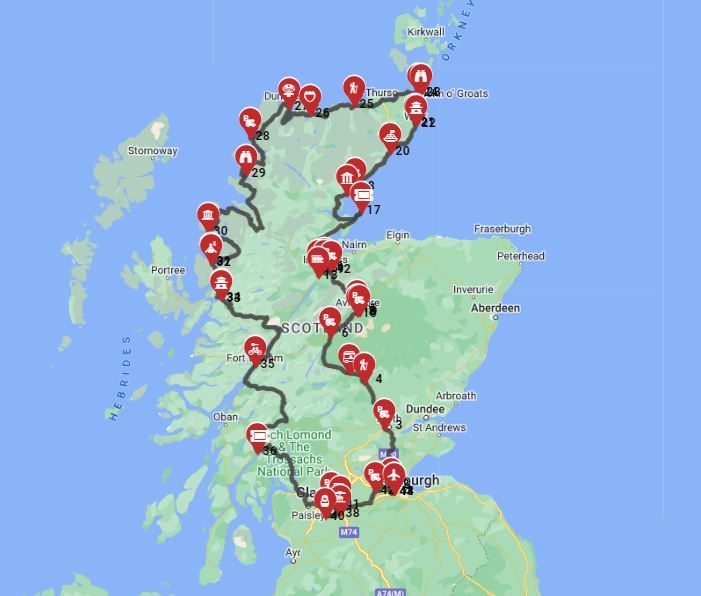
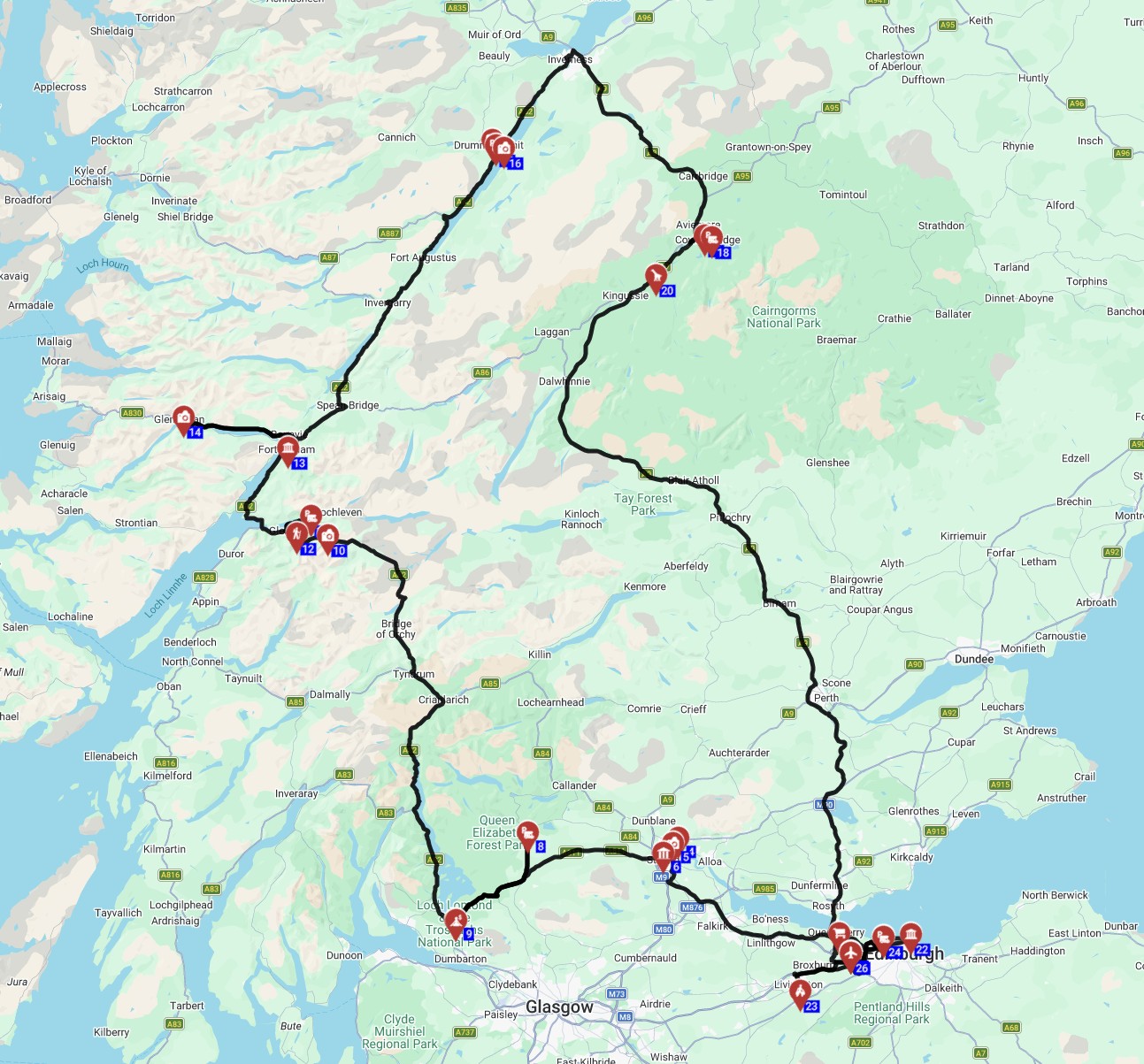
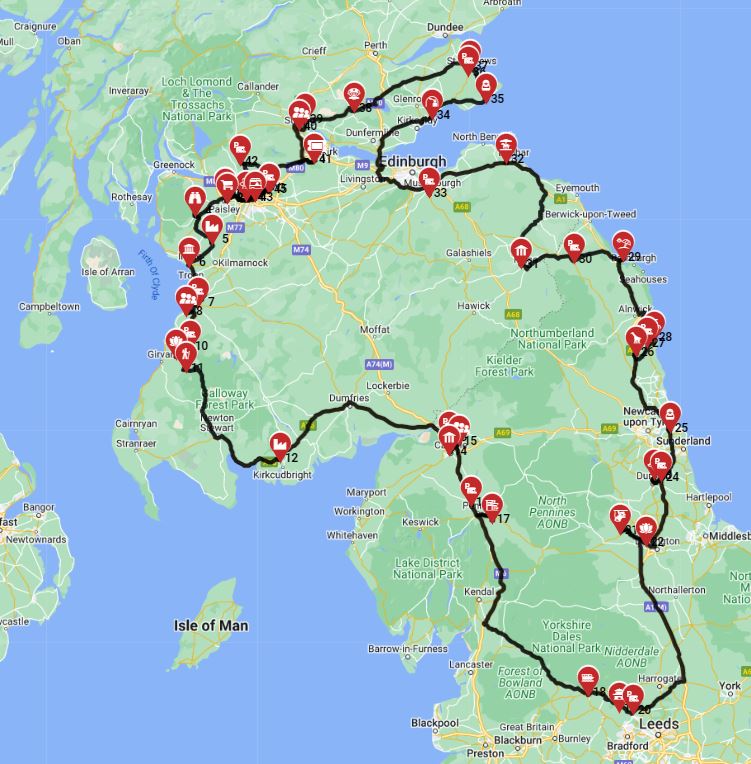
The North Coast 500 (NC500) offers an incredibly scenic and rewarding motorhome experience through the dramatic Scottish Highlands, though it demands careful planning and responsible driving due to its immense popularity and the nature of its often narrow, single-track roads. While undeniably stunning, certain sections of the NC500, particularly the challenging Bealach na Bà pass and other remote coastal routes, can be demanding for larger motorhomes (Class C or A); smaller campervans (Class B) are generally much easier to maneuver and are highly recommended for a less stressful journey. Expect to encounter frequent passing places and practice using them politely and efficiently; be prepared to pull over for faster traffic or to reverse to allow oncoming vehicles through, always adhering to local etiquette. Responsible and sustainable RV travel on the NC500 is paramount: always adhere to 'Leave No Trace' principles, utilize designated campsites or approved informal overnight parking spots, and properly dispose of all waste, including grey and black water, at official facilities to protect the fragile Highland environment. Consider exploring alternative, less-traveled routes for a different perspective, such as the Argyll Coastal Route, the South West Coastal 300, or planning island-hopping adventures to the Outer Hebrides or Mull, which offer unique RV-friendly itineraries beyond the main NC500 trail.
Are motorhomes popular in Scotland?
Motorhomes and campervans are exceptionally popular in Scotland, attracting both domestic and international visitors who seek the freedom and flexibility to explore its diverse landscapes at their own pace. This popularity has surged significantly in recent years, particularly since the pandemic, making Scotland one of Europe's top destinations for RV travel. The high demand does mean that securing a motorhome, especially for last-minute rentals or during the peak season, can be challenging; while early booking is generally recommended, maintaining flexibility with your dates and RV model might still yield opportunities for last-minute availability. The high demand also translates to potentially busy campsites, ferry routes, and popular attractions, reinforcing the need for advance planning even for spontaneous trips, and emphasizing the importance of responsible visitor behavior to maintain the quality of the experience for all.
How easy is it to drive a motorhome in Scotland?
Driving a motorhome in Scotland is generally straightforward on major A-roads and motorways, but it requires increased attention, confidence, and patience on narrower, winding routes, particularly in the Highlands and on single-track roads featuring passing places. The key challenges involve navigating tight turns, executing safe reversals into passing places, and maintaining acute awareness of your vehicle's dimensions (height, width, length) on smaller roads and under potentially low bridges. The slower pace of travel encouraged in many scenic areas actually benefits the overall experience, allowing drivers to fully absorb the stunning landscapes rather than rushing, making the journey an integral and enjoyable part of the adventure. For those who are new to RVing or perhaps a bit apprehensive about driving larger vehicles, choosing a compact campervan (like Bandana's Class B, averaging 5.8m in length) can significantly enhance the ease and reduce the stress of navigating Scotland's varied and often demanding terrain.
Where can I park a motorhome overnight in Scotland?
For secure and amenity-rich overnight stays, designated campsites are the primary and most recommended option for motorhomes in Scotland, offering essential facilities like waste disposal points, fresh water hookups, and often electrical connections. Informal overnight parking, sometimes termed 'wild camping' for vehicles, is tolerated in some remote areas, lay-bys, or specific designated spots if done discreetly and responsibly, strictly adhering to 'Leave No Trace' principles and respecting any local signage. Utilizing apps like 'Park4Night' or 'Campercontact' can be a helpful way to locate both official campsites and community-reported informal overnight parking spots, but it's always wise to cross-reference this information with current local regulations and heed any posted 'No Overnight Parking' signs. To practice responsible and sustainable RV travel, always utilize proper waste disposal points for grey and black water (available at many official campsites or dedicated service points) and dispose of all rubbish by using designated bins or taking it with you, thereby minimizing your environmental impact in Scotland's beautiful and often fragile landscapes.
Final Thoughts
Renting an RV for a last-minute adventure in Scotland is a fantastic way to experience its rugged beauty and captivating landscapes. While spontaneity is part of the thrill, a little bit of planning goes a long way, especially regarding vehicle choice and understanding the local driving conditions. Opting for a more compact campervan can often provide a stress-free journey through the narrow roads, while larger motorhomes offer unparalleled comfort for longer trips.
Remember to book your preferred vehicle and ferry crossings in advance, especially during peak season, and always pack with Scotland's variable weather in mind. By embracing the slower pace of RV travel and respecting the local environment and communities, you're set for an unforgettable journey through some of the most breathtaking scenery Europe has to offer.
Ready to plan your Scottish RV escape? Compare motorhome prices for Scotland and start mapping out your adventure today!