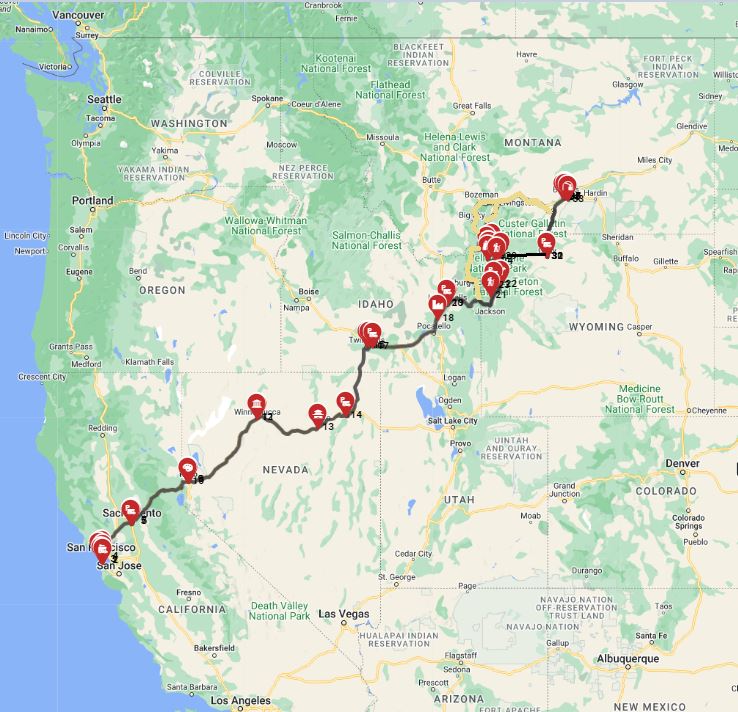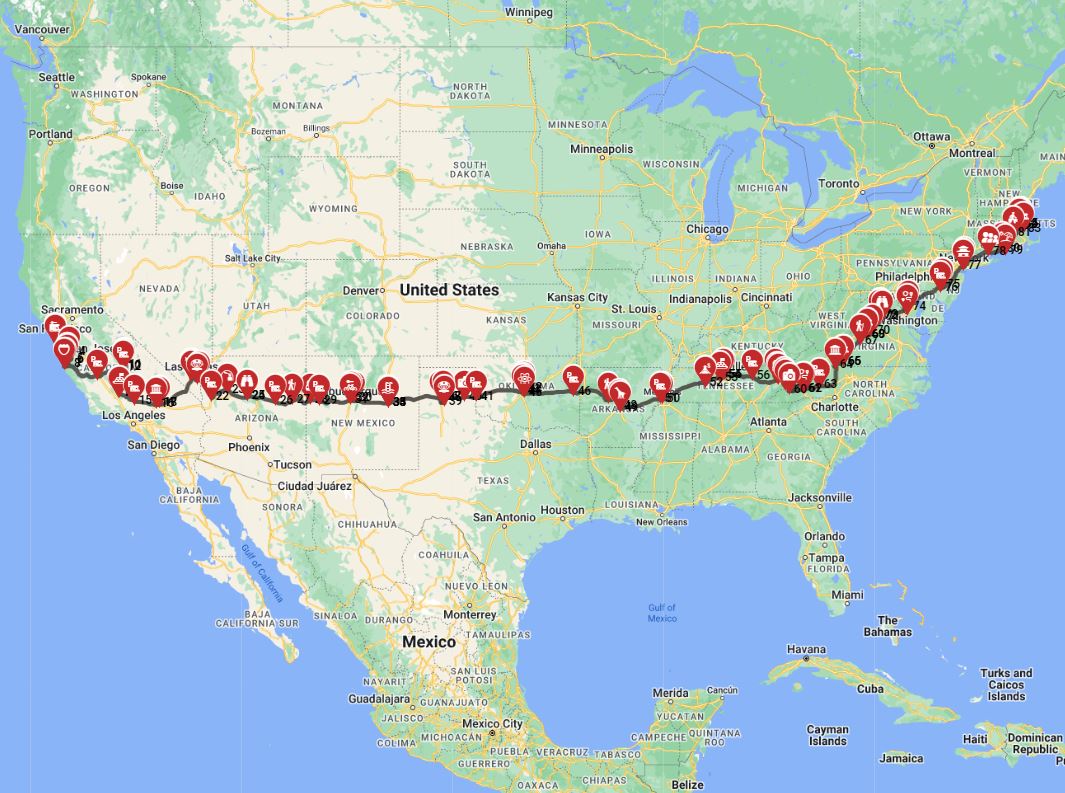
For live availability and current prices, start with our RV Rental San Francisco - Complete Guide 2026 guide.
In This Guide
- Can You Drive an RV in San Francisco? License & Age Rules
- Road Conditions & Terrain in San Francisco
- RV Size Limits, Bridges & Restricted Zones
- Fuel: Diesel vs. Petrol & Cost per 100 km
- Tolls, Vignettes & Border Rules
- Driving Tips for last minute rv rental Travelers
- Recommended RV Class for San Francisco Roads
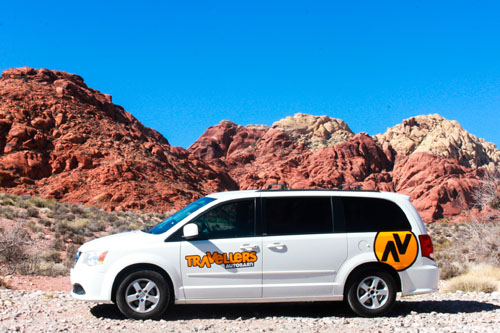
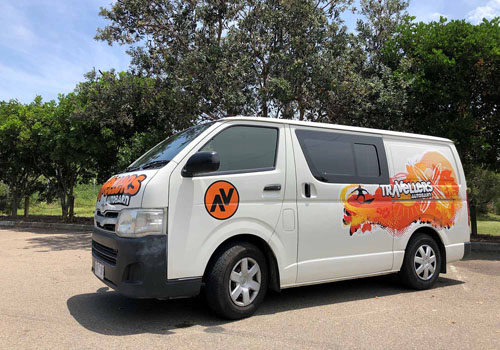
- Should I Choose a Compact Van Instead of a Large RV in San Francisco?
- Can I Park Anywhere? Free & Wild Camping Rules in San Francisco
- Can I Drive an RV Into the City Center? Heights, Tunnels & Local Signage
- What is the 3-3-3 rule when RVing?
- What is the 72 hour rule in San Francisco?
- What is the 4 4 4 rule for RVing?
- Where to park an RV near San Francisco?
- Can RVs go on the Golden Gate Bridge?
- Can you get RV insurance for 1 month?
Can You Drive an RV in San Francisco? License & Age Rules
Most standard rental RVs, typically those under 26,00What's the minimum driver age for an RV rental in San Francisco? The minimum age for RV rental generally starts at 21, with some rental providers increasing this to 25 for larger motorhome classes like Class A. Foreign drivers should carry a valid home country driver's license, and an International Driving Permit (IDP) is recommended for a smoother experience. You won't need a special commercial driver's license for any recreational vehicle you rent; a standard car license is sufficient for all classes of motorhomes.
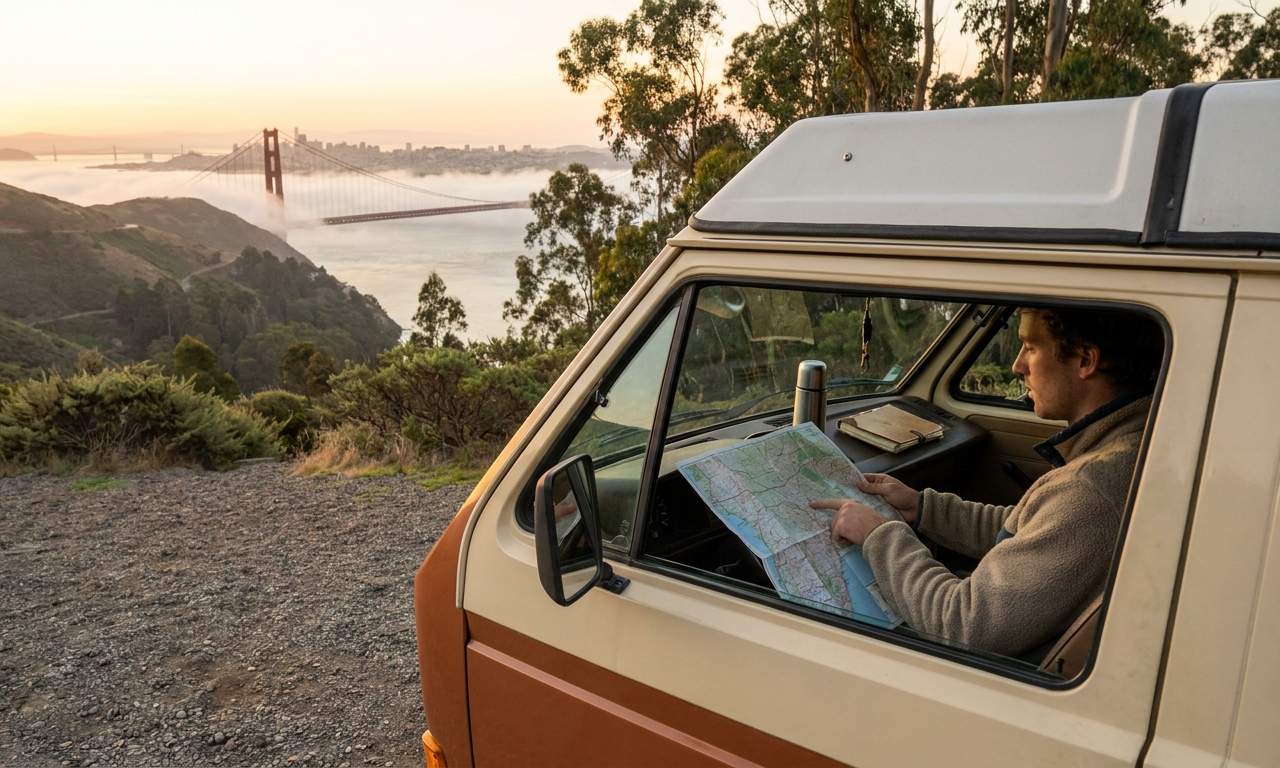
Road Conditions & Terrain in San Francisco
San Francisco's roads present a varied landscape, from well-maintained main routes to the city's famously steep, sometimes narrow, and uneven streets. Be prepared for significant elevation changes; many inclines require careful navigation, especially if you're new to driving larger vehicles. The urban density means contending with heavy traffic, numerous pedestrians, and cyclists, all of which necessitate a slow, cautious driving approach. Keep an eye out for potholes or uneven surfaces on older streets, which can feel more pronounced in an RV.
RV Size Limits, Bridges & Restricted Zones
While there aren't universal "RV size limits" preventing entry into San Francisco itself, you must be mindful of specific height, length, and weight restrictions posted for certain tunnels, historic districts, and bridges. The Golden Gate Bridge and Bay Bridge generally accommodate RVs, but always be aware of your vehicle's dimensions to navigate potential low clearances or tight turns, particularly in the city center. Currently, San Francisco does not enforce specific low-emission environmental zones that would restrict RVs, but it's wise to check local regulations for 2026 to confirm. Some local ferry services might have their own length or weight limits and may charge additional fees for larger vehicles.
Fuel: Diesel vs. Petrol & Cost per 100 km
Most rental RVs you'll find in San Francisco operate on petrol (gasoline), though diesel options are available. It's crucial to confirm your specific RV's fuel type before you set off. Fuel consumption can vary; a typical Class C - Alcove RV from Bandana's San Francisco fleet might average 23-35 Liters per 100 km (roughly 7-10 Miles per Gallon). Larger Class A - Integrated RVs in our San Francisco fleet will consume more, around 30-45 Liters per 100 km. Keep in mind that California's fuel prices are generally higher than the national average. Utilizing fuel discount cards, sometimes provided with Bandana rentals, can help manage these costs.
Tolls, Vignettes & Border Rules
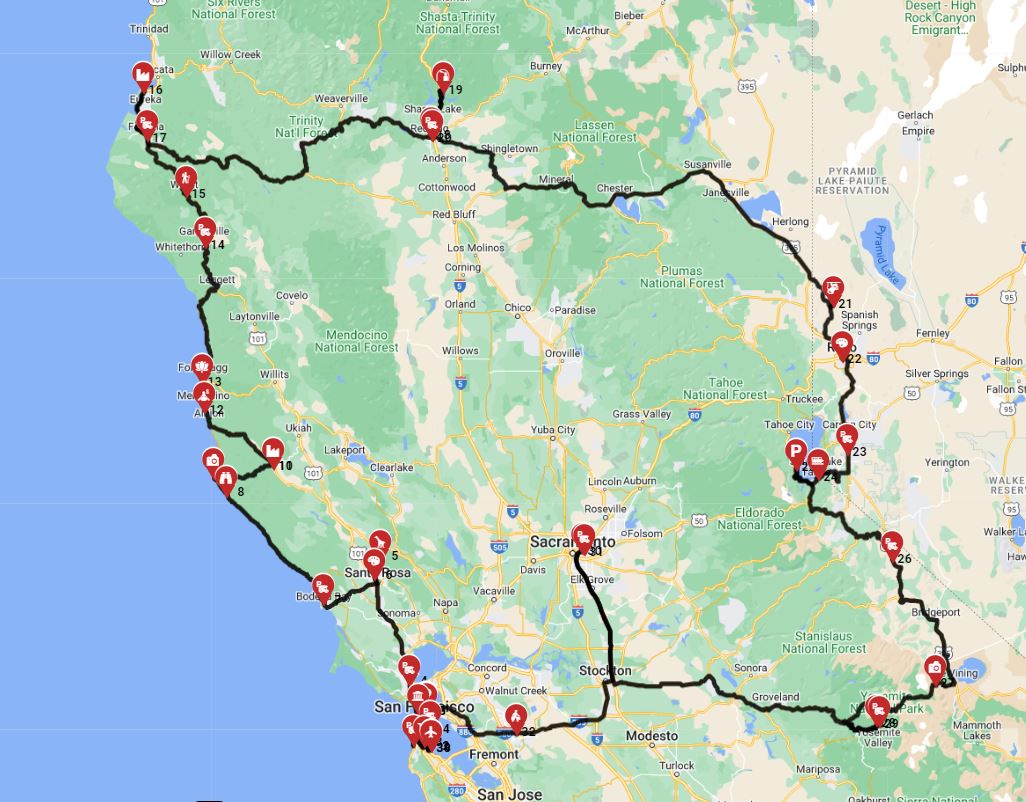
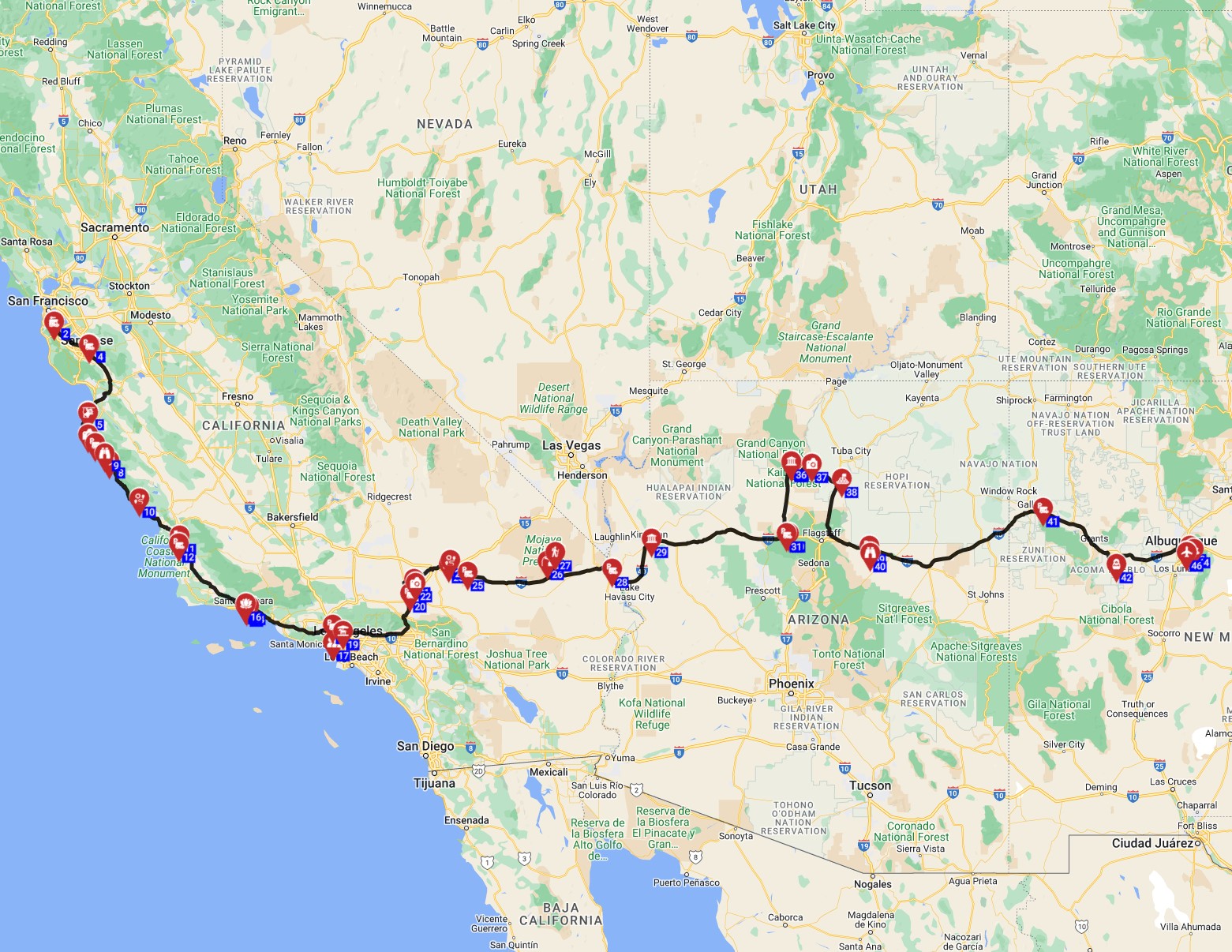
San Francisco and the broader Bay Area use electronic tolling systems on their major bridges, meaning vignettes are not applicable for domestic RV travel, and cash payments are often bypassed. Major crossings like the Golden Gate Bridge (southbound only) and the Bay Bridge (westbound only) typically utilize systems like FasTrak, online one-time payments, or license plate billing. Since this is domestic U.S. travel, there are no international border rules or vignettes to consider. To simplify your crossings and potentially avoid higher "invoice by mail" rates, some Bandana RV rentals offer the option to pre-purchase toll passes. On the routes offered through RV PLANET routes, you can itemize and track every expense along the way for easy budgeting.
Driving Tips for last minute rv rental Travelers
For last-minute RV renters in San Francisco, prioritizing route planning is key to avoiding extremely steep hills and narrow streets; consider using RV-specific GPS devices or apps. Drive defensively, maintaining ample following distance to account for dense urban traffic, frequent stops, and the presence of pedestrians and cyclists. When descending San Francisco's famous steep hills, engage lower gears to utilize engine braking, helping to prevent brake fade, especially with a heavier RV. It’s also wise to research and pre-book RV-friendly parking options outside the immediate city center, planning to utilize public transit for exploring downtown. If you're on a last-minute family trip, schedule frequent breaks and consider scenic routes just outside the city to enhance enjoyment and minimize driving fatigue.
Recommended RV Class for San Francisco Roads
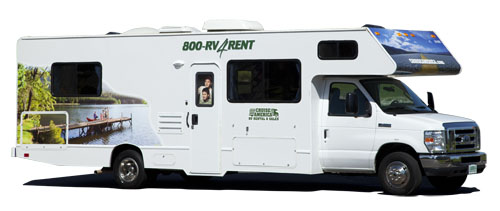
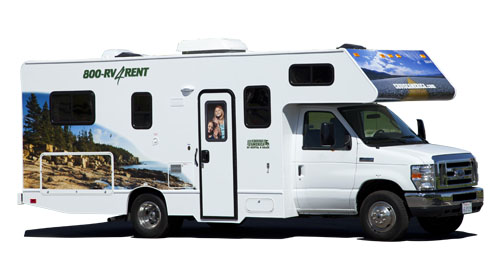
For navigating San Francisco's distinctive urban environment, a Class TC Truck Camper is highly recommended due to its maneuverability and compact size, averaging around 5.9 meters in Bandana's fleet. A Class C - Alcove RV, typically averaging 8.1 meters in our San Francisco fleet, also offers a good balance, providing comfortable living space for families (with an average of 5.4 sleeping places) while remaining manageable for driving. Compared to larger Class A - Integrated RVs (averaging 10.3 meters), these smaller classes are significantly easier to park and maneuver through city streets. Both Class TC and Class C options offer sufficient amenities for a comfortable stay and provide greater flexibility for spontaneous, last-minute rentals.
Should I Choose a Compact Van Instead of a Large RV in San Francisco?
While a compact van might offer marginally easier parking and navigation in San Francisco's most congested areas, a larger RV, like our Class C Alcove models, typically provides significantly more comfort and amenities for your overall trip. Compact vans can blend more seamlessly with regular traffic and *potentially* find standard parking spots more readily, though parking any oversized vehicle in downtown SF remains a challenge. However, a larger RV provides a full kitchen, bathroom, and ample living space, greatly enhancing comfort for longer stays or family adventures, making it a worthwhile trade-off for the overall experience. The primary hurdle in San Francisco is parking for any vehicle size; focusing on RV-friendly basecamps outside the city coupled with public transit access often effectively mitigates the size disadvantages of a larger RV. For ideas you can prep on the road, watch our RV-friendly recipes playlist on YouTube.
Can I Park Anywhere? Free & Wild Camping Rules in San Francisco
Free or "wild camping" in an RV is generally prohibited within San Francisco city limits. Strict local ordinances are in place against overnight parking of oversized vehicles and vehicle habitation. According to San Francisco's local ordinances, overnight RV parking or living in vehicles on city streets is largely forbidden or heavily restricted by specific anti-vehicle-habitation laws and zoning regulations. Street parking is also highly regulated, with strict time limits (e.g., 2 hours), street sweeping schedules, and permit-only zones, making extended or overnight RV parking virtually impossible. Travelers should plan to stay at designated RV parks or commercial campgrounds located outside the immediate city center to ensure legal and safe overnight stays. Remember, rules can vary by region—always check local regulations before parking overnight.
Can I Drive an RV Into the City Center? Heights, Tunnels & Local Signage
Yes, you can physically drive an RV into San Francisco's city center, but it demands careful attention to local signage regarding height limits, narrow streets, and stringent parking regulations. Avoid extremely narrow streets, particularly in historic areas like Chinatown or North Beach. Always pay close attention to posted signs for height restrictions on tunnels and underpasses, though most standard rental RVs should clear them without issue. The most practical strategy for visiting downtown San Francisco with an RV is to park at a designated RV-friendly park-and-ride facility or an RV park situated outside the city, then utilize the extensive public transit system (Muni, BART, ferries) to access the core. Attempting to drive and park an RV directly downtown is generally not recommended.
What is the 3-3-3 rule when RVing?
The 3-3-3 rule is a popular RV travel guideline suggesting that you drive no more than 300 miles per day, aim to arrive at your destination by 3 PM, and stay for at least 3 days at each location. This rule promotes a more relaxed travel pace, helping to reduce driving fatigue and allowing ample time for setting up camp and thoroughly exploring your chosen spots. For those on last-minute RV rentals, the "arrive by 3 PM" aspect is particularly beneficial for securing a spot at popular RV parks near San Francisco and having daylight for setup. The "stay for at least 3 days" principle is excellent for establishing a basecamp near San Francisco, enabling exploration of both the city and surrounding Bay Area attractions without the need for constant relocation.
What is the 72-hour rule in San Francisco?
San Francisco's 72-hour parking rule strictly prohibits any vehicle, including RVs, from remaining parked on a public street in the same location for more than 72 consecutive hours. This rule is rigorously enforced by the Department of Parking and Traffic, meaning vehicles in violation are subject to ticketing and potential towing, effectively making extended street parking impossible. Beyond this 72-hour limit, San Francisco also has numerous streets with shorter time restrictions (like 2-hour limits), specific street sweeping schedules, and permit-only zones that further restrict RV parking options. Travelers with a last-minute RV rental should absolutely not plan on relying on street parking within San Francisco; securing reservations at designated RV parks or private campgrounds is essential.
What is the 4 4 4 rule for RVing?
The 4-4-4 rule is a variation of RV travel advice, recommending that drivers travel no more than 400 miles per day, arrive at their destination by 4 PM, and stay for a minimum of 4 nights at each stop. Similar to the 3-3-3 rule, this guideline encourages a more leisurely travel pace, aiming to reduce stress and foster deeper engagement with each location. Adopting the 4-4-4 rule can be particularly beneficial for exploring the wider Bay Area from an RV basecamp, allowing ample time to visit attractions like coastal drives, redwood parks, or wine country over several days. Arriving by 4 PM ensures you have sufficient daylight for setting up camp and relaxing, while a 4-night stay minimizes the hassle of frequent relocations, which is especially useful for last-minute planners.
Where to park an RV near San Francisco?
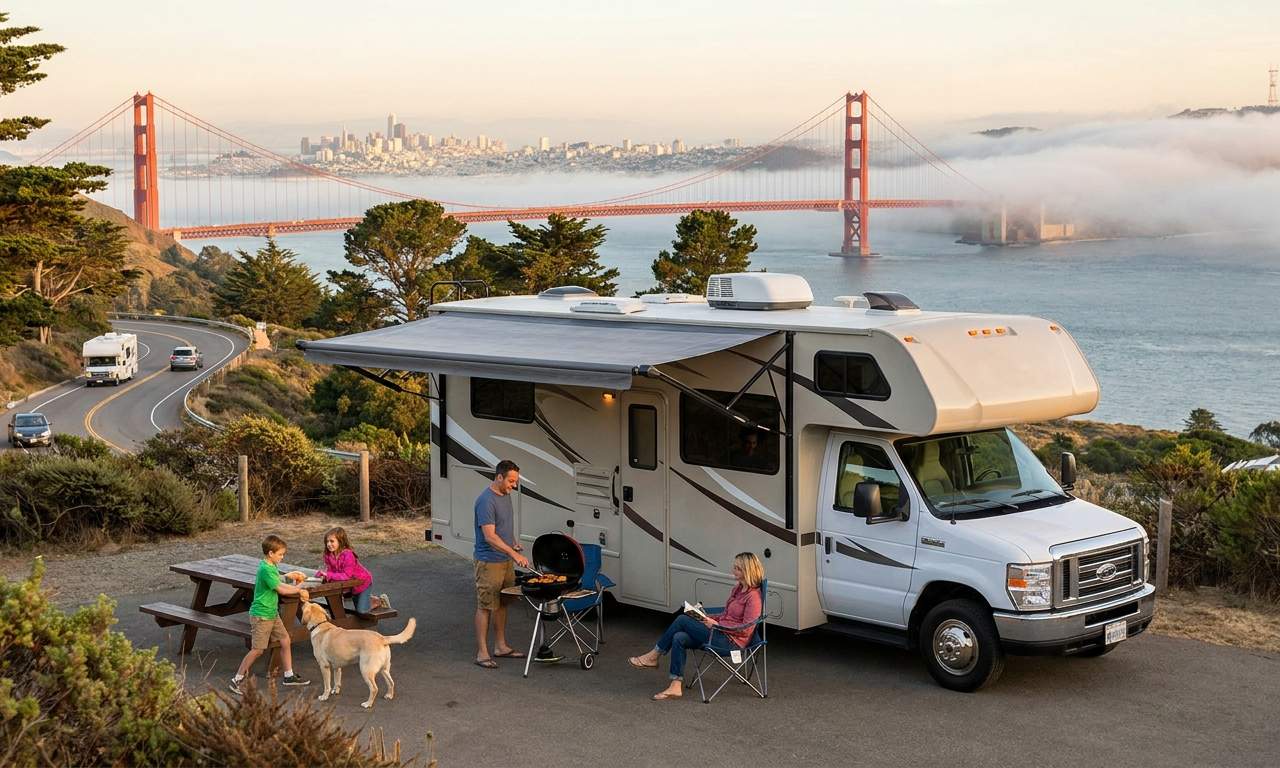
Parking an RV directly within San Francisco proper is exceptionally challenging due to strict regulations and limited space. Therefore, designated RV parks and park-and-ride locations situated *near* the city are the most practical solutions. Highly recommended options include San Francisco RV Resort in Daly City, which offers convenient BART access, Candlestick RV Park on the city's outskirts with Muni shuttle service, and Marin Park in Greenbrae for Golden Gate Transit and Ferry access. Alternatively, consider park-and-ride options at BART stations like Millbrae or El Cerrito del Norte, or at ferry terminals such as Larkspur Ferry, which often have larger parking lots—always verify their overnight parking rules. For visiting the city, using these RV-friendly basecamps and specific public transit routes or ferry services into San Francisco is the most sensible approach.
Can RVs go on the Golden Gate Bridge?
Yes, RVs are permitted to cross the Golden Gate Bridge. However, travelers must be aware that tolls are collected electronically for southbound travel (entering San Francisco) and rates vary based on the vehicle's axle count. There are no specific size restrictions that prevent standard RVs from crossing, but drivers should be prepared for potential crosswinds and ensure their vehicle can maintain highway speeds. Tolls are managed electronically via FasTrak transponder, a one-time online payment within 48 hours of crossing, or by invoice mailed to the registered owner (which typically incurs higher fees). For the most current toll information for 2026, check the official Golden Gate Bridge website, and consider purchasing a pre-paid toll pass offered by some rental companies for added convenience.
Can you get RV insurance for 1 month?
Yes, it's typically possible to obtain short-term RV rental insurance for periods as brief as one month. This coverage is often offered directly through the rental company or via specialized insurance providers. Most RV rental platforms, including Bandana, provide various insurance packages or waivers as part of the rental agreement, designed to cover the duration of your trip. You might also explore options from dedicated RV insurance carriers that offer temporary or pay-as-you-go policies, or check if your existing personal auto insurance policy can be extended to cover a rental RV through a rider. Always thoroughly review the details of any short-term RV insurance policy, paying close attention to coverage limits, deductibles, and specific exclusions, to ensure you have adequate protection for your rental period.
What You Shouldn't Miss
- Drive the scenic stretches of Highway 1 south of San Francisco, where towering redwood forests meet the Pacific Ocean – a truly breathtaking contrast to the urban environment.
- Explore the historic streets of San Francisco via public transit after parking your RV at an RV-friendly park-and-ride location; consider the extensive Muni system or ferry services.
- Take advantage of the numerous RV-friendly parks and campgrounds outside the immediate city center, such as San Francisco RV Resort in Daly City, to use as a comfortable basecamp for exploring the Bay Area.
- Experience the unique microclimates of San Francisco by visiting different neighborhoods; be prepared for changes in weather even over short distances.
- If your RV rental allows, consider a visit to Rob Hill Campground in the Presidio for a surprisingly urban camping experience amidst nature within San Francisco itself.
- Plan a route that incorporates the stunning coastal drives and redwood parks accessible from San Francisco, offering a different perspective of California's natural beauty.
Final Thoughts
Renting an RV for a last-minute adventure in San Francisco offers a unique way to experience this vibrant city and its stunning surroundings. While navigating the urban landscape requires preparation, the freedom and flexibility of having your own mobile accommodation make it incredibly rewarding. Remember to book in advance, especially during peak seasons, and consider using resources like RV PLANET (rvplan.net) to find perfect campsites and plan your route efficiently.
Embrace the journey, plan smart, and get ready for an unforgettable San Francisco RV experience. We're here to help you every step of the way, ensuring your rental process is as smooth and enjoyable as possible.
Find Motorhome Rentals in San Francisco