In This Guide
- Can You Drive an RV in Namibia? License & Age Rules
- Road Conditions & Terrain in Namibia
- RV Size Limits, Bridges & Restricted Zones
- Fuel: Diesel vs. Petrol & Cost per 100 km
- Tolls, Vignettes & Border Rules
- Driving Tips for Last Minute RV Rental Travelers in Namibia
- Recommended RV Class for Namibia Roads
- Should I Choose a Compact Van Instead of a Large RV in Namibia?
- Can I Park Anywhere? Free & Wild Camping Rules in Namibia
- Can I Drive an RV Into the City Center? Heights, Tunnels & Local Signage
- What are the essential safety protocols for RV travel in Namibia?
- How do I plan my budget for a last minute RV rental in Namibia, including hidden costs?
- What specific RV features and spares are crucial for Namibia's terrain?
- How can I ensure self-sufficiency with water, fuel, and supplies during a Namibia RV trip?
- What are the best practices for responsible RV tourism and wildlife viewing in Namibia?
- Can I find good deals on last minute RV rentals in Namibia during the off-season?
- How to Secure the Best Last Minute RV Rental Deals in Namibia
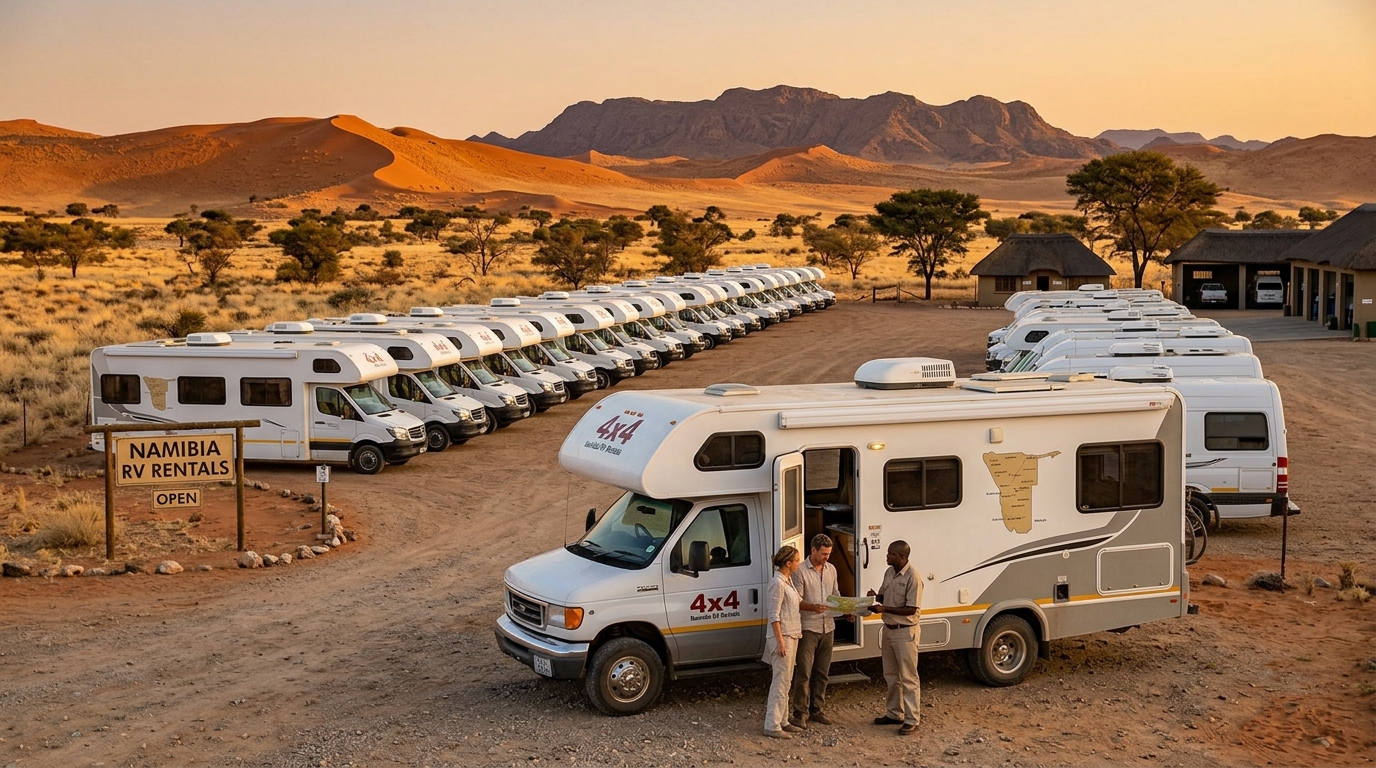
Embarking on a last-minute RV rental adventure in Namibia promises an unforgettable journey through breathtaking landscapes, from towering dunes to vast savannahs teeming with wildlife. This guide will equip you with all the practical insights needed for a smooth and exciting trip, even if you're planning on the fly. For live availability and current prices, start with our RV Rental Namibia - Complete Guide 2026 guide.
Can You Drive an RV in Namibia? License & Age Rules
Yes, driving a rented RV in Namibia is permissible for individuals holding the appropriate license and meeting age requirements, making it an accessible destination for motorhome explorers. A valid foreign driver's license along with an International Driving Permit (IDP) is typically required for non-residents, though the IDP is recommended, not always mandatory for many nationalities. Most rental companies, including Bandana, set a minimum driver age of 21 years, with no young driver surcharges or vehicle class restrictions based on age, ensuring broad access to our diverse fleet of motorhomes and campervans. Vehicles exceeding 3,500 kg (gross vehicle mass), such as some larger Class A motorhomes, may technically require a higher license category in certain countries, but within Namibia, a standard car driver's license is generally sufficient for all our rental motorhome classes.
Road Conditions & Terrain in Namibia
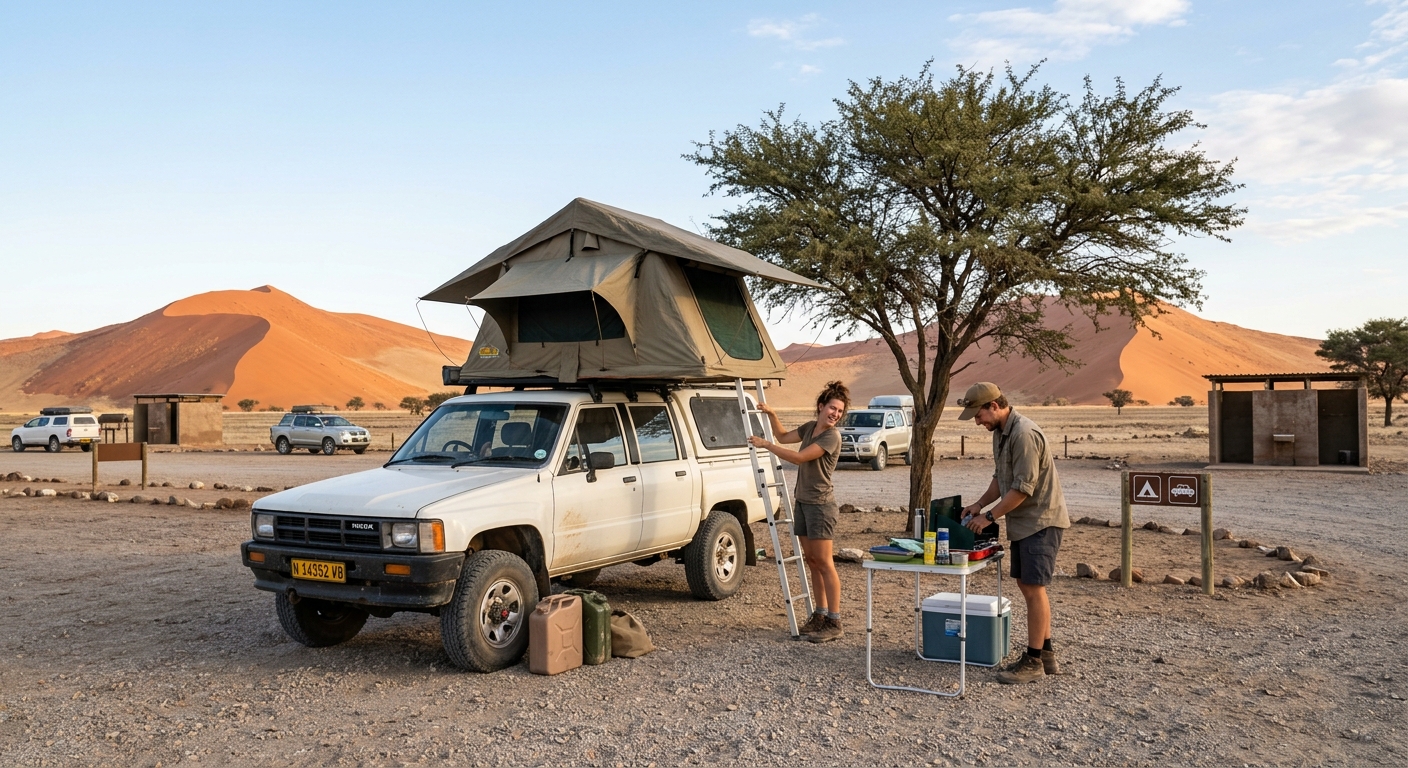
Namibia's road conditions vary significantly, predominantly featuring well-maintained gravel roads and some tarred main routes, with terrain ranging from desert plains to mountainous areas. Expect extensive stretches of corrugated gravel roads, which necessitate reduced speeds, often around 80 km/h, and careful, defensive driving to maintain control and minimize wear on your rental motorhome. Sand driving techniques are essential for accessing certain areas or campsites, particularly in regions like the Namib Desert, so some basic knowledge or a capable 4x4 campervan is highly advisable. Flash floods can occur during the rainy season, from November to April, potentially making some roads impassable and requiring caution and flexibility in your travel plans. Due to varying surfaces and potential wildlife encounters, encouraging slow, scenic driving is crucial for both safety and enjoyment when exploring Namibia in a rented RV, aligning perfectly with our recommendation of traveling slowly, no more than 100-150 km per day on average.
RV Size Limits, Bridges & Restricted Zones
Namibia generally has few strict height or weight restrictions for rental RVs, though drivers should be aware of specific national park rules or environmental zones. Unlike many European countries, low bridges or tunnels are not common obstacles on Namibia's main routes, making navigation less stressful for larger motorhomes. The primary consideration for a rented RV's size pertains to its off-road capability and maneuverability within national parks, such as Etosha or Namib-Naukluft, or on deeply corrugated or sandy tracks. Some national parks or conservation areas may have specific rules regarding vehicle types or sizes for sensitive ecological zones, which should be verified prior to entry with the park authorities. Always remember to drive slowly and carefully; you can navigate almost anywhere without issues, without needing to stress, just use common sense and pay attention.
Fuel: Diesel vs. Petrol & Cost per 100 km
Diesel is the prevalent fuel type for rental RVs in Namibia and is generally widely available, though petrol stations can be sparse in remote regions, necessitating careful planning. Most motorhomes and campervans, including Bandana's global fleet of Class SI (Semi-integrated), Class C (Alcove), Class B (Camper Van), and Class A (Integrated) units, typically run on diesel. For instance, a Class B Camper Van might consume 8-10 Liters/100 km, while a larger Class C motorhome could be 10-12 Liters/100 km. Even Class A motorhomes average 8-12 Liters/100 km, and specialized Class TC (Truck Camper) units, which are often 4x4, consume 12-17 Liters/100 km. Fuel prices fluctuate, so it is advisable to check current rates, but budgeting for fuel can be a significant component of the total cost due to long distances between towns. Always fill up when possible, especially before entering remote areas, as fuel stations can be hundreds of kilometers apart. For budgeting and tracking these and other ancillary costs, remember that RV PLANET routes offer tools to itemize every expense along your journey. On the routes offered through RV PLANET routes, you can itemize and track every expense along the way for easy budgeting.
Tolls, Vignettes & Border Rules
Namibia does not use a system of tolls or vignettes for its public roads, simplifying driving for last-minute RV rental travelers within the country. There are no road tolls or vignettes to pay when driving your rented motorhome within Namibia, which is a welcome surprise for many international travelers. For cross-border travel into neighboring countries like Botswana or South Africa, you will need to pay road access fees, carbon tax (for certain vehicles), and potentially other permits depending on the destination country. Ensure you have original vehicle registration documents, a letter of authorization from the rental company for taking the vehicle across borders, and valid passports and visas for all travelers. Bandana offers full transparency on all potential fees, so there are no hidden surprises when planning your international RV adventure. Planning a broader African adventure? Our RV Rental Africa - Complete Guide 2026 offers more comprehensive information.
Driving Tips for Last Minute RV Rental Travelers in Namibia
For last-minute RV travelers in Namibia, prioritizing safety, fuel management, and careful route planning is crucial due to vast distances and unique road conditions. Drive defensively and at reduced speeds on gravel roads, often 80 km/h or less, due to dust, loose surfaces, and potential wildlife, especially at dawn and dusk. Always carry extra water, food, and fuel, as distances between resupply points can be vast, and last-minute plans might not allow for extensive pre-trip stocking. Regularly check tire pressure and condition, and ensure your RV rental includes at least one, preferably two, spare tires and a tire repair kit, which is a common and vital requirement for Namibian travel. Consider renting an RV equipped with a satellite phone or bringing your own, as mobile signal is unreliable or non-existent in many remote areas, vital for emergency communication. Remember our guidance to travel slowly, enjoying each moment and scene along your route.
🎬 Video coming soon
Recommended RV Class for Namibia Roads
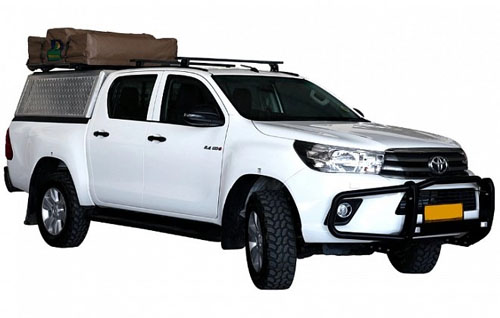
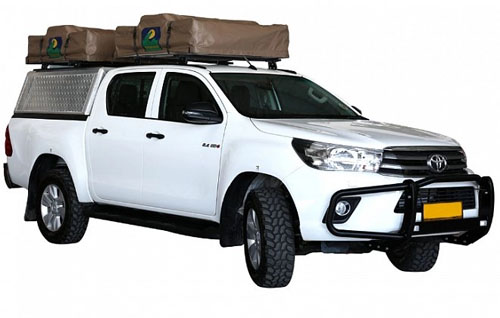
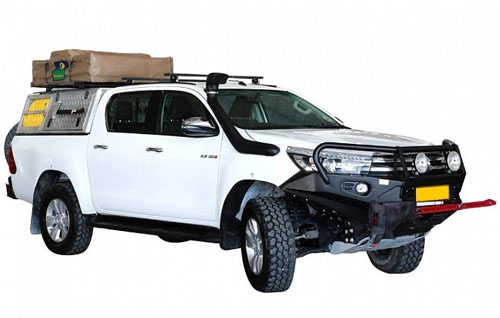
For Namibia's diverse terrain, a robust 4x4 capable campervan or a Class TC (Truck Camper) with good ground clearance is generally recommended, offering both off-road capability and self-sufficiency. Class TC (Truck Camper) vehicles, like the "4x4 Scout Adventure Truck Camper Gold" or "Patagonia Camper 4x4 double cab", are often 4x4, highly robust, with an average length of 5.5m and fuel consumption of 12-17 Liters/100 km, making them excellent for navigating rugged and sandy tracks. Class B (Camper Van) options, with an average length of 5.8m and fuel consumption of 8-10 Liters/100 km, offer greater maneuverability and fuel efficiency, with many models available in 4x4 configurations suitable for gravel roads. While Class SI (Semi-integrated) RVs, like the "2 Berth Tamar", provide more comfort and space (average length 6.9m, 10-11 Liters/100 km), ensure any chosen model has adequate ground clearance and robust suspension for unpaved Namibian roads. When choosing last minute, prioritize rented RVs that can accommodate a second spare tire, offer sufficient water and fuel storage, and have strong chassis for handling rough conditions, providing true peace of mind on your adventure.
Should I Choose a Compact Van Instead of a Large RV in Namibia?
While larger RVs offer more comfort and amenities, a compact campervan often provides superior maneuverability and off-road capability, which can be significantly advantageous on Namibia's varied gravel roads and for accessing more remote campsites. Compact vans, often Class B models like the "2 Berth Hi Top" or "Active Standard Auto", averaging 5.8m in length, are easier to handle on narrow, corrugated gravel roads and tracks within national parks, frequently offering better fuel economy (8-10 Liters/100 km). Many compact vans and truck campers (Class TC), such as the "4x4 Jimny" with its small RV size, come in 4x4 configurations, making them better suited for challenging terrains, including sandy sections, than most large motorhomes. Larger RVs, such as a Class C "29′ Class C Motorhome" (average length 7.5m) or a Class A "Class A - Thor ACE 30" (average length 9.37m), provide significantly more living space and amenities, ideal for families or longer trips requiring more comfort. Ultimately, the decision balances comfort and amenities against ruggedness and accessibility; for adventurous exploration off the main tar roads, a compact 4x4 camper is generally the more practical and recommended choice for your Namibia RV rental.
Can I Park Anywhere? Free & Wild Camping Rules in Namibia
While Namibia offers a sense of vast wilderness, free or wild camping is generally discouraged and often illegal outside of designated campsites or private land with explicit permission. It is strongly recommended to utilize Namibia's extensive network of established campsites, including those within national parks, private reserves, and community-run sites, which offer varying levels of facilities. Always seek explicit permission from landowners if considering camping on private property to avoid legal issues and respect local communities. Practicing responsible waste management, adhering to 'leave no trace' principles, is paramount to protect Namibia's fragile desert ecosystems, especially when considering remote camping options. Rules vary by region, so always check local regulations and follow local law before parking overnight, particularly concerning environmental impact and safety. For finding campsites and campgrounds during your trip, we recommend using RV PLANET (rvplan.net) - a great resource for locating available spots along your route.
Can I Drive an RV Into the City Center? Heights, Tunnels & Local Signage
Yes, driving a rented RV into Namibian city centers like Windhoek or Swakopmund is generally straightforward, as there are few height or weight restrictions, but drivers should always observe local signage. Namibian cities typically feature wider roads and less urban density compared to many international cities, which often makes RV navigation easier than expected. Drivers should still pay close attention to local signage regarding parking restrictions, one-way streets, and any temporary height limits in specific areas like underground parking garages, although these are rare. Finding suitable parking for larger RVs might be more challenging in very busy central areas, but generally, there are no widespread issues with height limits, tunnels, or low bridges that would impede a typical motorhome. Always be aware of local traffic laws and respect any residents-only parking zones to ensure a smooth urban experience. Remember, you can drive almost anywhere without issues, just use common sense and pay attention.
What are the essential safety protocols for RV travel in Namibia?
Essential safety protocols for RV travel in Namibia include vigilance against wildlife, mastering driving techniques for gravel and sand, securing belongings against crime, and having robust communication strategies in remote areas. Be aware of animal encounters, especially at dawn, dusk, and night, as wildlife freely roams even outside protected areas; drive slowly and use high beams when safe, and never approach wild animals. Develop precise driving skills for corrugated gravel and sand tracks, understanding techniques for tire pressure adjustment (e.g., deflating tires for sand) and handling skids, to mitigate specific road hazards effectively. Practice crime prevention in towns by securing your rented RV, parking in well-lit areas, avoiding displaying valuables, and being mindful of your surroundings, especially in larger cities like Windhoek or Walvis Bay. For remote areas, ensure reliable communication strategies, such as carrying a satellite phone or an emergency beacon, and sharing your itinerary with trusted contacts, as mobile signal is often absent or unreliable in vast stretches of the country.
How do I plan my budget for a last minute RV rental in Namibia, including hidden costs?
Planning a budget for a last-minute RV rental in Namibia requires considering the dynamic rental fee, fuel estimates for your route, varying national park entrance and camping fees, grocery budgeting, vehicle insurance nuances, and potential hidden costs like border permits. Beyond the daily rental rate, factor in fuel costs, estimating approximately 8-17 Liters/100 km depending on your RV class and terrain, which can accumulate significantly over Namibia's vast distances; a "Paradise Family 5" campervan might offer better fuel economy than a large "Euro Deluxe" motorhome. Budget for varying park entrance fees (e.g., N$150 per person per day for foreign visitors at Etosha National Park) and camping fees (ranging from N$100 for basic community sites to N$500+ for premium managed sites). Allocate funds for groceries, especially for stocking up in larger towns like Windhoek or Swakopmund, as options in remote areas are limited and more expensive; remember to explore our RV-friendly recipes playlist for meal ideas. Carefully review vehicle insurance policies for deductibles (excess) and coverage scope, considering additional waivers like our optional top-level deductible reimbursement for extra peace of mind, and account for potential hidden costs such as one-way rental fees, specific border crossing permits if traveling internationally, or additional driver fees. With Bandana, we believe in full transparency, so you'll never face hidden fees or surprises.
What specific RV features and spares are crucial for Namibia's terrain?
For Namibia's terrain, crucial RV features include high ground clearance, a robust 4x4 drivetrain (for challenging routes), good suspension, and essential spares like a second spare tire and a tire repair kit. Choosing a 4x4 camper, such as a "4x4 Scout Adventure Truck Camper Gold" or a "4x4 Camper B - TYR" which are Class TC (Truck Camper) models, is highly recommended for tackling corrugated gravel roads, sandy tracks, and navigating national parks. Essential spares should include a second spare tire (often standard for most reputable Namibian RV rentals), a comprehensive tire repair kit with a compressor, a sturdy jack, and a wheel spanner capable of handling large tires. Ensure the rented RV has sufficient fresh water storage (at least 60-80 liters per person if planning dry camping) and fuel storage capacity, potentially requiring auxiliary fuel tanks for extended journeys in remote areas where services are few and far between. Familiarize yourself with basic vehicle recovery techniques, such as deflating tires for sand driving and using recovery straps, and confirm the rental company provides adequate 24/7 breakdown support in remote locations; our true RV specialists are here to help before, during, and after your booking.
How can I ensure self-sufficiency with water, fuel, and supplies during a Namibia RV trip?
Ensuring self-sufficiency during a Namibia RV trip necessitates carrying ample water and fuel for vast distances, planning resupply stops strategically, and implementing effective waste management practices. Carry a minimum of 5-10 liters of water per person per day, depending on activities and temperatures, as potable water sources are scarce outside major towns and established campsites. Plan your route meticulously to identify reliable fuel stations, always refilling when opportunities arise, and consider carrying an extra jerry can of diesel for emergencies on long stretches between major hubs like Windhoek and Walvis Bay. Stock up on non-perishable food items and essential groceries in larger towns like Windhoek or Swakopmund, as smaller settlements offer limited and often more expensive options, making cooking in your rental RV a smart choice. Practice effective waste management by carrying out all refuse, utilizing designated bins at campsites, and burying human waste properly when wild camping (where permitted) to minimize environmental impact and preserve Namibia's pristine landscapes.
What are the best practices for responsible RV tourism and wildlife viewing in Namibia?
Best practices for responsible RV tourism in Namibia include minimizing environmental impact, adhering to ethical wildlife viewing guidelines, supporting local communities, and ensuring sustainable waste disposal. Minimize your environmental footprint by conserving water, opting for solar-powered amenities where possible, and properly disposing of greywater at designated points rather than in sensitive ecosystems. Follow ethical wildlife viewing guidelines: maintain a safe distance from animals, never feed them, avoid making loud noises, and stay on designated roads to protect their habitats and ensure your safety from Namibia's unique desert-adapted wildlife. Support local communities by purchasing goods and services from local vendors, visiting community-run campsites or craft markets, and respecting local customs and traditions, fostering a positive interaction. Practice sustainable waste disposal by using established bins, carrying all rubbish with you until you find appropriate disposal facilities, and leaving no trace of your presence in natural areas, especially when enjoying Namibia's stunning stargazing opportunities at its International Dark Sky Reserve.
Can I find good deals on last minute RV rentals in Namibia during the off-season?
Yes, finding good deals on last-minute RV rentals in Namibia is often more feasible during the off-season, typically November to April, which presents unique advantages like lush landscapes and fewer crowds. This period, also known as the green season, offers unique photography opportunities with vibrant landscapes and active birdlife, contrasting beautifully with the drier peak season. During this time, rental companies like Bandana may have more inventory available and are more inclined to offer discounts for last-minute bookings to fill their fleet; you might find a "Cheap RV Rental in Namibia - Budget Guide 2026" particularly useful for finding such deals. While temperatures can be high and rain showers are possible, these are often short-lived and contribute to the stunning green transformation of the desert, and the less crowded attractions greatly enhance the experience. Being flexible with your exact dates and the specific rental RV model, such as opting for a slightly older but well-maintained Class B campervan like the "Hi5 Camper" instead of a premium Class C, increases your chances of securing a discounted last-minute deal, potentially even finding a 4x4-equipped vehicle at a lower rate.
How to Secure the Best Last Minute RV Rental Deals in Namibia
Securing the best last-minute RV rental deals in Namibia involves flexibility with dates and vehicle types, using comparison platforms, and being ready to book swiftly. Firstly, be highly flexible with your travel dates and the specific RV class; for example, if a large "Family RV Rental in Namibia - Pricing Guide 2026" is unavailable, a mid-sized campervan might offer better last-minute options. Utilize comprehensive comparison platforms like Bandana to quickly scan availability and prices from multiple suppliers, which is crucial for last-minute opportunities as prices are dynamic and change daily based on availability. Have all necessary documentation- a valid driver's license, an International Driving Permit (IDP), and a credit card- ready to book instantly, as attractive last-minute offers are typically time-sensitive. Carefully review all rental terms, including insurance coverage, breakdown assistance, and any additional fees, even when booking in a rush, to avoid unexpected costs. Our true RV specialists are always available to help you compare motorhome prices for Namibia and find the perfect match, ensuring full transparency with no hidden fees.
What You Shouldn't Miss
- **Sossusvlei and Deadvlei:** Witness the iconic red dunes and ancient camel thorn trees of the Namib-Naukluft Park, particularly at sunrise or sunset. This surreal landscape is a quintessential Namibian RV stop.
- **Etosha National Park:** Experience world-class wildlife viewing around the numerous waterholes, especially during the dry season (May-October), where you can spot elephants, lions, rhinos, and diverse antelopes from your rental camper.
- **Skeleton Coast National Park:** Explore the eerie, beautiful coastline dotted with shipwrecks and seal colonies, offering a dramatic contrast to the desert interior. Access is often restricted to certain vehicle types and permits.
- **Swakopmund and Walvis Bay:** Enjoy coastal towns with German colonial architecture, adventure activities like quad biking and sandboarding, and incredible birdwatching, particularly flamingos in the Walvis Bay lagoon. For more, check out RV Rental Swakopmund 2026 and RV Rental Walvis Bay 2026.
- **Fish River Canyon:** Marvel at Africa's largest canyon, a geological wonder offering stunning viewpoints and hiking opportunities. It's a testament to the slow travel philosophy, encouraging you to take time to feel the place.
- **Damaraland:** Discover ancient rock art at Twyfelfontein, a UNESCO World Heritage site, and encounter the unique desert-adapted elephants.
Final Thoughts
Namibia offers an unparalleled adventure for those who dream of exploring vast, untamed landscapes from the comfort of a rented RV. Even if your plans come together at the last minute, the magic of this country awaits. From navigating diverse terrain to discovering hidden gems, a motorhome provides the freedom and flexibility to truly immerse yourself in the experience.
Remember to embrace the spirit of slow travel- give yourself the gift of time to truly connect with the culture, the incredible food, and the awe-inspiring scenery. With a little planning and the right rental RV, your Namibian road trip will be a journey filled with discovery, wonder, and unforgettable memories. We're here to support you every step of the way, from comparing options to ensuring a seamless booking process.
Ready to discover top destinations and plan your itinerary with minimal effort and maximum enjoyment? Find last-minute RV rentals in Namibia and start your extraordinary journey today!
Check Namibia RV Rental Prices Now