In This Guide
- Can You Drive an RV in Madrid? License & Age Rules
- Road Conditions & Terrain in Madrid
- RV Size Limits, Bridges & Restricted Zones
- Fuel: Diesel vs. Petrol & Cost per 100 km
- Tolls, Vignettes & Border Rules
- Driving Tips for RV Rental Travelers
- Recommended RV Class for Madrid Roads
- Should I Choose a Compact Van Instead of a Large RV in Madrid?
- Can I Park Anywhere? Free & Wild Camping Rules in Madrid
- Can I Drive an RV Into the City Center? Heights, Tunnels & Local Signage
- What do I need to drive my motorhome in Spain?
- Can I drive in Madrid with a US license?
- What are the new motorhome rules in Spain?
- What requirements do you need to drive an RV?
- Is Spain camper van friendly?
- Do you need a license to get an RV?
- What is the typical cost of RV insurance?
- What is the best insurance company in Spain?
- RV-Friendly Campsites Near Madrid & City Access
- Best Time to Visit Madrid by RV
Dreaming of exploring the vibrant culture and stunning landscapes around Madrid with the freedom of a rented motorhome? A last-minute RV adventure in Spain's capital can be surprisingly smooth with the right preparation and insights. At Bandana Caravan, we genuinely know RV travel, and we're here to help you navigate everything from local driving regulations to finding the perfect campsite, ensuring you travel with peace of mind. For live availability and current prices, start with our RV Rental Madrid - Complete Guide 2026 guide.
Can You Drive an RV in Madrid? License & Age Rules
To drive an RV in Madrid, drivers typically need a Category B license for vehicles up to 3,500 kg (standard car license) or a Category C1 for motorhomes between 3,500 kg and 7,500 kg. The minimum driving age for an RV rental in Spain is generally 21 years old, and Bandana Caravan proudly offers transparent rental options with no young driver surcharges or vehicle class restrictions based on age, ensuring everyone aged 21 and above can enjoy a week-long trip or extended road trip.
Non-EU drivers, including those with a US license, can drive in Spain for up to six months using their national license, but an International Driving Permit (IDP) is highly recommended and legally required after this initial period. For larger RVs exceeding 3,500 kg, a higher license category like C1 is mandatory, even if your home country license permits driving heavier vehicles with a standard car license. We handle the details of comparing pre-booking options, so you just need to ensure your license matches your chosen vehicle, whether it's a compact Class B campervan or a spacious Class C motorhome.
Road Conditions & Terrain in Madrid
Road quality around Madrid and on major routes across Spain is generally excellent, featuring well-maintained highways and secondary roads suitable for all sizes of RVs. The terrain directly surrounding Madrid is predominantly flat to gently rolling, transitioning to mountainous regions like the Sierra de Guadarrama to the north, which may require more cautious driving and route planning. Urban driving in Madrid can be dense, with narrower streets in older parts of the city and increasingly strict low-emission zones, making careful navigation essential.
Drive slowly and carefully, and you can drive almost anywhere without issues. No need to stress - just use common sense and pay attention. We always encourage slow, scenic travel, averaging no more than 100-150 km per day. This allows you to truly feel the place, connect to the culture, the incredible food, and the diverse scenery that Spain offers, from the historic streets of Madrid to the natural beauty of its surrounding regions.
RV Size Limits, Bridges & Restricted Zones
Madrid has a comprehensive Low Emission Zone (Zona de Bajas Emisiones - ZBE) that restricts access for older, more polluting vehicles, a crucial consideration for RVs entering the city. Standard RVs, including models like the Class SI - Semi-integrated with an average length of 6.9 meters, typically do not encounter issues with bridge heights or weight limits on main Spanish roads, but always pay attention to local signage, particularly in historic towns or rural villages. Most Bandana rental RVs are modern and meet current emission standards, usually qualifying for the necessary environmental stickers (DGT labels) to access Madrid's ZBE, but renters should confirm this with their provider.
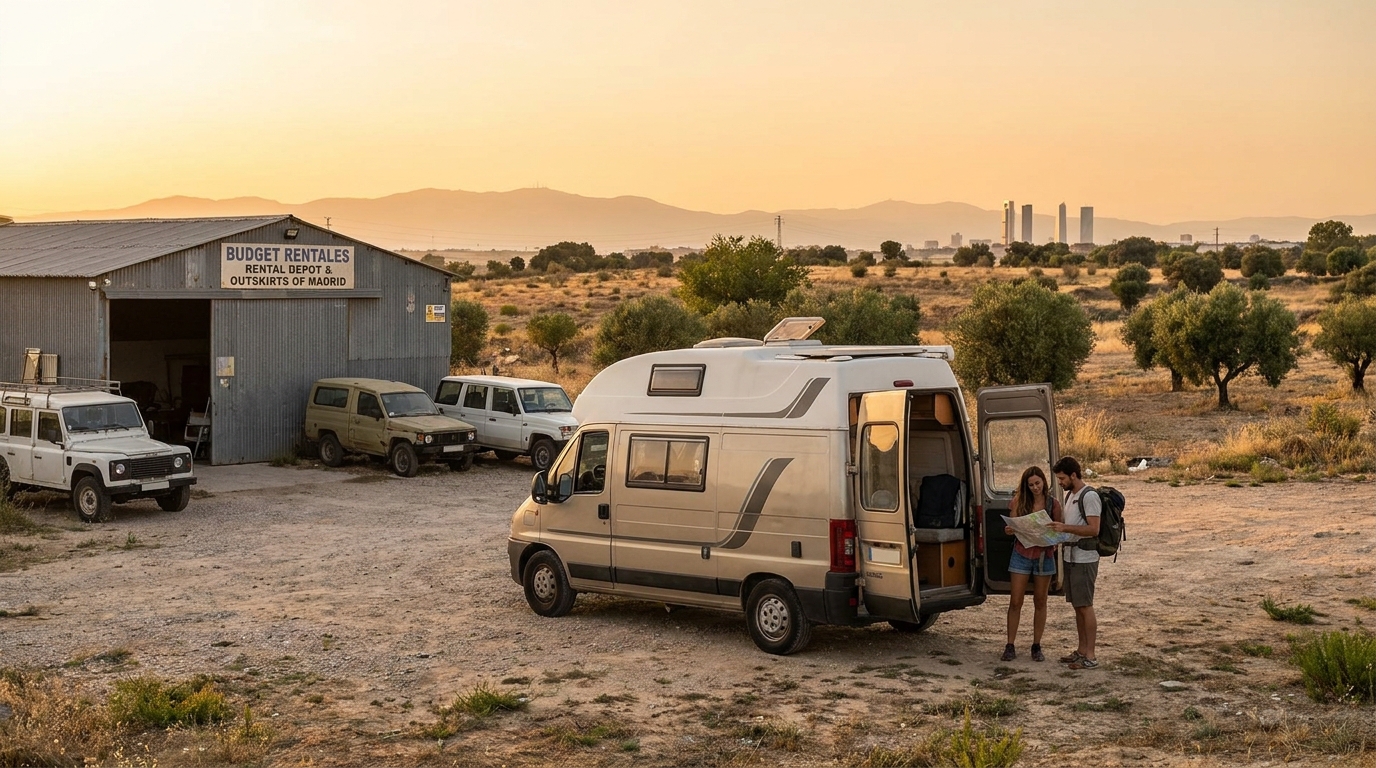
Parking a large rented motorhome within Madrid's central ZBE can be challenging due to size restrictions and environmental regulations; consider parking on the outskirts and utilizing public transport. For those interested in a "Luxury RV Rental in Madrid - Premium Prices 2026" or any of our other motorhome classes, we offer full transparency on vehicle details, ensuring no surprises when planning your trip. For example, a typical Class C - Alcove motorhome measures about 7.5 meters in length, offering ample space for families but requiring more strategic parking in urban areas.
Fuel: Diesel vs. Petrol & Cost per 100 km
Most RVs available for rent in Spain, including the majority of Bandana Caravan's global fleet, run on diesel ('gasóleo'), which is widely available at service stations across the country. Petrol ('gasolina') RVs are less common but can be found; it's essential to confirm your specific RV's fuel type before fueling to avoid costly errors. Based on Bandana's global fleet averages, a Class SI - Semi-integrated RV, such as the "Active Compact Select" or "Auto-Trail F60", typically consumes 10-11 Liters/100 km, while a Class C - Alcove RV, like the "24' Class C Motorhome", averages 10-12 Liters/100 km. Class B - Camper Vans, for instance, a "Category Van" or "Active Standard" from Bandana's global fleet, demonstrate better fuel efficiency, averaging around 8-10 Liters/100 km, making them economical for urban exploration and shorter trips. The average cost per 100 km will fluctuate based on real-time fuel prices in Spain; travelers should factor current diesel costs into their trip budget. On RV PLANET routes, you can itemize and track every expense along the way for easy budgeting. On the routes offered through RV PLANET routes, you can itemize and track every expense along the way for easy budgeting.
We believe in full transparency, meaning no hidden fees, especially when it comes to understanding your potential ancillary trip costs like fuel and campground fees. When you compare final prices across suppliers with Bandana, what you see is what you pay, with no surprise fees at pickup.
Tolls, Vignettes & Border Rules
Spain utilizes a system of toll roads ('autopistas de peaje') in addition to extensive networks of free motorways ('autovías'); many major routes, including some around Madrid, are toll-free. Unlike some other European countries, Spain does not use a vignette system; tolls are paid per-use at booths, accepting cash, card, or electronic payment devices. Some Bandana RVs offer the option of pre-purchased toll passes or come equipped with onboard electronic toll devices, which can streamline travel and help avoid potential fines for non-payment.
If planning an extended road trip to cross borders from Madrid into neighboring countries like Portugal or France, be aware that each country has its own specific toll system (e.g., electronic tolls in Portugal, vignettes or distance-based tolls in France) and prepare accordingly. Our 24/7 support means real people are behind you before, during, and after your booking, ready to provide authoritative advice on these details. You might also want to consult our "One-Way RV Rental in Madrid - Price Guide 2026" for cross-border trip ideas.
Driving Tips for RV Rental Travelers
Utilize RV-specific GPS navigation apps that account for vehicle dimensions to avoid unexpected height restrictions, narrow streets, or unsuitable routes, especially in smaller Spanish towns. For family travelers, schedule breaks every 2-3 hours at designated rest areas ('áreas de servicio') or RV-friendly spots to ensure comfort and prevent driver fatigue. Understanding Madrid's ZBE (Zona de Bajas Emisiones) rules is paramount; familiarize yourself with these regulations and confirm your rental motorhome has the appropriate DGT environmental sticker, considering parking outside the most restricted areas and using public transport.
Strategic parking is key: always prioritize designated RV parking areas, 'áreas de autocaravanas', or campsites over attempting to park large vehicles on busy or residential city streets. To optimize fuel consumption, which for Bandana's fleet typically ranges from 8-12 Liters/100 km, maintain a steady speed and avoid harsh acceleration and braking. Remember, travel slowly, max 100-150 km per day on average. Take time to feel the place, connect to the culture, the food, and the scenery. Our team of true RV specialists offers pre-booking comparison and support, ensuring you're well-prepared for your adventure, from finding "Cheap RV Rental in Madrid - Budget Guide 2026" options to expert driving tips.
Recommended RV Class for Madrid Roads
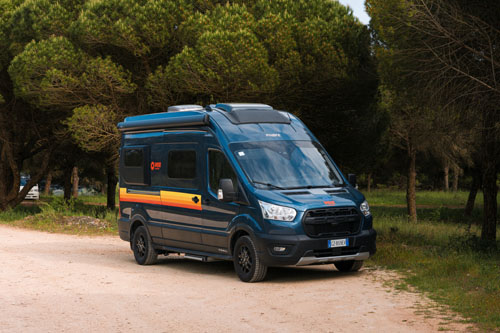
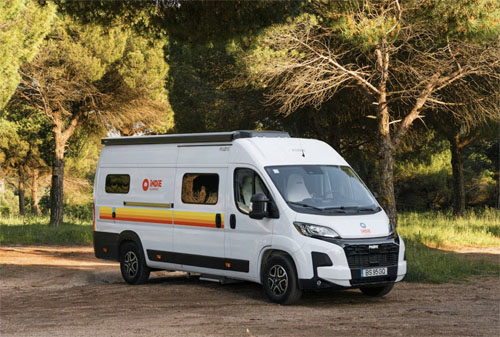
For navigating Madrid's roads and exploring surrounding areas with ease, the Class B - Camper Van is highly recommended due to its maneuverability. Bandana's Camper Vans average approximately 5.8 meters in length, making them significantly easier to park and navigate through city streets and smaller towns compared to larger RV models. This compact size is perfect for couples or small families looking for agility while exploring Spain's diverse urban and rural landscapes.
Alternatively, the Class SI - Semi-integrated RV, with an average length of around 6.9 meters, offers a comfortable balance of living space and manageability from Bandana's global fleet. While providing more sleeping places (e.g., a "K3E" can sleep 4 people compared to a typical 2-person Camper Van), Class SI RVs still offer a relatively compact footprint suitable for most Spanish roads, including those less frequented outside major cities. Our RV specialists can help you compare options and choose the ideal vehicle for your specific Madrid itinerary.
Should I Choose a Compact Van Instead of a Large RV in Madrid?
While a compact van (Class B - Camper Van) offers superior agility in urban settings, most RV sizes can generally be driven without significant issues on Spain's well-maintained main roads and highways. The primary advantage of a compact van (averaging 5.8m in Bandana's fleet, such as the "VW California Ocean") in Madrid is indeed easier parking and navigation through very tight historic city centers or highly restricted environmental zones. This can be appealing for spontaneous day-to-day travelers who prefer quick access.
However, a larger RV, such as a Class C - Alcove (avg. 7.5m), like the "MH-C" model, provides significantly more indoor space, comfort, and amenities, which can be a better trade-off for longer trips or families seeking enhanced living areas. For directly accessing Madrid's city center, parking outside the ZBE and using public transport is often the most practical solution regardless of RV size, thereby diminishing the maneuverability advantage of smaller vans within the densest parts of the city. Consider your travel style and group size when deciding between options found in our "RV Rental in Madrid - Prices and Best Deals 2026" guide.
Can I Park Anywhere? Free & Wild Camping Rules in Madrid
In Spain, 'wild camping' (setting up camp with chairs, tables, awnings outside designated areas) is generally prohibited and can incur substantial fines. However, 'parking' an RV overnight is often permitted wherever a normal car can park, provided the vehicle remains within its footprint and occupants are not engaging in 'camping' activities (e.g., no pop-outs, awnings, or outdoor furniture deployed). This distinction is crucial for RV renters to understand when touring Madrid and its surrounding areas.
Specific local regulations in and around Madrid vary significantly; many municipalities, particularly in tourist-heavy or natural park areas like the Sierra de Guadarrama, have strict rules against overnight RV parking outside designated campsites or 'áreas de autocaravanas'. Always verify local regulations for any specific area in Madrid or its surroundings before parking overnight to ensure compliance and avoid penalties. RV PLANET (rvplan.net) is a great resource for locating available spots along your route, ensuring you find official and safe places to park overnight.
Can I Drive an RV Into the City Center? Heights, Tunnels & Local Signage
Yes, you can generally drive a rented motorhome into parts of Madrid's city center, but it necessitates careful attention to specific restrictions and extensive local signage. Madrid operates a strict Low Emission Zone (Zona de Bajas Emisiones - ZBE) that categorizes vehicles by their environmental sticker (DGT label); older or non-compliant RVs may be prohibited or subject to fines. It is crucial to pay close attention to local signage indicating height limits for tunnels and parking garages, as well as potential weight restrictions on certain bridges or historic streets.
Often, the most practical approach is to park your RV in a designated area outside the most restricted central zones and utilize Madrid's efficient public transport system (metro, bus) to explore the city center, minimizing parking challenges and avoiding potential fines. Drive slowly and carefully, and you can drive almost anywhere without issues. No need to stress - just use common sense and pay attention. Our "RV Travel Guide to Madrid - Tips and Top Spots 2026" also offers practical advice for urban RV navigation.
What do I need to drive my motorhome in Spain?
To drive a motorhome in Spain, you primarily need a valid driver's license (Category B for vehicles up to 3,500 kg, C1 for 3,500-7,500 kg), an International Driving Permit (IDP) if your license is from outside the EU/EEA, and all required vehicle documentation. Essential vehicle documents include the vehicle's registration certificate, valid proof of insurance, and the ITV (Inspección Técnica de Vehículos) certificate if applicable for the vehicle's age. For non-EU drivers, while some nationalities can use their home license for up to six months, an IDP, obtained in your home country before travel, provides an official translation and is highly recommended by Spanish authorities.
Always carry your physical driver's license, IDP (if required), passport/ID, and original vehicle documents (or certified copies) when driving your motorhome in Spain. Bandana Caravan ensures that all rental motorhomes come with the necessary valid documentation for legal travel in Spain, and our 24/7 support team is available for any pre-booking comparison or booking support questions you might have.
Can I drive in Madrid with a US license?
Yes, US citizens can drive in Madrid with a valid US driver's license for up to six months, after which an IDP becomes legally required for continued driving in Spain. Although not always strictly enforced for short visits, an International Driving Permit (IDP) is highly recommended from day one, as it serves as an official translation of your US license and can prevent complications with local authorities or insurance providers. If your stay in Spain extends beyond six months, you would generally need to apply for a Spanish driver's license to continue driving legally.
Ensure your US license is current and that you carry it along with your passport and the IDP (if you obtain one) at all times while driving in Madrid. Bandana Caravan provides support throughout your pre-booking and booking process, helping to clarify these requirements so you can confidently pick up your rented RV in Madrid.
What are the new motorhome rules in Spain?
Spain's motorhome rules have increasingly focused on regulating overnight parking and wild camping, with a national directive generally allowing parking where cars can, but prohibiting 'camping' activities outside designated areas. A key development is the expansion of Low Emission Zones (ZBEs) in urban areas like Madrid, which restrict access for vehicles based on their environmental classification (DGT sticker), impacting older motorhomes. Local municipalities retain the right to impose specific parking and overnight stay restrictions, meaning rules can vary significantly from one town or region to another.
It's crucial to be aware of the DGT environmental sticker requirements for your rental RV to ensure compliance with Madrid's ZBE rules and other municipal restrictions. When booking through Bandana Caravan, we partner with leading RV suppliers like El Monte, Cruise America, Apollo, and Britz, who provide modern vehicles typically compliant with these regulations, allowing you to focus on discovering "RV Rental Deals in Madrid - Latest Offers 2026".
What requirements do you need to drive an RV?
To drive an RV in Spain, you need to meet the minimum age requirement (typically 21, but often 25 for some rental policies) and possess a valid driver's license corresponding to the RV's maximum authorized mass (MAM). For most standard motorhomes with a MAM up to 3,500 kg, a Category B (standard car) license is sufficient. For larger RVs with a MAM between 3,500 kg and 7,500 kg, a Category C1 license is required by Spanish law.
Additionally, a good driving record is often expected by rental companies, and some may impose specific experience requirements for operating larger vehicles. Our commitment to full transparency means there are no hidden fees or surprises regarding licensing requirements. You can compare final prices and terms across suppliers directly on our platform, ensuring you get the full picture before you commit to your Madrid RV rental.
Is Spain camper van friendly?
Spain is generally very camper van friendly, offering a vast network of well-maintained roads, numerous dedicated 'áreas de autocaravanas' (RV service areas), and a multitude of campsites across its diverse regions. While wild camping is largely prohibited, the concept of legal overnight parking (without 'camping' setup) is widely accepted, though local regulations vary significantly by municipality. The country's diverse landscapes, from the beaches of the south to the mountains of the north, make it an ideal destination for exploring by RV, particularly outside of major metropolitan centers.
For Madrid specifically, while the city center presents urban driving and parking challenges, the surrounding region offers excellent RV-friendly campsites and a convenient base for exploring the capital via public transport. RV PLANET (rvplan.net) offers over 1,300 pre-planned routes across 5 continents, including many in Spain, helping you find the most camper-friendly spots and create a seamless itinerary. Remember, traveling slowly, around 100-150 km per day, allows you to fully appreciate the experience.
Do you need a license to get an RV?
Yes, you absolutely need a valid driver's license to rent and drive an RV, just as you would for any other motor vehicle. The specific type of license required depends on the weight and size of the RV you intend to drive; typically, a standard car license (Category B) covers most smaller to medium-sized RVs up to 3,500 kg. For larger RVs, a higher category license (e.g., C1) is necessary, so always confirm the exact license requirements with your rental company based on the specific RV model you choose.
Rental companies will rigorously verify your driver's license and age to ensure compliance with legal and insurance requirements before allowing you to pick up a rented motorhome. Our role as true RV specialists is to guide you through this process with unmatched personal experience, ensuring you have all the correct information for your Madrid RV rental from day one.
What is the typical cost of RV insurance?
The typical cost of RV insurance for a rental in Spain is usually included in the base rental price as a basic third-party liability policy, with options available to upgrade for more comprehensive coverage. While exact costs vary widely, an upgrade to a fully comprehensive policy (which typically reduces the excess/deductible) can add anywhere from €15-€40 per day to your rental cost, depending on the provider, vehicle type, and rental duration. For example, opting for a Class B campervan like the "V2L" might have different insurance implications than a larger "C-30" Class C motorhome.
Factors influencing insurance cost include the RV's value and size, the rental duration (Bandana focuses on week-long trips or more), the driver's age and driving history, and the level of coverage chosen (e.g., collision, theft, breakdown assistance, personal effects). It's crucial to thoroughly understand what your basic rental insurance covers and strongly consider additional coverage for peace of mind. You can upgrade to a top-level deductible for extra peace of mind, an optional enhancement we offer to protect your adventure.
What is the best insurance company in Spain?
There isn't a single 'best' insurance company in Spain for RVs, as the ideal choice depends entirely on individual needs, the type of coverage sought, and whether you are a resident or a short-term renter. Major Spanish insurers such as AXA, Mapfre, Caser, and Allianz offer vehicle insurance, and some provide specific policies or advantageous add-ons for RVs. For RV rentals, your primary insurance will typically be arranged by the rental company, with options to purchase additional coverage directly from them or through a third-party travel insurance provider specializing in vehicle excess coverage.
It's recommended to compare offers, read customer reviews, and specifically look for companies that cater to RVs or provide robust international coverage for tourists, paying close attention to deductibles, roadside assistance, and claim processes. As true RV specialists, Bandana Caravan focuses on transparently presenting insurance options from our 50+ leading RV suppliers worldwide, including trusted partners like El Monte, Cruise America, Apollo, and Britz, allowing you to choose the coverage that best suits your Madrid adventure.
RV-Friendly Campsites Near Madrid & City Access
To visit Madrid by RV efficiently, the most practical approach involves staying at a campsite or dedicated 'área de autocaravanas' located outside the city center, ensuring convenient public transport links. Recommended options include Camping Internacional Aranjuez (south of Madrid, offering good train connections to the city) or Camping Osuna (closer to the city, with direct metro access), both providing essential amenities like electricity, water, and waste disposal. From these strategically located campsites, travelers can easily reach Madrid's city center using the efficient metro or Cercanías commuter train system; typical public transport costs for a single trip range from €1.50 - €3.00.
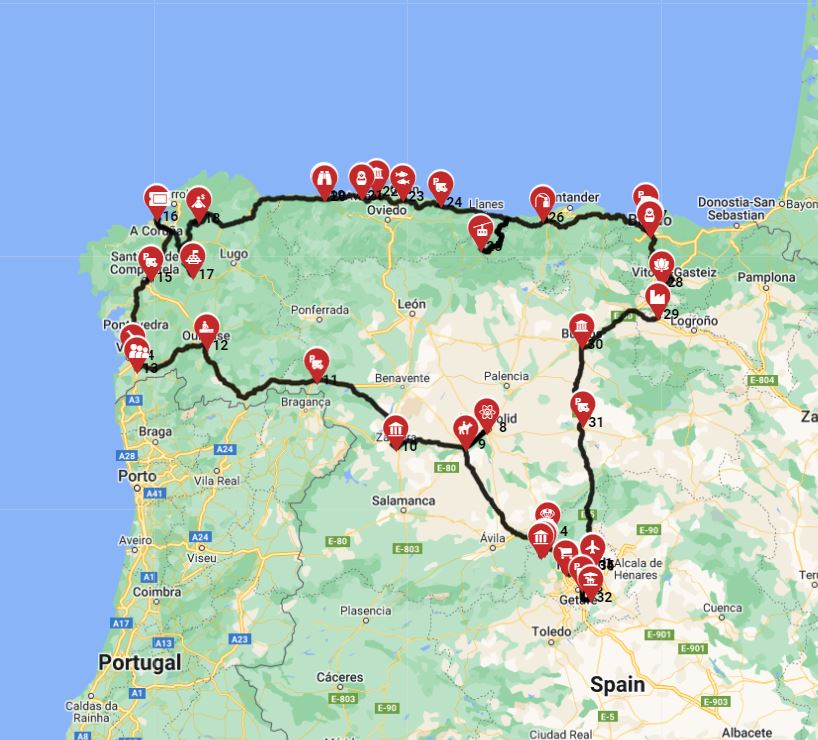
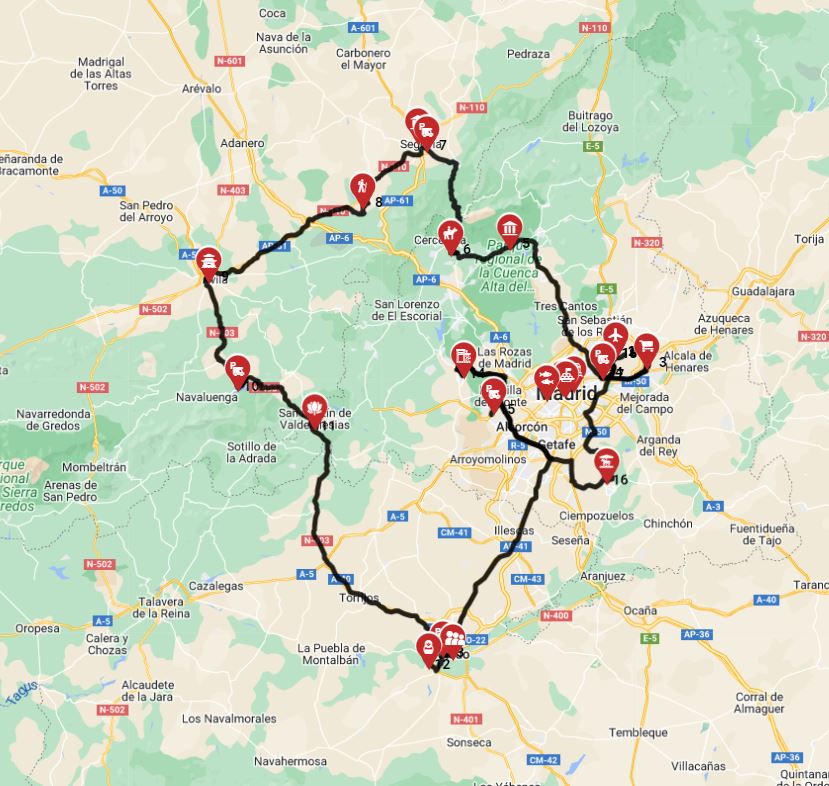
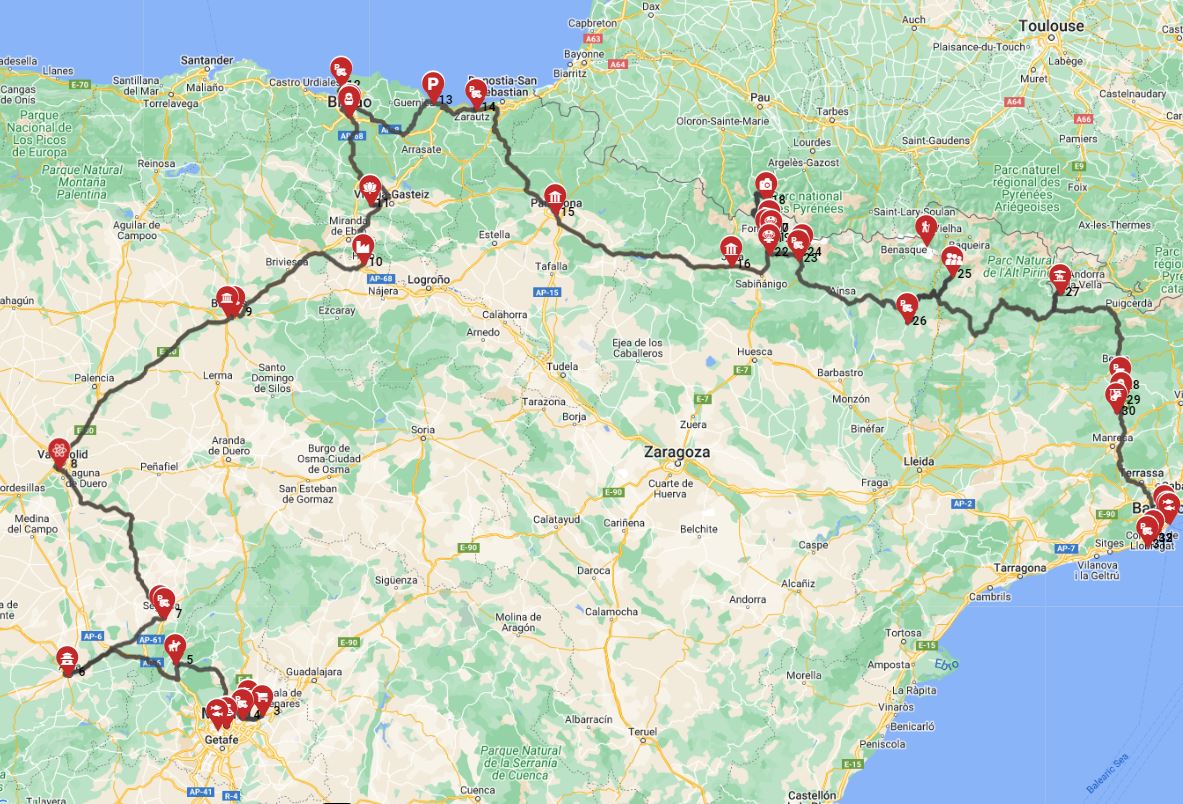
It is advisable to look for campsites specifically listed as RV-friendly, confirm available amenities, and book in advance, especially during peak travel seasons, to secure your spot. For finding campsites and campgrounds during your trip, we recommend using RV PLANET (rvplan.net) - a great resource for locating available spots along your route. You can also explore pre-planned routes like the "Madrid Roundtrip" which includes several family activities and historical sites, ensuring you have reliable spots planned for your overnight stays.
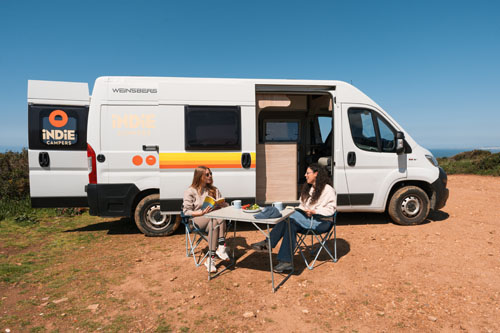
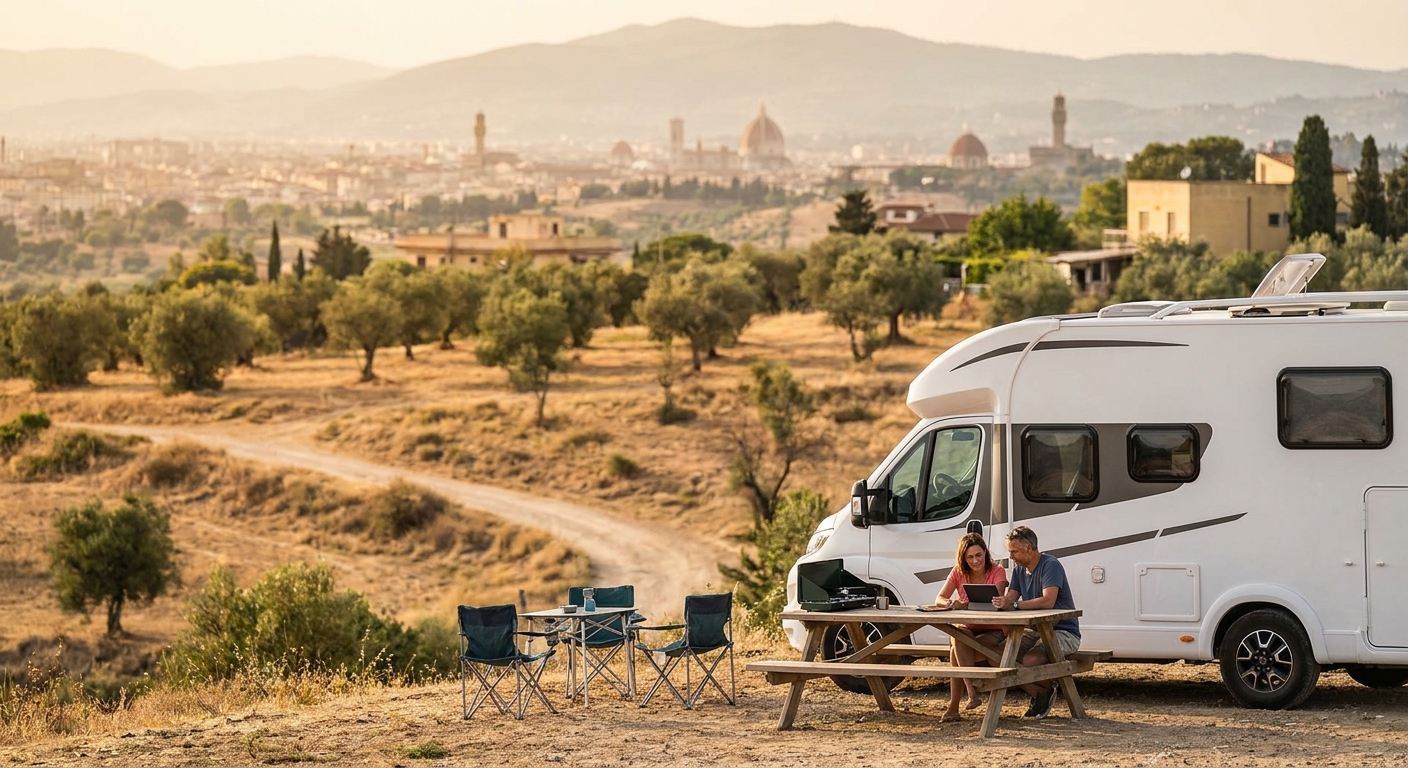
Imagine setting up your Class C motorhome like the "MHADL" at a peaceful site, enjoying a delicious meal cooked in your RV's kitchen from our RV-friendly recipes playlist, then hopping on a train for a night out in central Madrid. This is the flexibility a rented RV offers!
Best Time to Visit Madrid by RV
The optimal time to visit Madrid by RV is during the spring (April-May) or autumn (September-October), when the weather is pleasantly mild, and tourist crowds are generally more manageable than in peak summer. These seasons offer comfortable temperatures for exploring the city's sights and the surrounding countryside, with average daily temperatures around 15-25°C. Summer months (June-August) bring intense heat to Madrid, with temperatures often exceeding 35°C, making RV travel less comfortable within the city, although nearby mountainous regions like the Sierra de Guadarrama offer cooler escapes and hiking areas.
Winter (November-March) can be cold, with potential for snow in surrounding mountainous areas, but the city itself is less crowded and offers a festive atmosphere during the holiday season. Consider specific festivals or cultural events when planning your visit, but be prepared for increased demand for RV parking and campsites during these popular times; always check local event calendars beforehand. Whether you're a pre-planner or a spontaneous traveler, Bandana helps you find options for your chosen season, even if it's a "Last-Minute RV Driving in Madrid - Quick Plan 2026". Many national and state parks reserve only 25-30% of spots for advance bookings, with the rest available first-come-first-serve, so you'll always find a spot. If not at the first campground, then the next one – just call ahead before driving.
🎬 Video coming soon
What You Shouldn't Miss
- Royal Palace of Madrid: Explore the grandeur of one of Europe's largest palaces, boasting 3,418 rooms and exquisite gardens. Allow at least 2-3 hours for a visit.
- Parque del Buen Retiro: Rent a rowboat on the lake, stroll through rose gardens, and admire crystal palaces. A perfect green escape easily accessible from the city.
- Day Trip to Toledo: Drive your rented motorhome about 70 km south of Madrid to this UNESCO World Heritage city, known for its rich history and three cultures coexistence.
- San Miguel Market: Indulge in traditional Spanish tapas and local delicacies at this beautiful, historic wrought-iron market near Plaza Mayor. Try the gambas al ajillo!
- Sierra de Guadarrama National Park: Escape to the mountains just an hour north. Hike its trails, enjoy stunning vistas, or even ski in winter. It’s a spectacular natural feature near the bustling capital.
- Plaza Mayor and Puerta del Sol: Immerse yourself in Madrid's central squares, famous for their historical significance and vibrant atmosphere, perfect for people-watching and experiencing the city's pulse.
Looking for expert insights from Avi Bandana? Top 5 Adventures - recommendations from Avi Bandana.
Final Thoughts
A last-minute RV adventure in Madrid offers unparalleled freedom to explore the city's dynamic energy and the stunning Spanish countryside at your own pace. With Bandana Caravan, you're never alone in the planning process. Our commitment to full transparency, expert advice, and robust support ensures that even spontaneous trips are stress-free and packed with unforgettable moments.
Whether you choose a nimble Class B campervan for urban exploration or a spacious Class C motorhome for a family-focused week-long trip, you'll find the perfect vehicle for your needs. So, imagine yourself on the route, savoring Spanish cuisine, soaking in historical sites, and creating memories that will last a lifetime. Your Madrid RV journey is just a click away.
Find Motorhome Rentals in Madrid