In This Guide
- Can You Drive an RV in Latvia? License & Age Rules
- Road Conditions & Terrain in Latvia
- RV Size Limits, Bridges & Restricted Zones
- Fuel: Diesel vs. Petrol & Cost per 100 km
- Tolls, Vignettes & Border Rules
- Driving Tips for Last-Minute RV Rental Travelers
- Recommended RV Class for Latvia Roads
- Should I Choose a Compact Van Instead of a Large RV in Latvia?
- Can I Park Anywhere? Free & Wild Camping Rules in Latvia
- Can I Drive an RV Into the City Center? Heights, Tunnels & Local Signage
- Is it easy to find an RV for rent last minute in Latvia?
- How much does it cost to rent an RV in Latvia for a week?
- Do you need a special license to drive an RV in Latvia?
- Is Latvia expensive to travel by RV?
- What are the best campsites in Latvia for RVs?
- Can you park an RV anywhere in Latvia?
- What is the best time of year to RV in Latvia?
- Are there specific RV routes or itineraries recommended for Latvia?
- Do they speak English in Latvia for tourists?
- What are the essential things to pack for an RV trip in Latvia?
Can You Drive an RV in Latvia? License & Age Rules
Yes, you can drive an RV in Latvia if you hold a valid driving license recognized by Latvian law. Typically, a standard Category B license is sufficient for vehicles up to 3,500 kg, which covers most rental camper vans and semi-integrated RVs. For heavier RVs exceeding 3,500 kg MAM, a Category C1 or C driving license is required. The minimum driver age for RV rentals generally falls between 21 and 25 years, depending on the rental company and the specific RV class you choose. EU and EEA driving licenses are fully recognized; however, drivers from other countries are advised to obtain an International Driving Permit (IDP) to use alongside their national license.
Road Conditions & Terrain in Latvia
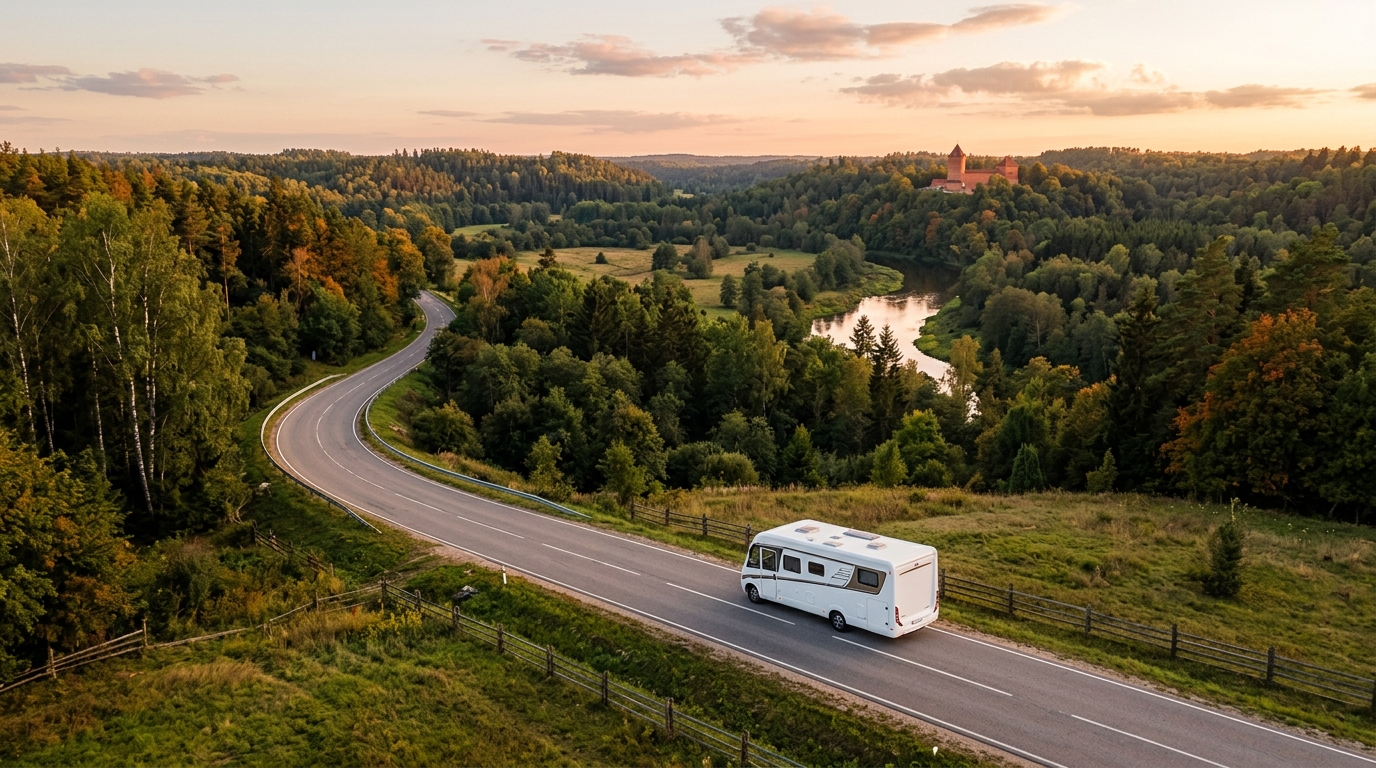
Latvia's road network is generally well-maintained, especially on main highways and inter-city routes, offering a smooth experience for RVs. You can expect well-paved tarmac roads that make for comfortable driving. However, as you venture into rural areas or explore secondary roads, you may encounter unpaved surfaces, such as gravel roads. These are generally manageable for RVs, but they do require a slower, more scenic pace and increased caution. The terrain across Latvia is predominantly flat with gentle undulations, meaning you won't typically encounter steep inclines or challenging mountainous passes, making navigation straightforward for most RVs. Prioritizing scenic routes is a great way to enjoy the journey, allowing ample time to appreciate the changing landscapes at a relaxed pace.
RV Size Limits, Bridges & Restricted Zones
Latvia does not impose widespread RV size restrictions that would significantly hinder travel on main routes. However, drivers should always remain vigilant and aware of specific height and weight limitations that may apply to individual bridges, tunnels, and certain environmental zones within cities. Standard EU vehicle dimensions generally apply, with common height limits around 4 meters on primary routes. It's crucial to observe local signage before entering tunnels, underpasses, or historic city centers, as these areas often have specific restrictions. For instance, Riga, the capital, may feature environmental zones or restricted access areas, particularly in its charming Old Town, so it's wise to plan your city entries carefully. If your itinerary includes ferry services, remember that these will have their own length and weight limitations that must be adhered to.
Fuel: Diesel vs. Petrol & Cost per 100 km
The majority of RVs available through Bandana's fleet are diesel-powered, and diesel fuel is readily available at service stations throughout Latvia. For example, a typical Class SI Semi-integrated RV might consume approximately 10-11 liters per 100 km. Based on an average diesel price of €1.60 per liter, this translates to a fuel cost of roughly €16-€17 per 100 km. Bandana's global fleet averages indicate varying fuel consumption by class: Class B Camper Vans consume around 8-10 L/100 km, Class C Alcove RVs 10-12 L/100 km, Class A Integrated models 8-12 L/100 km, and Class TC Truck Campers 12-17 L/100 km. While fuel prices are subject to fluctuation, you can estimate your travel costs by multiplying the average consumption of your chosen RV class by the current fuel price. Some Bandana rentals may also offer fuel discount cards to help manage travel expenses. On the routes offered through RV PLANET routes, you can itemize and track every expense along the way for easy budgeting.
Tolls, Vignettes & Border Rules
Latvia currently does not require a vignette or impose general toll fees for passenger vehicles, including RVs, on its main road network. This simplifies travel considerably, as you won't need to purchase a vignette for driving on national roads. However, it's important to be aware that specific fees may apply for certain infrastructure, such as particular bridges or local ferry services, which will be clearly indicated by signage. When traveling to neighboring Schengen Area countries like Lithuania or Estonia, border crossings are typically seamless. Always ensure you have your RV rental documents, driver's license, and passport or ID card readily available. Some Bandana RVs may offer the option to pre-purchase toll passes for countries like Poland or Germany, which can be a convenient way to avoid potential fines if your route includes these nations.
Driving Tips for Last-Minute RV Rental Travelers
For travelers opting for a last-minute RV rental in Latvia, focusing on a comfortable pace, understanding local road etiquette, and being prepared for varying road conditions will greatly enhance your journey. Drive defensively, as Latvian drivers can sometimes be assertive; maintain a safe distance and be prepared for unexpected maneuvers. Always respect speed limits, which may be lower for RVs than for cars, especially outside urban areas. Utilize GPS for navigation but also carry a physical map, particularly for rural explorations, and always check for road quality information if venturing off the main highways. Plan for frequent breaks, ideally every 2-3 hours, to allow everyone to stretch, refuel, and relax, especially when traveling with family. It’s also helpful to identify major service stations or designated campsites along your route for essential services like fresh water refills and waste disposal (grey and black water).
Recommended RV Class for Latvia Roads
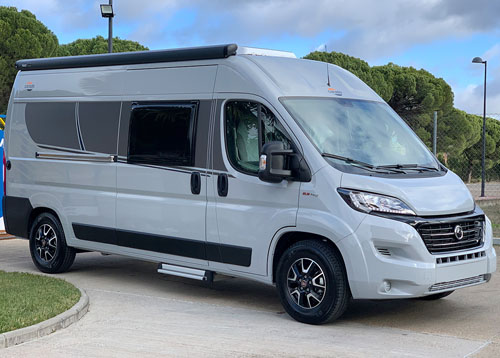
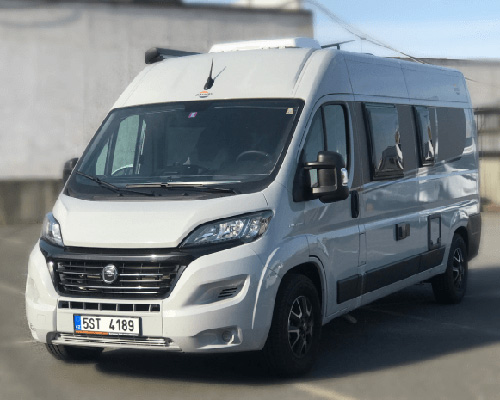
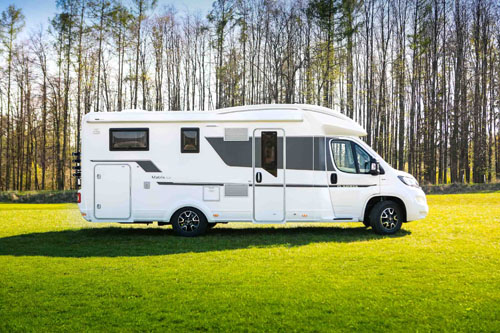
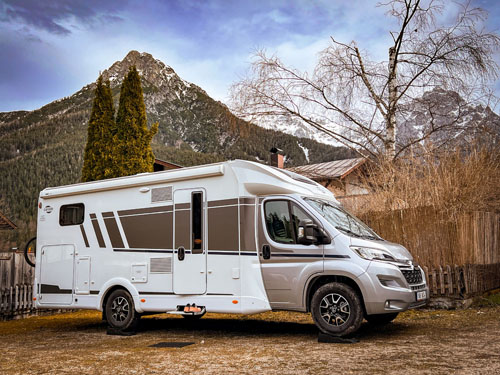
For RV travel in Latvia, both Class SI Semi-integrated motorhomes and Class B Camper Vans are highly recommended, as they offer an excellent balance of comfort, maneuverability, and fuel efficiency suitable for the country's diverse road conditions. Class SI Semi-integrated models, typically around 6.9 meters in length and sleeping up to 3.8 people, provide a good blend of interior comfort and manageable size, making them ideal for couples or small families exploring main routes and charming towns. Class B Camper Vans, averaging 5.8 meters and sleeping around 3.2 people, are exceptionally maneuverable, perfect for navigating narrower rural roads, easier city parking, and spontaneous stops, all while providing essential amenities. While larger Class C (Alcove) and Class A (Integrated) motorhomes, averaging about 7.5 meters in length, are also feasible on Latvia's main roads, their increased dimensions might present minor challenges for parking or navigating very tight turns in some rural or older urban areas.
Should I Choose a Compact Van Instead of a Large RV in Latvia?
While a compact camper van like a Class B (averaging 5.8 meters) offers superior maneuverability for tight city streets and easier parking in Latvia, larger RVs such as Class SI or Class C models generally pose no significant driving issues on major Latvian roads. These larger RVs often provide crucial comfort and living space, especially for longer trips or when traveling with family. Compact vans are easier to park, more agile on narrow country lanes, less conspicuous for discreet overnight stays, and often more fuel-efficient. Conversely, larger RVs offer superior comfort, more living and storage space, better amenities like full kitchens and separate showers/toilets, and are more suitable for families, with Class C models often sleeping up to 5.8 people. Ultimately, Latvia's infrastructure generally accommodates larger RVs well on main routes, so the decision often hinges on your personal comfort preference and travel style rather than strict necessity. Consider your itinerary carefully: if extensive city exploration and challenging parking are priorities, a compact van might be better; if comfort, space, and a relaxed pace are key, a larger RV is preferable.
Can I Park Anywhere? Free & Wild Camping Rules in Latvia
In Latvia, while wild camping or free overnight parking for RVs is generally tolerated in non-private, non-protected areas, it is crucial to understand that strict rules apply within national parks, nature reserves, and urban zones. For this reason, opting for official campsites or designated RV parks is the safest and most compliant approach. Wild camping is typically permitted on state-owned land, provided it's not explicitly forbidden and you adhere to 'Leave No Trace' principles – packing out all trash, disposing of grey/black water responsibly at designated points, and minimizing your environmental impact. It is strictly prohibited to wild camp in national parks like Gauja National Park, nature reserves, or on private land without the landowner's explicit permission. Official campsites and designated RV parks are widely available across Latvia, offering amenities such as electricity hook-ups, fresh water refills, and waste disposal points for a fee, providing a convenient and compliant camping experience.
Can I Drive an RV Into the City Center? Heights, Tunnels & Local Signage
Yes, you can generally drive an RV into city centers in Latvia, including Riga, but it is imperative to pay close attention to local signage. This signage will indicate height restrictions for bridges, tunnels, and parking garages, as well as environmental zones, resident-only access, and specific parking limitations. Most city centers are accessible by RV, but careful navigation is essential due to potentially narrower streets and specific restrictions. Riga's Old Town, a UNESCO World Heritage site, has restricted vehicle access; it's advisable to park your RV outside this historical area and explore on foot or via public transport. Finding suitable parking for larger RVs in city centers can be challenging, so look for designated RV parking areas or utilize peripheral parking lots and public transport to reach the core attractions.
Is it easy to find an RV for rent last minute in Latvia?
Finding an RV for rent last minute in Latvia can present a challenge, particularly during the peak season which typically runs from June to August. However, booking platforms like Bandana can sometimes yield available vehicles even with short notice by accessing a comprehensive inventory. Availability significantly decreases closer to your desired travel dates, especially for popular RV classes. Booking at least 2-3 months in advance is generally recommended to secure the best selection and prices. During the off-peak seasons, such as the shoulder months of May and September or even during winter, last-minute availability becomes much higher. Increasing your flexibility regarding your RV class, pickup location, and exact travel dates will significantly improve your chances of securing a last-minute rental.
How much does it cost to rent an RV in Latvia for a week?
The cost to rent an RV in Latvia for a week can vary significantly, typically ranging from €500 to €1500 or more, depending on the RV class, rental season, duration, and any included amenities. Smaller camper vans (Class B) are generally more affordable than larger integrated (Class A) or alcove (Class C) motorhomes, which command higher prices. Peak season rates, usually in summer, are considerably higher than those in the shoulder seasons (spring/autumn) or off-season. Prices may also differ based on mileage limits, insurance packages, and whether essentials like linens, kitchenware, or extra services like bike racks are included. Remember to budget for additional costs such as fuel (refer to the 'Fuel: Diesel vs. Petrol & Cost per 100 km' section), campsite fees, groceries, attraction entry fees, and potential insurance deductibles.
Do you need a special license to drive an RV in Latvia?
No, you typically do not need a special license to drive most RVs in Latvia. A standard Category B driving license, valid for vehicles up to 3,500 kg, is sufficient for the majority of camper vans and semi-integrated motorhomes available for rent. This Category B license covers vehicles up to 3,500 kg MAM, which includes many popular rental RV models like Class B Camper Vans and Class SI Semi-integrated RVs. For larger RVs with a Maximum Authorized Mass (MAM) exceeding 3,500 kg but not more than 7,500 kg, a Category C1 license is required. For RVs over 7,500 kg MAM, a Category C license is necessary. Ensure your national driving license is valid, and if you are from outside the EU/EEA, it is advisable to carry an International Driving Permit (IDP) alongside your national license.
Is Latvia expensive to travel by RV?
Latvia is generally considered a moderately priced destination for RV travel when compared to Western European countries, offering a cost-effective way to explore with significant control over expenses like accommodation and food. RV rentals themselves are competitive, often more affordable than in neighboring Scandinavian countries or Western Europe. Fuel prices are comparable to Central European averages; budget approximately 10-12 Liters/100 km for most RVs. Groceries and dining are also relatively affordable, with supermarket prices typically lower than in many Western European nations, making self-catering an economical choice. Official campsites are reasonably priced, usually ranging from €15-€35 per night, offering excellent value for the amenities provided. Entry fees for museums, national parks, and other attractions are generally modest. The ability to cook your own meals, choose between paid campsites and tolerated free overnight parking spots, and the overall lower cost of living contribute to Latvia being an accessible and attractive RV destination. For ideas you can prep on the road, watch our RV-friendly recipes playlist on YouTube.
What are the best campsites in Latvia for RVs?
Latvia offers a variety of well-equipped campsites suitable for RVs, often located near natural attractions or along the coast, providing essential amenities like electricity, water, and waste disposal. Many popular campsites are found along the Baltic Sea coast, for example, near Jūrmala or Liepāja, offering direct beach access. Inland, campsites are frequently situated near lakes or within easy reach of national parks like Gauja National Park, serving as excellent bases for nature exploration. When choosing a campsite, look for facilities such as electricity hook-ups, fresh water refill points, grey and black water disposal facilities, and often showers, toilets, and Wi-Fi. Some highly recommended choices include 'Camping Oves' near Kolka for its stunning coastal beauty, 'Kempings Apaļkalns' by Lake Alauksts for a serene nature experience, and 'Camping Lāču miga' conveniently located near Sigulda and Gauja National Park for those seeking adventure.
Can you park an RV anywhere in Latvia?
No, you cannot park an RV just anywhere in Latvia, especially in protected areas, on private land without permission, or within city centers where parking restrictions are commonly enforced. It's essential to consult the detailed information on wild camping rules and best practices for overnight parking. Always respect private property signs and refrain from parking on land clearly marked as private without obtaining explicit permission. Parking within national parks, nature reserves, and other protected environmental areas is strictly regulated and often prohibited outside designated zones. In urban areas, adhere to all local parking regulations, which may include height/weight restrictions, paid parking zones, or residents-only areas, making designated RV parking or peripheral lots the safest options.
What is the best time of year to RV in Latvia?
The optimal time for RV travel in Latvia is typically from May to September, when the weather is most pleasant, daylight hours are extended, and most attractions and campsites are fully operational. Summer, from June to August, offers the warmest temperatures (averaging 20-25°C) and the longest daylight hours (up to 18 hours), with all attractions and campsites open. This peak season, however, can also mean more crowds and higher prices. The shoulder seasons, May and September, provide a great balance of agreeable weather, fewer tourists, and slightly lower prices; May showcases blooming nature, while September offers beautiful autumn colors. In autumn (October-November), temperatures drop, days shorten, and many smaller campsites and attractions begin to close, with increased chances of rain. Winter (December-April) presents significant challenges for RV travel due to cold temperatures, snow, and ice, with many campsites closed and potential difficulties navigating certain roads; it's only recommended for experienced winter campers with fully winterized RVs.
Are there specific RV routes or itineraries recommended for Latvia?
While Latvia doesn't have officially designated 'RV routes,' popular itineraries often center around exploring the Baltic Sea coast, Gauja National Park, and the cultural heritage of Riga, offering diverse experiences perfectly suited for motorhome travel. A Baltic Sea Coast Route could involve visiting Jurmala's beaches, the charming Kurzeme fishing villages, and the dramatic coastline near Cape Kolka, with plenty of coastal campsites available. For nature enthusiasts, a Gauja National Park Loop is ideal for discovering medieval castles like Turaida and Cēsis, exploring caves, and enjoying hiking or canoeing amidst stunning natural landscapes. A Cultural Capital Tour might combine Riga's Art Nouveau architecture and vibrant Old Town (remembering to park your RV outside the immediate Old Town and use public transport) with historical towns such as Sigulda, Kuldīga (famous for Europe's widest waterfall), and Liepāja. For those seeking off-the-beaten-path adventures, consider exploring lesser-known spots like the charming town of Kandava, the nature trails of Kemeri National Park, or visiting a local farm for authentic interactions. A 7-10 day itinerary is generally recommended to comfortably cover a significant portion of the country's highlights without feeling rushed.
Do they speak English in Latvia for tourists?
Yes, English is increasingly spoken in Latvia, particularly among younger generations and in major tourist areas, hotels, restaurants, and larger cities like Riga, making communication generally easy for visitors. You'll find that most service staff and younger locals are capable of conversing in English. However, beyond major cities and in more rural areas, English proficiency might be lower. Despite this, locals are generally friendly and willing to assist. Russian is also widely spoken, especially among older generations, due to historical ties. Learning a few basic Latvian phrases, such as 'Labdien' (Hello), 'Paldies' (Thank you), and 'Lūdzu' (Please), will be greatly appreciated by locals and can significantly enhance your cultural immersion. Having a translation app on your phone can also be very useful for navigating language barriers in less touristy regions.
What are the essential things to pack for an RV trip in Latvia?
Beyond your personal clothing and toiletries, essential items to pack for an RV trip in Latvia include reliable navigation tools, appropriate clothing layers for variable weather, cooking supplies, and all necessary documents to ensure a comfortable and prepared journey. For navigation, a reliable GPS with updated maps (like Google Maps or Waze) is recommended, supplemented by a physical map as a backup, especially for rural exploration. Clothing should focus on layers, including waterproof and windproof outerwear, even during summer, along with comfortable shoes suitable for walking and hiking. For the RV's kitchen, pack basic pantry items, spices, reusable water bottles, and a cooler for extra food storage. Personal comfort items like insect repellent (particularly useful during summer evenings), sunscreen, a well-stocked first-aid kit, and any personal medications are also crucial. For connectivity and power management, consider a local SIM card for reliable internet access, a portable power bank for devices, and a universal adapter. Finally, ensure you have all essential documents, including your driver's license (with IDP if applicable), passport/ID, RV rental agreement, insurance details, and emergency contact information.
What You Shouldn't Miss
- Explore Riga's Art Nouveau District: Wander through streets like Alberta Iela, which boasts an astonishing concentration of Art Nouveau architecture, showcasing intricate facades and unique design. It's a UNESCO World Heritage site and a visual feast for RV travelers.
- Discover the Baltic Coastline: Drive your rented RV along the Kurzeme coast, visiting charming fishing villages, the dramatic cliffs near Cape Kolka, and enjoying the beaches of Jūrmala. The open roads and coastal vistas are perfect for RV exploration.
- Immerse Yourself in Gauja National Park: Base your RV near Sigulda and explore medieval castles like Turaida, discover ancient caves, and enjoy hiking or canoeing amidst the park's stunning natural beauty.
- Visit Kuldīga's Old Town and Waterfall: Don't miss Ventas Rumba, Europe's widest waterfall, and the picturesque Old Town with its unique brick bridge – a delightful stop for any RV itinerary.
- Experience the 'Singing Sands' of the Baltic: Seek out specific beaches along the coast that are known for the unique acoustic phenomenon of 'singing sands' after rain or in certain wind conditions – a natural wonder RVers might just hear during their travels.
- Embrace Local Flavors and Foraging: Take advantage of Latvia's status as a green country by trying local produce, visiting farm shops, or even participating in the tradition of foraging for wild berries and mushrooms in designated forest areas (with appropriate knowledge).
Final Thoughts
Embarking on an RV adventure in Latvia offers a unique blend of stunning natural beauty, rich history, and accessible travel. Whether you're drawn to the serene Baltic coast, the ancient forests of Gauja National Park, or the vibrant culture of Riga, a rented motorhome provides the perfect mobile base to explore at your own pace.
Last-minute RV rentals can indeed be a reality, especially if you maintain flexibility and explore options during the shoulder seasons or off-peak times. By leveraging platforms like Bandana Caravan, you gain access to a wide range of vehicles and transparent pricing, ensuring you find the ideal RV for your Latvian exploration.
So, pack your bags, embrace the freedom of the open road, and get ready to discover the charm and beauty of Latvia from the comfort of your home on wheels. Your unforgettable RV journey awaits!