In This Guide
- Can You Drive an RV in Iceland? License & Age Rules
- Road Conditions & Terrain in Iceland
- RV Size Limits, Bridges & Restricted Zones
- Fuel: Diesel vs. Petrol & Cost per 100 km
- Tolls, Vignettes & Border Rules
- Driving Tips for Last-Minute RV Rental Travelers
- Recommended RV Class for Iceland Roads
- Should I Choose a Compact Van Instead of a Large RV in Iceland?
- Can I Park Anywhere? Free & Wild Camping Rules in Iceland
- Can I Drive an RV Into the City Center? Heights, Tunnels & Local Signage
- How much does it cost to rent a motorhome in Iceland?
- Is it worth renting an RV in Iceland?
- How much money do you need per day in Iceland?
- What is the best month to RV in Iceland?
- How long does it take to RV around Iceland?
- What specific gear do I need for RVing in Iceland?
- How can I manage connectivity and utilities in an RV in Iceland?
- What are the unique driving challenges beyond F-Roads in Iceland?
- How can I RV sustainably in Iceland?
- What food and local culinary experiences are possible with an RV in Iceland?
Can You Drive an RV in Iceland? License & Age Rules
Driving an RV in Iceland is straightforward with the right documentation and understanding of local rules. Most standard RVs, weighing under 3,500 kg (Total Permissible Mass), can be driven using a regular B-category driver's license, the same one used for cars. For heavier vehicles, specifically those between 3,500 kg and 7,500 kg, a C1 license is required. When planning your trip, note that the minimum driver age for most RV rentals in Iceland typically ranges from 20 to 25 years old, though this can vary slightly by rental provider and vehicle class. International visitors holding licenses from EU/EEA countries can generally use their national licenses. However, drivers from other countries are strongly advised to carry an International Driving Permit (IDP) alongside their national license to ensure smooth rental and avoid any potential issues with authorities.
Road Conditions & Terrain in Iceland
Iceland's road conditions and terrain are as varied as its landscapes, demanding a flexible approach to driving. The main artery, the Ring Road (Route 1), is primarily paved and generally well-maintained, making it accessible for most RVs. However, venturing off the beaten path often leads to unpaved gravel roads, which are common even on secondary routes. A significant portion of Iceland's interior is accessible only via F-roads (mountain roads), which are exclusively restricted to 4x4 vehicles and are typically closed during winter and spring due to snow and ice. The terrain itself varies dramatically, encompassing flat coastal plains, dramatic volcanic landscapes, rugged mountainous regions, and vast, exposed open spaces that are often subject to the elements. It is crucial for RV drivers to exercise slow and cautious driving at all times, being prepared for sudden and severe weather changes, incredibly strong winds that can affect high-profile vehicles, and the constant variability of road surfaces. Always check reliable sources like vedur.is for weather and road.is for road conditions before setting out each day.
RV Size Limits, Bridges & Restricted Zones
While Iceland generally accommodates RVs well, drivers must remain aware of specific size and weight restrictions, particularly concerning the numerous single-lane bridges and tunnels encountered, especially outside the main Ring Road. Most standard RVs, typically falling within 3.5-4 meters in height, will safely navigate common height limits, but it's paramount to always observe local signage for any restrictions. The most critical road restriction involves F-roads, which are strictly designated for 4x4 vehicles only; this generally excludes most 2WD RVs and larger truck campers, and non-compliance can result in severe fines. There are no widespread environmental zones in Iceland that restrict RV access in city centers, but local signage indicating specific access restrictions, weight limits on older infrastructure, or residents-only areas should always be heeded.
Fuel: Diesel vs. Petrol & Cost per 100 km
Fueling your RV in Iceland is a straightforward process, with diesel being the most common and widely available option for modern rental RVs, found at numerous gas stations across the country. However, it's important to be aware that fuel prices in Iceland are generally higher compared to many other European countries. To provide a general idea of consumption, Bandana's fleet data indicates that Class B Camper Vans typically consume between 8-10 liters per 100 km. For larger vehicles, Class SI Semi-integrated RVs average around 10-11 liters per 100 km. Larger Class C Alcove RVs generally consume between 10-12 liters per 100 km, while Class A Integrated models typically range from 8-12 liters per 100 km, depending on specific model and driving conditions. It's essential to factor these higher fuel costs into your overall trip budget and inquire with your rental provider if any fuel discount cards or packages are available. On the routes offered through RV PLANET routes, you can itemize and track every expense along the way for easy budgeting.
Tolls, Vignettes & Border Rules
Road regulations in Iceland are designed to be relatively simple for travelers, with no requirement for vignettes, unlike many other European nations. This means your RV road trip planning is streamlined, as you won't need to purchase special road usage permits for general travel. The primary and practically only toll to be aware of is for the Vaðlaheiðargöng tunnel, located in the north of Iceland near Akureyri. This tunnel applies a toll to all vehicle types, including RVs. Payment can conveniently be made online through the tunnel's official website (tunnel.is) or at designated gas stations within 24 hours of passing through to avoid penalties. Once you've arrived in Iceland, there are no land border crossings to consider, so you can focus entirely on enjoying your journey across the island nation without any border-specific rules affecting your RV trip.
Driving Tips for Last-Minute RV Rental Travelers
For a smooth and safe journey, particularly when undertaking a last-minute RV rental in Iceland, adhering to local driving practices is crucial. Always stay informed by monitoring weather forecasts (vedur.is) and road conditions (road.is) daily, as Iceland's weather can shift dramatically and unexpectedly, significantly impacting driving. Be acutely aware of and prepared for extremely strong winds, which can be hazardous for high-profile RVs; if conditions become unsafe, it’s best to pull over and wait. Mandatory at all times, day or night, are headlights for all vehicles. Exercise extreme caution on Iceland's prevalent single-lane bridges—even on the Ring Road—always yielding to oncoming traffic already on the bridge. When navigating gravel roads, which are common, reduce your speed, maintain a safe distance from other vehicles, and be mindful of loose chippings that can cause windscreen damage. For families, planning frequent stops every 2-3 hours is advisable for comfort and safety.
Recommended RV Class for Iceland Roads
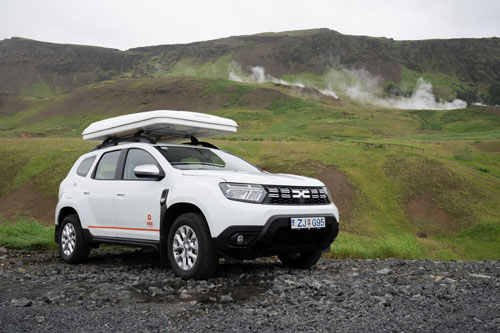
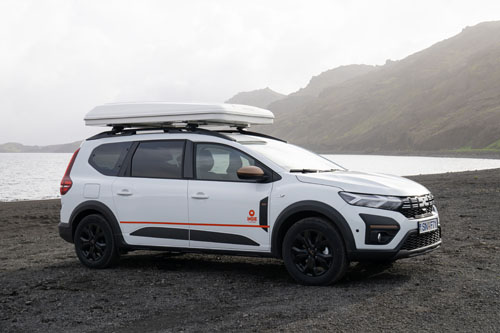
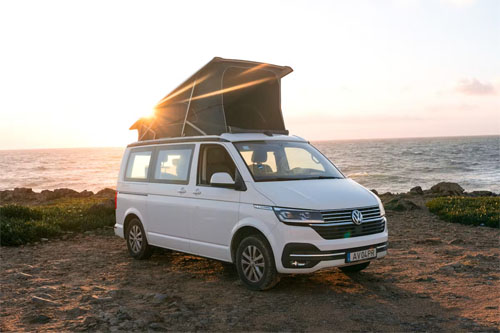
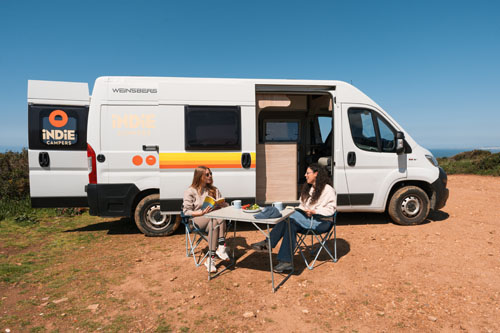
When selecting an RV for your Icelandic adventure, especially if you're considering a last-minute rental, prioritizing maneuverability and suitability for varied road conditions is key. Class B Camper Vans and Class SI Semi-integrated RVs are generally highly recommended for general travel around Iceland's main road network. Camper vans, like the Bandana 'Category Van' or 'Active Classic' models, typically average around 5.8 meters in length and are ideal for couples or small families, offering ease of driving and parking, with a fuel consumption of 8-10 Liters/100 km. Semi-integrated RVs, such as the 'Tamar' or 'Euro Tourer' models, offer more interior space and amenities, averaging around 6.9 meters in length with about 3.4 sleeping places, while still remaining manageable on most roads and consuming 10-11 Liters/100 km. For those specifically planning to tackle Iceland’s challenging F-roads (mountain roads), a 4x4 Truck Camper, like the 'Patagonia Camper 4x4' or 'Adventure Camper', is essential; however, most other RV classes are not suitable for these rugged routes.
Should I Choose a Compact Van Instead of a Large RV in Iceland?
The choice between a compact camper van and a larger RV in Iceland often hinges on your travel priorities. A compact camper van, like our 'Category Van' or 'Active Classic' models, offers superior maneuverability and often slightly better fuel efficiency (averaging 8-10 Liters/100 km for Class B), making them attractive for navigating potentially narrower village roads or tighter parking situations. However, a larger RV, such as a Class SI Semi-integrated model like the 'Tamar' (averaging 10-11 Liters/100 km), frequently provides enhanced comfort, more living space, and more comprehensive amenities, which can be invaluable in Iceland's unpredictable weather. The primary advantage of a larger RV is the increased comfort and facilities, including more spacious kitchens and sleeping areas, which significantly enhance the experience, especially on longer trips or during prolonged periods of inclement weather. While camper vans are great for agility, the main road network, including the Ring Road, easily accommodates larger RVs, meaning extensive maneuverability is often less critical than commonly perceived.
Can I Park Anywhere? Free & Wild Camping Rules in Iceland
When it comes to parking and overnight stays in an RV in Iceland, it's essential to know that wild camping or sleeping in your vehicle outside of designated campsites is largely prohibited. This strict regulation is in place to protect Iceland's incredibly fragile natural environment. The law explicitly forbids overnight parking on public land, roadsides, or private property unless you have the landowner's explicit permission, with significant fines levied for non-compliance. Therefore, always plan to stay in official campgrounds or specifically approved overnight parking areas. Fortunately, designated campsites are plentiful across Iceland, particularly along popular routes, and they offer vital amenities such as water, electricity hookups, and essential waste disposal facilities, providing a responsible and legal option for all RV travelers. Remember that rules can vary by region, so it's always wise to check local regulations and strictly adhere to 'Leave No Trace' principles.
Can I Drive an RV Into the City Center? Heights, Tunnels & Local Signage
Yes, you can generally drive an RV into most Icelandic city centers, including Reykjavik, with confidence. However, it is crucial to maintain a heightened awareness of local signage, particularly concerning parking regulations, potential height restrictions, and areas designated for residents only. While Reykjavik's city center is accessible, finding convenient parking for larger RVs can sometimes be challenging. Many multi-story parking garages have height limits, often around 2-2.5 meters, so be mindful of these before entering. You won't encounter specific environmental zones in Icelandic city centers that restrict RV access, but always observe any signs indicating weight limits on older streets or restricted access areas. Adhering to local signage is key to a hassle-free urban exploration experience.
How much does it cost to rent a motorhome in Iceland?
The cost of renting a motorhome in Iceland can vary significantly, typically ranging from $150 to $500+ USD per day. This price is influenced by several factors, including the RV class chosen (e.g., a compact camper van versus a larger motorhome), the duration of your rental, the season (summer months are generally the most expensive), and any additional services or upgrades you select. Beyond the daily rental fee, a comprehensive budget should also account for mandatory insurance, which can substantially increase the overall cost. High fuel expenses are another major consideration, with diesel and petrol prices being notably high. Finally, factor in daily campsite fees, which typically fall between $30 and $60 USD per night, depending on the campsite's amenities and location. Cooking most meals in your RV can offer significant savings, as groceries and dining out in Iceland are generally expensive. For ideas you can prep on the road, watch our RV-friendly recipes playlist on YouTube.
Is it worth renting an RV in Iceland?
Renting an RV in Iceland is highly recommended for travelers seeking unparalleled flexibility and the freedom to immerse themselves in the country's stunning natural landscapes at their own pace. The primary advantages include the ability to change your itinerary on the fly, access remote areas, and avoid the daily packing and unpacking associated with traditional accommodations. Furthermore, the convenience of an onboard kitchen can lead to significant savings on dining costs, and the ability to wake up to breathtaking new views each day offers a truly unique travel experience. While rental and fuel expenses are generally higher than in many other European destinations, and strict wild camping regulations require adherence to designated campsites, the self-sufficiency and immersive experience an RV provides often far outweigh these considerations. For many, the unforgettable moments created by waking up surrounded by Iceland's dramatic scenery make RV travel an incredibly worthwhile endeavor.
How much money do you need per day in Iceland?
For an RV trip in Iceland, a realistic daily budget for two people, excluding international flights, typically falls between $250 and $500 USD. This estimate covers the core expenses: RV rental, fuel, groceries, and campsite fees. RV rental costs alone can range from $150 to $400+ per day, depending heavily on the vehicle size and the season of travel. Fuel expenses can add another $50-$100+ daily, depending on the distances driven and current fuel prices. For campsites, allocate approximately $30-$60 per night. If you plan to cook most of your meals in the RV, budget around $40-$80 daily for groceries, as restaurant dining is considerably more expensive. For optional activities, tours, or the occasional restaurant meal, an additional $50-$150+ per person per day should be factored in to create a comprehensive financial overview for your adventure.
What is the best month to RV in Iceland?
The prime months for RV travel in Iceland are typically June, July, and August. During this summer period, you'll experience the mildest weather, the longest daylight hours (including the magical Midnight Sun), and optimal accessibility to all roads, including most F-roads (mountain roads). May and September, the shoulder seasons, also offer good conditions with fewer crowds and potentially lower prices, though the weather can be more unpredictable, and some F-roads may still be closed. Winter RVing (October through April) is significantly more challenging and generally not recommended for spontaneous trips due to very short daylight hours, severe weather conditions, icy roads, and the closure of many campgrounds. However, for the adventurous, winter travel does offer the unique opportunity to witness the Northern Lights.
How long does it take to RV around Iceland?
To comfortably complete a full RV circuit of Iceland's famed Ring Road (Route 1), a minimum of 7-10 days is typically required. However, a more immersive and relaxed experience, allowing for exploration of key sights and accounting for potential weather delays, would necessitate 10-14 days. A 7-day itinerary will involve substantial driving each day, offering a brisk overview of the main attractions but less time for in-depth excursions. A 10-day trip provides a more comfortable pace, enabling stops at popular waterfalls, glaciers, and black sand beaches along the Ring Road. For those wanting to explore further, including detours to the Snaefellsnes Peninsula, the remote Westfjords, or undertaking specific F-road adventures (requiring a suitable 4x4 RV), planning for 14 days or more will ensure a richer and less rushed experience.
What specific gear do I need for RVing in Iceland?
Packing the right gear is essential for an enjoyable RV trip in Iceland, given its unpredictable weather. Essential items include comprehensive waterproof and windproof clothing layers, sturdy hiking boots, and a well-stocked RV kitchen with basic cooking essentials. Packing thermals, wool socks, a warm hat, and gloves is crucial, as Iceland's weather can change rapidly, even in summer. For the RV itself, ensure you have reliable GPS navigation or offline maps, a powerful portable charger for your electronics, and a comprehensive emergency kit. This kit should include a first-aid kit, jump cables for the vehicle, and a reliable headlamp. If your itinerary includes F-road travel (with a suitable 4x4 RV), consider specialized gear like advice on river crossings, sturdy recovery ropes, and a detailed F-road map, alongside basic pantry staples and reusable water bottles.
How can I manage connectivity and utilities in an RV in Iceland?
Managing connectivity and utilities in an Iceland RV is straightforward with a bit of planning. For reliable cellular data and communication, purchasing a local SIM card from providers like Vodafone or Síminn upon arrival is highly recommended, offering the best coverage across the main routes; some rental companies also offer portable Wi-Fi devices as an optional extra. Refilling your RV's water tank is primarily done at designated potable water stations, which are available at almost all official campsites; some gas stations may also offer water, but always confirm it's safe drinking water. Waste management for greywater and blackwater is strictly regulated to protect the environment, with dedicated emptying stations ('losun') available at virtually all campsites. These stations must be used responsibly. Campsites also provide crucial electrical hookups for charging devices and running RV appliances, ensuring a continuous power supply throughout your stay.
What are the unique driving challenges beyond F-Roads in Iceland?
Beyond the notorious F-roads, RV drivers in Iceland face several unique challenges that require constant vigilance. Severe wind advisories are a frequent concern, capable of affecting vehicle control and even causing damage if RV doors are opened carelessly; always check wind forecasts on vedur.is and seek safe haven if conditions deteriorate. Single-lane bridges are common even on the main Ring Road, necessitating careful yielding to oncoming traffic and precise judgment for RVs to pass safely. Additionally, many secondary routes, and even portions of the Ring Road itself, consist of gravel, requiring reduced speeds, increased following distances to avoid stone chips, and careful handling. Unpredictable weather can also lead to sudden blizzards, heavy rain, or dense fog, significantly reducing visibility and making driving challenging regardless of the season, underscoring the need for constant adaptability and awareness.
How can I RV sustainably in Iceland?
Embracing sustainable RVing practices in Iceland is crucial for preserving its pristine environment. Adherence to 'Leave No Trace' principles is paramount, focusing on responsible waste management, minimizing your environmental footprint, and actively supporting local communities. Always stay on marked roads and designated trails, never driving off-road to protect Iceland's incredibly fragile and slow-growing vegetation. Utilize designated waste and recycling bins at campsites and towns, and critically, dispose of greywater and blackwater only at official emptying stations, never in nature. Conserve resources like water, electricity, and fuel by driving efficiently and being mindful of consumption, especially in remote areas where resources are limited. Supporting local Icelandic businesses by purchasing groceries, crafts, and services from small towns and local producers not only enhances your travel experience but also contributes positively to the local economy.
What food and local culinary experiences are possible with an RV in Iceland?
RV travel in Iceland uniquely combines the flexibility to explore with the opportunity to savor local culinary experiences. You can maximize your budget by shopping at Icelandic grocery stores like Bónus or Krónan, especially in larger towns, to stock up on fresh ingredients. This allows you to prepare delicious and affordable meals featuring local produce, fresh fish, renowned Icelandic lamb, and dairy products like skyr. While cooking in your RV is a great cost-saving measure, don't miss chances to sample iconic Icelandic specialties. These include the famous pylsur (Icelandic hot dogs) from roadside stands, hearty soups often found at gas stations, or a memorable meal at a local restaurant in larger towns. Exploring farmers' markets or local shops for unique Icelandic treats like rúgbrauð (dense rye bread), smoked salmon, or dried fish snacks (harðfiskur) further enriches your culinary journey.
What You Shouldn't Miss
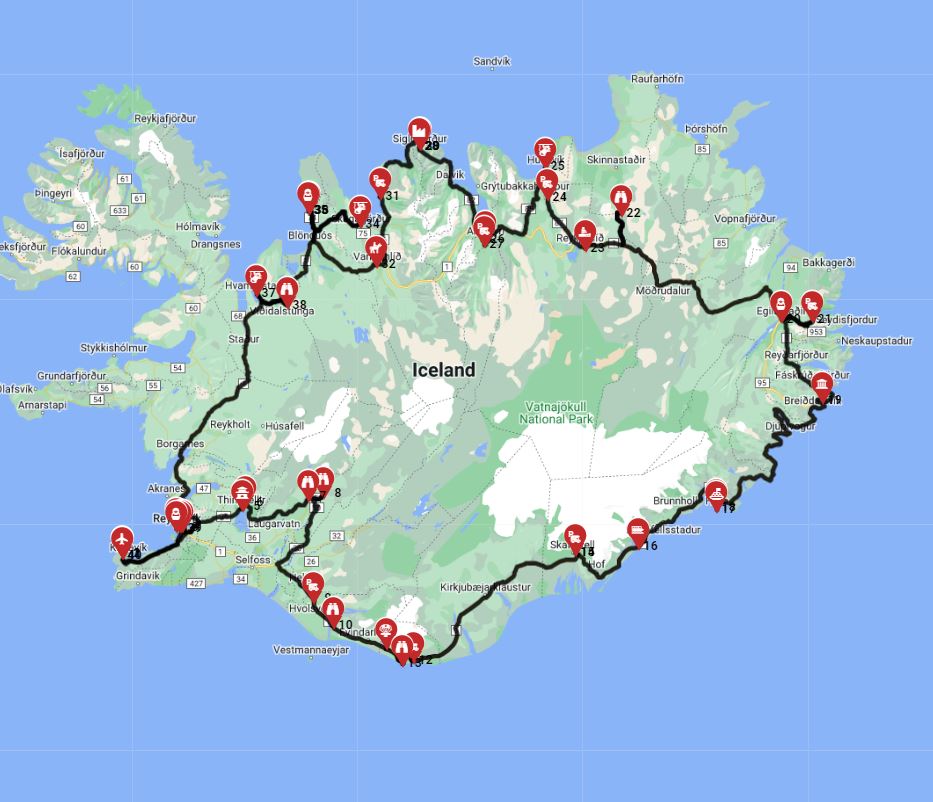
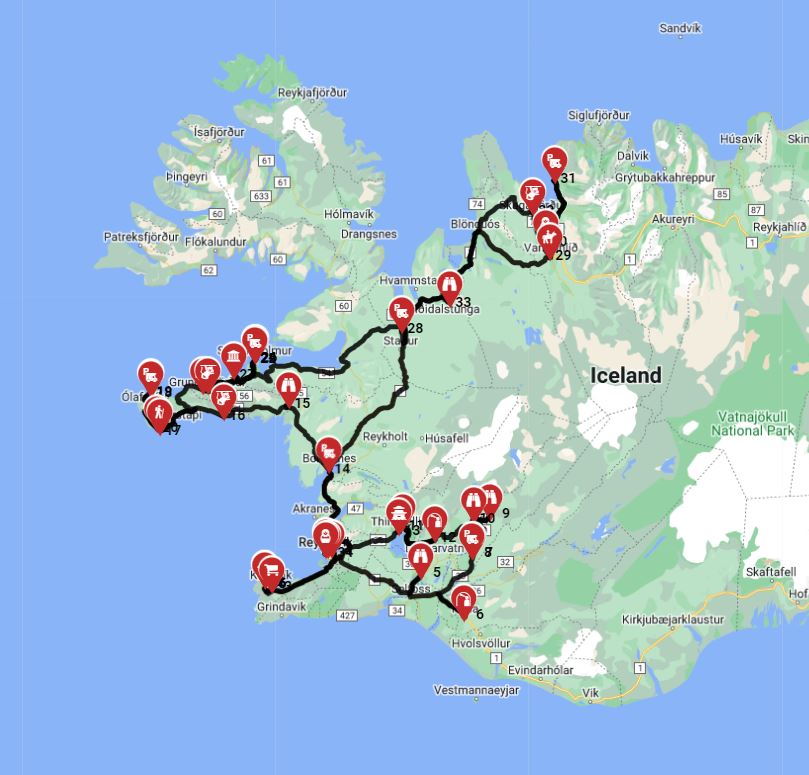
- Embark on the full Ring Road (Route 1) adventure, a 15-day, 2,045 km journey offering diverse Icelandic landscapes and 170+ campsites, with 85% offering electrical hookups.
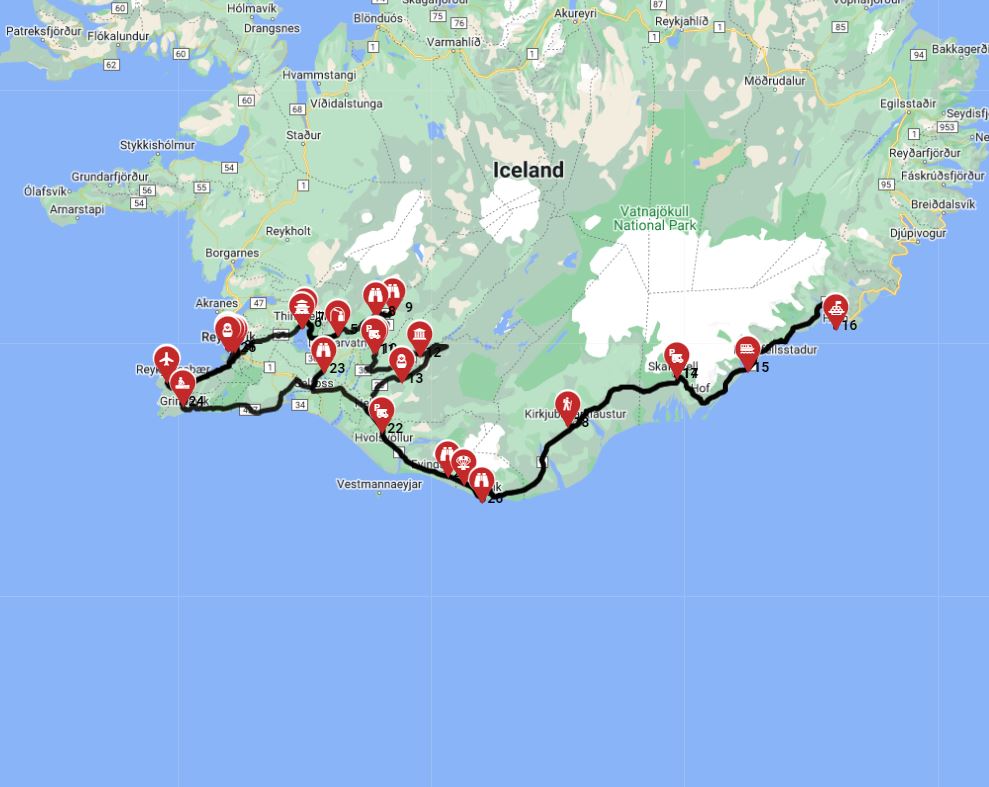
- Explore the Golden Circle's highlights, including Thingvellir National Park (heritage site) and Gullfoss waterfall (natural feature), all within a manageable 9-day, 1,438 km route starting and ending in Reykjavik.
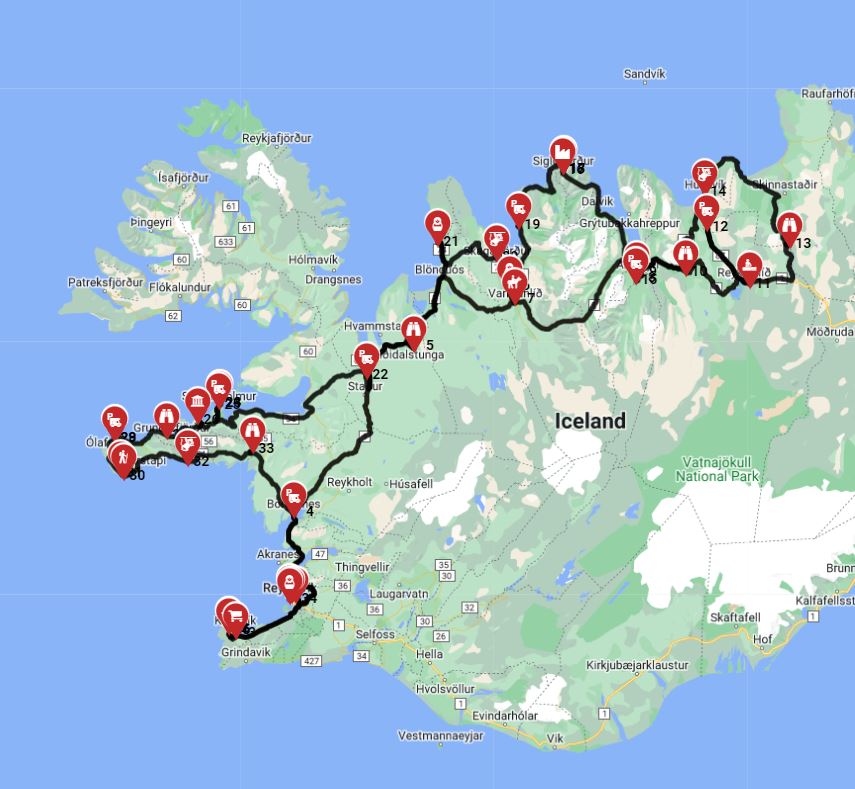
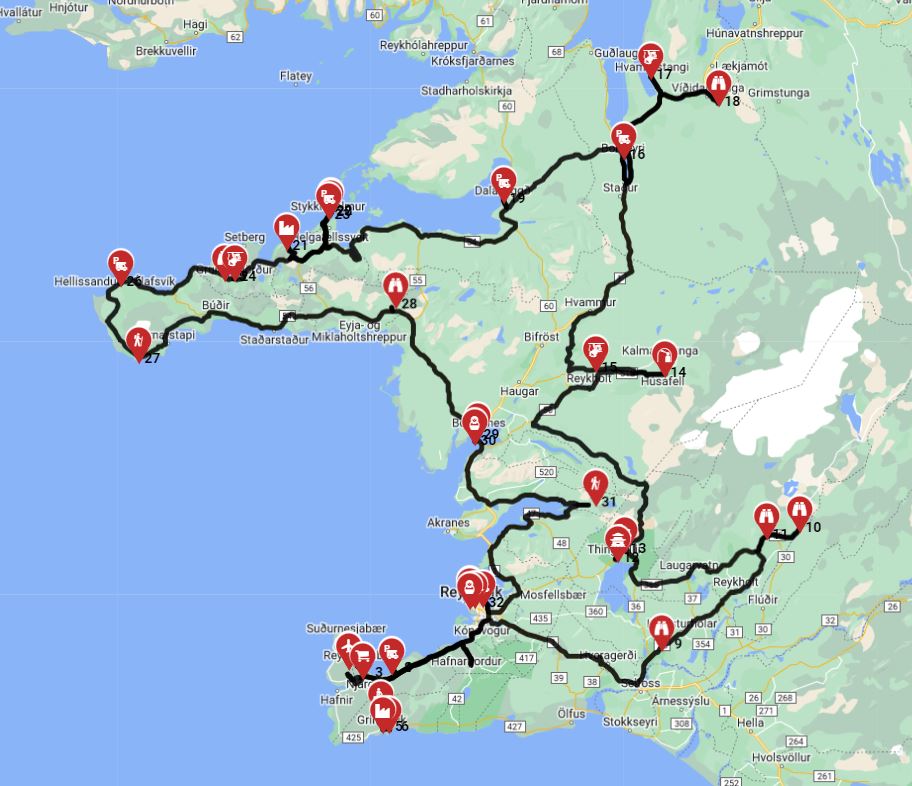
- Discover the unique geological wonders of the Snaefellsnes Peninsula, often called "Iceland in Miniature," with its volcanic beaches and charming fishing villages.
- Experience the dramatic beauty of the South Coast, visiting iconic waterfalls like Skógafoss and Seljalandsfoss, and the stunning black sand beach of Reynisfjara.
- Take a dip in Iceland's famous geothermal waters, such as the Blue Lagoon or the Secret Lagoon, for a relaxing and rejuvenating experience.
- Consider a dedicated 4x4 RV rental for venturing onto F-roads, opening up access to stunning interior highlands like Landmannalaugar, but only during summer months when they are typically clear of snow.
Final Thoughts
Renting an RV for a last-minute trip to Iceland offers an unparalleled opportunity for adventure and discovery. The freedom to explore at your own pace, coupled with the stunning, ever-changing landscapes, creates an unforgettable experience. By understanding the essential driving tips, road conditions, and local regulations, you can ensure a smooth and enjoyable journey.
From the majestic waterfalls of the south coast to the rugged beauty of the Westfjords, Iceland's natural wonders await. With a reliable rental RV, you have the perfect mobile basecamp to immerse yourself in the raw beauty of this incredible island. Remember to book in advance when possible, pack wisely, and always prioritize safety and respect for the environment.
Get inspired for your next trip! Discover top destinations, planning tips, all in one place! Plan a trip itinerary in advance with minimal effort and maximum enjoyment. We're excited to help you craft your dream Icelandic RV adventure!
For live availability and current prices, start with our RV Rental Iceland - Complete Guide 2026 guide.