In This Guide
- Can You Drive an RV in Halifax? License & Age Rules
- Road Conditions & Terrain in Halifax
- RV Size Limits, Bridges & Restricted Zones
- Fuel: Diesel vs. Petrol & Cost per 100 km
- Tolls, Vignettes & Border Rules
- Driving Tips for Last Minute RV Rental Travelers
- Recommended RV Class for Halifax Roads
- Should I Choose a Compact Van Instead of a Large RV in Halifax?
- Can I Park Anywhere? Free & Wild Camping Rules in Halifax
- Can I Drive an RV Into the City Center? Heights, Tunnels & Local Signage
Can You Drive an RV in Halifax? License & Age Rules
Most RVs available for rent in Halifax can be comfortably driven with a standard Class 5 driver's license, provided the Gross Vehicle Weight Rating (GVWR) remains below 11,000 kg. This means that for the vast majority of rental motorhomes and campervans, your regular car license from Nova Scotia or your home country will suffice. For visitors from non-English speaking countries, an International Driving Permit (IDP) is highly recommended in addition to your valid foreign license, though it is not strictly mandatory in all cases for up to 90 days of driving. Rental companies in Halifax typically require drivers to be at least 21 years old, regardless of how long they've held their license, and there are no young driver surcharges or vehicle class restrictions based on age. If you're planning a trip to this charming city and want to learn more about the vehicle options and local regulations, start with our RV Rental Halifax - Complete Guide 2026 for live availability and current prices.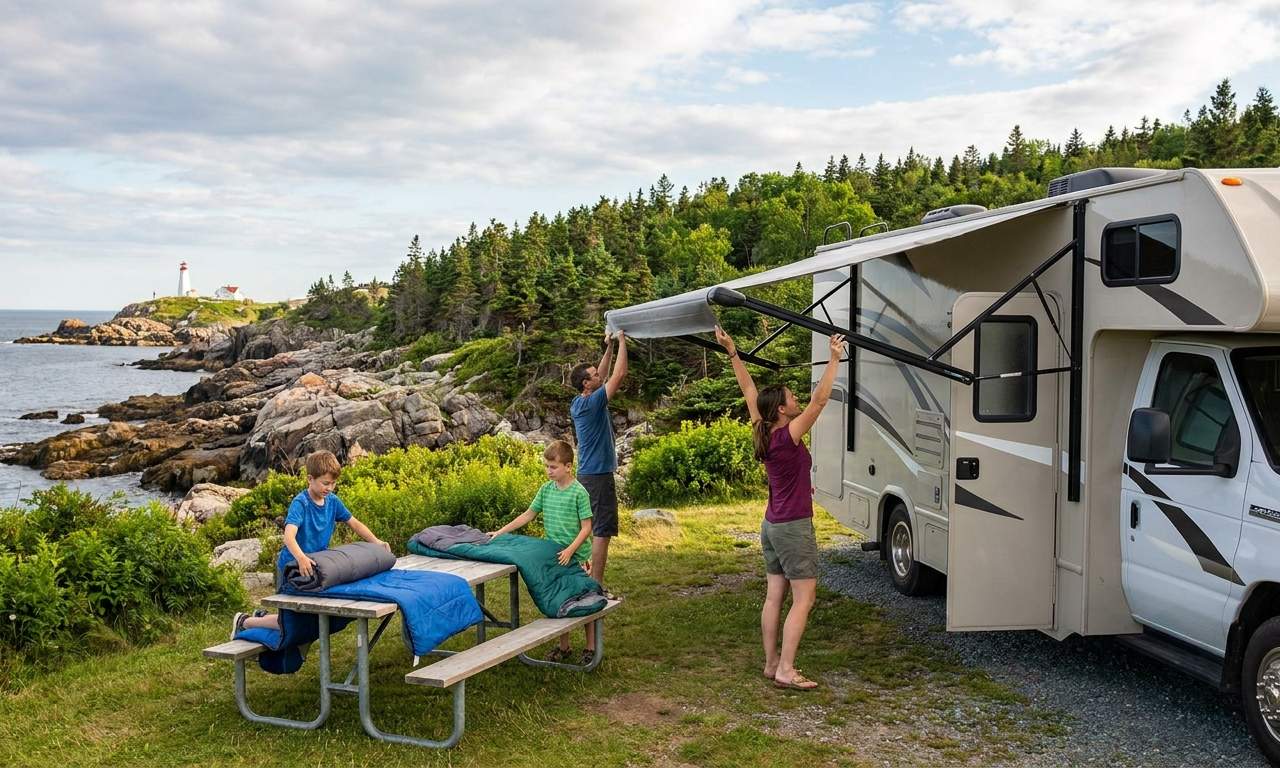
Road Conditions & Terrain in Halifax
Halifax offers generally well-maintained paved roads, but drivers should be prepared for occasional potholes, particularly during spring after winter thaws. The city itself is characterized by rolling hills and some winding coastal routes, presenting a picturesque yet dynamic driving experience, while the broader Nova Scotia region features an undulating, non-mountainous terrain, perfect for scenic drives. While major highways like the 100-series routes are excellent, some rural roads leading to secluded beaches or hiking areas might be unpaved or gravel. For any last-minute RV trip, it's wise to allow a little extra time for travel, especially when navigating through urban density or exploring unfamiliar scenic routes. When you're dreaming of an adventure across the wider province, consider our comprehensive "RV Rental Canada - Complete Guide 2026" to plan your journey.RV Size Limits, Bridges & Restricted Zones
Halifax does not impose specific RV-wide size limits beyond general vehicle regulations, but observing individual signage for bridges and particular areas is always critical. When driving any rented motorhome, pay close attention to posted height and weight limits on bridges and underpasses, such as the MacKay and Angus L. Macdonald bridges which have standard clearances for most vehicles. There are no designated environmental or low-emission zones that restrict RV access within Halifax or anywhere else in Nova Scotia. If your travel plans involve taking your rental RV on ferries, for instance to Prince Edward Island or Newfoundland, it is crucial to check specific operator length and weight restrictions and book your ferry spot well in advance, as these can fill up quickly during peak seasons.Fuel: Diesel vs. Petrol & Cost per 100 km
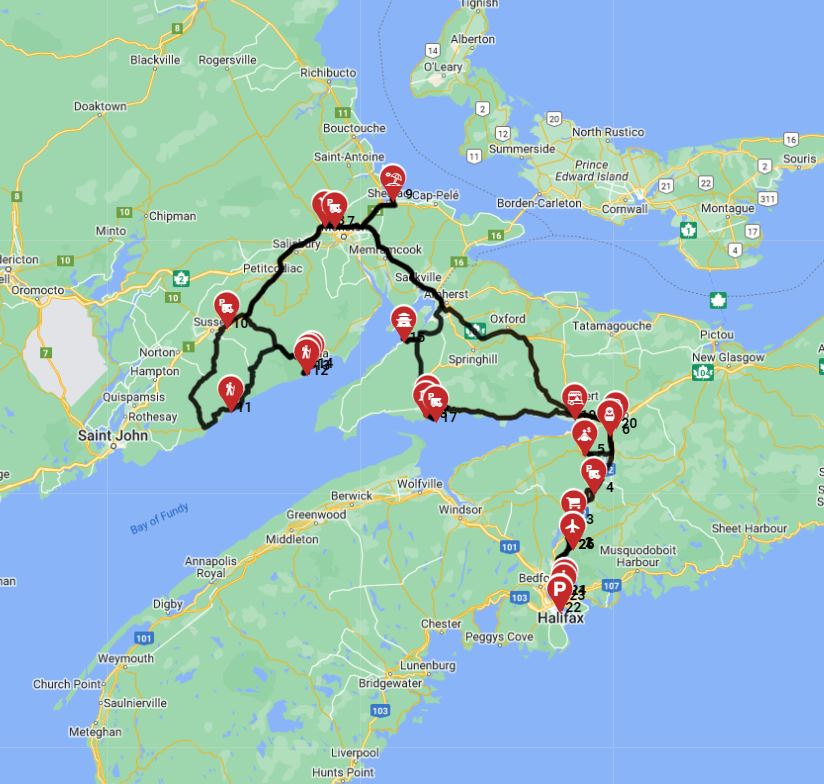
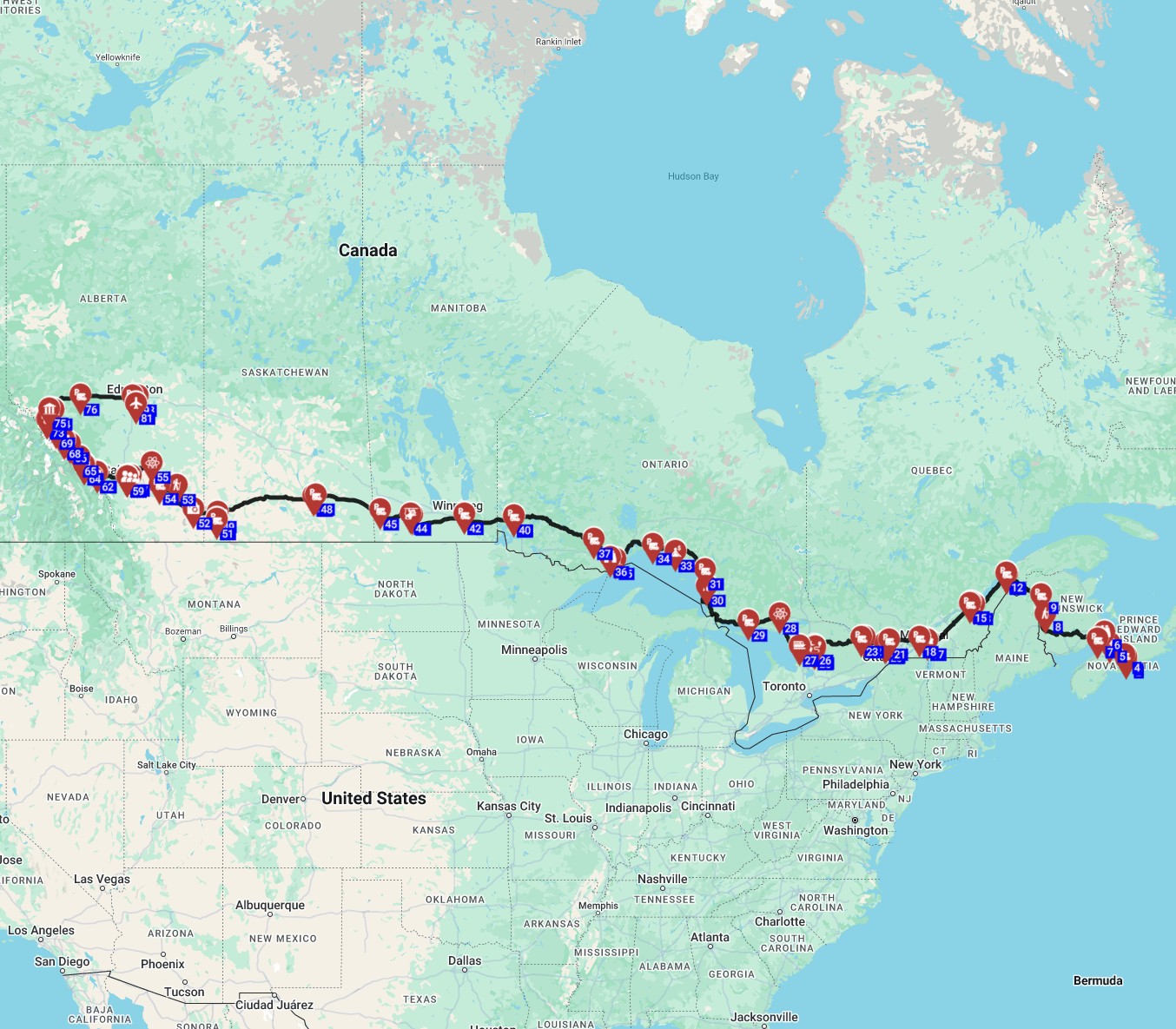
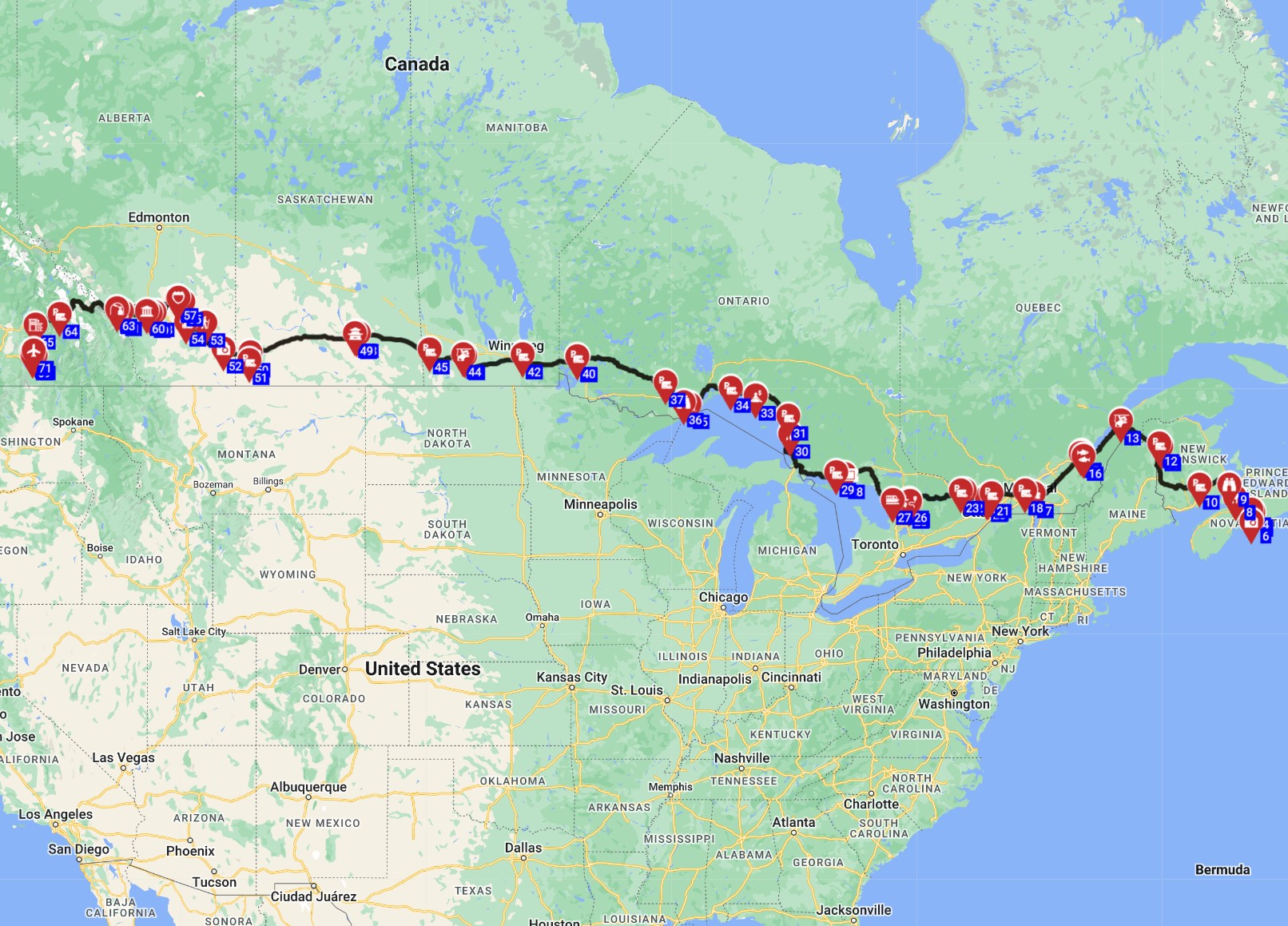
Both diesel and petrol are readily available at numerous gas stations throughout Halifax and across Nova Scotia, with larger motorhomes often running on diesel and smaller campervans on petrol. Based on Bandana's local fleet data for Canada, Class SI Semi-integrated and Class C Alcove RVs commonly consume around 25-30 Liters per 100 km, while Class TC Truck Campers and Class B Camper Vans are more fuel-efficient, typically using 11-17 Liters per 100 km. At an estimated current fuel price of CAD 1.80/Liter, you can expect to spend approximately CAD 19.80-30.60 per 100 km for Class B Camper Vans or Truck Campers, and CAD 45.00-54.00 per 100 km for larger Class SI and Class C models in Halifax. For comprehensive trip budgeting, remember that on RV PLANET routes, you can itemize and track every expense along the way, ensuring no surprises.🎬 Video coming soon
Tolls, Vignettes & Border Rules
The primary toll road in Nova Scotia is the Cobequid Pass on Highway 104, connecting the western and eastern parts of the province. This is a conventional toll booth system, so there are no vignettes (pre-paid stickers for road use) required for driving anywhere in Nova Scotia or Canada. When driving your rented RV, there are no internal borders or customs checks when traveling between Canadian provinces; however, standard passport and visa rules apply if you plan to cross into the United States. Many RV rental companies offer optional toll passes or transponders for automatic toll collection on routes like the Cobequid Pass, which can streamline your journey and help you avoid potential fines.Driving Tips for Last Minute RV Rental Travelers
Even on a last-minute rental RV, performing a quick yet thorough check of your motorhome's lights, tires, and mirrors is essential before departing from the depot in Halifax. Take a few minutes in a low-traffic area to familiarize yourself with the RV's controls, dimensions, and potential blind spots before heading onto city roads. Planning your initial route from the rental depot, perhaps located around the Halifax Stanfield International Airport area (YHZ), to your first destination, such as Shubie Campground, can build confidence and reduce immediate navigation stress. Always budget for potential incidentals, like unexpected parking fees in downtown Halifax or the need for a taxi if parking proves challenging near specific urban attractions. Embrace the flexibility inherent in last-minute travel; be open to spontaneous detours along coastal Highway 333 towards Peggy's Cove, and listen to local recommendations for hidden gems. This way, your adventure will truly come alive!Recommended RV Class for Halifax Roads
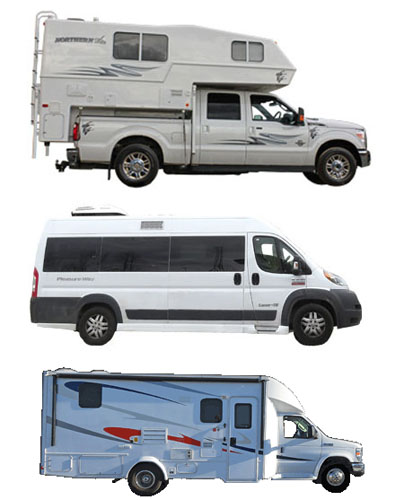
For navigating Halifax's varied terrain and exploring the scenic Nova Scotian coast, the Class B Camper Van and Class TC Truck Camper are highly recommended for their excellent balance of maneuverability and comfort. A Class B Camper Van, like the "rv rental denver example Category Van" (ideal for a couple, with shower and toilet), averages around 6.5 meters in length, making it superb for city driving, easier parking in spots like the Halifax waterfront, and offering strong fuel efficiency (11-15 Liters/100 km). Alternatively, a Class TC Truck Camper, such as the "Patagonia Camper 4x4 double cab" (4 wheel drive, ideal for a couple, with front air conditioning), averages 7.4 meters in length and provides good ground clearance for varied terrain and decent fuel economy (12-17 Liters/100 km), proving versatile for both coastal drives and rural exploration. These classes are particularly suitable for last-minute trips as they are nimble enough for urban exploration yet comfortable for extended journeys throughout Nova Scotia.Should I Choose a Compact Van Instead of a Large RV in Halifax?
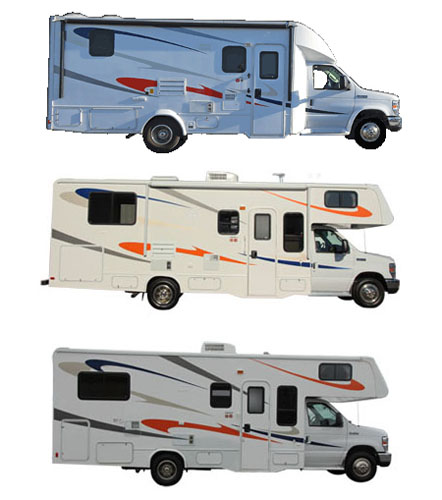
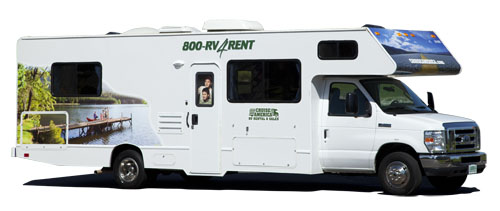
While compact vans, often Class B Camper Vans, offer superior maneuverability and easier parking in Halifax's urban areas, larger RVs like Class C or Class A motorhomes generally pose no significant driving issues on main roads and provide greater comfort and amenities. A compact van (e.g., a "Camper Van" with an average length of 6.5 meters, ideal for a couple), excels in navigating tight city streets, crowded parking lots near attractions, and can access more remote, unpaved roads more easily. Conversely, if your priorities are spacious living areas, dedicated sleeping arrangements, and larger kitchen/bathroom facilities, a Class C (averaging 8.2 meters) or Class A (averaging 10+ meters) RV offers a more luxurious experience for families or longer trips. The well-maintained highways and main arteries around Halifax, including those connecting to popular spots like the Halifax Public Gardens or Citadel Hill, are easily traversable by all RV sizes. Therefore, your choice should balance your desired amenities with your personal comfort level in navigating a larger vehicle, remembering that driving slowly and carefully allows you to drive almost anywhere without issues. For more details, explore our "RV Rental in Halifax - Prices and Best Deals 2026" to find the perfect size for your adventure.Can I Park Anywhere? Free & Wild Camping Rules in Halifax
Free or 'wild' camping is generally prohibited within Halifax city limits and in most developed areas across Nova Scotia; travelers should always opt for designated campgrounds or authorized parking spots. Legal overnight parking options include provincial parks like Dollar Lake Provincial Park, private campgrounds such as Shubie Campground in Dartmouth, and some large retail establishments (e.g., Walmart, Canadian Tire) which may permit self-contained RVs to park overnight – always ask for permission first. Within Halifax, specific RV parking for day use can be found at some attractions, but overnight street parking is usually restricted and often leads to fines. Rules vary by region, so always check local municipal bylaws and follow local law before parking overnight to ensure a safe and legal stay for your rental RV.Can I Drive an RV Into the City Center? Heights, Tunnels & Local Signage
Yes, you can generally drive a rented RV into Halifax city center, but careful attention to local signage regarding height restrictions, parking limitations, and specific street regulations is crucial for a smooth experience. Parking garages, such as those near the waterfront, are almost universally too low for RVs; always be vigilant for height limit signs on streets, underpasses near Barrington Street, and watch for low-hanging branches or overhead wires. Halifax does not have any tunnels that typically restrict RV access based on height or vehicle class. Street parking for larger RVs in the immediate city core is extremely limited and difficult to find; consider parking your RV at an outlying lot or campground, like those near the Halifax Exhibition Centre, and utilizing Halifax's efficient public transportation (buses, ferries to Dartmouth), ride-shares, or walking to access downtown attractions like Pier 21 or the Maritime Museum of the Atlantic. This strategy allows you to explore the vibrant city while keeping your RV safely parked outside the busiest zones.What You Shouldn't Miss
- **Explore the Historic Halifax Waterfront:** Spend a leisurely afternoon strolling along the waterfront, sampling fresh seafood, visiting unique shops, and taking in the harbor views. Look for the Bluenose II, a replica of Canada's most famous schooner.
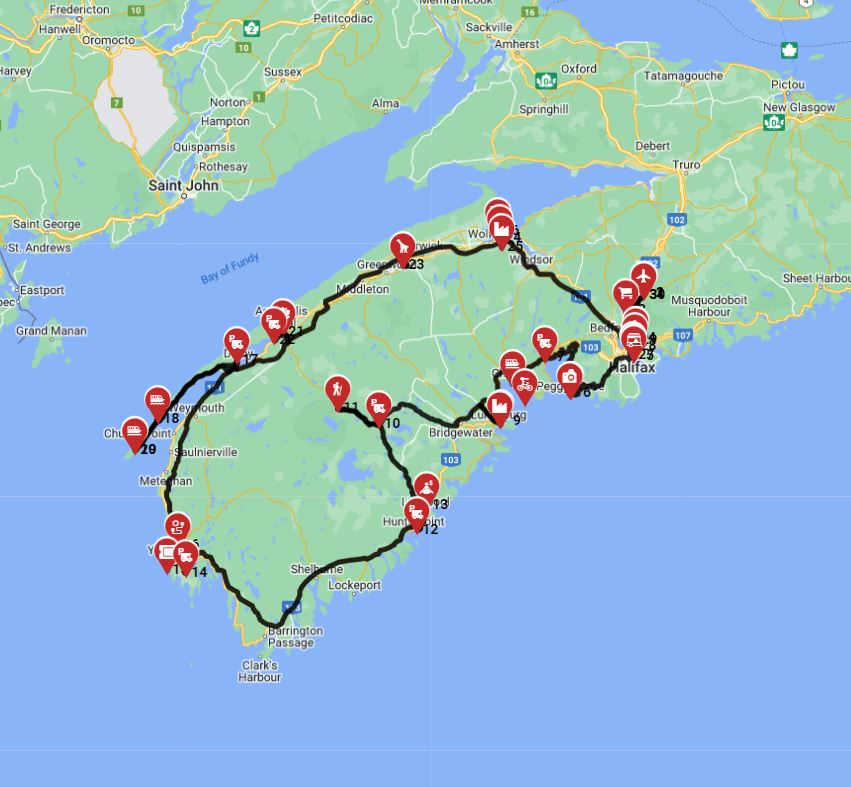
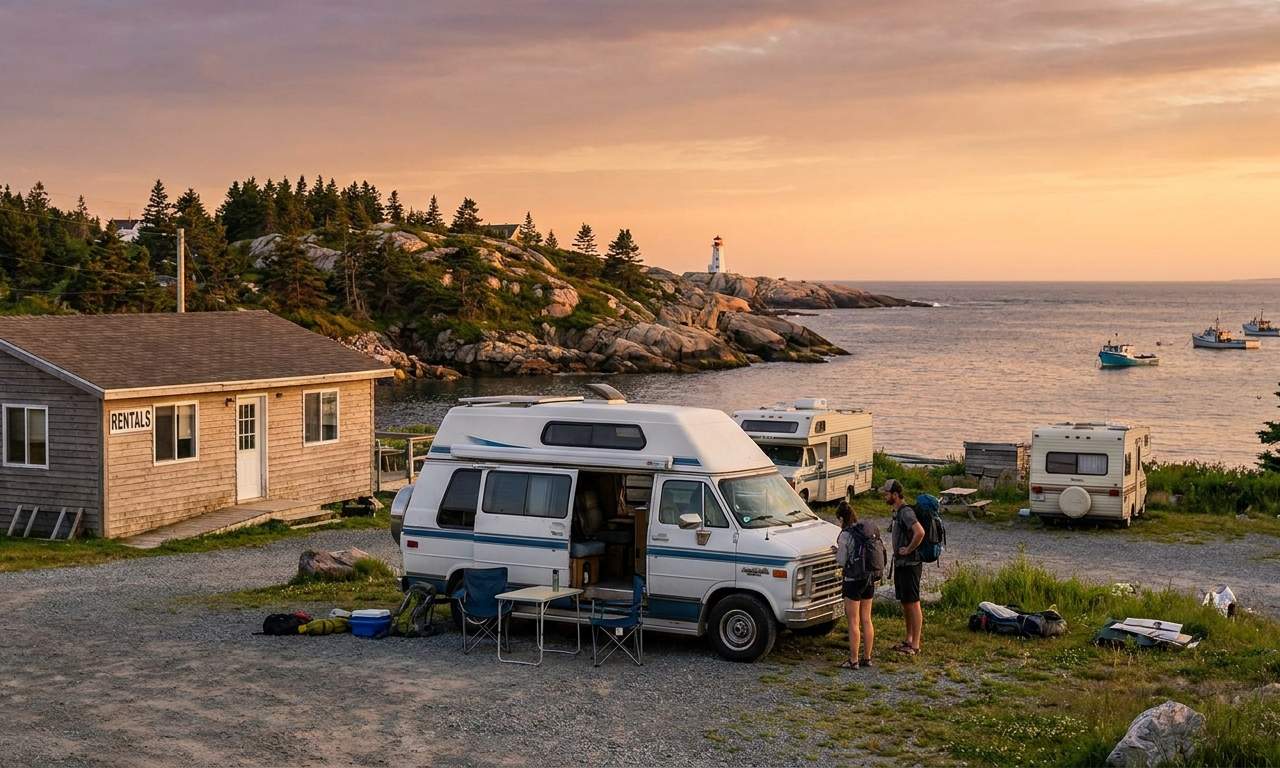
- **Discover Peggy's Cove:** Drive your rental campervan southwest on Highway 333 (the Peggy's Cove Road) to this iconic fishing village. Its dramatic granite boulders and classic lighthouse make for stunning photos, but remember to stay off the dangerous black rocks.
- **Hike at Point Pleasant Park:** Just a short drive from downtown Halifax, this historic park offers miles of wooded trails, stunning ocean views, and remnants of old fortifications. It's an excellent spot for a picnic with ingredients gathered from a local market. If you are enjoying cooking in your motorhome, check out our RV-friendly recipes playlist for fresh ideas!
- **Visit the Citadel Hill National Historic Site:** Immerse yourself in Halifax's military past by exploring this star-shaped fort. Live reenactments and panoramic city views make it a compelling visit.
- **Day Trip to the Annapolis Valley Wine Region:** Head west of Halifax to Nova Scotia's burgeoning wine region. Enjoy scenic drives through vineyards and sample local vintages, parking your RV at a nearby campground for a comfortable overnight stay.
Looking for expert insights from Avi Bandana? Top 5 Adventures – recommendations from Avi Bandana.
Final Thoughts
Embracing a last-minute RV rental in Halifax offers unparalleled freedom to explore Nova Scotia's stunning landscapes and vibrant city life at your own pace. With Bandana Caravan, you're not just renting a vehicle; you're gaining a partner who understands the nuances of RV travel and prioritizes your peace of mind. We're here to ensure your booking experience is transparent and smooth, supporting you with expert advice and clear details from the moment you start planning. Whether you choose a nimble campervan for city adventures or a larger motorhome for extended family excursions along the scenic coastal routes, Halifax is an incredible starting point. Remember to travel slowly, averaging 100-150 km per day, allowing yourself to truly connect with the culture, the incredible food, and the breathtaking scenery that this Canadian gem has to offer. Your next adventure is waiting, and we're excited to help you embark on it! Find Motorhome Rentals in HalifaxOn the routes offered through RV PLANET routes, you can itemize and track every expense along the way for easy budgeting.