In This Guide
- Can You Drive an RV in Edinburgh? License & Age Rules
- Road Conditions & Terrain in Edinburgh
- RV Size Limits, Bridges & Restricted Zones
- Fuel: Diesel vs. Petrol & Cost per 100 km
- Tolls, Vignettes & Border Rules
- Driving Tips for last minute rv rental Travelers
- Recommended RV Class for Edinburgh Roads
- Should I Choose a Compact Van Instead of a Large RV in Edinburgh?
- Can I Park Anywhere? Free & Wild Camping Rules in Edinburgh
- Can I Drive an RV Into the City Center? Heights, Tunnels & Local Signage
- What are the rules for campervans in Scotland?
- Do you need a special license to drive a campervan in the UK?
- Are you allowed to walk in an RV while driving?
- What are pub stops for motorhomes Scotland?
- Can you sleep in a campervan in Edinburgh?
- How much per day does it cost to hire a campervan in Scotland?
- Can you rent a camper van in Scotland?
- Can you get RV insurance for 1 month?
- Suggested Last-Minute RV Routes from Edinburgh
- RV Amenities and Services Near Edinburgh
Can You Drive an RV in Edinburgh? License & Age Rules
Navigating Edinburgh in a rented RV is an exciting prospect, and understanding the driving regulations is key. In the UK, a standard Category B driving license is generally sufficient for driving RVs with a Maximum Authorised Mass (MAM) up to 3,500 kg, which covers most smaller campervans and many Class C motorhomes, provided they have no more than 8 passenger seats. For larger motorhomes, typically those between 3,500 kg and 7,500 kg MAM, a Category C1 license is required. Many drivers who passed their test before 1 January 1997 may already hold this entitlement, while others might need to pass additional testing. RV rental companies in Edinburgh usually set a minimum driver age, commonly 21 or 25, and may also have a maximum age limit for insurance purposes. It's essential to check these requirements when booking. For international visitors, a valid national driving license is necessary, and for licenses not in English, an International Driving Permit (IDP) is often recommended or required by rental companies to ensure compliance.
Road Conditions & Terrain in Edinburgh
When planning your last-minute RV rental adventure in Edinburgh, it's important to be aware of the road conditions and terrain. Edinburgh's city roads are generally well-maintained, but like many historic European cities, they can be narrow and winding, particularly in the Old Town and Royal Mile areas. Driving an RV here requires careful navigation, a slow pace, and heightened awareness of your vehicle's dimensions. Beyond the city, the Scottish landscape offers diverse terrain. You'll encounter everything from urban density to rolling hills and dramatic mountainous regions like the Highlands. Many scenic routes, especially those in more remote areas, feature single-track roads with designated passing places. Patience and courtesy are key when using these roads, always yielding to oncoming traffic when in a passing place. We always encourage a slower pace of travel, allowing you to truly absorb the breathtaking Scottish scenery and manage the varied terrain and potential for sudden weather changes, which are common in Scotland, especially when traveling spontaneously.
RV Size Limits, Bridges & Restricted Zones
Navigating Edinburgh and its surroundings with a rented RV requires an awareness of size restrictions and any specific zones that might affect your journey. Edinburgh has implemented a Low Emission Zone (LEZ) that is enforceable in 2026 and covers the city centre. Older RV models, especially those not meeting Euro 6 standards for diesel or Euro 4 for petrol, might be subject to charges or fines. It's crucial to check your specific rental vehicle's compliance. While most main routes into and out of Edinburgh are suitable for standard RVs, some historic city streets or older bridges may have specific height, weight, or width restrictions. Always observe local signage carefully to avoid issues. If your itinerary includes exploring Scotland's beautiful islands, be aware that ferry services will have their own set of length and weight restrictions for RVs, and booking these crossings well in advance is essential. Additionally, keep an eye out for potential low bridges, particularly on minor roads or under railway lines, though these are less common on the main routes typically used by RVs.
Fuel: Diesel vs. Petrol & Cost per 100 km
Most RVs available for rent in Edinburgh, whether they are compact Class B Camper Vans, semi-integrated Class SI models, fully integrated Class A motorhomes, or spacious Class C Alcove designs, typically operate on diesel fuel. Diesel is widely available across Scotland, making refueling straightforward. Fuel consumption can vary by model and driving style, but as a general guideline, expect a Class B Camper Van to average around 8-11 Liters per 100 km. For larger Class SI and Class A models, this typically ranges from 8-12 Liters per 100 km, while Class C Alcove models might consume slightly more, around 9.5-13 Liters per 100 km. As of 2026, fuel prices in Scotland fluctuate, but diesel is generally priced similarly to or slightly higher than petrol. A reasonable budget estimate for fuel for a last-minute RV trip would be approximately £10-£15 per 100 km, though this can be influenced by your driving habits and current market prices. Some rental providers may offer fuel discount cards, which can provide savings at participating stations.
Tolls, Vignettes & Border Rules
For those planning to explore Scotland with a rented RV, you'll be pleased to know that the country generally does not impose tolls on its roads, nor are vignettes required for general road use. This means that RV travel solely within Scotland is typically free from these additional charges, simplifying budgeting for your last-minute trip. However, if your journey extends south into England, you may encounter some toll bridges and tunnels, such as the Dartford Crossing. These often operate with automatic payment systems (like 'Dart Charge'), so it’s important to ensure these are paid in advance or promptly to avoid fines. Some rental companies might offer the convenience of pre-purchasing toll passes for specific English tolls, which can be a useful perk for those looking to streamline their travel and manage their budget effectively. On the routes offered through RV PLANET routes, you can itemize and track every expense along the way for easy budgeting.
Driving Tips for last minute rv rental Travelers
To ensure a smooth and enjoyable experience with your last-minute RV rental, a few key driving tips are essential. Remember that in the UK, traffic drives on the left, and most vehicles, including rental RVs, will be right-hand drive. This means you'll be sitting on the right side of the vehicle. For families traveling with children, it’s crucial to plan regular stops every 2-3 hours to prevent driver fatigue and allow passengers, especially younger ones, to stretch their legs. Before you set off, secure all items inside the RV. Loose objects can shift during transit, and during sudden braking or sharp turns, unsecured items can become dangerous projectiles. Get acquainted with your RV's specific dimensions—height, length, and width—to confidently navigate narrower roads, city centers, and be mindful of potential low bridges. Budget-conscious travelers should consider pre-paying any potential tolls if traveling into England and actively monitor fuel consumption, making use of any provided fuel discount cards.
Recommended RV Class for Edinburgh Roads
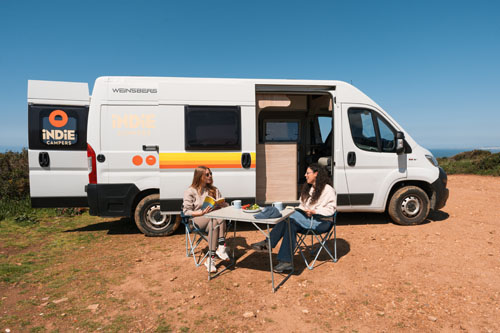
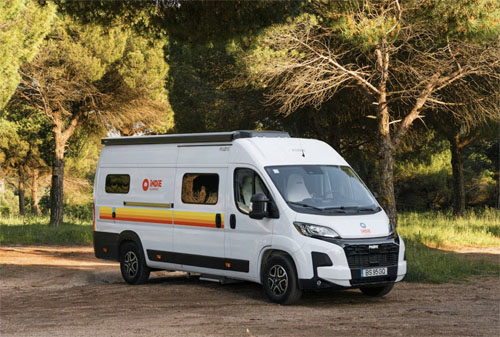
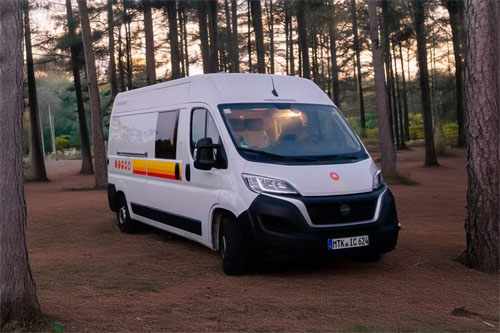
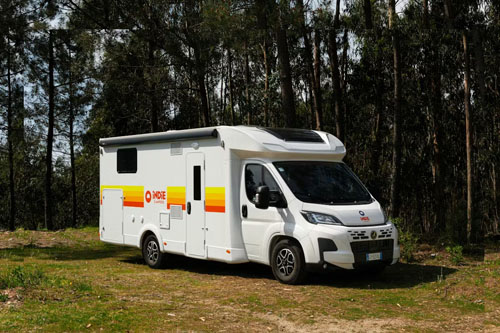
When choosing the right RV for your Edinburgh adventure, balancing comfort with maneuverability is key, especially for last-minute bookings. For navigating Edinburgh's mix of city streets and the surrounding varied Scottish terrain, a Class B Camper Van or a Class SI Semi-integrated RV is often a recommended choice. These options tend to offer a good balance of living space and manageable dimensions. Class B Camper Vans, typically around 5.8 meters in length, are excellent for city driving and parking, providing comfortable sleeping for about three people, making them ideal for couples or small families. Class SI Semi-integrated models, averaging about 7.1 meters in length, offer more internal space and amenities, often accommodating up to four people, while still remaining manageable on Scotland's diverse road network, including those single-track routes. Both classes generally offer good ground clearance for varied Scottish terrains and are less imposing than larger Class A or C Alcove models, contributing to a less stressful driving experience for those on a spontaneous trip.
Should I Choose a Compact Van Instead of a Large RV in Edinburgh?
When considering an RV for your Edinburgh trip, the choice between a compact van and a larger RV often comes down to your priorities. Generally, driving most RV sizes in Edinburgh and throughout Scotland is feasible; the decision often hinges more on your need for indoor space and amenities rather than marginal maneuverability gains from a compact van. A compact Class B Camper Van (averaging 5.8m in length) can indeed be beneficial for navigating extremely tight historic city centers, squeezing into smaller parking spots, or tackling very narrow mountain passes with frequent passing places. However, if your group desires more living space, a separate shower and toilet, greater storage capacity, or distinct sleeping areas, opting for a larger Class SI (averaging 7.1m) or even a Class C Alcove RV might be a better trade-off. The added comfort, comprehensive kitchen facilities, and dedicated sleeping areas of a larger RV can significantly enhance your last-minute trip, even if it means a bit more careful driving and planning for city parking. For ideas you can prep on the road, watch our RV-friendly recipes playlist on YouTube.
Can I Park Anywhere? Free & Wild Camping Rules in Edinburgh
Understanding parking and overnight stay regulations is vital for RV travelers in Scotland. While the Scottish Outdoor Access Code does permit wild camping for non-motorized vehicles in many areas, this right generally *excludes* overnight parking in motorhomes, campervans, or RVs. This means that parking your RV overnight in Edinburgh or elsewhere in Scotland is largely restricted to designated campsites, official overnight parking areas, or private land where you have explicit permission from the landowner. Wild camping in an RV on public roadsides, laybys, or scenic spots is generally not permitted and can lead to fines, especially if waste disposal (grey or black water) is not managed responsibly at designated points. For Edinburgh specifically, you'll typically find well-equipped campsites on the city's outskirts, offering essential facilities and excellent public transport links into the city center, which is often the most practical solution for RVers. Always prioritize official campsites or pre-arranged private spots for overnight stays to ensure you are adhering to local laws and responsible practices.
Can I Drive an RV Into the City Center? Heights, Tunnels & Local Signage
Driving an RV into Edinburgh's city center is certainly possible, but it requires a keen eye for local signage and an awareness of specific restrictions. You'll almost always need to pay close attention to height limits, tunnel clearances, and any designated low bridges. As mentioned earlier, Edinburgh's Low Emission Zone (LEZ), in effect in 2026, means non-compliant vehicles entering the zone face fines, so checking your RV's emission standards (typically Euro 6 for diesel, Euro 4 for petrol) is essential. While main routes into the city are generally RV-friendly, some historic streets can be exceptionally narrow, or may have restrictions like residents-only access or bus lanes. Utilizing a GPS system that accounts for your RV's dimensions is highly advisable. Parking an RV directly in the city center is often limited and can be quite expensive. A more practical solution for many is to use Park & Ride facilities located on the city's periphery, such as at Ingliston, Sheriffhall, or Straiton, which offer convenient connections to the city center via bus or tram.
What are the rules for campervans in Scotland?
The rules governing campervan use in Scotland are multifaceted, encompassing licensing, strict wild camping regulations for motorized vehicles, and responsible waste management. A standard driving license (Category B) covers most smaller campervans up to 3,500 kg MAM, but larger motorhomes might necessitate a Category C1 license, depending on their Maximum Authorised Mass. Crucially, wild camping, as permitted under the Scottish Outdoor Access Code, does not extend to motorized vehicles like campervans; overnight parking is generally restricted to official campsites or private land with explicit permission. Proper disposal of grey and black water at designated facilities is paramount, as is careful management of all waste and recycling. Additionally, drivers must be aware of Edinburgh's LEZ (enforceable in 2026) and any specific road restrictions on historic routes, always prioritizing observation of local signage and careful route planning.
Do you need a special license to drive a campervan in the UK?
For the most part, you do not need a special license to drive a campervan in the UK. A standard Category B car driving license is sufficient for driving most campervans and motorhomes with a Maximum Authorised Mass (MAM) up to 3,500 kg. If the campervan or motorhome has a MAM exceeding 3,500 kg but not more than 7,500 kg, a Category C1 license is required. Many drivers who passed their test before 1 January 1997 may already hold this entitlement, or it can be obtained through further testing. Vehicles over 7,500 kg require a Category C license, but these are typically very large RVs not commonly offered as last-minute rentals. The majority of popular rental campervans and smaller motorhomes in Scotland fall well within the 3,500 kg limit, making them readily accessible for standard license holders.
Are you allowed to walk in an RV while driving?
No, passengers are generally not permitted to walk around inside an RV while it is in motion. Similar to car travel safety regulations in the UK, all occupants must be seated in designated seats and wear seat belts for the entire duration of the journey. This rule is crucial for preventing serious injury in the event of sudden braking, collisions, or sharp turns, as unsecured individuals can be thrown about. It’s also vital to ensure all items within the RV are securely stowed before departure to prevent them from shifting, falling, or becoming projectiles while driving. Drivers should make sure all passengers understand and adhere to these important safety guidelines for a secure and pleasant journey through Scotland's varied road conditions.
What are pub stops for motorhomes Scotland?
Pub stops for motorhomes in Scotland, often referred to as 'pub parking' or 'stopovers,' are a charming and practical aspect of RV travel. These are typically rural pubs or inns that grant motorhome and campervan owners permission to park overnight in their car parks. Often, this is either free or for a small fee, provided you patronize the establishment. These informal arrangements offer a convenient and frequently scenic alternative to formal campsites, allowing you to experience local hospitality, enjoy traditional Scottish food, and sample local drinks. The unwritten etiquette is to always ask the landlord for permission first, park respectfully in a designated spot, make a substantial purchase (like a meal or drinks), and always leave no trace. Resources like the 'Brit Stops' guide or dedicated Facebook groups can help you locate participating pubs across Scotland, offering a unique cultural immersion and a practical last-minute overnight solution.
Can you sleep in a campervan in Edinburgh?
Generally, sleeping in a campervan directly within Edinburgh city limits is restricted to designated campsites or specific private grounds with permission. You cannot legally park overnight on public streets, in standard car parks, or at unofficial beauty spots for extended periods. Scotland's wild camping laws do not extend to motorized vehicles, meaning RVs are excluded from the general 'freedom to roam' for overnight stays in such locations. Thankfully, several excellent, well-equipped campsites are located on the outskirts of Edinburgh. These sites offer essential facilities like water and waste disposal points, and crucially, good public transport links into the city center, making them an ideal base for exploring the capital.
How much per day does it cost to hire a campervan in Scotland?
The daily cost to hire a campervan in Scotland can vary significantly, typically ranging from £70 to £200+ per day. This price is influenced by several factors, including the vehicle's size and amenities, the rental season (peak summer months or festival periods often mean higher prices), the duration of your rental, and any included extras. Last-minute RV rentals in Edinburgh might sometimes command higher prices due to limited availability, so flexibility with your dates can be advantageous. Remember to budget for additional costs beyond the daily rental rate, such as fuel (estimate £10-£15 per 100 km), campsite fees (which can range from £20-£40 per night), optional insurance upgrades (like excess reduction), and potential fees for things like cleaning or exceeding mileage limits. While booking in advance is often beneficial, checking Bandana's real-time availability for Edinburgh can often reveal competitive pricing year-round.
Can you rent a camper van in Scotland?
Yes, you can absolutely rent a camper van or motorhome in Scotland, and Edinburgh serves as a major hub for this. Its international airport and excellent access to major road networks make it an ideal starting point for your Scottish road trip adventure. Numerous rental companies, including Bandana, offer a wide array of vehicles, from compact Class B camper vans (typically around 5.8m in length) to larger Class C Alcove models (around 7.3m in length), catering to various group sizes and travel preferences. Renting an RV provides the ultimate flexibility to explore Scotland's diverse landscapes at your own pace, from the rugged beauty of the Highlands to the picturesque coastal routes. While last-minute availability for rentals in Edinburgh can be found, booking as soon as possible is always recommended to secure your preferred vehicle type and dates, especially during peak travel seasons.
Can you get RV insurance for 1 month?
Yes, it is indeed possible to secure RV insurance specifically for a 1-month period, often referred to as short-term or temporary RV insurance. This is particularly useful for last-minute rentals or extended trips where standard annual policies aren't suitable. Most RV rental agreements in Scotland include basic comprehensive insurance, but this typically comes with a high excess (deductible) that the renter is liable for in case of damage. Many renters opt to purchase additional excess reduction insurance, either directly from the rental company or a third-party provider, which can often be tailored for shorter durations like a month. It's always wise to review the insurance terms of your rental agreement carefully and consider supplementary coverage to protect against unforeseen incidents, ensuring peace of mind throughout your month-long adventure.
Suggested Last-Minute RV Routes from Edinburgh
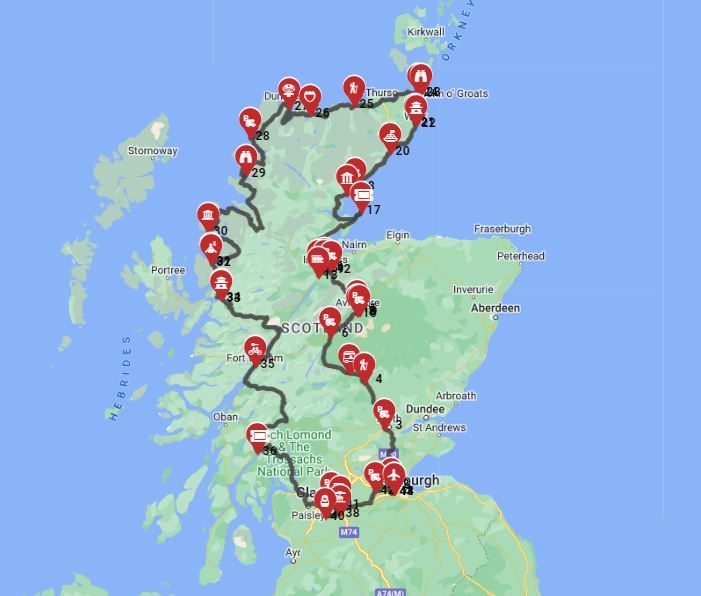
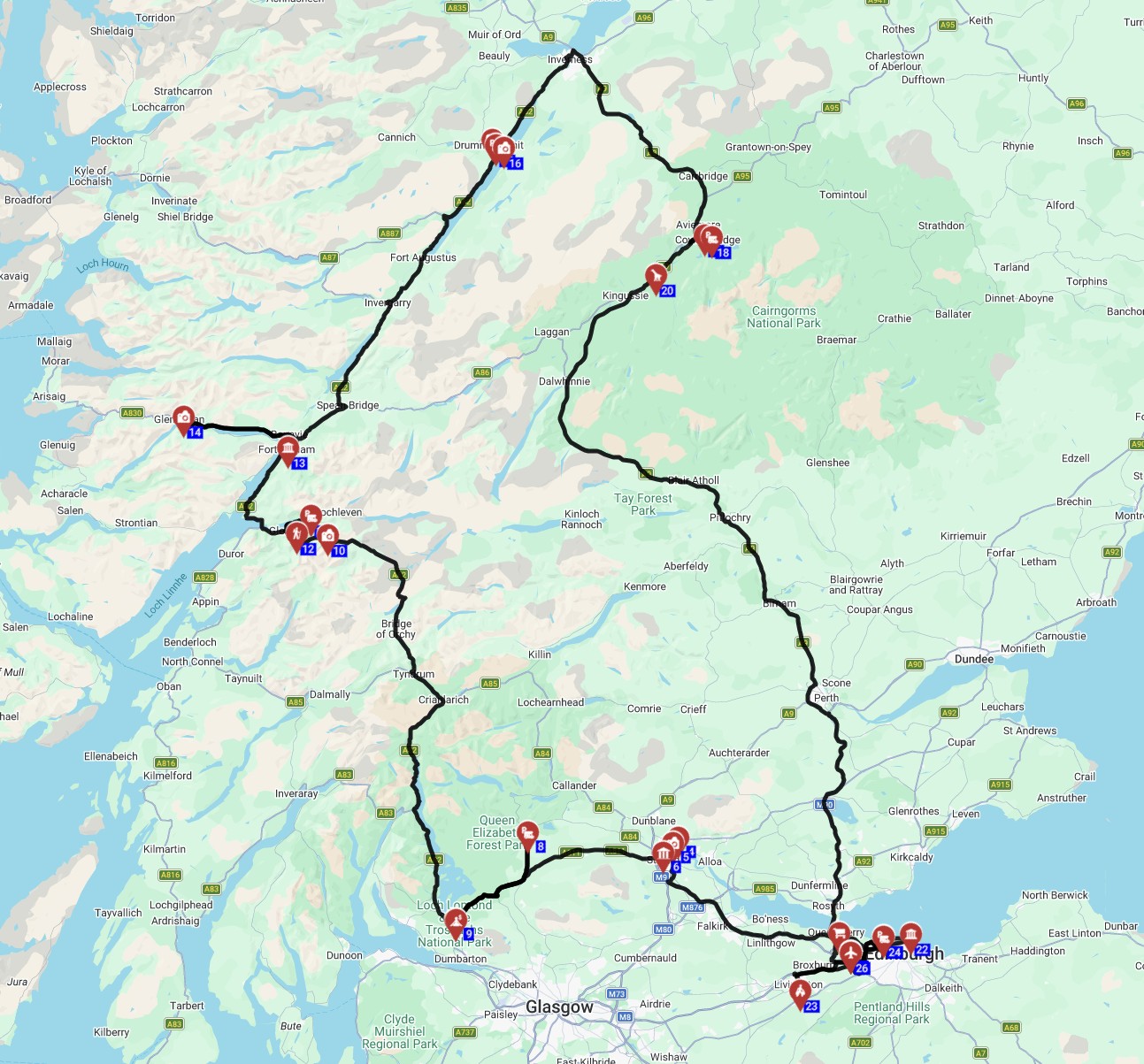
For those embarking on a spontaneous RV adventure from Edinburgh, here are a few route ideas to get you started. For a shorter, scenic trip, consider the 'Fife Coastal Route,' heading east from Edinburgh through charming fishing villages like Anstruther and Crail, which offer plenty of picturesque coastal campsites. If you're craving a taste of the Highlands, a quick trip north to Loch Lomond & The Trossachs National Park is easily accessible from Edinburgh, boasting stunning lochside views and numerous locations (where permitted and respectful) for overnighting in your RV. Alternatively, explore the historic Borders region south of Edinburgh, visiting ancient abbeys and stately homes. This area offers quieter roads and charming towns, making it ideal for an unplanned itinerary. Remember to always plan your stops to include RV-friendly attractions and verify overnight parking options, especially if booking last minute during peak season.
RV Amenities and Services Near Edinburgh
When it comes to essential RV amenities near Edinburgh, official campsites are your best bet for water refills and waste disposal (grey and black water). Many of these sites also provide electrical hookups. Some larger fuel stations or dedicated service points on the outskirts of major towns might also offer these services, often for a fee. For refilling LPG (liquefied petroleum gas) for your heating and cooking needs, you'll typically find supplies at larger petrol stations or specialized auto gas suppliers around Edinburgh. Should you encounter any unexpected mechanical issues, major RV dealerships and independent garages in the Edinburgh area can provide service; however, booking ahead for non-emergency work is always advisable. For any last-minute needs regarding RV accessories or camping gear, you'll find specialized supply stores in the Edinburgh vicinity, supplementing the offerings at more general supermarkets.
What You Shouldn't Miss
- Immerse yourself in history at Edinburgh Castle, perched dramatically atop an extinct volcano.
- Walk the Royal Mile, absorbing the atmosphere of the Old Town and its medieval street plan.
- Explore Holyrood Palace, the King's official residence in Scotland.
- Hike up Arthur's Seat for panoramic views of the city and Firth of Forth.
- Visit the Royal Yacht Britannia in Leith for a glimpse into royal maritime history.
- Take a scenic drive along the East Lothian coast, perhaps visiting the Glenkinchie Distillery, 'The Edinburgh Malt'.
Final Thoughts
Renting an RV for a last-minute trip to Edinburgh offers an incredible way to experience Scotland's magic at your own pace. From the vibrant cityscapes to the serene natural beauty, an RV provides the freedom and flexibility to craft an unforgettable adventure.
Remember to plan ahead for essentials like campsites and be mindful of local driving regulations. With Bandana Caravan, finding the perfect RV is straightforward and transparent, ensuring your journey is as smooth as the roads you’ll travel.
Find Motorhome Rentals in Edinburgh