In This Guide
- Can You Drive an RV in Denver? License & Age Rules
- Road Conditions & Terrain in Denver
- RV Size Limits, Bridges & Restricted Zones
- Fuel: Diesel vs. Petrol & Cost per 100 km
- Tolls, Vignettes & Border Rules
- Driving Tips for rv rental Travelers
- Recommended RV Class for Denver Roads
- Should I Choose a Compact Van Instead of a Large RV in Denver?
- Can I Park Anywhere? Free & Wild Camping Rules in Denver
- Can I Drive an RV Into the City Center? Heights, Tunnels & Local Signage
- Do you need a special license to drive an RV in Colorado?
- Do you have to have a CDL to drive a 30 ft RV?
- Do you need a license to get an RV?
- How much is RV insurance in Colorado?
Can You Drive an RV in Denver? License & Age Rules
Yes, you can absolutely drive a rented RV in Denver with a standard driver's license, as Colorado law permits it for any vehicle with a Gross Vehicle Weight Rating (GVWR) under 26,001 pounds, which includes all rental motorhomes. The minimum age to rent a motorhome is typically 21 years old, though this can vary slightly by supplier. We are true RV specialists, not a travel agency side department, so we can help you find the perfect vehicle that matches your age and license qualifications without any fuss. For international visitors from non-English-speaking countries, an International Driving Permit (IDP) is recommended to accompany your home country's license, but it is not mandatory. Imagine yourself picking up your mobile home and heading straight for the mountains-it’s that simple. There’s no need for a special commercial license, making your dream road trip from Denver accessible and straightforward.
Road Conditions & Terrain in Denver
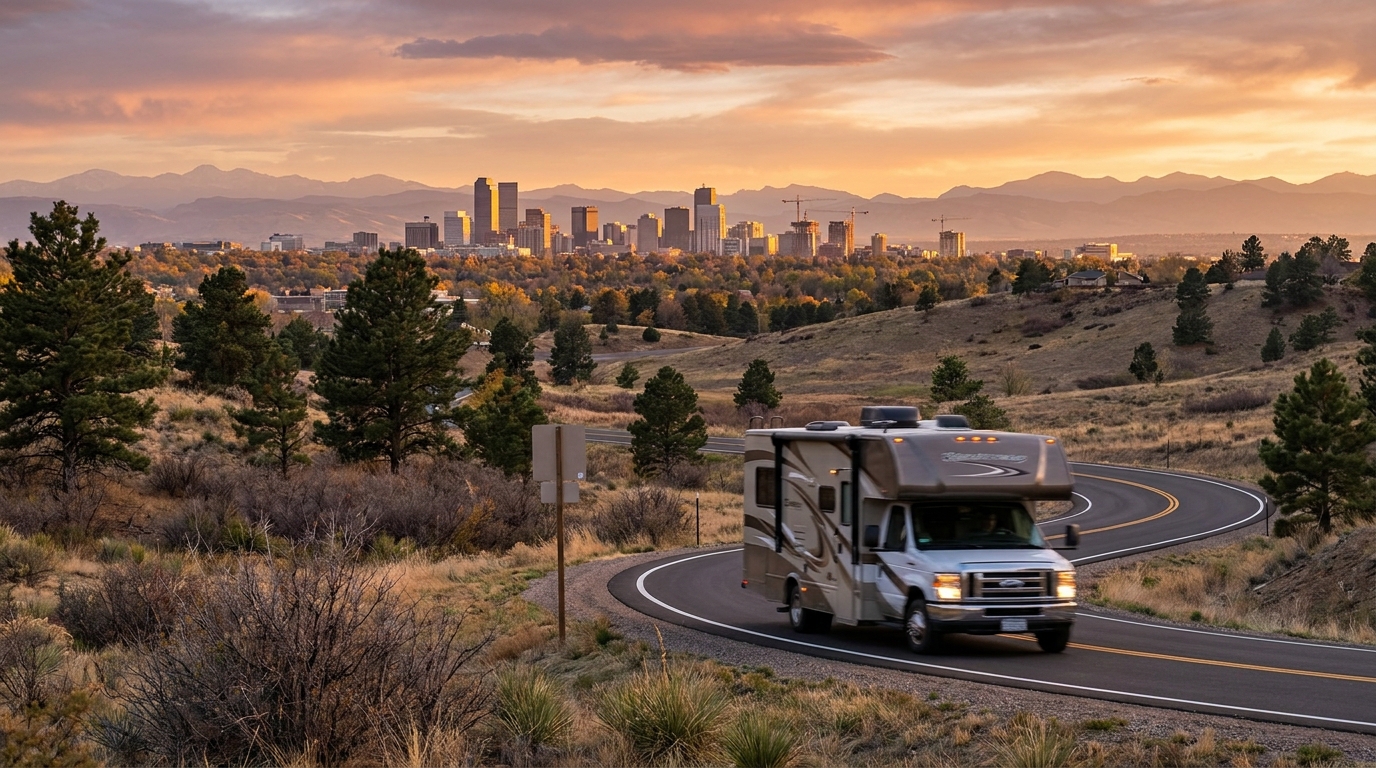
Denver's urban roads are generally well-maintained and suitable for all rented RV sizes, though you should anticipate moderate to heavy traffic during peak hours, just like any major city. As you travel west from the city, the terrain quickly transitions into the dramatic Rocky Mountains, featuring significant grades and winding roads that require your full attention. Denver itself sits at an elevation of 5,280 feet (the "Mile High City"), and this altitude can affect your motorhome's engine performance and braking efficiency. It’s nothing to worry about; just remember to travel slowly, allowing for extra stopping distance and giving the engine time to adjust. A great tip is to travel slowly, aiming for a max of 100-150 km per day on average. This gives you plenty of time to feel the place and enjoy the scenery without rushing. Also, be prepared for Colorado's famously unpredictable weather, which can change in an instant from sunny skies to thunderstorms or even snow at higher elevations, no matter the season.
RV Size Limits, Bridges & Restricted Zones
Colorado's road network, including the areas around Denver, is built to accommodate large vehicles, so you can confidently drive a Class A, B, or C rented motorhome. However, the most important rule is to always be aware of your vehicle's height and check for posted clearance signs on bridges, tunnels, and especially in older parts of Denver or on scenic byways. Drive slowly and carefully, and you can drive almost anywhere without issues. No need to stress-just use common sense and pay attention to your surroundings. Denver does not have any low-emission "environmental zones" that restrict RVs, but you must be mindful of local rules regarding noise, generator use, and overnight parking. Most city streets in Denver are wide enough for larger RVs, but navigating tight corners or residential areas requires extra care. Plan your turns in advance and always have a spotter if you need to back up.
🎬 Video coming soon
Fuel: Diesel vs. Petrol & Cost per 100 km
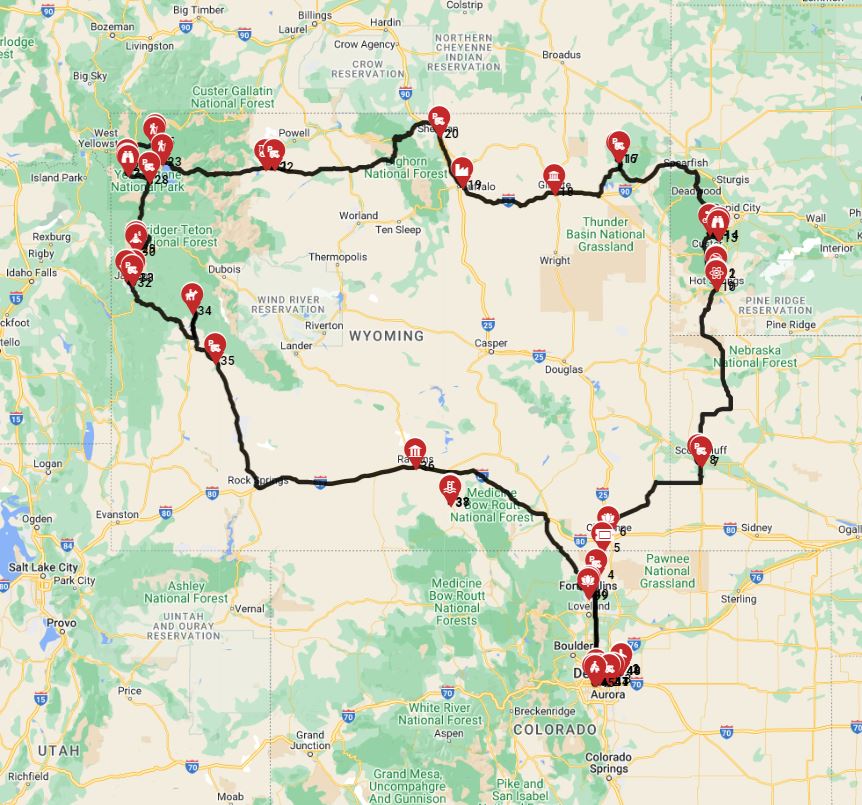
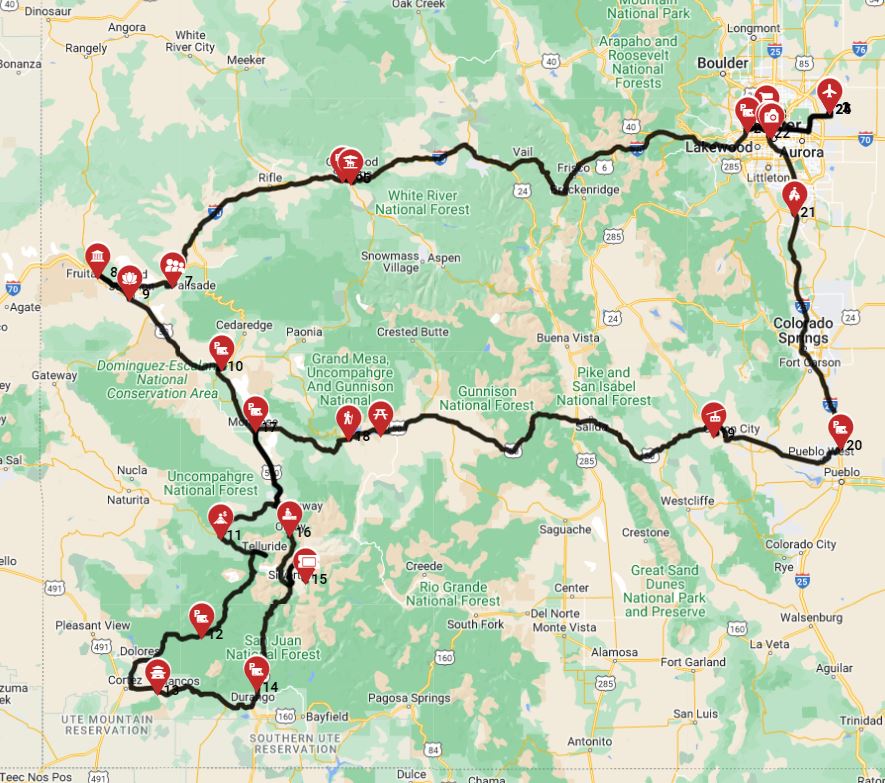
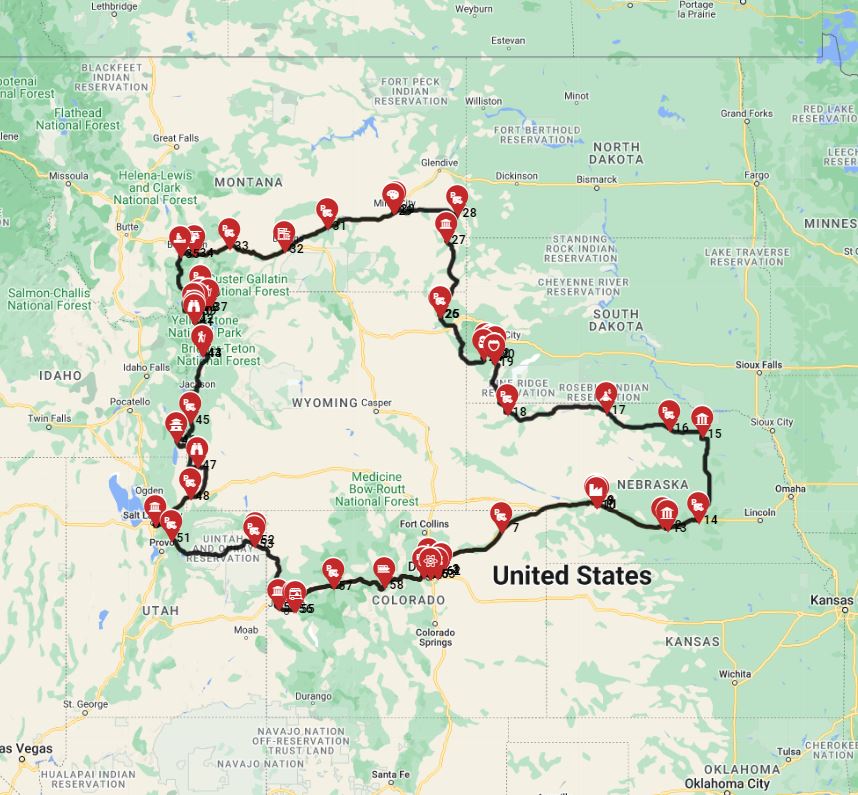
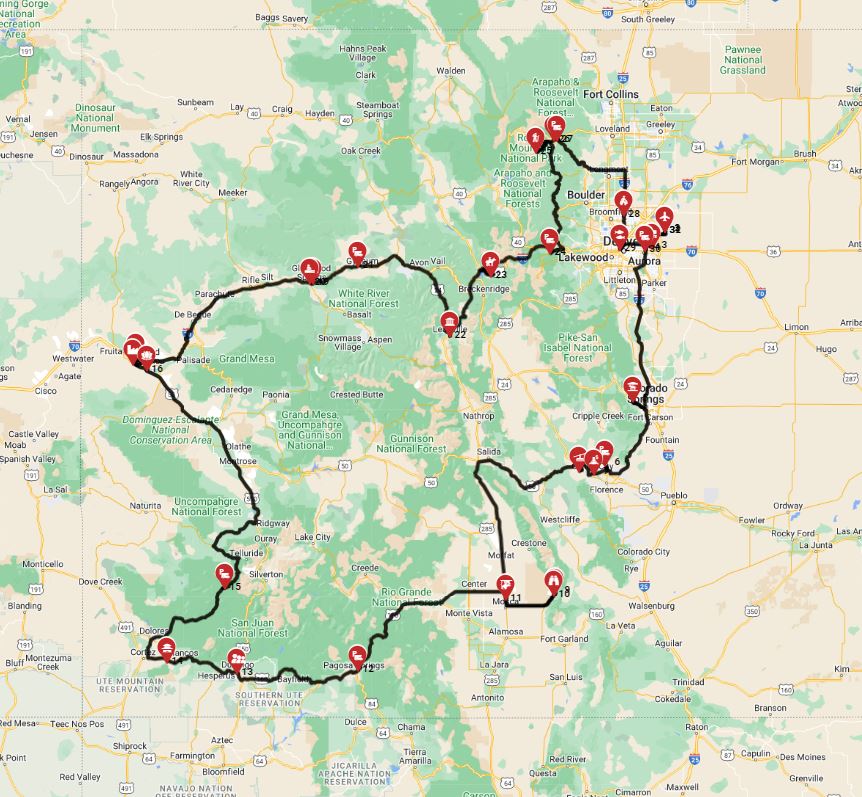
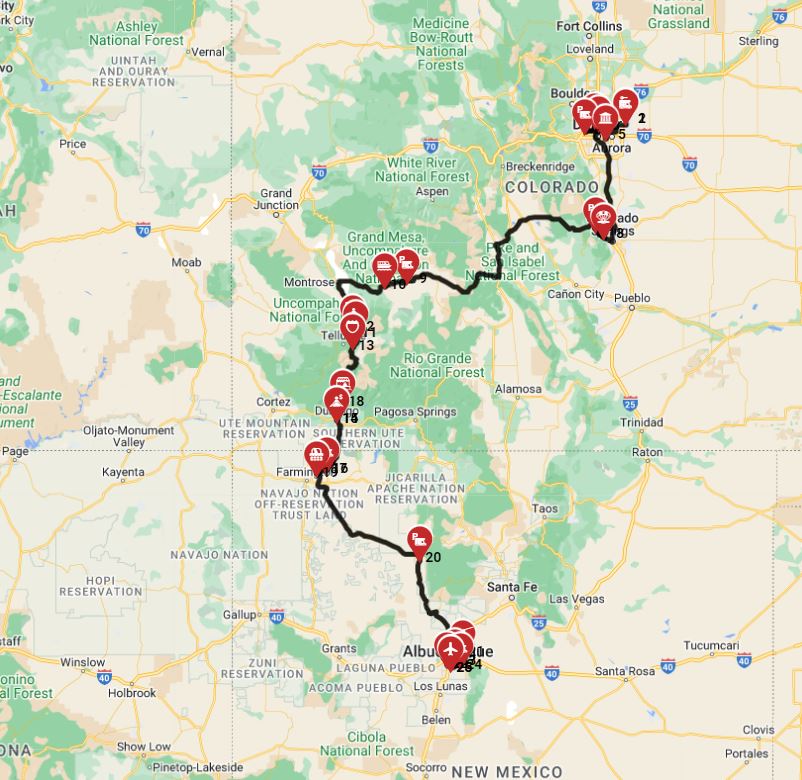
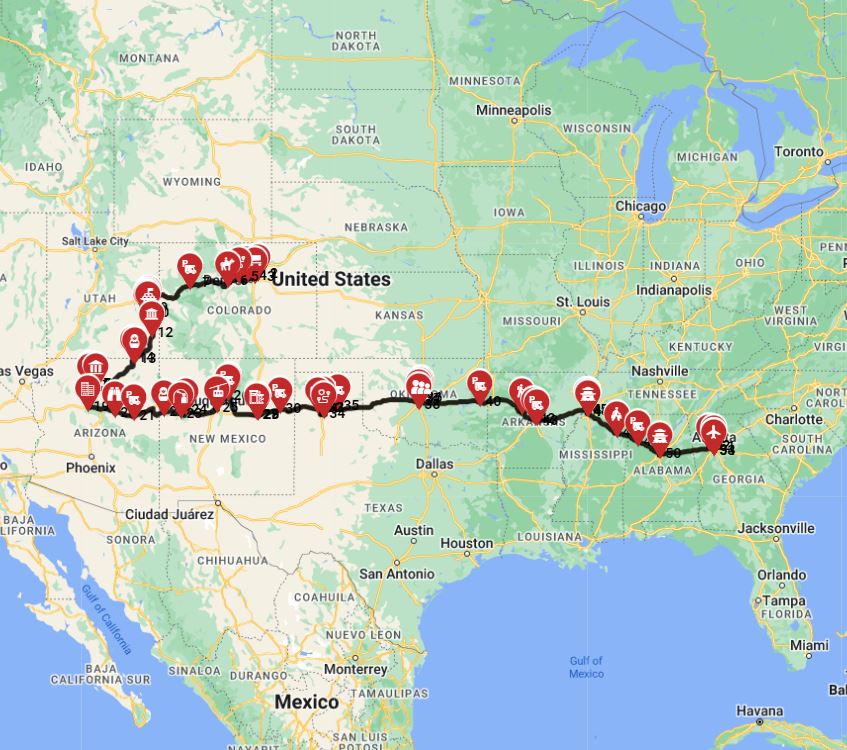
Rental motorhomes in Denver are available with both petrol (unleaded gasoline) and diesel engines, and both fuel types are widely available at service stations throughout the city and state. A popular choice for families, the Class C Alcove motorhome, typically consumes around 23-34 liters per 100 kilometers (roughly 7-10 miles per gallon), depending on the terrain and your driving style. Fuel prices are dynamic, changing daily, but this consumption rate provides a solid baseline for budgeting your trip. To help manage your trip expenses, the pre-planned RV PLANET routes allow you to itemize and track every cost along the way, including fuel, for easy budgeting. Before you leave the rental station, confirm which type of fuel your specific camper requires. Some suppliers may offer fuel discount cards, so it's always worth asking if any programs are available to help you save on your journey. On the routes offered through RV PLANET routes, you can itemize and track every expense along the way for easy budgeting.
Tolls, Vignettes & Border Rules
Colorado utilizes some electronic toll roads, mainly concentrated in the Denver metropolitan area, such as the E-470 which circles the eastern half of the metro area and provides quick access to Denver International Airport (DIA). When planning your routes in a rented RV, it's wise to account for these potential costs. There are no "vignettes" or stickers required for driving in Colorado, and as it's centrally located in the U.S., you won't encounter any international border crossings. Many of our partner rental suppliers, like Cruise America and El Monte, offer optional toll transponders that you can add to your rental. This can simplify the process and help you avoid higher "pay-by-mail" rates that are sent if you pass through a toll without a transponder. If you're looking for detailed cost estimates, our guide "RV Rental in Denver - Prices and Best Deals 2026" can offer more insight.
Driving Tips for rv rental Travelers
Driving a rented RV in Denver offers incredible freedom, and a few key tips will ensure your journey is smooth and safe. First, be mindful of the high altitude; Denver's 5,280-foot elevation affects engine performance and your own body. Drive slower than you normally would, allow plenty of extra stopping distance, and monitor the engine temperature gauge, especially when climbing mountain passes like I-70 west of the city. Second, always watch the weather. Colorado's climate can shift dramatically, with afternoon thunderstorms being common in summer. When descending long mountain grades, use lower gears to let the engine do some of the braking work (engine braking), which prevents your brakes from overheating. Finally, plan your logistics. Use an app like RV PLANET (rvplan.net) to find dump stations, fresh water sources, and RV-friendly parking before you need them, especially when venturing away from major towns.
Recommended RV Class for Denver Roads
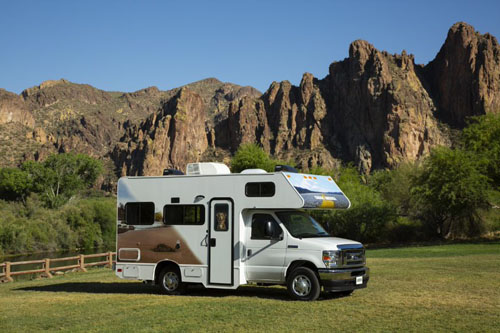
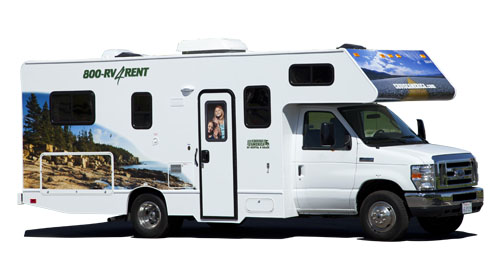
For a rented motorhome adventure starting in Denver, Class C Alcove motorhomes and Class B campervans are fantastic choices that balance comfort with drivability on Colorado's diverse roads. Class C motorhomes, often around 7 to 9 meters long, provide ample living space, a separate bedroom area, and full amenities like a kitchen and bathroom, making them perfect for families or longer trips. They handle highways beautifully and are perfectly capable of navigating mountain roads and state park campgrounds. Class B campervans, which are more compact at around 6 meters, offer superior agility. They are easier to park in urban areas and can navigate narrower scenic roads with more ease, making them a great option for couples or small families who prioritize maneuverability. Both classes offer a wonderful way to explore, and the best choice depends on your group size and travel style. Get inspired for your next trip by comparing the different layouts and features! For ideas you can prep on the road, watch our RV-friendly recipes playlist on YouTube.
Should I Choose a Compact Van Instead of a Large RV in Denver?
Deciding between a compact campervan and a larger rented RV for your Denver trip is a matter of prioritizing comfort versus agility, as both are excellent options. A compact van, like a Class B, provides undeniable advantages in maneuverability for exploring historic towns like Georgetown or finding parking in busier areas. However, with any size rented RV, the key is to drive slowly and carefully; if you do that, you can navigate almost anywhere without issues. A larger Class C motorhome offers significantly more interior space, larger water tanks, more storage, and often more powerful climate control systems. This translates to greater comfort for families and on extended road trips, especially during meal times or on rainy days. Most campgrounds in Colorado's state and national parks are designed to accommodate a wide range of RV sizes, so access is rarely an issue. For a deeper dive into pricing, check out our "Luxury RV Rental in Denver - Premium Prices 2026" guide.
Can I Park Anywhere? Free & Wild Camping Rules in Denver
No, you cannot park your rented RV overnight anywhere you please, especially within the city of Denver, where local ordinances strictly prohibit sleeping in vehicles on public streets. For your first and last nights, it is essential to book a spot at a designated campground, like the conveniently located Dakota Ridge RV Park in Golden or Cherry Creek State Park. However, the true magic of an RV adventure in Colorado lies just outside the city. Vast expanses of National Forest and Bureau of Land Management (BLM) lands offer "dispersed" or "wild" camping, which is free of charge. These areas typically require you to be self-sufficient and practice strict Leave No Trace principles, meaning you must pack out everything you bring in. Always check with the local ranger district for specific rules, fire restrictions, and recommended spots before heading out. For finding campsites and campgrounds during your trip, we recommend using RV PLANET (rvplan.net)-a great resource for locating available spots along your route.
Can I Drive an RV Into the City Center? Heights, Tunnels & Local Signage
You can certainly drive a rented motorhome into downtown Denver, as major thoroughfares like Speer Boulevard, Colfax Avenue, and Broadway are wide and accommodating for larger vehicles. The key is to plan ahead and remain vigilant for local signage indicating height restrictions for underpasses, bridges, and parking garages, which are generally too low for any RV. Common sense and careful driving are your best tools. Instead of stressing about navigating the tightest city streets, consider parking at a larger lot on the outskirts and using public transportation or a ride-share service to explore the very center. For example, the RTD Light Rail has several stations with large Park-n-Ride lots. This strategy combines the freedom of your mobile home base with the convenience of stress-free city exploration. This is a great way to enjoy the best of both worlds on your Denver adventure.
Do you need a special license to drive an RV in Colorado?
No, you do not need a special license to drive a rented RV in Colorado, as a standard Class R driver's license is sufficient for any recreational vehicle with a Gross Vehicle Weight Rating (GVWR) under 26,001 pounds. This weight limit covers virtually all rental motorhomes available, from compact Class B campervans to large Class A models. The rules are designed to make RV travel accessible, so you won't need to obtain a Commercial Driver's License (CDL) or any special endorsements for your vacation. This applies to both US residents and international visitors holding a valid license from their home country. At Bandana, we ensure the booking process is transparent and simple, and that includes clarifying all license requirements upfront so you can book with confidence.
Do you have to have a CDL to drive a 30 ft RV?
No, you do not need a Commercial Driver's License (CDL) to drive a 30-foot rented RV for personal use in Colorado. Driver's license requirements are based on the vehicle's weight (GVWR), not its length. Nearly all 30-foot motorhomes, including popular Class C and many Class A models, fall well below the 26,001-pound threshold that would require a CDL. Your standard car driver's license is all you need to get behind the wheel and start your adventure. This simplicity is one of the best parts of RV travel, opening up a world of exploration without the need for specialized training or licenses. You can travel with peace of mind knowing you're fully compliant with the law.
Do you need a license to get an RV?
Yes, you absolutely need a valid, unexpired driver's license to rent a motorhome in Denver. Just as with any vehicle rental, our partner suppliers are required to verify that you are a legally licensed driver before handing over the keys. When you pick up your camper, you will need to present your physical driver's license. The license must be a standard one appropriate for the vehicle's weight class, which for all rental RVs is a regular car license. This is a standard procedure that ensures safety and compliance for everyone on the road. Our pre-booking comparison and booking support team can answer any questions you have about license requirements before you confirm your reservation.
How much is RV insurance in Colorado?
The cost of insurance is typically included in the daily rate of your Denver RV rental, providing you with basic state-mandated liability coverage. This means you don't have to source a separate policy. However, all rental companies offer supplemental insurance options to reduce your financial responsibility in case of an accident. These upgrades can lower your deductible-the amount you would pay out-of-pocket-for damages. For extra peace of mind, you can often upgrade to a top-level deductible reimbursement plan. The cost for these upgrades varies based on the supplier, the value of the vehicle, and the level of coverage you choose, but it’s a great way to ensure a worry-free trip. At Bandana, we believe in full transparency, so all insurance options and costs are clearly itemized before you book, with no hidden fees.
What You Shouldn't Miss
- Drive the Peak to Peak Scenic Byway: A stunning 55-mile route offering incredible views of the Continental Divide. It connects Estes Park (gateway to RMNP) to Black Hawk.
- Catch a Concert at Red Rocks Amphitheatre: Even if you don't see a show, visit this world-famous venue built into the sandstone cliffs. The views of Denver are spectacular.
- Explore Rocky Mountain National Park: Drive the Trail Ridge Road (check for seasonal closures), the highest continuous paved road in North America, and look for elk, bighorn sheep, and moose.
- Visit the Historic Town of Georgetown: Take a ride on the Georgetown Loop Railroad, a narrow-gauge steam train that offers a glimpse into Colorado's mining past.
- Hike at Garden of the Gods: Located near Colorado Springs, this National Natural Landmark features dramatic red rock formations that are easily accessible via paved trails.
- Relax at an RV Park in Estes Park: Use this charming mountain town as a basecamp, with plenty of RV-friendly campgrounds like Manor RV Park or Elk Meadow Lodge & RV Resort.
Final Thoughts
A last-minute decision to explore Denver and the Rocky Mountains in a rented RV can be the start of your most memorable adventure yet. The freedom to follow the road, wake up to a mountain sunrise, and have all your comforts with you is an unparalleled experience. From the vibrant energy of the Mile High City to the serene grandeur of the Rockies, Colorado is a state that was made for road trips.
Remember to travel slowly, embrace the unexpected detours, and give yourself time to truly connect with the incredible landscapes. Whether you're a seasoned RVer or a first-timer, the journey is accessible, exciting, and waiting for you. We're here to help you compare the options and find the perfect mobile home for your trip with complete transparency and support. The mountains are calling!
Find Motorhome Rentals in Denver