In This Guide
- Can You Drive an RV in Chile? License & Age Rules
- Road Conditions & Terrain in Chile
- RV Size Limits, Bridges & Restricted Zones
- Fuel: Diesel vs. Petrol & Cost per 100 km
- Tolls, Vignettes & Border Rules
- Driving Tips for last minute rv rental Travelers
- Recommended RV Class for Chile Roads
- Should I Choose a Compact Van Instead of a Large RV in Chile?
- Can I Park Anywhere? Free & Wild Camping Rules in Chile
- Can I Drive an RV Into the City Center? Heights, Tunnels & Local Signage
- What Are the Safety Considerations for RV Travel in Chile
- How Can I Experience Local Chilean Culture with an RV
- What Are Connectivity Options for RVers in Remote Chile
- How Can I Travel Sustainably by RV in Chile
- What Health and Wellness Tips Should I Know for RVing in Chile
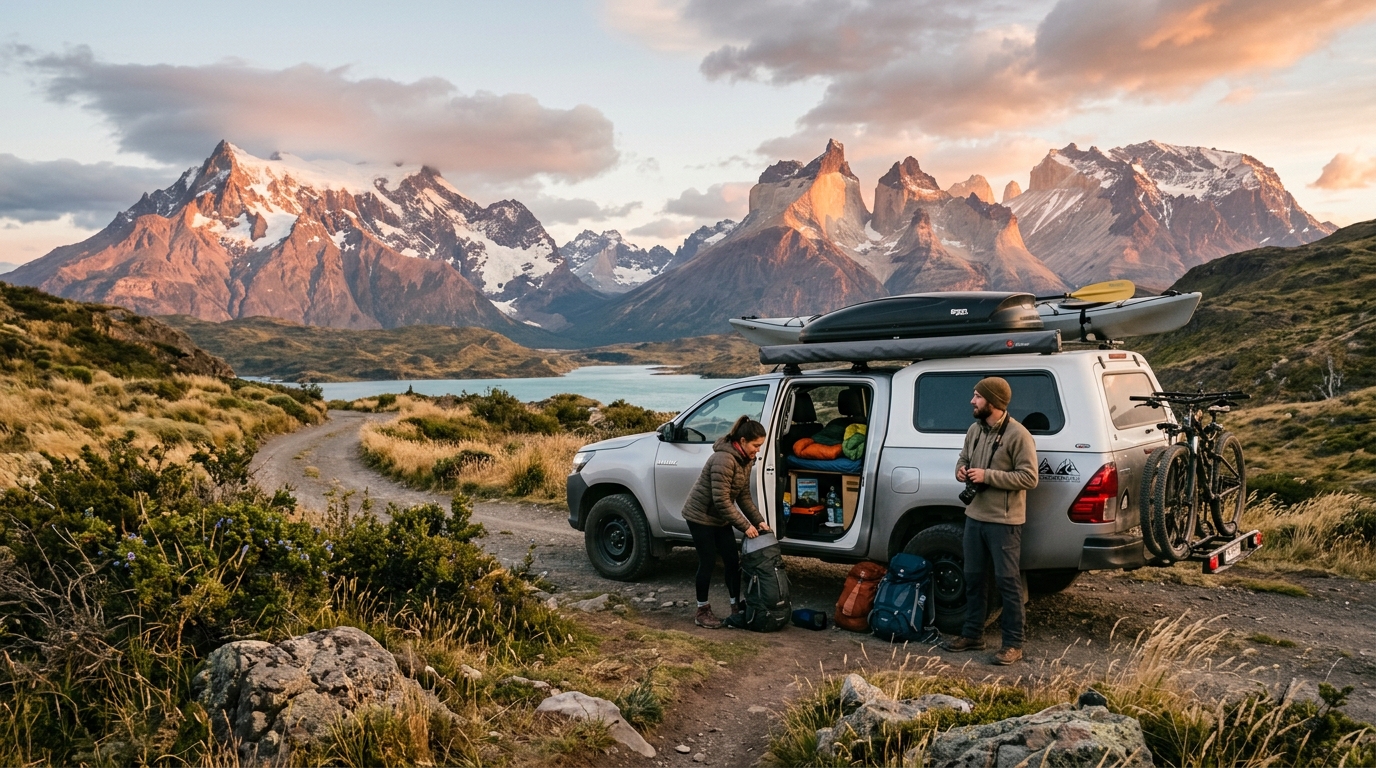
Imagine yourself traversing the longest country in the world, with a rented RV as your mobile home, offering you the freedom to explore everything from the moonscapes of the Atacama Desert to the dramatic glaciers of Patagonia. A last-minute RV driving adventure in Chile is not just possible, it's an incredible way to experience this diverse and beautiful nation. Whether you're a seasoned RV veteran or considering your first motorhome rental, Chile offers an unforgettable journey filled with natural wonders and vibrant culture. For live availability and current prices, start with our RV Rental Chile - Complete Guide 2026 guide.
Can You Drive an RV in Chile? License & Age Rules
Foreigners can drive motorhomes in Chile with their valid home country driver's license, ideally accompanied by an International Driving Permit (IDP) for ease of communication and legal clarity during any police stops or rental processes.
The minimum driver age for most RV rental companies in Chile is 21 years old, with Bandana Caravan offering options that adhere to this standard without additional young driver surcharges. For rented RVs up to 3,500 kg (7,700 lbs) Gross Vehicle Weight Rating (GVWR), a standard Class B driver's license (or its equivalent from your home country) is typically sufficient. Vehicles exceeding 3,500 kg GVWR, such as some larger Class A or Class C motorhomes, may require a higher license category, so it's always wise to confirm specific requirements with your chosen rental provider when planning your last-minute RV trip in Chile.
Road Conditions & Terrain in Chile
Chile offers incredibly diverse road conditions, ranging from the well-maintained Pan-American Highway (Ruta 5) in central regions to challenging gravel and dirt roads, particularly prevalent in Patagonia and high-altitude Andean areas.
RV travel inherently encourages a slower, more scenic driving pace, which is perfectly suited for appreciating Chile's astonishingly varied landscapes, encompassing arid deserts in the north, fertile valleys, towering mountains, and stunning coastal routes. Travelers should be prepared for rapidly changing conditions: paved roads can transition abruptly to rough gravel, and sections like the famous Carretera Austral demand reduced speeds and meticulous navigation. Remote areas, especially at higher elevations in the Andes, may present steep inclines, narrow winding sections, and the potential for rockfalls, necessitating constant vigilance and the selection of an appropriate rental vehicle with adequate ground clearance, such as a Class B campervan or a semi-integrated motorhome, both ideal for a last-minute RV adventure.
RV Size Limits, Bridges & Restricted Zones
Chile generally does not impose widespread RV size limits that significantly restrict travel for standard rental motorhomes, but drivers must remain mindful of local infrastructure and signage.
Always pay close attention to signs indicating height and weight restrictions, which are particularly crucial for older bridges, tunnels, or when navigating the narrow streets of smaller, historic towns like those found in the Lakes District. Ferry crossings, which are essential for accessing certain islands (such as Chiloé) or bypassing challenging Patagonian terrain along routes like the Carretera Austral, have specific vehicle length and weight limits, and these should always be checked and booked in advance, as last-minute availability can be tight. While environmental zones are not commonly enforced for RVs in Chile, staying informed of any temporary or regional restrictions, especially related to emissions, is a prudent step when planning your last-minute RV trip, ensuring a smooth journey through this magnificent country.
Fuel: Diesel vs. Petrol & Cost per 100 km
Most rental motorhomes and campervans in Chile, including a significant portion of those available through Bandana's partner fleet, run on diesel fuel, which is readily available across the country, though supply can be sparser in very remote areas.
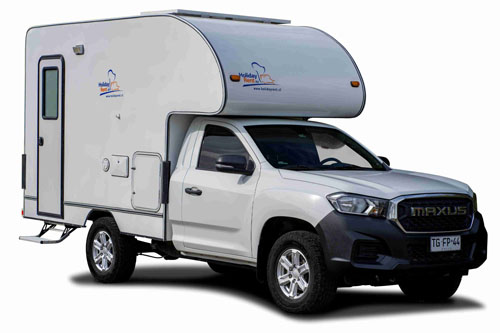
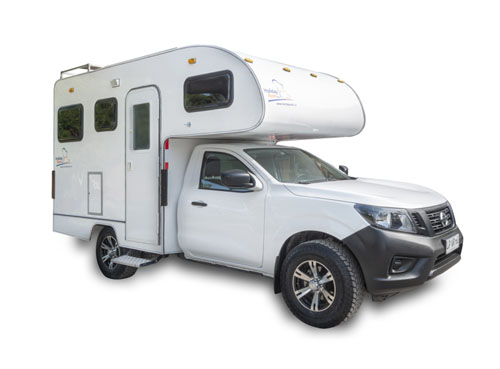
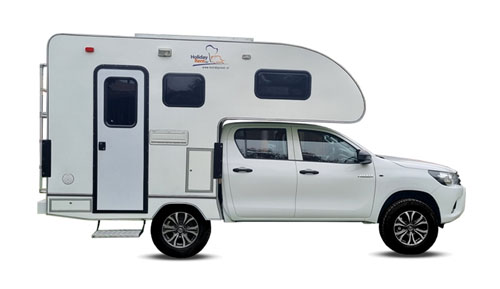
For estimating your trip expenses, a typical Class SI - Semi-integrated RV generally consumes between 10-11 Liters/100 km, while Class C - Alcove models average 10-12 Liters/100 km. More compact Class B - Camper Vans, like the "Active Pop Top" or "Category Van" models, are more fuel-efficient, often achieving 8-10 Liters/100 km. Larger Class A - Integrated RVs might consume 8-12 Liters/100 km, and Class TC - Truck Campers such as the "Patagonia Camper 4x4 double cab" average 12-17 Liters/100 km due to their 4x4 capabilities. The average cost per 100 km for a diesel RV can range from CLP 10,000 to CLP 17,000+ (approximately USD 10-18+), depending on global fuel price fluctuations and your specific RV's consumption rate. While specific fuel-card perks are not universally guaranteed with rental motorhomes, you can inquire directly with your supplier when booking your last-minute RV about any discount programs or loyalty cards. For a detailed breakdown of all potential expenses and to help budget your total trip cost for your Chilean adventure, consider exploring the itemized tracking options available on RV PLANET routes. On the routes offered through RV PLANET routes, you can itemize and track every expense along the way for easy budgeting.
Tolls, Vignettes & Border Rules
Chile primarily utilizes electronic toll systems (Tag) on major highways, particularly around Santiago and other bustling urban centers, though some routes still operate with traditional cash tolls.
The most common electronic toll system is associated with the 'Autopista Central' network; most rental RVs come equipped with a transponder (TAG) to facilitate seamless travel, allowing all associated charges to be conveniently settled post-rental. Unlike some European countries, Chile does not require national vignettes for RVs. For those dreaming of an extended South American adventure, crossing borders into neighboring countries like Argentina requires specific and meticulous documentation, including your RV's registration, the rental agreement, and a notarized authorization from the rental company for international travel. This process requires significant lead time and careful planning, as last-minute arrangements for international border crossings can be challenging and may involve additional fees. Always confirm these requirements well in advance when planning your adventure.
Driving Tips for last minute rv rental Travelers
Embracing a slower pace on Chile's diverse roads is crucial for an enjoyable last-minute RV trip, as rough gravel sections, winding mountain passes, and numerous scenic viewpoints warrant extra time and frequent stops.
It’s essential to stay informed about road conditions, especially for high-altitude passes in the Andes during winter months (May-September), as weather can change rapidly and unpredictably. Gas stations can be scarce in remote areas, particularly in vast regions like Patagonia and the Atacama Desert, so always refuel when your tank reaches half full. Ensure you have reliable GPS with offline maps, a local SIM card for cellular service where available (providers like Entel, Movistar, and Claro offer decent coverage in populated areas), and consider a satellite communication device for truly remote regions to manage unexpected last-minute changes effectively. Prioritize secure parking, especially overnight, by utilizing designated campgrounds listed on rvplan.net or well-lit areas with surveillance when possible, and always lock your rental vehicle and secure valuables to ensure peace of mind throughout your journey.
Recommended RV Class for Chile Roads
For tackling the varied and often challenging roads of Chile, a Class B - Camper Van is often highly recommended due to its exceptional maneuverability and compact size; Bandana's fleet offers models like the "Active Classic" or "Juliette 2-3" with average lengths around 5.8 meters.
These campervans provide a practical balance of comfort for 2-3 adults and the agility necessary for navigating tighter turns on mountain roads or the bustling streets of smaller towns, often with better ground clearance than larger motorhomes. A Class SI - Semi-integrated motorhome (averaging 6.9 meters), such as the "Active Extra" or "Cruz," also presents a strong option, offering more living space and amenities while remaining relatively manageable for most Chilean routes, including well-trafficked gravel roads. For adventurous last-minute travelers planning to tackle particularly challenging, unpaved routes, especially if venturing into areas like parts of the Carretera Austral or less-developed national parks, it is wise to consider rental options that explicitly state enhanced ground clearance or 4x4 capabilities, though these are less common in standard rental fleets.
Should I Choose a Compact Van Instead of a Large RV in Chile?
For RV travel in Chile, there is generally no inherent issue with driving any size of motorhome, as the choice between a compact campervan and a larger RV primarily hinges on your preference for comfort and indoor space versus marginal gains in maneuverability.
A compact van, like a Class B Camper Van such as the "Happy 1" or "Active Small," can genuinely provide an advantage in very specific scenarios, such as weaving through extremely tight historic city centers, squeezing into small parking spots in crowded urban areas, or navigating exceptionally narrow, winding mountain passes with very sharp turns. However, for the vast majority of Chilean roads, including the expansive Pan-American Highway and most popular tourist routes, larger motorhomes (such as a Class SI like the "Comfort Standard" or a Class C like the "Euro Deluxe") offer significantly more comfort, expansive living space, and enhanced amenities, including larger refrigerators, separate shower and toilet facilities, and more generous storage, which often outweigh the slight maneuverability advantage of a compact van. Opting for a larger rental RV means more comfortable long-distance travel, greater storage capacity for supplies, and improved living conditions during your extended last-minute Chilean adventure, allowing you to relax and enjoy your journey more fully.
Can I Park Anywhere? Free & Wild Camping Rules in Chile
In Chile, free and wild camping in a rented RV is generally tolerated in many undeveloped and remote areas, provided it is not explicitly prohibited by signage, on private land without prior permission, or within designated national parks and reserves.
National parks and protected areas typically require visitors to utilize official designated campgrounds, which usually come with a fee, as this helps protect sensitive ecosystems and provides necessary facilities. Always seek explicit permission before parking overnight on any private property, which can sometimes lead to wonderful opportunities for cultural exchanges with welcoming locals and insider tips. For responsible off-grid camping, it is vital to adhere strictly to 'Leave No Trace' principles: always pack out all trash, dispose of human waste properly (using an RV's toilet system is ideal), use biodegradable cleaning products, and minimize your overall environmental impact. Rules and local customs can vary significantly by region across Chile, so it's always prudent to check local regulations and make inquiries with local authorities or tourism offices before making any last-minute overnight parking decisions.
Can I Drive an RV Into the City Center? Heights, Tunnels & Local Signage
Yes, you can almost always drive a rented RV into city centers in Chile, especially if it's a standard rental model, but paying careful attention to local signage and planning your route is absolutely paramount.
Major Chilean cities, such as the vibrant capital of Santiago or the colorful port city of Valparaíso, do have height and weight restrictions, particularly for older tunnels, narrow streets, low bridges, and underground parking garages. Drivers of a Class C motorhome like the "24' Class C Motorhome" or even a Class B campervan should remain highly vigilant for signs explicitly indicating height limits (e.g., 'Altura Máxima'), low bridges, 'residents-only' streets, or temporary environmental zones that might restrict larger vehicles. While navigating city centers, finding suitable parking for an RV can be the most significant challenge, often requiring travelers to locate designated oversized parking areas or opt for out-of-center campgrounds and utilize efficient public transport for urban exploration. Always review your intended route for potential obstructions and plan your parking strategy in advance when exploring urban areas with your last-minute RV rental.
What Are the Safety Considerations for RV Travel in Chile
RV travel in Chile is generally safe and incredibly rewarding, but understanding specific regional risks and implementing preventative measures is essential for a secure and enjoyable trip.
One specific regional risk is altitude sickness when traveling in the high Andes, particularly in regions like the Atacama Desert (e.g., around El Tatio geysers at 4,320 meters), which requires gradual acclimatization and monitoring for symptoms like headache and nausea. For journeys into remote areas, ensure your rental RV is well-maintained, always carry spare tires and a repair kit, and have sufficient fuel, food, and water, as services can be sparse and far between. Establish clear emergency protocols, including having an international emergency contact list, a comprehensive first-aid kit, and familiarizing yourself with local emergency numbers (e.g., 131 for ambulance, 132 for fire, 133 for police). Implement secure parking strategies by choosing reputable campgrounds, well-lit public areas, or inquiring with locals for safe overnight spots, especially in less developed regions, to travel with peace of mind. Bandana Caravan offers top-level deductible reimbursement, an optional upgrade for extra peace of mind during your Chilean adventure.
How Can I Experience Local Chilean Culture with an RV
To genuinely connect with Chilean culture while RVing, move beyond typical tourist routes and actively seek out authentic local experiences that allow for deeper immersion.
Visit local food markets (known as *ferias*) in towns and villages to buy fresh produce, interact directly with friendly vendors, and sample regional specialties like *empanadas* or local cheeses; cooking these ingredients in your RV kitchen can be a true delight. RV-friendly recipes playlist can inspire your meals. Plan your trip to attend local festivals (*fiestas costumbristas*) or community events; these offer incredible insights into Chilean traditions, music, and dance, providing a memorable cultural snapshot. Actively engage with local communities by staying at smaller, family-run campgrounds or asking for recommendations on cultural activities from residents you encounter along your journey. Explore lesser-known regions, such as the Elqui Valley for its renowned pisco distilleries and world-class stargazing opportunities, or the mystical island of Chiloé for its unique wooden churches and rich folklore, allowing for a more profound and personal cultural immersion during your rented motorhome adventure in Chile.
What Are Connectivity Options for RVers in Remote Chile
Maintaining reliable connectivity in remote parts of Chile requires proactive planning, as cell service and Wi-Fi availability can be inconsistent and unpredictable.
Major cities and well-populated areas typically enjoy good cellular service from leading providers like Entel, Movistar, and Claro; purchasing a local prepaid SIM card upon arrival is highly recommended for access to calls, texts, and mobile data. In extremely remote regions, particularly in the vast expanses of Patagonia and the high Andes, cell service will often be sporadic or entirely non-existent, making satellite communication tools like an inReach device or a satellite phone essential for emergencies and staying in touch. While some campgrounds or small towns may offer Wi-Fi access, it can frequently be slow or unreliable, so downloading offline maps, essential travel information, and entertainment beforehand is crucial. Consider carrying a portable Wi-Fi hotspot or using your smartphone's tethering feature where service is available for essential communication needs, but always be prepared for periods of being truly off-grid.
How Can I Travel Sustainably by RV in Chile
Traveling sustainably by RV in Chile involves a conscious effort to minimize your environmental footprint and actively support local economies, especially when exploring sensitive ecosystems like those found in Patagonia or the Atacama Desert.
Practice diligent waste management by separating and sorting recycling, always packing out all trash (even organic waste), and utilizing designated disposal sites, never leaving any waste in natural areas. Conserve precious resources like water and electricity by being mindful of your usage in your RV rental, taking shorter showers, and using energy-efficient appliances where possible. Support local economies by purchasing food from local markets, dining at small, family-run restaurants, and buying souvenirs directly from local artisans rather than large chain stores. Above all, adhere strictly to 'Leave No Trace' principles: stay on marked trails, respect all wildlife and their habitats, and minimize campfire impacts by using established fire rings and ensuring fires are completely extinguished, particularly in national parks and protected areas, to preserve Chile’s natural beauty for future generations. Our RV PLANET routes offer tools to help you track expenses and make sustainable choices.
What Health and Wellness Tips Should I Know for RVing in Chile
Prioritizing health and wellness on the road in Chile involves preparing for specific regional challenges and ensuring you have access to necessary medical care throughout your last-minute RV rental adventure.
Always carry a comprehensive first-aid kit tailored to your group's needs and familiarize yourself with basic wilderness first aid, especially when venturing into remote areas where immediate medical assistance may be hours away. For water purification, always filter or purify any water obtained from natural sources; it's safest to rely on bottled water or treated municipal water from reliable sources. Practice excellent food safety by properly storing perishables in your RV's refrigerator, thoroughly washing all fruits and vegetables, and exercising caution with street food or unfamiliar culinary preparations. Successfully manage altitude sickness in high-altitude regions (such as the Atacama Desert or Andean passes) by ascending gradually, staying well-hydrated, avoiding strenuous activity during your initial days, and promptly recognizing symptoms like headaches and dizziness. Knowing where local clinics or hospitals are located along your chosen RV itinerary is always a smart planning step.
Top Cities for RV Rental in Chile
Chile offers several excellent locations to begin or end your RV adventure, each providing unique access to the country's diverse landscapes. Here are some of the top cities for motorhome rental:
- Santiago: As Chile's capital, Santiago and its nearby airport (Santiago - Airport) serve as the primary gateway for international travelers. It offers the widest selection of rental motorhomes and campervans, providing easy access to the Central Valley's wine regions, the Andean foothills, and routes heading north to the Atacama or south to Patagonia.
- Arica: Located in the far north, Arica is perfect for exploring the Atacama Desert, Lauca National Park, and the Chilean altiplano. Renting a motorhome here allows you to immerse yourself in the desert's stark beauty and ancient cultures.
- Calama - Airport: Another key access point for the Atacama Desert, especially for San Pedro de Atacama and El Tatio geysers. Picking up your RV directly from Calama - Airport quickly gets you into the heart of Chile's northern wonders.
- Puerto Montt: The gateway to Patagonia and the Lakes District, Puerto Montt is an ideal starting point for exploring volcanoes, lush national parks, and the famous Carretera Austral. It offers a fantastic selection of suitable RVs for this rugged region.
- Punta Arenas: For those dreaming of deep Patagonia and the southernmost reaches of Chile, Punta Arenas is the place to start. From here, you can venture towards Torres del Paine National Park, Tierra del Fuego, and beyond, needing a sturdy camper or mobile home.
Each city provides opportunities for incredible journeys, and Bandana Caravan works with trusted suppliers like Apollo and Britz to offer a range of vehicle types, from compact campervans to spacious Class C motorhomes, ensuring you find the perfect match for your last-minute RV plans in Chile.
🎬 Video coming soon
Final Thoughts
Embarking on a last-minute RV adventure in Chile is an experience unlike any other. It's an invitation to connect with breathtaking landscapes, immerse yourself in a rich and vibrant culture, and create memories that will last a lifetime. Whether you're navigating the majestic peaks of the Andes or the rugged coastline, a rented motorhome gives you the ultimate freedom and flexibility.
Remember to travel slowly, aiming for a maximum of 100-150 km per day on average. This pace allows you to truly feel the place, connect to the local culture, savor the delicious food, and fully appreciate the stunning scenery that Chile generously offers. With the right preparation and a spirit of adventure, your Chilean RV journey will be nothing short of spectacular. We're here to support you in every step, ensuring you find the best RV rental for your needs.
Don't let the idea of a last-minute trip deter you. With Bandana Caravan, comparing options like "Cheap RV Rental in Chile - Budget Guide 2026" or "Luxury RV Rental in Chile - Premium Prices 2026" is straightforward. Your unforgettable Chilean road trip is just a few clicks away.
Compare Last Minute RV Rentals in Chile Now!