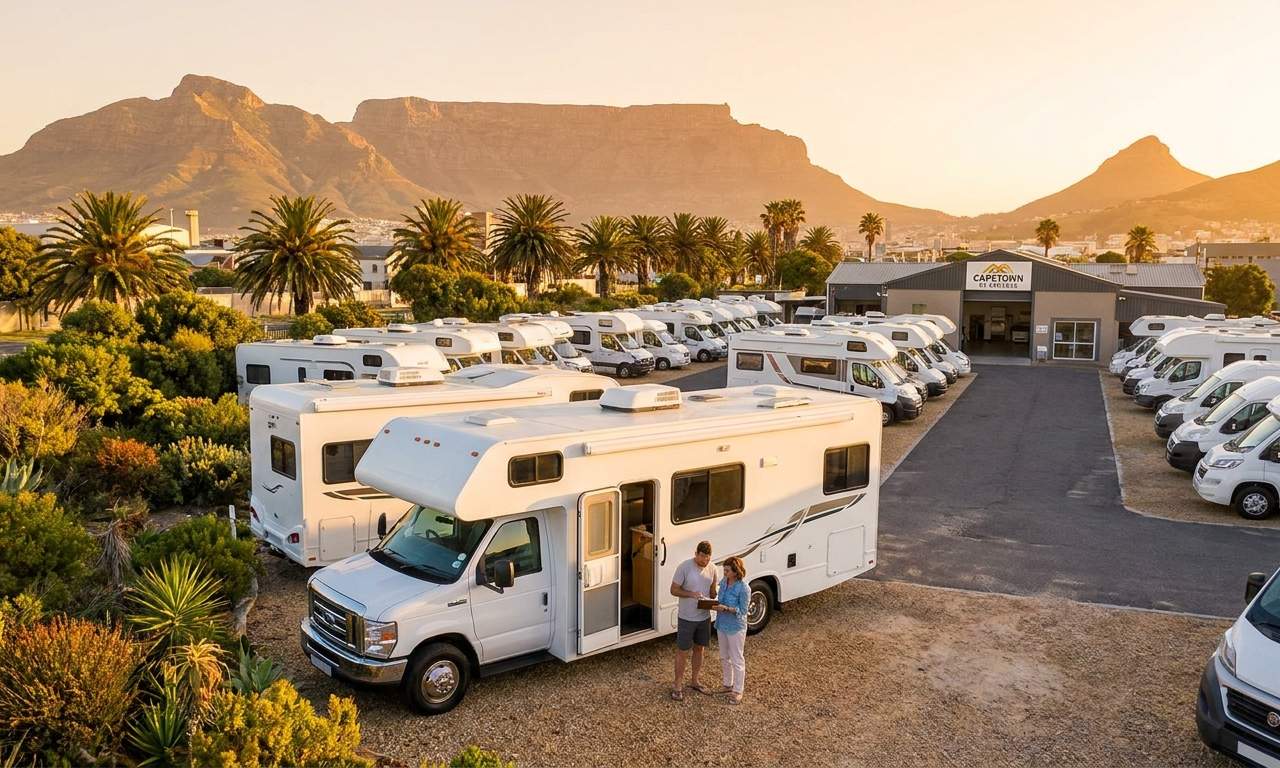
For live availability and current prices, start with our RV Rental Cape Town - Complete Guide 2026 guide.
In This Guide
- Can You Drive an RV in Cape Town? License & Age Rules
- Road Conditions & Terrain in Cape Town
- RV Size Limits, Bridges & Restricted Zones
- Fuel: Diesel vs. Petrol & Cost per 100 km
- Tolls, Vignettes & Border Rules
- Driving Tips for last minute rv rental Travelers
- Recommended RV Class for Cape Town Roads
- Should I Choose a Compact Van Instead of a Large RV in Cape Town?
- Can I Park Anywhere? Free & Wild Camping Rules in Cape Town
- Can I Drive an RV Into the City Center? Heights, Tunnels & Local Signage
- What are essential safety tips for RV travel in Cape Town?
- How much does a last minute RV rental trip to Cape Town cost?
- Where can I find the best RV campsites near Cape Town?
- What unique local experiences can I have with an RV in Cape Town?
- Where can I get RV maintenance and support in Cape Town?
Imagine yourself cruising along the stunning coastal roads of the Cape Peninsula, Table Mountain standing majestically in the distance, with the freedom of a rented motorhome. A last-minute RV driving adventure in Cape Town is absolutely within reach, offering unparalleled flexibility to explore this vibrant city and its breathtaking surroundings. At Bandana Caravan, we're true RV specialists, dedicated to making your spontaneous South African road trip dreams a reality, with full transparency and no hidden fees.
For live availability and current prices, start with our RV Rental Cape Town - Complete Guide 2024 guide, which provides a comprehensive overview of everything you need for planning your journey.
Can You Drive an RV in Cape Town? License & Age Rules
Yes, you can absolutely drive a rented RV in Cape Town, as South Africa generally requires only a standard B/EB license for vehicles up to 3,500 kg GVM, encompassing most rental motorhomes and campervans. For visitors from non-English speaking countries, an International Driving Permit (IDP) is recommended to be presented alongside your original valid driving license, though it is not strictly mandatory in all cases. The minimum driver age for RV rentals in Cape Town is typically 21 years old, with most Bandana partners requiring at least 2 years of driving experience, and importantly, there are no young driver surcharges or vehicle class restrictions based on age.
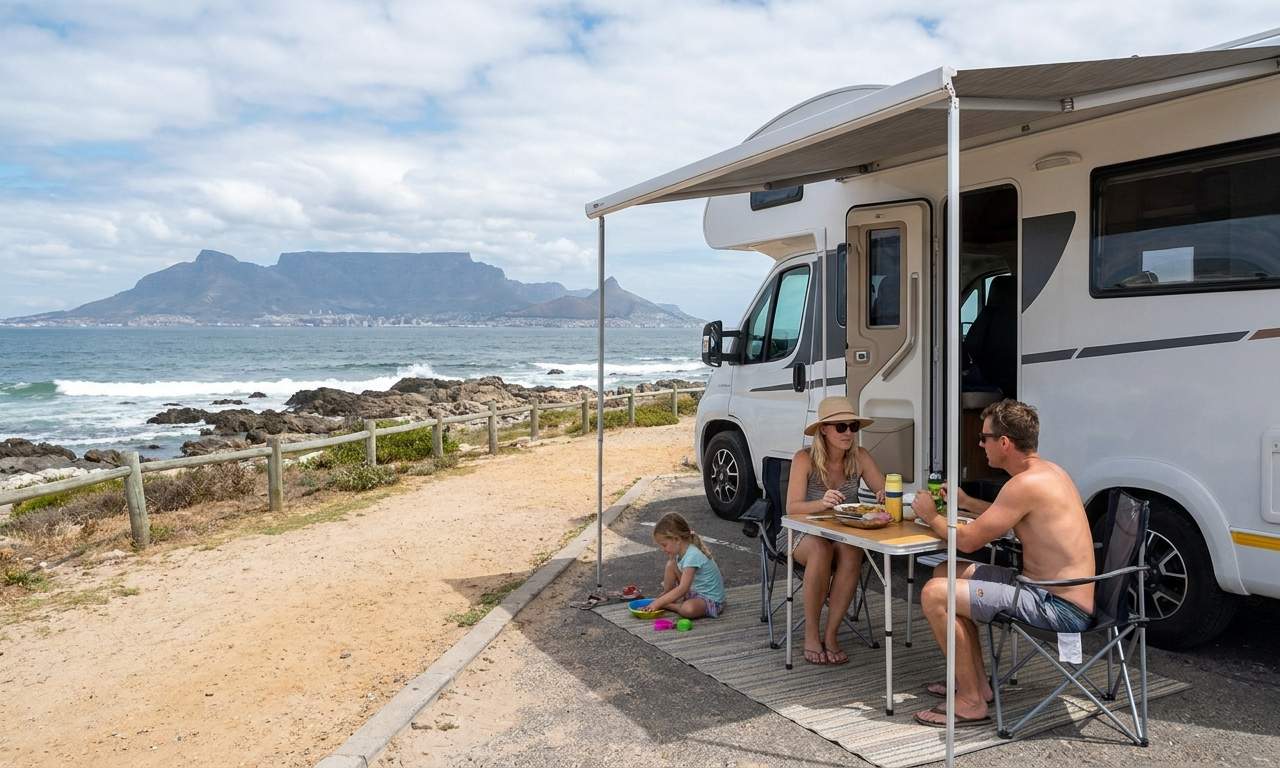
Larger RVs, such as some Class A motorhomes, might exceed 3,500 kg GVM, but these are less common for rentals. Even with these, a standard car license is usually sufficient; no special CDL or additional permits are required for any motorhome rented through Bandana. You'll find a range of options, from a compact `rv rental denver example Category Van` that sleeps 2, to a more spacious `4 Berth Adventurer` that comfortably accommodates a family.
Road Conditions & Terrain in Cape Town
Cape Town boasts well-maintained primary roads that are excellent for RV travel, though secondary routes and scenic drives in areas like the Winelands or along coastal passes can include gravel or winding sections, requiring a slower, more careful approach for rented motorhomes. The region's diverse terrain, from bustling urban streets to mountainous areas like Chapman's Peak Drive (a toll road, by the way!), demands that drivers anticipate varying road quality and plan routes suitable for a larger vehicle. Always allow ample time for scenic stops, like those overlooking False Bay, and be mindful of potential wildlife or livestock on rural roads, particularly when exploring further afield in the Western Cape. On the routes offered through RV PLANET routes, you can itemize and track every expense along the way for easy budgeting.
Our philosophy at Bandana is to encourage slow travel: aim for a maximum of 100-150 km per day on average. This allows you to truly feel the place, connect to the culture, the food, and the scenery without rushing. Even with a last-minute RV rental, you can embrace this pace and discover hidden gems along your route, ensuring a relaxed and enjoyable adventure.
RV Size Limits, Bridges & Restricted Zones
Generally, RVs face few specific size limitations in Cape Town, making it accessible for a range of motorhome classes. However, drivers of all rented RVs must always observe standard road signage for height and weight restrictions, particularly under bridges or in older city areas like the Bo-Kaap (though the latter is best explored on foot due to steep, narrow streets). While low bridges are less common than in some older European cities, always be mindful of marked clearances for tunnels, such as those along the N1 entering the city, and overhead structures, especially in parking garages where RVs typically cannot fit.
There are typically no environmental zones or residents-only streets that restrict general RV access in and around Cape Town's main tourist areas. Ferry services, such as those to Robben Island from the V&A Waterfront, do not accommodate RVs; plan accordingly if island visits are on your itinerary. Drive slowly and carefully, and you can drive almost anywhere without issues. No need to stress - just use common sense and pay attention.
Fuel: Diesel vs. Petrol & Cost per 100 km
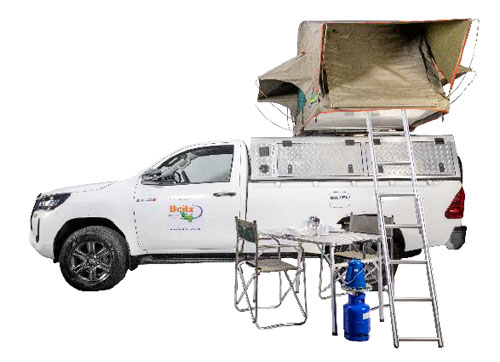
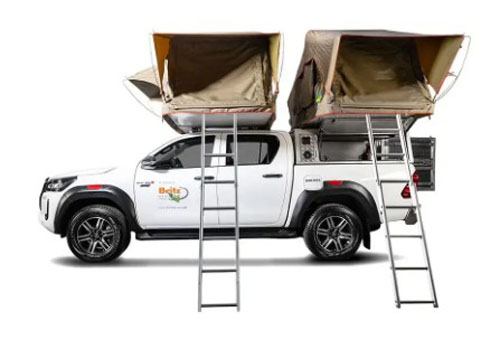
Most rental RVs in Cape Town, including Bandana's local fleet from suppliers like Apollo and Britz, are diesel-powered, which is widely available at service stations across South Africa. Based on Bandana's fleet data for Cape Town, Class B Camper Vans, such as the `2 Berth Hi Top`, typically consume 6-11 lit/100km. Larger Class SI Semi-integrated and Class C Alcove RVs, like the `cruise america rv rental example Explorer`, average around 12lt/100km. If you're renting a `Patagonia Camper 4x4 double cab`, a Class TC Truck Camper, expect around 11lt/100km.
Budgeting for fuel is crucial: approximately R23-R25 per litre for diesel (as of 2024). This means an average Class B Camper Van could cost R138 - R275 per 100km, while a larger RV (Class SI/C or Truck Camper) could be around R253 - R300 per 100km. Some Bandana RVs may include fuel discount cards, which can help manage trip expenses. For easy budgeting and tracking every expense along the way, we highly recommend planning your trip with RV PLANET routes.
Tolls, Vignettes & Border Rules
South Africa has national toll roads, often found on major highways when traveling outside the immediate Cape Town area towards destinations like Hermanus or the Garden Route; however, there are no vignette systems like those in some European countries. Tolls can often be paid with cash or specific electronic tags (e-tags); it's advisable to carry small denominations (R10, R20, R50 notes) for cash tolls. For example, the Chapman's Peak Drive toll plaza accepts cash or cards.
Bandana offers some RVs with pre-purchased toll passes, which can simplify your journey and help avoid unexpected fines. If you're considering cross-border travel to neighboring countries like Namibia or Botswana, specific vehicle documentation from Bandana, including a letter of authorization, is required, and additional border crossing fees or temporary import permits may apply. Always discuss your planned international routes with us during the booking process.
Driving Tips for last minute rv rental Travelers
Pacing yourself is key when traveling in a rented motorhome through Cape Town and the Western Cape; plan regular stops every 2-3 hours for driver breaks and passenger comfort, especially for families or longer journeys like exploring the West Coast National Park. Budgeting for tolls is simplified if you utilize pre-paid toll passes (if available with your Bandana RV) or carry cash for toll gates like those on the N1 or N2 highways to streamline your trip and manage costs. Always be mindful of your RV's increased length and height, particularly when turning onto streets like Adderley Street, parking at attractions such as the V&A Waterfront (where dedicated RV parking is rare), and checking overhead clearances before entering any covered areas.
For road safety, drive defensively, avoid driving at night in rural areas (especially outside of main towns due to wildlife and poor lighting), keep valuables out of sight, and be aware of your surroundings when stopping, particularly in isolated spots. Near popular attractions like Table Mountain, parking for larger RVs can be challenging; consider parking slightly outside busy areas and using ride-sharing services or public transport for inner-city exploration. Remember, you can get more inspiration for your adventure with our RV Travel Guide to Cape Town - Tips and Top Spots 2024.
Recommended RV Class for Cape Town Roads
For navigating Cape Town's diverse roads, a Class B Camper Van or a Class SI Semi-integrated RV from Bandana's local fleet are highly recommended due to their excellent balance of comfort and maneuverability. Class B Camper Vans, such as the `Active Standard` (typically around 5.9 meters in length with beds up to 140/185cm), offer superb agility for city driving and accessing tighter spots, while still providing comfortable sleeping for 2-3 adults. These are ideal for couples or small families looking for a flexible last-minute RV rental in Cape Town.
Class SI Semi-integrated RVs, averaging around 6.7 meters, provide more living space for up to 4 adults without being overly cumbersome, making them suitable for longer journeys and varied road conditions across the Western Cape. Both classes offer sufficient ground clearance for most South African roads, including well-maintained gravel sections found on some scenic routes. For larger groups or those desiring more amenities, a Class C Alcove motorhome like the `24' Class C Motorhome` (around 7.46 meters with sleeping for 5) also handles Cape Town roads well, providing excellent comfort for a family RV rental in Cape Town.
Should I Choose a Compact Van Instead of a Large RV in Cape Town?
Driving a larger RV in Cape Town is generally not an issue, with the enhanced comfort and indoor space of a Class C or larger Class SI often outweighing the minor maneuverability benefits of a compact van, especially for an extended trip. While a compact van (like a Class B Camper Van with an average length of 5.6m, such as the `Juliette 2-3`) genuinely helps in very tight historic city centers or finding smaller parking spots in bustling areas like Long Street, most main roads and tourist attractions are easily accessible by standard-sized RVs.
Opting for a larger motorhome (such as a 6.7m Class SI or a 7.3m Class C with features like `3 double beds` and `shower`) provides significantly more living space, a larger kitchen, and often a more comfortable bathroom, which is a better trade-off for extended stays or families with kids. Remember, Bandana Caravan focuses on maximizing your comfort and experience. Drive slowly and carefully, and you can drive almost anywhere without issues. No need to stress - just use common sense and pay attention.
Can I Park Anywhere? Free & Wild Camping Rules in Cape Town
In Cape Town and throughout South Africa, free or wild camping with a rented RV is generally not permitted in national parks, nature reserves, or within urban areas without explicit permission, due to safety concerns and local regulations. Designated RV campsites, caravan parks, and private farm stays are the recommended and safest options for overnight parking, offering essential amenities like security, electrical hookups, fresh water, and waste disposal points. Always prioritize safety: avoid secluded areas, park in well-lit and secure locations, and research reputable campsites beforehand to ensure a safe and enjoyable experience.
Ethical considerations include respecting private property, leaving no trace, and adhering to local community guidelines to maintain good relations with residents and preserve natural environments. Rules vary by region- always check local regulations and follow local law before parking overnight. For finding campsites and campgrounds during your trip, we recommend using RV PLANET (rvplan.net) - a great resource for locating available spots along your route.
Can I Drive an RV Into the City Center? Heights, Tunnels & Local Signage
Yes, you can generally drive a rented RV into the Cape Town city center, as the main arteries like Buitengracht Street and Nelson Mandela Boulevard are well-suited for larger vehicles. However, drivers should always pay close attention to local signage, which will indicate any height limits for tunnels (like the two tunnels on the N1) or low bridges, especially when navigating multi-story car parks (which are almost always too low for RVs). Cape Town does not typically have environmental zones or residents-only streets that restrict general RV access, but parking can be challenging for larger vehicles due to limited on-street space.
For convenience, consider parking your RV slightly outside the immediate central business district, perhaps near the CTICC (Cape Town International Convention Centre) or along the foreshore, and using ride-sharing services or the MyCiTi bus system for inner-city exploration. This approach minimizes stress and allows for easier movement around popular pedestrian areas like the V&A Waterfront. Just remember to drive slowly and carefully, paying attention to your surroundings.
What are essential safety tips for RV travel in Cape Town?
To ensure essential safety while RVing in Cape Town, always secure your rented vehicle, avoid driving at night where possible (especially in rural areas), and be aware of your surroundings, particularly in unfamiliar areas. Best practices include parking overnight only in designated, secure campsites with good lighting and security personnel, such as Ou Skip Caravan Park in Melkbosstrand or Imhoff Caravan Park in Kommetjie, rather than secluded or unverified spots. Avoid displaying valuables, keep windows and doors locked, and be particularly cautious when stopping in isolated areas or at traffic lights, especially in less touristy neighborhoods.
Carry essential emergency contacts, including local police (10111), medical services (10177), and your rental provider's (Bandana's) roadside assistance number. Consider travel insurance that covers RV-specific incidents and personal belongings for comprehensive peace of mind. Upgrading to a top-level deductible for extra peace of mind is always a wise investment. Remember, we’re with you before, during, and after your booking process to provide support and answer any questions.
How much does a last minute RV rental trip to Cape Town cost?
The total cost of a last-minute RV rental trip in Cape Town encompasses more than just the rental fee, requiring a comprehensive budget that includes fuel, campsite fees, activity permits, tolls, and food. Rental costs are dynamic, much like flight tickets, changing daily based on availability, seasonality (peak season is generally December-February), and supplier marketing decisions; the final price is set at the actual booking time. For a Class B Camper Van, daily rates could range from R1,500 - R3,000, while larger Class SI or C RVs might be R2,500 - R5,000+ per day depending on immediate availability for your last minute rv rental in Cape Town.
Budget for fuel (approx. R250-R300 per 100km for a larger RV, as detailed in the 'Fuel' section), campsite fees (R300-R800 per night), and potential activity permits or park entrance fees (e.g., Table Mountain National Park entry is around R300-R400 for adults). Allocate funds for groceries, dining out (especially in areas like Kalk Bay or Stellenbosch), and a contingency for unexpected costs like minor repairs or emergency supplies. Finding last-minute RV rental deals in Cape Town is certainly possible; flexibility with your travel dates, especially considering off-peak seasons (May-September), and comparing options on our platform can help you find the cheapest last minute RV rental. For more detailed insights, explore our "Cheap RV Rental in Cape Town - Budget Guide 2024" or "RV Rental in Cape Town - Prices and Best Deals 2024".
For a two-week adventure, a couple might expect a rental cost of R21,000 - R42,000 for a campervan. A one-week trip could cost R10,500 - R21,000 for the rental alone. For larger families, a Class C motorhome for a one-month last minute RV trip could start from R75,000 to R150,000+ in rental fees during shoulder season, excluding all other expenses. Remember to also consider a "Weekly RV Rental in Cape Town - Pricing 2024" if your trip is shorter. For specific one-way costs, check our "One-Way RV Rental in Cape Town - Price Guide 2024", and for family-specific budgeting, see "Family RV Rental in Cape Town - Pricing Guide 2024".
Where can I find the best RV campsites near Cape Town?
The best RV campsites near Cape Town offer a range of amenities and proximity to attractions, with popular options including Ou Skip Caravan Park (Melkbosstrand), Imhoff Caravan Park (Kommetjie), and Theewaterskloof Dam Resort, among many others. When choosing a campsite, consider specifics such as available hookups (electrical, water, sewer), on-site dump stations, clean ablution blocks, accessibility for your RV size, and pet-friendliness policies. Ou Skip Caravan Park offers direct beach access and is perfect for coastal exploration, while Imhoff Caravan Park is closer to Noordhoek beach and offers a more relaxed, rustic atmosphere.
Booking procedures vary; popular sites often require advance reservations, especially during peak season (December to February), so checking online or calling directly is recommended. Many national/state parks, however, reserve only 25-30% of their spots, leaving the rest for first-come-first-serve arrivals. Reassure yourself: you'll find a spot. If not at the first campground, then the next one. Always call ahead before driving. Research local regulations for camping, including noise restrictions or rules regarding open fires, to ensure a comfortable and compliant stay. Remember to always search for campsites via RV PLANET (rvplan.net) for comprehensive listings and availability.
What unique local experiences can I have with an RV in Cape Town?
A rented RV provides unparalleled flexibility to immerse yourself in Cape Town's unique culture, allowing access to off-the-beaten-path markets, authentic braai (BBQ) spots, and diverse food experiences. Drive to local farmer's markets like the Oranjezicht City Farm Market at Granger Bay or the Stellenbosch Slow Market, where you can stock your RV kitchen with fresh, local produce, cheeses, and artisanal goods. Cooking meals in your motorhome is a fantastic way to enjoy your fresh finds; check out our RV-friendly recipes playlist for inspiration!
Find designated public braai areas at scenic spots like Silvermine Nature Reserve or some coastal parks to experience a traditional South African barbecue with stunning backdrops. Venture into the Winelands (Stellenbosch, Franschhoek, Paarl) and stay at a vineyard campsite, allowing you to enjoy wine tastings without needing to drive afterward. Explore coastal fishing villages like Hout Bay or Kalk Bay, stopping at roadside eateries and farm stalls that larger tour groups might miss, for truly local flavors and fresh seafood.
Where can I get RV maintenance and support in Cape Town?
While Bandana Caravan's pre-booking and post-booking coordination ensures you have all necessary contacts, knowing where to find additional RV maintenance and support services in Cape Town is useful for complete peace of mind. For basic needs like refilling propane/gas, water, or disposing of waste, major caravan parks like Ou Skip or larger fuel stations along common RV routes (such as those on the N1 or N2) are the best points of call. For RV-specific repairs or diagnostics, look for specialized caravan and motorhome service centers or reputable auto repair shops in larger towns, though availability for highly specialized work might vary.
Always contact your rental provider (Bandana) first for guidance on any mechanical issues, as they can direct you to approved service providers and ensure warranty compliance. Our team of true RV specialists is ready to assist you in coordinating solutions before and after your rental. We provide comprehensive information before your trip, so you feel confident and prepared for your adventure.
What You Shouldn't Miss
- **Chapman's Peak Drive:** A spectacular scenic drive offering breathtaking ocean and mountain views, connecting Hout Bay and Noordhoek. Perfect for a slow RV cruise with plenty of pull-offs for photos.
- **Table Mountain National Park:** Explore iconic Table Mountain by cableway or hike, and venture to Cape Point and the Boulders Beach penguin colony. Several RV-friendly routes within the park.
- **Stellenbosch Winelands:** Park your motorhome at a wine farm campsite and enjoy leisurely wine tastings without the need for a designated driver. Sample award-winning wines and gourmet food.
- **Kirstenbosch National Botanical Garden:** Drive your rented campervan to this world-renowned botanical garden on the eastern slopes of Table Mountain, perfect for picnics and appreciating the unique fynbos.
- **V&A Waterfront:** While parking a large RV here can be tricky, it's a must-visit for dining, shopping, and boat trips to Robben Island. Consider parking a bit further and using public transport.
- **Hermanus Whale Watching:** Take your RV on a scenic drive along the R43 coastal road from Cape Town to Hermanus (about 1.5-2 hours drive) for some of the best land-based whale watching in the world (seasonal, June-November).
Looking for expert insights from Avi Bandana? Top 5 Adventures - recommendations from Avi Bandana
Final Thoughts
A last-minute RV rental in Cape Town opens up a world of spontaneous adventure, allowing you to immerse yourself in the Western Cape's stunning landscapes and vibrant culture at your own pace. With Bandana Caravan, you gain not just a vehicle, but a partner dedicated to transparency, expert guidance, and genuine support every step of the way. Whether you're navigating city streets or winding coastal roads, the freedom of your own mobile home is truly unbeatable.
Don't let the idea of last-minute planning deter you. Cape Town is ready to be explored, and with our flexible booking options and unwavering commitment to your peace of mind, your unforgettable South African road trip is just a few clicks away. Get inspired for your next trip! Discover top destinations, planning tips, all in one place!
Find Motorhome Rentals in Cape Town