In This Guide
- Can You Drive an RV in Austria? License & Age Rules
- Road Conditions & Terrain in Austria
- RV Size Limits, Bridges & Restricted Zones
- Fuel: Diesel vs. Petrol & Cost per 100 km
- Tolls, Vignettes & Border Rules
- Driving Tips for last minute rv rental Travelers
- Recommended RV Class for Austria Roads
- Should I Choose a Compact Van Instead of a Large RV in Austria?
- Can I Park Anywhere? Free & Wild Camping Rules in Austria
- Can I Drive an RV Into the City Center? Heights, Tunnels & Local Signage
- How much does it cost to rent an RV in Austria?
- Is RVing popular in Austria?
- Can you RV in Austria in winter?
- What is the best time to RV in Austria?
- How much is it to camp in Austria?
- What are the road rules for driving an RV in Austria?
Can You Drive an RV in Austria? License & Age Rules
To drive an RV in Austria, a standard B driving license is sufficient for vehicles up to 3,500 kg total permissible mass, covering most camper vans and smaller semi-integrated RVs. For RVs exceeding 3,500 kg, such as many larger Class C or Class A models, a C1 license (up to 7,500 kg) or a C license (over 7,500 kg) is legally required. The minimum driving age for RV rentals in Austria is typically 21, though some rental providers may stipulate a higher age, often 25, along with a requirement for 1-3 years of driving experience. Foreign drivers must possess a valid national driving license, and if it's not from an EU/EEA country or in English, an International Driving Permit (IDP) is strongly recommended or legally mandated for translation purposes.
Road Conditions & Terrain in Austria
Austrian roads are generally exceptionally well-maintained, offering a smooth and safe driving experience on major motorways and federal roads. The terrain varies significantly across the country, encompassing flat plains in the east, rolling hills, and challenging, winding alpine passes in regions like Tyrol and Salzburg. Expect numerous mountain roads, particularly in western Austria, which often feature steep gradients, sharp turns, and breathtaking views, necessitating slower speeds and careful driving. While most roads are paved, some remote scenic routes or access roads to smaller campsites might be gravel, requiring extra caution, especially for larger RVs. Navigating an RV in Austria encourages a slower, more deliberate pace, allowing ample opportunity to enjoy the diverse landscapes and numerous scenic viewpoints.
RV Size Limits, Bridges & Restricted Zones
While Austria does not impose a blanket maximum size limit for RVs on all roads, drivers must always adhere to specific posted signage indicating height, width, and weight restrictions for particular routes, tunnels, or bridges. Be particularly vigilant for low bridges and tunnels, especially on secondary roads or when entering smaller villages, where clearances can sometimes be as low as 3.0 to 3.5 meters. Certain urban centers or environmentally sensitive areas may feature 'Umweltzonen' (environmental zones) or specific vehicle access restrictions, although these are less common for RVs than in some neighboring countries. Some high alpine passes and specific tunnels may impose length or weight limits, and it is crucial to check these regulations prior to travel, especially for last minute rv rental plans. Ferry services, if applicable to your route, will have their own specific dimension and weight limitations, which should be verified in advance to avoid any issues.
Fuel: Diesel vs. Petrol & Cost per 100 km
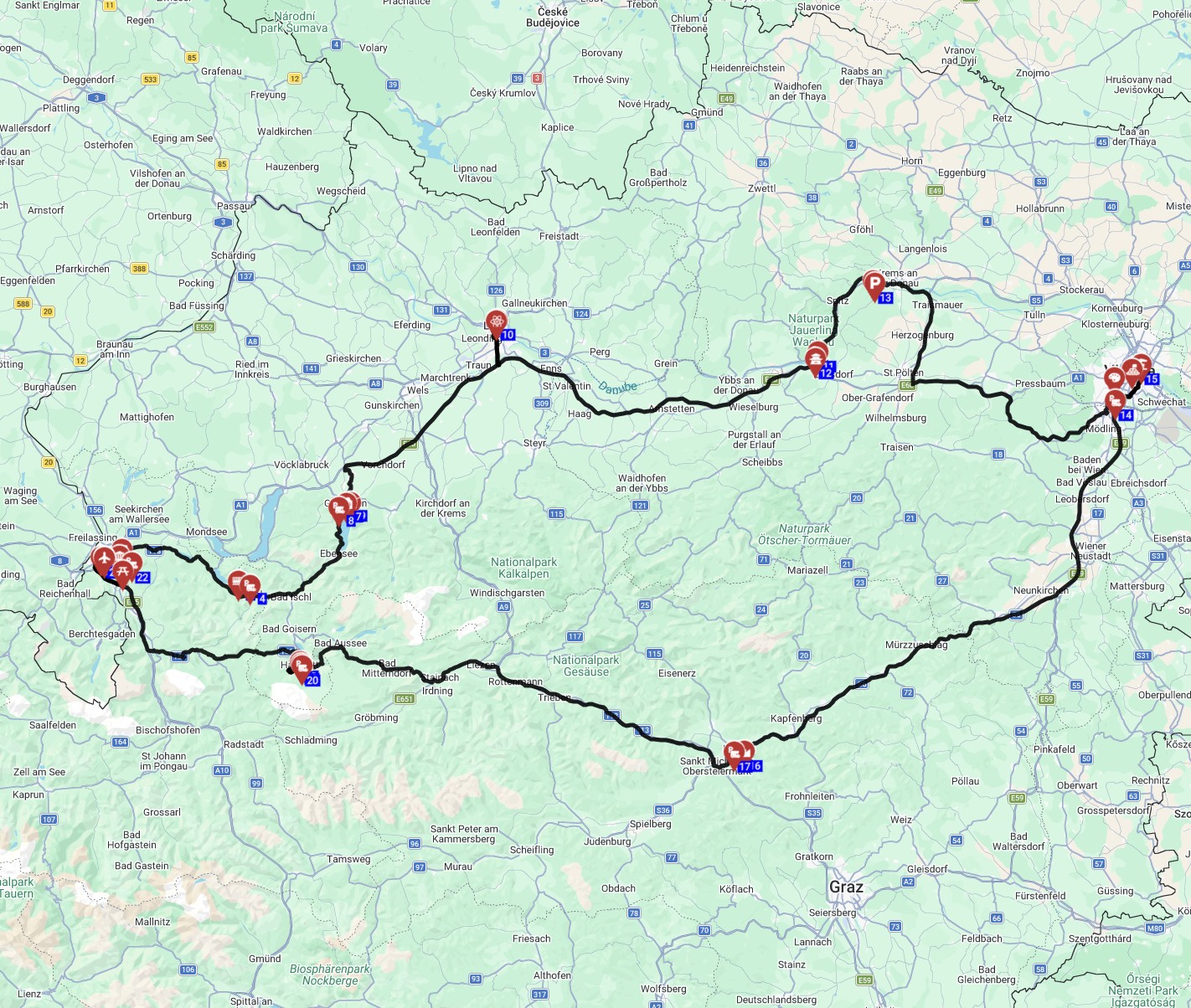
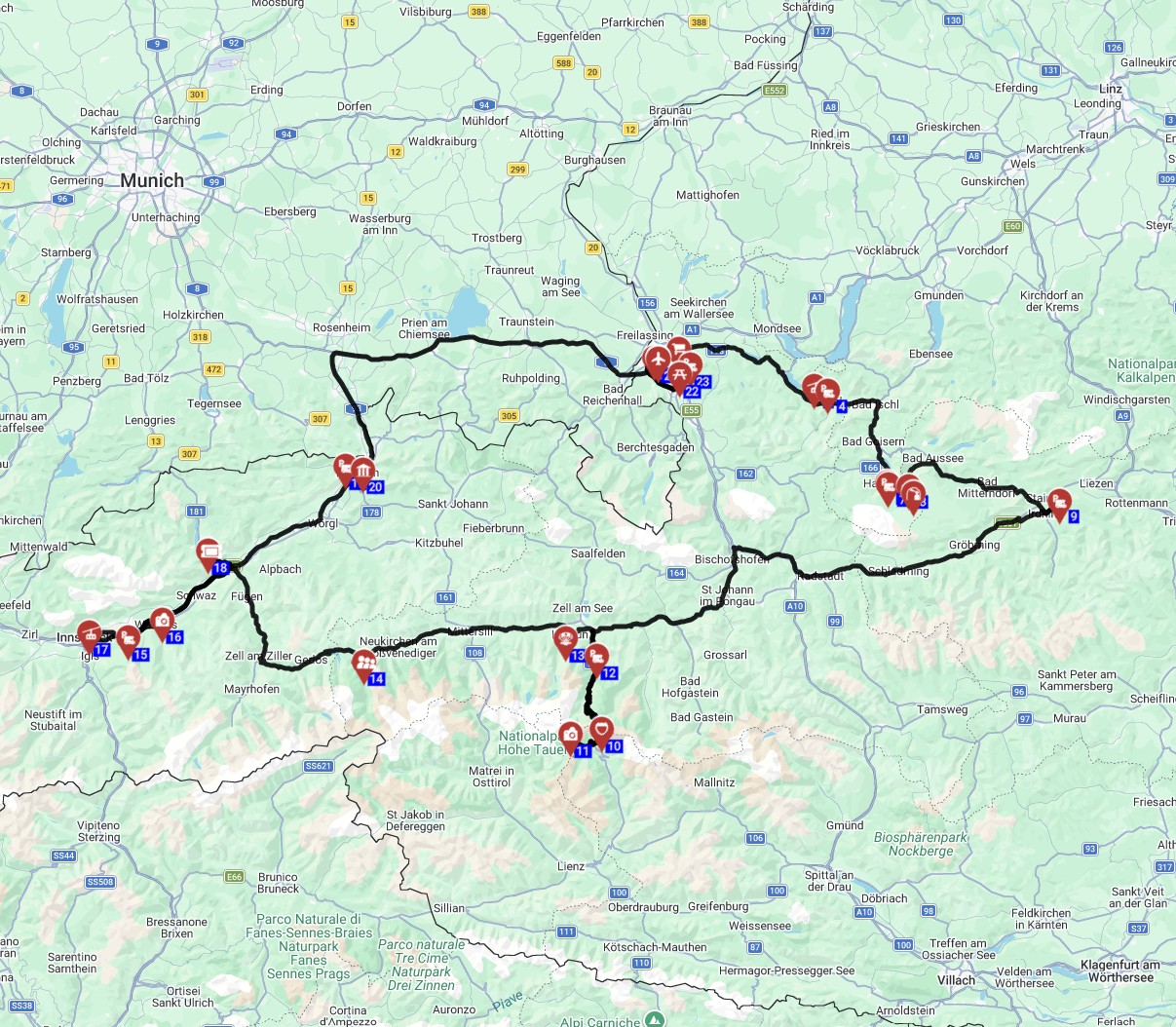
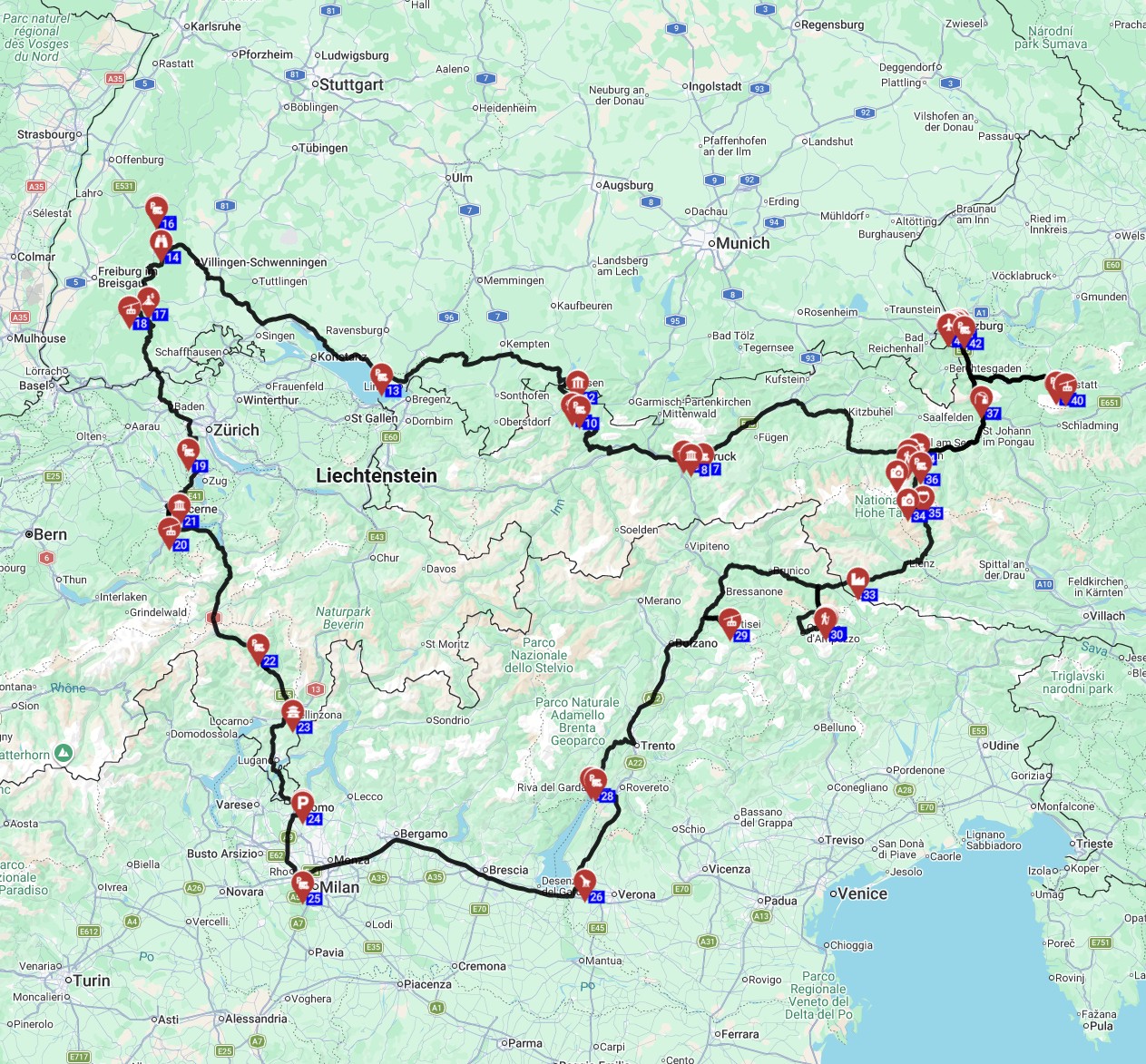
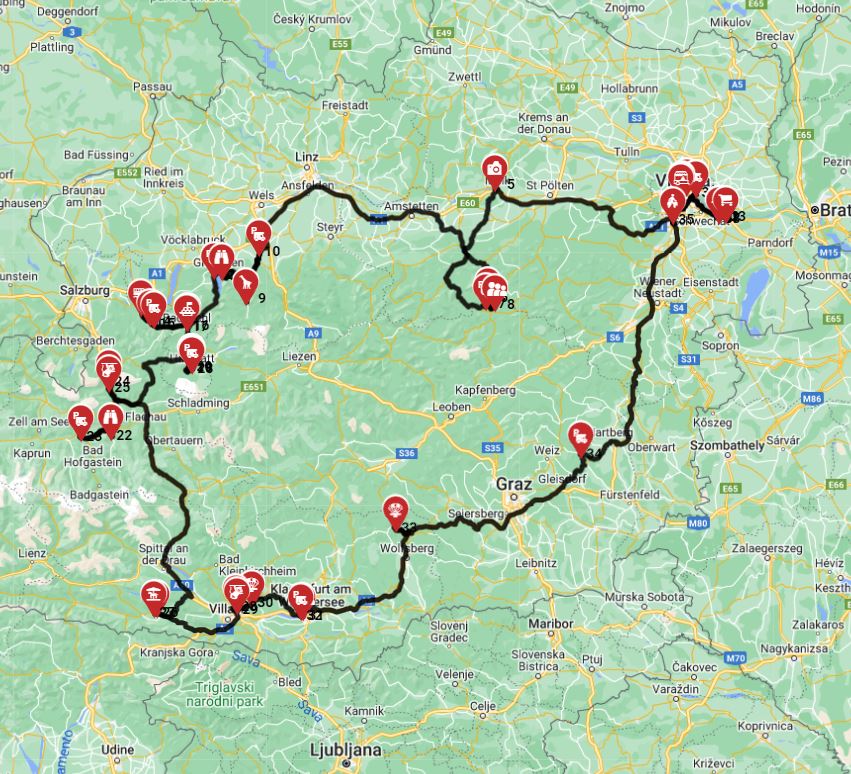
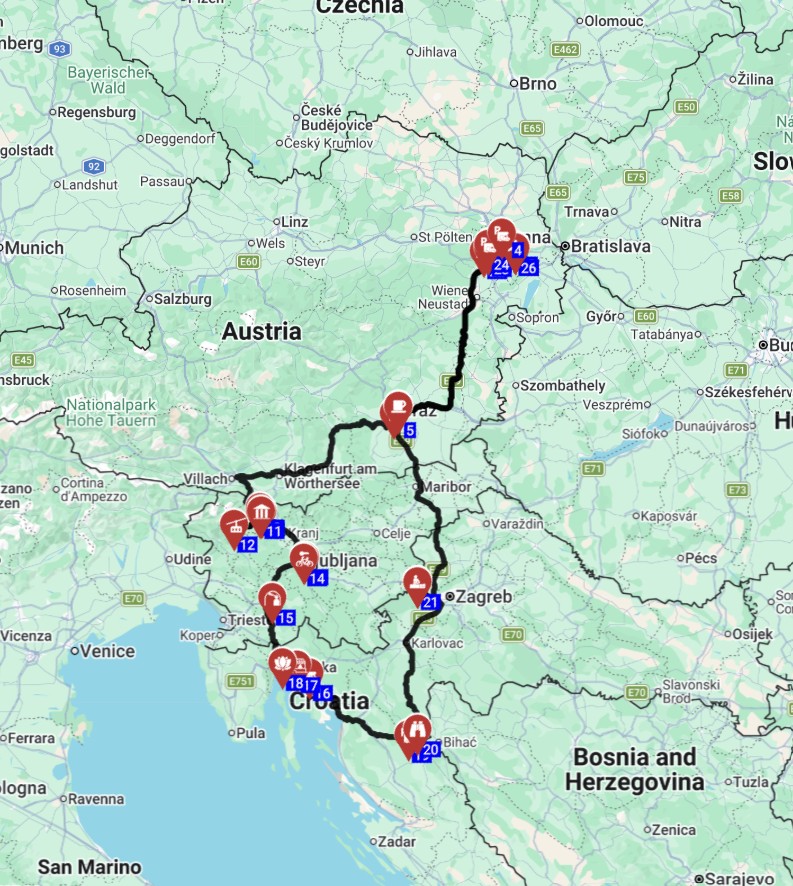
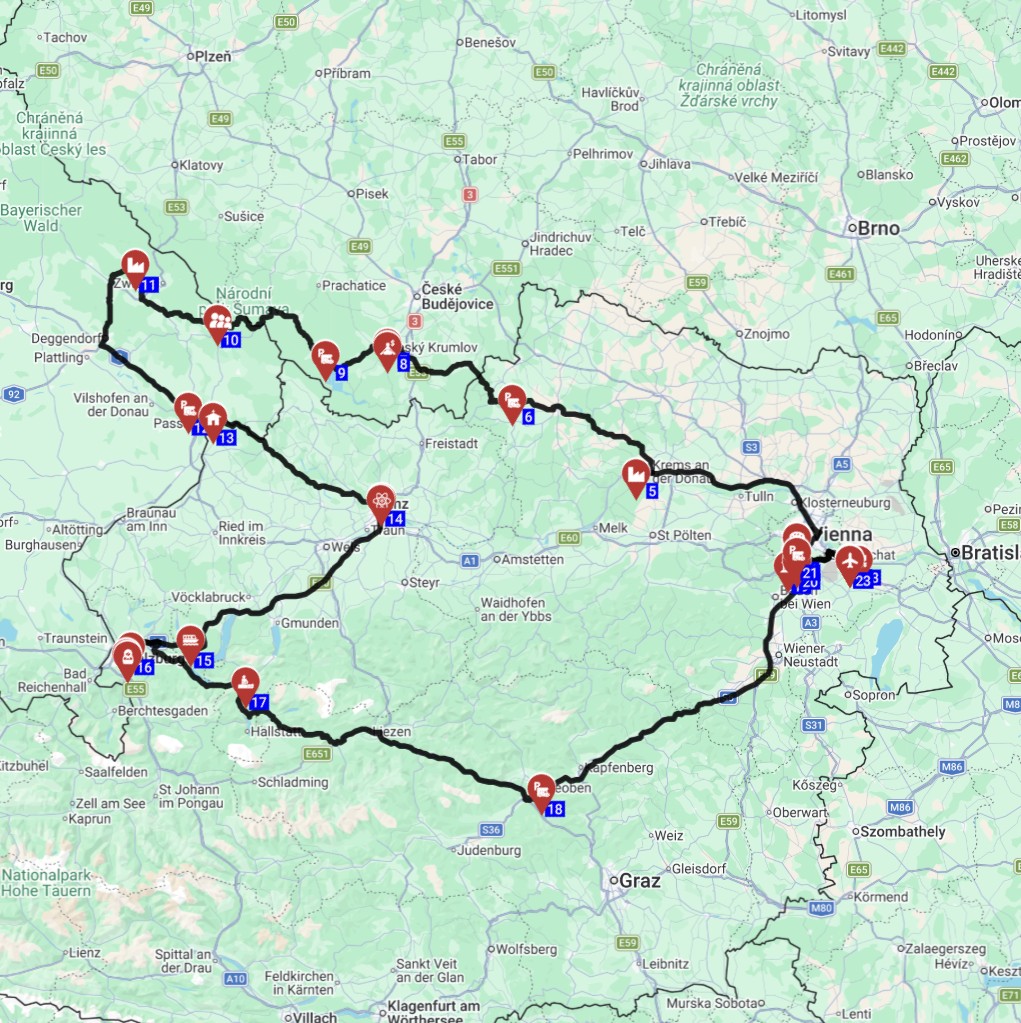
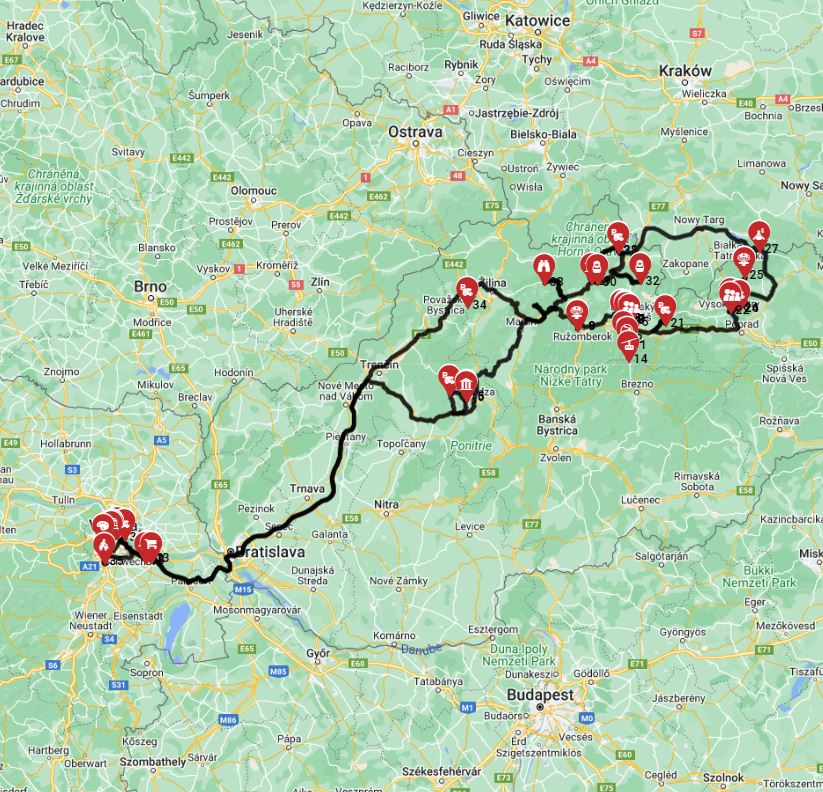
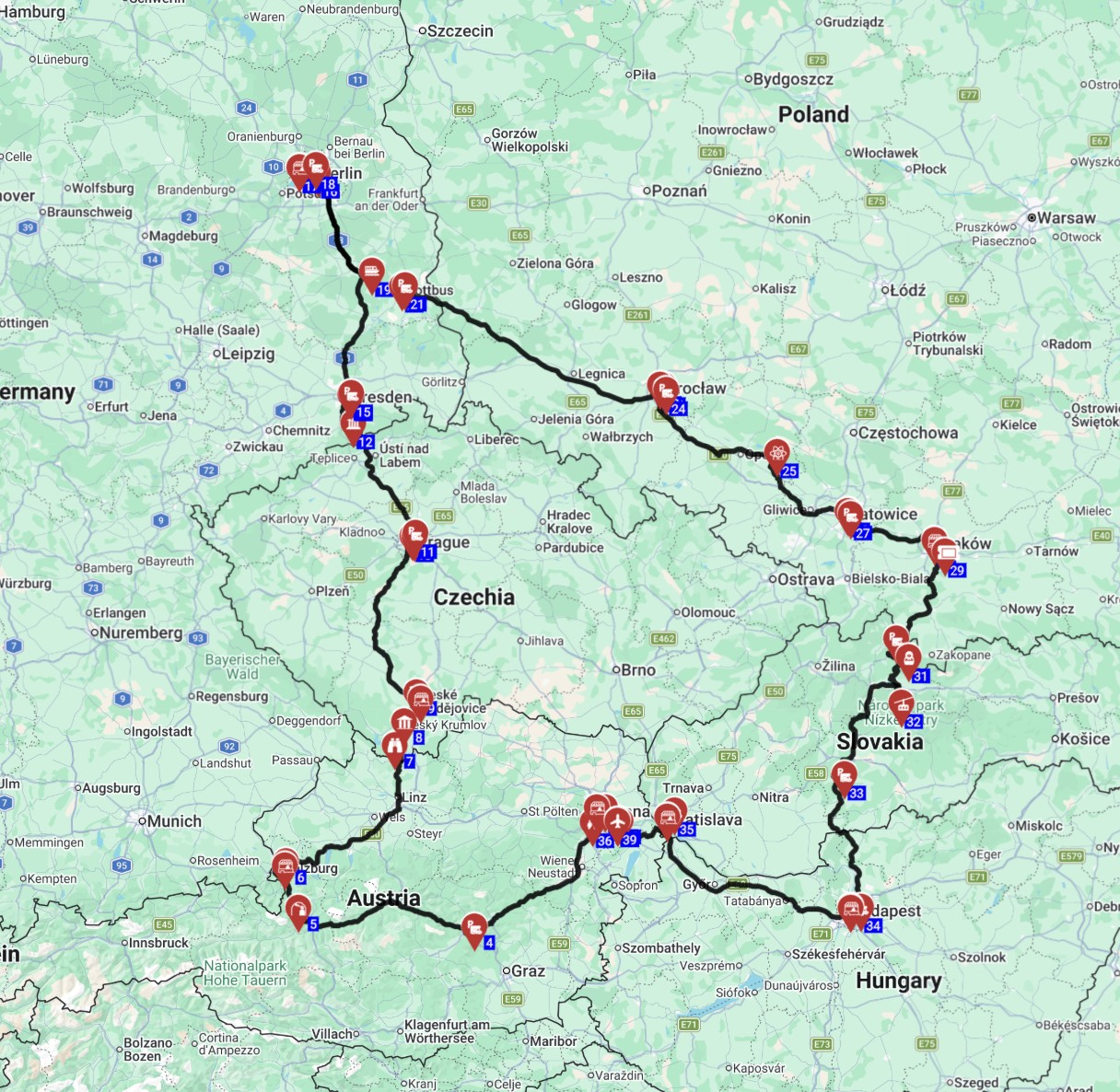
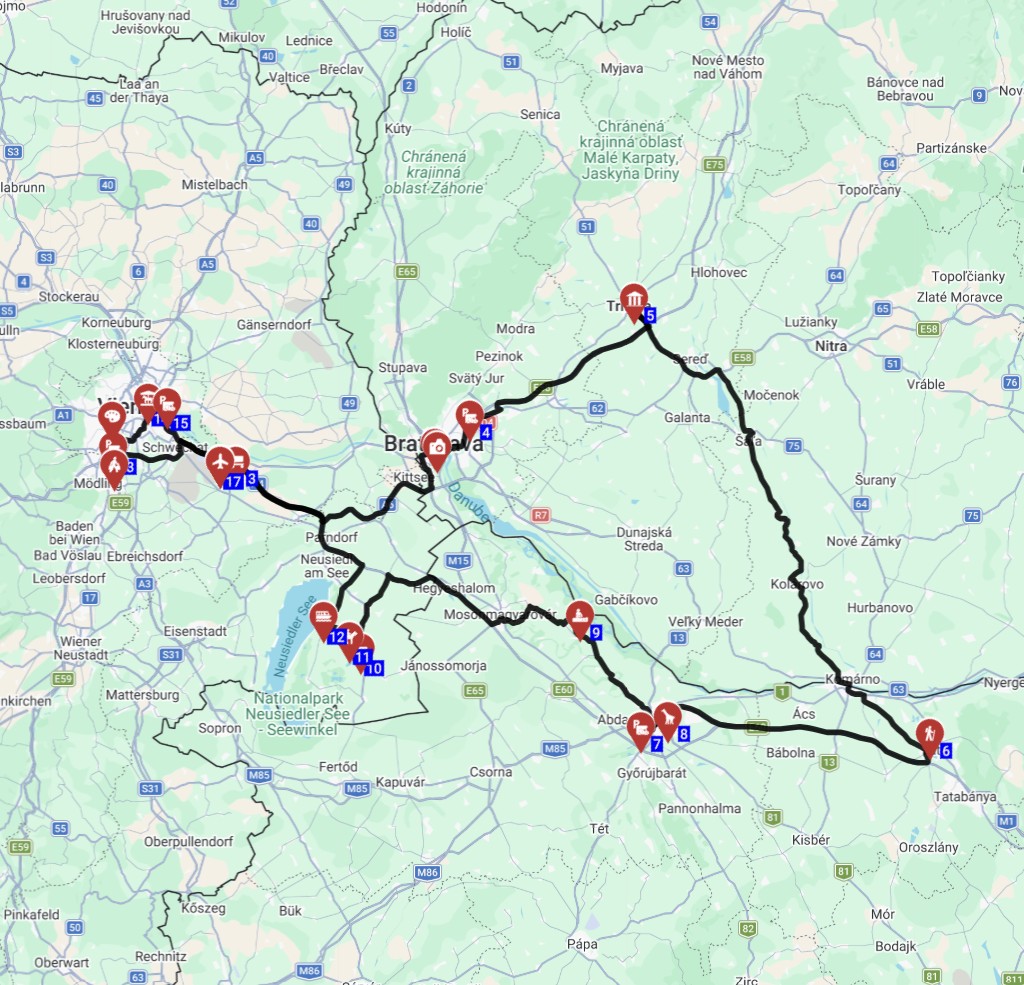
The vast majority of rental RVs in Austria, including those from Bandana's global fleet, operate on diesel fuel, which is widely available at service stations across the country. Petrol (Benzin) is also readily accessible for other vehicle types, but confirming your specific RV's fuel type is a critical first step for any renter. Based on Bandana's global fleet averages, a Class SI - Semi-integrated RV typically consumes 10-11 liters per 100 km, while Class C - Alcove RVs average 10-12 liters per 100 km. More compact Class B - Camper Vans generally offer better fuel efficiency, consuming around 8-10 liters per 100 km, while larger Class A - Integrated models typically use 8-12 liters per 100 km. The total cost per 100 km in Austria is dependent on current fuel prices, which fluctuate; however, these consumption figures allow last minute rv rental travelers to accurately budget for fuel expenses. On the routes offered through RV PLANET routes, you can itemize and track every expense along the way for easy budgeting.
Tolls, Vignettes & Border Rules
All vehicles, including RVs up to 3,500 kg, using Austrian motorways and expressways are legally required to display a 'vignette' (toll sticker) or utilize a digital e-vignette as proof of road tax payment. For RVs exceeding 3,500 kg total permissible mass, a GO-Box electronic toll device is mandatory for automatic toll collection, calculating fees based on distance, number of axles, and emission class. Travelers should research specific toll requirements for major tunnels (e.g., Arlberg Tunnel, Karawanken Tunnel) and famous scenic alpine roads (e.g., Grossglockner High Alpine Road) as these often incur separate, additional fees beyond the vignette/GO-Box. When planning to cross borders into neighboring countries such as Germany, Italy, Switzerland, or Slovenia, be aware of their distinct toll systems (e.g., vignettes for Slovenia, toll booths for most Italian motorways) and secure necessary passes beforehand. Some rent-motorhome RVs may offer pre-purchased toll passes or come with GO-Box setup, which can significantly simplify travel and help last minute rv rental users avoid potential fines for non-compliance.
Driving Tips for last minute rv rental Travelers
**Plan Your Route Carefully:** Utilize GPS systems that can account for your RV's specific dimensions (height, weight) to avoid unsuitable narrow roads or restricted zones, especially when navigating mountainous terrain or historic town centers. **Adhere to Speed Limits:** Austria enforces strict speed limits, typically 50 km/h in urban areas, 100 km/h on expressways (Schnellstraßen), and 130 km/h on motorways (Autobahnen), with specific, often lower, limits for RVs over 3.5 tons. **Master Mountain Driving:** Prepare for alpine routes by understanding how to use engine braking on descalents to prevent brake overheating, downshift for climbs, and be mindful of sharp turns and potential oncoming traffic. **Prioritize Connectivity and Utilities:** Consider purchasing an eSIM or local SIM card for reliable mobile data access for navigation, emergency contacts, and locating water refill stations, waste disposal points ('Entsorgung'), and specific electrical adapters for campsites. **Respect Local Etiquette:** Integrate into local culture by observing quiet hours at campsites, disposing of waste responsibly in designated areas, greeting locals with 'Grüß Gott,' and being mindful of respectful behavior in public spaces.
Recommended RV Class for Austria Roads
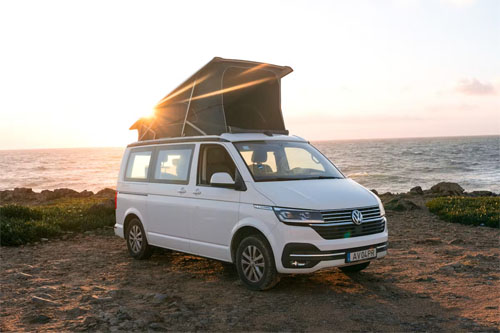
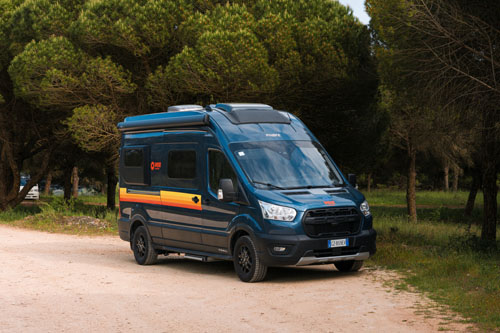
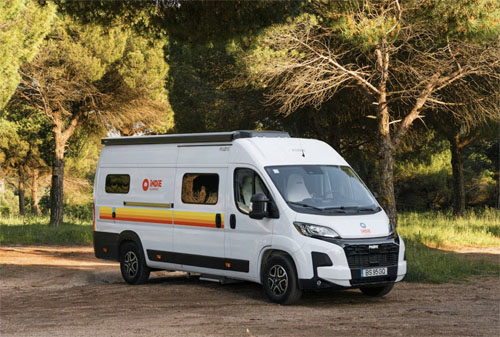
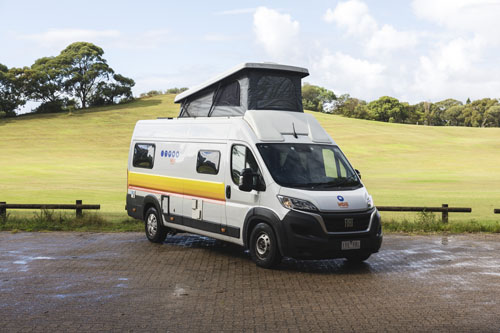
For optimal navigation of Austria's diverse roads, from motorways to winding alpine passes, a **Class B - Camper Van** or a **Class SI - Semi-integrated** RV is generally recommended. Class B Camper Vans, averaging 5.8 meters in length from Bandana's global fleet, offer excellent maneuverability for tight mountain roads and easier parking in smaller towns, making them ideal for agile exploration and 2-3 adults. Class SI Semi-integrated RVs, with an average length of 6.9 meters and accommodating around 3-4 adults, provide a comfortable balance of interior space and drivability, suitable for a wider range of Austrian terrains. These classes strike a good balance between internal comfort, amenities, and the ability to comfortably traverse both major routes and more scenic, challenging local roads, without the bulk of larger RVs.
Should I Choose a Compact Van Instead of a Large RV in Austria?
While there's generally no inherent issue driving any RV size in Austria, a compact van offers superior maneuverability, but comfort and indoor space often matter more for a fulfilling travel experience with a larger RV. A compact van (like a Class B Camper Van) genuinely provides an advantage when planning frequent visits to historic city centers with narrow streets, navigating exceptionally tight mountain passes, or seeking out more rustic, remote parking spots. Conversely, for travelers prioritizing extensive indoor living space, separate sleeping areas, or comprehensive amenities for families, a larger RV (such as a Class SI or C) often presents a better trade-off, as most main roads and official campsites are well-equipped to accommodate them. The decision ultimately hinges on your travel priorities: choose a compact van for maximum agility and minimalist travel, or opt for a larger RV for enhanced comfort and space, knowing that Austria's infrastructure can mostly support both.
Can I Park Anywhere? Free & Wild Camping Rules in Austria
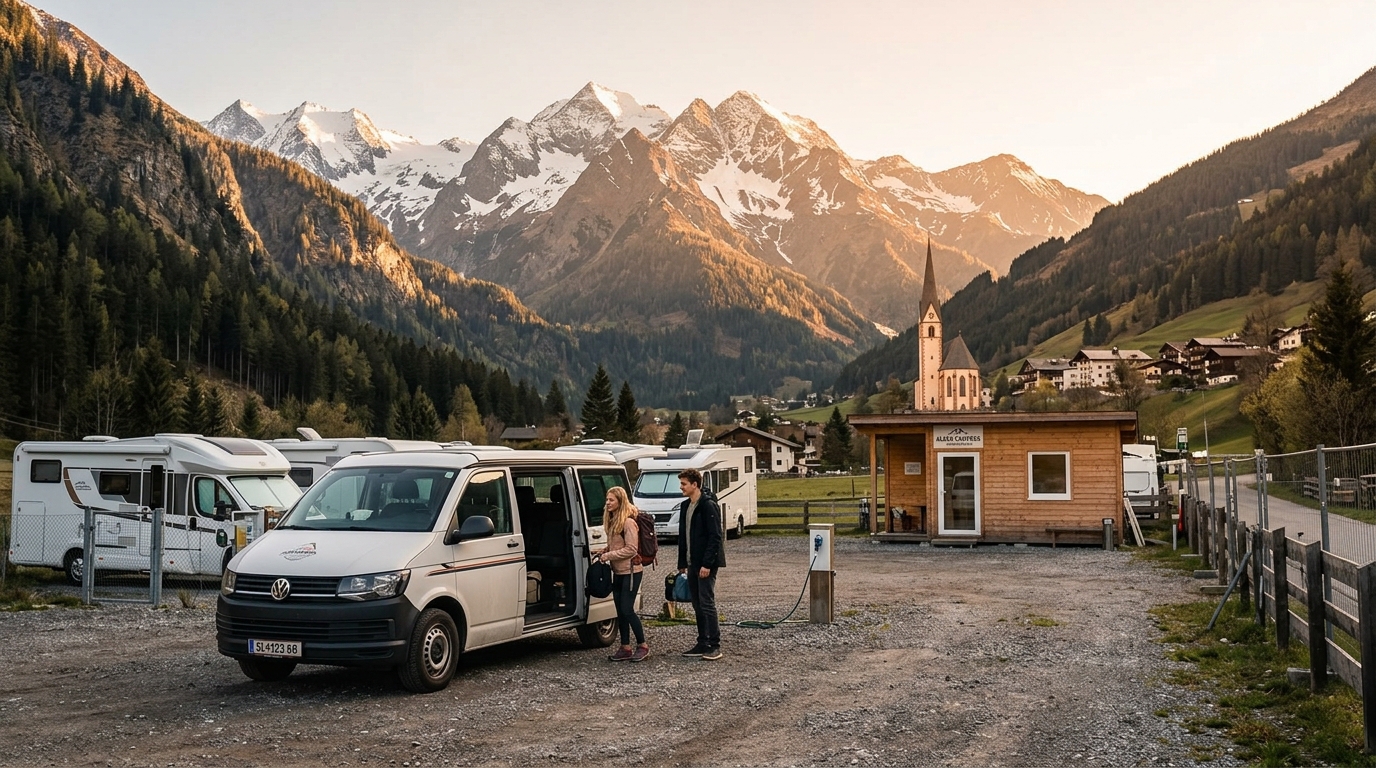
Wild camping and unrestricted overnight parking in an RV are generally prohibited across Austria, with specific regulations and enforcement varying by individual federal state (Bundesland) and local municipality. Most Austrian regions permit a single 'emergency' overnight stop to restore driving fitness, provided no camping behavior (e.g., setting out awnings, chairs, tables) is displayed, serving purely as a rest stop. Designated Stellplätze (motorhome parking areas), often equipped with basic services, and official campsites are the legal and widely available options for overnight RV stays in Austria. Parking on private property is permissible only with explicit prior consent from the landowner, and travelers should be aware that violations of wild camping regulations can result in substantial fines. Rules vary by region — always check local regulations and follow local law before parking overnight, ensuring responsible waste disposal and respect for the environment.
Can I Drive an RV Into the City Center? Heights, Tunnels & Local Signage
Yes, you can generally drive an RV into most Austrian city centers, but it requires diligent attention to local signage indicating height, weight, and width restrictions, as well as potential environmental zones. Major cities like Vienna, Salzburg, and Innsbruck feature historic centers with narrow streets or pedestrianized areas where RV access may be challenging or restricted, making parking on the outskirts and using public transport often preferable. Always observe signs for low bridges, tunnels, and underground parking garages, which frequently have height limitations (e.g., 2.2-2.5 meters) that preclude most RVs. Pay close attention to 'residents only' or 'Anrainer frei' signs, as well as specific indications for environmental zones or limited traffic areas that restrict vehicle types or entry times. Utilizing park-and-ride facilities or public transport from a campsite on the city's periphery is frequently the most convenient and stress-free method to explore Austrian city centers with an RV.
How much does it cost to rent an RV in Austria?
The cost to rent an RV in Austria typically ranges from €80 to €200 per night, varying significantly based on the RV class, rental season, booking lead time, duration of the rental, and included amenities. Budget-friendly options, such as compact camper vans (Class B), can start around €80-€120 per night, particularly in the low season or for longer rentals. Larger, family-sized semi-integrated (Class SI) or alcove RVs (Class C) generally fall within the €120-€180 per night range, offering more space and features. Luxury integrated models (Class A) can exceed €200 per night, especially during the peak summer months (July-August) and for shorter rental durations, where demand is highest. Last minute rv rental deals may occasionally offer discounts off-season, but for popular models and peak travel times, booking in advance is generally recommended to secure availability and better rates, with additional costs often including insurance, cleaning fees, and optional extras.
Is RVing popular in Austria?
RVing is a moderately popular and steadily growing trend in Austria, particularly appealing to European travelers and locals seeking flexible, independent ways to explore the country's diverse landscapes. Austria's reputation for well-maintained roads and an excellent network of designated campsites, including numerous 'Stellplätze' (motorhome parking areas), significantly contributes to its attractiveness for RV enthusiasts. The country's stunning natural beauty, offering access to alpine mountains, pristine lakes, and charming villages, aligns perfectly with the RV lifestyle, enabling easy access to various outdoor activities like hiking, cycling, and winter sports. While perhaps not as deeply embedded as in some Nordic countries or Germany, the appeal of RV travel in Austria is increasing, driven by a desire for self-sufficiency and closer engagement with nature. The tourism infrastructure is increasingly accommodating to RVs, with more services and facilities emerging to cater to this growing segment of travelers.
Can you RV in Austria in winter?
Yes, RVing in Austria is not only possible but also a unique and increasingly popular way to experience its world-renowned ski resorts, atmospheric Christmas markets, and stunning snow-covered landscapes during the winter months. Many campsites in key winter sports regions (e.g., Tyrol, Salzburg, Carinthia) remain open year-round, offering essential amenities such as electricity, heated sanitary facilities, and often convenient ski bus connections. For comfortable cold-weather travel, it is highly recommended to rent a winterized RV equipped with robust insulation, efficient heating systems (e.g., Truma Combi), and ideally heated waste water tanks. Drivers must be adequately prepared for winter road conditions: ensuring your RV is fitted with winter tires (mandatory from November 1 to April 15) and carrying snow chains is legally required or strongly advisable for mountain passes. Always check local road conditions and weather forecasts, as some alpine roads and passes may be temporarily closed due to heavy snowfall or avalanche risk, particularly for last minute rv rental plans.
What is the best time to RV in Austria?
The best time to RV in Austria largely depends on your desired activities and preferences, with late spring (May-June) and early autumn (September-October) generally considered ideal for pleasant weather and fewer crowds. **Spring (May-June):** Offers blooming landscapes, comfortable temperatures perfect for hiking, cycling, and sightseeing before the peak summer rush, with alpine passes gradually opening and lower campsite prices. **Summer (July-August):** Is the peak season, providing the warmest weather, full accessibility to all attractions, and numerous festivals, but also signifies the busiest roads, highest prices, and the necessity of booking campsites well in advance. **Autumn (September-October):** Presents breathtaking fall foliage, comfortable temperatures for outdoor activities, and significantly reduced crowds, making it an excellent time for scenic drives, wine region tours, and cultural exploration. **Winter (November-April):** Is best suited for ski and snowboard enthusiasts, with many campsites open near resorts; however, it requires a fully winterized RV and preparedness for snow and ice driving conditions.
How much is it to camp in Austria?
Campsite fees in Austria typically range from €20 to €50 per night for an RV pitch, with prices fluctuating based on the campsite's location, the season, the level of facilities offered, and the type of camping experience. Basic 'Stellplatz' (motorhome parking areas), which often provide minimal services like electricity hook-ups and water, can start from as low as €10-€25 per night. Full-service campsites, offering comprehensive amenities such as modern sanitary blocks, hot showers, laundry facilities, and often swimming pools, restaurants, or entertainment, generally cost between €30-€50 per night for two adults and an RV. Prices are at their highest during the peak summer months (July-August) and in highly popular tourist regions like the Salzkammergut or Tyrol, while off-season rates are typically more budget-friendly. Additional costs may include local tourist taxes, charges for electricity usage, hot water, or specific waste disposal services, so it is advisable to clarify what is included in the base rate when booking.
What are the road rules for driving an RV in Austria?
Driving an RV in Austria mandates strict adherence to standard Austrian traffic laws, which include specific license requirements based on the vehicle's total permissible mass, and the compulsory use of either a 'vignette' or GO-Box for motorways. Speed limits are generally 50 km/h in urban areas, 100 km/h on expressways (Schnellstraßen), and 130 km/h on motorways (Autobahnen), with specific, often lower, limits applicable to RVs over 3.5 tons. Headlights must be switched on at all times, even during daylight hours, and it is a legal requirement for all vehicles to carry a reflective safety vest, a warning triangle, and a first-aid kit. Winter tires are legally mandatory for all vehicles from November 1 to April 15, and carrying snow chains is highly advisable or required for travel in mountain regions during this period. Wild camping is broadly prohibited, and drivers must consistently respect environmental zones, posted height and weight restrictions, and specific parking regulations, as these rules are rigorously enforced.
What You Shouldn't Miss
- Vienna's Imperial Grandeur: Explore Schönbrunn Palace and St. Stephen's Cathedral, utilizing park-and-ride facilities for your RV.
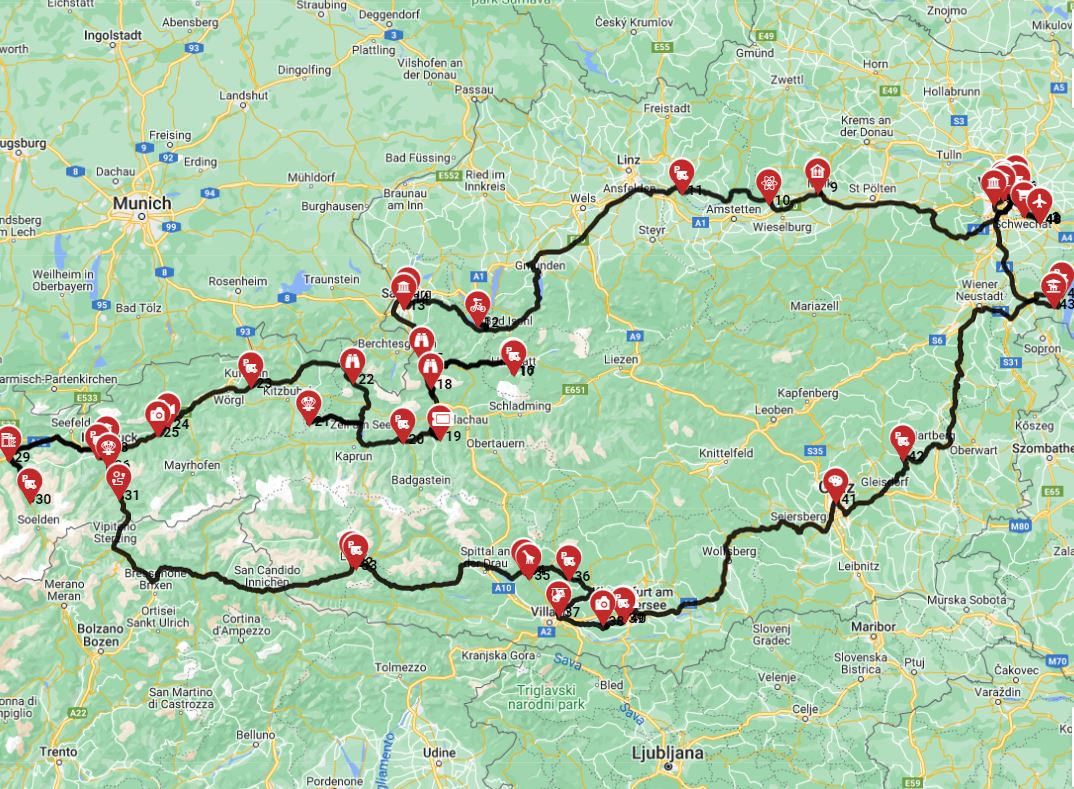
- Salzburg's Musical Charm: Drive through the historic Altstadt, perhaps taking a day trip to the scenic Salzkammergut lake district. Consider the "Zurich Roundtrip - South - Austria Tirol, Italy, Switzerland" route for an extended exploration of this region.
- Innsbruck's Alpine Majesty: Visit the Golden Roof and take a cable car up the Nordkettenbahnen for breathtaking mountain views.
- Grossglockner High Alpine Road: Embark on one of Europe's most spectacular scenic drives, with numerous viewpoints and hiking opportunities (check seasonal access).
- Hallstatt's Fairytale Setting: This picturesque village in the Salzkammergut is a must-see, though access for larger RVs requires careful planning.
- Styrian Wine Region & Buschenschank: Sample local wines and produce at traditional taverns, many of which offer overnight parking for RVs.
Final Thoughts
Embarking on an RV adventure in Austria offers an unparalleled opportunity to immerse yourself in stunning landscapes and rich culture. From the majestic Alps to charming villages, a rented RV provides the freedom and flexibility to explore at your own pace. Remember to plan ahead, especially regarding vehicle size and navigating mountain roads, and embrace the journey, allowing yourself to truly connect with the beauty of Austria.
With Bandana Caravan, you can be confident in finding the perfect RV for your Austrian escape, backed by our commitment to transparency and customer support. Don't hesitate to reach out if you have any questions – we're here to help you plan an unforgettable road trip!