For live availability and current prices, start with our RV Rental Anchorage - Complete Guide 2026 guide.
In This Guide
- Can You Drive an RV in Anchorage? License & Age Rules
- Road Conditions & Terrain in Anchorage
- RV Size Limits, Bridges & Restricted Zones
- Fuel: Diesel vs. Petrol & Cost per 100 km
- Tolls, Vignettes & Border Rules
- Driving Tips for last minute rv rental Travelers
- Recommended RV Class for Anchorage Roads
- Should I Choose a Compact Van Instead of a Large RV in Anchorage?
- Can I Park Anywhere? Free & Wild Camping Rules in Anchorage
- Can I Drive an RV Into the City Center? Heights, Tunnels & Local Signage
- Do I need a special license to rent an RV?
- Can I take my RV on a ferry to Alaska?
- Can you get temporary RV insurance?
- Does AAA cover RV insurance?
- What's the average price for RV insurance?
Can You Drive an RV in Anchorage? License & Age Rules
Most recreational RVs available for rent in Alaska, typically those under 26,000 lbs (11,793 kg) GVWR, require only a standard Class D driver's license, equivalent to driving a large car. Rental companies in Anchorage generally mandate drivers to be at least 21 years old to rent an RV, though some may require drivers to be 25 for larger vehicle classes or depending on their insurance policies. For foreign visitors, a valid driver's license from their home country is necessary, and an International Driving Permit (IDP) is highly recommended for translation purposes, especially if the home country's license is not in English. This ensures a smooth and legal driving experience throughout your Alaskan adventure.
Road Conditions & Terrain in Anchorage
Anchorage's primary roads and major highways, such as the Seward and Glenn Highways, are generally paved and well-maintained, offering comfortable driving conditions for RVs. However, be prepared for potential gravel or unpaved sections when exploring side roads, accessing remote campsites, or venturing into less developed areas outside the immediate city. The surrounding terrain is often mountainous, featuring winding roads, steep grades, and scenic overlooks that necessitate cautious driving and a keen awareness of your RV's braking capabilities. Alaskan roads demand constant vigilance for wildlife, including moose, bears, and caribou, which can appear suddenly, especially during dawn, dusk, and nighttime hours. Always maintain a safe speed and be alert.
RV Size Limits, Bridges & Restricted Zones
Standard rental RVs typically face no general height or weight restrictions on major Alaskan highways and bridges around Anchorage; however, it's always wise to observe posted signs for specific limits on smaller routes or underpasses. Ensure your RV's dimensions, especially for larger Class A or Class C units, are within legal limits for all planned routes, particularly if considering ferry travel. Anchorage does not have restrictive environmental zones akin to some European cities, but local parking ordinances in urban areas may limit where oversized vehicles can stop or park. When planning ferry travel, strict measurement accuracy for your RV's length, width, and height is crucial for booking with the Alaska Marine Highway System (AMHS).
Fuel: Diesel vs. Petrol & Cost per 100 km
RVs available for rent in Anchorage commonly run on either petrol (gasoline) or diesel. Typically, Class C motorhomes often use gasoline, while some larger vehicles or specific models like Truck Campers might run on diesel. Based on typical fleet data, Class C RVs might consume between 24-30 liters per 100 km, while more fuel-efficient options like smaller campervans or some truck campers could average between 13 and 19.5 liters per 100 km. Fuel stations are readily available in Anchorage and along major corridors, but can be sparse in remote areas, making it essential to plan your fuel stops carefully and keep your tank topped up. Budget for potentially higher fuel costs in Alaska compared to the lower 48 states; some Bandana RV rentals may include fuel discount cards to help mitigate these expenses. On the routes offered through RV PLANET routes, you can itemize and track every expense along the way for easy budgeting.
Tolls, Vignettes & Border Rules
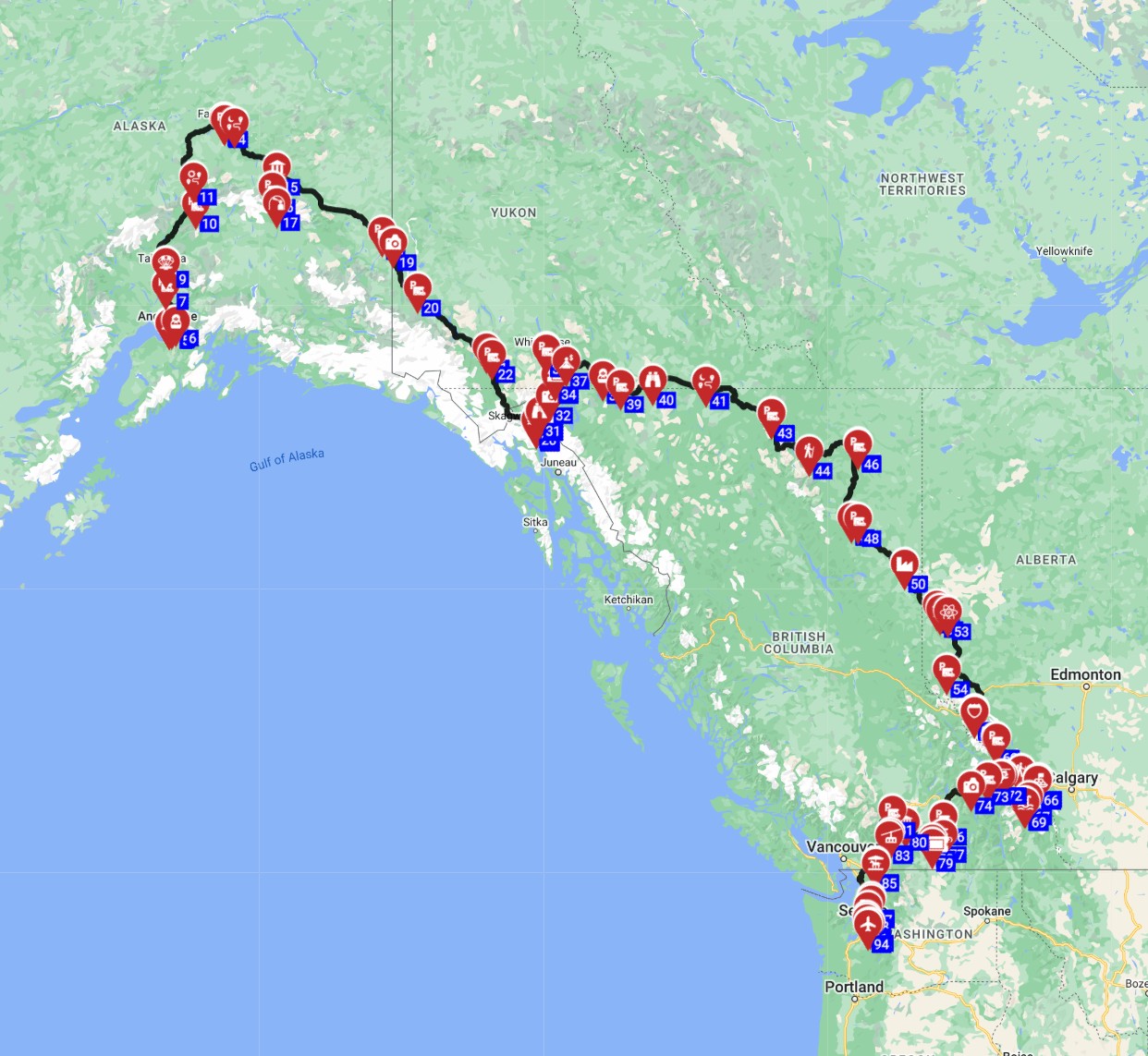
Alaska's road system, including all major routes in and around Anchorage, is generally free of tolls and vignettes, simplifying travel without additional road usage fees. If your last-minute RV rental journey extends into Canada, for instance, via the Alaska Highway, all occupants will require valid passports, and you must adhere to Canadian customs regulations regarding permissible goods. Always confirm with your rental provider about cross-border travel policies and required documentation if you plan to drive your RV outside the U.S. into Canada. This is crucial for a hassle-free border crossing.
Driving Tips for last minute rv rental Travelers
When driving a rented RV in Anchorage, maintain a safe speed and be constantly alert for wildlife on or near the road, especially at dawn, dusk, and night, as larger RVs require significantly more stopping distance. Plan your daily routes and overnight stops in advance, as distances between services can be considerable, and popular RV parks often fill up quickly during peak season. Always carry an emergency kit including extra food, water, a first-aid kit, and reliable communication devices, particularly when venturing into remote Alaskan wilderness. Factor in ample time for scenic stops, photo opportunities, and potential delays due to construction or wildlife; rushing detracts from the unique Alaskan experience. Monitor local weather forecasts closely, as conditions can change rapidly, and being prepared for rain, fog, or unexpected temperature drops is crucial for a safe and enjoyable trip.
Recommended RV Class for Anchorage Roads
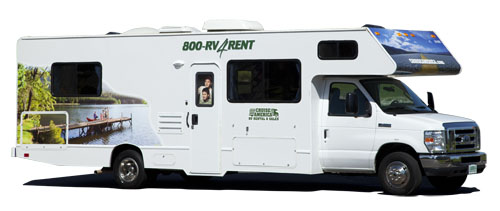
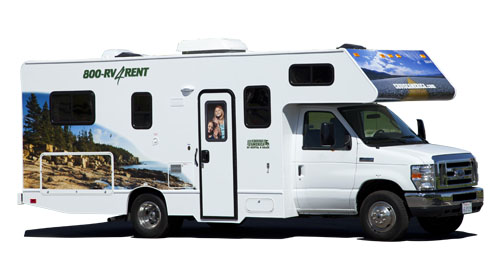
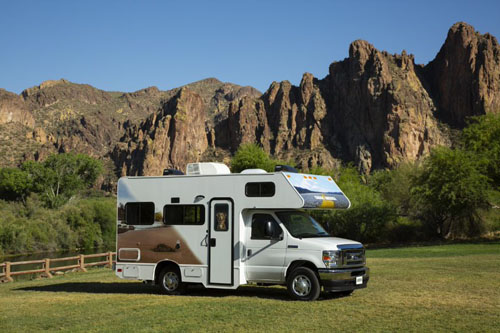
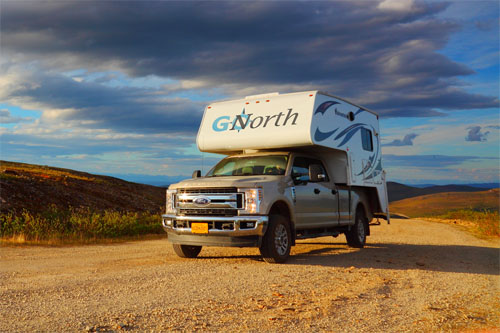
For last-minute RV rentals in Anchorage, Class C motorhomes, particularly those with a "Class C - Alcove" designation, and Class TC - Truck Campers offer an optimal balance of comfort, amenities, and maneuverability for navigating Alaskan roads. Bandana's Class C - Alcove RVs, averaging around 7.8 meters in length, provide generous living space and can comfortably sleep up to 5-6 people on average, making them an excellent choice for families or small groups. Alternatively, Class TC - Truck Campers, at an average length of 6 meters, are highly maneuverable and often have better ground clearance, perfect for exploring more rugged or unpaved paths leading to scenic overlooks or remote fishing spots. These options balance practicality with the comforts needed for an Alaskan adventure.
Should I Choose a Compact Van Instead of a Large RV in Anchorage?
While a compact van, like a Class B - Camper Van, offers superior maneuverability and easier parking in urban settings, larger RVs typically pose no significant driving challenges on Anchorage's main roads and highways. The primary advantage of opting for a larger RV in Alaska is the increased interior space, comfort, and storage capacity, which can greatly enhance the experience during longer trips or periods of inclement weather. Consider a compact van if your priority is accessing very tight spaces, maximizing fuel efficiency, or a more nimble driving experience, particularly for shorter excursions. However, for most Anchorage and surrounding area travel, the enhanced living amenities and spaciousness of a larger RV often outweigh the minor parking advantages of a compact van, providing a more comfortable base for your explorations.
Can I Park Anywhere? Free & Wild Camping Rules in Anchorage
Free or wild camping (boondocking) in an RV is generally prohibited within Anchorage city limits and on private property without explicit owner permission. To ensure a legal and comfortable stay, designated RV parks and campgrounds, both private and within state parks like Chugach State Park, offer excellent overnight parking options around Anchorage. Dispersed camping may be permitted on some public lands outside of Anchorage, such as Bureau of Land Management (BLM) or National Forest areas, but always requires adherence to Leave No Trace principles and specific local regulations. Rules can vary significantly by region, so it's crucial to check local regulations and follow local law before parking overnight to be aware of any permits or restrictions.
Can I Drive an RV Into the City Center? Heights, Tunnels & Local Signage
Yes, you can typically drive an RV into Anchorage's city center. The main thoroughfares are designed to accommodate large vehicles, and there are no common height restrictions or tunnels that would impede standard RV access. The primary consideration when driving an RV into downtown Anchorage is parking, which can be limited for oversized vehicles; it’s advisable to look for designated RV-friendly lots or consider parking on the city's periphery and using public transport. Always pay close attention to local signage regarding parking regulations, one-way streets, or temporary restrictions, which are crucial for safe and legal RV operation. Unlike some older, more congested cities, Anchorage does not generally feature environmental zones or unusually narrow streets that would restrict RV access to its city center.
Do I need a special license to rent an RV?
Most recreational RVs available for rent in the United States, including those in Alaska, do not require a special license. This is because rental RVs typically fall under the 26,000-pound (11,793 kg) gross vehicle weight rating (GVWR) limit, which allows them to be driven with a standard Class D driver's license. Larger Class A RVs or those towing substantial trailers might exceed this weight, potentially requiring a non-commercial Class B or Class A license, but these are less common for typical rental fleets. Always confirm with your specific rental company, like Bandana, regarding the license requirements for the RV model you intend to rent to ensure compliance.
Can I take my RV on a ferry to Alaska?
Yes, you can transport your RV to various parts of Alaska via the Alaska Marine Highway System (AMHS), a state-run ferry service. While Anchorage itself isn't a direct ferry port, you can book passage to a nearby port city like Whittier or Seward and then drive your RV the remaining distance to Anchorage. Booking an RV on the AMHS requires precise vehicle measurements (length, width, height) and generally incurs significantly higher costs than passenger-only fares. Advance reservations are highly recommended, especially during peak summer months, due to limited space. Be prepared for strict loading procedures and the need for self-sufficiency, as access to your RV on the vehicle deck is often restricted while underway.
Can you get temporary RV insurance?
Yes, temporary RV insurance, often referred to as short-term rental insurance or a binder policy, is widely available and frequently a mandatory component when renting an RV. Rental companies typically offer their own insurance packages, which range from basic liability to comprehensive collision coverage, usually for an additional daily fee that can be added to your rental. It's advisable to check with your existing personal auto insurance provider, as some policies may extend coverage to a rental RV; however, confirming specific limits and exclusions is crucial. Third-party temporary RV insurance providers also offer various coverage options, allowing renters to compare policies and potentially find more comprehensive or cost-effective solutions for their peace of mind.
Does AAA cover RV insurance?
Yes, AAA offers RV insurance coverage, either directly through its regional clubs or via affiliated insurance partners. This coverage can sometimes extend to rented RVs for your trip in Alaska. AAA's RV insurance policies typically include options for liability, collision, comprehensive, and can even provide specialized roadside assistance designed for recreational vehicles. It is essential to contact your specific regional AAA club or review your existing policy details to understand the scope of coverage, deductibles, and any specific limitations regarding rental RVs or travel in Alaska to ensure you are adequately protected.
What's the average price for RV insurance?
The average daily price for temporary RV rental insurance can vary significantly, typically ranging from $15 to $50 per day. This cost depends on factors such as the RV's value, the coverage limits chosen, the deductible amount, and the renter's driving history. Factors influencing the cost include the RV class (e.g., Class C or Truck Camper), the total rental duration, and the geographical area of travel, along with any additional coverages like personal effects or enhanced roadside assistance. To determine the precise cost for your last-minute Anchorage RV rental, obtaining specific quotes directly from your rental company or from third-party insurance providers is the most accurate approach.
What You Shouldn't Miss
- Drive a portion of the stunning Seward Highway, a National Scenic Byway, for breathtaking coastal views and potential wildlife sightings.
- Explore the Alaska Native Heritage Center to learn about the rich cultural history of Alaska's indigenous peoples.
- Visit the Anchorage Museum for extensive exhibits on Alaskan art, history, and culture, providing a deep dive into the region's heritage.
- Take a ride on the Alaska Wildlife Conservation Center's tram for close-up views of Alaskan wildlife like bears, moose, and caribou in a natural setting.
- Hike in Chugach State Park, easily accessible from Anchorage, offering numerous trails with varying difficulty levels and incredible mountain scenery.
- Experience the magic of the "Midnight Sun" during summer by driving or exploring late into the evening under daylight.
Final Thoughts
Renting an RV for a last-minute adventure in Anchorage offers unparalleled freedom to explore the vast beauty of Alaska. From the rugged wilderness to the unique urban charm of the city, an RV provides the perfect base for your Alaskan journey. Remember to plan your routes, pack smart, and embrace the unexpected discoveries that come with RV travel.
With Bandana Caravan, finding the right RV is seamless, and our commitment to transparency means you can book with confidence. So, pack your sense of adventure, and get ready to experience the Last Frontier in comfort and style!
Find Motorhome Rentals in Anchorage