For live availability and current prices, start with our RV Rental South America - Complete Guide 2026 guide.
In This Guide
- Where to Camp in South America - Top Options
- Campground Types in South America (National, Private, Wild)
- Featured RV Park or Campground in South America
- Hookups & Amenities - What to Expect
- Booking Windows & Reservations in South America
- Nearby Supermarkets & Resupply Points
- Best RV Class for Camping in South America
- How to Save on Campgrounds in South America
- What is the 3-3-3 rule for RV travel and camping?
- Where can I park my RV without paying?
- What is the 4-4-4 rule for RV travel?
- What are the safest places in South America to travel alone?
- Can you RV in South America?
- What is the 10 year RV rule?
- Are there RV parks in the country of Panama?
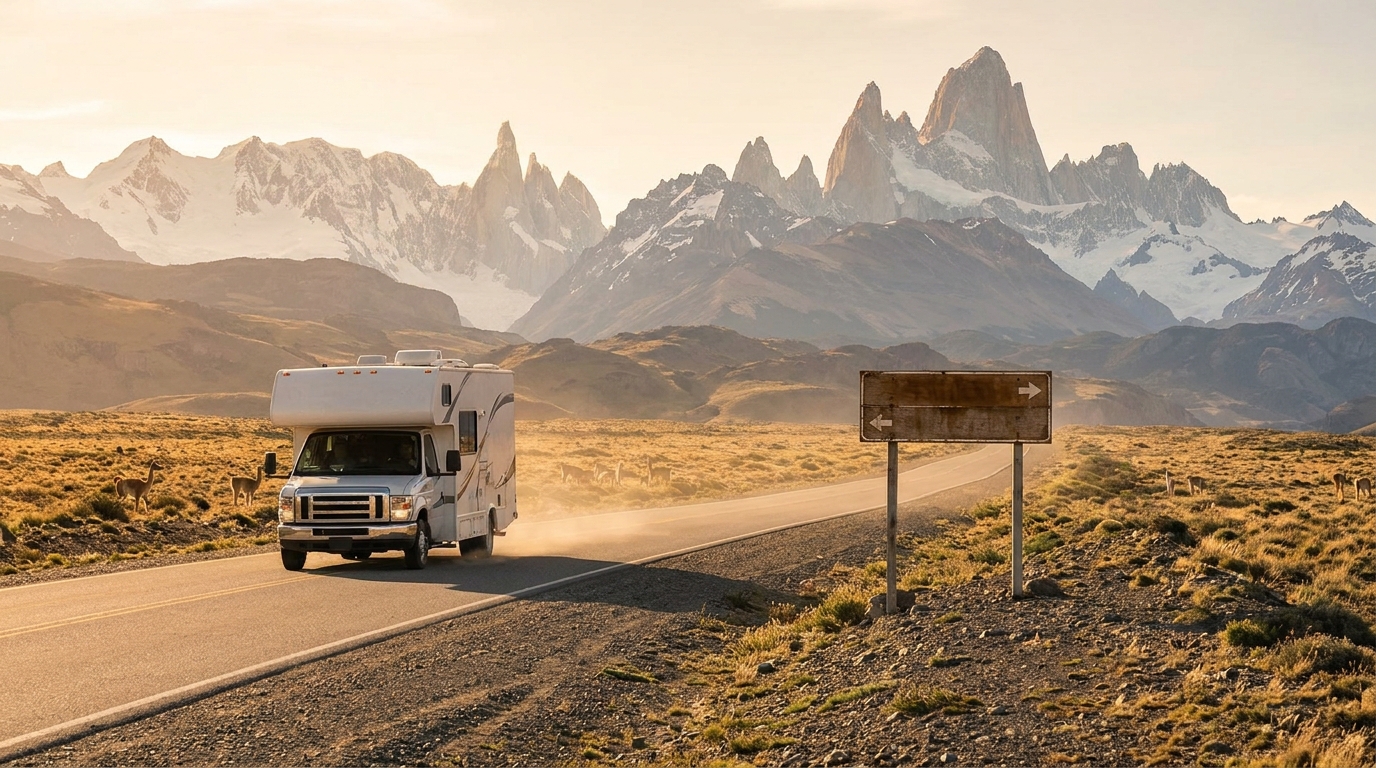
Imagine setting off on an unforgettable adventure through South America, where vibrant cultures and breathtaking landscapes unfold at your own pace. A last-minute RV rental gives you the freedom to chase stunning scenery and immerse yourself in local life, even with minimal advance planning. Whether you're dreaming of the majestic Andes, the vast Patagonian plains, or the lush Amazon basin, an RV provides your mobile home base for exploration. For live availability and current prices, start with our RV Rental South America - Complete Guide 2024 guide.
Where to Camp in South America - Top Options
Finding top camping options in South America often involves researching national parks, private campgrounds, and opportunities for wild camping, which vary significantly by country and region. For a last-minute rental, flexibility is key; target regions known for established tourist infrastructure such as Patagonia in Argentina and Chile, the Chilean Lake District, and the coastal areas of Brazil. Consider regions surrounding major cities like Santiago, Chile, or Mendoza, Argentina, which frequently offer private campgrounds with essential amenities. These areas generally have more options for last-minute last minute rv parking, allowing for spontaneous itinerary adjustments. Travel slowly, max 100-150 km per day on average. Take time to feel the place, connect to the culture, the food, and the scenery.
Campground Types in South America (National, Private, Wild)
South America offers a variety of campground types, including national park sites, private campgrounds, and varying degrees of freedom or wild camping, each with distinct rules and amenities. National park campgrounds, such as those in Torres del Paine, Chile, or Los Glaciares, Argentina, provide basic facilities, stunning natural settings, and are usually well-maintained, though reservations can be competitive, especially during peak seasons. Private campgrounds, often found near towns or popular tourist routes, typically offer more amenities like showers, laundromats, and Wi-Fi, providing a comfortable base for your rented motorhome. Wild camping, or 'boondocking,' is tolerated in many remote areas, particularly in countries like Argentina and Chile, but travelers should always confirm local regulations, respect private property, and practice Leave No Trace principles to avoid issues with authorities or landowners. Resources like iOverlander are invaluable for finding safe, unofficial spots, providing detailed reviews from fellow RVers.
Featured RV Park or Campground in South America
When seeking a featured RV park in South America, look for establishments offering secure parking, essential services, and a welcoming community atmosphere. An ideal featured RV park often includes facilities like 24/7 security, electrical hookups, potable water, dump stations, and Wi-Fi, catering to the needs of international travelers. Many popular tourist regions, such as the Chilean Lake District or the Brazilian coast, host well-regarded private campgrounds that serve as excellent bases for exploration. Prioritize locations that provide detailed safety information and connect you with local resources, addressing concerns about security and support while traveling. For finding specific campsites and campgrounds during your trip, we recommend using RV PLANET (rvplan.net) — a great resource for locating available spots along your route. On the routes offered through RV PLANET routes, you can itemize and track every expense along the way for easy budgeting.
Hookups & Amenities - What to Expect
When camping with a rented RV in South America, travelers can expect a range of hookups and amenities, though availability varies significantly between national parks, private campgrounds, and wild camping spots. Private campgrounds typically offer electric hookups (often 220V, requiring a European-style adapter), fresh water connections, and dump stations, while national park sites may only provide basic amenities or none at all. Wi-Fi and laundry facilities are common in private campgrounds in more developed areas, though Wi-Fi speeds can be slower than expected; showers are usually available, sometimes for an additional fee or with limited hot water. To ensure a smooth experience for your last minute rv trip, be prepared for varying standards by bringing your own water filter, surge protector, and international adapters. Always confirm available amenities with the campground directly, especially for last-minute bookings.
🎬 Video coming soon
Booking Windows & Reservations in South America
For last-minute RV rentals and camping in South America, booking windows vary, but spontaneity is often rewarded, particularly outside of peak seasons. Pre-planners should book national park campgrounds well in advance, especially during high season (e.g., Patagonian summer from December to February), as popular spots fill quickly; many national park campgrounds only release 25%-30% of spots for reservations, with the rest available first come, first served. Spontaneous travelers renting a campervan last minute can usually find same-day or next-day availability at private campgrounds, particularly by calling ahead or arriving early in the day. You will almost certainly find a place - if not at the first campground, then the next one. Call ahead before driving long distances is recommended, but don't let a lack of reservations deter a last-minute adventure. Consider checking for "RV Rental Deals in South America - Latest Offers 2024" or "Last-Minute RV Rental in South America - What to Expect 2024" for potential savings.
Nearby Supermarkets & Resupply Points
Resupply for your RV adventure in South America is generally straightforward, with supermarkets and smaller shops readily available in most towns and cities along common travel routes. Travelers can typically find major supermarket chains like Coto, Jumbo, or Carrefour in Argentina, Lider or Santa Isabel in Chile, and various local options across other countries. For last-minute rentals, plan your route to include stops in larger towns every few days to stock up on groceries, fuel, and other essentials, as smaller, remote villages may have limited supplies. Additionally, local markets ('ferias') offer fresh produce and regional specialties, providing a great opportunity for cultural immersion and unique provisions. For anyone planning on cooking in their RV, remember to visit our RV-friendly recipes playlist for delicious meal ideas. To budget effectively for these ancillary costs, RV PLANET routes allow travelers to itemize and track every expense along the way.
Best RV Class for Camping in South America
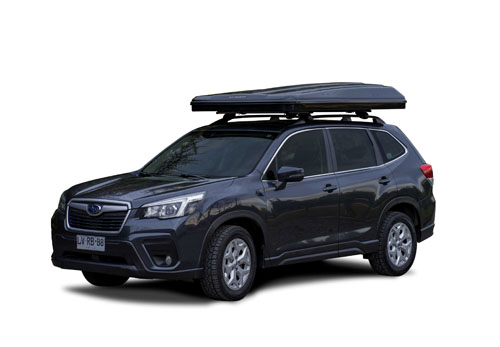
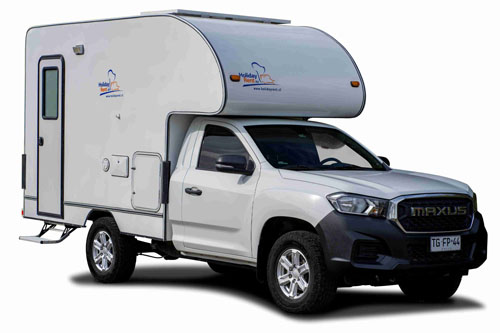
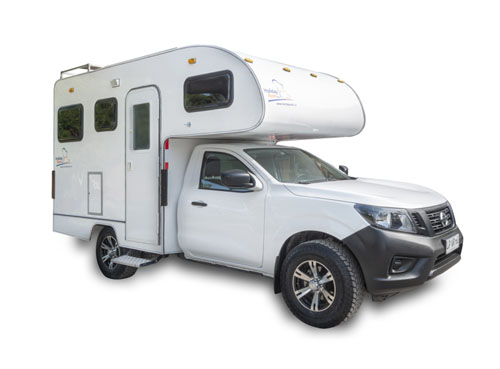
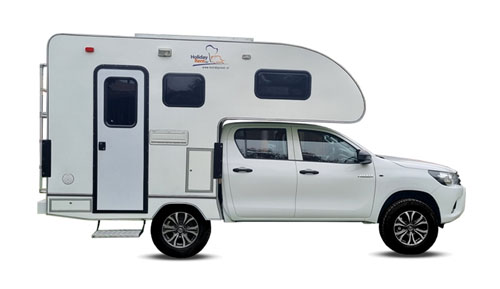
The best RV class for camping in South America for last-minute rentals depends on your travel style, intended routes, and comfort with local road conditions, with smaller, more agile vehicles often being advantageous. Class B - Camper Vans, averaging 5.8 meters in length and designed for 2-3 people, are highly recommended for their maneuverability on narrower roads and ease of parking, making them ideal for both boondocking and accessing smaller campsites; Bandana’s fleet typically offers many units of this versatile class, such as the "rv rental denver example Category Van" for ideal couples travel. Class SI - Semi-integrated motorhomes, with an average length of 6.9 meters and sleeping 3-4 people, offer a good balance of comfort and agility, suitable for longer trips while still managing varied terrain. While larger Class C - Alcove (avg. 7.5m, sleeps 4-6) or Class A - Integrated (avg. 7.5m, sleeps 3-5) RVs provide more space, their size can be challenging on unpaved roads, in bustling city centers, and at border crossings, necessitating careful route planning. Drive slowly and carefully, and you can drive almost anywhere without issues. No need to stress - just use common sense and pay attention.
How to Save on Campgrounds in South America
To save on campgrounds in South America, travelers can leverage strategies like using campground discount cards, booking during the shoulder season, and opting for municipal or regional sites over private resorts. Many RV rental providers, including Bandana, offer campground discount cards that can provide significant savings on daily rates at participating campgrounds across the continent. Booking during the shoulder seasons (spring and autumn) allows for lower rates and fewer crowds compared to peak summer travel, making last-minute finds more affordable. Choosing municipal or regional campgrounds over private resorts often results in substantial savings, as these facilities typically have lower prices due to fewer luxury amenities, and staying 3+ nights can frequently unlock weekly rates for further discounts. Consider sharing hookups and campsites with other RVers if traveling in a group, which can split costs, and look for opportunities for free or low-cost overnight parking options where safe and permitted. For insights into "Cheap RV Rental in South America - Budget Guide 2024" or even "Long-Term RV Rental in South America - Monthly Rates 2024", smart planning can make a big difference.
What is the 3-3-3 rule for RV travel and camping?
The 3-3-3 rule for RV travel and camping suggests driving no more than 300 miles a day, arriving at your destination by 3 PM, and staying for a minimum of 3 nights, promoting a relaxed and safer travel pace. Translating this rule to South America: while '300 miles' might be ambitious given varying road conditions and slower average speeds, adhering to the spirit of shorter driving days (e.g., 3-4 hours) is crucial for safety and enjoyment on often unpaved or winding roads. Arriving by 3 PM is particularly important in South America to allow ample daylight for navigating to your campsite, setting up, and assessing security, especially when seeking unofficial or wild camping spots. Staying for 3 nights allows for deeper cultural immersion, provides time to explore the local area without rushing, and helps justify the effort of reaching your destination, aligning with responsible tourism practices.
Where can I park my RV without paying?
Parking your RV without paying in South America is often possible through wild camping (boondocking), leveraging apps, and seeking local community insights, though options vary significantly by country and region. Comprehensive, actionable overnight parking solutions include using apps like iOverlander, which crowdsources user-contributed locations for free or low-cost camping, including unofficial safe spots, along with reviews and amenities. Beyond dedicated campgrounds, look for opportunities to park overnight at large gas stations (especially those with trucker facilities), in town squares (with permission from local authorities or police), or at specific businesses like restaurants or vineyards that welcome RVers, often for a small fee or in exchange for patronage. Safety protocols dictate that when choosing unofficial spots, prioritize well-lit areas, trust your gut, and secure your vehicle; always inquire locally about safety and legality, as official designated free camping spots are less common than in North America. Remember that full transparency with costs is a Bandana promise, ensuring no hidden fees when you book your last minute rv.
What is the 4-4-4 rule for RV travel?
The 4-4-4 rule for RV travel is a variation of the 3-3-3 rule, suggesting driving no more than 400 miles a day, stopping by 4 PM, and staying at least 4 nights, aiming for a slightly faster yet still leisurely pace. For South America, adopting a '4-4-4' approach may be more challenging due to infrastructure and road conditions; a more realistic adaptation might involve driving for no more than 4 hours, stopping by 4 PM, and staying for 4 nights. Limiting driving hours rather than miles accounts for varying road quality, from well-paved highways to challenging gravel or unpaved tracks, which significantly impact travel speed. The extended stay of 4 nights offers deeper exploration and relaxation, which is highly beneficial for cultural immersion and appreciating the diverse landscapes of South America, while also providing buffer time for unforeseen vehicle maintenance or breakdowns. Comparing a "Luxury RV Rental in South America - Premium Prices 2024" versus a more budget-friendly option can also impact your ability to adhere to such rules, as vehicle robustness may vary.
What are the safest places in South America to travel alone?
The safest places in South America for solo RV travel generally include well-trodden tourist routes in Chile, Argentina, Uruguay, and parts of Peru and Ecuador, which benefit from established infrastructure and local support. Patagonia (Chile and Argentina) is widely considered one of the safest regions for solo travelers due to low crime rates, excellent natural parks, and a strong outdoor adventure culture, though remote areas require self-sufficiency and careful planning. Uruguay offers a relaxed atmosphere and is generally safe, particularly its coastal towns, while the Andean highlands of Peru and Ecuador, when sticking to popular tourist circuits like the Inca Trail or Cotopaxi National Park, are also good options. Detailed safety protocols and mitigation strategies include researching specific routes, sharing your itinerary with trusted contacts, avoiding travel at night, securing your rented RV, and having emergency resources readily available, alongside comprehensive insurance for common issues like theft and vehicle breakdowns. You can always upgrade to a top-level deductible for extra peace of mind when booking with Bandana.
Can you RV in South America?
Yes, you can absolutely RV in South America, offering an incredibly immersive and flexible way to explore the continent's diverse landscapes and cultures, although it requires thorough preparation and adaptability. While specific, step-by-step border crossing guides detail the required documentation, temporary vehicle import procedures, and common pitfalls, generally you'll need your passport, a standard car driver's license (an International Driving Permit is recommended for non-English speakers but not mandatory in most cases), vehicle registration, and sometimes a Carnet de Passages for certain countries. In-depth vehicle preparation and maintenance advice tailored for South American conditions is crucial; this includes essential spare parts (like an extra spare tire and fuel filters) and knowing how to find reliable mechanics, especially in larger towns. Cultural immersion and etiquette guidance is vital for respectful interaction with local communities; learning basic Spanish or Portuguese, understanding local customs, and practicing responsible tourism practices enhance the experience and help mitigate potential issues like corruption or theft. We are true RV specialists, not a travel agency side department, meaning we understand these unique challenges and help prepare you. For example, larger Class A motorhomes might find navigating smaller towns or mountain passes tricky, so planning routes for a bigger rig, or considering convoy travel with other RVers, is a wise strategy.
What is the 10 year RV rule?
The '10-year RV rule' is an informal guideline, primarily enforced by some private RV parks and campgrounds, that may restrict or deny entry to RVs older than 10 years, often based on aesthetic standards rather than safety. In the unique context of South America, this rule is far less common and less strictly enforced than in North America; most campgrounds prioritize vehicle functionality and the traveler's conduct over the RV's age. When renting an RV for South America, especially last minute, the age of the vehicle is generally not a significant barrier for campground entry, but ensuring the vehicle is well-maintained and in good condition is paramount for reliable travel on potentially challenging roads. Instead of focusing on arbitrary age limits, travelers to South America should concentrate on the RV's mechanical soundness, ensuring it's equipped for the journey, and carrying necessary spare parts, which is more relevant to the local infrastructure and travel realities.
Are there RV parks in the country of Panama?
Yes, there are RV parks and campgrounds in the country of Panama, though they are fewer in number and may have more basic facilities compared to those found further south in countries like Chile or Argentina, or in North America. RV parks in Panama are primarily concentrated along the Pan-American Highway and near popular tourist destinations like Panama City, Boquete, or the Caribbean coast, serving both international overlanders and local vacationers. Facilities can range from simple, privately owned plots offering basic hookups (water, electricity) to more established resorts with amenities like restrooms, showers, and Wi-Fi, making it possible to find suitable accommodation for last-minute RV rentals. Travelers should use resources like iOverlander or local travel forums to find current information on available RV parks, their specific amenities, and any recent traveler reviews before arriving.
What You Shouldn't Miss
- **Patagonia's Glaciers:** Witness the majestic Perito Moreno Glacier in Argentina, one of the few advancing glaciers in the world, offering incredible ice trekking experiences.
- **The Atacama Desert's Stargazing:** Explore the otherworldly landscapes of Chile's Atacama Desert by day and marvel at some of the clearest night skies on Earth, ideal for astronomy enthusiasts.
- **The Amazon Rainforest:** Experience the unparalleled biodiversity of the Amazon from a riverboat excursion, or stay in eco-lodges accessible from cities like Manaus, Brazil, or Iquitos, Peru.
- **Colonial Cities and Indigenous Culture:** Wander through the cobbled streets of Cusco, Peru, or Cartagena, Colombia, and immerse yourself in the rich history and vibrant indigenous cultures.
- **The Ruta de los Siete Lagos (Seven Lakes Route):** Drive this scenic route in Argentina's Lake District, offering stunning views of pristine lakes and towering peaks, perfect for a week-long RV journey.
Final Thoughts
Embarking on a last-minute RV camping adventure in South America is an exciting prospect, offering unparalleled flexibility and a deep dive into stunning natural beauty and rich cultural experiences. While some planning is always beneficial, especially for national park reservations, the continent's diverse landscape and welcoming private campgrounds make spontaneous travel entirely possible and wonderfully rewarding. Remember to embrace the local pace, prepare your rented vehicle for varying road conditions, and use reliable resources like RV PLANET (rvplan.net) to find available campsites and map out your journey.
At Bandana, we’re passionate about helping you discover the joy of RV travel. We provide full transparency on prices, offer extensive support before and during your booking, and connect you with top suppliers, so your focus can remain on the adventure ahead. So, go ahead, get inspired for your next trip, and explore the vast and incredible continent of South America!
Compare Last-Minute RV Rental Prices for South America now and start planning your escape!