
In This Guide
- Where to Camp in Russia - Top Options
- Campground Types in Russia (National, Private, Wild)
- Featured RV Park or Campground in Russia
- Hookups & Amenities - What to Expect
- Booking Windows & Reservations in Russia
- Nearby Supermarkets & Resupply Points
- Best RV Class for Camping in Russia
- How to Save on Campgrounds in Russia
- What are the best RV routes and itineraries in Russia?
- How much does an RV trip in Russia cost, including hidden fees?
- What are the rules for wild camping and overnight stays in Russia?
- How can I experience local culture and navigate language barriers while RVing in Russia?
- What vehicle preparation is needed for Russian roads and climate?
- What are essential safety tips and emergency protocols for RVing in Russia?
- What are the procedures for border crossings when RVing into Russia?
- What are the best navigation and connectivity options for RV travel in Russia?
- What You Shouldn't Miss
- Why Book with Bandana Caravan
- Final Thoughts
- Frequently Asked Questions
Embarking on a last-minute RV adventure in Russia offers unparalleled freedom to explore its vast landscapes and rich history. From ancient Golden Ring cities to the pristine shores of Lake Baikal, renting a motorhome provides a unique and flexible way to discover this incredible country. At Bandana RV, we specialize in helping you navigate the world of RV rentals, ensuring full transparency with no hidden fees and 24/7 support for your booking process, so you can travel with complete peace of mind. For live availability and current prices, start with our RV Rental Russia - Complete Guide 2026 guide.
Where to Camp in Russia - Top Options
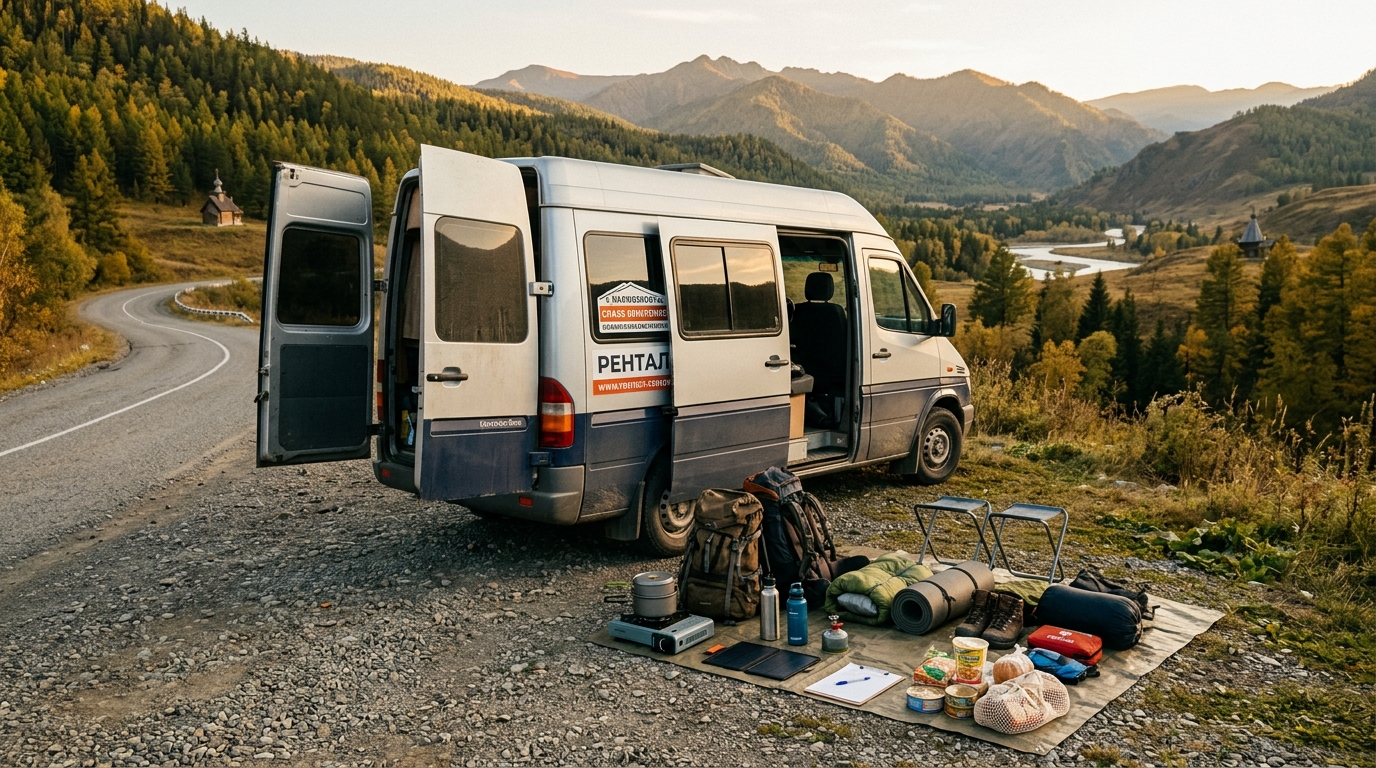
Popular last-minute RV camping regions in Russia include the Golden Ring for historical sites, the vicinities of Moscow and St. Petersburg for urban proximity, and Lake Baikal for nature enthusiasts. These diverse areas offer something for every interest, from cultural exploration to outdoor activities. For spontaneous travelers, identifying private campgrounds or smaller municipal sites that often have unbooked spots is key. Researching specific regional camping itineraries can also help uncover less-known, accessible locations for those spur-of-the-moment stays, providing excellent opportunities for a memorable week-long trip or extended road trip.
Campground Types in Russia (National, Private, Wild)
Russia offers a diverse range of camping experiences, including structured national park sites, commercial private campgrounds, and the potential for wild camping in unrestricted areas. National park sites often require advance permits or bookings, and facilities can be quite basic, focusing on preserving natural environments. Private campgrounds, more common near cities and popular tourist routes, typically provide better amenities like electric hookups (220-240V), showers, and enhanced security, making them suitable for last-minute bookings if available. Wild camping, also known as freedom camping, is generally tolerated in vast, undeveloped, non-private, and non-protected rural areas, though it is not explicitly legal everywhere and requires strict adherence to 'leave no trace' principles. Specific regulations regarding camping vary by region, and it is crucial to avoid private land, military zones, and strictly protected natural reserves without explicit permission or designated sites.
Featured RV Park or Campground in Russia
When searching for a quality RV park or campground in Russia, prioritize establishments that clearly advertise full hookups, adequate security, and convenient proximity to desired attractions or major transportation routes. While large, dedicated RV parks are less prevalent than in some Western countries, quality sites can be found near major cities like Moscow and St. Petersburg, or within popular tourist circuits such as the Golden Ring. Look for campgrounds that offer essential utilities like electricity (220-240V with Type C/F plugs), fresh water, and waste disposal facilities. Checking recent reviews or calling ahead to confirm amenities and English-speaking staff is advisable for international travelers seeking a comfortable spot for their rented motorhome.
Hookups & Amenities - What to Expect
In Russia, the availability of RV hookups and amenities varies significantly; private campgrounds typically offer electric hookups (220-240V with Type C/F plugs), water, and dump stations, while national park or wild camping sites provide minimal to no facilities. Always carry European Type C/F plug adapters and surge protectors for electric hookups, which are standard at most commercial sites. Potable water access is usually available at private sites, often from a shared spigot, but carrying a water filter or bottled water for wild camping is recommended. Dump stations for black and grey water are primarily found at larger, private campgrounds; boondockers must plan for responsible waste disposal. For those enjoying a home-cooked meal in their rented camper, remember you'll find everything you need in the well-equipped kitchen. Need some inspiration? Check out our RV-friendly recipes playlist. Wi-Fi and internet access can be spotty, especially in remote areas, so a local SIM card is crucial for connectivity, while laundry and shower facilities are typically confined to private campgrounds. On the routes offered through RV PLANET routes, you can itemize and track every expense along the way for easy budgeting.
Booking Windows & Reservations in Russia
For last-minute RV rentals in Russia, while peak season spots in popular areas can be competitive, many campgrounds-especially smaller private ones or those outside major tourist hubs-often have same-day or next-day availability. Pre-planners should book popular national park campgrounds 3-6 months in advance for peak summer travel, particularly for specific coveted sites. Spontaneous travelers benefit from a common rule that many national park campgrounds release only 25-30% of spots for reservations, leaving the majority for first-come, first-served arrivals, which significantly increases last-minute chances. You will almost certainly find a place - if not the first campground, then the next, especially when traveling outside the immediate vicinity of major cities or peak tourist destinations. It is highly recommended to call campgrounds directly before driving there, as online booking systems are not universally adopted, particularly in more rural or less tourist-oriented areas.
Nearby Supermarkets & Resupply Points
For resupplying your rented RV in Russia, major cities and towns along popular routes are well-equipped with supermarkets; look for prominent national chains such as Magnit, Pyaterochka, or Lenta for a wide range of groceries and essentials. In more rural or remote areas, smaller local shops, often called 'Magazin,' will provide basic necessities, though selection may be limited. Local markets ('Rynok') are excellent places for fresh produce, regional delicacies, and a more authentic cultural experience, often at competitive prices. It is advisable to stock up on food, water, and other supplies before embarking on journeys into very remote regions where retail options become sparse. Remember, for easy budgeting and tracking all ancillary trip costs like groceries, fuel, and campground fees, RV PLANET routes allow you to itemize every expense along the way.
Best RV Class for Camping in Russia
For camping in Russia, especially when venturing beyond paved main roads or requiring flexibility for last-minute stops, smaller and more agile RV classes such as a Class B Camper Van or a Class SI Semi-integrated model are often the most suitable choice. Bandana's Class B Camper Vans, averaging 5.8m in length and consuming around '8-10 Liter/100 Km,' are highly maneuverable on variable road conditions, discreet for wild camping, and excellent for boondocking, though they offer limited interior space. The "rv rental denver example Category Van" is ideal for a couple, offering shower and toilet in a recent, small model. Class SI Semi-integrated RVs from Bandana, like the "Active Bunk Auto" (automatic transmission, ideal for 2 couples, 6.9m length, 10-11 Liter/100 km fuel consumption) provide a good balance of comfort and agility, accommodating around 3-4 sleeping places and suitable for couples or small families on both established routes and some less-developed paths. While Class C motorhomes, like the "24' Class C Motorhome" with a length of 7.46m and sleeping for 5, and Class A motorhomes offer more space and amenities, their larger size can be challenging on narrower or rougher Russian roads. For truly rugged adventures, the "Patagonia Camper 4x4 double cab" is a Class TC Truck Camper with 4 Wheel Drive, ideal for a couple, though it might have fewer interior comforts than other classes.
How to Save on Campgrounds in Russia
To maximize savings on RV campgrounds in Russia, strategically consider utilizing any campground discount cards potentially offered by your rental provider, opting for shoulder season travel, choosing municipal over private resorts, and negotiating longer stays for weekly rates. Enquire with your rental company if they offer or participate in any campground discount programs that could be applicable at Russian sites. Traveling during the shoulder season (spring or autumn) typically results in lower prices, fewer crowds, and greater availability for last-minute bookings. Municipal or regional campgrounds often present a more budget-friendly alternative to private resorts, though they may offer more basic amenities. Many campgrounds provide discounted weekly or multi-night rates, so planning to stay three or more nights at a single location can lead to significant savings. Responsible wild camping in non-protected, non-private areas is a free alternative, provided all 'leave no trace' principles are strictly followed. To get the best offers, check our "Cheap RV Rental in Russia - Budget Guide 2026".
What are the best RV routes and itineraries in Russia?
The best RV routes in Russia typically focus on culturally rich areas like the Golden Ring, natural wonders such as Lake Baikal, or segments of the historic Trans-Siberian route, offering diverse itineraries for various interests. For historical and cultural immersion, the Golden Ring route encompasses ancient cities like Suzdal, Vladimir, and Sergiev Posad, offering well-maintained roads and numerous attractions. Nature enthusiasts can explore the breathtaking landscapes around Lake Baikal in Siberia, known for its pristine waters and opportunities for hiking, fishing, and boating, though requiring more robust vehicle preparation. Segments of the Trans-Siberian route provide an epic journey through vast Russian landscapes, with stops in major cities like Kazan, Yekaterinburg, and Novosibirsk. More adventurous itineraries might include the remote volcanic regions of Kamchatka, which demand significant planning, a capable vehicle, and a spirit for exploration. Utilizing offline navigation apps and local travel blogs is crucial for customizing and navigating these routes, ensuring a rich and rewarding rented RV experience tailored to specific historical, nature, or urban interests. For pre-planned routes developed by professionals, explore the 1,300+ options across 5 continents via RV PLANET (rvplan.net) and receive a 25% planning discount when you use the service to create your dream trip.
How much does an RV trip in Russia cost, including hidden fees?
A comprehensive RV trip cost in Russia must account for not only the rental fee but also fuel (which varies regionally), camping fees, visa processing, mandatory vehicle insurance, potential repairs, local food, and any necessary permits. RV rental costs fluctuate significantly based on the vehicle class (e.g., a Class B campervan being generally more economical than a large Class A motorhome like the "Elite Traveller"), season, rental duration, and the spontaneity of the booking. Fuel is a substantial expense due to long distances, with Bandana's Class SI motorhomes typically consuming '10 - 11 Liter/100 km,' and prices varying between regions, necessitating a flexible budget. Camping fees range from free for responsible wild camping to ₽500-2000+ per night for private campgrounds offering full amenities. Non-rental related costs include the mandatory Russian visa processing fee, which can be considerable and requires advance planning. Vehicle insurance is typically included in the rental but verify coverage details for specific road conditions or potential mechanical issues; budgeting for unexpected repairs is prudent, especially in remote areas where mechanics may be scarce. Daily expenses for local food are generally affordable, particularly when shopping at markets, while any required national park entry fees or special permits for activities like fishing should also be factored in. At Bandana RV, we pride ourselves on full transparency, meaning what you see is what you pay, with no surprise fees at pickup.
What are the rules for wild camping and overnight stays in Russia?
Wild camping in Russia is largely tolerated in undeveloped, non-private, and non-protected areas, but it is not universally legal; always practice 'leave no trace' principles and be aware of specific regional restrictions and national park regulations. While there's no explicit law broadly legalizing wild camping, it's generally accepted in vast rural areas away from settlements and private property. Strict prohibitions and regulated camping apply within national parks, nature reserves, and other protected environmental zones, where permits are often required for designated campsites. Adherence to 'leave no trace' principles is paramount: pack out all trash, avoid disturbing wildlife, minimize fire impact, and leave your campsite as you found it. Before choosing an overnight spot for your rented campervan, verify it is not private land, a military zone, or a protected area; using satellite maps can help identify suitable remote locations. Be prepared for self-sufficiency regarding water, waste disposal (grey and black water), and sanitation, as no facilities will be available during wild camping.
How can I experience local culture and navigate language barriers while RVing in Russia?
To deeply experience Russian culture and navigate language barriers while RVing, learn a few basic Russian phrases, practice local etiquette, seek out authentic local food markets and cafes, and engage respectfully with communities. Learning essential Russian phrases such as greetings, 'thank you,' 'please,' and 'do you speak English?' significantly enhances interactions and shows respect. Utilize offline translation apps like Google Translate or Yandex Translate, which can be invaluable for more complex conversations or deciphering signs and menus. Familiarize yourself with Russian etiquette, which often includes initial reservedness that typically gives way to warmth and hospitality once a connection is established. Seek out local markets (rynoks) for fresh produce and authentic culinary experiences, and visit small, non-touristy cafes or 'stolovyas' for traditional, affordable meals. Be patient and open to communicating through gestures; while English proficiency is growing, particularly among younger generations in cities like Moscow and Saint Petersburg, it remains less common in rural areas.
What vehicle preparation is needed for Russian roads and climate?
Preparing a rented RV for Russian roads and climate requires detailed attention to winterization if traveling in colder months, ensuring off-road readiness for variable road quality, carrying essential spare parts, and understanding regional fuel quality considerations. Russian road quality varies from excellent major highways to poorly maintained or unpaved sections, especially in rural areas, making an RV with good ground clearance advisable. For travel in colder seasons, ensure the rented motorhome is thoroughly winterized with appropriate insulation, anti-freeze, a robust heating system, and suitable winter tires (which may include studded tires in some regions). Vehicle readiness for varied terrain includes checking tire condition, carrying a full-sized spare, and a basic toolkit for minor repairs, as mechanics can be sparse in remote regions. Be aware of fuel quality, generally reliable at major brand stations (Lukoil, Rosneft, Gazpromneft) in urban areas, but potentially potentially variable elsewhere; carrying a portable fuel filter might be a wise precaution. Always carry original vehicle registration, an International Driving Permit (IDP), and proof of insurance, as well as a pre-planned roadside assistance strategy for unforeseen breakdowns. Drive slowly and carefully, and you can drive almost anywhere without issues. No need to stress - just use common sense and pay attention.
What are essential safety tips and emergency protocols for RVing in Russia?
For safe RVing in Russia, implement proactive safety measures including memorizing local emergency numbers, understanding how to interact with authorities, being aware of common road hazards, and establishing communication strategies for remote areas. Key emergency numbers include 112 (universal), 01 (fire), 02 (police), and 03 (ambulance); have these readily accessible. When dealing with police or authorities, remain polite and patient, always presenting your International Driving Permit (IDP), passport, visa, and vehicle registration promptly upon request. Be vigilant for common road hazards such as deep potholes, unmarked construction zones, wandering animals (especially in rural regions), and aggressive driving styles. Ensure robust communication capabilities by purchasing a local SIM card (e.g., MTS, Megafon, Beeline) for phone and data coverage, and consider renting a satellite phone for extensive travel in truly remote areas with no cellular signal. Prioritize personal safety by securing your rented caravan, avoiding overt displays of valuables, and being cautious in unfamiliar urban environments, particularly after dark.
What are the procedures for border crossings when RVing into Russia?
RV border crossings into Russia, such as from Finland, Mongolia, or Georgia, require precise documentation including passports, valid visas, vehicle registration, and International Driving Permits, with customs procedures and waiting times varying significantly by crossing point. Essential documents for all foreign nationals include a valid passport with a Russian visa, an International Driving Permit (IDP) alongside your national driver's license, and original vehicle registration documents. You will typically need to complete a temporary import declaration for your rented motorhome at the border, which must be retained carefully as it is required upon exit. Vehicle insurance valid for Russia, such as a Green Card, is mandatory; if your existing policy doesn't cover Russia, you will need to purchase temporary insurance at the border. Expect thorough vehicle inspections, potentially longer waiting times, and be prepared for possible language barriers, although some major crossings, like those near Saint Petersburg or Ekaterinburg, may have English-speaking staff. Specific research on your chosen border crossing point (e.g., Vaalimaa/Torfyanovka for Finland, Tashanta for Mongolia, Verkhny Lars for Georgia) is crucial for up-to-date requirements, operating hours, and anticipated customs procedures.
What are the best navigation and connectivity options for RV travel in Russia?
For RV travel in Russia, reliable navigation can be achieved with robust offline maps like MAPS.ME or Google Maps, complemented by local SIM cards from providers such as MTS or Megafon for digital connectivity, which is especially important in remote areas. Offline navigation applications are essential due to inconsistent cellular coverage, with MAPS.ME offering detailed maps and points of interest, and Google Maps allowing pre-downloading of entire regions. Yandex Maps is a popular Russian alternative, offering excellent local detail and traffic information, with an option to download maps for offline use. Purchasing a local SIM card upon arrival from major providers like MTS, Beeline, Megafon, or Tele2 ensures cellular connectivity for calls and mobile data, crucial for real-time information and emergencies. While 4G/LTE coverage is generally good in urban areas and along main highways, expect connectivity to be sparse or non-existent in very remote or wilderness regions. For extensive travel in truly remote areas, such as parts of Siberia or the Russian Far East, renting a satellite phone should be considered as a critical communication backup.
🎬 Video coming soon
What You Shouldn't Miss
- **The Golden Ring Cities**: Explore the ancient towns of Suzdal and Vladimir, offering a glimpse into Russia's rich historical and architectural heritage with stunning cathedrals and monasteries.
- **Lake Baikal**: Journey to Siberia to witness the world's deepest and oldest freshwater lake. Its crystal-clear waters and surrounding mountains provide breathtaking scenery and opportunities for hiking, kayaking, or even ice driving in winter.
- **St. Petersburg's Imperial Grandeur**: Immerse yourself in the cultural heart of Russia with a visit to St. Petersburg. Don't miss the Hermitage Museum at the Winter Palace, the magnificent Peterhof Palace, and the Church of the Savior on Spilled Blood. You can explore rental options via RV Rental in Saint Petersburg 2026.
- **Moscow's Iconic Landmarks**: Discover the vibrant capital, Moscow, where Red Square, the Kremlin, and St. Basil's Cathedral stand as iconic symbols of Russia. Enjoy a bustling city experience with world-class museums and theater. Find your perfect campervan for the city with RV Rental in Moscow 2026.
- **The Ural Mountains**: Explore the natural beauty of the Ural Mountains, the traditional boundary between Europe and Asia. This region offers stunning landscapes for hiking and experiencing diverse ecosystems, perfect for those with a rented mobile home.
- **Volga River Cruise**: Consider taking a segment of your trip along the mighty Volga River, Russia's longest river in Europe, stopping at picturesque towns and enjoying the serene waterways with your rented RV.
Looking for expert insights from Avi Bandana? Top 5 Adventures - recommendations from Avi Bandana
Final Thoughts
Exploring Russia by rented RV is an extraordinary way to connect with its vast natural beauty and profound cultural heritage. From the bustling streets of Moscow to the tranquil expanses around Lake Baikal, a motorhome offers the flexibility and comfort to truly immerse yourself in the experience. Remember to travel slowly, averaging no more than 100-150 km per day, allowing yourself ample time to savor each moment, connect with the local culture, taste the authentic food, and truly feel the place.
We're here to make your journey effortless, from helping you compare last minute rv rental deals in Russia to providing transparent pricing and valuable planning resources. With our commitment to honesty and dedicated support, you can embark on your Russian adventure confidently, knowing you have a trusted partner every step of the way. Get inspired for your next trip and discover top destinations, planning tips, all in one place!
So, why wait? Your unforgettable RV adventure in Russia is just a few clicks away. Start planning your dream route today and prepare for an incredible journey of discovery!
