In This Guide
- Where to Camp in Portugal - Top Options
- Campground Types in Portugal (National, Private, Wild)
- Featured RV Park or Campground in Portugal
- Hookups & Amenities - What to Expect
- Booking Windows & Reservations in Portugal
- Nearby Supermarkets & Resupply Points
- Best RV Class for Camping in Portugal
- How to Save on Campgrounds in Portugal
- How Much Does a Last Minute RV Rental in Portugal Cost?
- Is Wild Camping Legal for RVs in Portugal?
- What Are the Main Challenges of RVing in Portugal?
- How Can I Experience Authentic Portuguese Culture by RV?
- Where Can I Find Hidden Gems and Local Secrets by RV in Portugal?
- Can I Travel with Pets in an RV in Portugal?
- How to Manage Food and Drink on an RV Trip in Portugal?
- How to Practice Sustainable RV Travel in Portugal?
Embarking on a last-minute RV camping adventure in Portugal offers unparalleled freedom and discovery. Imagine waking up to the gentle sounds of the Atlantic coast, the sun warming your rented motorhome, and a fresh Portuguese pastry awaiting you. Portugal, with its diverse landscapes from golden beaches to rolling vineyards and historic towns, is an ideal destination for an impromptu road trip by campervan. Whether you're a seasoned RVer or considering your first mobile home journey, this guide provides all the essential information for securing available sites and making the most of your spontaneous Portuguese escape. For live availability and current prices, start with our RV Rental Portugal - Complete Guide 2026 guide.
Where to Camp in Portugal - Top Options
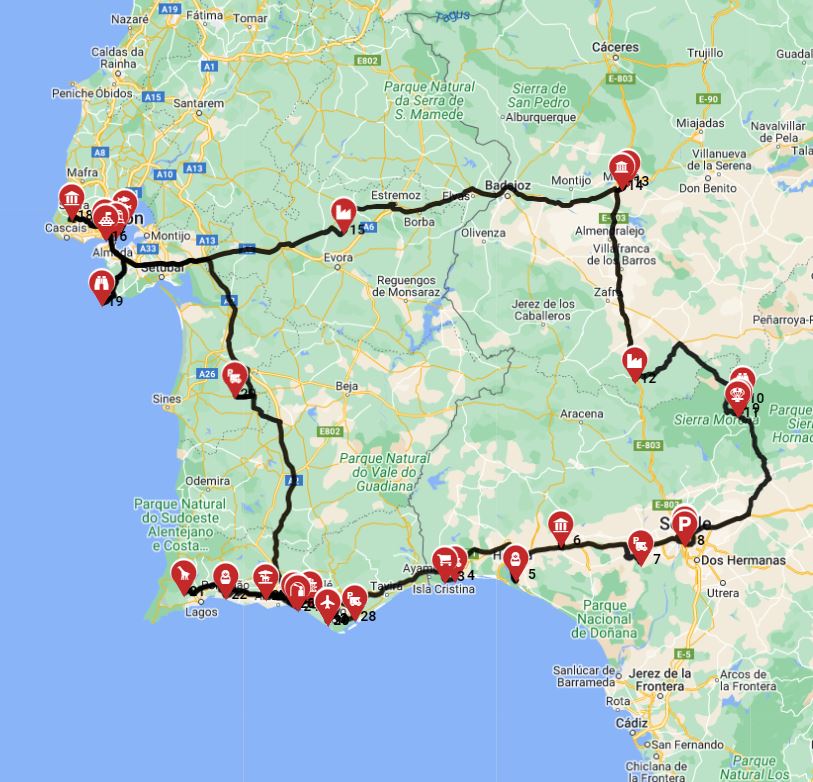
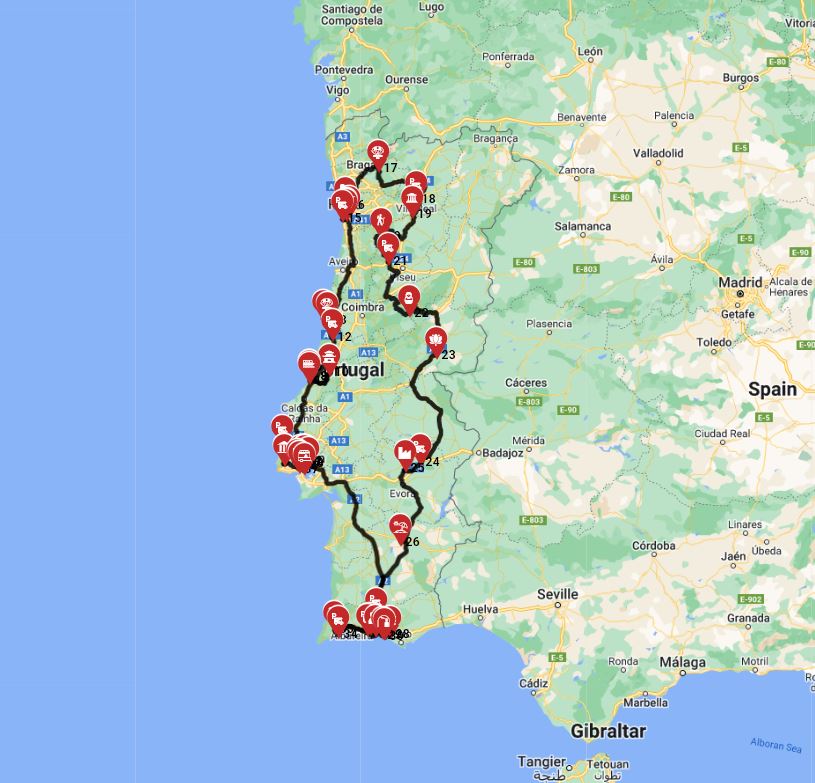
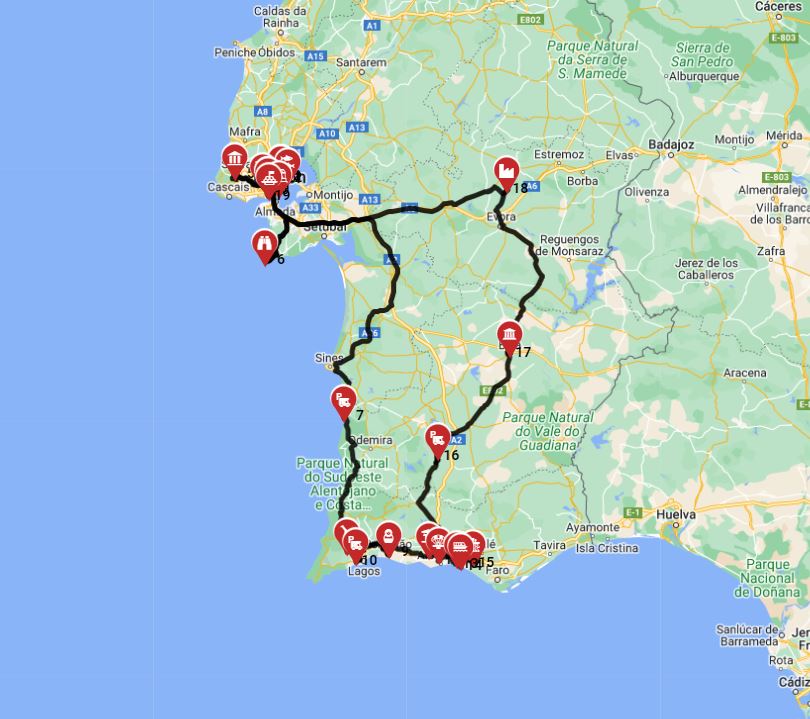
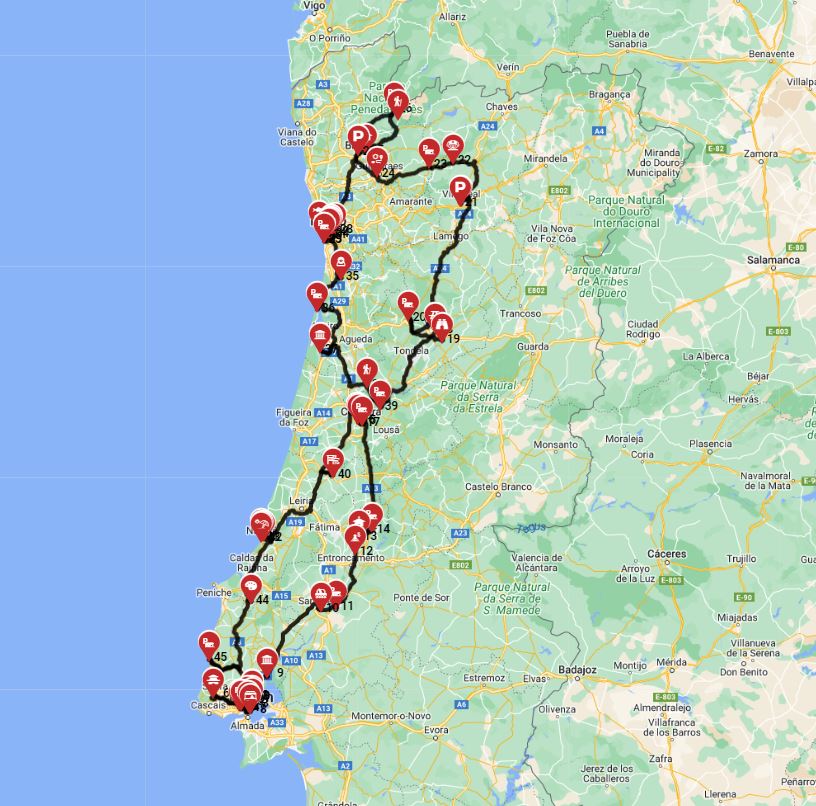
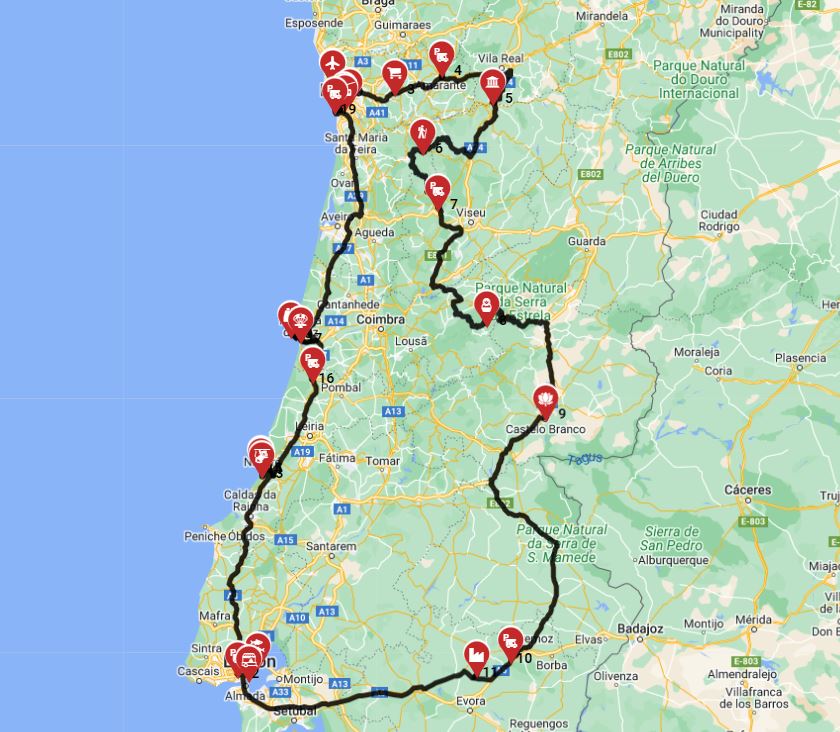
Portugal offers diverse RV camping experiences across its regions, providing options from bustling coastal resorts to tranquil rural retreats. The Algarve region is particularly popular for coastal access, boasting over 100 private campgrounds and motorhome service areas along its stunning 150 km coastline, perfect for sun-seekers and beach lovers. In contrast, Central Portugal and Alentejo provide serene rural settings, often found near historical sites and charming, less-crowded villages. The Lisbon Coast, while offering proximity to the capital's vibrant culture, also allows for easy access to beautiful beach camping opportunities, striking a balance between city exploration and natural relaxation. Many of these regions offer excellent facilities, making last-minute planning easier than you might expect.
Campground Types in Portugal (National, Private, Wild)
Portugal offers a mix of private campgrounds, municipal sites, and strict regulations against wild camping, especially in protected areas. Private campgrounds (Parques de Campismo Privados) are the most common and provide a full range of amenities, including electricity (typically 220V with standard European sockets), fresh water, hot showers, and often additional comforts like pools, restaurants, and Wi-Fi. Municipal sites (Parques de Campismo Municipais) are generally more basic and budget-friendly, often managed by local councils in smaller towns and villages. It's crucial to understand that wild camping (acampamento selvagem) and uncontrolled overnight parking are generally illegal across Portugal, with specific regional variations and strict enforcement in natural parks, coastal zones, and protected areas, leading to potential fines that can range from €120 to €600. Always opt for designated campsites or official motorhome service areas (Áreas de Serviço para Autocaravanas - ASA) to ensure a legal and stress-free trip. For travelers looking for more luxurious experiences, our guide Luxury RV Rental in Portugal - Premium Prices 2026 offers great insights.
Featured RV Park or Campground in Portugal
When seeking a featured RV park in Portugal, look for sites offering modern facilities, good connectivity, and proximity to natural or cultural attractions. For instance, parks in the Algarve like Camping Orbitur Sagres or Parque de Campismo da Praia da Luz are highly rated for their ocean views, cleanliness, and proximity to stunning beaches. These often provide full hookups, strong Wi-Fi, laundry services, and secure parking for all sizes of motorhomes, from compact campervans to larger Class C models. Many top-rated RV parks are situated near stunning beaches, historical towns, or within easy reach of hiking trails, enhancing your overall experience. Always check recent reviews and amenities before committing to a spot, especially if you have specific needs like pet-friendly facilities or a particular type of electrical hookup.
Hookups & Amenities - What to Expect
Most modern campgrounds in Portugal provide essential hookups including electricity, fresh water, and grey/black water disposal points. Electricity typically runs at 220-230V with CEE 7/4 "Schuko" sockets, so ensure you have the appropriate adapter for your rented camper or motorhome. Access to reliable freshwater refill stations and proper waste disposal points is crucial for longer trips, allowing you to easily maintain your RV's onboard systems. Many sites offer Wi-Fi, though quality can vary, especially in more remote areas. Communal laundry facilities and hot showers are standard, and you might even find amenities like swimming pools, children's play areas, and small shops, making your stay comfortable and convenient. For detailed cost estimations, our guide Weekly RV Rental in Portugal - Pricing 2026 can be a great resource.
Booking Windows & Reservations in Portugal
For last-minute RV rentals in Portugal, while popular sites fill fast, spontaneous travelers can often find spots by calling ahead or arriving early, as many national park campgrounds reserve a portion for walk-ins. During peak season, typically July and August, booking ahead several weeks or months is highly recommended for popular coastal or national park campgrounds to guarantee a spot. However, in shoulder seasons, usually April-June and September-October, and especially during the off-season, last-minute availability is much higher. Many national park campgrounds, in fact, only release 25-30% of their spots for reservations, leaving the remaining 70-75% for first-come, first-served arrivals. This increases your chances of finding a spontaneous spot. It is always best practice to call the campground directly a few hours before driving to confirm availability, especially for larger motorhomes. Don't stress too much about finding a spot; if not at the first campground, then the next one is usually not far away.
Nearby Supermarkets & Resupply Points
RVers in Portugal can easily resupply at major supermarket chains like Continente, Pingo Doce, and Lidl, which are found in most towns and cities across the country. These large supermarkets offer a wide range of groceries, including fresh produce, meat, dairy, and essential RV supplies like cleaning products or propane canisters. For a more authentic experience and to find exquisite local ingredients, be sure to visit municipal markets (mercados municipais), which are vibrant hubs for fresh fruits, vegetables, seafood, and artisanal products. Smaller convenience stores or 'minimercados' are also widely available in villages for quick top-ups. Don't forget that cooking your own meals in your rented RV's kitchen is a fantastic way to save money and enjoy fresh, local Portuguese flavors. You can find inspiration and ideas on our RV-friendly recipes playlist. On the routes offered through RV PLANET routes, you can itemize and track every expense along the way for easy budgeting.
Best RV Class for Camping in Portugal
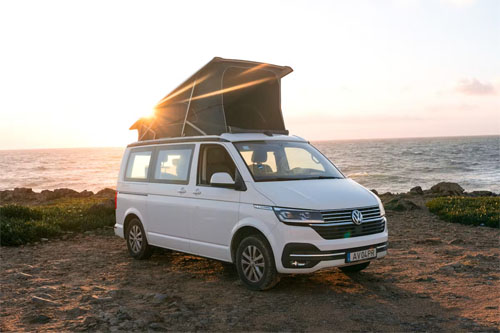
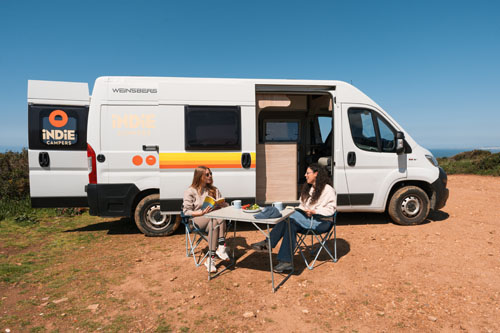
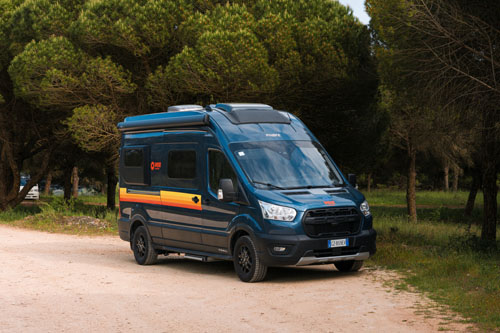
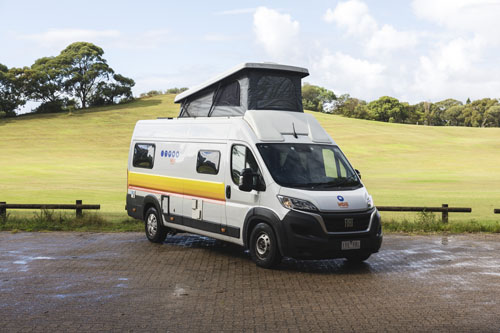
Choosing the best RV class for camping in Portugal depends on your travel style, group size, and comfort preferences, balancing maneuverability on narrow roads with onboard amenities. For navigating Portugal's narrower roads, historic villages, and for discreet last-minute parking, a Class B campervan is often ideal. These nimble vehicles, like a campervan hire new zealand example Aquila (an automatic transmission model, ideal for a couple), typically have an average length of around 5.8m and seating for 2-3 adults. They consume approximately 10 liters per 100 km of fuel, making them efficient for exploring. If you need a bit more space, a Class SI semi-integrated motorhome, such as the 2 Berth Tamar, averaging 6.9m in length, accommodates 3-4 adults and strikes a good balance between size and comfort. For families, a Class C alcove motorhome, with an average length of 7.5m and sleeping 4-5 adults, provides more room and amenities. Drive slowly and carefully, and you can drive almost anywhere without issues. No need to stress - just use common sense and pay attention. While larger Class A integrated motorhomes offer luxury and spacious living, they are best suited for main roads and larger campgrounds, requiring more careful navigation in towns and consuming around 11-12 liters per 100 km.
How to Save on Campgrounds in Portugal
Saving on campground fees in Portugal can be achieved by utilizing discount cards, booking during the shoulder season, and opting for municipal or regional sites over private resorts. Investing in camping discount cards, such as ACSI or CampingCard International, which are widely accepted at many campgrounds, can offer significant savings of 10-30% on nightly rates, especially outside of peak season. Traveling during the shoulder seasons (spring and fall) naturally leads to lower rates and fewer crowds compared to the bustling summer months of July and August. Additionally, choosing municipal or regional campgrounds (Parques de Campismo Municipais/Regionais) is typically more affordable than luxury private resort-style parks, often costing €15-€25 per night compared to €30-€40+. Many campgrounds also offer weekly rates that are more economical than nightly stays, making longer visits more cost-effective. Consider opting for non-electric pitches if your rented RV is self-sufficient, as these can also reduce costs.
How Much Does a Last Minute RV Rental in Portugal Cost?
A last-minute RV rental in Portugal can vary widely, typically ranging from €70-€150 per day for smaller campervans and Class B models to €150-€300+ for larger Class C or luxury units, excluding fuel, tolls, and campground fees. Rental prices are dynamic, influenced by the RV class, rental duration (longer trips often have lower daily rates), seasonality (peak season like July/August sees significantly higher prices), and current availability. Additional costs you'll need to budget for include fuel, which for most RVs will be around 10-12 liters per 100 km, electronic tolls, campground fees (typically €15-€40 per night), and daily expenses like food and activities. While booking last minute might sometimes yield discounts on off-peak rentals, it can also lead to higher prices if demand is high for limited remaining inventory, so flexibility is key. A detailed budget should account for the daily rental, estimated fuel costs, tolls, campsite fees, groceries, and a buffer for unexpected expenses or spontaneous activities. You can itemize and track every expense along the way for easy budgeting using RV PLANET routes.
Is Wild Camping Legal for RVs in Portugal?
Wild camping and overnight parking outside of official campsites is generally illegal in Portugal and can result in significant fines, especially in protected natural areas and coastal zones. Strict laws were reinforced in 2021 to prohibit free camping outside authorized sites, with fines ranging from €120 to €600 for violations. While there's a distinction between parking (simply staying within your vehicle for a limited time) and camping (deploying awnings, chairs, extending slide-outs), only parking might sometimes be tolerated for short periods in non-restricted areas. However, this is largely at the discretion of local authorities and is not recommended as a reliable strategy. It is crucial for last-minute rv renters to research specific regional regulations, as enforcement can vary, and always prioritize official campgrounds or designated motorhome service areas (Áreas de Serviço para Autocaravanas - ASA) to avoid legal issues, respect local communities, and protect Portugal's beautiful environment.
What Are the Main Challenges of RVing in Portugal?
Key challenges for RVing in Portugal include navigating narrow historical village roads, understanding electronic toll systems, finding reliable waste disposal and water refill points, and securing parking in popular areas. Many older Portuguese towns and villages feature very narrow, winding streets that can be challenging for larger motorhomes; smaller campervans (Class B) are often more suitable here. For all RV sizes, drive slowly and carefully, and you can drive almost anywhere without issues. No need to stress - just use common sense and pay attention. Portugal's electronic toll system, particularly 'Via Verde,' requires pre-payment or linking your vehicle to a transponder, which can be complex for foreign RVers; researching options like EasyToll or obtaining a Via Verde device ahead of time is highly recommended to avoid unexpected fines. While official campgrounds provide services, finding reliable and accessible waste disposal (grey/black water) and freshwater refill points outside of these can sometimes require planning. Parking an RV, especially in busy cities like Lisbon or Porto or popular tourist destinations along the Algarve, can be difficult and expensive, often necessitating early arrival or parking slightly outside town centers and using public transport. Consistent internet connectivity, while generally available, can be patchy in more remote regions, which might be a concern for digital nomads or those relying heavily on navigation apps.
How Can I Experience Authentic Portuguese Culture by RV?
To experience authentic Portuguese culture by RV, seek out local markets, participate in regional festivals, learn basic Portuguese phrases, and visit lesser-known villages away from major tourist hubs. Your rented RV provides the flexibility to dive deeper into local life. Leverage its mobility to visit vibrant municipal markets for fresh produce, cheeses, and artisanal goods, which are rich hubs of community life and flavor. Time your trip to coincide with regional festivals (festas), which offer unique insights into local traditions, music, dance, and food, often in charming village settings. Practicing basic Portuguese phrases, even just a few words like "olá" (hello) or "obrigado" (thank you), can significantly enhance your interactions with locals and demonstrate respect. Venture beyond major tourist hotspots to discover hidden gems like the schist villages of Central Portugal, the historical towns of the Alentejo, or the less-explored regions of the North, where traditional life often continues unchanged. Engaging with local businesses, from family-run restaurants to small craft shops, is a wonderful way to support the community and gain genuine cultural insights. Remember to travel slowly, max 100-150 km per day on average, to truly feel the place, connect to the culture, the food, and the scenery.
Where Can I Find Hidden Gems and Local Secrets by RV in Portugal?
RV travel in Portugal uniquely enables access to hidden gems such as the remote villages of the Alentejo, the wild beaches of the Vicentine Coast, and untouched natural parks beyond the well-trodden paths. Explore the vast, unspoiled landscapes of the Alentejo, a region of rolling hills and cork forests, visiting whitewashed villages like Monsaraz or Marvão, and sampling local wines and olive oils directly from producers. Discover the wild, rugged beauty of the Costa Vicentina, a protected natural park boasting stunning beaches and surf spots far from the more crowded Algarve resorts. Venture into the Serra da Estrela, Portugal's highest mountain range, for breathtaking hiking trails, dramatic views, and traditional mountain villages, which are often quieter outside of winter sports season. Seek out the 'aldeias históricas' (historic villages) in Central Portugal, medieval strongholds like Sortelha or Monsanto, steeped in history and often overlooked by mainstream tourism. Utilizing local knowledge from campground hosts or tourist offices in smaller towns can help you uncover authentic, off-the-beaten-path experiences that truly showcase Portugal's diverse beauty. Our "RV Rental Europe - Complete Guide 2026" also offers a broader perspective on exploring hidden gems across the continent.
Can I Travel with Pets in an RV in Portugal?
Traveling with pets in a rented RV in Portugal is generally possible, but requires careful planning to ensure compliance with pet import regulations, identify pet-friendly campsites, and respect local etiquette. For entry into Portugal, ensure your pet has all necessary vaccinations, microchipping, and a valid EU Pet Passport, as these are mandatory requirements for travel within the Schengen Area. It's essential to research and book pet-friendly campsites in advance, as not all campgrounds accommodate animals, and some may have breed or size restrictions. Be aware of local etiquette: pets are often not allowed on public beaches during peak season (typically June-September), inside restaurants (unless specifically indicated), or in certain protected natural areas. Always keep pets on a leash in public areas and clean up after them promptly to maintain good relations with locals and avoid fines. Being a responsible pet owner will ensure a smooth and enjoyable trip for everyone.
How to Manage Food and Drink on an RV Trip in Portugal?
Managing food and drink on an RV trip in Portugal is incredibly convenient, thanks to well-equipped RV kitchens and abundant local markets offering fresh, high-quality ingredients for cooking traditional meals. Utilize your rented RV's kitchen facilities, which typically include a stove, refrigerator, and sink, to prepare delicious meals with fresh, seasonal produce, meats, and seafood purchased from local markets and supermarkets. Explore Portugal's rich gastronomic scene by visiting specific regions for their specialties, such as port wine tasting in the Douro Valley, fresh seafood in the Algarve, or olive oil farms in the Alentejo. Discover local bakeries (padarias) for fresh bread and pastries, and charcuteries for regional cheeses and cured meats, which make for perfect RV picnic provisions. Consider bringing a portable grill for outdoor cooking at your campsite, always adhering to fire safety regulations. Always ensure proper storage for perishable goods, especially in warmer months, to make the most of your RV kitchen and culinary adventures. Check out our RV-friendly recipes playlist for more meal ideas.
How to Practice Sustainable RV Travel in Portugal?
Practicing sustainable RV travel in Portugal involves minimizing environmental impact by conserving water and energy, disposing of waste responsibly, respecting local communities, and supporting ethical local businesses. Conserve water by taking shorter showers and using efficient washing methods for dishes, being mindful of your fresh and grey water tank capacities. Minimize energy consumption by unplugging devices and turning off lights when not needed. Always dispose of all waste responsibly at designated dump stations and recycling points available at most campgrounds and motorhome service areas, adhering strictly to 'leave no trace' principles in natural environments. Support local economies by purchasing goods and services from small, independent businesses, dining at local eateries, and buying artisanal products directly from producers. Respect local communities by being mindful of noise levels, especially in quiet villages and campgrounds during siesta hours or late evenings, and adhering to local customs and quiet times. Stay on designated roads and trails to protect fragile ecosystems and natural habitats, particularly in national parks and protected areas. By following these practices, you ensure your rented motorhome adventure is enjoyable and contributes positively to Portugal's beautiful landscapes and communities.
What You Shouldn't Miss
- **The Douro Valley Wine Region**: Drive your rented motorhome through this UNESCO World Heritage site, enjoying breathtaking terraced vineyards and stopping at quintas (wine estates) for tastings of world-renowned Port wine.
- **The Beaches of the Algarve**: Explore the stunning golden cliffs and hidden coves, perhaps parking your RV near Lagos or Faro, and enjoy water sports, boat trips, or simply soaking up the sun.
- **Sintra's Fairytale Castles**: Park outside this magical town (it’s easier with a smaller campervan) and explore the whimsical Pena Palace and Quinta da Regaleira with its mysterious initiation wells.
- **Lisbon's Historic Charms**: Stay at a campground outside the city and use public transport to wander through Alfama's narrow streets, enjoy Fado music, and taste delicious pastéis de nata.
- **The Alentejo's Rural Beauty**: Discover the vast, sun-baked plains, ancient cork oak forests, and fortified hilltop towns like Évora (another UNESCO site) by taking the scenic route with your motorhome.
- **Praia da Marinha**: A jewel of the Algarve, often cited as one of Europe's most beautiful beaches, with iconic rock formations and crystal-clear waters perfect for snorkeling.
🎬 Video coming soon
Final Thoughts
Embracing a last-minute RV camping trip in Portugal is an invitation to adventure, flexibility, and unforgettable memories. While planning ahead has its perks, the dynamic nature of RV travel in Portugal, especially during shoulder seasons, truly opens up possibilities for spontaneous exploration. With abundant official campsites, the freedom to cook delicious local meals in your rented mobile home, and the support of true RV specialists like Bandana, you're well-equipped for a fantastic journey. Remember to drive slowly and carefully, respect local regulations, and most importantly, soak in the vibrant culture and breathtaking scenery. Portugal awaits your discovery!
Ready to hit the road? Discover top destinations, planning tips, all in one place! Find last minute rv Rentals in Portugal now and compare motorhome prices for Portugal to start your adventure.