
In This Guide
- Where to Camp in Israel - Top Options
- Campground Types in Israel (National, Private, Wild)
- Featured RV Park or Campground in Israel
- Hookups & Amenities - What to Expect
- Booking Windows & Reservations in Israel
- Nearby Supermarkets & Resupply Points
- Best RV Class for Camping in Israel
- How to Save on Campgrounds in Israel
- Are RVs popular in Israel?
- How much does it cost to rent an RV in Israel?
- What do you need to know before renting an RV in Israel?
- Is it safe to travel in an RV in Israel?
- What is the best time of year to RV in Israel?
- What are the roads like in Israel for RVs?
- Is driving in Israel difficult for Tourists?
- Can you sleep in an RV anywhere in Israel?
- Where can you camp for free in Israel?
- How do you get around in Israel without a car?
- What You Shouldn't Miss
- Why Book with Bandana Caravan
- Final Thoughts
- Frequently Asked Questions
Exploring Israel in a rented RV offers unparalleled freedom to discover its ancient history, vibrant culture, and diverse natural landscapes on your own terms. Whether you're planning a week-long trip through the Galilee or a spontaneous adventure to the Negev Desert, last-minute RV camping in Israel is entirely feasible and can lead to incredible discoveries. For live availability and current prices, start with our RV Rental Israel - Complete Guide 2026 guide.
Where to Camp in Israel - Top Options
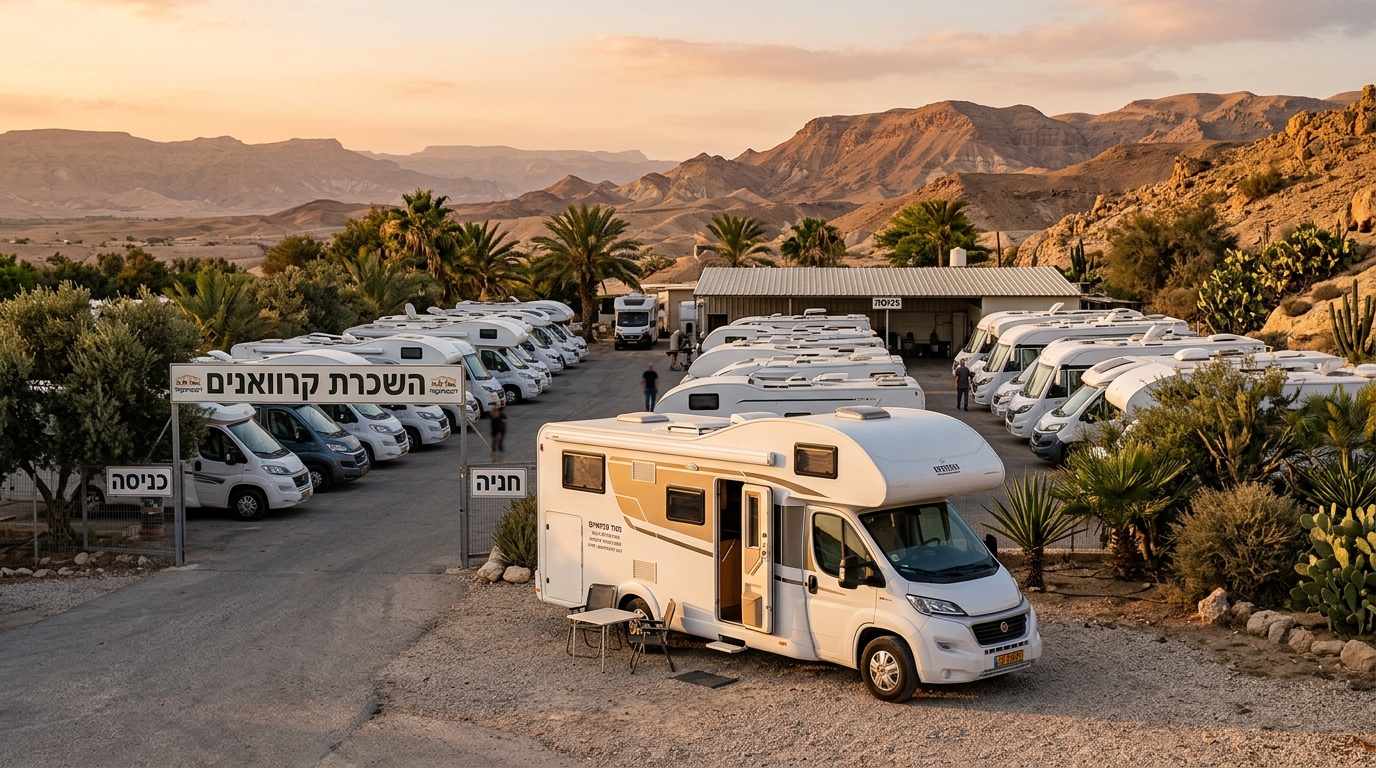
Israel offers a wide range of camping experiences for RV travelers, spanning from scenic coastal sites along the Mediterranean Sea to lush nature-rich campgrounds in the Galilee and Golan Heights, and serene spots nestled within the Negev Desert. Popular regions for RV camping in Israel include the Sea of Galilee area, which boasts numerous campsites like Ein Gev Holiday Resort and Beach, providing access to historical sites and water activities. Further south, the Judean Hills offer cooler climates and proximity to Jerusalem, while the expansive southern deserts, such as the Ramon Crater region, provide unique landscapes and access to ancient Nabatean routes and stunning geological formations. Many national park sites, while often requiring advance booking for specific dates, are prime destinations for RVers seeking natural beauty and well-maintained facilities.
Campground Types in Israel (National, Private, Wild)
In Israel, you will primarily encounter three types of camping experiences: national park campgrounds, private campgrounds, and a limited scope for wild camping. National Park Campgrounds, operated by the Israel Nature and Parks Authority, are generally well-maintained and often provide basic amenities like restrooms and water points. These sites typically require reservations, especially during peak seasons and holidays like Passover or Sukkot, but many also retain a significant portion of spots (around 70-75%) for first-come, first-served last-minute arrivals. Private Campgrounds usually offer a broader range of amenities, including full hookups (electricity, water, sewer), hot showers, and sometimes additional services such as Wi-Fi, pools, or recreational areas, with prices varying based on location and facilities. Wild Camping (also known as freedom camping or boondocking) is generally not permitted in national parks, developed areas, or within city limits. However, it is often tolerated in very remote, undeveloped parts of the Negev Desert and the Arava Valley. If you choose to wild camp, it is crucial to verify local legality, practice strict 'Leave No Trace' principles, and be entirely self-sufficient, as no amenities will be available.
Featured RV Park or Campground in Israel
When selecting a featured RV park or campground in Israel, travelers should prioritize locations that offer a balance of essential amenities and convenient access to key attractions and local experiences. For example, Ein Gedi Campground, located near the Dead Sea, provides stunning views and basic facilities like restrooms and water hookups, making it an excellent base for exploring the lowest point on Earth and nearby nature reserves. Look for campgrounds that emphasize secure parking for your rented motorhome, reliable water and electricity hookups (keeping in mind the unique Type H electrical outlets in Israel, requiring an adapter for many international devices), and waste disposal facilities for both gray and black water. A top-tier featured park will also often provide clear guidance on local cultural etiquette, especially concerning Shabbat observance, offer information on nearby resupply options like Shufersal supermarkets, and potentially connect travelers with local RV communities or support networks for an enhanced and worry-free experience.
Hookups & Amenities - What to Expect
When RVing in Israel, most designated campgrounds provide essential hookups and amenities, though offerings can vary significantly between national park sites and private facilities. Electricity is typically available, with campgrounds offering 16A or 32A electrical connections. It's crucial to remember that Israeli electrical outlets are Type H, which requires an adapter for common European Type C/F plugs and operates at 230V, 50Hz. Potable water hookups are widely available for replenishing your fresh water tank, and most campgrounds have designated gray and black water dump stations for proper waste disposal. Beyond the basics, private campgrounds often provide additional amenities such as Wi-Fi (sometimes for an extra fee), well-maintained restrooms and showers, and laundry facilities, enhancing comfort for longer stays or extended road trips. When planning your route with RV PLANET (rvplan.net), you can filter for specific amenities at different campgrounds. On the routes offered through RV PLANET routes, you can itemize and track every expense along the way for easy budgeting.
Booking Windows & Reservations in Israel
For last-minute RV rentals in Israel, while pre-planners enjoy the peace of mind of booking ahead, spontaneous travelers can often secure same-day or next-day spots at many campgrounds. This is because many national park campgrounds in Israel typically release only 25-30% of their spots for advance reservations, leaving the majority available on a first-come, first-served basis. If you're a spontaneous traveler, it is highly recommended to call your intended campground ahead of time before driving there, especially during busy periods or major Jewish holidays like Passover, to confirm real-time availability. Even if your first choice is fully booked, you will almost certainly find a suitable place; if not at the initial campground, then at another within a reasonable driving distance, ensuring flexibility for your last-minute adventure in Israel. Our platform, Bandana RV, specializes in helping you find available vehicles, even for last-minute needs.
Nearby Supermarkets & Resupply Points
RVers in Israel will find convenient access to major supermarket chains and local stores for all their resupply needs across the country, making meal planning for your RV adventure easy and enjoyable. Look for prominent supermarket chains such as Shufersal, Rami Levy, and Victory, which have numerous branches in both urban centers like Tel Aviv and Jerusalem, and smaller towns and rural areas. These larger stores offer a wide range of groceries, fresh produce, and household items essential for cooking in your rented motorhome. Smaller 'makolet' (convenience stores) or local markets in towns and villages also provide excellent options for fresh produce, local delicacies, and quick necessities, especially when venturing off the main routes. Remember to stock up on essentials like propane and water, particularly before heading into more remote desert areas. For delicious and easy meals on the go, check out our RV-friendly recipes playlist.
Best RV Class for Camping in Israel
For optimal last-minute RV camping in Israel, especially considering potentially narrower roads and urban navigation, a more compact RV class like a Camper Van (Class B) or a Semi-integrated model (Class C Low Profile) from Bandana's diverse fleet is generally recommended. Class B - Camper Vans, such as a "Category Van" or "Active Standard Auto" model, averaging 5.8m in length and sleeping around 2-3 people, offer exceptional maneuverability in tight city streets and provide better fuel efficiency, typically consuming 8-10 Liters/100 km. These are ideal for couples or small families seeking flexibility. Class SI - Semi-integrated RVs, with an average length of 6.9m for 3-4 sleeping places, like a "2 Berth Tamar" or a "Comfort Compact Select", strike a good balance between interior comfort and ease of driving, consuming about 10-11 Liters/100 km. These smaller classes are more suitable for navigating Israel's diverse road conditions, including older city centers and some rural routes, and offer greater flexibility for both designated campgrounds and tolerated wild camping spots in remote areas. Drive slowly and carefully, and you can drive almost anywhere without issues. No need to stress - just use common sense and pay attention, even with larger Class C motorhomes.
How to Save on Campgrounds in Israel
To save on campground costs for your last-minute RV rental in Israel, consider leveraging discount programs, strategic timing, and choosing specific types of campsites. Firstly, inquire with Bandana RV about any partner affiliations or discount cards that might offer reduced rates at participating Israeli campgrounds. Booking during shoulder seasons (spring and autumn) rather than peak summer or major holidays can significantly lower nightly rates and mean fewer crowds. Choosing municipal or regional campgrounds over private resorts, which often offer more extensive amenities, typically results in lower nightly fees. Additionally, many campgrounds offer discounted weekly rates, so consider staying for three or more nights at a single location if your itinerary allows. If traveling in a group with multiple RVs, inquire about sharing hookups to split utility costs where permitted. For comprehensive cost tracking and itinerary planning, our RV PLANET routes allow you to itemize and track every expense along the way for easy budgeting.
Are RVs popular in Israel?
RVs are indeed experiencing growing popularity in Israel, particularly among local families and an increasing number of international tourists seeking flexible and immersive travel experiences beyond traditional hotels. This trend reflects a widespread desire for independent exploration, enabling travelers to access diverse landscapes from the ancient sites of the Galilee to the unique geological formations of the Negev Desert. The expanding interest in RV travel is fostering a vibrant local RV community and encouraging the development of supporting infrastructure, including more designated campgrounds and services. While not as universally common as in some Western countries, the Israeli RV market is clearly expanding, with more rental options and designated campgrounds becoming available, enhancing its appeal for spontaneous and extended road trips. This growth contributes to better availability for last minute rv rentals in Israel.
How much does it cost to rent an RV in Israel?
The cost of renting an RV in Israel varies widely based on several factors, including the RV class, rental duration (e.g., a week-long trip versus a two-week adventure), seasonality, and how far in advance you book. Last-minute rentals, while available, may see fluctuating dynamic rates due to immediate demand and limited inventory. Beyond the base rental fee, a comprehensive budget for an RV trip to Israel must account for significant ancillary costs: fuel (diesel, typically 10-12 Liters/100 km for Bandana's Class SI or C RVs), campground fees (ranging from NIS 50-150+ per night for basic to full-service sites), and propane for cooking and heating. Additional expenses to factor in are attraction entry fees, potential insurance add-ons (like upgrading to a top-level deductible for extra peace of mind), one-way rental fees if applicable, and costs for water refills or waste disposal at non-campground locations, which can significantly impact the overall trip cost. For detailed insights on budgeting and potential savings, travelers can explore "Cheap RV Rental in Israel - Budget Guide 2026".
What do you need to know before renting an RV in Israel?
Before renting an RV in Israel, it is essential to familiarize yourself with local driving regulations, cultural nuances, connectivity options, and the diverse geographical and seasonal conditions. For driving, a standard car driver's license is sufficient for all motorhome classes, though an International Driving Permit (IDP) is recommended for non-English speakers. Cultural etiquette for RVers is important: be respectful of local customs, especially concerning Shabbat (Sabbath) observance, which affects driving and commerce in certain areas; understanding and observing these customs will enhance your experience, particularly around religious sites. Connectivity is crucial for navigation: Waze is the dominant and highly effective GPS app in Israel, providing real-time traffic updates. Purchasing a local SIM card provides essential mobile data for navigation, communication, and real-time updates. Regarding vehicle suitability and road specifics, consider the size of your RV relative to Israel's roads, which can be narrower outside main highways and in older city centers; smaller RVs like Class B Camper Vans or Class SI Semi-integrated models offer better maneuverability. For example, a "V3" campervan with a length of 6.36m is excellent for navigating diverse terrain. Safety and security beyond basics are paramount; while generally safe, maintain situational awareness, especially regarding geopolitical developments. Staying informed through local news and official advisories is prudent, alongside standard RV security practices for valuables. For comprehensive itineraries and routes, explore Rent&Plan options via rvplan.net.
Is it safe to travel in an RV in Israel?
Traveling in a rented RV in Israel is generally considered safe, provided travelers exercise standard precautions and stay informed about local conditions and geopolitical situations. The country has a robust security presence, and main roads are well-maintained, contributing to a secure travel environment. Beyond general travel safety, RVers should prioritize secure overnight parking, keeping valuables out of sight within their motorhome, and being aware of local emergency contact numbers (Police: 100, Ambulance: 101, Fire: 102). It is crucial to monitor local news from reputable sources and adhere to any travel advisories, particularly near border regions or politically sensitive areas. Understanding cultural etiquette, such as appropriate behavior near religious sites and during Shabbat, also significantly contributes to a safe and respectful journey. Bandana RV's 24/7 support is available for pre-booking and coordination, ensuring you have assistance before and after your trip, giving you peace of mind.
What is the best time of year to RV in Israel?
The best time of year to RV in Israel is during the spring (April-May) and autumn (September-November), when the weather is comfortably mild, offering ideal conditions for touring and outdoor activities. During these shoulder seasons, average daytime temperatures range from 20-28°C, perfect for exploring historical sites, hiking, or enjoying the beaches without extreme heat. Seasonality significantly impacts RV travel: Summer (June-August) is characterized by intense heat, particularly in the desert regions, which can make daytime RV travel and outdoor activities challenging and necessitate constant air conditioning. Winter (December-March) brings cooler temperatures and significant rainfall, especially in the north and central regions, potentially impacting road conditions and accessibility to some natural sites or hiking trails. Major Jewish holidays (e.g., Passover, Sukkot) also create peak travel periods with increased demand for campgrounds and higher dynamic prices, so last-minute renters should be particularly flexible and proactive in securing their spots during these times.
What are the roads like in Israel for RVs?
Israel's main highways, such as Highway 6 and Highway 90, are generally modern, well-paved, and suitable for RV travel, offering smooth transit between major cities and attractions. However, secondary roads, particularly in rural areas, mountainous regions like the Golan Heights, or within older city centers, can be narrower, winding, and more challenging for larger vehicles. Drive slowly and carefully, and you can drive almost anywhere without issues. No need to stress - just use common sense and pay attention. For this reason, vehicle suitability for Israeli roads often favors smaller RVs, such as Bandana's Class B Camper Vans (averaging 5.8m like a "2 Berth Hi Top") or Class SI Semi-integrated models (averaging 6.9m like a "2 Berth Tamar"), which offer better maneuverability. Road signage is typically presented in Hebrew, Arabic, and English, making navigation straightforward for international travelers. Fuel stations offering diesel are widely available along major routes and in most towns, ensuring convenient resupply stops. For specific route planning and insights, consider exploring "RV Rental Asia - Complete Guide 2026".
Is driving in Israel difficult for Tourists?
Driving in Israel can present unique challenges for tourists due to potentially assertive local driving styles, heavy urban traffic, and a dense network of roads, particularly in cities like Tel Aviv and Jerusalem. While major highways are generally straightforward and well-marked, navigating crowded city centers can be particularly demanding, especially when driving a rented RV. Urban RVing and parking solutions require strategic planning; finding suitable parking for an RV in Israeli cities is notoriously difficult due to limited space and strict regulations. Therefore, travelers should consider 'park-and-ride' options on city outskirts, utilizing secure parking lots, or relying on Israel's robust public transport system from well-situated campgrounds on the fringes of urban areas. Using a local navigation app like Waze, which is highly popular and remarkably accurate in Israel, is strongly recommended for real-time traffic updates and efficient route guidance, significantly mitigating some of the driving difficulties. Remember, a standard driver's license is sufficient for all motorhome classes.
Can you sleep in an RV anywhere in Israel?
No, you cannot legally or practically sleep in an RV anywhere in Israel; designated campgrounds are the preferred and safest option, while wild camping is generally tolerated only in very specific, remote areas. Wild camping versus designated sites: While explicit laws against wild camping are less stringent in vast, uninhabited desert regions like the Negev, it is strictly forbidden in national parks, nature reserves, and populated areas. Urban RVing and parking solutions: Overnight parking for RVs in Israeli cities is challenging due to limited space and regulations; seeking designated RV parking or staying at campgrounds on city fringes that offer public transport access is advisable. Always prioritize safety and legality by researching specific locations, and if opting for remote wild camping, ensure you leave no trace and are prepared for a complete lack of amenities like water and waste disposal. For finding suitable campsites, we recommend using RV PLANET (rvplan.net).
Where can you camp for free in Israel?
Free camping in Israel is primarily confined to remote, undeveloped areas within the vast Negev and Arava deserts, where it is often tolerated rather than explicitly permitted by law. These free-to-camp locations typically offer no amenities such as water, electricity, or designated waste disposal, meaning RVers must be entirely self-sufficient and practice strict 'Leave No Trace' principles, packing out everything they pack in. It is crucial to avoid attempting free camping within Israel's national parks, nature reserves, or near populated areas, as it is illegal and subject to fines. For last-minute free camping, consult local maps for truly remote spots away from any official sites or communities. Always prioritize safety, being mindful of your surroundings and potential security concerns in isolated regions. Consider exploring designated 'night camps' or 'Khanim' within National Parks and Nature Reserves, which offer basic facilities and are either free or low-cost, providing a safer and more amenity-rich alternative to true wild camping.
How do you get around in Israel without a car?
While a rented RV offers extensive freedom for intercity travel and exploring diverse landscapes in Israel, getting around major Israeli cities efficiently often means utilizing robust public transport networks, taxis, or ride-sharing services to avoid urban driving and parking challenges. Urban RVing and parking solutions: Many RV campgrounds, especially those on the outskirts of cities like Tel Aviv and Jerusalem, are conveniently located near public bus stops, allowing travelers to park their RV securely and use local buses or the national train system for day trips into urban centers or specific attractions. Israel's public transport system, including major bus operators like Egged, Dan, and Metropoline, and the national train network, connects most major cities and towns, offering a viable and often more practical alternative for exploring areas where RV parking is impractical or expensive. Taxis and ride-sharing apps (such as Gett) are readily available in urban areas, providing flexible options for shorter distances or when public transport isn't convenient, complementing your RV exploration.
What You Shouldn't Miss
- **Floating in the Dead Sea:** Experience the unique sensation of effortlessly floating in the mineral-rich waters of the Dead Sea, the lowest point on Earth.
- **Exploring Masada National Park:** Hike or take the cable car up to the ancient fortress of Masada, offering breathtaking views and a profound historical experience.
- **Wandering the Old City of Jerusalem:** Immerse yourself in thousands of years of history and spirituality across its various quarters, from the Western Wall to the Church of the Holy Sepulchre.
- **Hiking in the Galilee and Golan Heights:** Discover lush green landscapes, ancient synagogues, and stunning waterfalls like Banias Nature Reserve, a refreshing contrast to the desert.
- **Discovering Ramon Crater in the Negev:** Witness the dramatic geological marvel of the Ramon Crater, a giant erosion cirque perfect for stargazing and desert exploration.
- **Looking for expert insights from Avi Bandana? Top 5 Adventures - recommendations from Avi Bandana**
Final Thoughts
A last-minute RV camping adventure in Israel promises a journey filled with discovery, freedom, and unforgettable memories. From the ancient wonders of Jerusalem to the serene beauty of the Galilee and the dramatic landscapes of the Negev Desert, a rented motorhome serves as your personal portal to an enriching travel experience. Don't let the idea of last-minute planning deter you; with many campgrounds offering first-come, first-served spots and our extensive network of suppliers, finding the perfect RV for your spontaneous trip is simpler than you think.
Embrace the open road and the flexibility that RV travel provides. Remember to travel slowly, averaging no more than 100-150 km per day, allowing yourself ample time to truly feel each place, connect with the local culture and food, and soak in the breathtaking scenery. Your Israeli RV adventure awaits!
Discover top destinations, planning tips, all in one place, and compare Last-Minute RV Rental Prices in Israel Now!
